Contract Manufacturing Agreement In India In Orange
Description

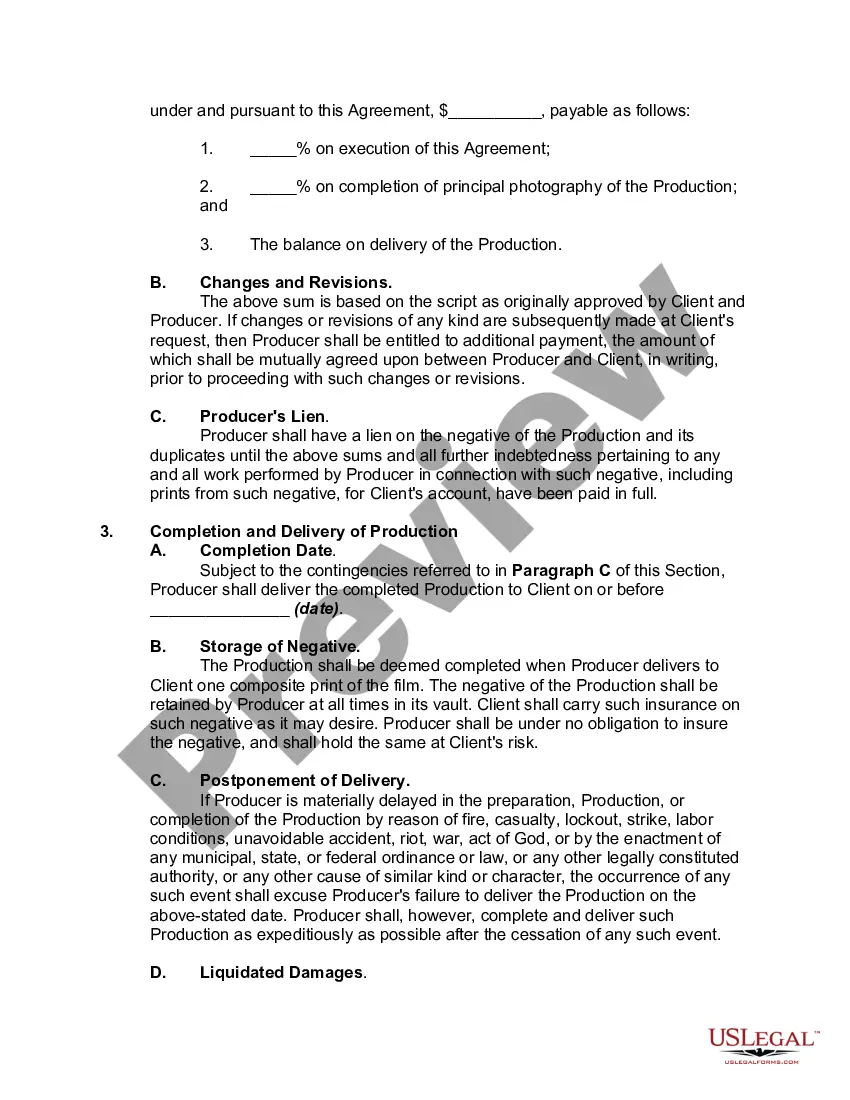
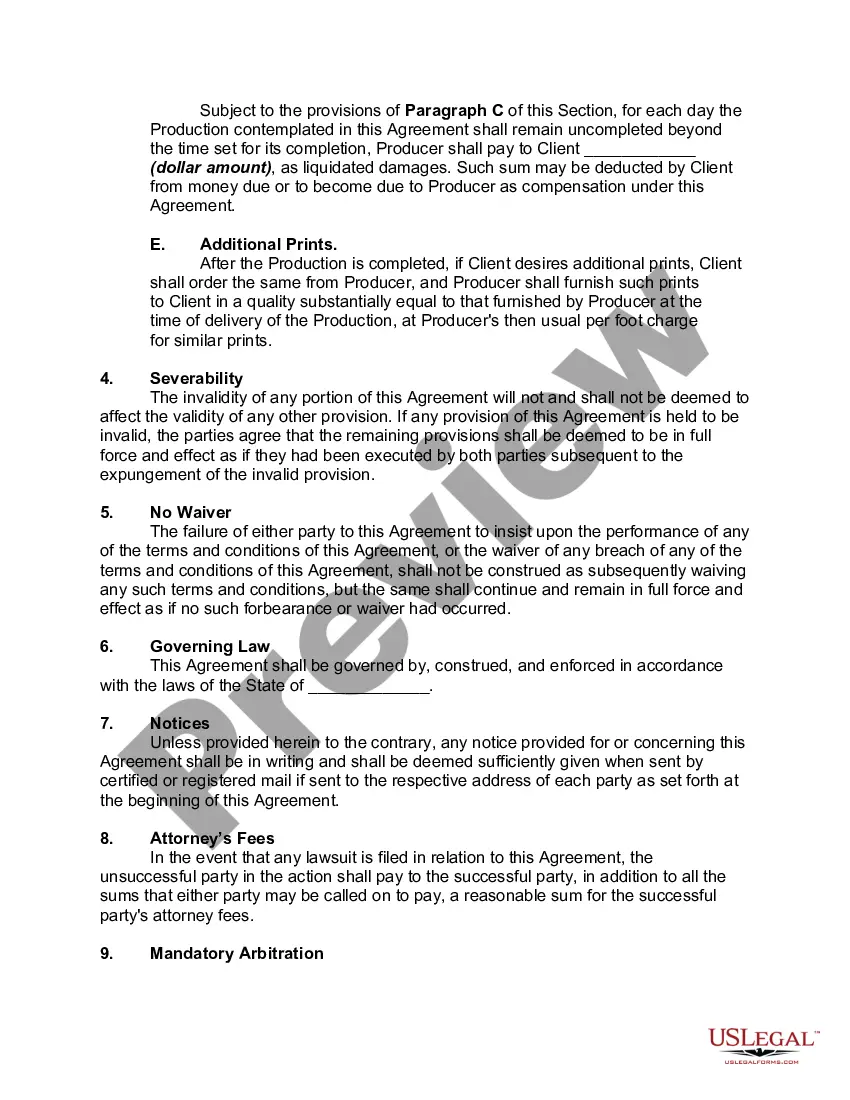
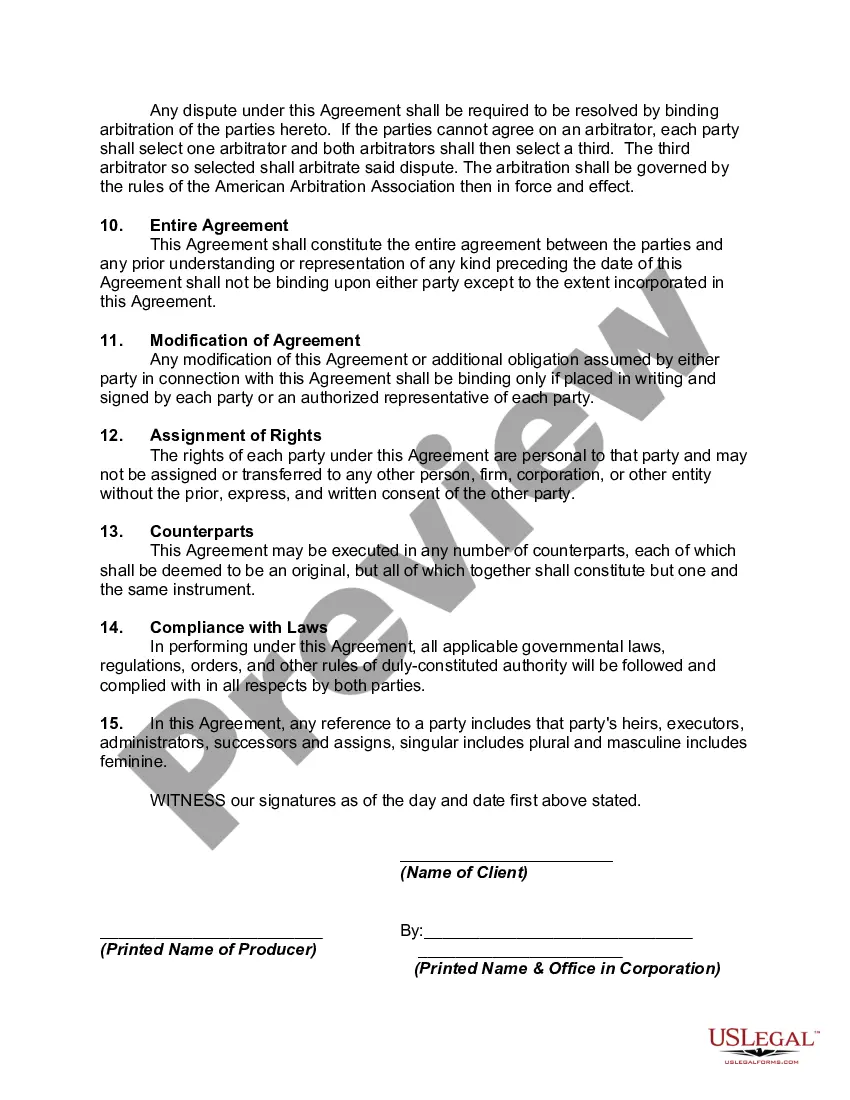
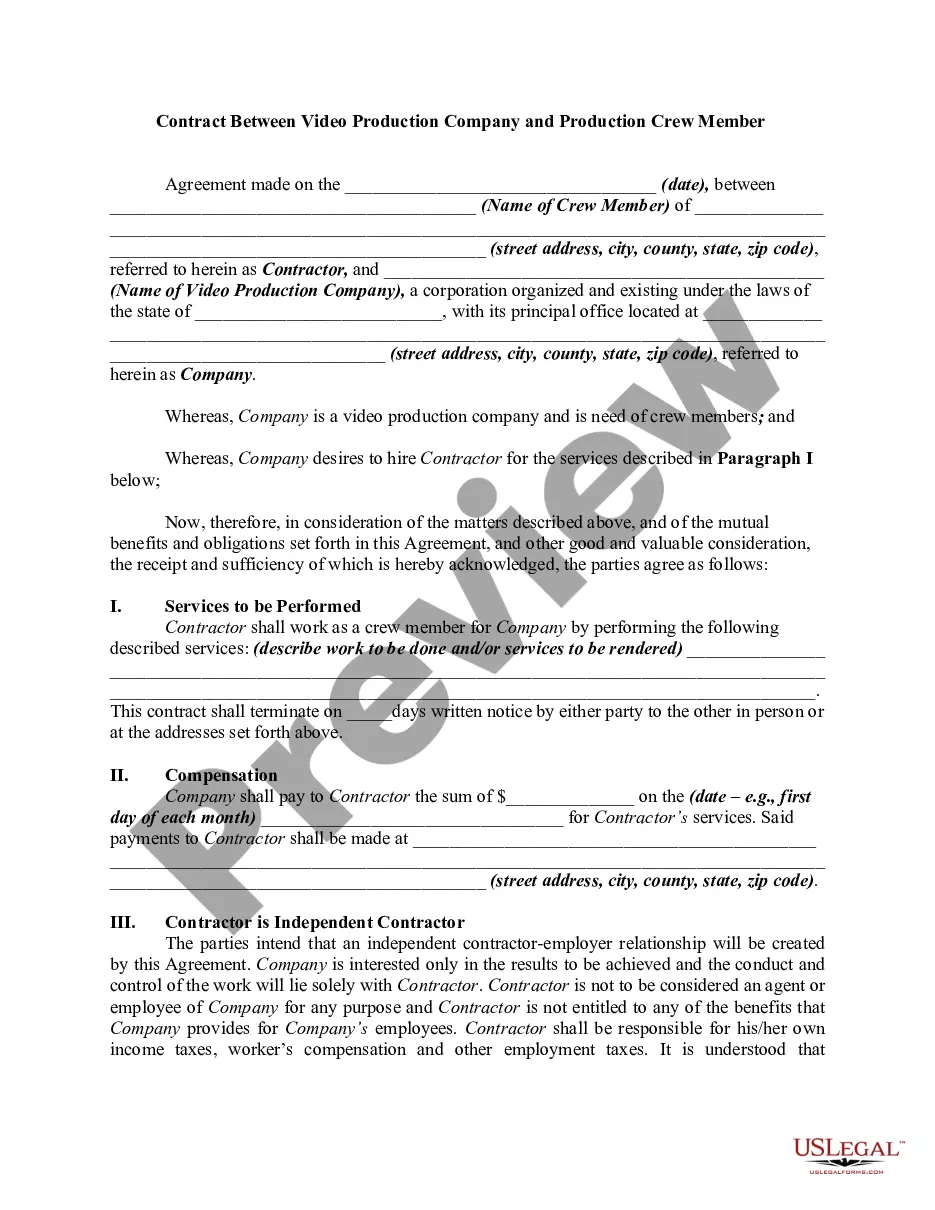
Get your form ready online
Our built-in tools help you complete, sign, share, and store your documents in one place.
Make edits, fill in missing information, and update formatting in US Legal Forms—just like you would in MS Word.
Download a copy, print it, send it by email, or mail it via USPS—whatever works best for your next step.
Sign and collect signatures with our SignNow integration. Send to multiple recipients, set reminders, and more. Go Premium to unlock E-Sign.
If this form requires notarization, complete it online through a secure video call—no need to meet a notary in person or wait for an appointment.
We protect your documents and personal data by following strict security and privacy standards.

Make edits, fill in missing information, and update formatting in US Legal Forms—just like you would in MS Word.

Download a copy, print it, send it by email, or mail it via USPS—whatever works best for your next step.

Sign and collect signatures with our SignNow integration. Send to multiple recipients, set reminders, and more. Go Premium to unlock E-Sign.

If this form requires notarization, complete it online through a secure video call—no need to meet a notary in person or wait for an appointment.

We protect your documents and personal data by following strict security and privacy standards.
Looking for another form?






Form popularity
FAQ
Here's a look at the primary types of contract manufacturing services: End-to-End Production, Partial Production Services, and Private Label Manufacturing. End-to-End Production. Partial Production Services. Private Label Manufacturing.
To be considered legally valid, a contract must meet certain criteria, such as mutual assent, consideration, capacity, and a legal purpose. However, it is possible to create a legal contract without hiring a lawyer. Seeking lawyers is customary but not necessary.
In its most basic form, contract manufacturing is when one business agrees to assist in the production of goods for another business. The arrangement could be limited to producing certain components, such as equipment faceplates or control panel overlays, or it could entail complete start-to-finish manufacturing.
Your manufacturing contract should include: intellectual property (since the contract manufacturer(s) will be producing your proprietary creation). an assessment of manufacturing costs. clearly-written obligations of both parties. liabilities. product quality standards (if a quality control clause is included).
One of the most prominent examples of contract manufacturing is an original equipment manufacturer called Foxconn, a Taiwanese contract manufacturer that specializes in electronics. They have work with some of the largest companies in the United States like Apple, Xbox, and Amazon.
Contract execution requires participation from all parties. However, the signatory authorities are the most important participants at this stage. That said, anyone who signs a contract on behalf of a company must have the legal authority to bind the organization to a business agreement.
Every promise and every set of promises, forming the consideration for each other, is an agreement. An agreement not enforceable by law is said to be void. An agreement enforceable by law is called as contract.
An. agreement is defined as "Every promise and every set of promises, forming the consideration. for each other, is an agreement" under Section 2(e) of the Indian Contract Act, 1872.
An agreement is a manifestation of mutual assent by two or more persons to one another. It is a meeting of the minds in a common intention, and is made through offer and acceptance. An agreement can be shown from words, conduct, and in some cases, even silence.
An agreement is defined under Section 2(e) of the Indian Contract Act, 1872 (the Act). It states that “Every promise and every set of promises, forming the consideration for each other, is an agreement”.
