Contract For Film Music In Ohio
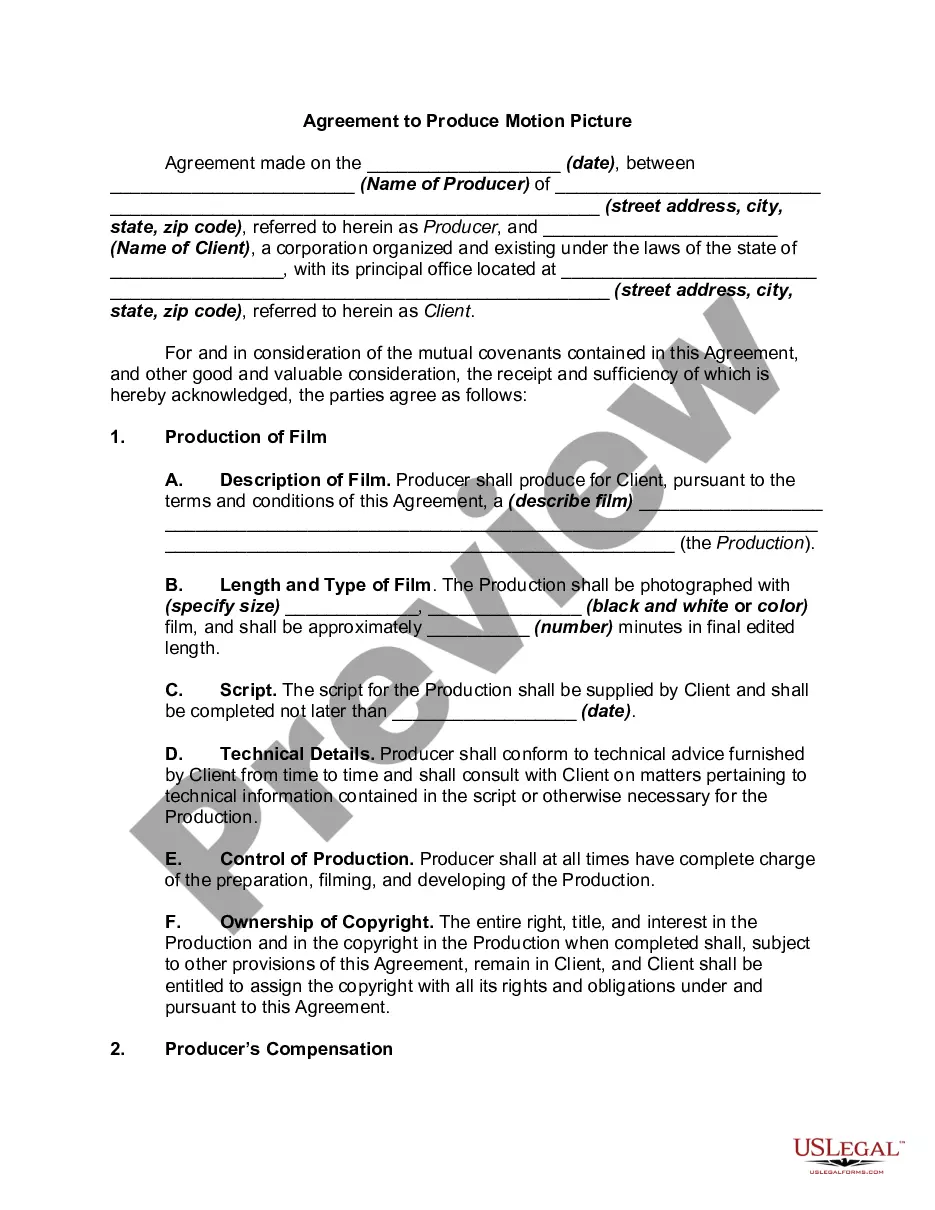
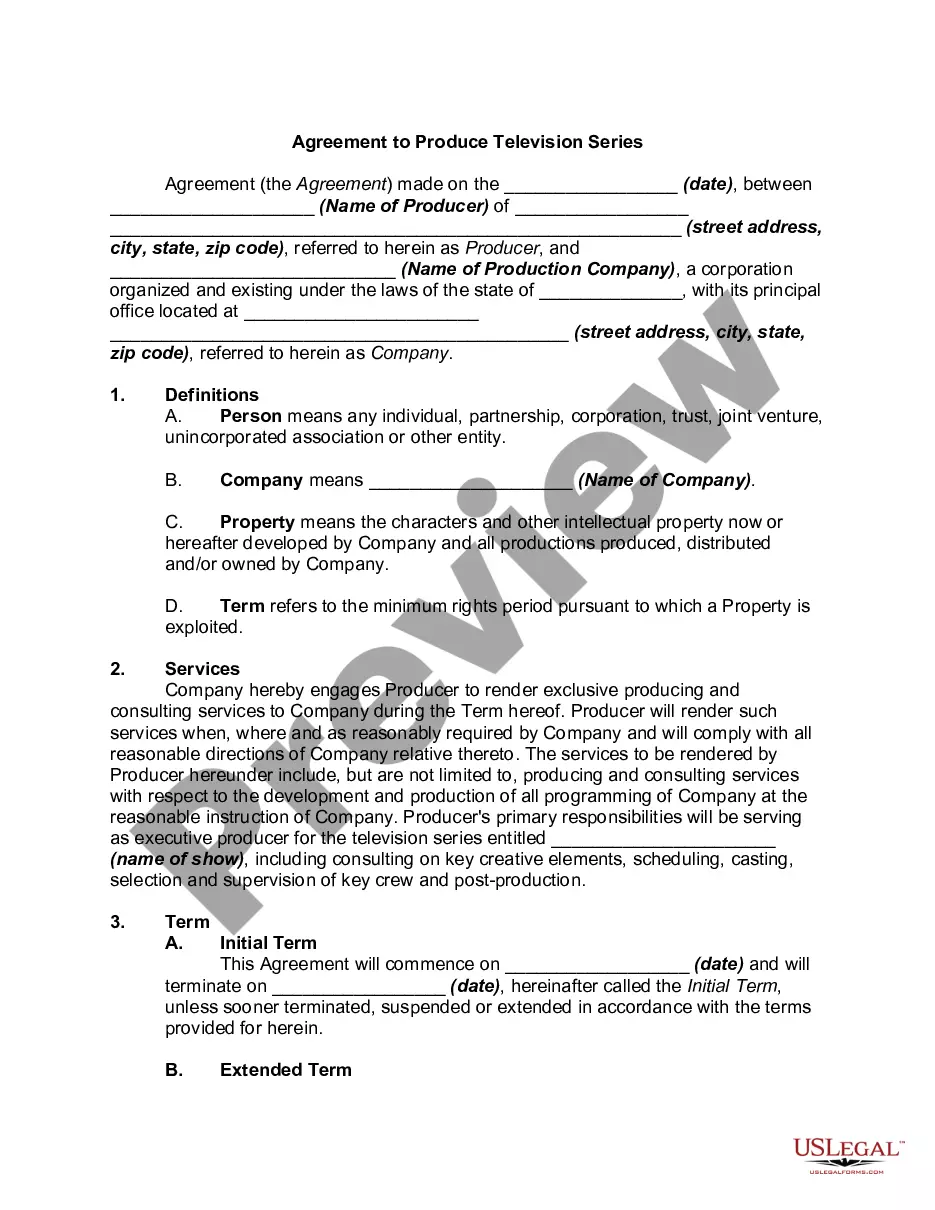
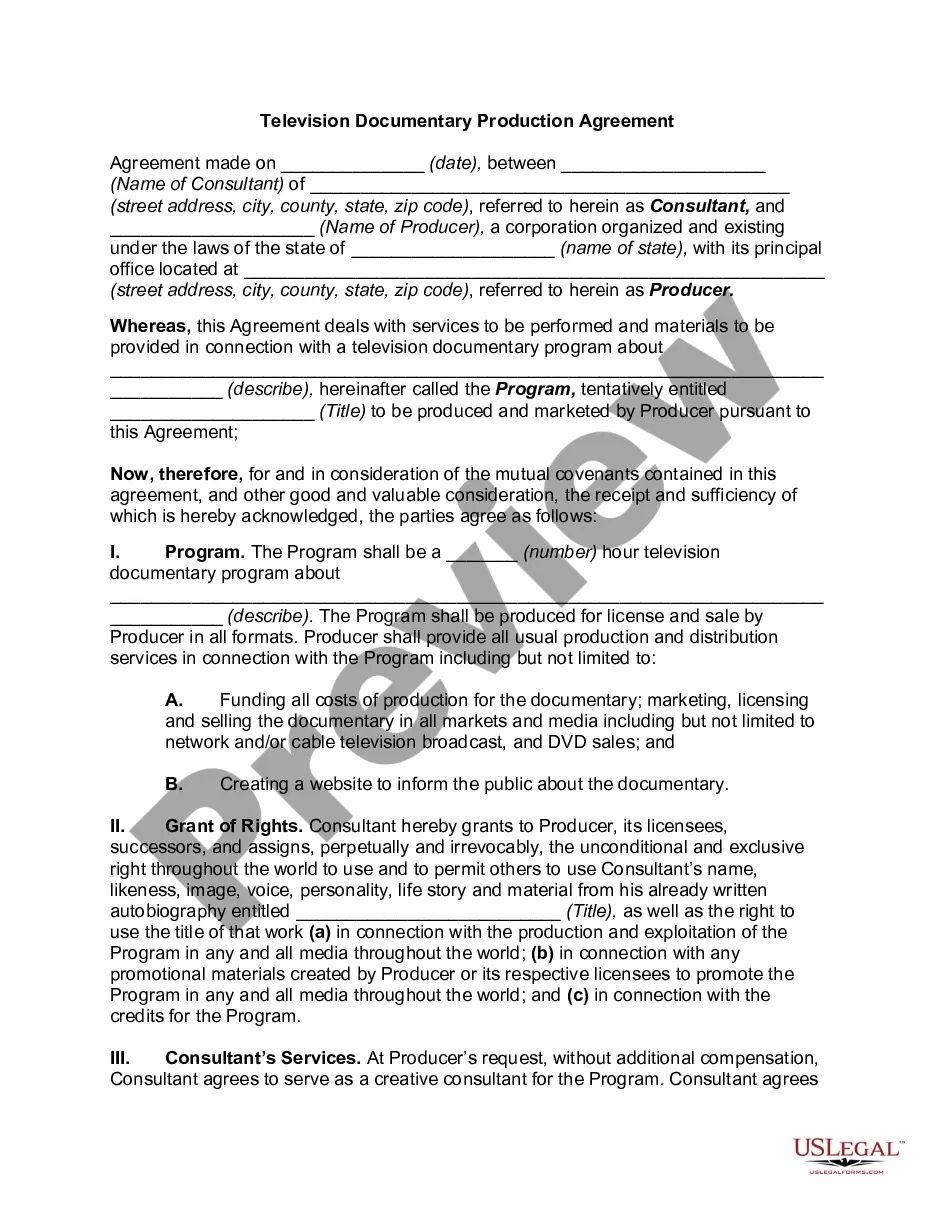
Description

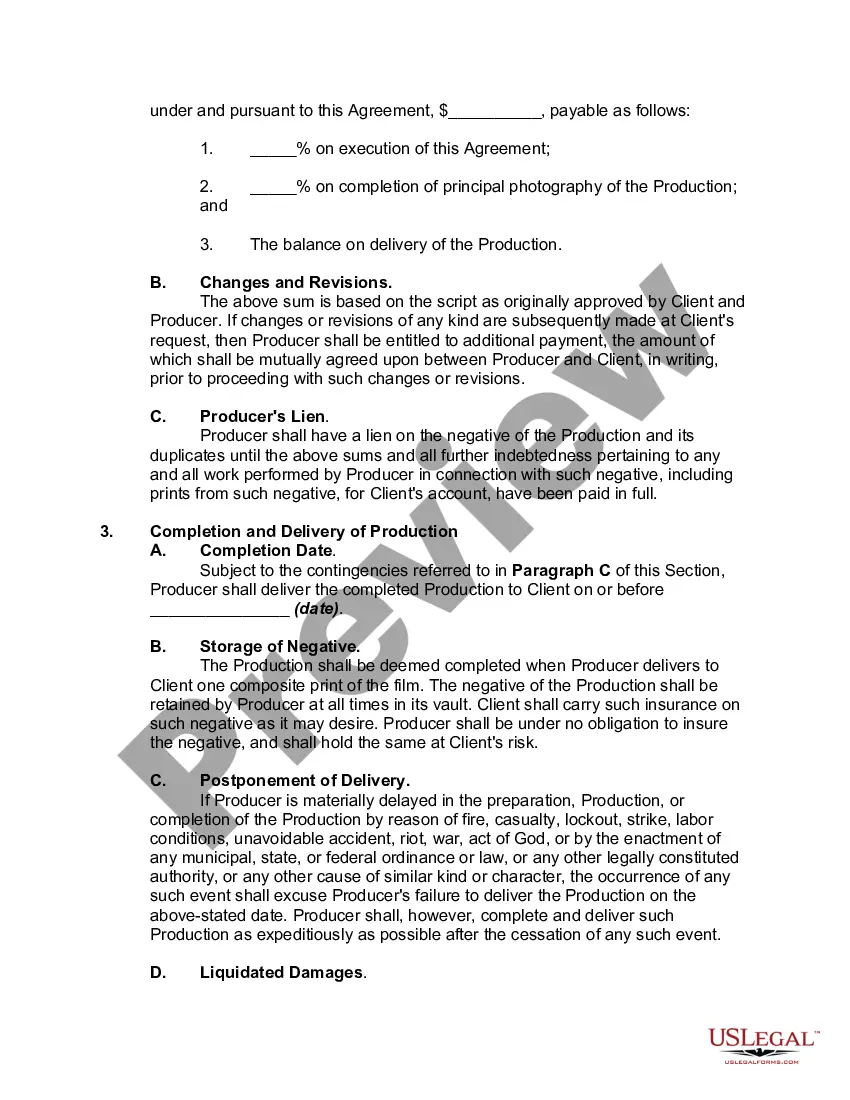
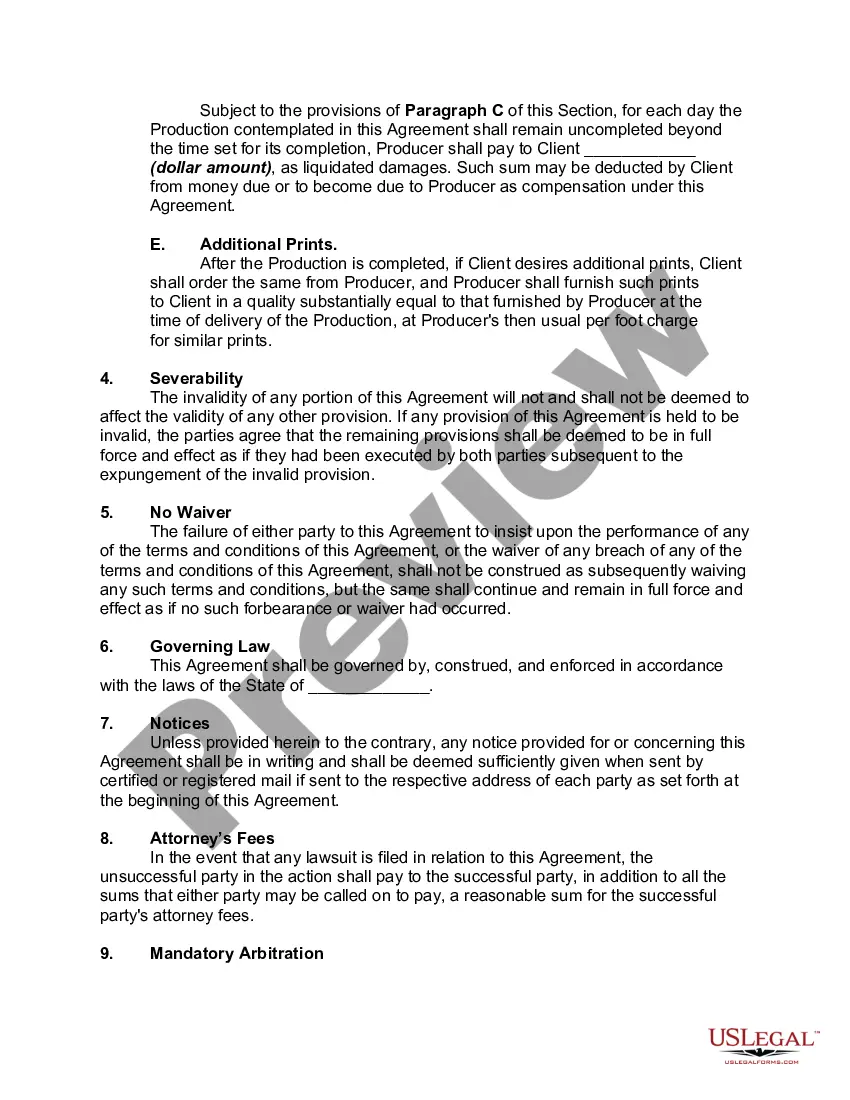
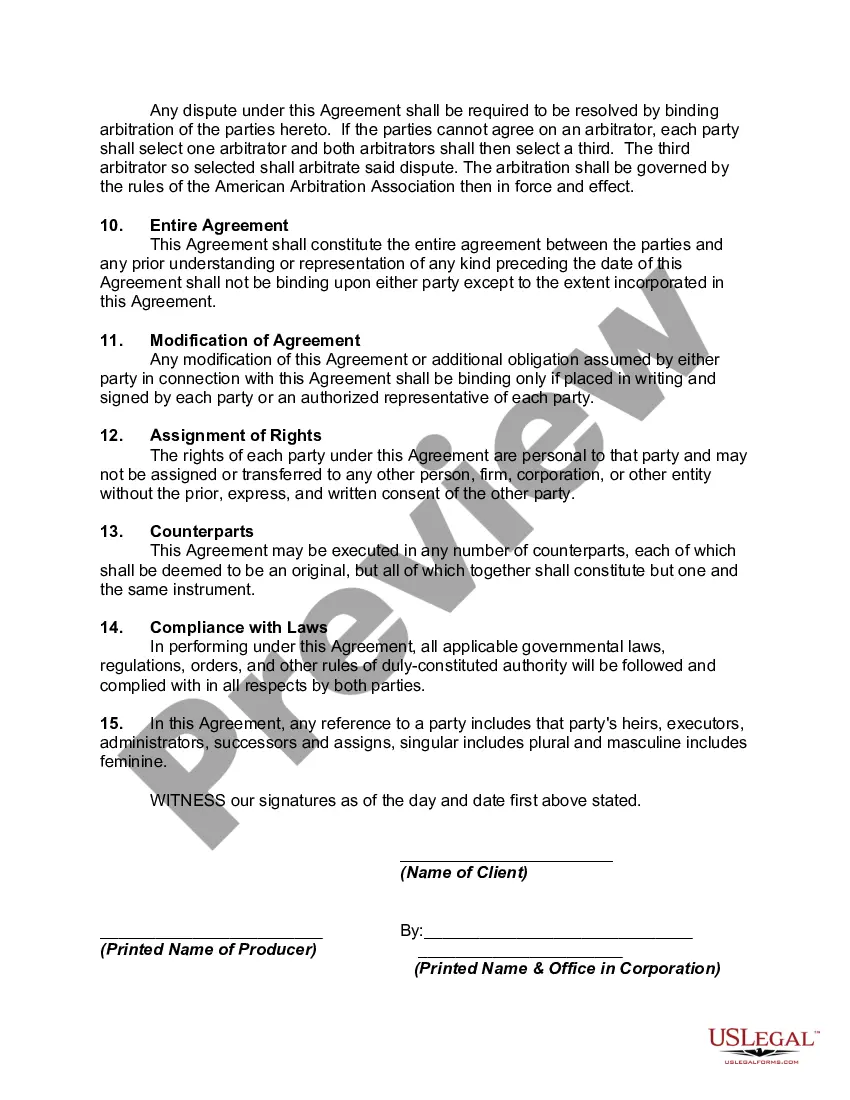
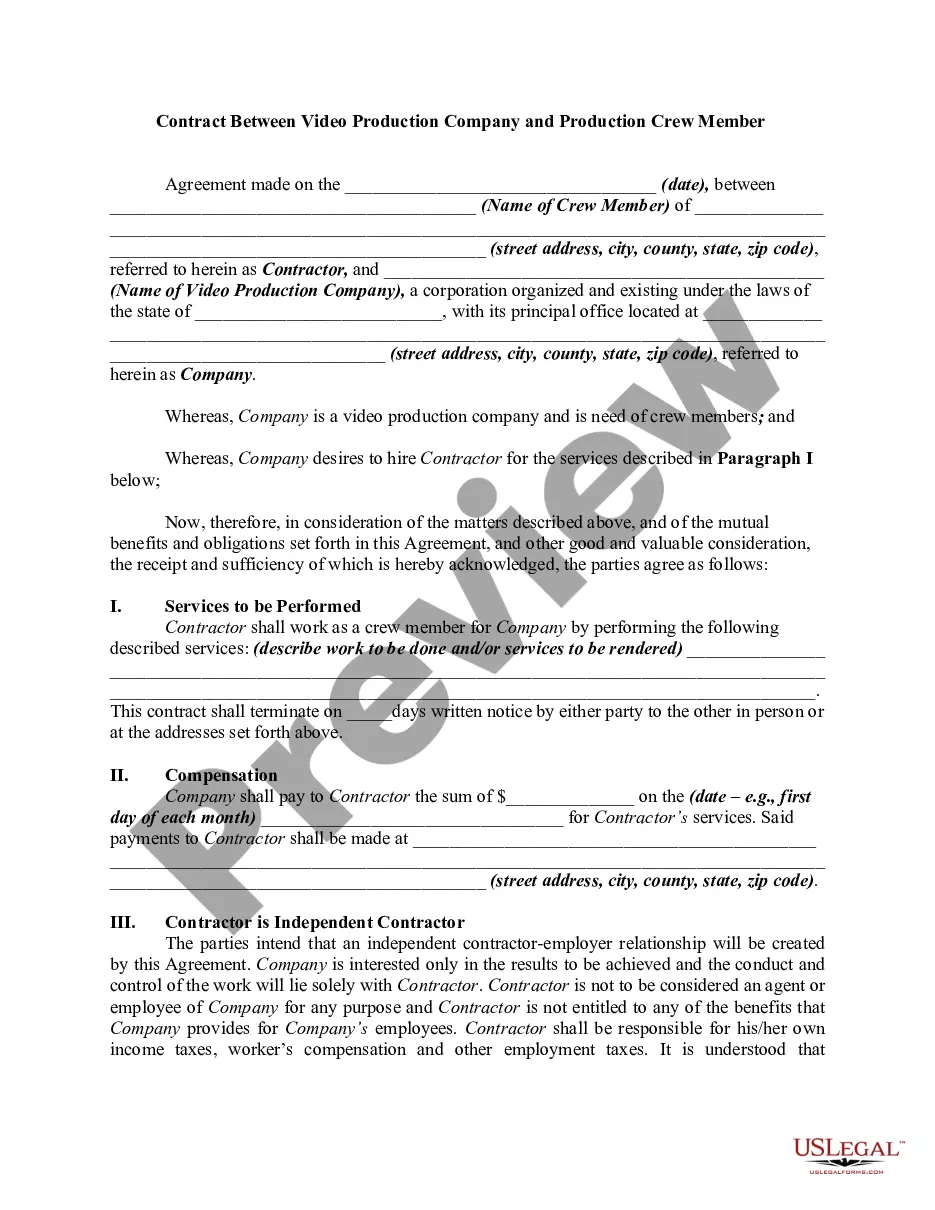
Get your form ready online
Our built-in tools help you complete, sign, share, and store your documents in one place.
Make edits, fill in missing information, and update formatting in US Legal Forms—just like you would in MS Word.
Download a copy, print it, send it by email, or mail it via USPS—whatever works best for your next step.
Sign and collect signatures with our SignNow integration. Send to multiple recipients, set reminders, and more. Go Premium to unlock E-Sign.
If this form requires notarization, complete it online through a secure video call—no need to meet a notary in person or wait for an appointment.
We protect your documents and personal data by following strict security and privacy standards.

Make edits, fill in missing information, and update formatting in US Legal Forms—just like you would in MS Word.

Download a copy, print it, send it by email, or mail it via USPS—whatever works best for your next step.

Sign and collect signatures with our SignNow integration. Send to multiple recipients, set reminders, and more. Go Premium to unlock E-Sign.

If this form requires notarization, complete it online through a secure video call—no need to meet a notary in person or wait for an appointment.

We protect your documents and personal data by following strict security and privacy standards.
Looking for another form?






Form popularity
FAQ
1. “Motion picture company” is a company generally engaged in the business of filming or producing motion pictures.
Film tax incentives typically come in the form of tax credits equal to a percentage of a film or television production's qualified in-state spending and/or exemptions from sales tax on qualified transactions.
Of the 28 states that offer tax credits, 26 make them either transferable or refundable. Transferable credits allow production companies that generate tax credits greater than their tax liability to sell those credits to other taxpayers, who then use them to reduce or eliminate their own tax liability.
The Ohio Motion Picture Tax Credit (OMPTC) provides a refundable, tax credit of 30 percent on production cast and crew wages plus other eligible in-state spending. OMPTC was created in 2009 to encourage and develop a film industry in Ohio.
The Ohio Motion Picture Tax Credit (OMPTC) provides a refundable, tax credit of 30 percent on production cast and crew wages plus other eligible in-state spending. OMPTC was created in 2009 to encourage and develop a film industry in Ohio.
Whether it's a movie, documentary, videogame or commercial, the production can take place here in Ohio. A variety of productions are occurring all across the state of Ohio, thanks in part to the Ohio Motion Picture Tax Credit administered by the Ohio Department of Development.
Formal Education: Consider enrolling in a music composition program, film scoring course, or music production degree at a university or conservatory. Online Courses: Platforms like Coursera, Berklee Online, or MasterClass offer courses in film scoring and music production.
Formal education in music or film scoring can be beneficial. Gain experience by scoring student films, indie projects, or creating music for commercials. Building a strong portfolio and networking with filmmakers, directors, and other composers is crucial. Moving to industry hubs like Los Angeles can also help.
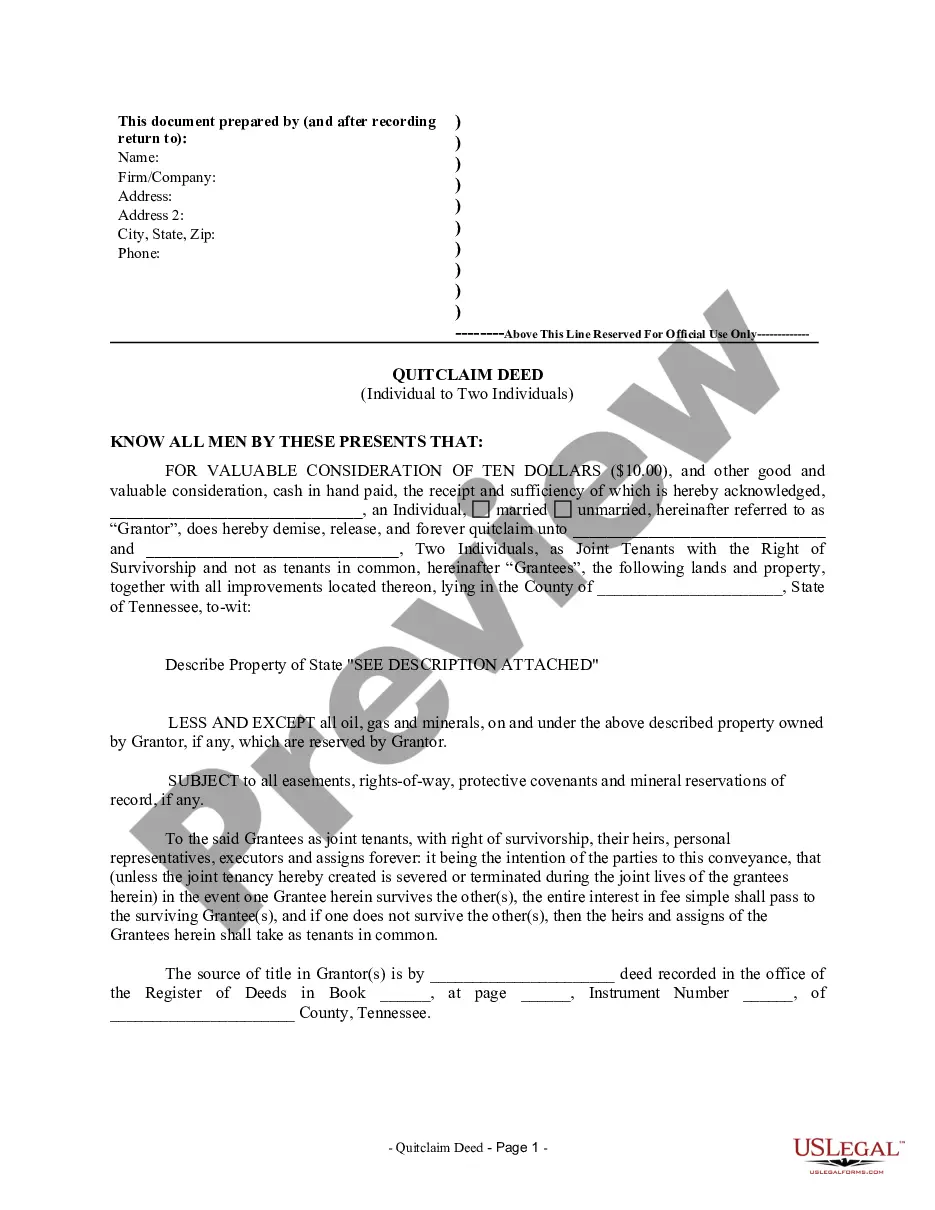
A music release form is an agreement that permits a filmmaker or a media house to use an artist's music for a film or other production. This online form can serve as a legal basis for both parties, underlining their rights and obligations.
