Film Production Examples In Montgomery
Description

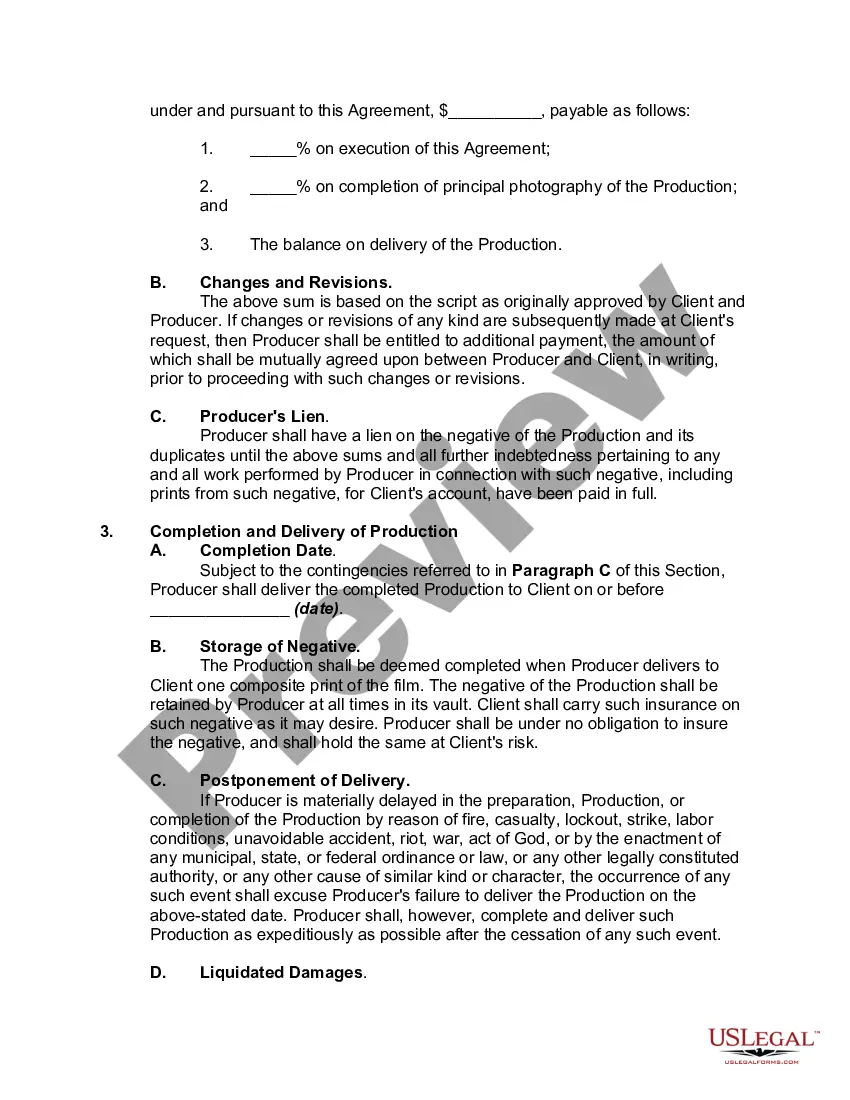
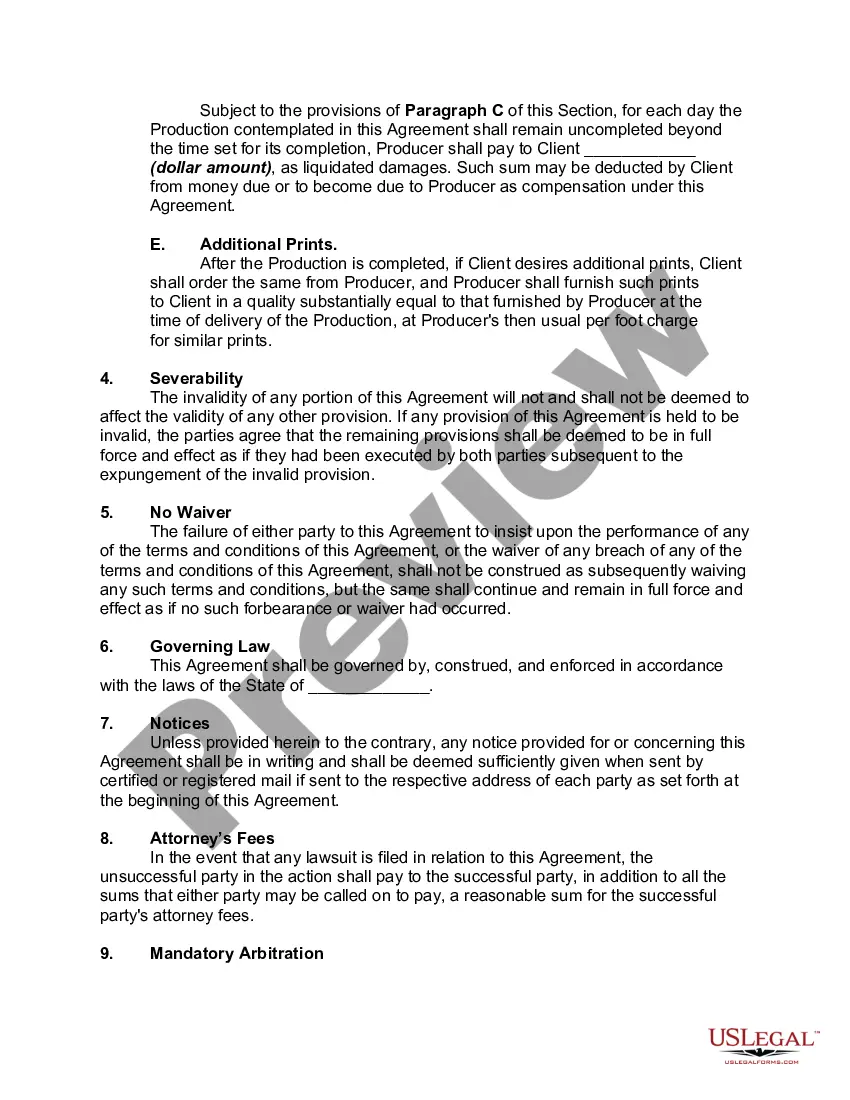
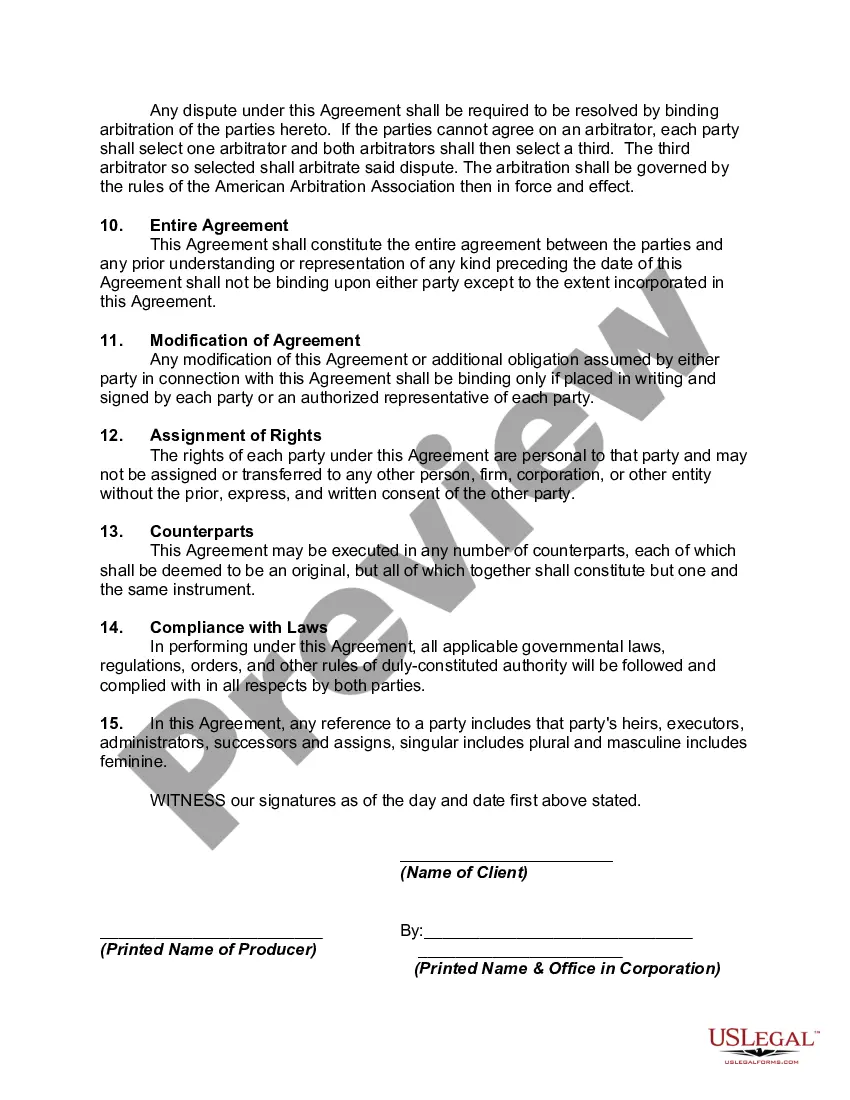
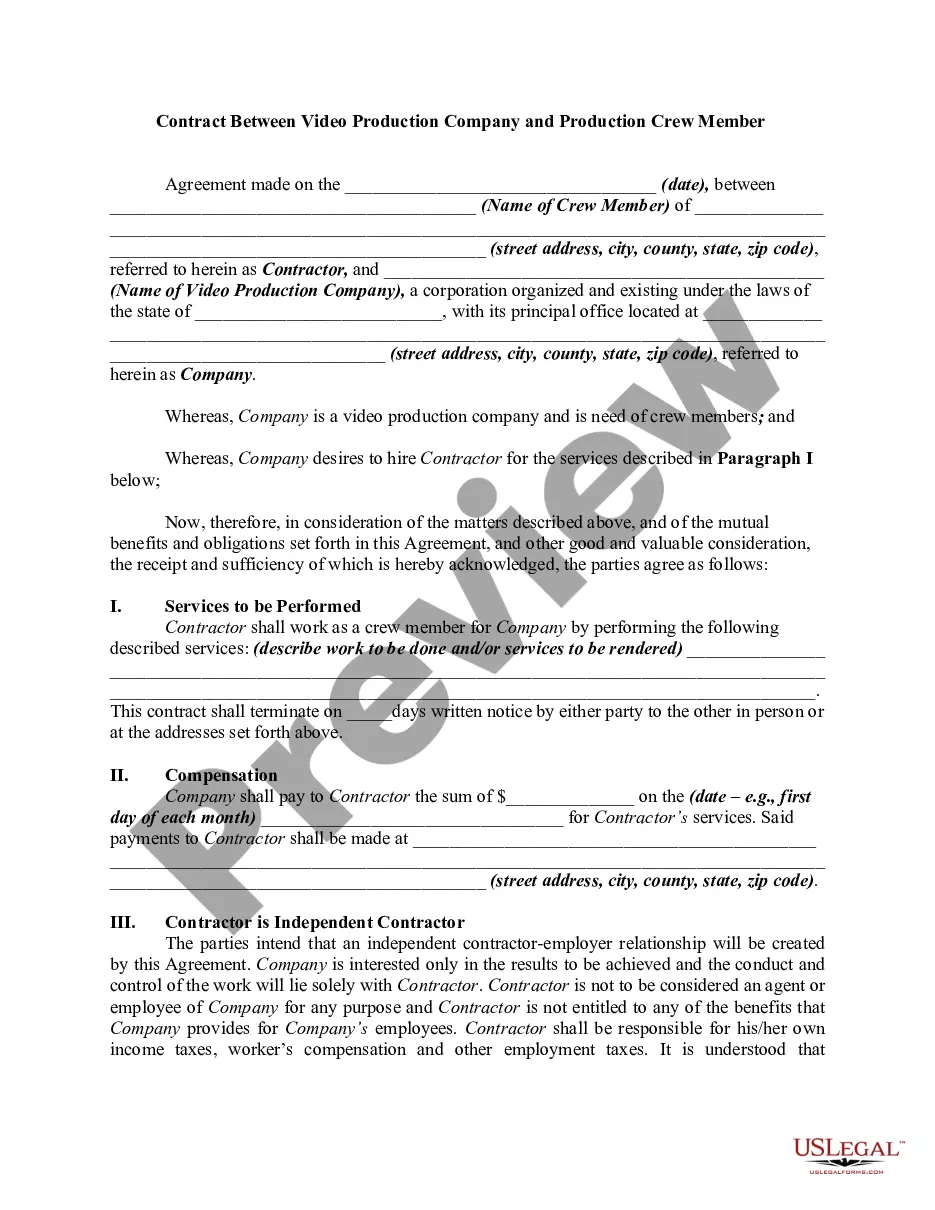
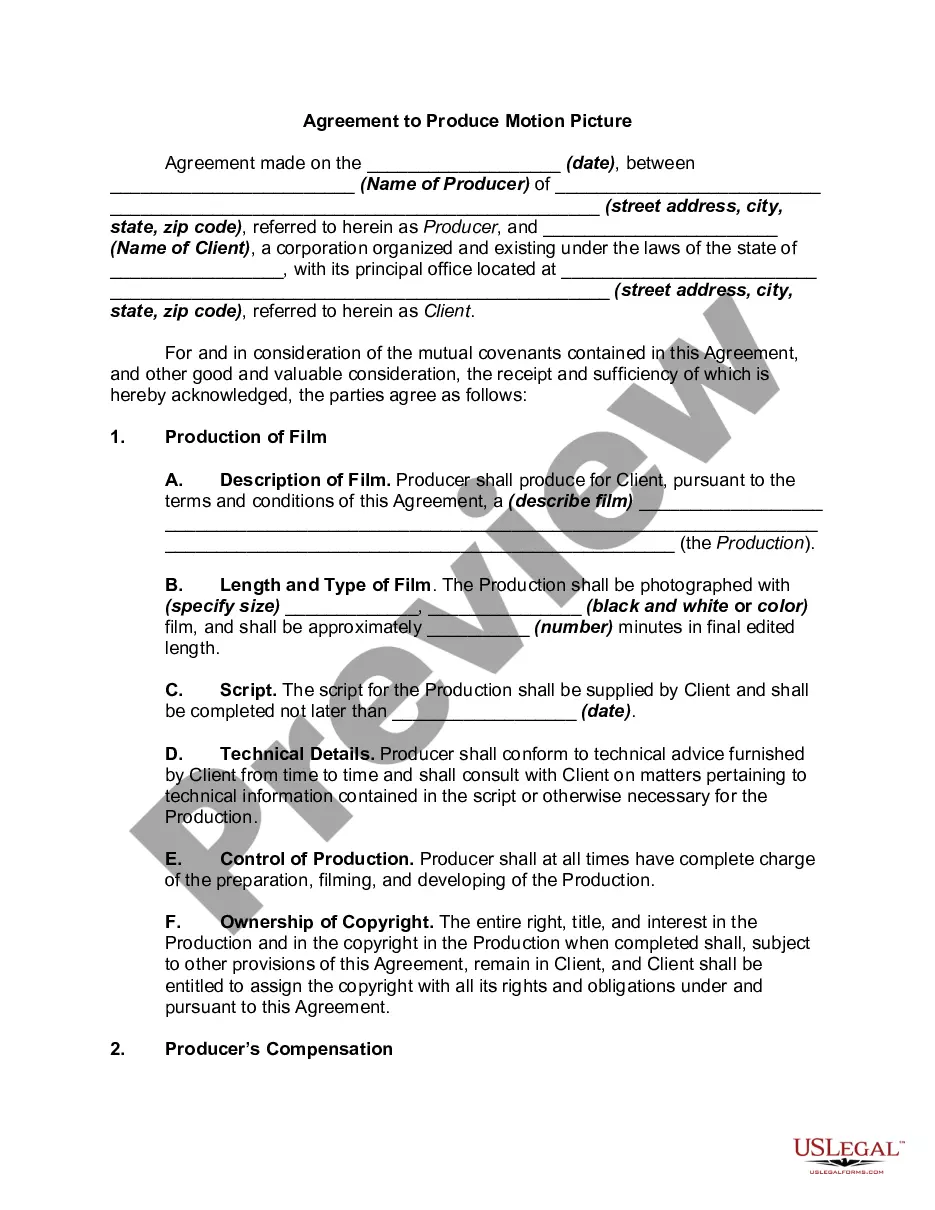
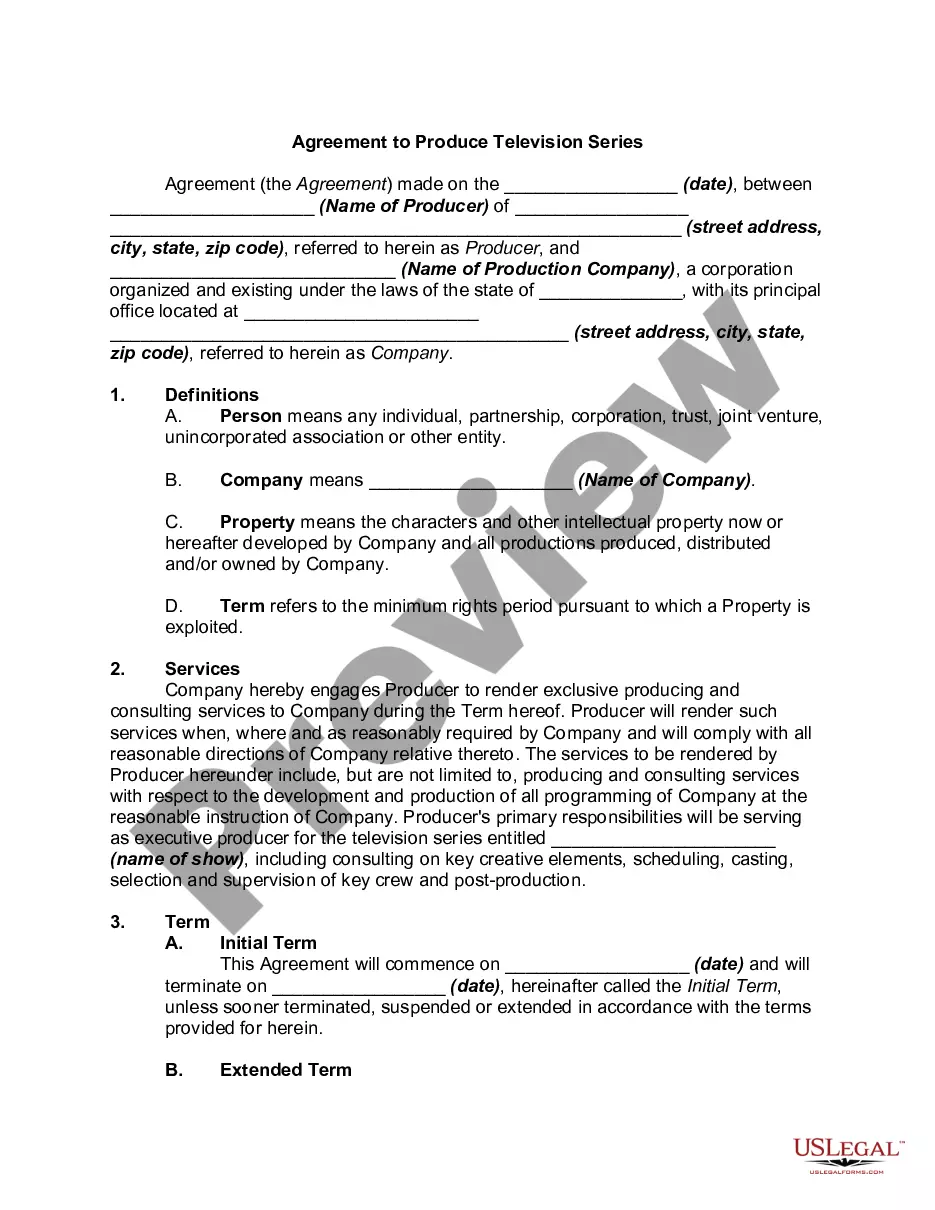
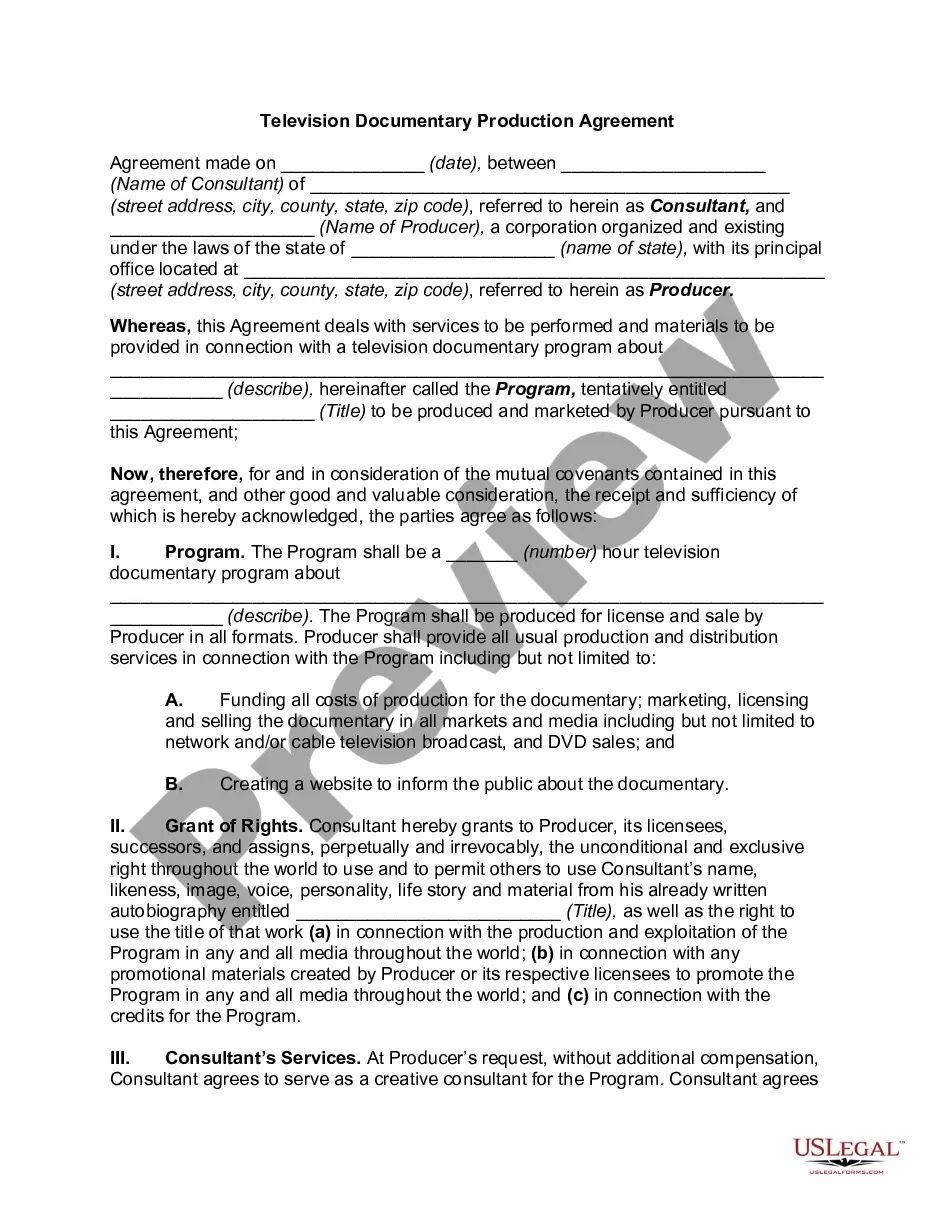
Get your form ready online
Our built-in tools help you complete, sign, share, and store your documents in one place.
Make edits, fill in missing information, and update formatting in US Legal Forms—just like you would in MS Word.
Download a copy, print it, send it by email, or mail it via USPS—whatever works best for your next step.
Sign and collect signatures with our SignNow integration. Send to multiple recipients, set reminders, and more. Go Premium to unlock E-Sign.
If this form requires notarization, complete it online through a secure video call—no need to meet a notary in person or wait for an appointment.
We protect your documents and personal data by following strict security and privacy standards.

Make edits, fill in missing information, and update formatting in US Legal Forms—just like you would in MS Word.

Download a copy, print it, send it by email, or mail it via USPS—whatever works best for your next step.

Sign and collect signatures with our SignNow integration. Send to multiple recipients, set reminders, and more. Go Premium to unlock E-Sign.

If this form requires notarization, complete it online through a secure video call—no need to meet a notary in person or wait for an appointment.

We protect your documents and personal data by following strict security and privacy standards.
Looking for another form?







Form popularity
FAQ
What are your odds of making it in the film industry? ing to a comprehensive study that examined 2,408,501 performers, “as low as 2% of actors are able to make a living out of acting.” Note the “make a living” part—we're not even talking about becoming the next Brad Pitt or Margot Robbie.
Getting into the film industry can be quite challenging due to several factors: Competition: There are many aspiring filmmakers, actors, writers, and technicians vying for a limited number of positions, making it a highly competitive field. Networking: Building connections is crucial in the film industry.
Competitive Industry: The film industry is highly competitive, with countless individuals vying for limited opportunities in all of the disciplines that are needed to make one little show. US Film schools graduate as many as 50000 film students a year!
Here are the steps for creating a production schedule: Define the project scope and goals. Determine the shooting schedule and locations. Identify the necessary equipment and resources. Assign roles and responsibilities. Establish a timeline and deadlines. Regularly review and update the schedule.
When it comes to film production, you've got 5 key phases: development, pre-production, production, post-production and distribution. Each stage is centered around a different purpose, with each one leading nicely onto the next. Many films fall at the development and pre-production stages.
How to create a film budget? Add costs for pre-production and wrap crew. Add your shooting crew expenses. Materials and expenses during pre-production and wrap. Location expenses. Wardrobe/puppets/animatronics/specialty make-up/animals. Studio rental and related expenses. Costs for set construction labor.
Becoming a movie producer can be challenging for several reasons: High Competition: The film industry is highly competitive, with many aspiring producers vying for limited opportunities. Established producers often have an advantage due to their experience and industry connections.
Incorporated December 3, 1819, Montgomery has a long and intriguing history. Once home to the First White House of the Confederacy, Montgomery grew to become the center of the Civil Rights Movement, notably the Montgomery Bus Boycotts.
As the birthplace of the civil rights movement, Montgomery has a lot to offer to history lovers. Historical sites, museums, and memorials are located throughout the City to allow you to learn something new around every corner.
Montgomery was named the first capital of the nation, and Jefferson Davis was inaugurated as president on the steps of the State Capitol. The convention and subsequent Confederate government activities were based at the Exchange Hotel near Court Square.
