Film Agreement Sample For Partnership In Miami-Dade
Description

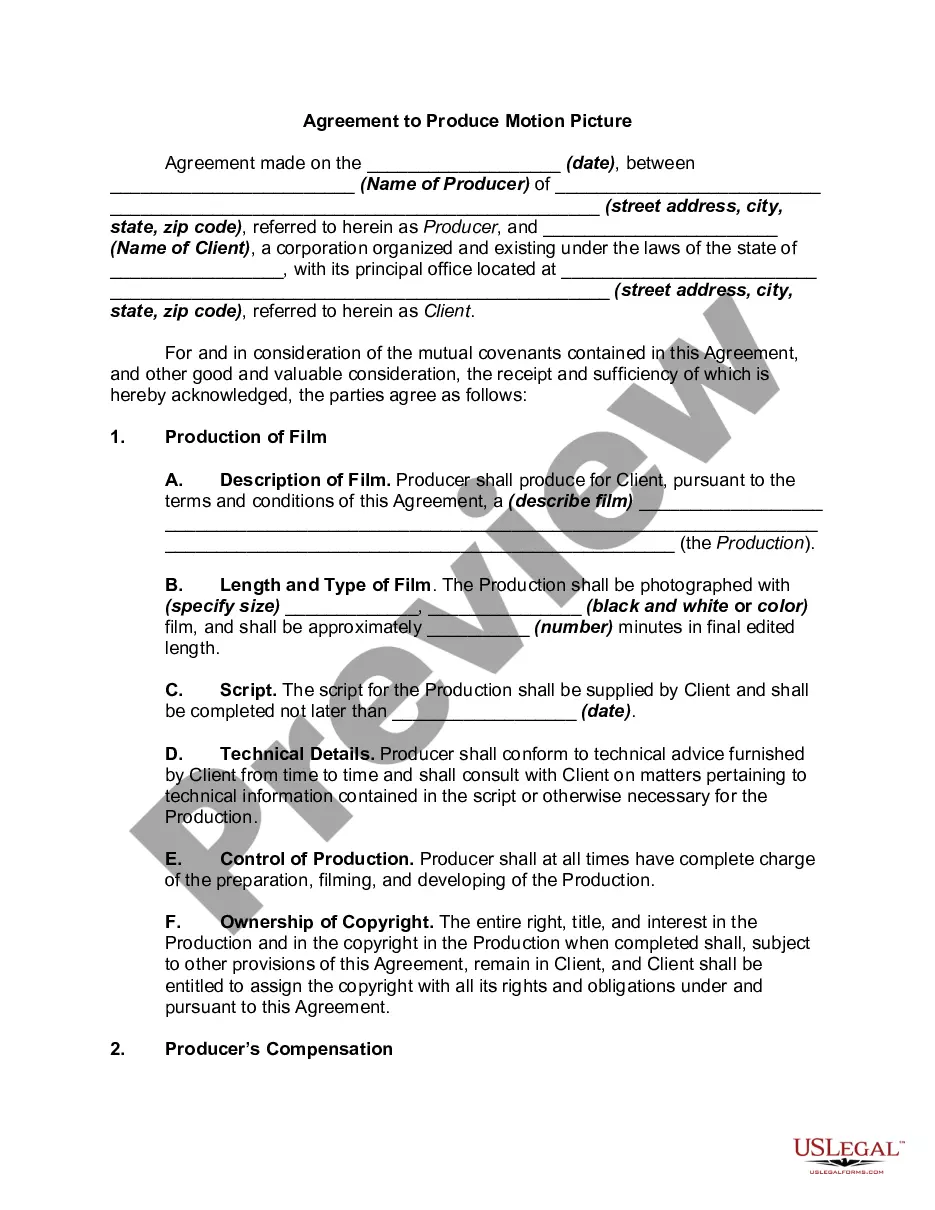
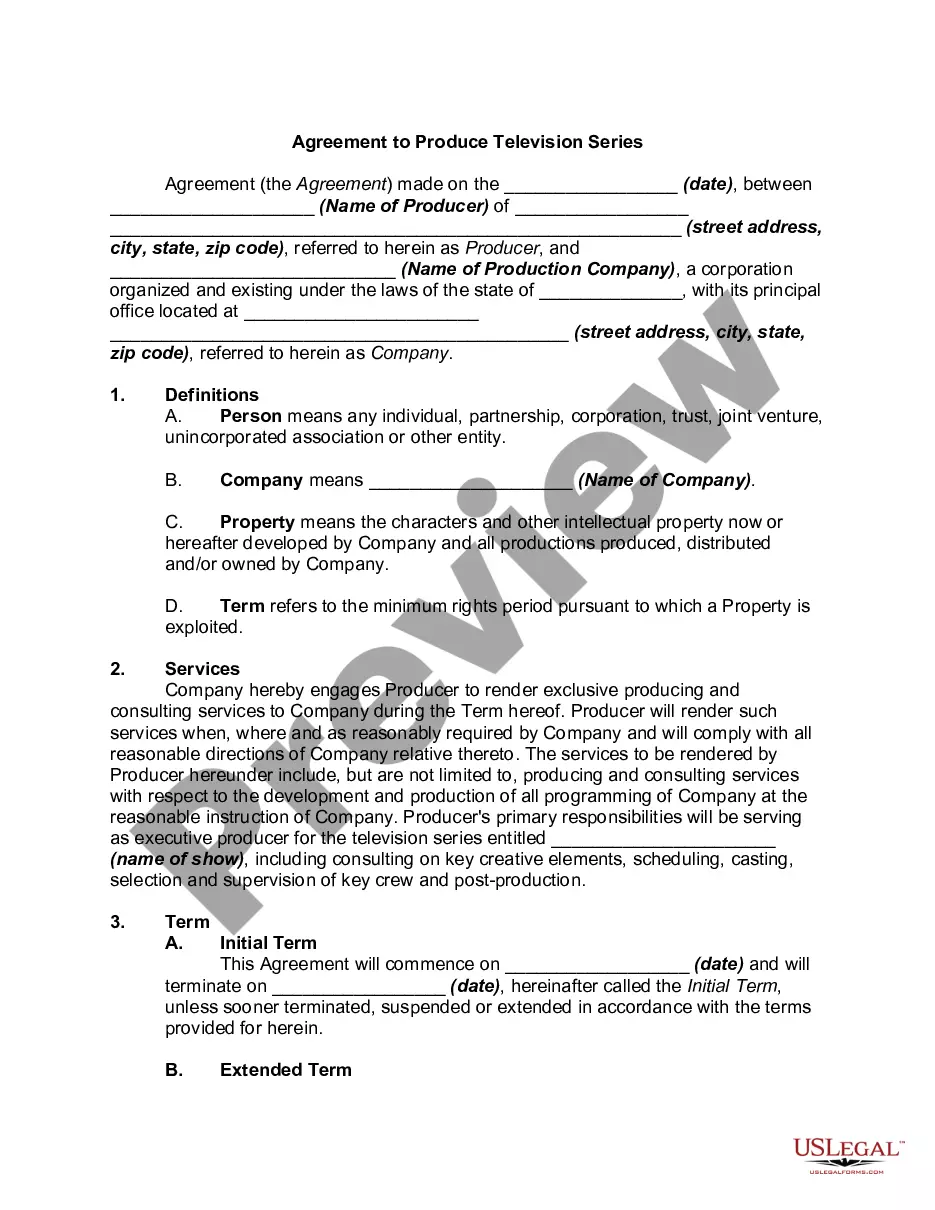
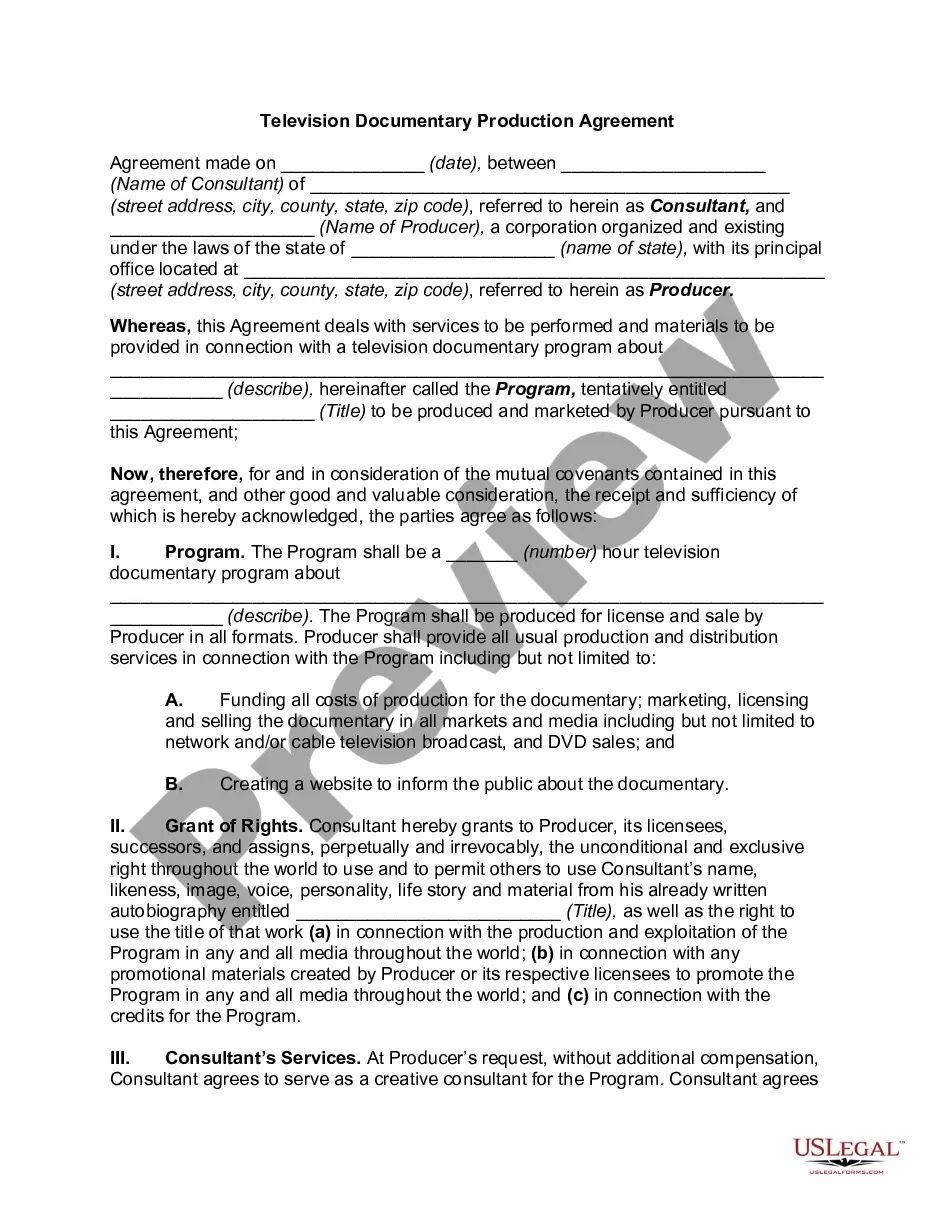
Get your form ready online
Our built-in tools help you complete, sign, share, and store your documents in one place.
Make edits, fill in missing information, and update formatting in US Legal Forms—just like you would in MS Word.
Download a copy, print it, send it by email, or mail it via USPS—whatever works best for your next step.
Sign and collect signatures with our SignNow integration. Send to multiple recipients, set reminders, and more. Go Premium to unlock E-Sign.
If this form requires notarization, complete it online through a secure video call—no need to meet a notary in person or wait for an appointment.
We protect your documents and personal data by following strict security and privacy standards.

Make edits, fill in missing information, and update formatting in US Legal Forms—just like you would in MS Word.

Download a copy, print it, send it by email, or mail it via USPS—whatever works best for your next step.

Sign and collect signatures with our SignNow integration. Send to multiple recipients, set reminders, and more. Go Premium to unlock E-Sign.

If this form requires notarization, complete it online through a secure video call—no need to meet a notary in person or wait for an appointment.

We protect your documents and personal data by following strict security and privacy standards.
Looking for another form?









Form popularity
FAQ
All benefits-eligible employees may add their domestic partner to the extent allowed under the domestic partner coverage conditions as stated in the Affidavit of Domestic Partnership.
How to Form a Partnership in California Step #1: Choose a Business Name. Step #2: Register the Business Name. Step #3: Create and Sign a Partnership Agreement. Step #4: Complete the Required Paperwork. Step #5: Obtain Any Required Local Licenses. Step #6: Determine if You Need an Employer Identification Number or Tax IDs.
Who can be registered as Domestic Partners? Each party is at least 18 years old and is competent to enter into a contract. Neither party is married, or is a partner to another domestic partnership relationship. Each party is the sole domestic partner of the other person.
The Domestic Partnership Registration Affidavit is available on the Clerk's website and in the Clerk's offices. Registrations will be accepted during normal business hours.
Although there is no statewide recognition of domestic partnerships, more than half of the population of Florida lives in counties or cities that recognize domestic partnerships.
Some states, such as Florida, New York, and Texas, do not provide for domestic partnerships at the state level. However, exceptions do exist. The same is true in Florida, where state-wide provisions for registering domestic partnerships do not exist.
“While traditional health insurance plans typically only cover married spouses and their dependents, domestic partner health insurance extends coverage to couples who are not legally married but live together and share financial responsibilities,” Evan Tunis, the president of Florida Healthcare Insurance, told GoodRx ...
Where you are in life may influence your decision to marry or opt for a domestic partnership. While marriage involves a legal and often religious ceremony, domestic partnerships are generally private agreements that allow couples to cohabit without formal legalities. This video explores the fundamental differences betw.
No, common-law marriages in Florida do not exist. Florida does not recognize couples as having entered into a marriage relationship or agreement after seven years—or any other length of time—of living together, even if the couple has otherwise developed the habits of and reputation as a married couple.
