Sample Contract Agreement For Payment In Mecklenburg
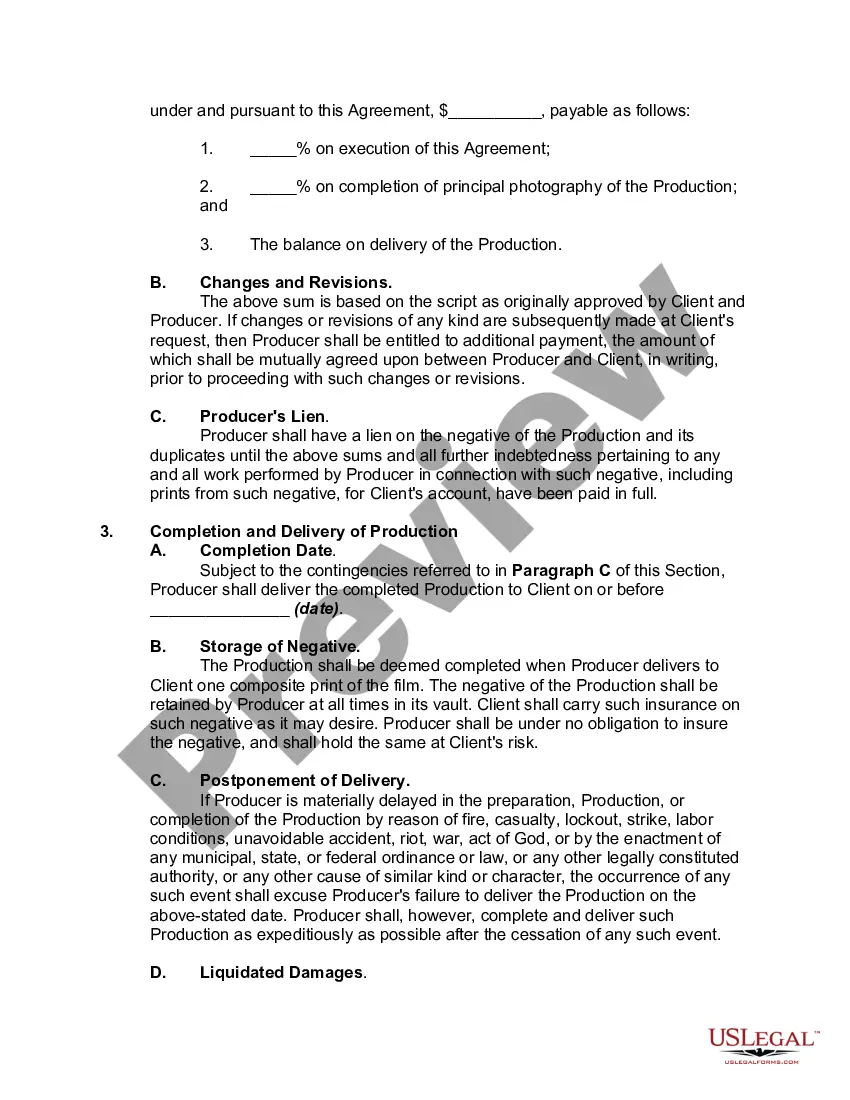
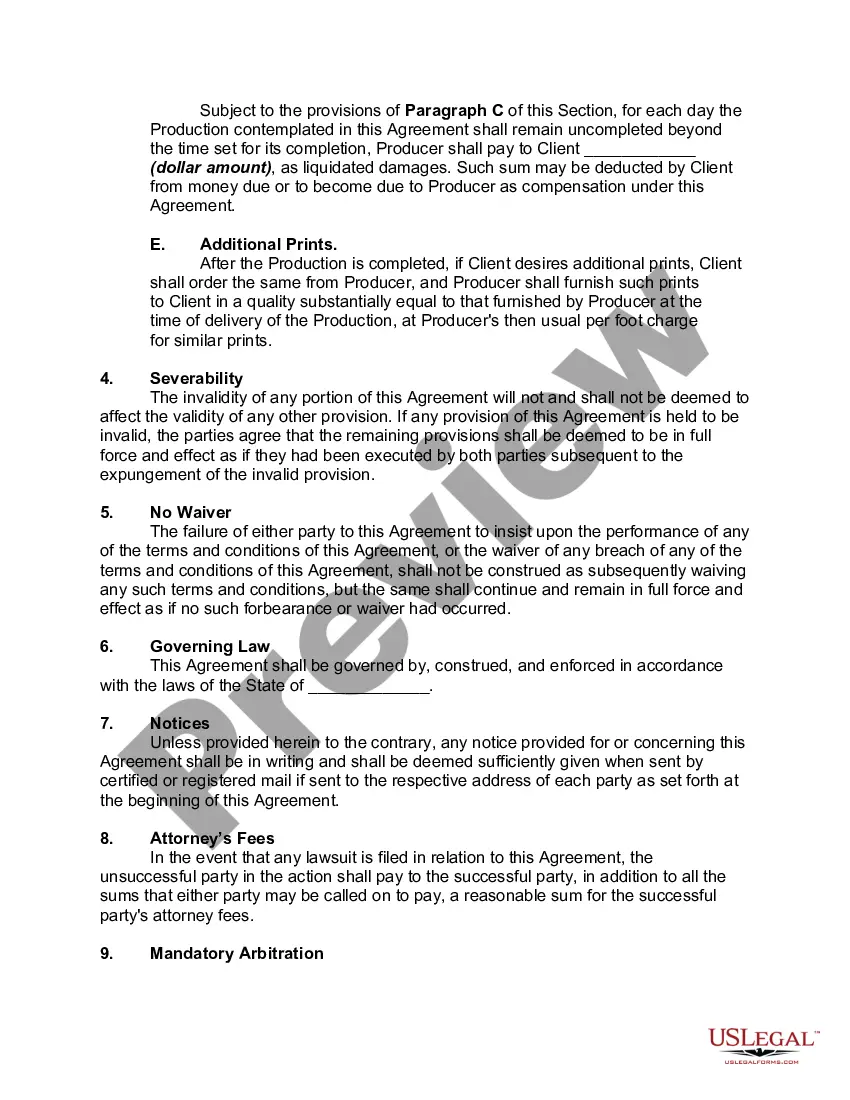
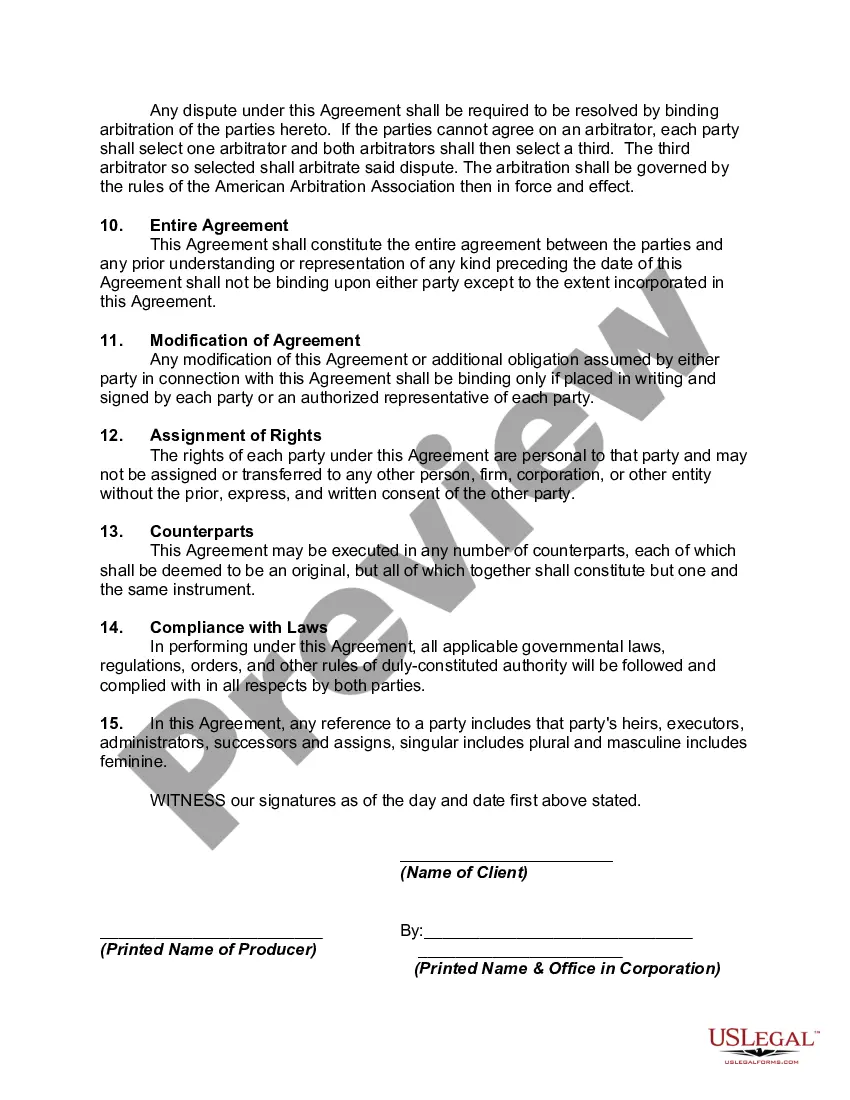
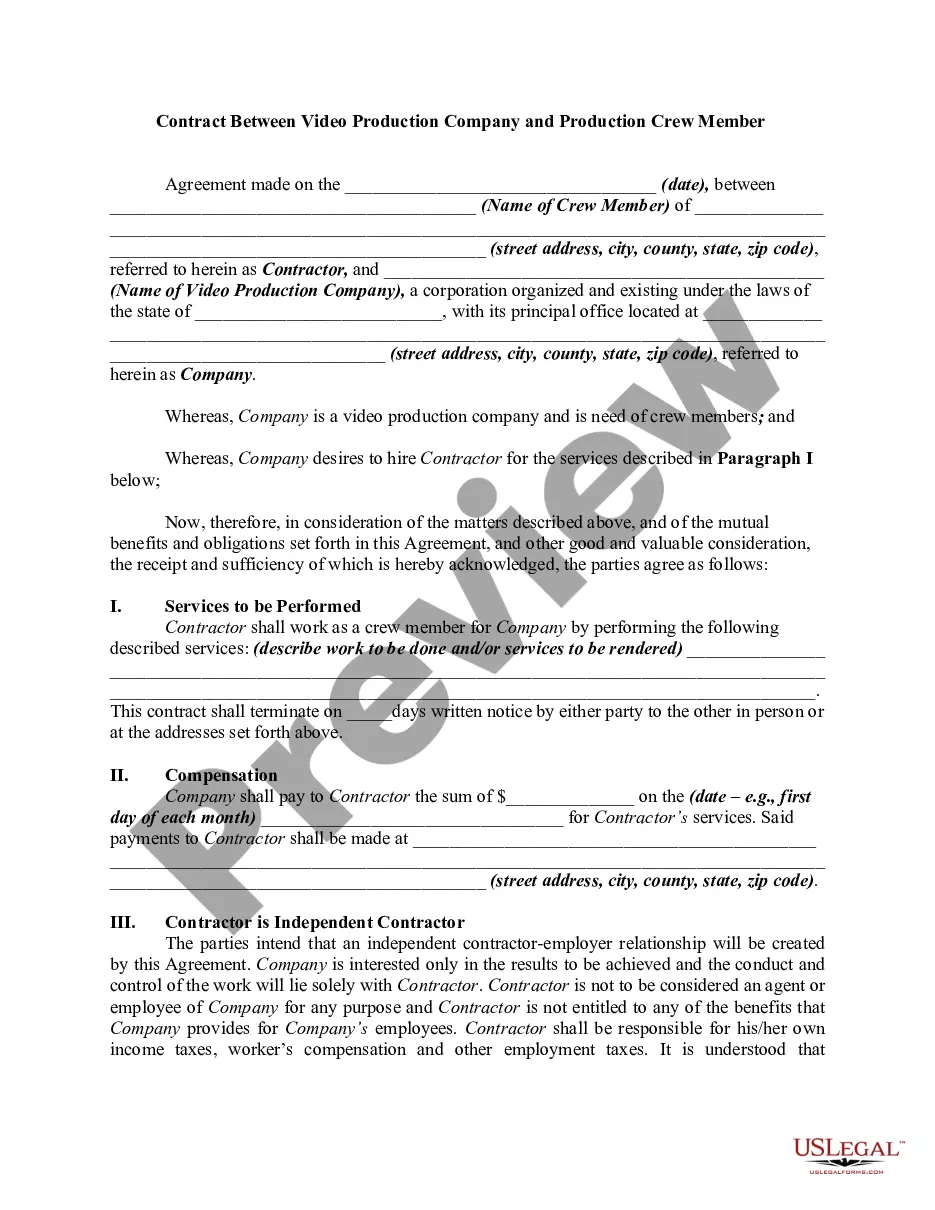
Description

Get your form ready online
Our built-in tools help you complete, sign, share, and store your documents in one place.
Make edits, fill in missing information, and update formatting in US Legal Forms—just like you would in MS Word.
Download a copy, print it, send it by email, or mail it via USPS—whatever works best for your next step.
Sign and collect signatures with our SignNow integration. Send to multiple recipients, set reminders, and more. Go Premium to unlock E-Sign.
If this form requires notarization, complete it online through a secure video call—no need to meet a notary in person or wait for an appointment.
We protect your documents and personal data by following strict security and privacy standards.

Make edits, fill in missing information, and update formatting in US Legal Forms—just like you would in MS Word.

Download a copy, print it, send it by email, or mail it via USPS—whatever works best for your next step.

Sign and collect signatures with our SignNow integration. Send to multiple recipients, set reminders, and more. Go Premium to unlock E-Sign.

If this form requires notarization, complete it online through a secure video call—no need to meet a notary in person or wait for an appointment.

We protect your documents and personal data by following strict security and privacy standards.
Looking for another form?
Form popularity
FAQ
A payment agreement, also known as a payment plan agreement or Installment Agreement, is a legal contract that outlines the terms of payment between two parties. It details the payment structure, timelines, amounts, and conditions under which payments must be made.
Contract payment terms often include details on how invoices should be submitted, the payment due date, and any late payment penalties or interest charges. It's also important to include provisions for confirming the receipt of payments, such as receipts, acknowledgment of invoices, or other forms of documentation.
Before any drafting begins, both parties must discuss and agree on the core terms: the total amount owed, the payment schedule (amount per payment, frequency, due dates), any interest, and any conditions for late payments. This negotiation phase is critical for mutual understanding.
Here's an example of payment terms disclaimer: A 50% deposit is due upfront. The remaining balance is due within 14 business days of the final invoice date, which will be provided to the client within 7 days after the project has been completed.
Key Elements to Include in a Payment Agreement Personal Details. Like all legal documents, payment agreements identify the people involved. Project Details. Payment Details. Payment Deadlines. Payment Method. Exit Clause. Steps for Solving Disagreements. Non-Disclosure Agreements.
Although a document must be signed by each party to be considered legally binding, the mere presence of signatures does not guarantee that an agreement is enforceable in court. To be considered a legally binding contract or document, three critical elements must also be present: Subject, Consideration, and Capacity.
Write the contract in six steps Start with a contract template. Open with the basic information. Describe in detail what you have agreed to. Include a description of how the contract will be ended. Write into the contract which laws apply and how disputes will be resolved. Include space for signatures.
Write the contract in six steps Start with a contract template. Open with the basic information. Describe in detail what you have agreed to. Include a description of how the contract will be ended. Write into the contract which laws apply and how disputes will be resolved. Include space for signatures.
