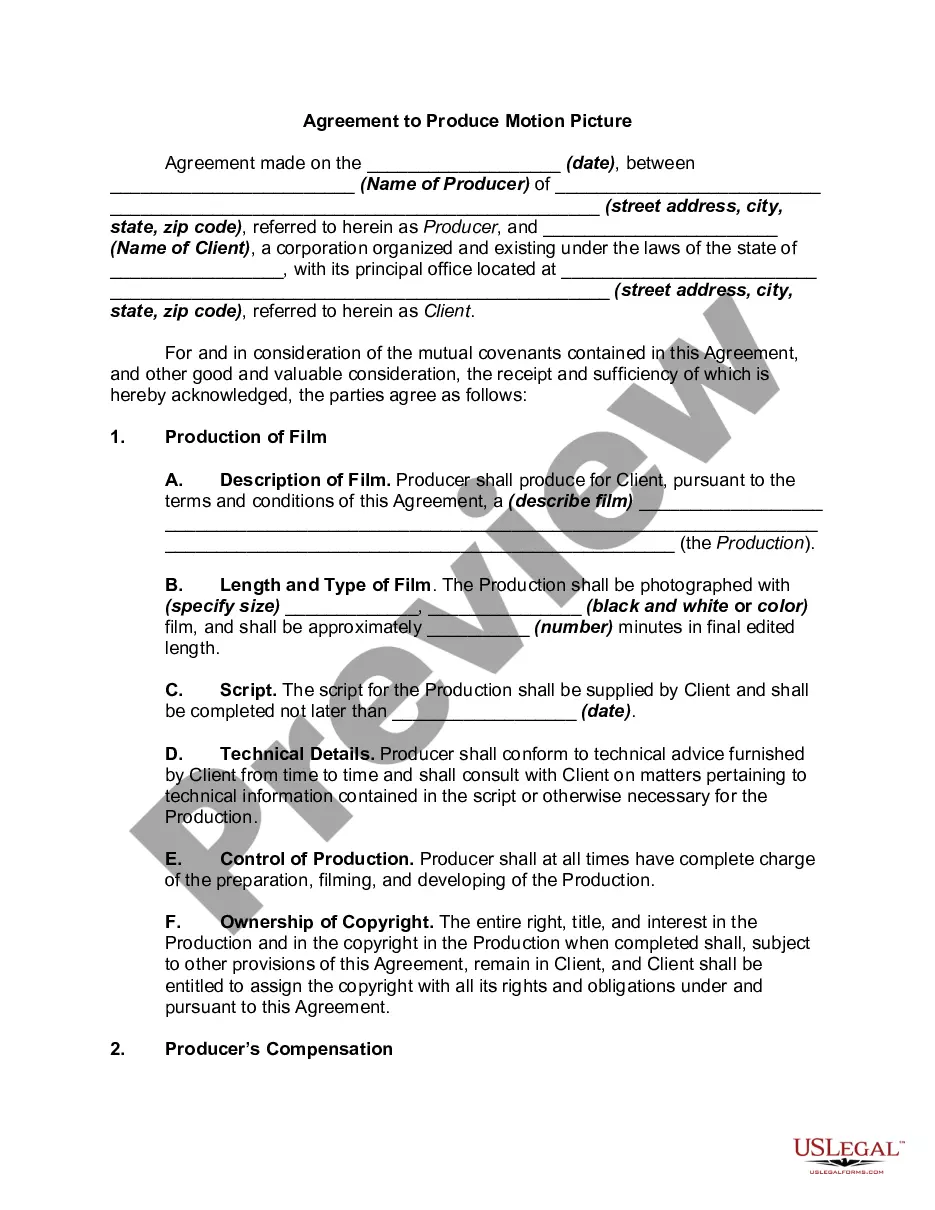
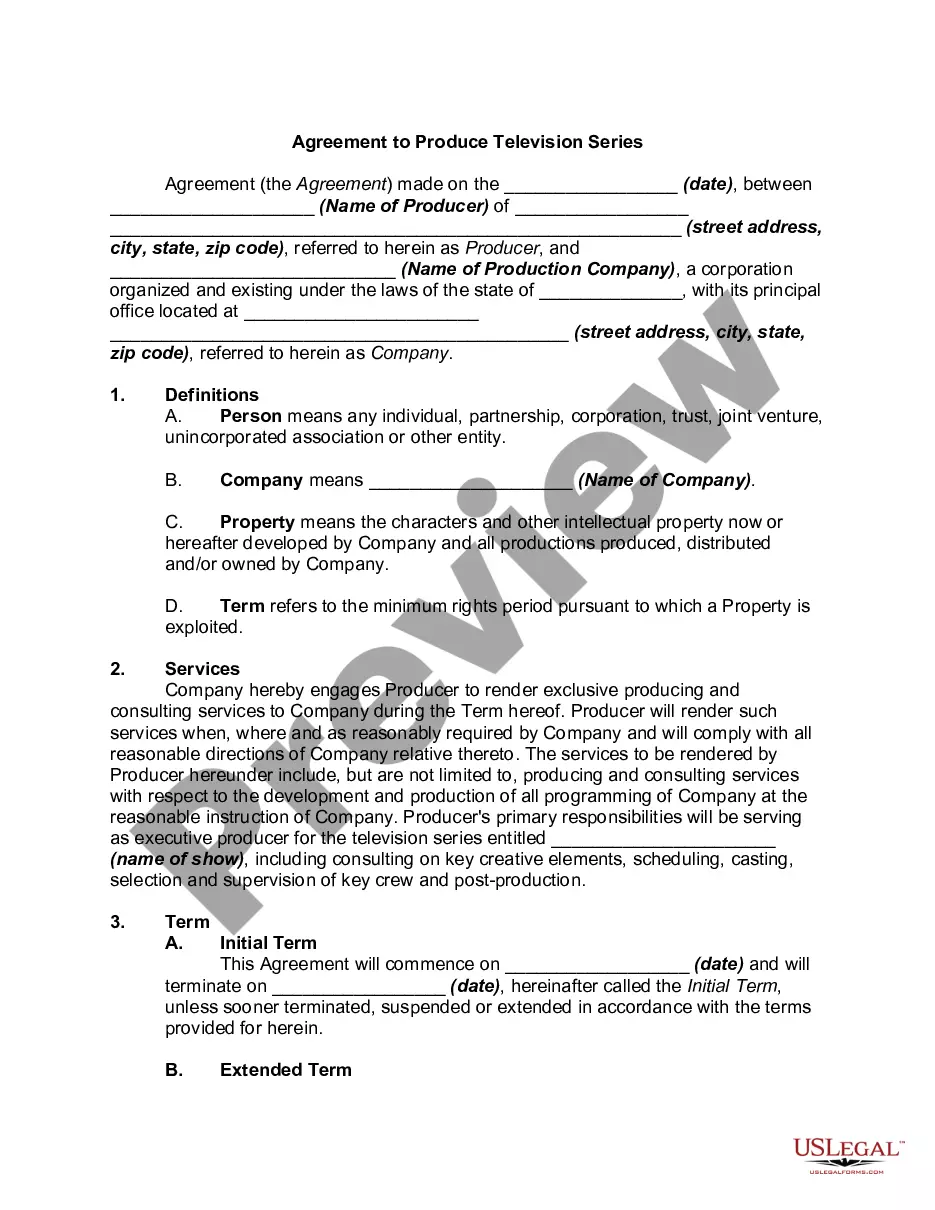
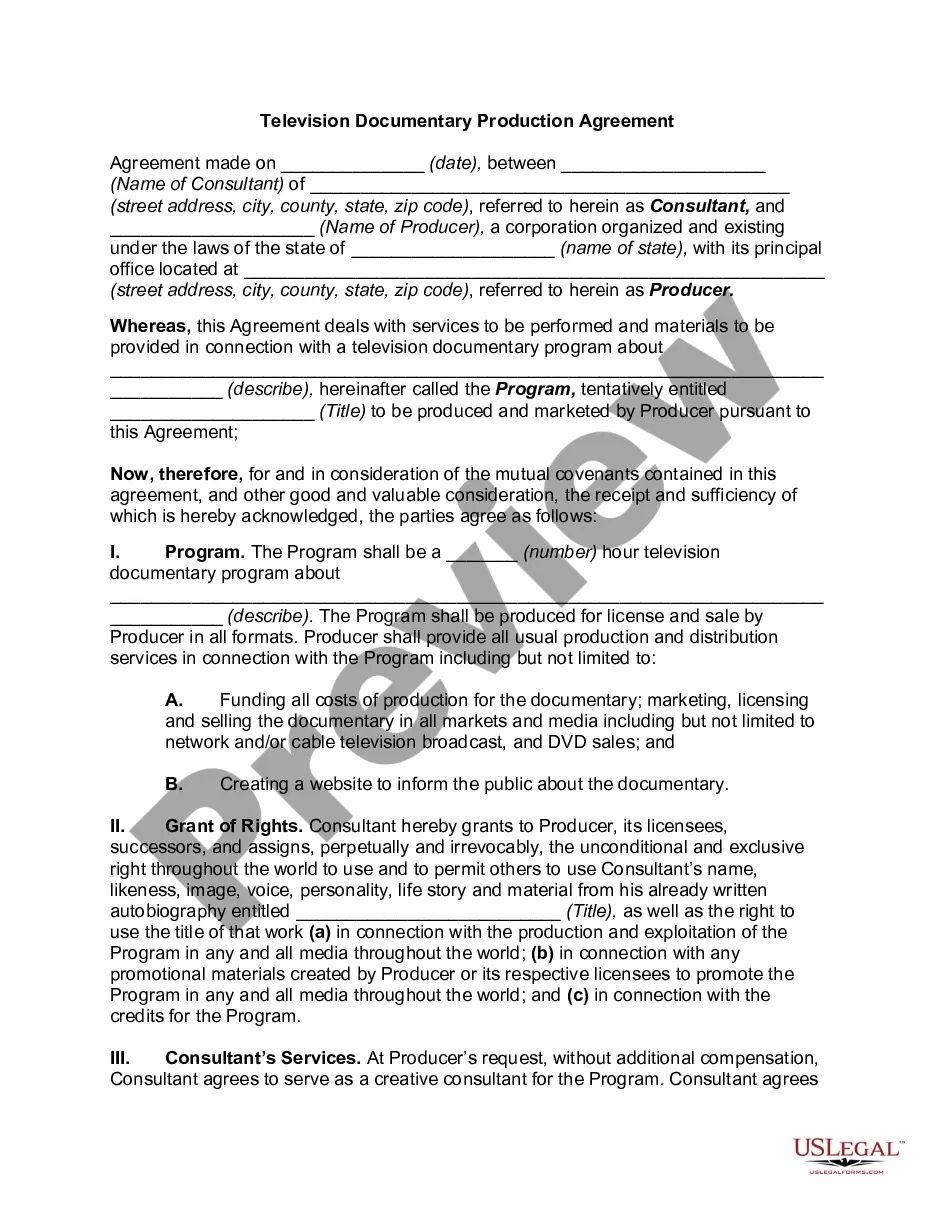
Film Agreement Sample For Construction In Kings
Description

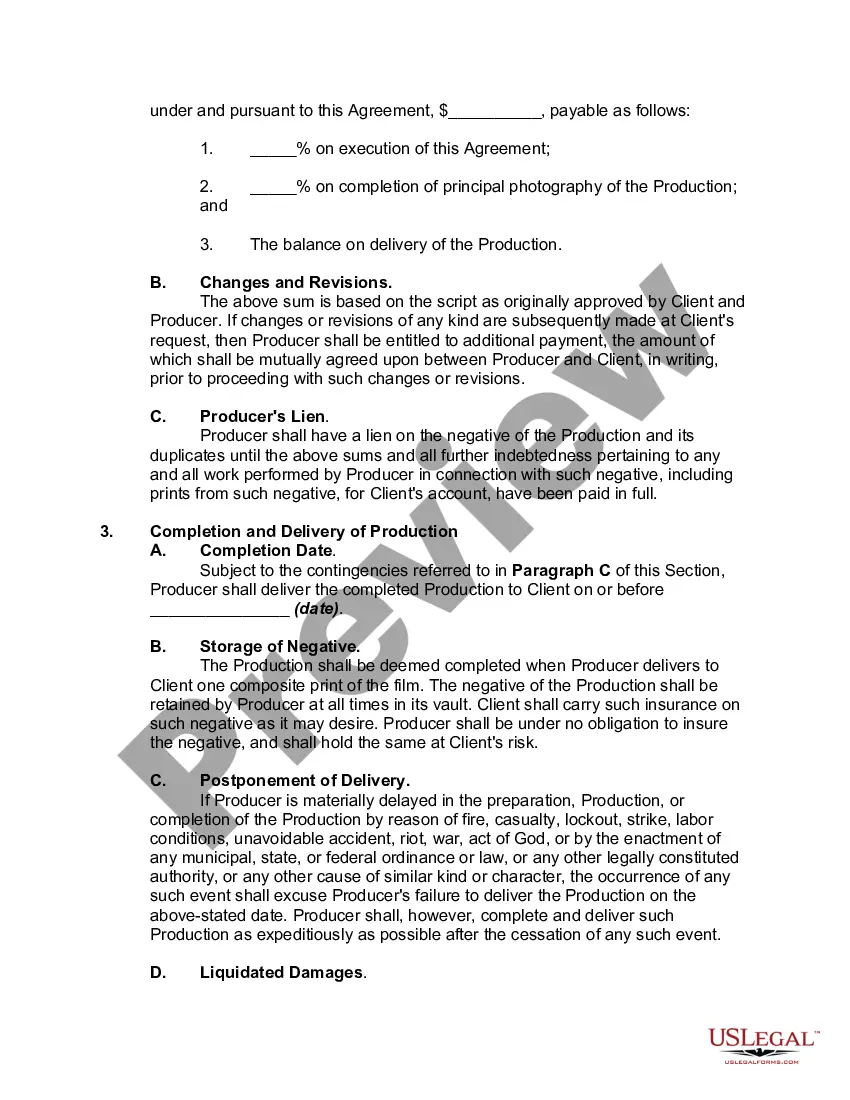
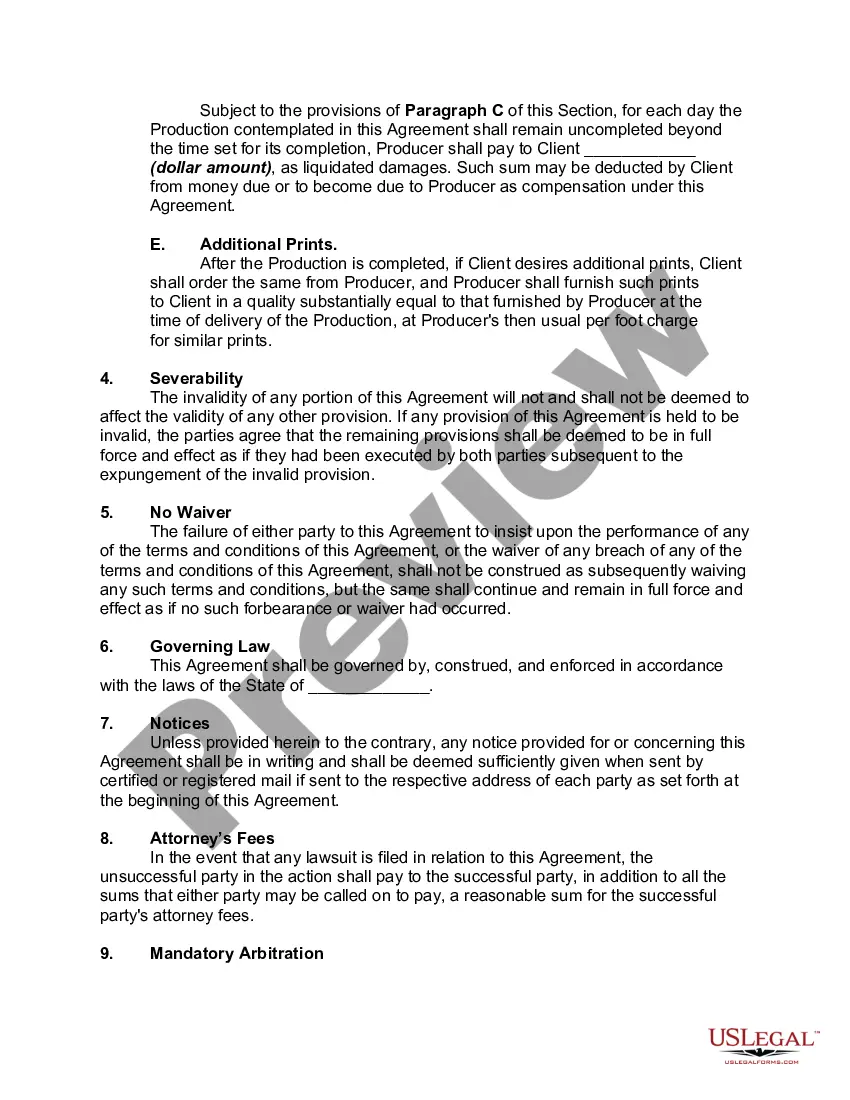
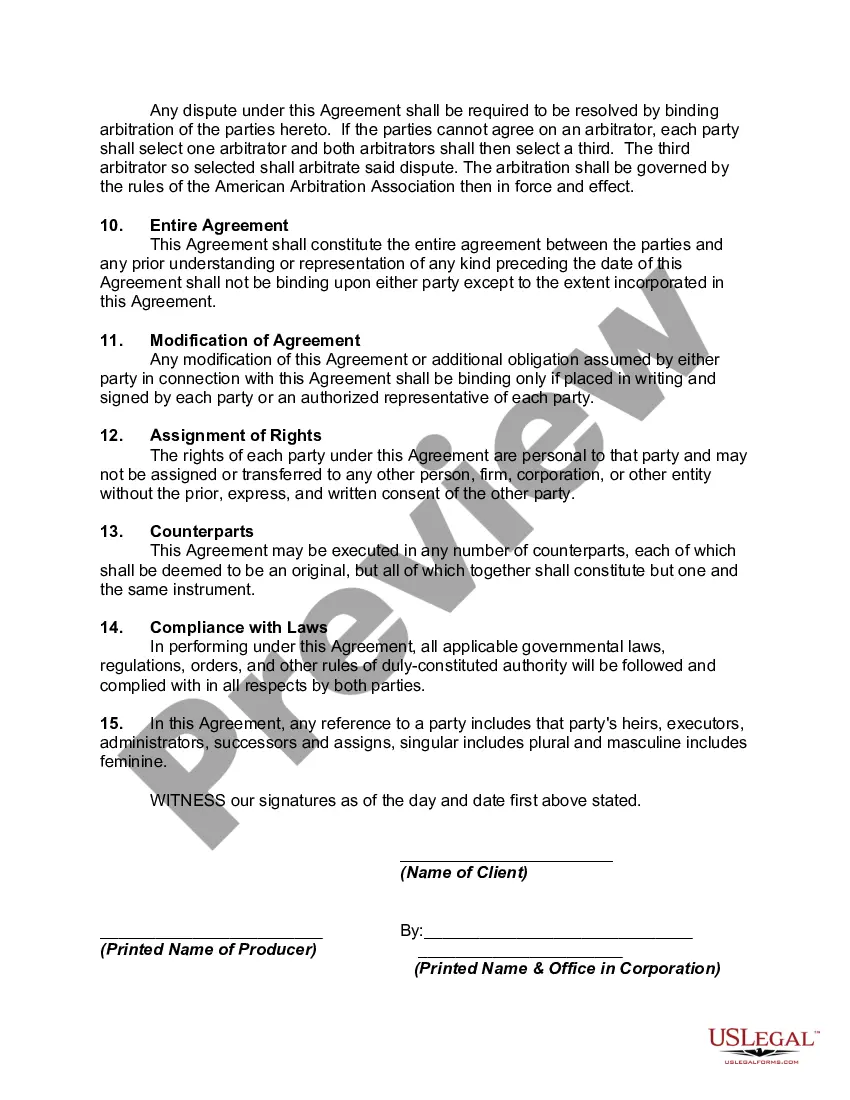
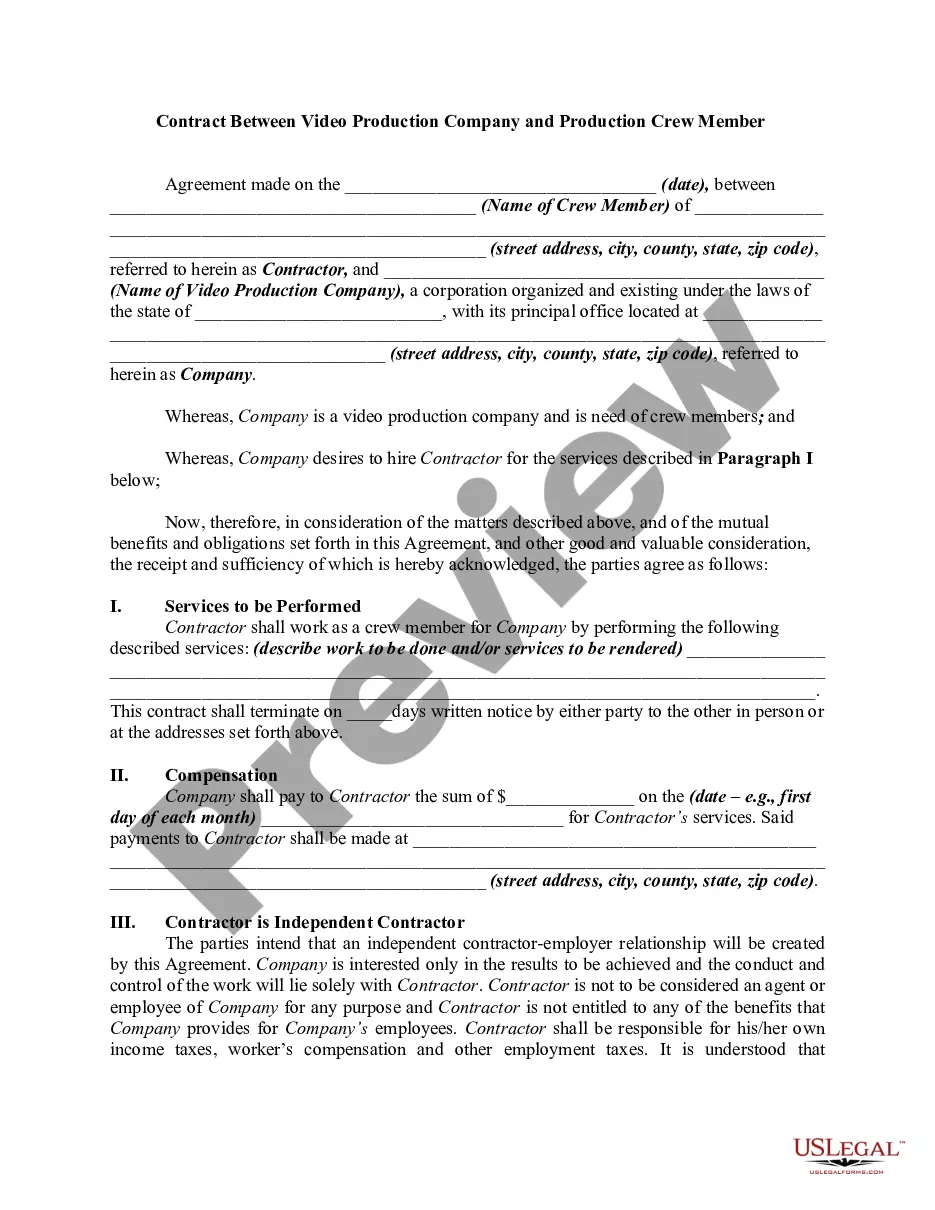
Get your form ready online
Our built-in tools help you complete, sign, share, and store your documents in one place.
Make edits, fill in missing information, and update formatting in US Legal Forms—just like you would in MS Word.
Download a copy, print it, send it by email, or mail it via USPS—whatever works best for your next step.
Sign and collect signatures with our SignNow integration. Send to multiple recipients, set reminders, and more. Go Premium to unlock E-Sign.
If this form requires notarization, complete it online through a secure video call—no need to meet a notary in person or wait for an appointment.
We protect your documents and personal data by following strict security and privacy standards.

Make edits, fill in missing information, and update formatting in US Legal Forms—just like you would in MS Word.

Download a copy, print it, send it by email, or mail it via USPS—whatever works best for your next step.

Sign and collect signatures with our SignNow integration. Send to multiple recipients, set reminders, and more. Go Premium to unlock E-Sign.

If this form requires notarization, complete it online through a secure video call—no need to meet a notary in person or wait for an appointment.

We protect your documents and personal data by following strict security and privacy standards.
Looking for another form?








Form popularity
FAQ
To write a simple contract, title it clearly, identify all parties and specify terms (services or payments). Include an offer, acceptance, consideration, and intent. Add a signature and date for enforceability. Written contracts reduce disputes and offer better legal security than verbal ones.
A project contract typically includes the following elements: Contracting parties: The names and addresses of the parties involved, including their representatives and agents. Project description: A detailed description of the project, including goals, scope of performance, and expected outcomes.
An essential tool in the arsenal of negotiators is understanding the 4 P's of contract negotiations: Preparation, Process, People, and Product. This framework offers a comprehensive approach to negotiations, ensuring that every aspect is meticulously planned and executed.
Director agreements define a director's responsibilities. The agreement outlines their role through crucial phases like development, pre-production, production, and post-production. During pre-production, the director starts casting, hires their team, and begins location scouting.
How To Write A Construction Contract With 7 Steps Step 1: Define the Parties Involved. Step 2: Outline the Scope of Work. Step 3: Establish the Timeline. Step 4: Determine the Payment Terms. Step 5: Include Necessary Legal Clauses. Step 6: Address Change Orders and Modifications. Step 7: Sign and Execute the Contract.
When writing a contract, you should include an introductory section that lists and defines all of the interested parties. A well-constructed contract will cover its duration and the specifics regarding the terms of the agreement between the parties.
Definition. Director's Service Agreement. A legal contract between a company and its director, outlining their role, responsibilities, remuneration, and terms of employment. Fiduciary Duties.
Director agreements define a director's responsibilities. The agreement outlines their role through crucial phases like development, pre-production, production, and post-production. During pre-production, the director starts casting, hires their team, and begins location scouting.
Project contracts typically include information about timelines, fees, deliverables, dispute resolution, and more. A well crated agreement will make sure both parties have full transparency on their expectations and duties to contribute to a successful project.
Contractor agreement is a contract between a company and a contractor hired by them. A contractor performs specific project/tasks. It defines the overall terms and conditions regarding the work undertaken by the contractor as well as their role, duties, and obligations.
