Contract Manufacturing Agreement In India In Georgia
Description

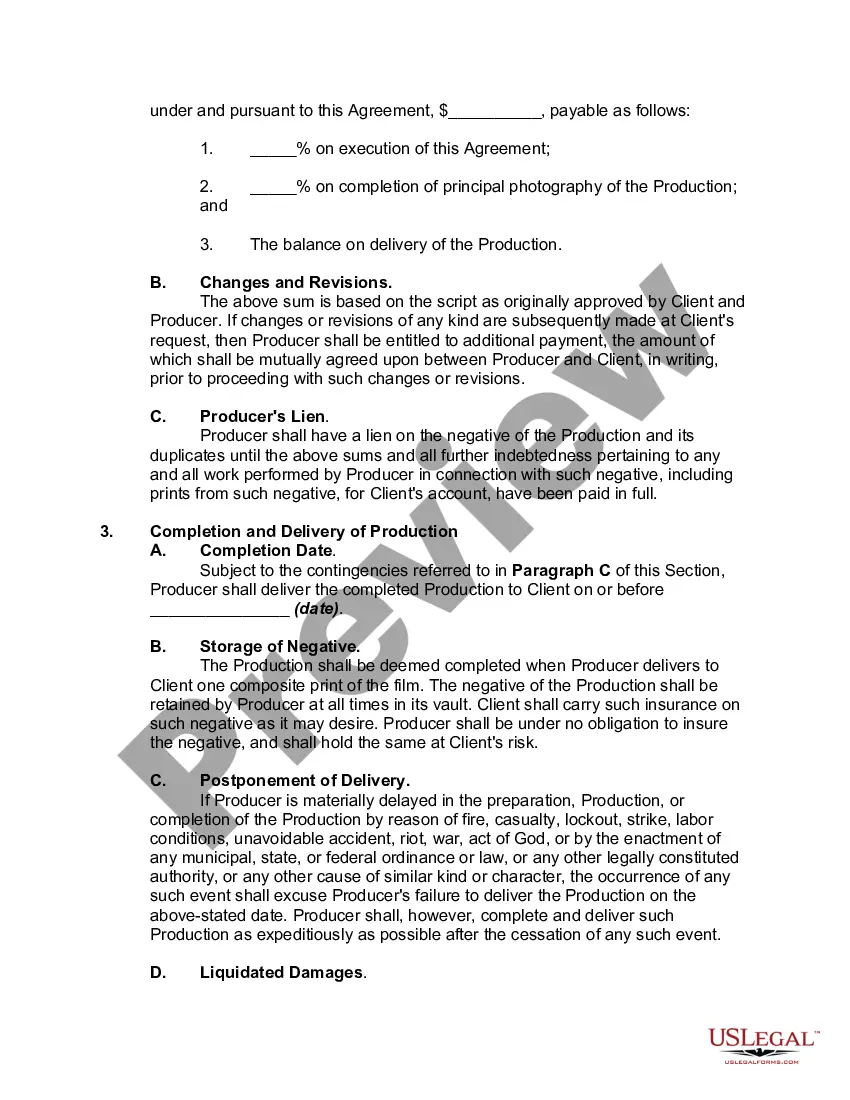
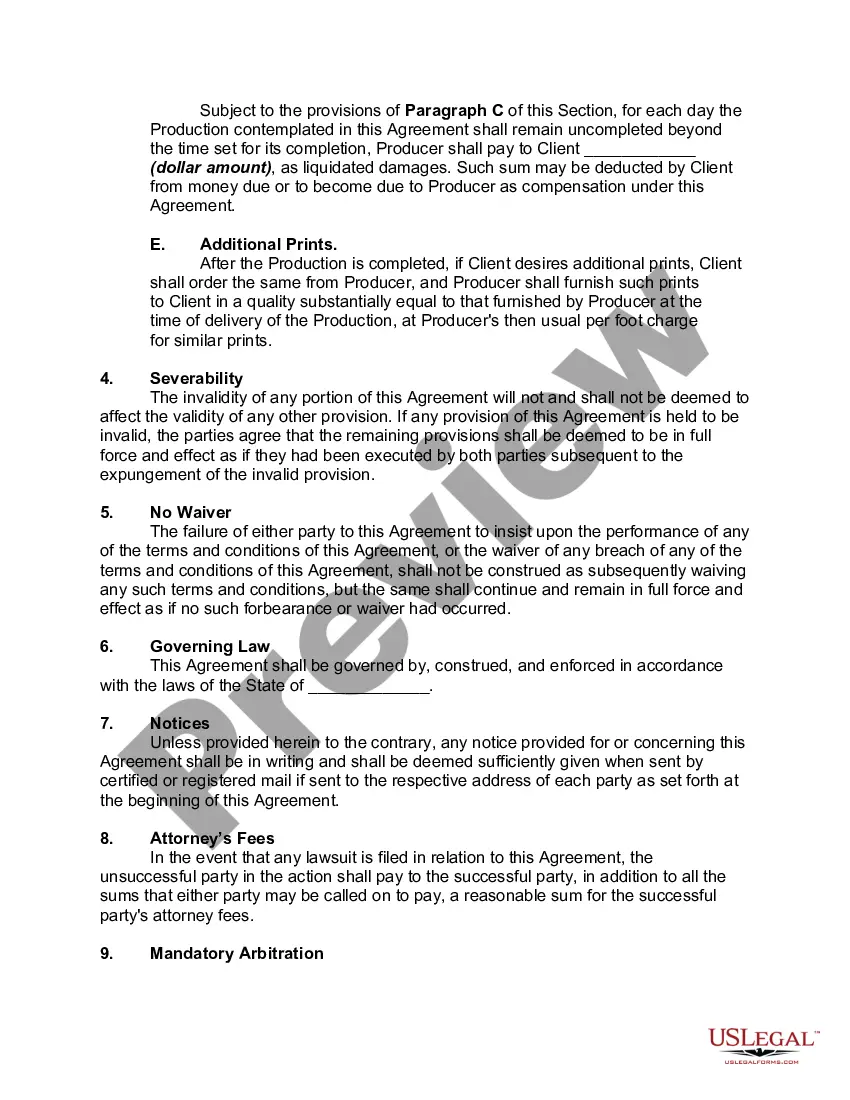
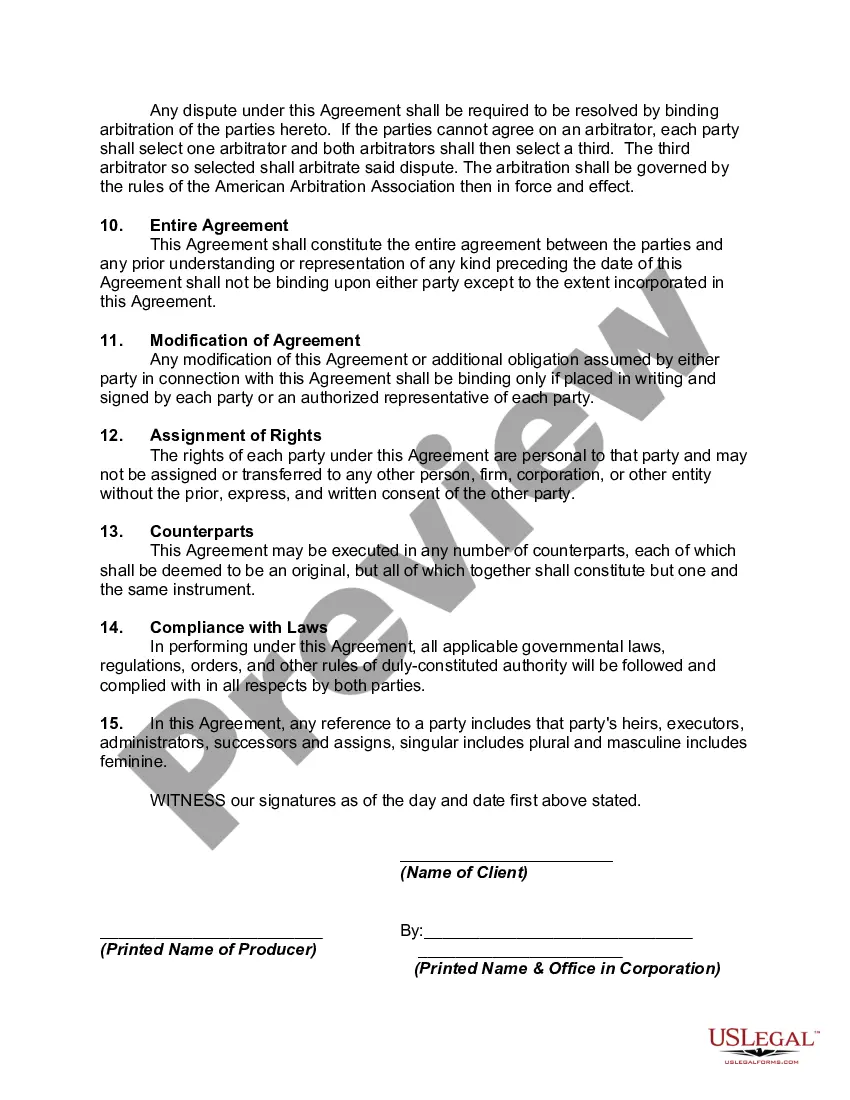
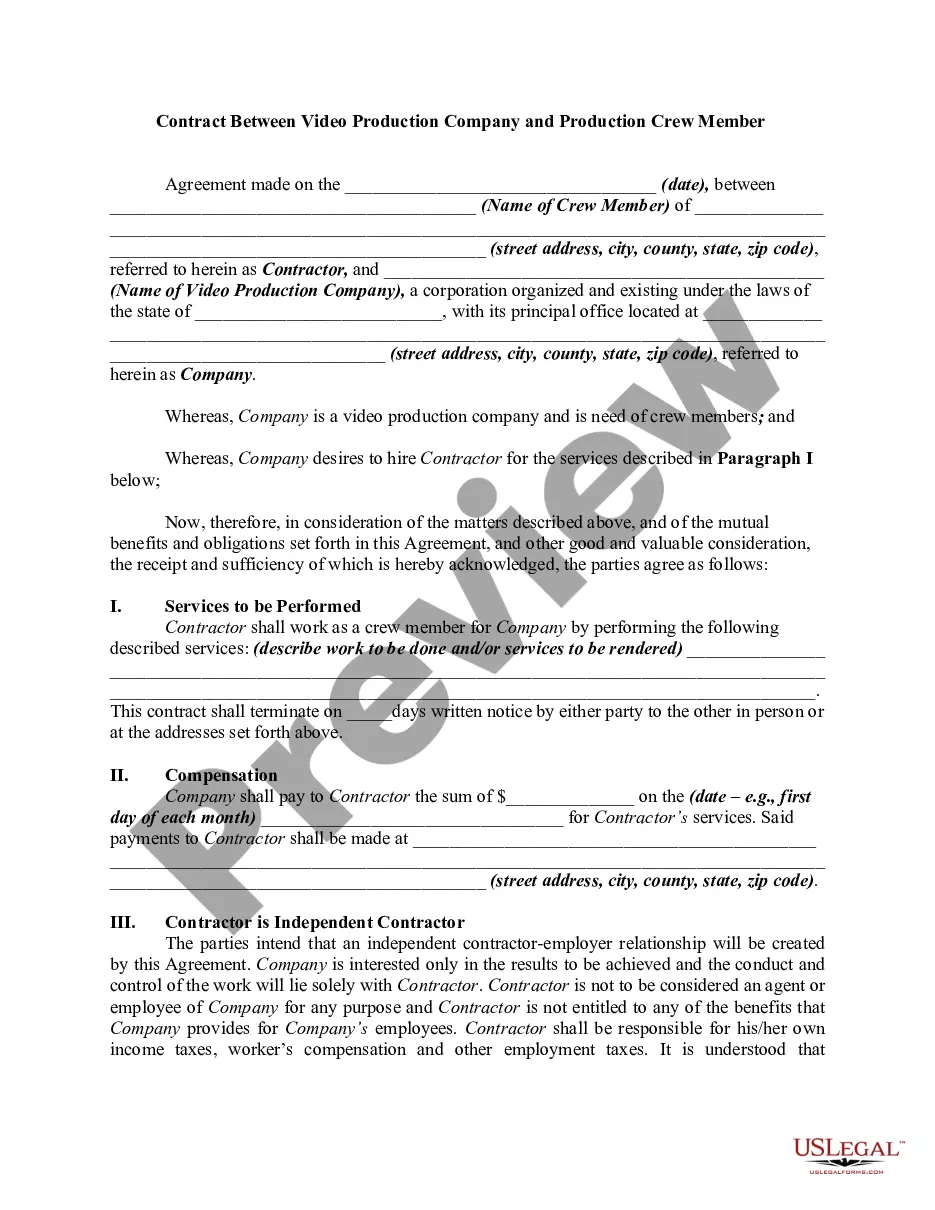
Get your form ready online
Our built-in tools help you complete, sign, share, and store your documents in one place.
Make edits, fill in missing information, and update formatting in US Legal Forms—just like you would in MS Word.
Download a copy, print it, send it by email, or mail it via USPS—whatever works best for your next step.
Sign and collect signatures with our SignNow integration. Send to multiple recipients, set reminders, and more. Go Premium to unlock E-Sign.
If this form requires notarization, complete it online through a secure video call—no need to meet a notary in person or wait for an appointment.
We protect your documents and personal data by following strict security and privacy standards.

Make edits, fill in missing information, and update formatting in US Legal Forms—just like you would in MS Word.

Download a copy, print it, send it by email, or mail it via USPS—whatever works best for your next step.

Sign and collect signatures with our SignNow integration. Send to multiple recipients, set reminders, and more. Go Premium to unlock E-Sign.

If this form requires notarization, complete it online through a secure video call—no need to meet a notary in person or wait for an appointment.

We protect your documents and personal data by following strict security and privacy standards.
Looking for another form?






Form popularity
FAQ
Your manufacturing contract should include: intellectual property (since the contract manufacturer(s) will be producing your proprietary creation). an assessment of manufacturing costs. clearly-written obligations of both parties. liabilities. product quality standards (if a quality control clause is included).
A Contract is an agreement that is accepted by both parties and is enforceable by law. It gives certain rights to all the parties involved and also bestows on them certain obligations that they must fulfill.
Every contract, whether simple or complex, is considered legally enforceable when it incorporates six essential elements: Offer, Acceptance, Awareness, Consideration, Capacity and Legality. It is critical that all six elements are present—just one missing element can make a contract invalid and unenforceable.
Contracts only need (1) a meeting of the minds as to the terms, and (2) exchange of goods and/or services which each party considers to have some non-zero value (called “consideration”). So, yes, you can write a contract for yourself. You don't need an attorney.
Notarized documents can be considered valid and binding unless there are specific statutory provisions that declare them void. For instance, a notarized lease agreement was deemed insufficient when a registered document was required Prashant S/o Gulabrao Kamble VS Indian Oil Corporation Limited - Bombay00400070644.
How to draft a contract between two parties: A step-by-step checklist Know your parties. Agree on the terms. Set clear boundaries. Spell out the consequences. Specify how you will resolve disputes. Cover confidentiality. Check the legality of the contract. Open it up to negotiation.
While contract manufacturing offers many benefits, there are also some risks associated with it. One of the most significant risks is the risk of intellectual property theft. By outsourcing production to a third-party manufacturer, the company is essentially handing over control of its intellectual property.
Some contract manufacturing examples are as below. Pharmaceutical Industry: Drugs required to prepare medicines can be outsourced to other companies. Automobile Industry: Many automobile companies use parts produced by other companies and focus on assembling those parts to generate the final product.
Contract manufacturing is a type of outsourcing that companies use, which involves hiring a manufacturer to create products. A contract manufacturer may take part in various stages of production, including design, manufacturing and shipping, depending on the needs of their client.
