Film Production Examples In Cuyahoga
Description

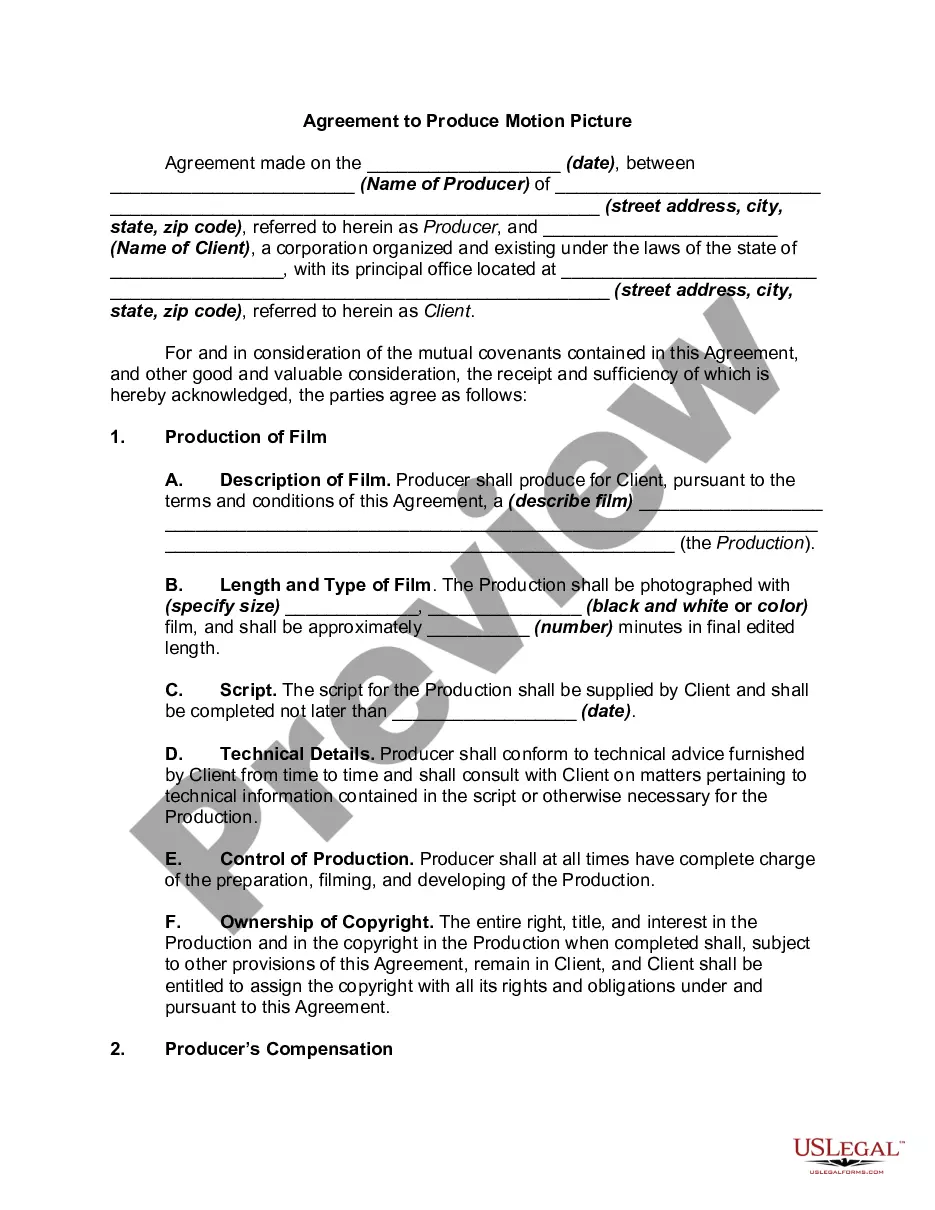
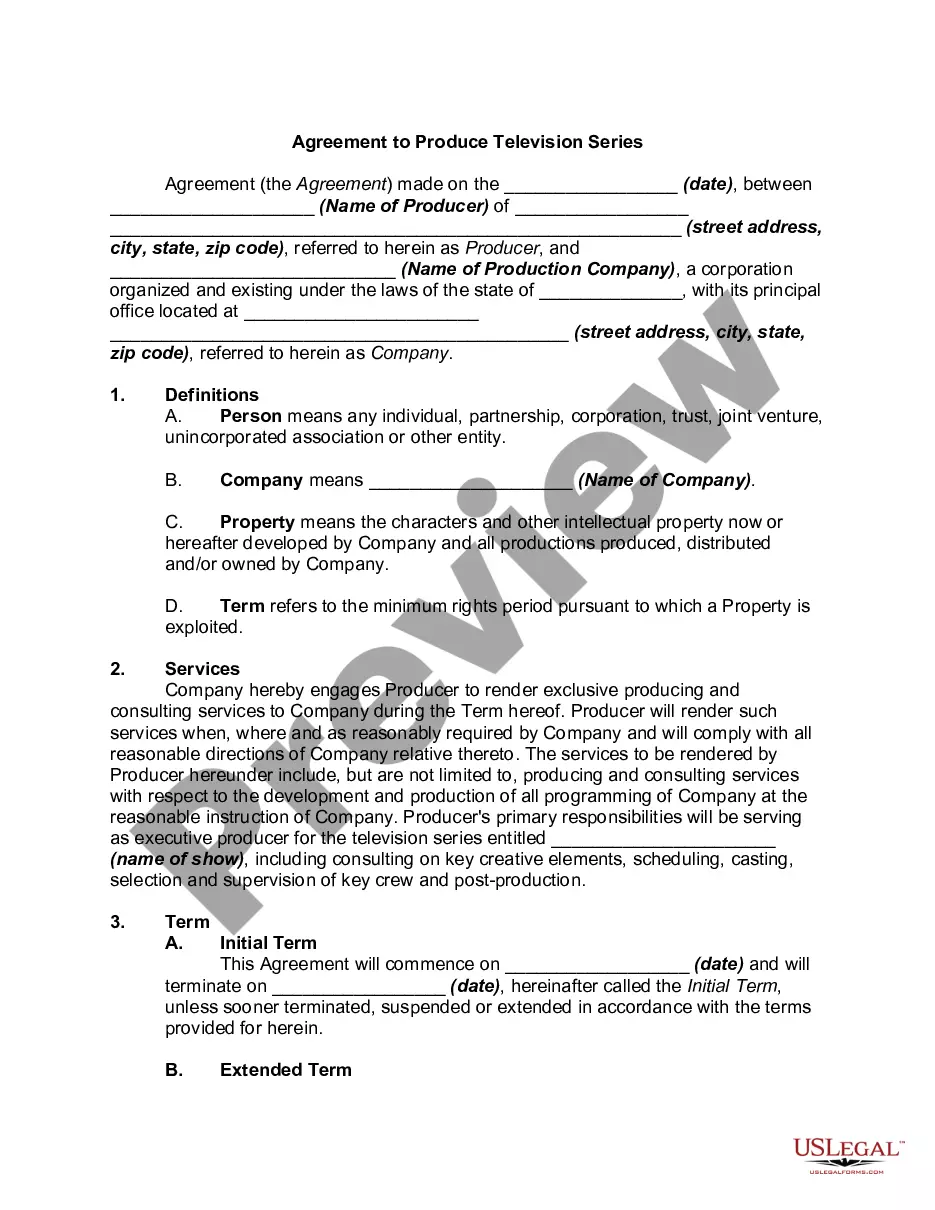
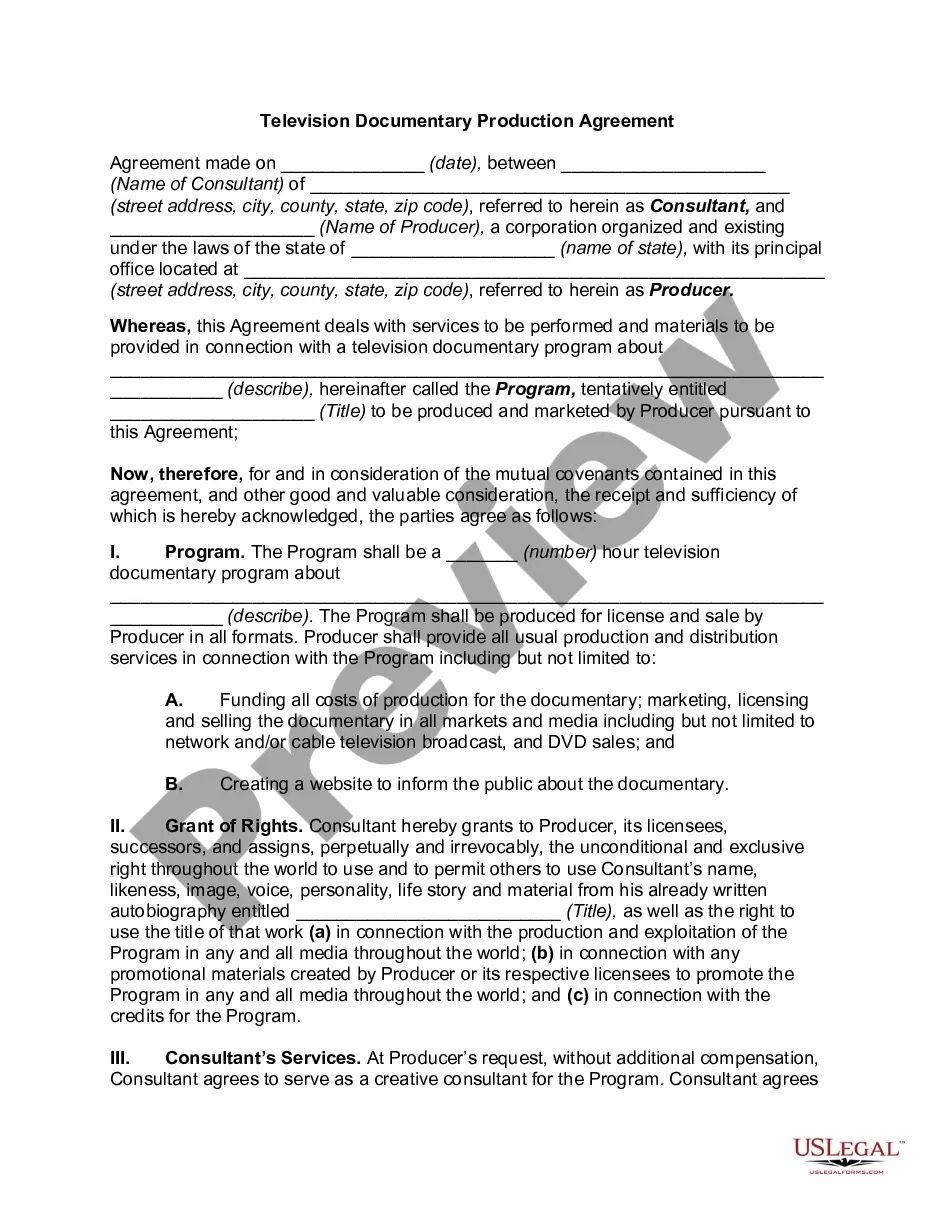
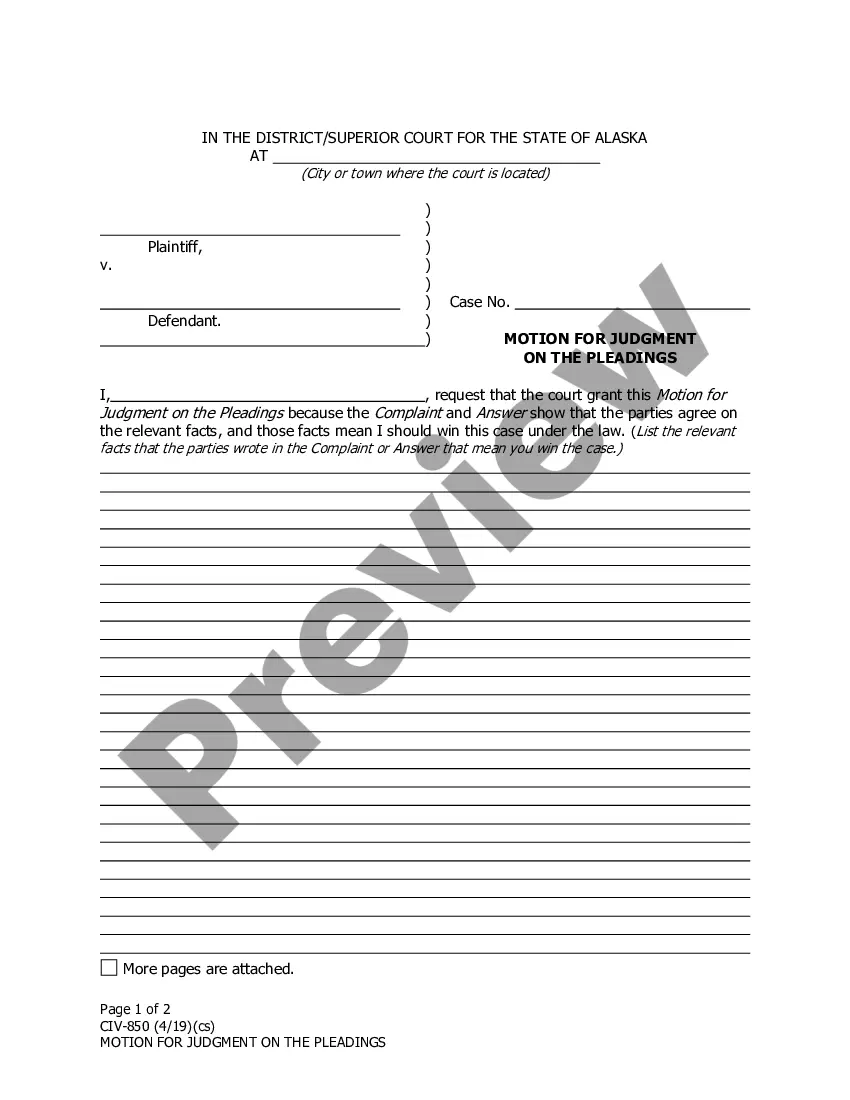
Get your form ready online
Our built-in tools help you complete, sign, share, and store your documents in one place.
Make edits, fill in missing information, and update formatting in US Legal Forms—just like you would in MS Word.
Download a copy, print it, send it by email, or mail it via USPS—whatever works best for your next step.
Sign and collect signatures with our SignNow integration. Send to multiple recipients, set reminders, and more. Go Premium to unlock E-Sign.
If this form requires notarization, complete it online through a secure video call—no need to meet a notary in person or wait for an appointment.
We protect your documents and personal data by following strict security and privacy standards.

Make edits, fill in missing information, and update formatting in US Legal Forms—just like you would in MS Word.

Download a copy, print it, send it by email, or mail it via USPS—whatever works best for your next step.

Sign and collect signatures with our SignNow integration. Send to multiple recipients, set reminders, and more. Go Premium to unlock E-Sign.

If this form requires notarization, complete it online through a secure video call—no need to meet a notary in person or wait for an appointment.

We protect your documents and personal data by following strict security and privacy standards.
Looking for another form?








Form popularity
FAQ
Introduce Yourself: Briefly explain who you are and your experience (if applicable). Pitch Your Script: Include a compelling logline (one-sentence summary) and a brief synopsis (one paragraph). Be Professional: Keep the letter concise and to the point, and ensure it's well-written.
Seek out production companies that specialise in the genre of story you've created. Then phone the company and ask the person answering the phone who you could get in touch with to submit an idea for a production. In most cases, the person will be helpful and give you a name and email address.
Online Directories: Websites like ProductionHub, Mandy, and FilmFreeway provide listings of production companies. Social Media: Platforms like LinkedIn, Instagram, and Facebook have groups and pages dedicated to filmmakers. Film Schools: Reach out to nearby film schools or universities with film programs.
Online Directories: Websites like ProductionHub, Mandy, and FilmFreeway provide listings of production companies. Social Media: Platforms like LinkedIn, Instagram, and Facebook have groups and pages dedicated to filmmakers. Film Schools: Reach out to nearby film schools or universities with film programs.
Look for internships or entry-level positions at production companies, studios, or local TV stations. These jobs will give you hands-on experience and a chance to network with people already in the industry. Even roles like production assistant (PA) can provide valuable experience on set.
Internships: Seek internships at advertising agencies, production companies, or film studios. This will provide hands-on experience and industry exposure. Create Your Own Content: Start making your own short films or commercials. Use available resources, like smartphones or basic cameras, to practice directing.
An applicant must provide the following documents: Certificate of Registration/Incorporation of Company. KRA PIN Certificate. Professional Certificate in audio-visual media production/ film making. List of Equipment (for those who own equipment ONLY)
An applicant must provide the following documents: Certificate of Registration/Incorporation of Company. KRA PIN Certificate. Professional Certificate in audio-visual media production/ film making. List of Equipment (for those who own equipment ONLY)
Overview. The Ohio Motion Picture Tax Credit (OMPTC) provides a refundable, tax credit of 30 percent on production cast and crew wages plus other eligible in-state spending. OMPTC was created in 2009 to encourage and develop a film industry in Ohio.
