Manufacturing Agreement Format In Chicago
Description

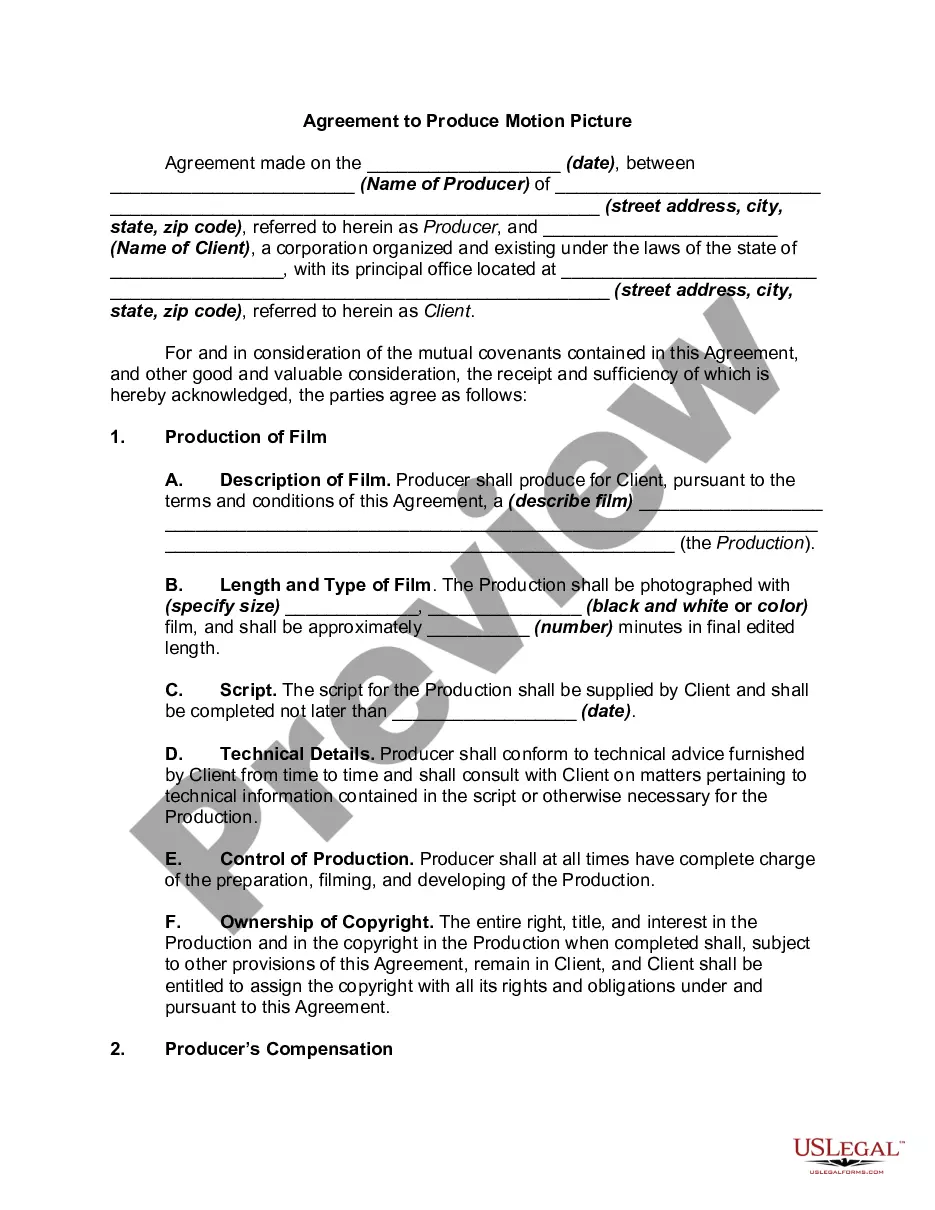
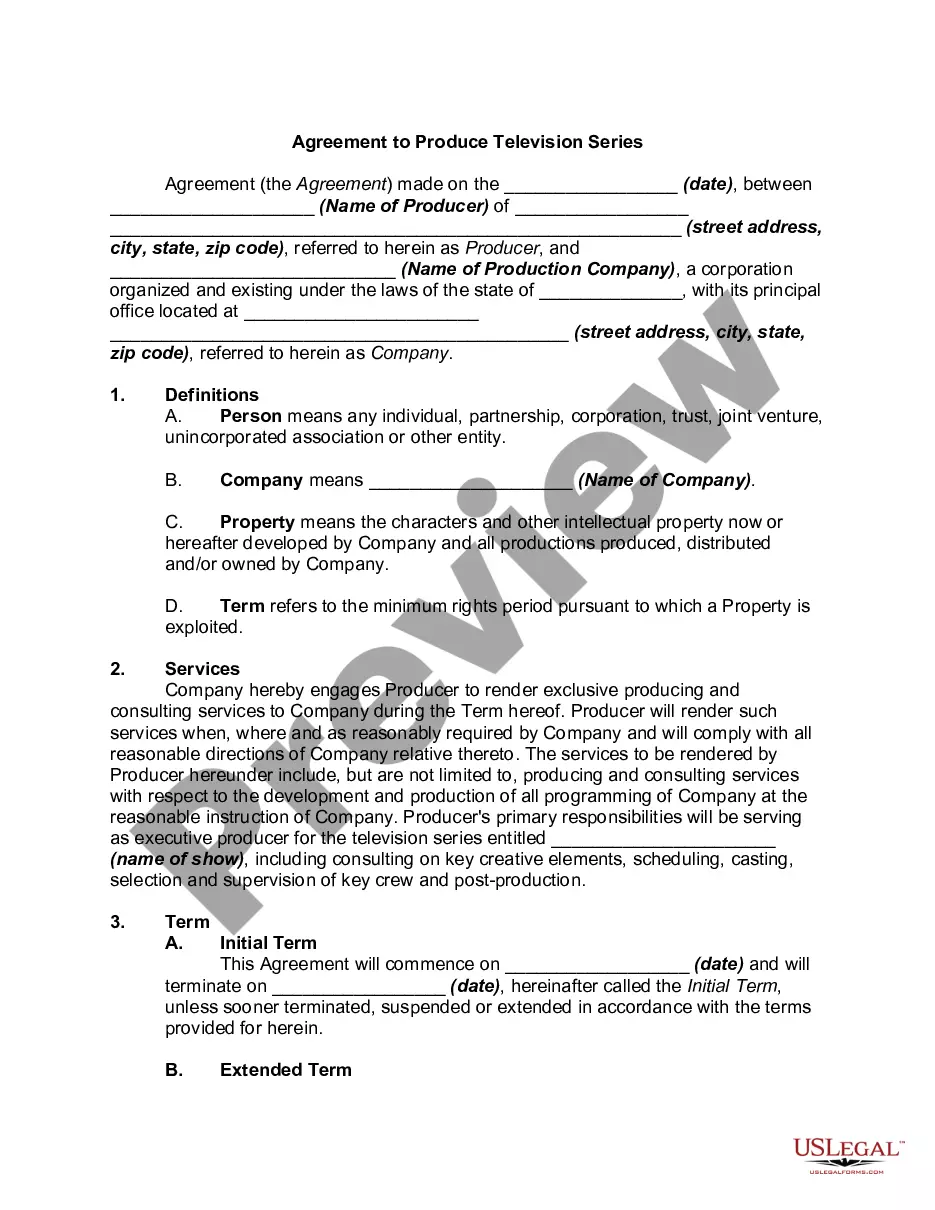
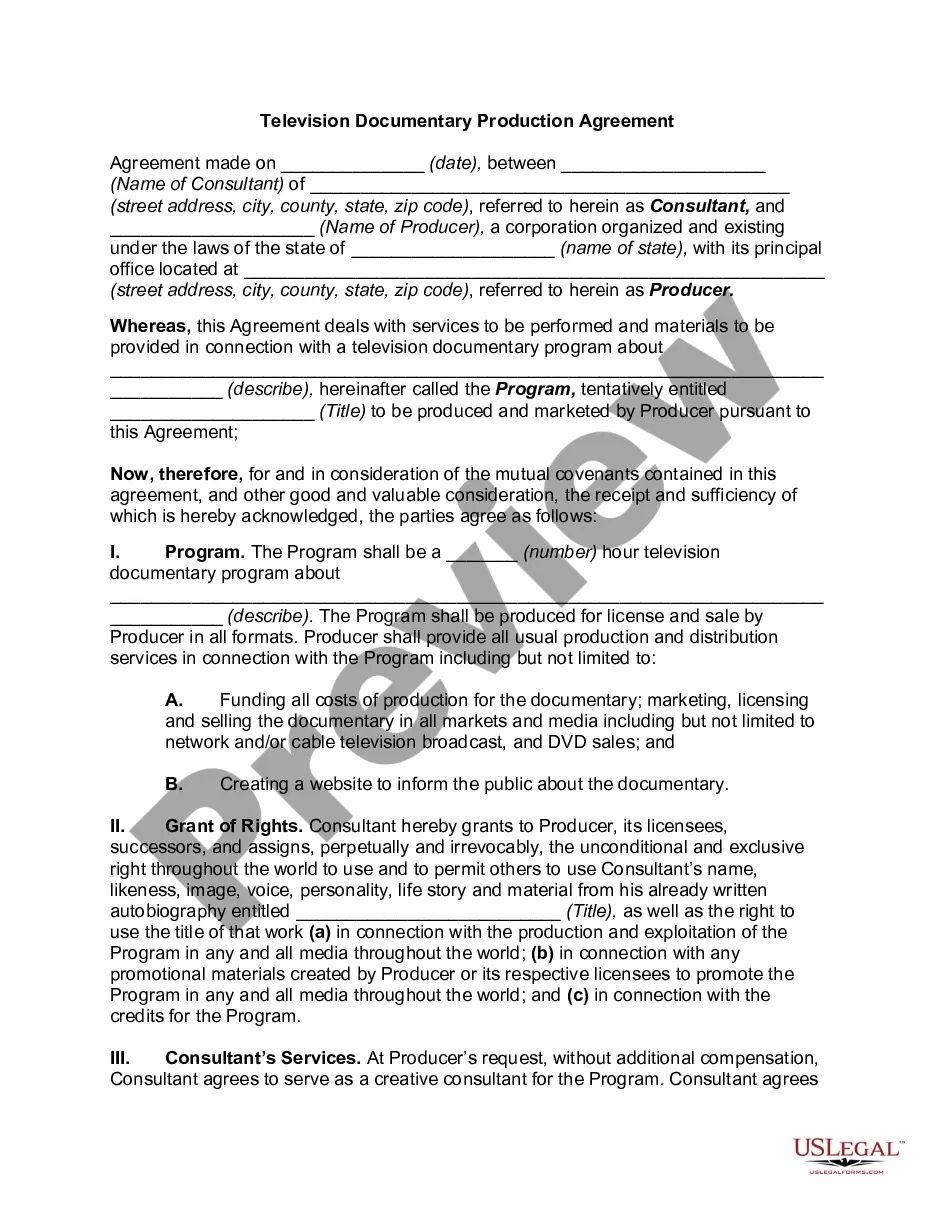
Get your form ready online
Our built-in tools help you complete, sign, share, and store your documents in one place.
Make edits, fill in missing information, and update formatting in US Legal Forms—just like you would in MS Word.
Download a copy, print it, send it by email, or mail it via USPS—whatever works best for your next step.
Sign and collect signatures with our SignNow integration. Send to multiple recipients, set reminders, and more. Go Premium to unlock E-Sign.
If this form requires notarization, complete it online through a secure video call—no need to meet a notary in person or wait for an appointment.
We protect your documents and personal data by following strict security and privacy standards.

Make edits, fill in missing information, and update formatting in US Legal Forms—just like you would in MS Word.

Download a copy, print it, send it by email, or mail it via USPS—whatever works best for your next step.

Sign and collect signatures with our SignNow integration. Send to multiple recipients, set reminders, and more. Go Premium to unlock E-Sign.

If this form requires notarization, complete it online through a secure video call—no need to meet a notary in person or wait for an appointment.

We protect your documents and personal data by following strict security and privacy standards.
Looking for another form?










Form popularity
FAQ
Your manufacturing contract should include: intellectual property (since the contract manufacturer(s) will be producing your proprietary creation). an assessment of manufacturing costs. clearly-written obligations of both parties. liabilities. product quality standards (if a quality control clause is included).
To be considered legally valid, a contract must meet certain criteria, such as mutual assent, consideration, capacity, and a legal purpose. However, it is possible to create a legal contract without hiring a lawyer. Seeking lawyers is customary but not necessary.
In its most basic form, contract manufacturing is when one business agrees to assist in the production of goods for another business. The arrangement could be limited to producing certain components, such as equipment faceplates or control panel overlays, or it could entail complete start-to-finish manufacturing.
How to create an LLC operating agreement in 9 steps Decide between a template or an attorney. Include your business information. List your LLC's members. Choose a management structure. Outline ownership transfers and dissolution. Determine tax structure. Gather LLC members to sign the agreement. Distribute copies.
How to write a letter of agreement Title the document. Add the title at the top of the document. List your personal information. Include the date. Add the recipient's personal information. Address the recipient. Write an introduction paragraph. Write your body. Conclude the letter.
Write the contract in six steps Start with a contract template. Open with the basic information. Describe in detail what you have agreed to. Include a description of how the contract will be ended. Write into the contract which laws apply and how disputes will be resolved. Include space for signatures.
One of the most prominent examples of contract manufacturing is an original equipment manufacturer called Foxconn, a Taiwanese contract manufacturer that specializes in electronics. They have work with some of the largest companies in the United States like Apple, Xbox, and Amazon.
Many companies wish to outsource manufacturing of their product to third party manufacturers. A manufacturing agreement should set out the terms of the arrangement in a legally binding agreement. This will provide a good basis for an effective working relationship in which both parties know what is expected.
Sometimes, a contract covers a one-time action between parties, but what happens when the relationships or circumstances are ongoing? When signing parties know they will continue to work together in the future, a Master Service Agreement (MSA) can simplify those future agreements and speed up the negotiation process.
How to draft a contract between two parties: A step-by-step checklist Know your parties. Agree on the terms. Set clear boundaries. Spell out the consequences. Specify how you will resolve disputes. Cover confidentiality. Check the legality of the contract. Open it up to negotiation.
