Film Agreement Sample With Retainer In California
Description

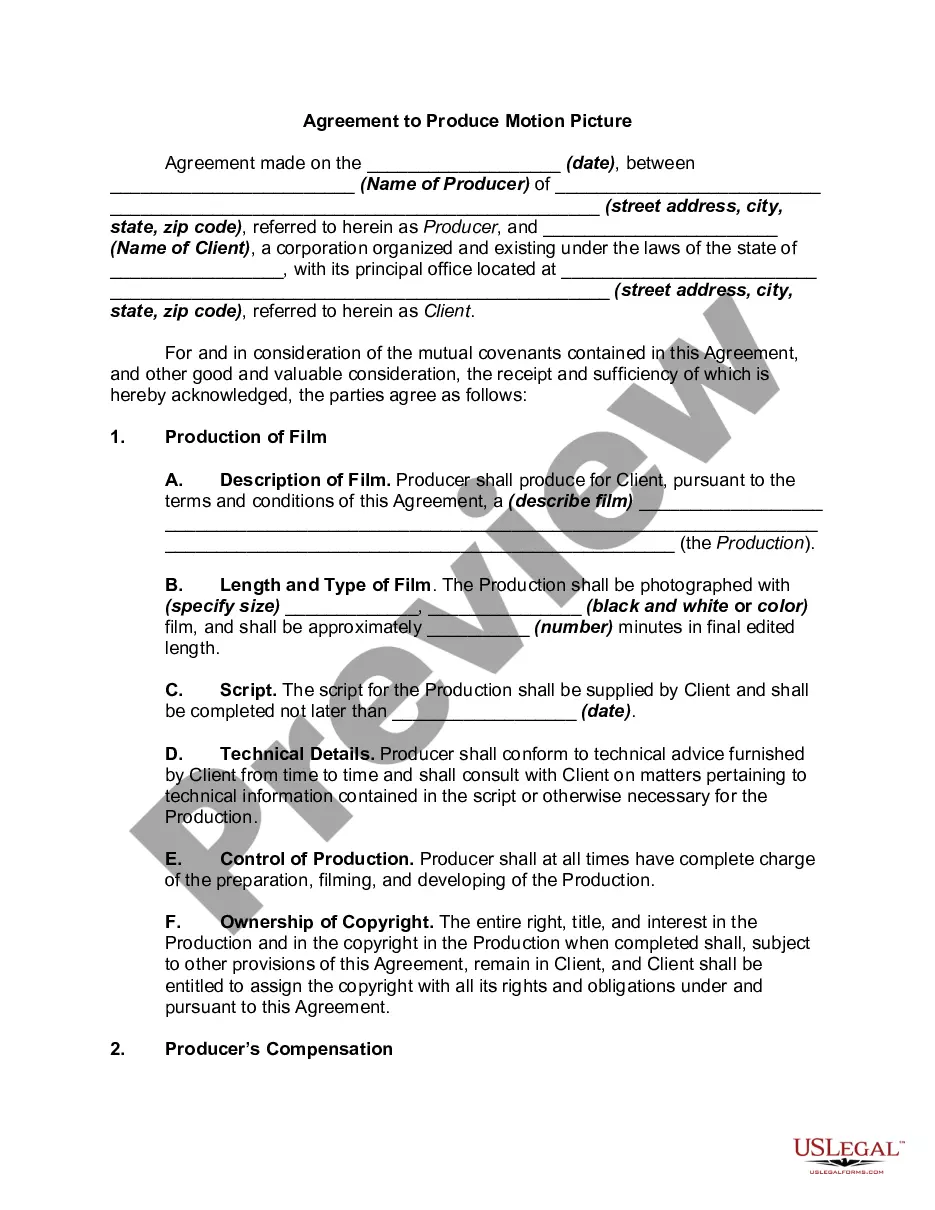
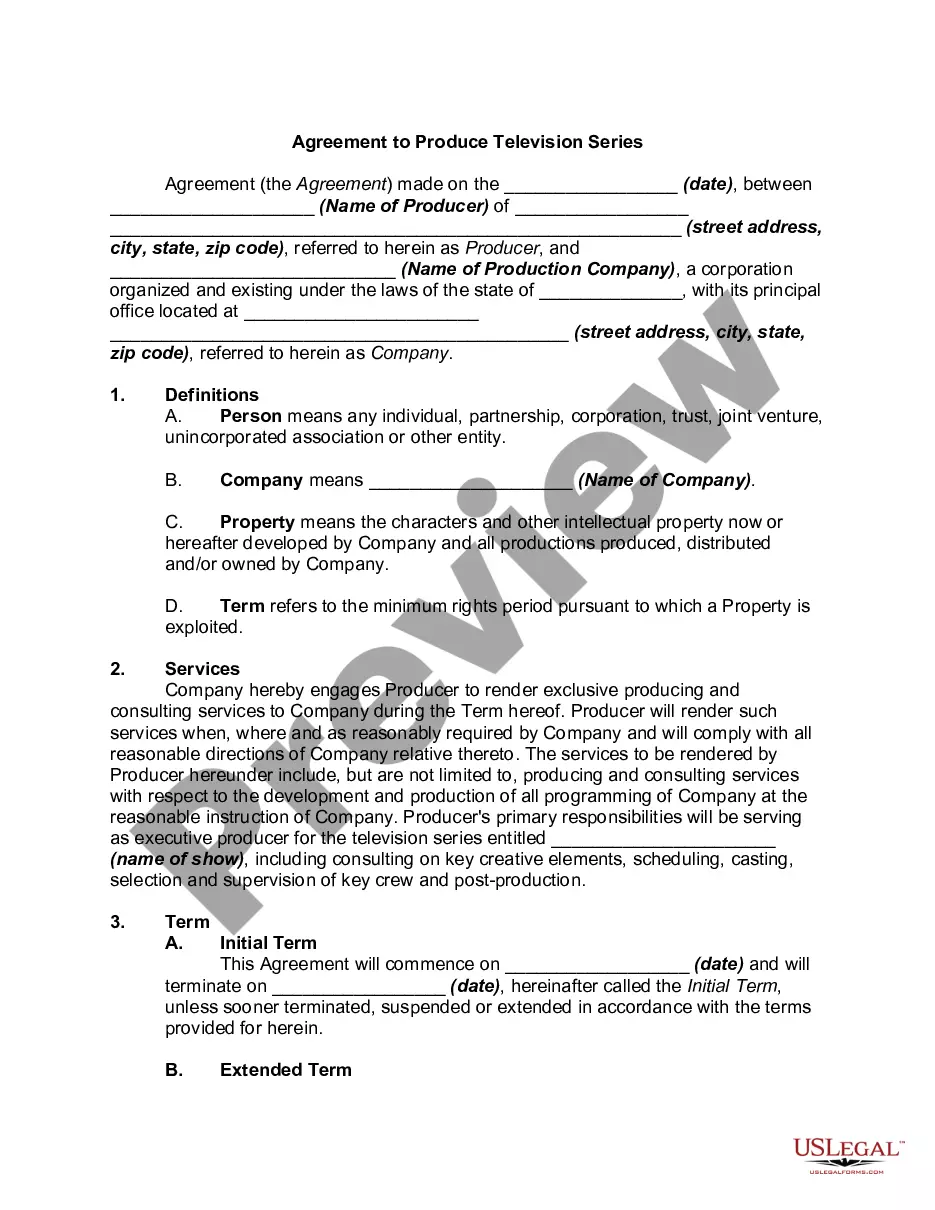
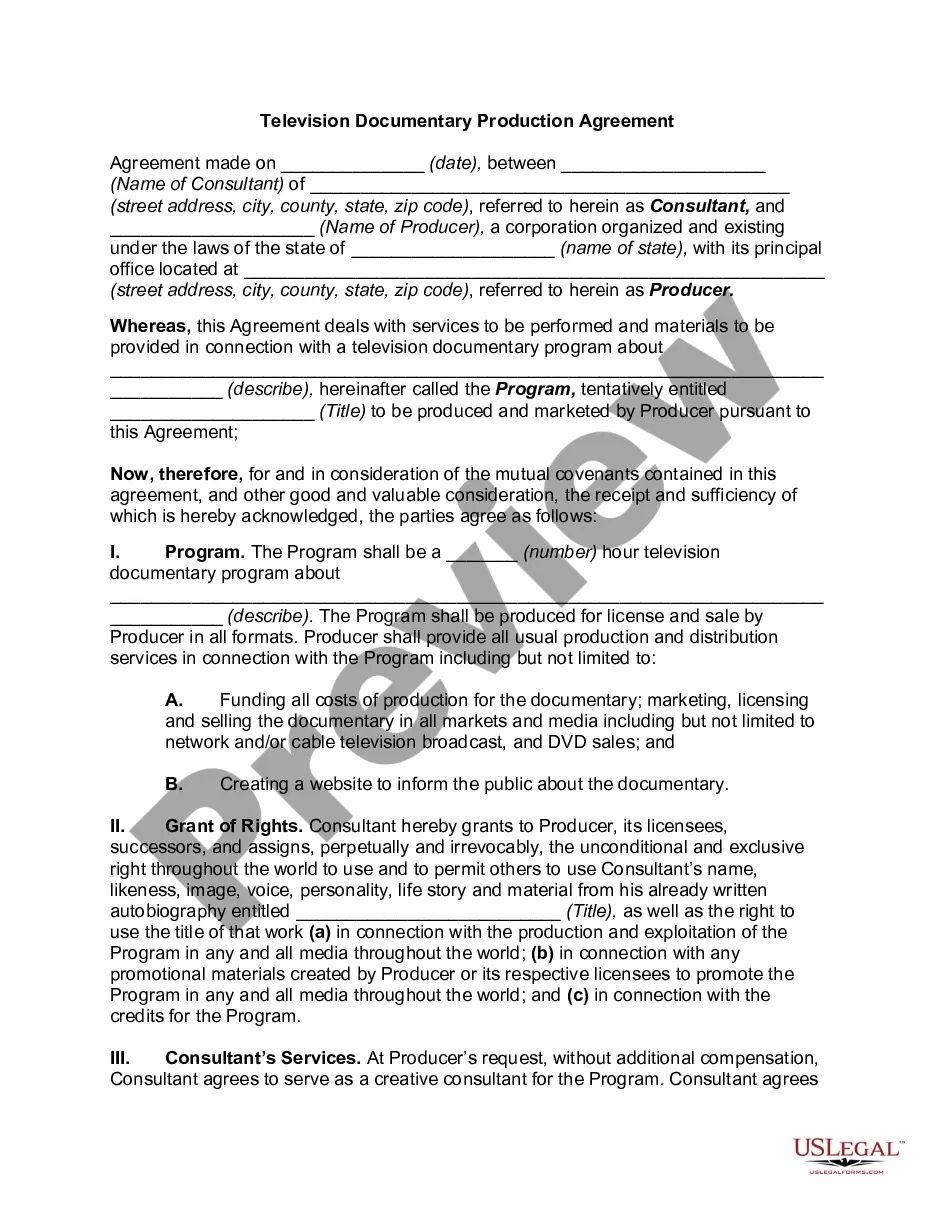
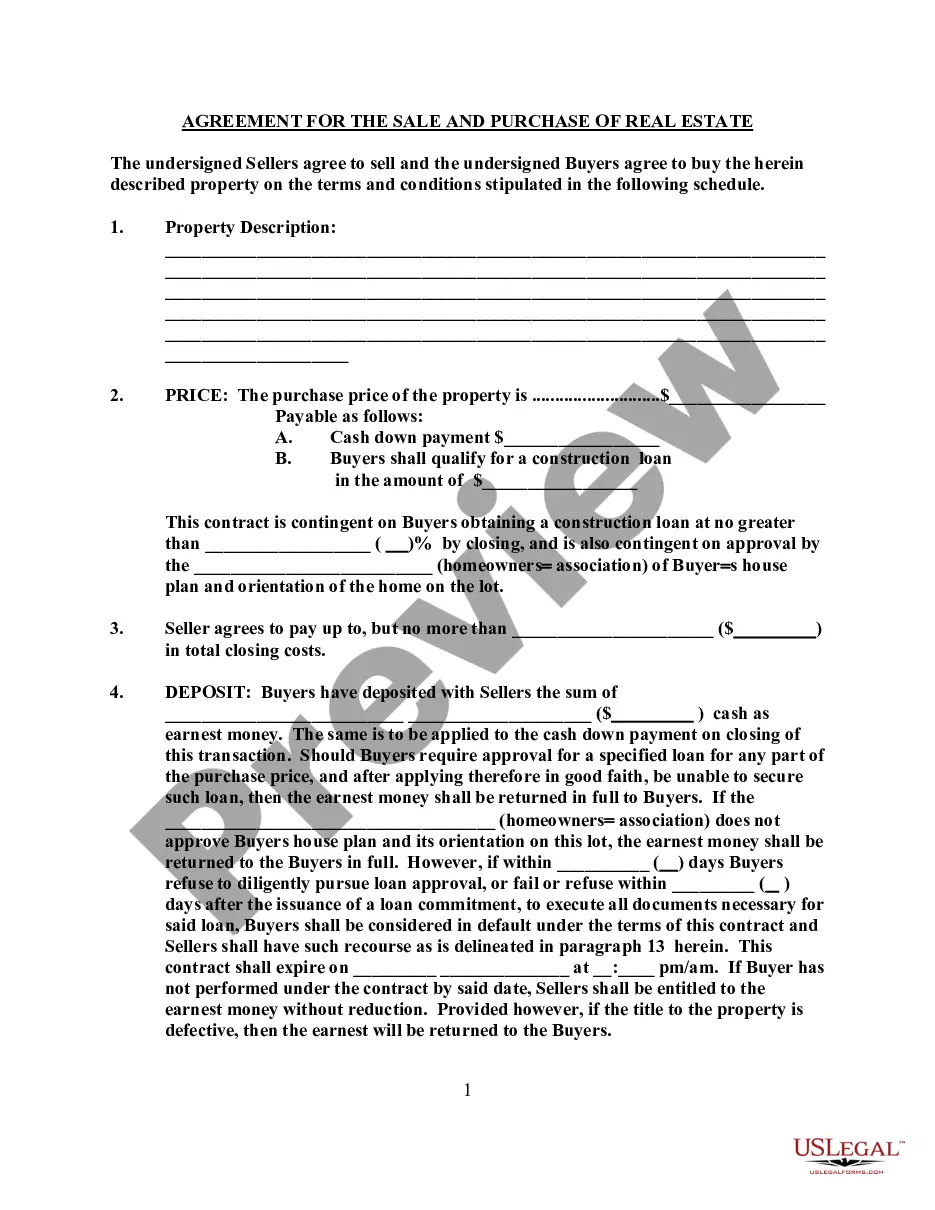
Get your form ready online
Our built-in tools help you complete, sign, share, and store your documents in one place.
Make edits, fill in missing information, and update formatting in US Legal Forms—just like you would in MS Word.
Download a copy, print it, send it by email, or mail it via USPS—whatever works best for your next step.
Sign and collect signatures with our SignNow integration. Send to multiple recipients, set reminders, and more. Go Premium to unlock E-Sign.
If this form requires notarization, complete it online through a secure video call—no need to meet a notary in person or wait for an appointment.
We protect your documents and personal data by following strict security and privacy standards.

Make edits, fill in missing information, and update formatting in US Legal Forms—just like you would in MS Word.

Download a copy, print it, send it by email, or mail it via USPS—whatever works best for your next step.

Sign and collect signatures with our SignNow integration. Send to multiple recipients, set reminders, and more. Go Premium to unlock E-Sign.

If this form requires notarization, complete it online through a secure video call—no need to meet a notary in person or wait for an appointment.

We protect your documents and personal data by following strict security and privacy standards.
Looking for another form?




Form popularity
FAQ
Generally, yes, retainer agreements are protected by the lawyer-client privilege, UNLESS you waived that privilege, which might have happened by your referencing the contents, for example.
Once a contract or retainer agreement has been signed between both parties, there's no question that privilege applies. Nonetheless, it generally starts before a contract is officially signed, even if you ultimately do not hire the attorney you had a consultation with.
Once a contract or retainer agreement has been signed between both parties, there's no question that privilege applies. Nonetheless, it generally starts before a contract is officially signed, even if you ultimately do not hire the attorney you had a consultation with.
Crime or Fraud Exception. If a client seeks advice from an attorney to assist with the furtherance of a crime or fraud or the post-commission concealment of the crime or fraud, then the communication is not privileged.
A true retainer is earned upon receipt (and is therefore non-refundable) because it takes the attorney out of the marketplace and precludes him or her from undertaking other legal work (e.g., work that may be in conflict with that client).
The details of the agreement should be communicated to the client, in writing, when the lawyer has not regularly represented the client. These details include the scope of the representation and the expenses for which the client is responsible. Otherwise, having communication in written form is merely “preferable.”
The goal of a retainer is to provide your clients with ongoing access to your agency's services. Furthermore, with a retainer agreement, agencies can offer their services at discounted prices to improve client retention. Exactly how much depends on the type of retainer you offer—which we will discuss further.
A retainer agreement is a work-for-hire contract. It falls between a one-off contract and permanent employment, which may be full-time or part-time. Its distinguishing feature is that the client or customer pays in advance for professional work to be specified later.
Retainer agreements (also referred to as representation agreements) are a type of compensation agreement with lawyers either for reserving their employment or as compensation for future services. Also inside the agreement are details on the scope and procedure for the representation.
