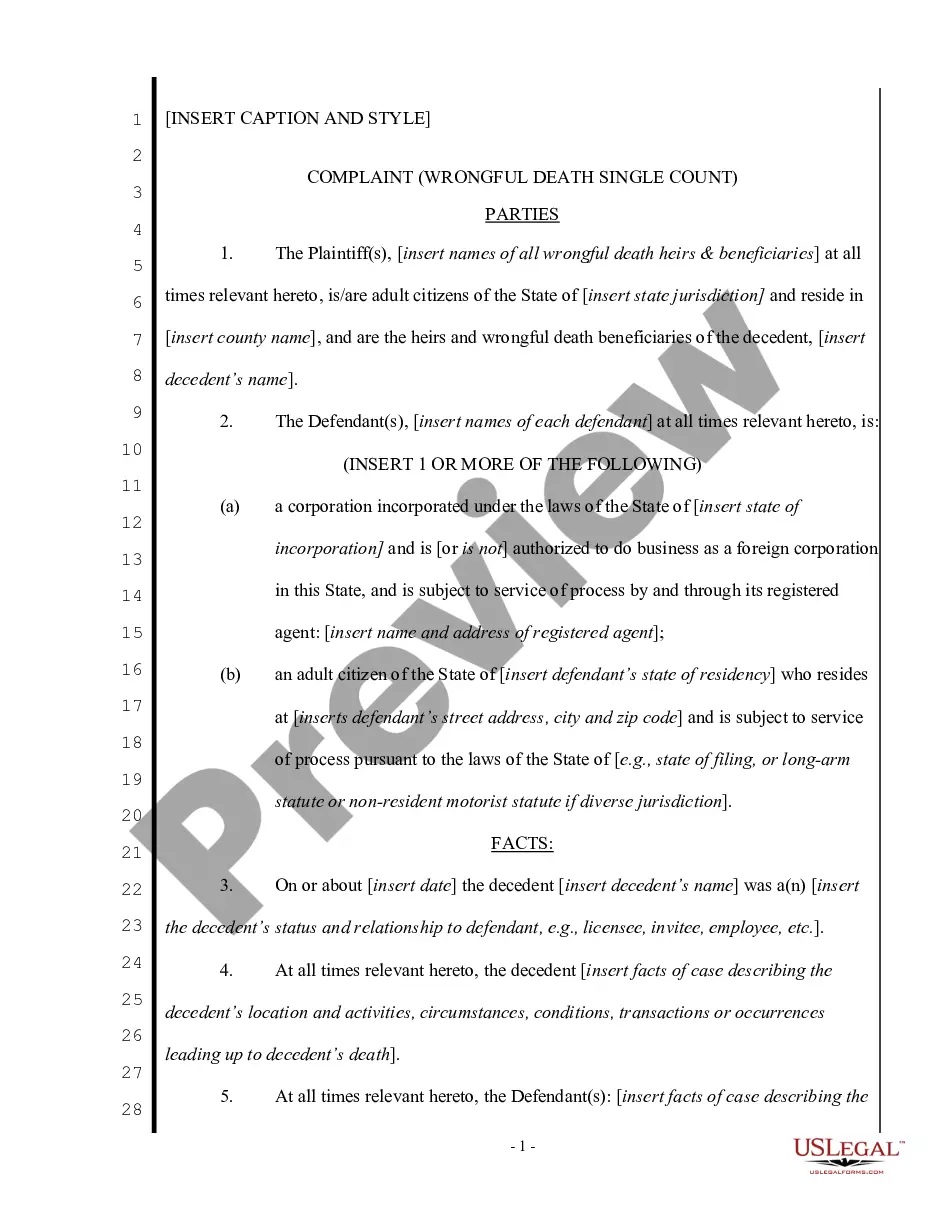
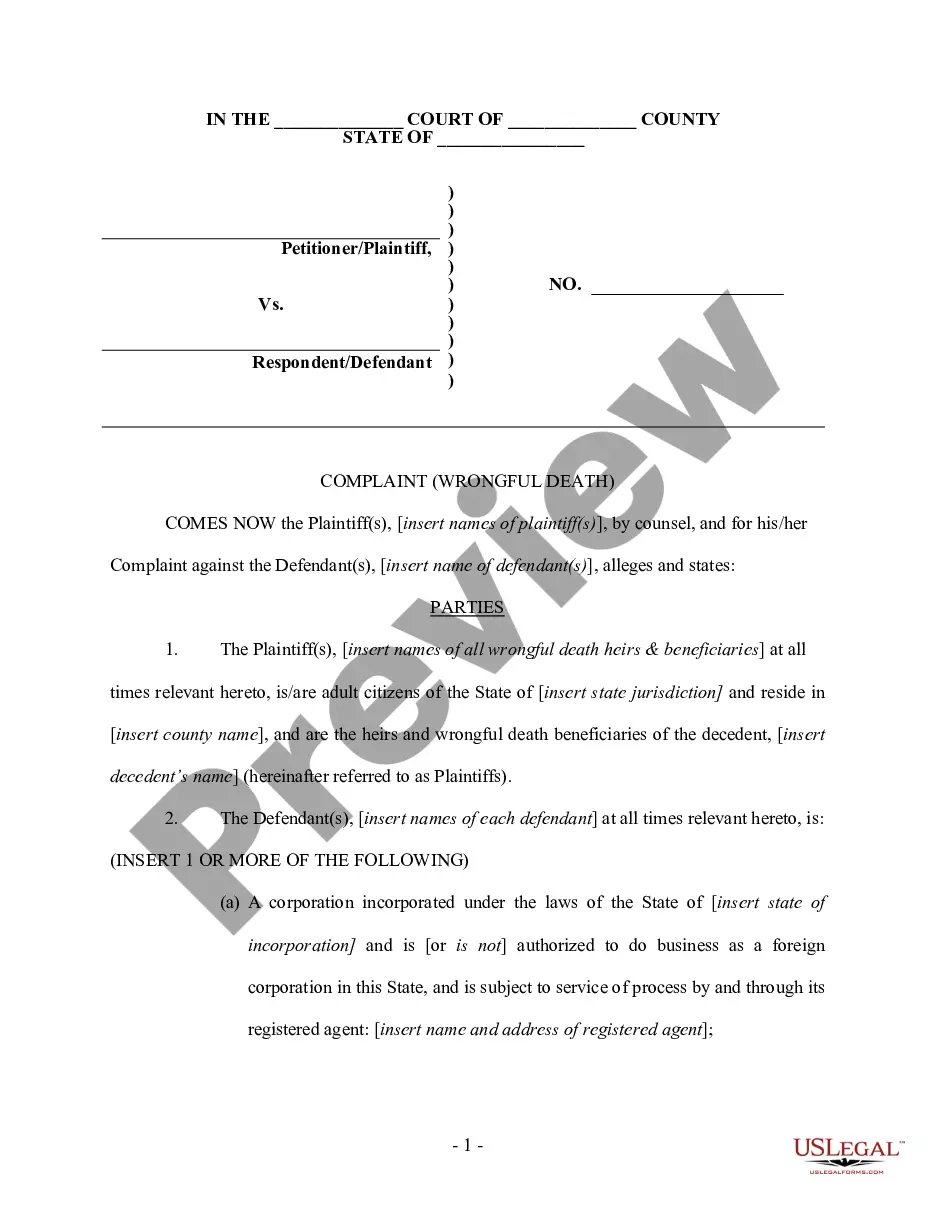
Wrongful Interference With Employment Relationship California
Description


Get your form ready online
Our built-in tools help you complete, sign, share, and store your documents in one place.
Make edits, fill in missing information, and update formatting in US Legal Forms—just like you would in MS Word.
Download a copy, print it, send it by email, or mail it via USPS—whatever works best for your next step.
Sign and collect signatures with our SignNow integration. Send to multiple recipients, set reminders, and more. Go Premium to unlock E-Sign.
If this form requires notarization, complete it online through a secure video call—no need to meet a notary in person or wait for an appointment.
We protect your documents and personal data by following strict security and privacy standards.

Make edits, fill in missing information, and update formatting in US Legal Forms—just like you would in MS Word.

Download a copy, print it, send it by email, or mail it via USPS—whatever works best for your next step.

Sign and collect signatures with our SignNow integration. Send to multiple recipients, set reminders, and more. Go Premium to unlock E-Sign.

If this form requires notarization, complete it online through a secure video call—no need to meet a notary in person or wait for an appointment.

We protect your documents and personal data by following strict security and privacy standards.
Looking for another form?




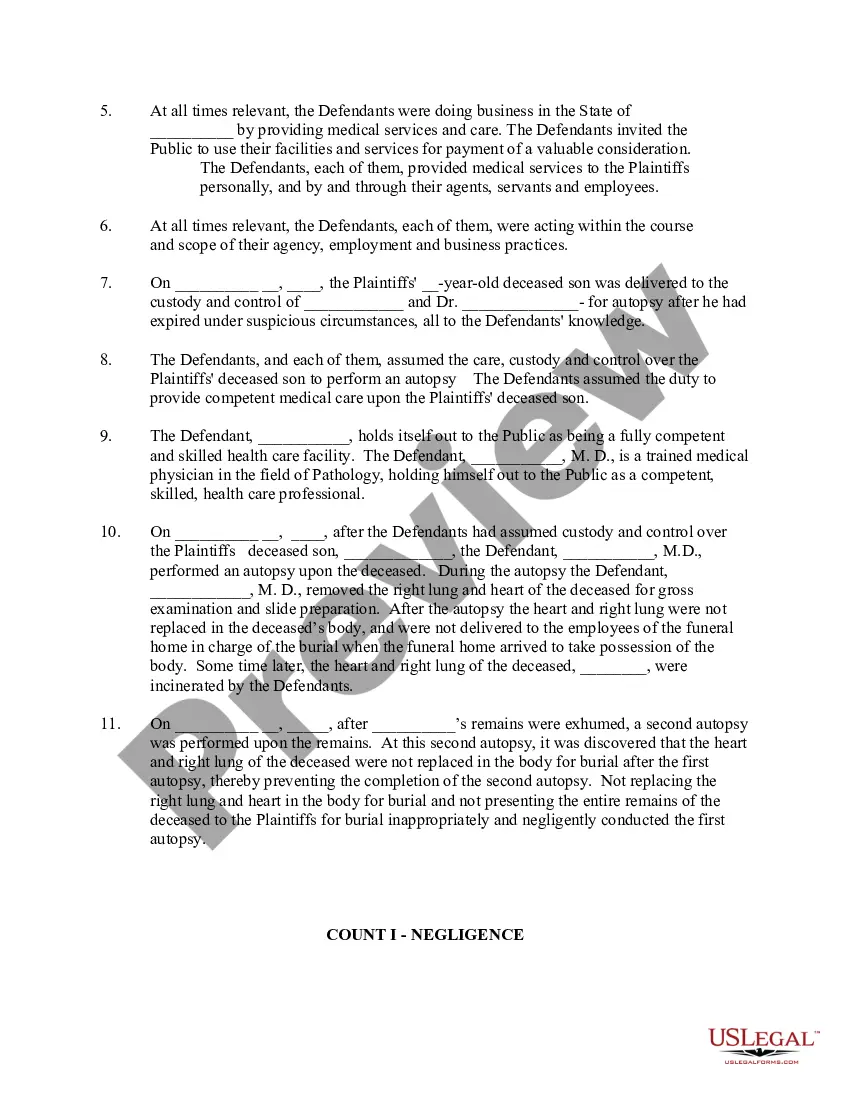
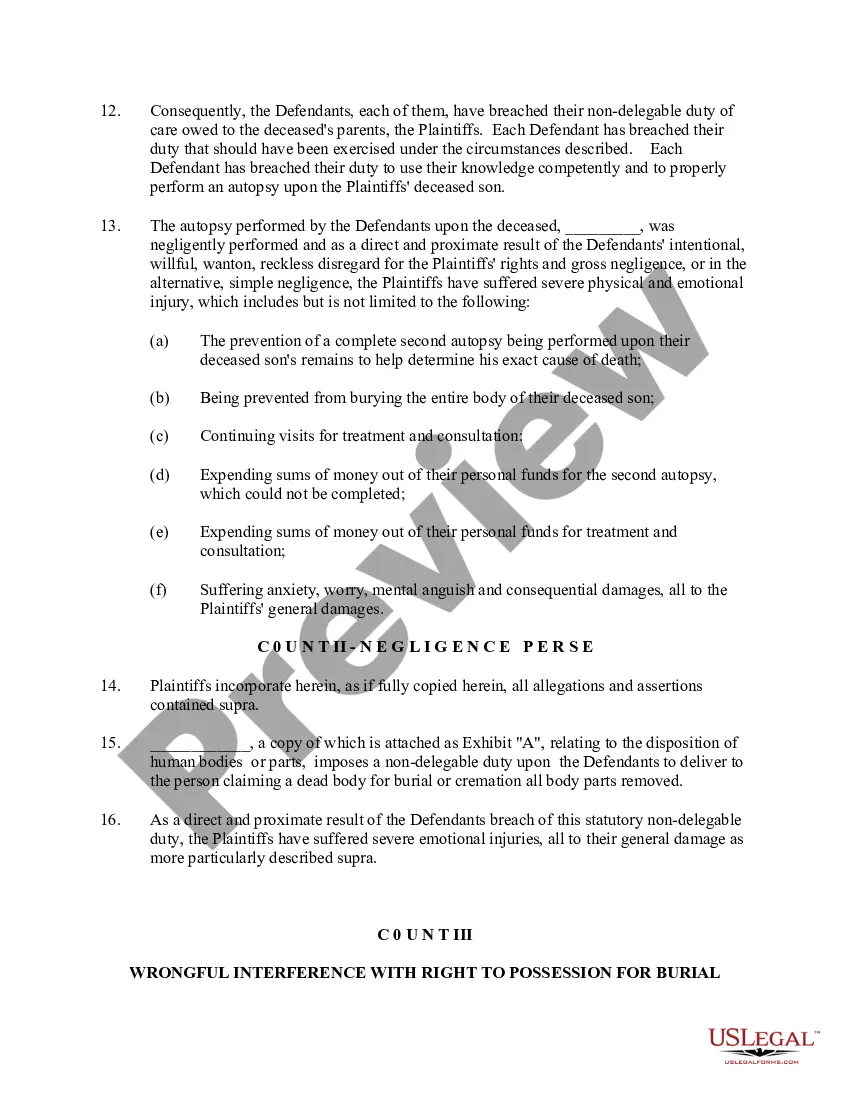
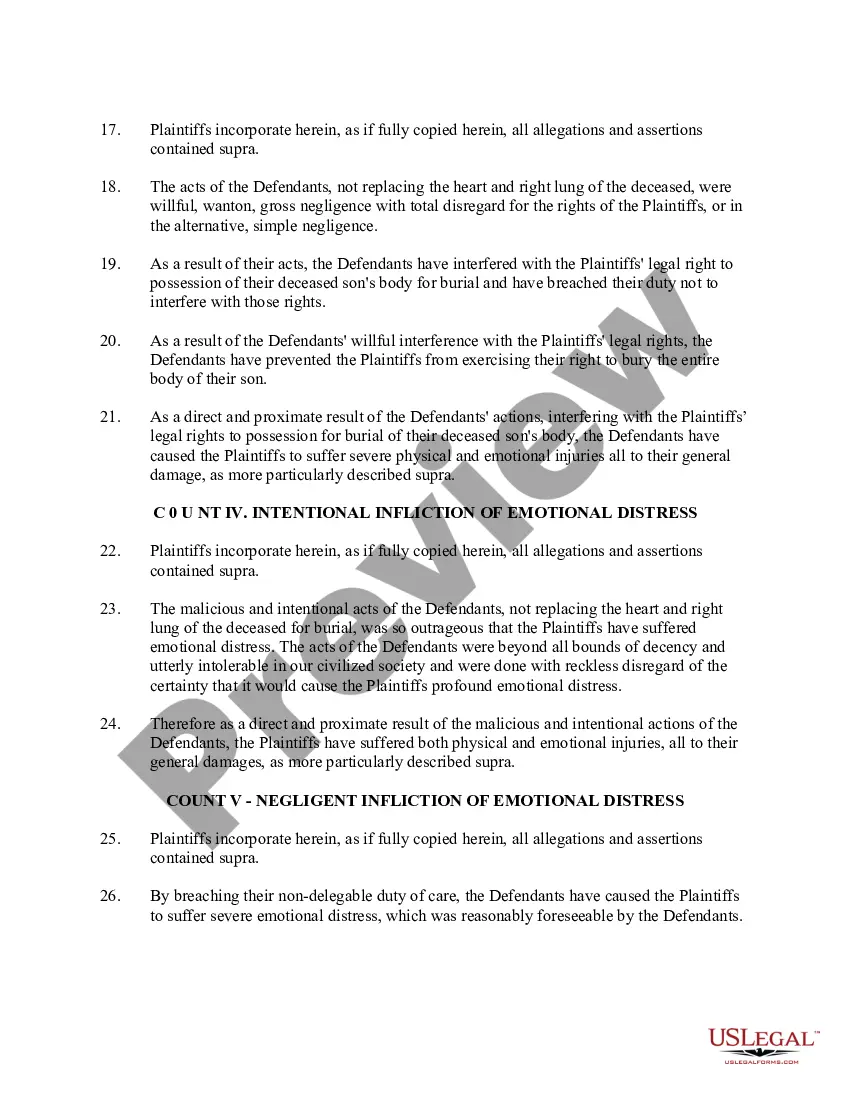
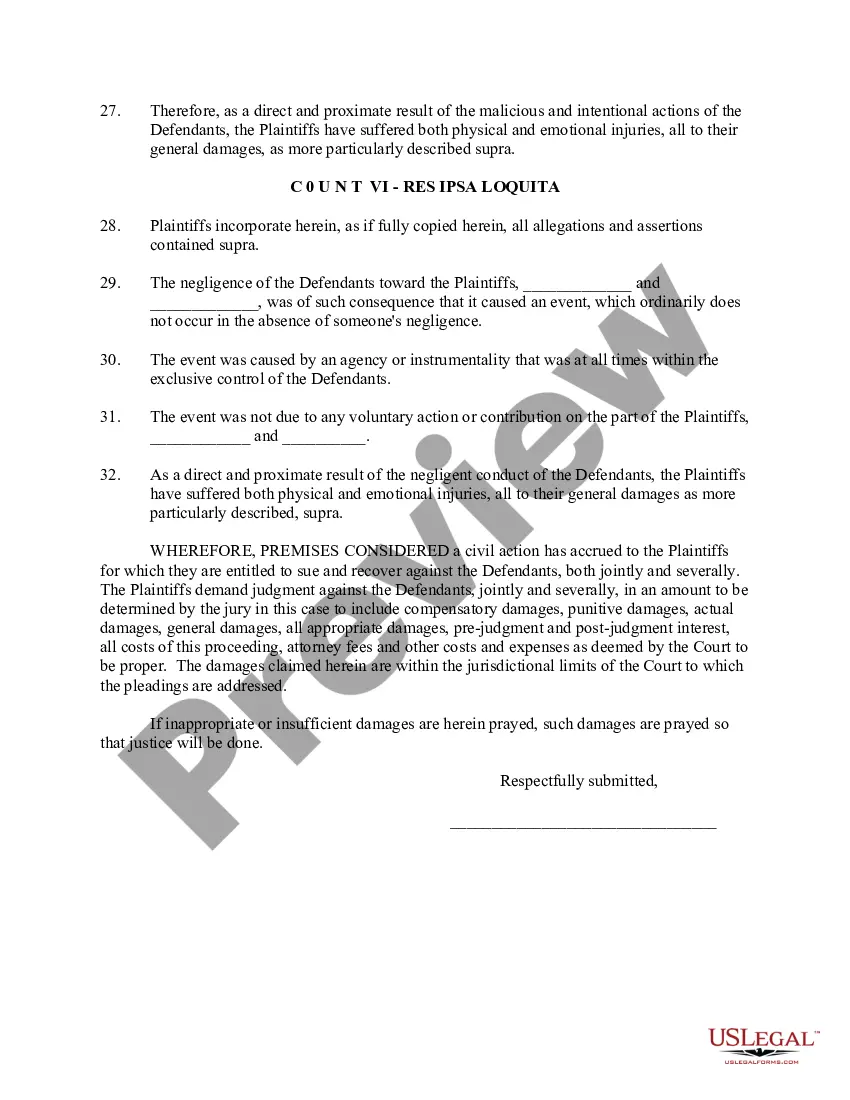
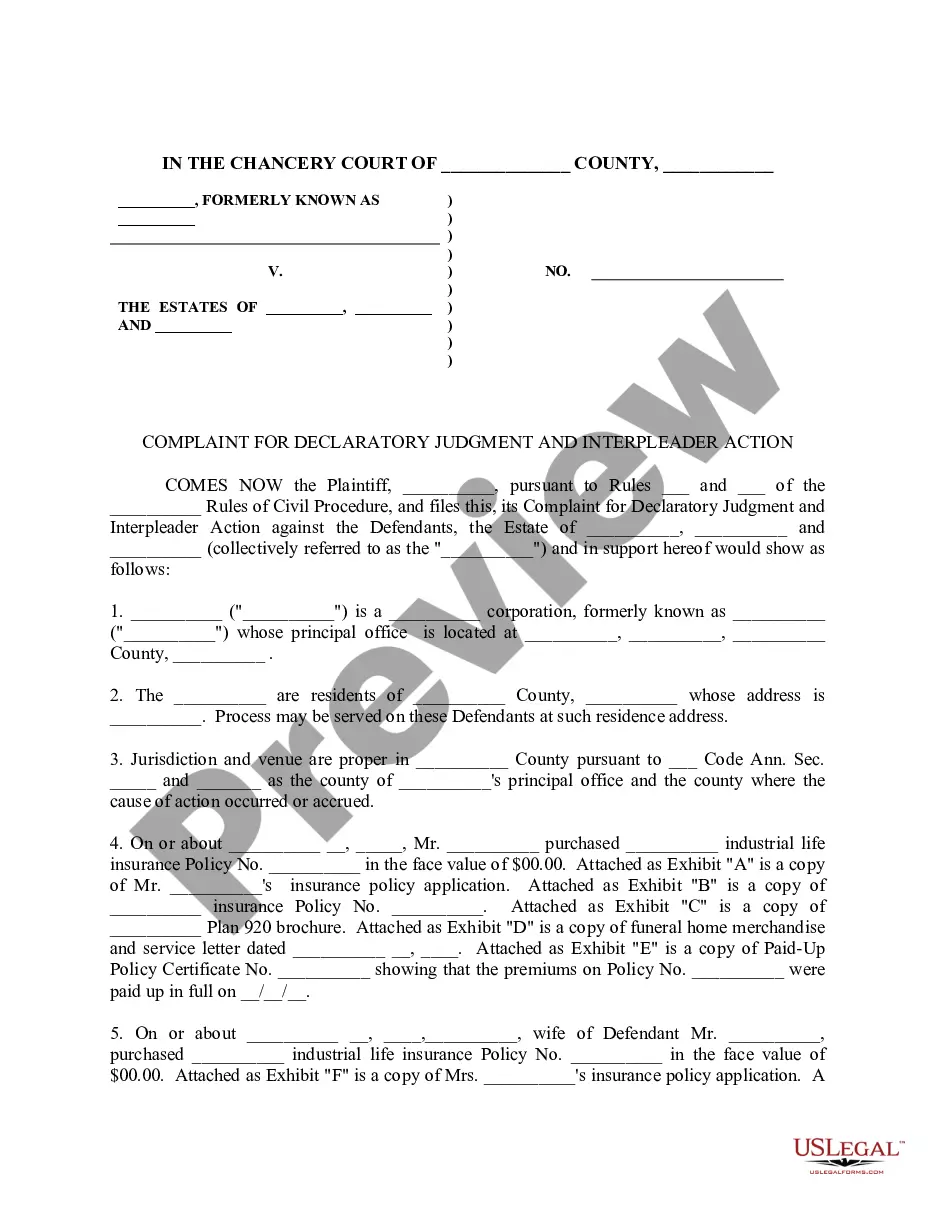
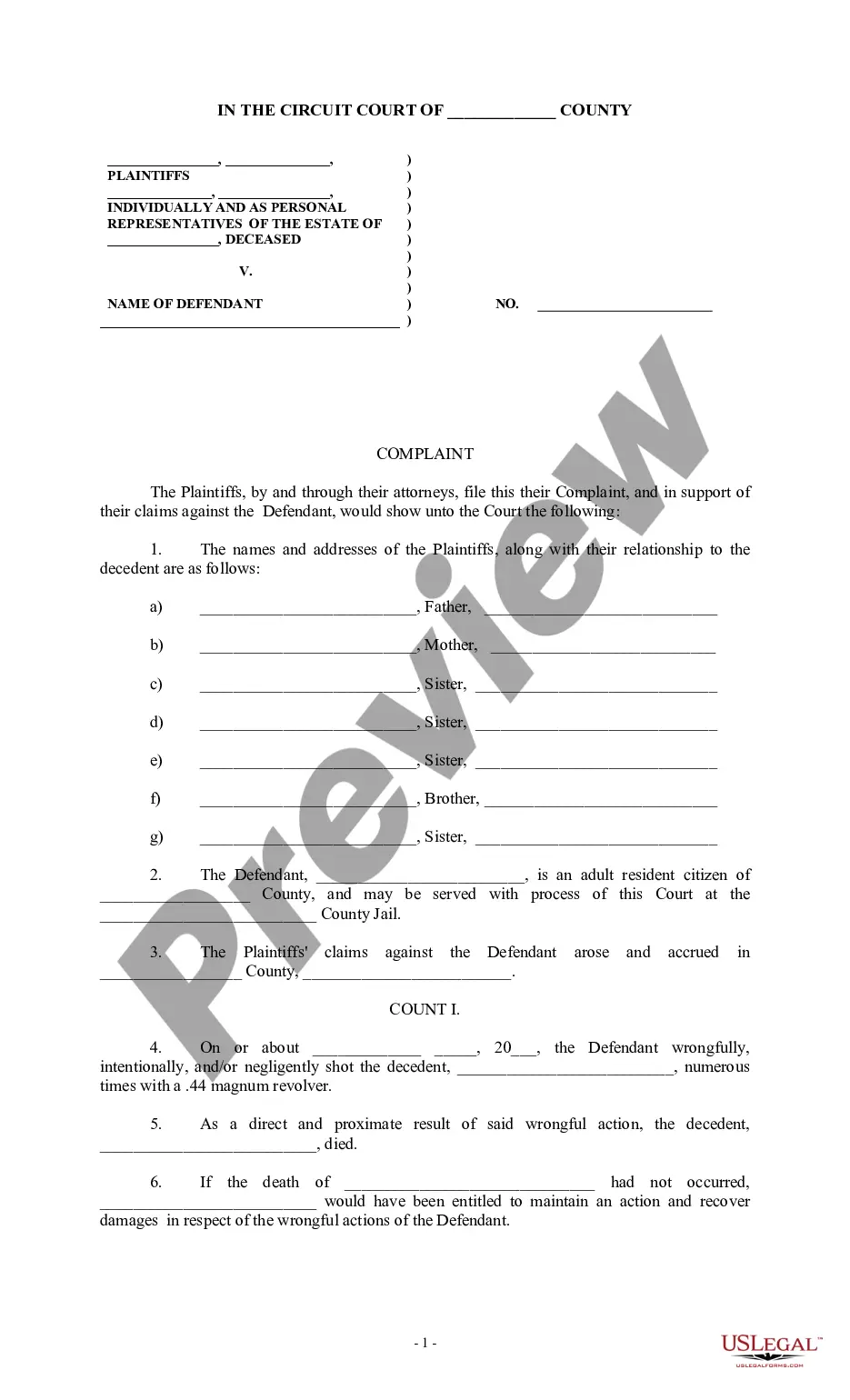
How to fill out Complaint For Wrongful Interference With Right To Possession For Burial?
Regardless of whether for corporate objectives or private affairs, everyone must confront legal issues at some point in their lives.
Completing legal documentation requires meticulous care, beginning with selecting the appropriate form template.
With an extensive catalog from US Legal Forms, you never have to waste time searching for the suitable template online. Utilize the library’s straightforward navigation to discover the right template for any situation.
- For instance, if you choose an incorrect version of the Wrongful Interference With Employment Relationship in California, it will be denied upon submission.
- Thus, it is crucial to have a reliable source of legal documents such as US Legal Forms.
- If you need to obtain a Wrongful Interference With Employment Relationship California template, follow these straightforward steps.
- 1. Access the required template using the search bar or catalog browsing.
- 2. Review the form's description to confirm it corresponds with your case, jurisdiction, and locality.
- 3. Click on the form’s preview to view it.
- 4. If it is the incorrect document, return to the search tool to find the Wrongful Interference With Employment Relationship California sample you require.
- 5. Download the file if it satisfies your criteria.
- 6. If you possess a US Legal Forms account, simply click Log in to access previously stored documents in My documents.
- 7. If you do not have an account yet, you can acquire the form by clicking Buy now.
- 8. Choose the appropriate pricing option.
- 9. Fill out the profile registration form.
- 10. Choose your payment method: either a credit card or PayPal.
- 11. Select the document format you prefer and download the Wrongful Interference With Employment Relationship California.
- 12. Once saved, you can fill out the form using editing software or print it and complete it manually.
Form popularity
FAQ
To establish wrongful interference with a business relationship, it requires proving that a third party intentionally disrupted an existing business relationship. In California, you need to show that the interference was not only intentional but also wrongful, meaning it lacked justification. If the actions cause harm to the affected business or individual, this type of interference can lead to legal action.
The plaintiff must show that a valid contract or reasonable economic expectation existed between the plaintiff and a third party. Many tortious interference cases involve a breach of contract by a third party with whom the plaintiff had an existing agreement.
The requisite elements of tortious interference with contract claim are: (1) the existence of a valid and enforceable contract between plaintiff and another; (2) defendant's awareness of the contractual relationship; (3) defendant's intentional and unjustified inducement of a breach of the contract; (4) a subsequent ...
Under California law, to establish interference with contractual relations, a plaintiff must show that: (1) a valid contract exists between plaintiff and a third party; (2) defendant knew of the existence of this contract; (3) defendant took intentional steps to interrupt the contractual relation; (4) defendant's ...
To prove tortious interference with a contract, a plaintiff must establish several elements: The plaintiff had a contract with a third party; The defendant knew about the contract at the time of the alleged interference; The defendant interfered intentionally; The interference was improper;