Wrongful Possession Of Property In Utah
Description

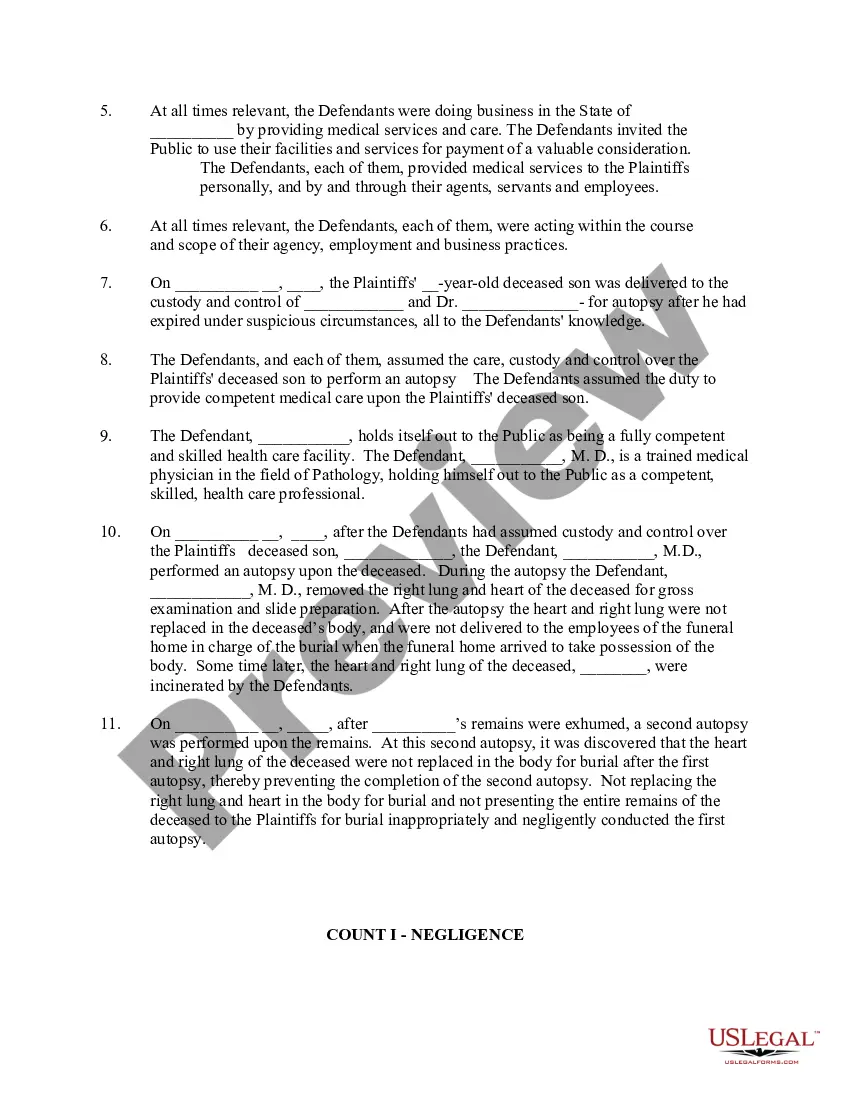
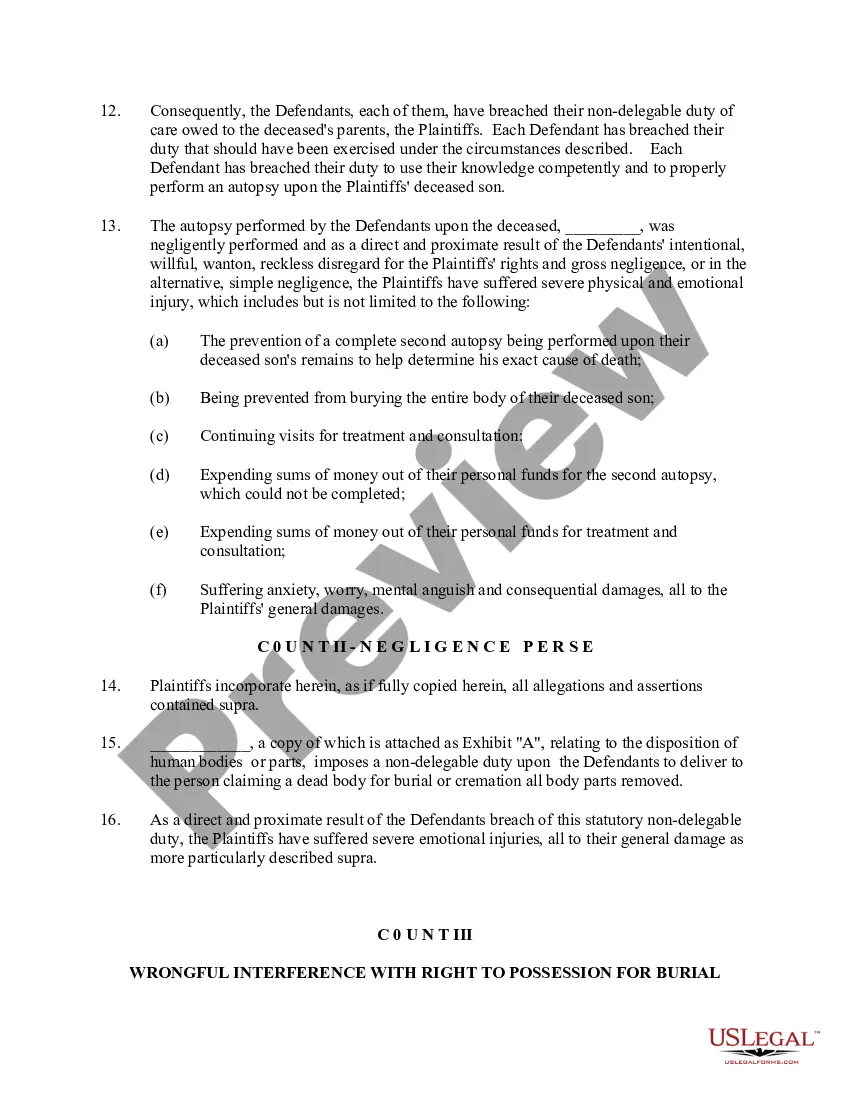
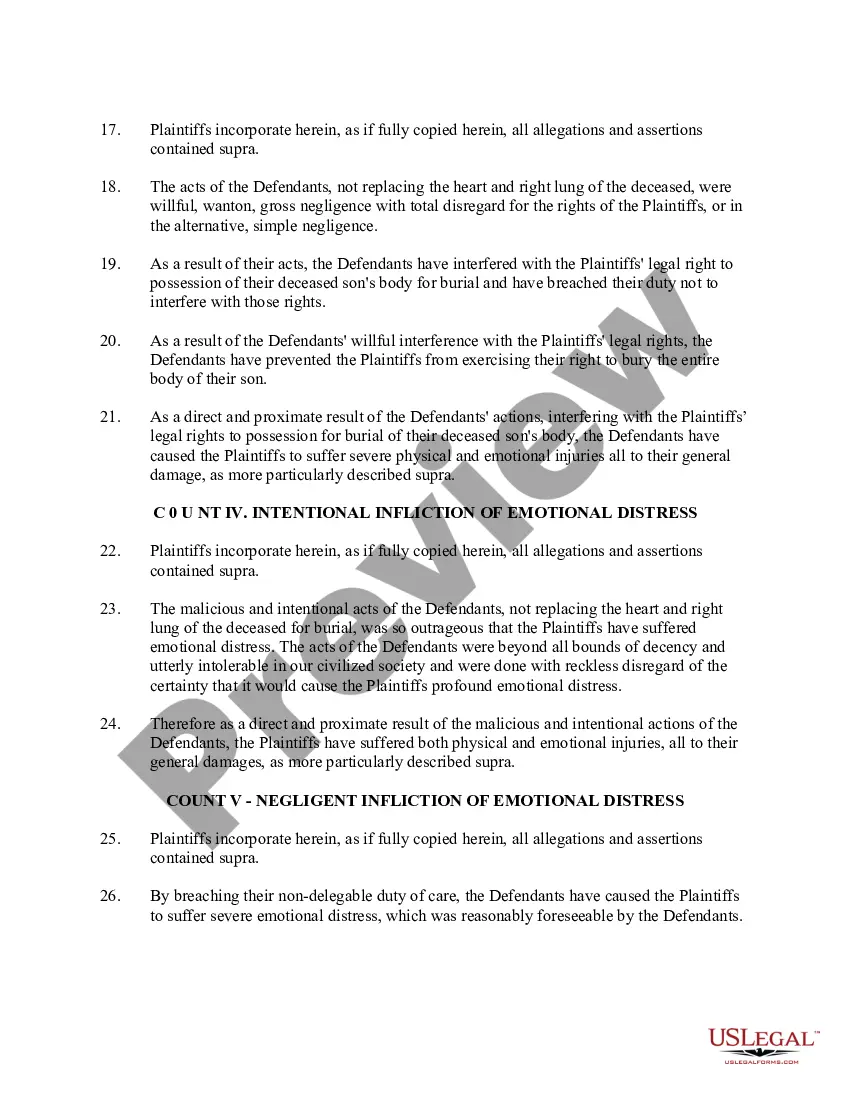
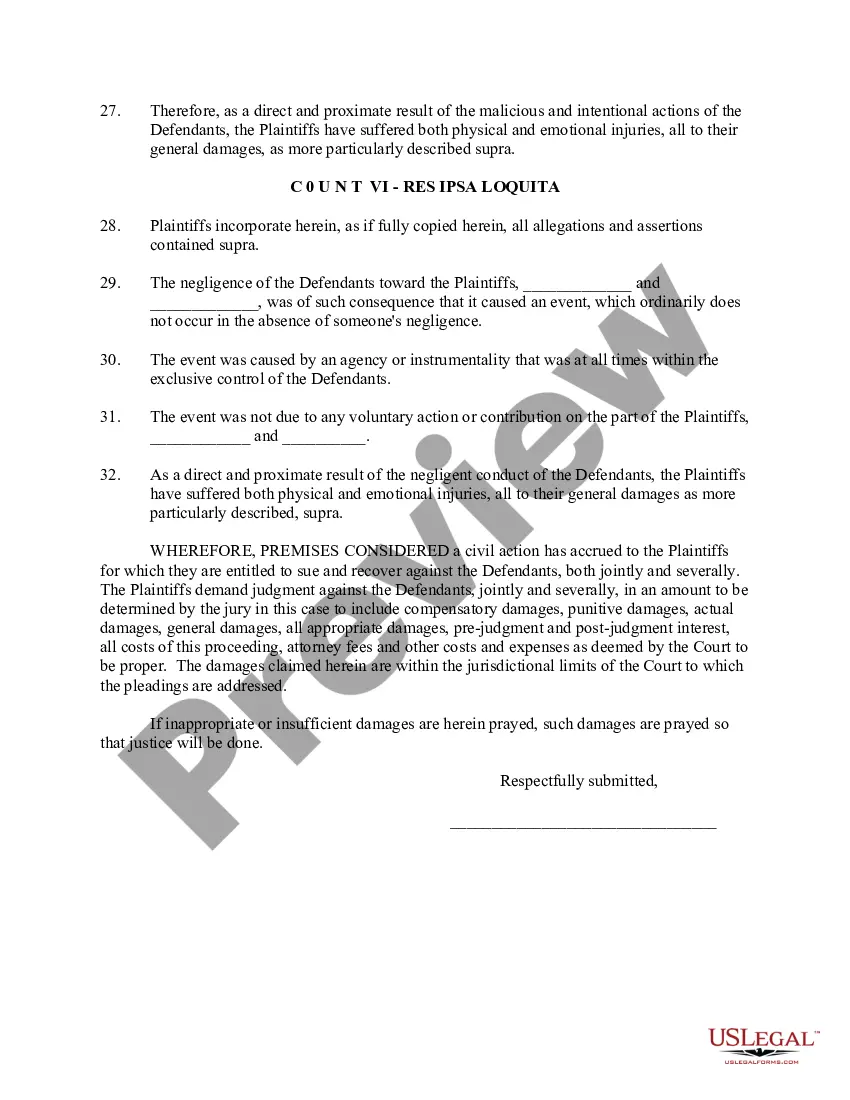

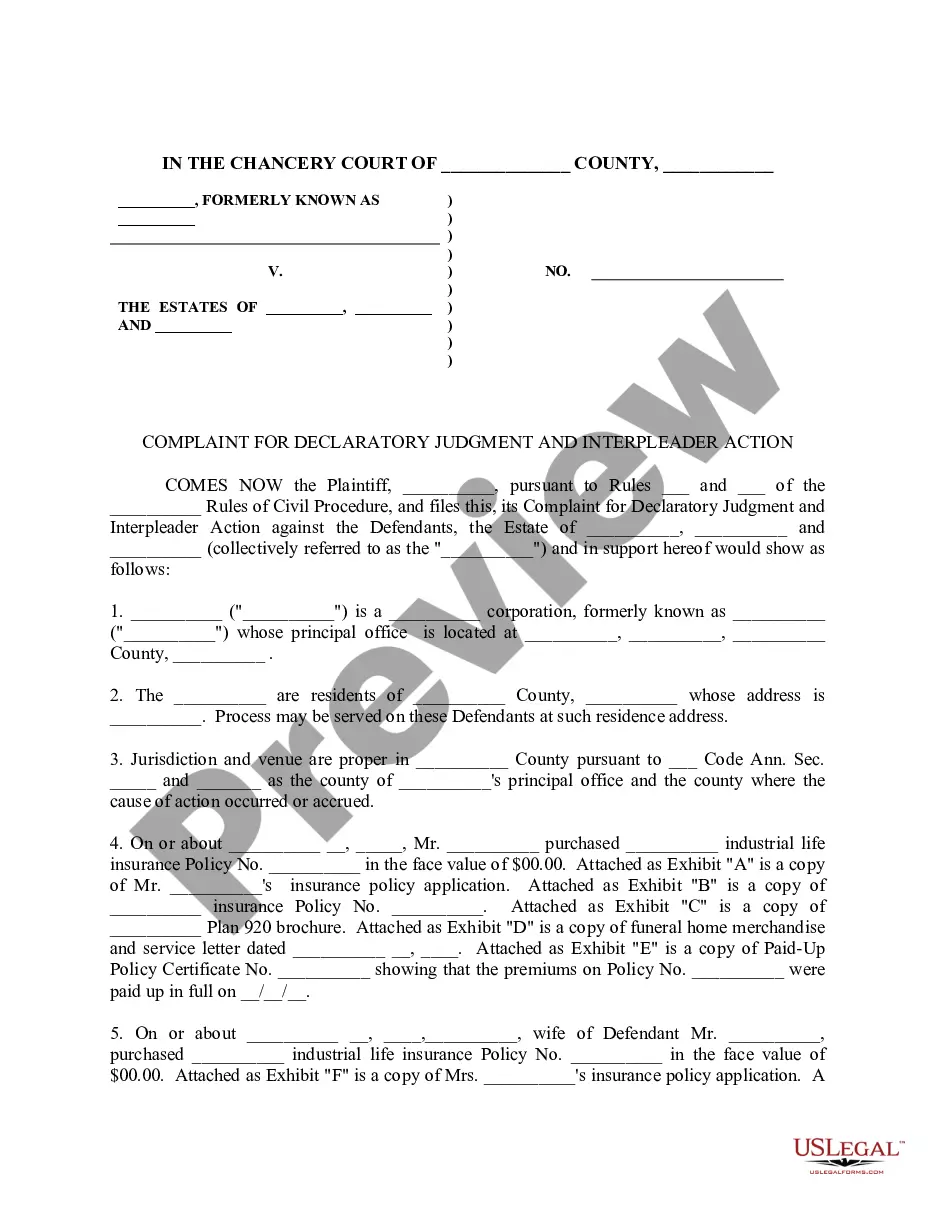
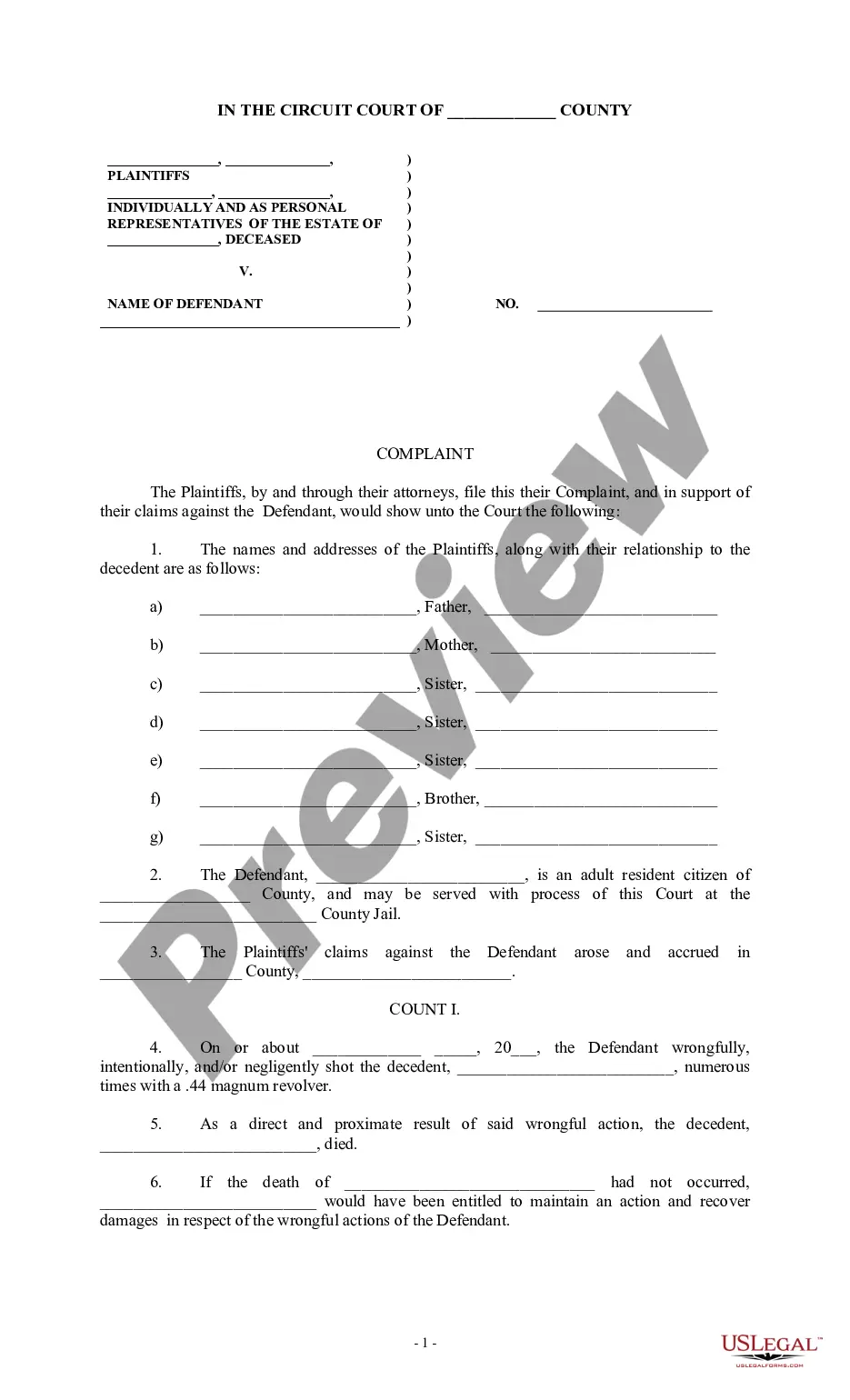
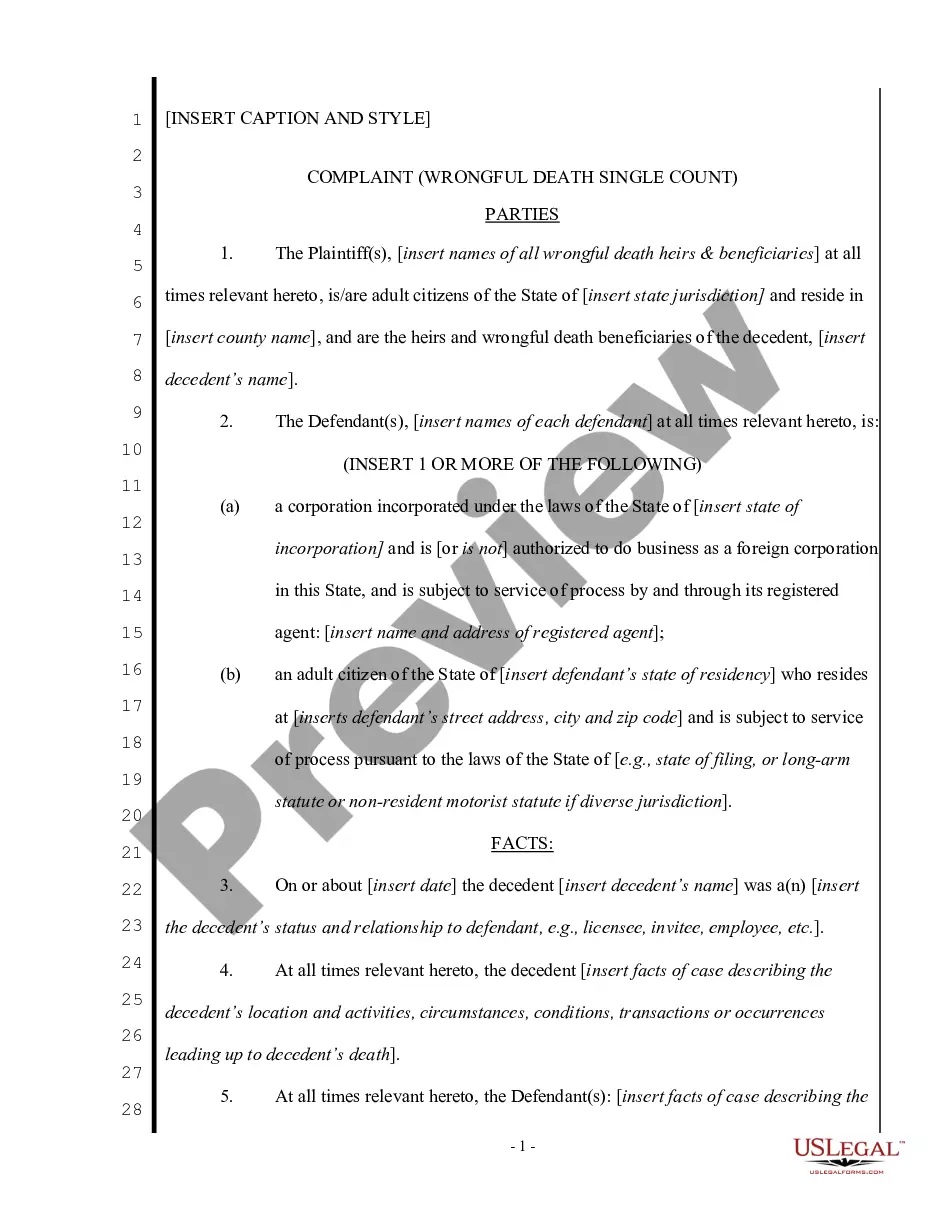
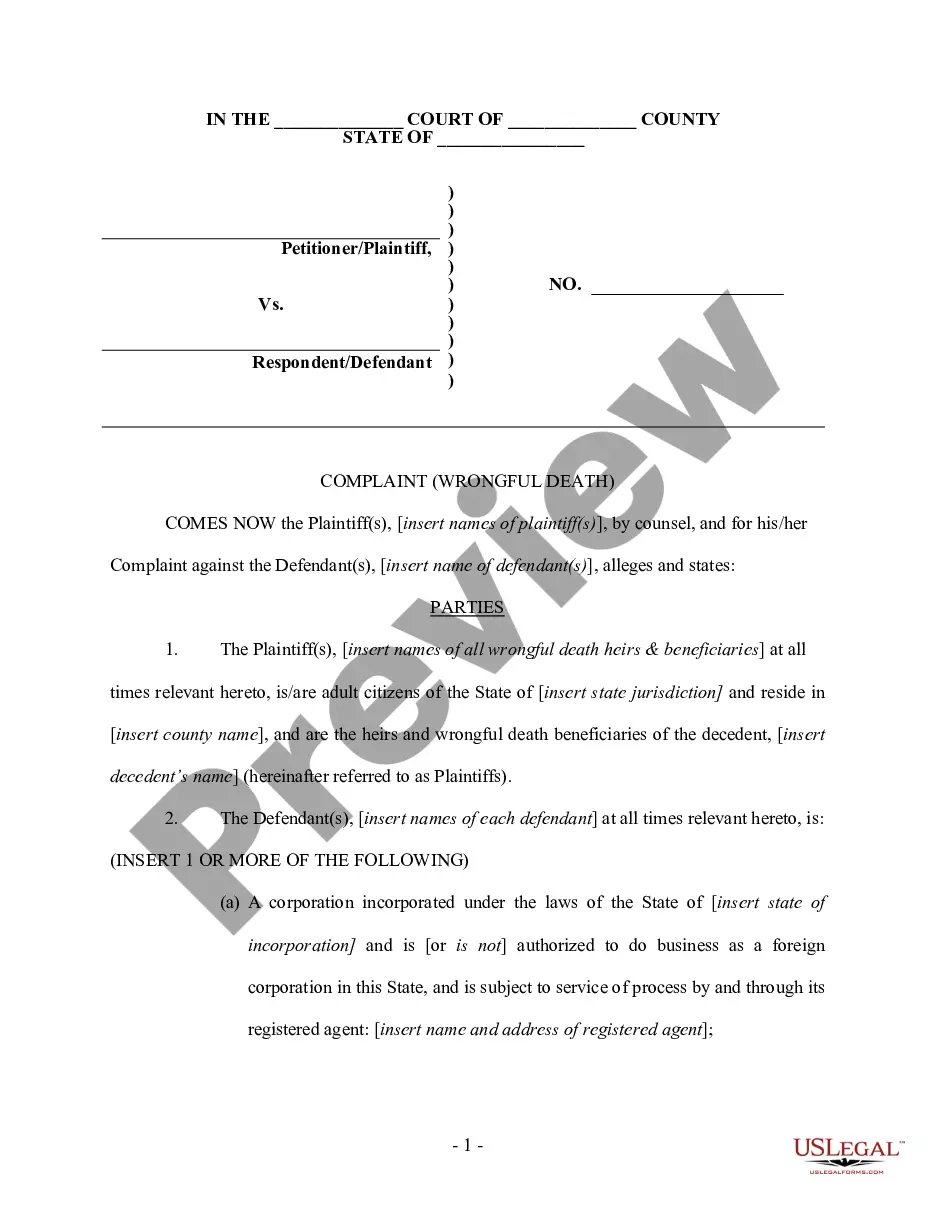
Get your form ready online
Our built-in tools help you complete, sign, share, and store your documents in one place.
Make edits, fill in missing information, and update formatting in US Legal Forms—just like you would in MS Word.
Download a copy, print it, send it by email, or mail it via USPS—whatever works best for your next step.
Sign and collect signatures with our SignNow integration. Send to multiple recipients, set reminders, and more. Go Premium to unlock E-Sign.
If this form requires notarization, complete it online through a secure video call—no need to meet a notary in person or wait for an appointment.
We protect your documents and personal data by following strict security and privacy standards.

Make edits, fill in missing information, and update formatting in US Legal Forms—just like you would in MS Word.

Download a copy, print it, send it by email, or mail it via USPS—whatever works best for your next step.

Sign and collect signatures with our SignNow integration. Send to multiple recipients, set reminders, and more. Go Premium to unlock E-Sign.

If this form requires notarization, complete it online through a secure video call—no need to meet a notary in person or wait for an appointment.

We protect your documents and personal data by following strict security and privacy standards.
Looking for another form?








Form popularity
FAQ
What Constitutes Adverse Possession? There is a presumption that the person with legal title to a parcel has the right to possess and use the property. Another person may overcome that presumption and establish legal title by showing that the other person has possessed and used the property for at least seven years.
76-6-506.3. Unlawful acquisition, possession, or transfer of financial transaction card.
Force in defense of property -- Affirmative defense. personal property that the actor reasonably believes belongs to another person and that individual's criminal interference is meant to deprive the other person of the person's personal property.
To successfully claim adverse possession, certain conditions must be met: Continuous Possession: The claimant must prove that they have had uninterrupted possession for at least 12 years.
Landlords in Utah have the right to evict squatters from their properties, but generally must do so by following the formal eviction process (which we'll review below).
Theft -- Elements. Terms defined in Section 76-1-101.5 apply to this section. An actor commits theft if the actor obtains or exercises unauthorized control over another person's property with a purpose to deprive the person of the person's property.
Utah is a modified comparative negligence state. Under Utah Code 78B-5-818, a plaintiff's comparative fault alone will not bar that person from financial recovery. The plaintiff's fault, however, cannot exceed the fault of the defendant. Utah has a 50 percent bar on comparative negligence.
Wrongful Appropriation Charges in Utah Wrongful appropriation is defined by state law at Utah Code § 76-6-404.5. The simplest way to define this offense is as temporary theft.
Wrongful appropriation is a theft-related property crime under Utah Code § 76-6-404.5. A person can be charged with committing wrongful appropriation when he or she gains or exerts “unauthorized control” over another person's property.
