Wrongful Accusation Charges In San Antonio
Description

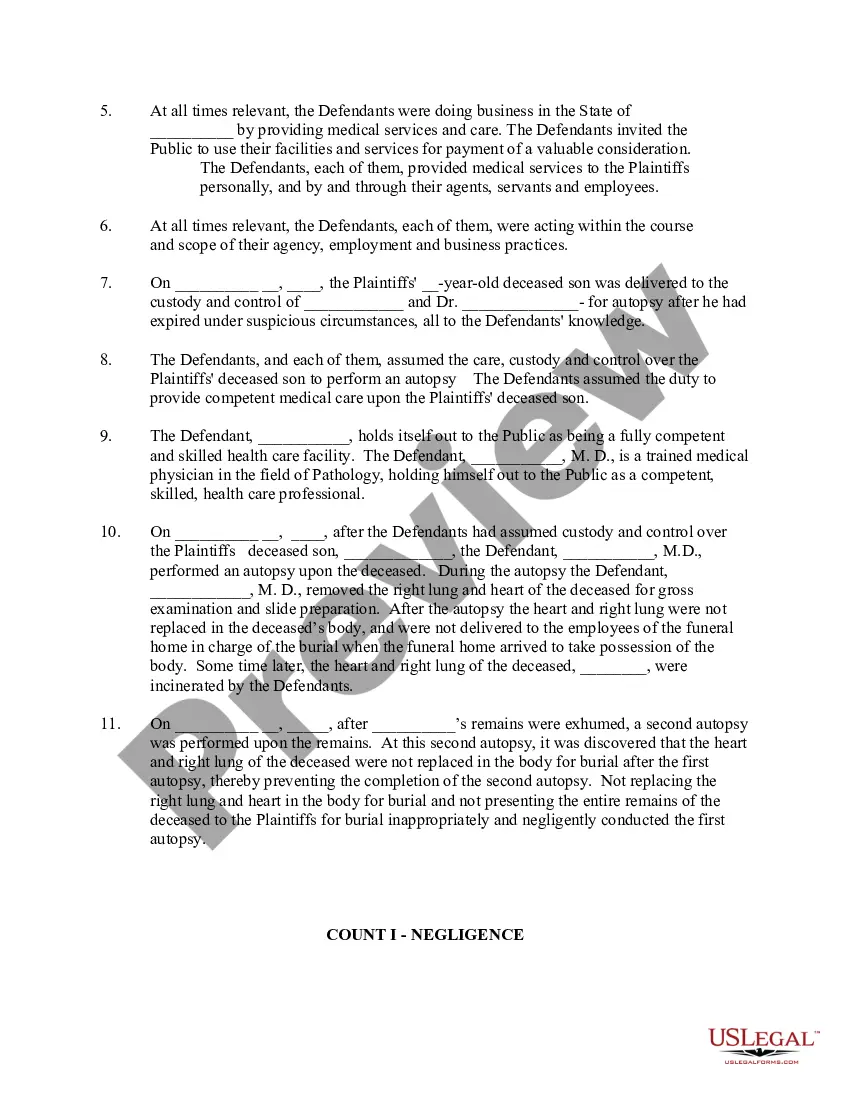
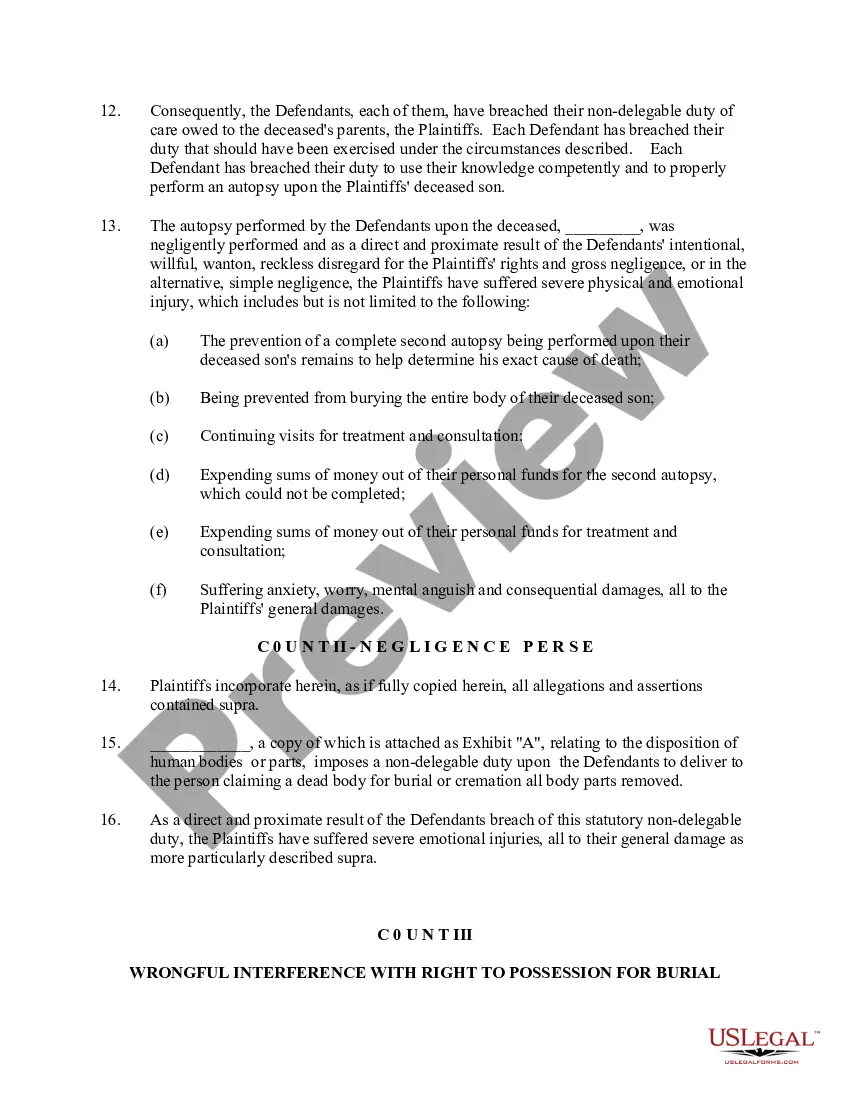
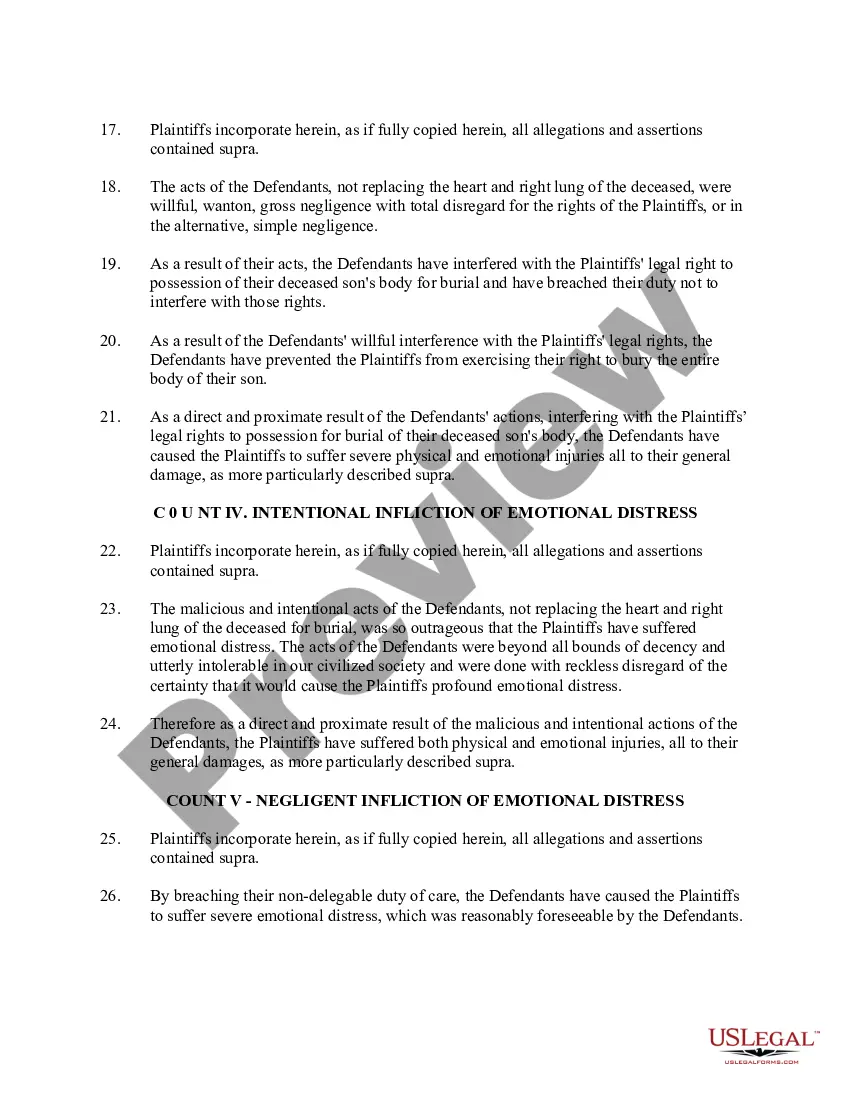
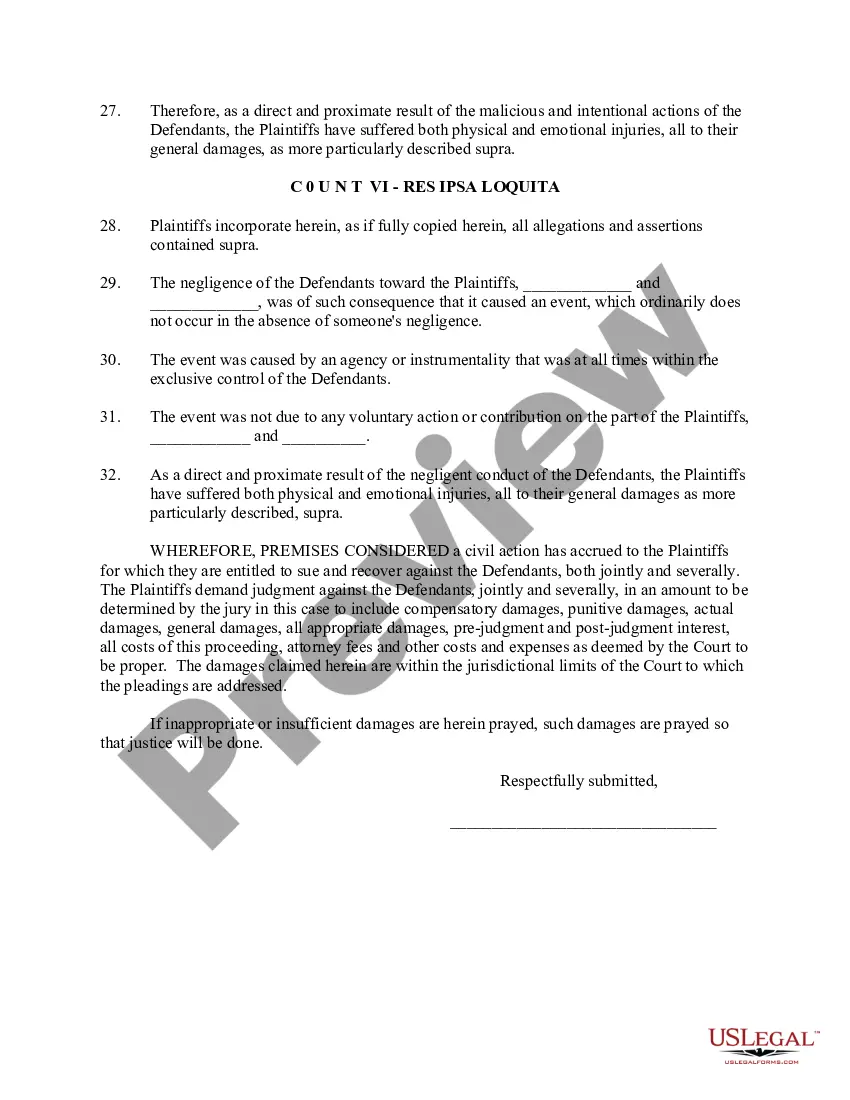

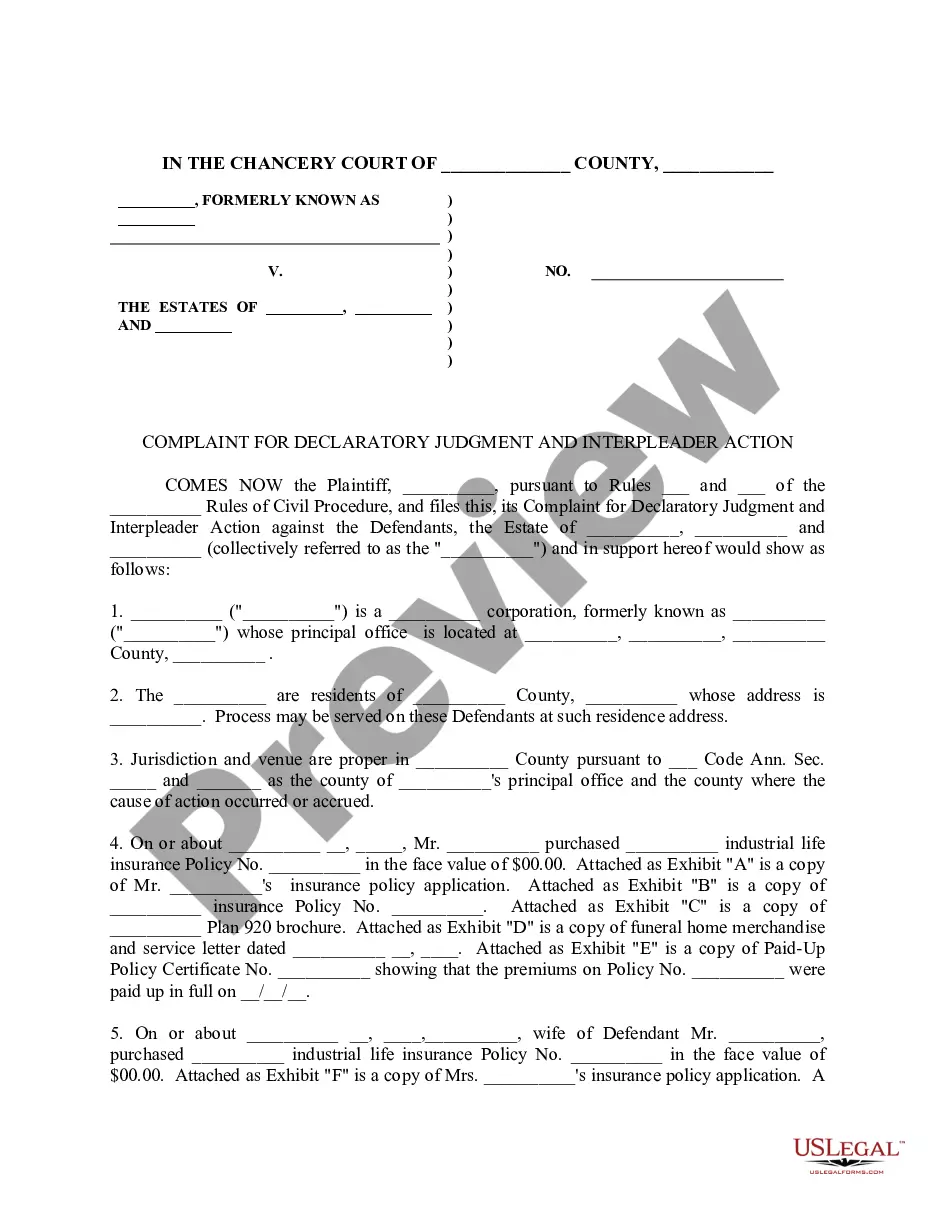
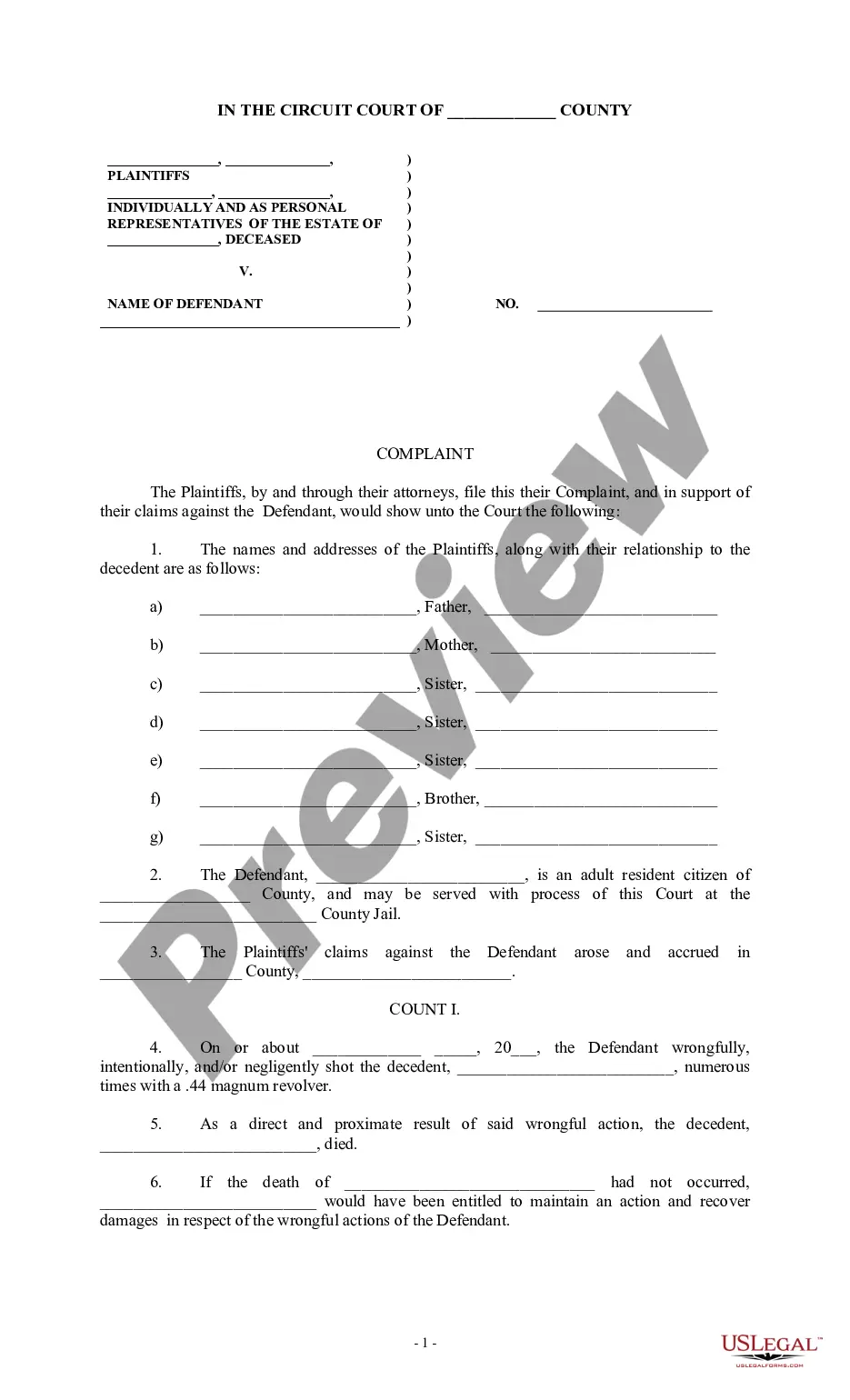
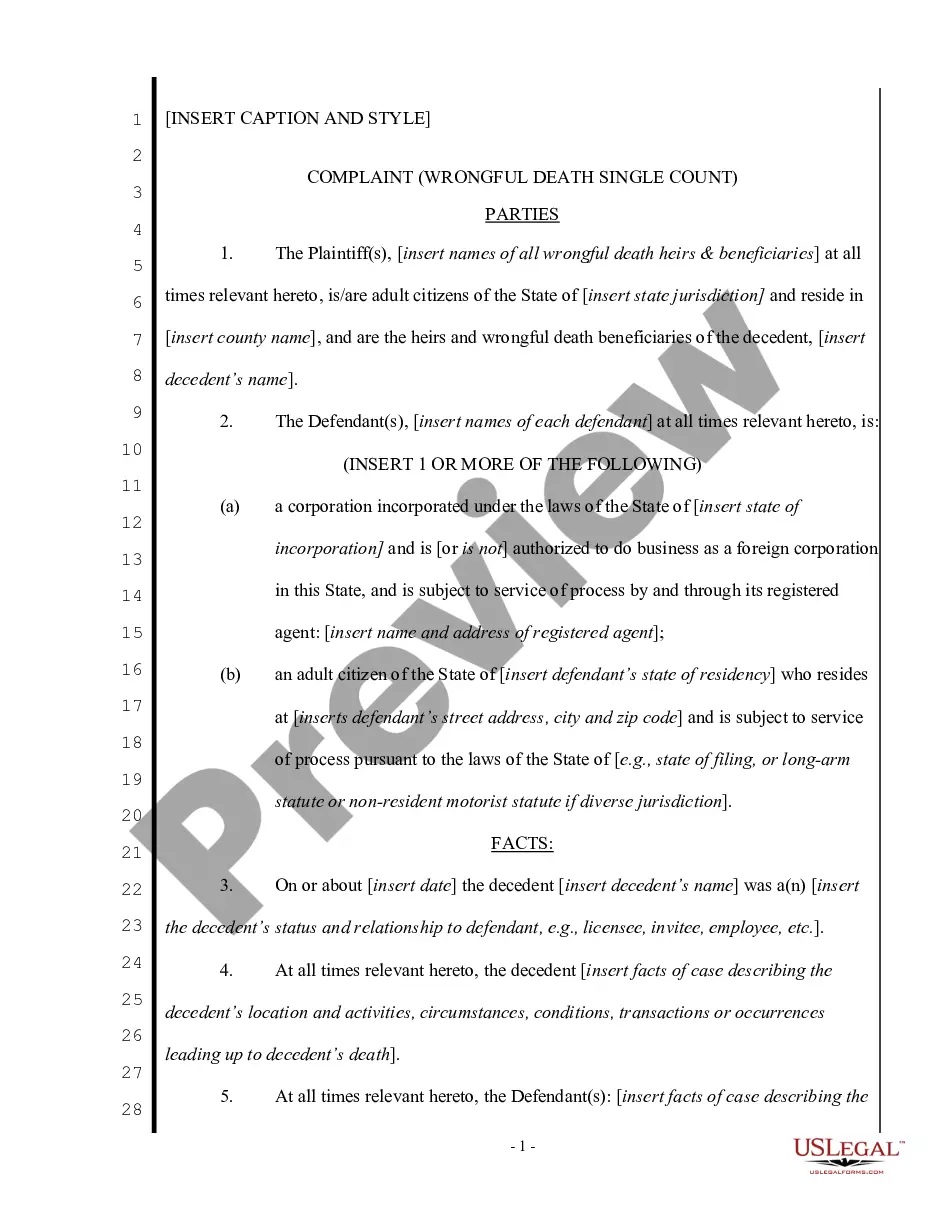
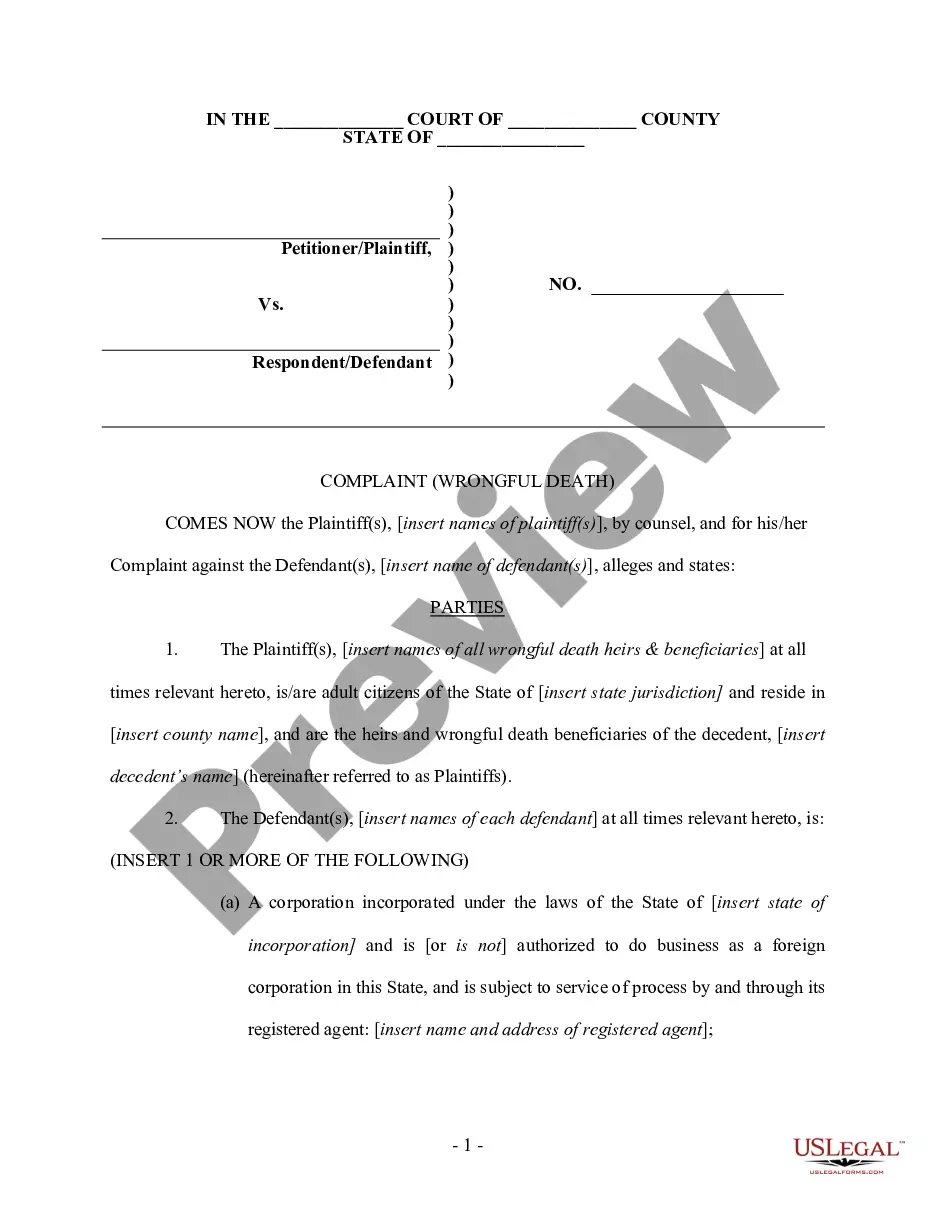
Get your form ready online
Our built-in tools help you complete, sign, share, and store your documents in one place.
Make edits, fill in missing information, and update formatting in US Legal Forms—just like you would in MS Word.
Download a copy, print it, send it by email, or mail it via USPS—whatever works best for your next step.
Sign and collect signatures with our SignNow integration. Send to multiple recipients, set reminders, and more. Go Premium to unlock E-Sign.
If this form requires notarization, complete it online through a secure video call—no need to meet a notary in person or wait for an appointment.
We protect your documents and personal data by following strict security and privacy standards.

Make edits, fill in missing information, and update formatting in US Legal Forms—just like you would in MS Word.

Download a copy, print it, send it by email, or mail it via USPS—whatever works best for your next step.

Sign and collect signatures with our SignNow integration. Send to multiple recipients, set reminders, and more. Go Premium to unlock E-Sign.

If this form requires notarization, complete it online through a secure video call—no need to meet a notary in person or wait for an appointment.

We protect your documents and personal data by following strict security and privacy standards.
Looking for another form?










Form popularity
FAQ
The Conviction Integrity Unit (the "CIU") investigates claims of innocence, to determine whether there is clear and convincing new evidence that the convicted defendant was not the person who committed the conviction offense.
The Conviction Integrity Unit conducts collaborative, good-faith case reviews designed to ensure the integrity of challenged convictions, remedy wrongful convictions and take any remedial measures necessary to correct injustices uncovered, within the bounds of the law.
In Florida, there are four State Attorneys Offices who have active Conviction Integrity Units: the 4th Circuit (Clay, Duval, and Nassau Counties); 9th Circuit (Orange and Osceola Counties); the 13th Circuit (Hillsborough County); and the 17th Circuit (Broward County).
Units of Conviction: Concise, carefully prepared "mini-presentations" that are used as building blocks in constructing the information the salesperson presents. Prepare units of conviction ahead of time.
The Conviction Integrity Section (CIS) reviews credible claims of innocence in coordination with district attorneys to correct any miscarriage of justice and seek the truth.
Bexar County District Attorney Joe Gonzales The primary duty of the District Attorney is to seek justice.
Seeking justice often motivates pressing charges. Filing charges ensures perpetrators are held accountable, potentially leading to imprisonment or fines. This formal recognition of harm provides a sense of justice, validating the victim's experience.
The statute of limitations for most felonies, unless specified otherwise, is 3 years. This means that prosecutors must press charges within 3 years from the date the alleged crime took place. For some felonies, the statute of limitations can be 5, 7, or 10 years, and for the most severe, there is no time limit at all.
Yes. In California, making false accusations is a crime and can lead to serious legal consequences. Under Penal Code Section 148.5 , it is a misdemeanor to falsely report a crime to law enforcement.