Wrongful Possession Of Property Ipc In Pennsylvania
Description


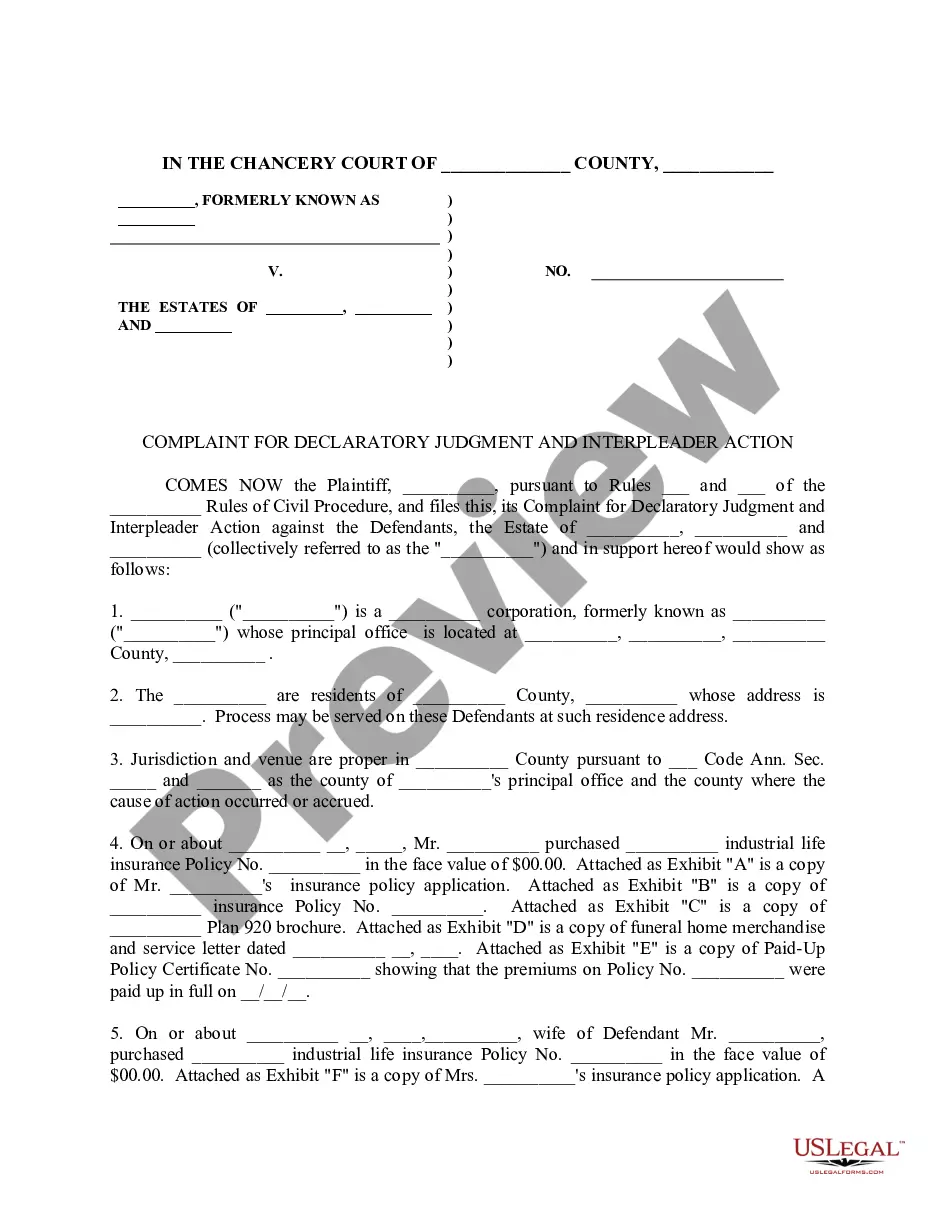
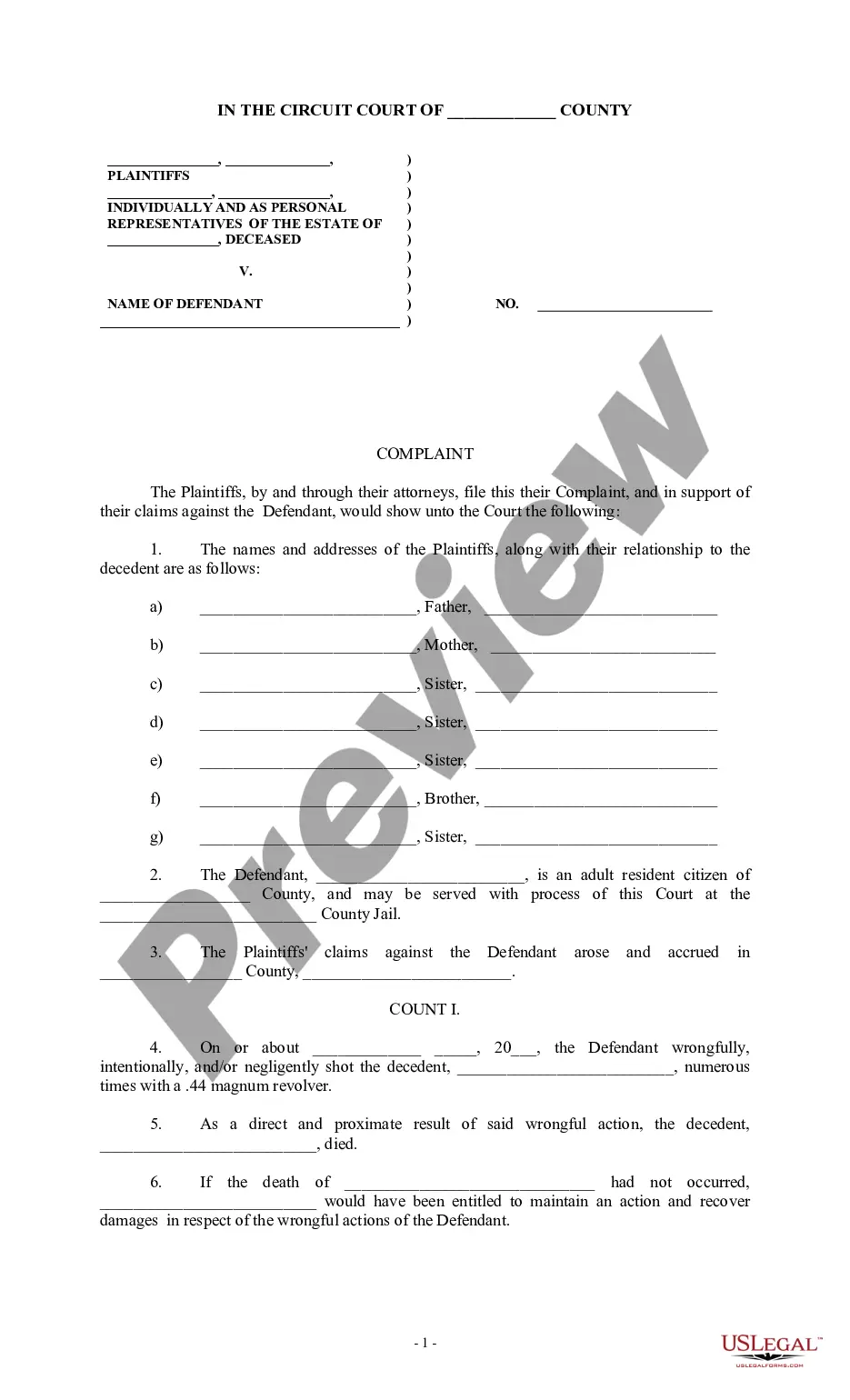
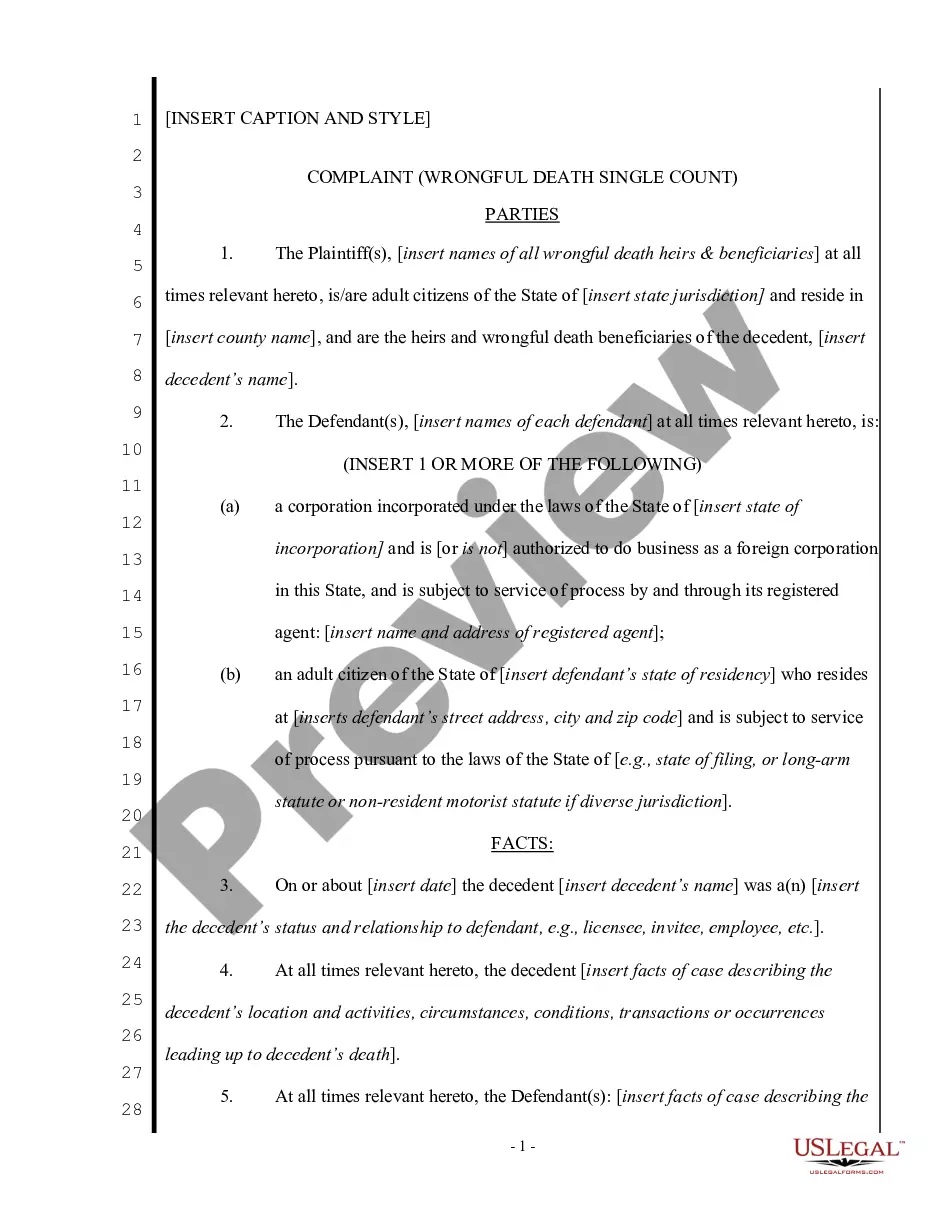
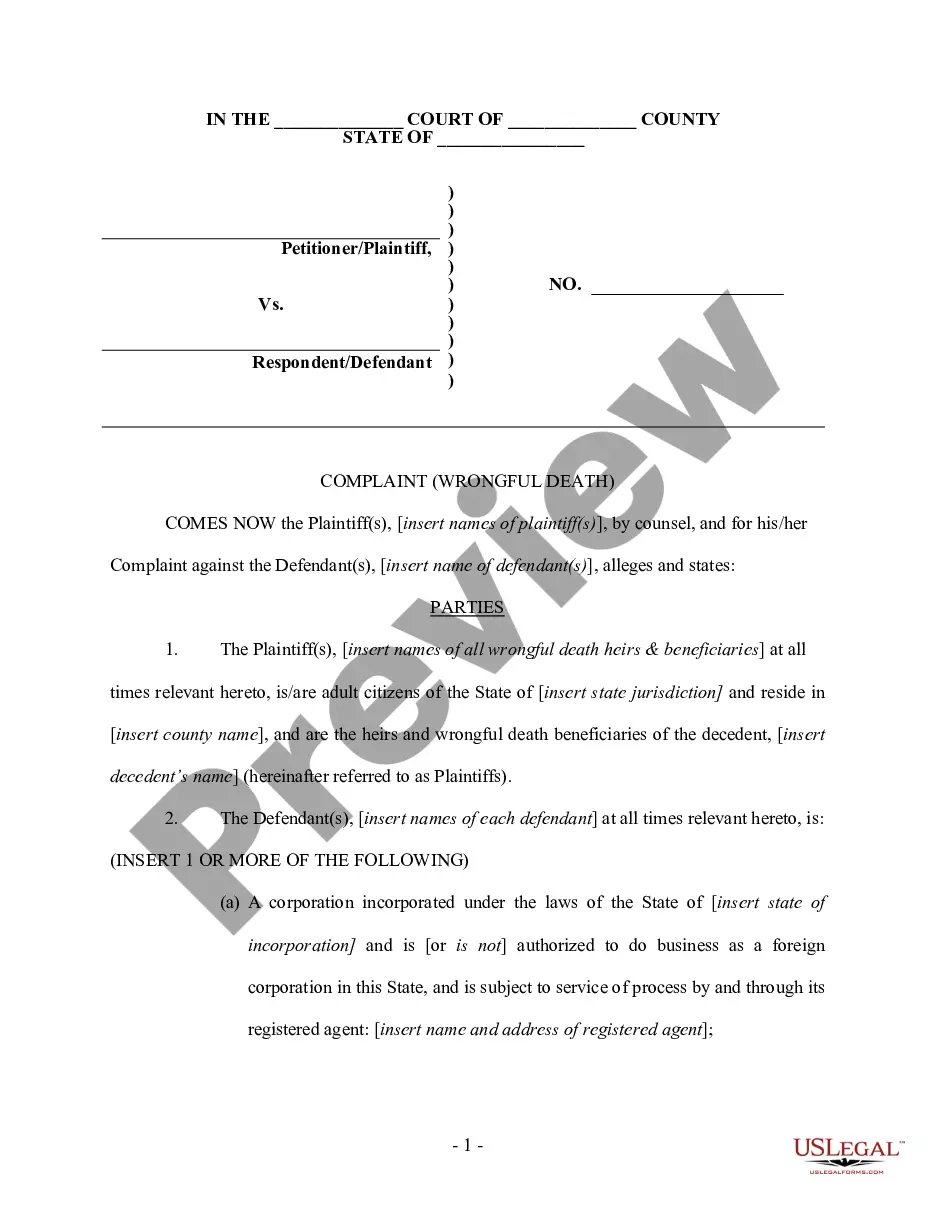
Get your form ready online
Our built-in tools help you complete, sign, share, and store your documents in one place.
Make edits, fill in missing information, and update formatting in US Legal Forms—just like you would in MS Word.
Download a copy, print it, send it by email, or mail it via USPS—whatever works best for your next step.
Sign and collect signatures with our SignNow integration. Send to multiple recipients, set reminders, and more. Go Premium to unlock E-Sign.
If this form requires notarization, complete it online through a secure video call—no need to meet a notary in person or wait for an appointment.
We protect your documents and personal data by following strict security and privacy standards.

Make edits, fill in missing information, and update formatting in US Legal Forms—just like you would in MS Word.

Download a copy, print it, send it by email, or mail it via USPS—whatever works best for your next step.

Sign and collect signatures with our SignNow integration. Send to multiple recipients, set reminders, and more. Go Premium to unlock E-Sign.

If this form requires notarization, complete it online through a secure video call—no need to meet a notary in person or wait for an appointment.

We protect your documents and personal data by following strict security and privacy standards.
Looking for another form?
Form popularity
FAQ
In California, there are five elements of adverse possession that a claimant must prove: (1) possession under the claim of right or color of title, (2) actual, open, and notorious possession that gives reasonable notice to the true owner, (3) possession that is hostile to the true owner, (4) continuous possession for ...
Under Pennsylvania law, one who claims title by adverse possession must prove actual, continuous, exclusive, visible, notorious, distinct and hostile possession of the land for twenty-one (21) years. Baylor v. Soska, 658 A. 2d 743, 744 (Pa. 1995).
In Pennsylvania, a claim of adverse possession gives a trespasser legal title to property if they can prove actual, continuous, exclusive, visible, notorious, distinct, and hostile possession of property for (in most cases) 21 years.
3921. Theft by unlawful taking or disposition.
--A person who obtains property upon agreement, or subject to a known legal obligation, to make specified payments or other disposition, whether from such property or its proceeds or from his own property to be reserved in equivalent amount, is guilty of theft if he intentionally deals with the property obtained as his ...
Senate Bill 881 was passed as Act 35 of 2006. These sections of the new Eminent Domain Code have been called the Property Rights Protection Act. Pennsylvania Government entities are severely restricted in any effort which would take private property to transfer that ownership to a different private entity.
Adverse possession is a legal form of taking over property ownership, while squatting, or taking up unauthorized residence in an abandoned or unmonitored space, is illegal. However, a squatter intentionally occupying an abandoned home might be able to claim adverse possession in court after a certain period of time.
ADVERSE POSSESSION; REQUIREMENT OF HOSTILITY; PERMISSION; LAWN MOWING: Tending a lawn, including seeding and mowing, on neighbor's property can constitute continuous hostile adverse possession in Pennsylvania.
Adverse possession is a legal doctrine that allows a person to claim a property right in land owned by another. Common examples of adverse possession include continuous use of a private road or driveway or agricultural development of an unused parcel of land.