Possession Abandonment Laws In Pennsylvania
Description

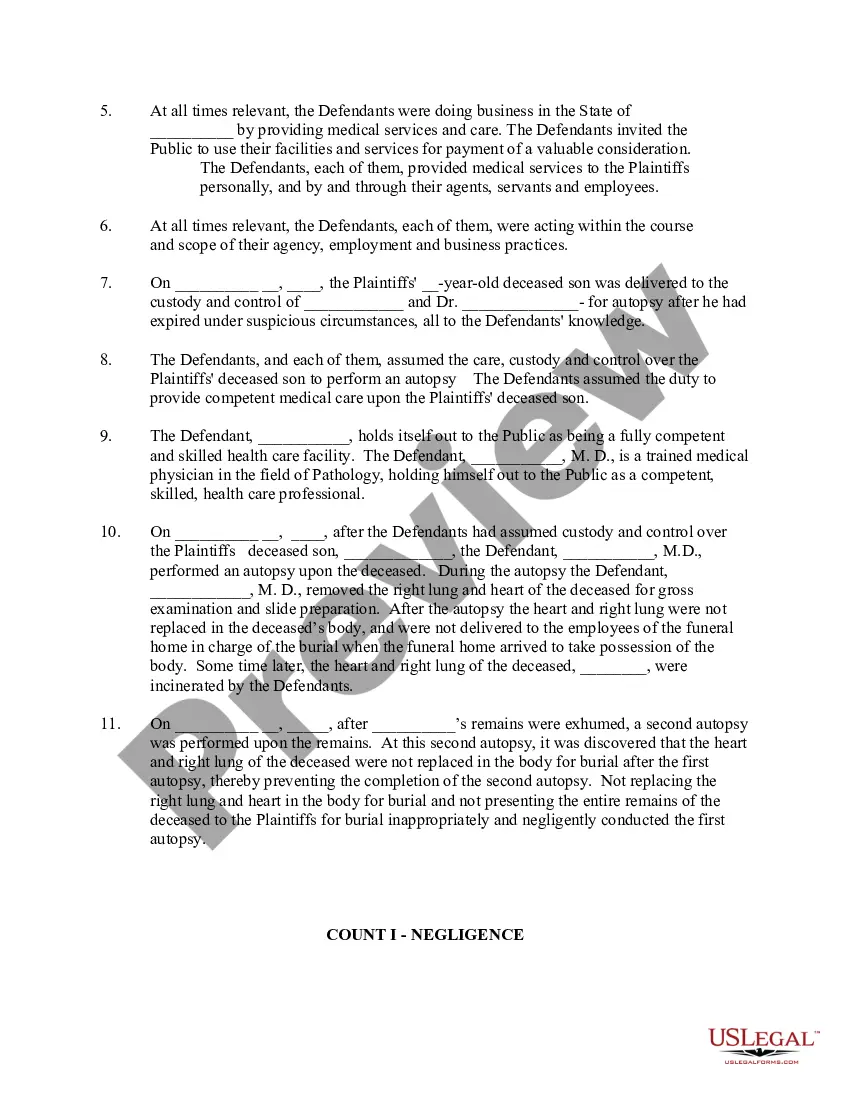
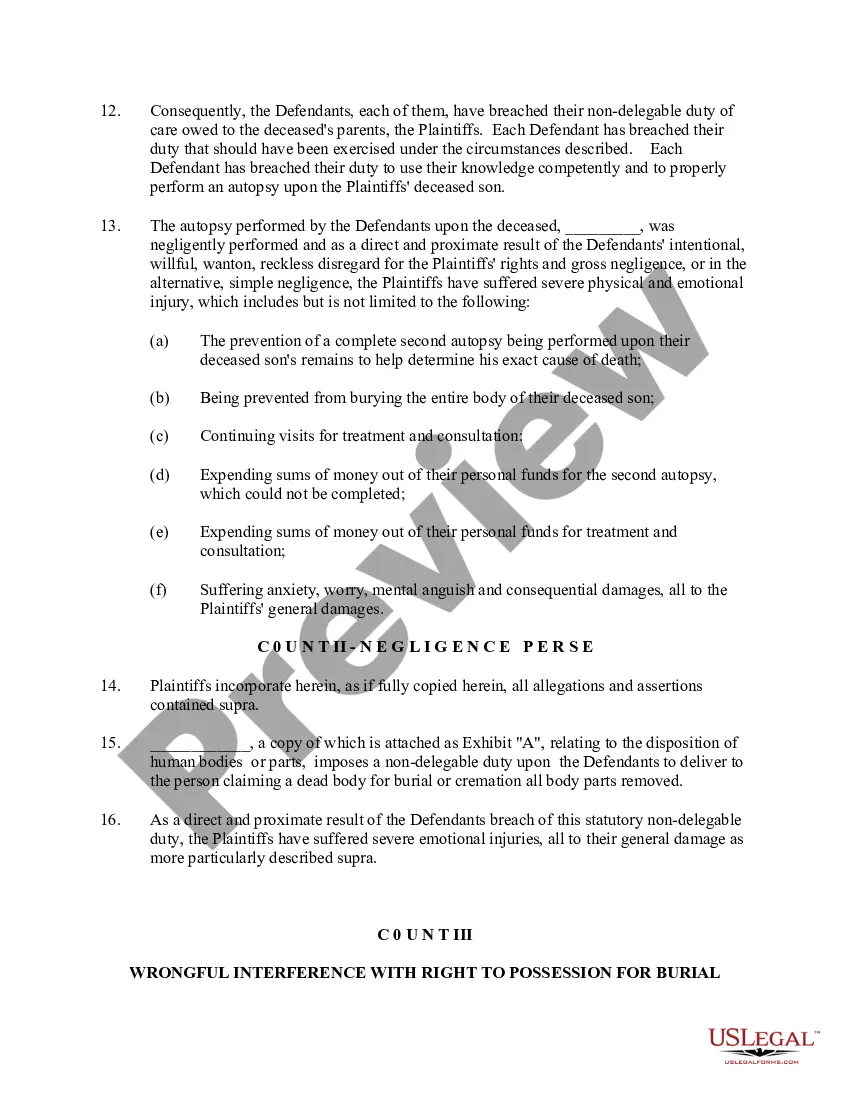
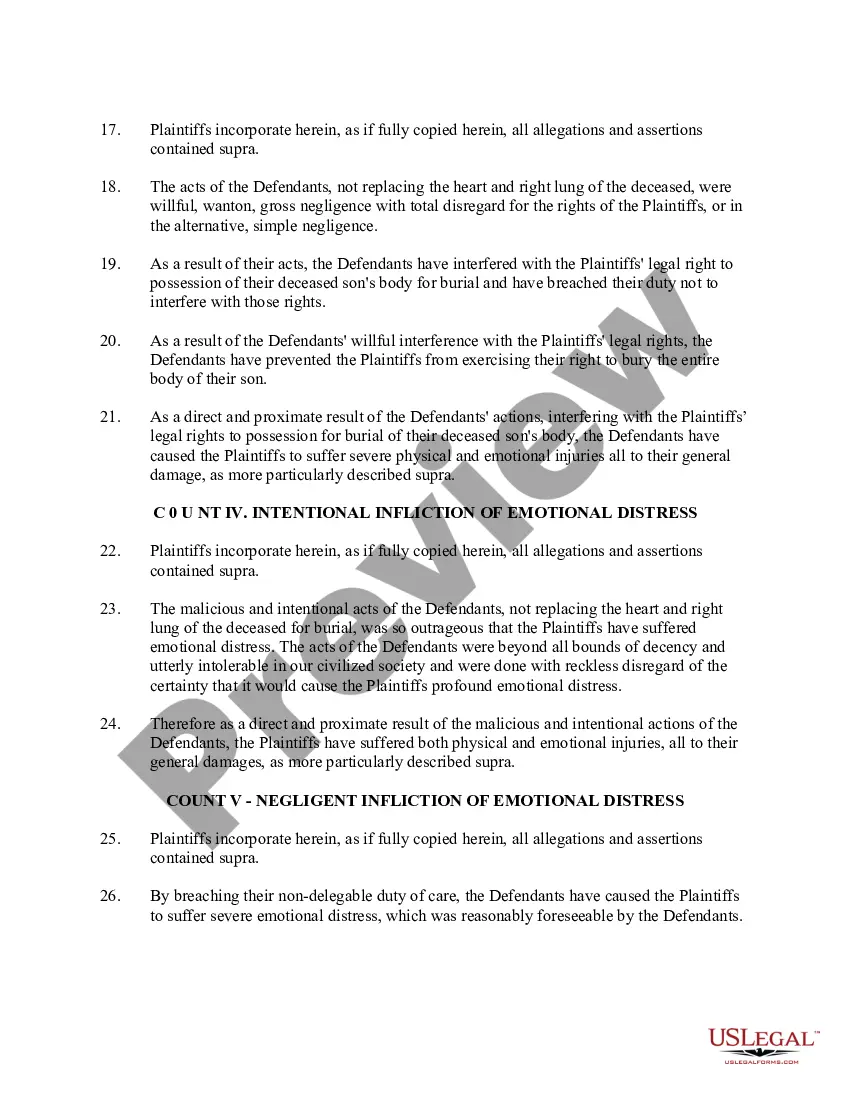
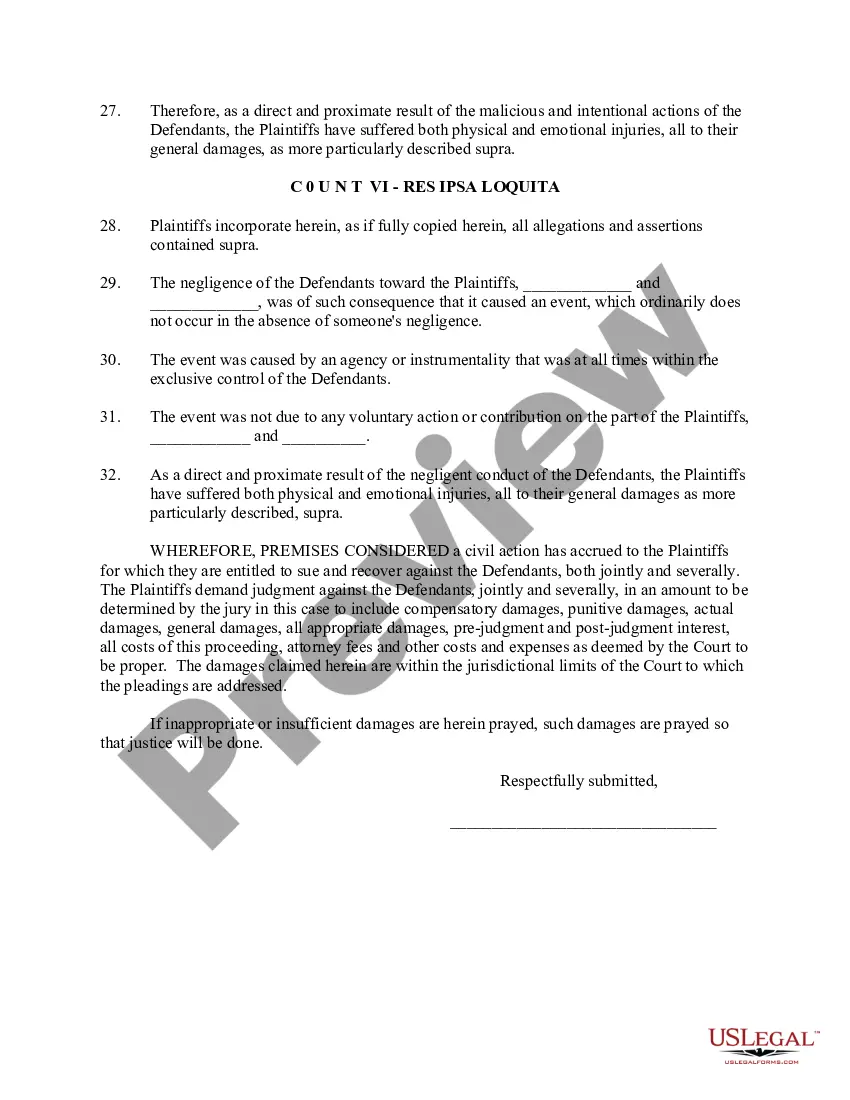

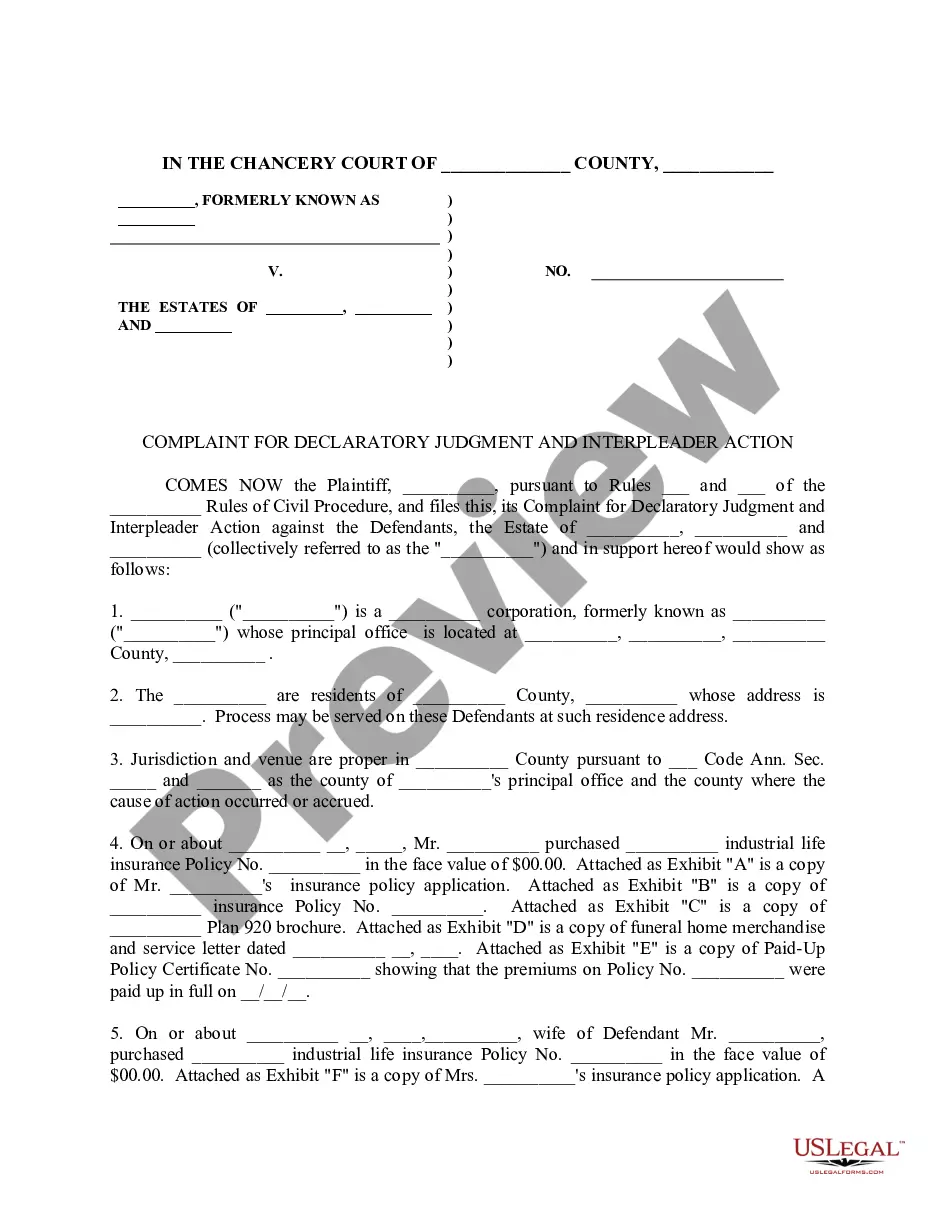
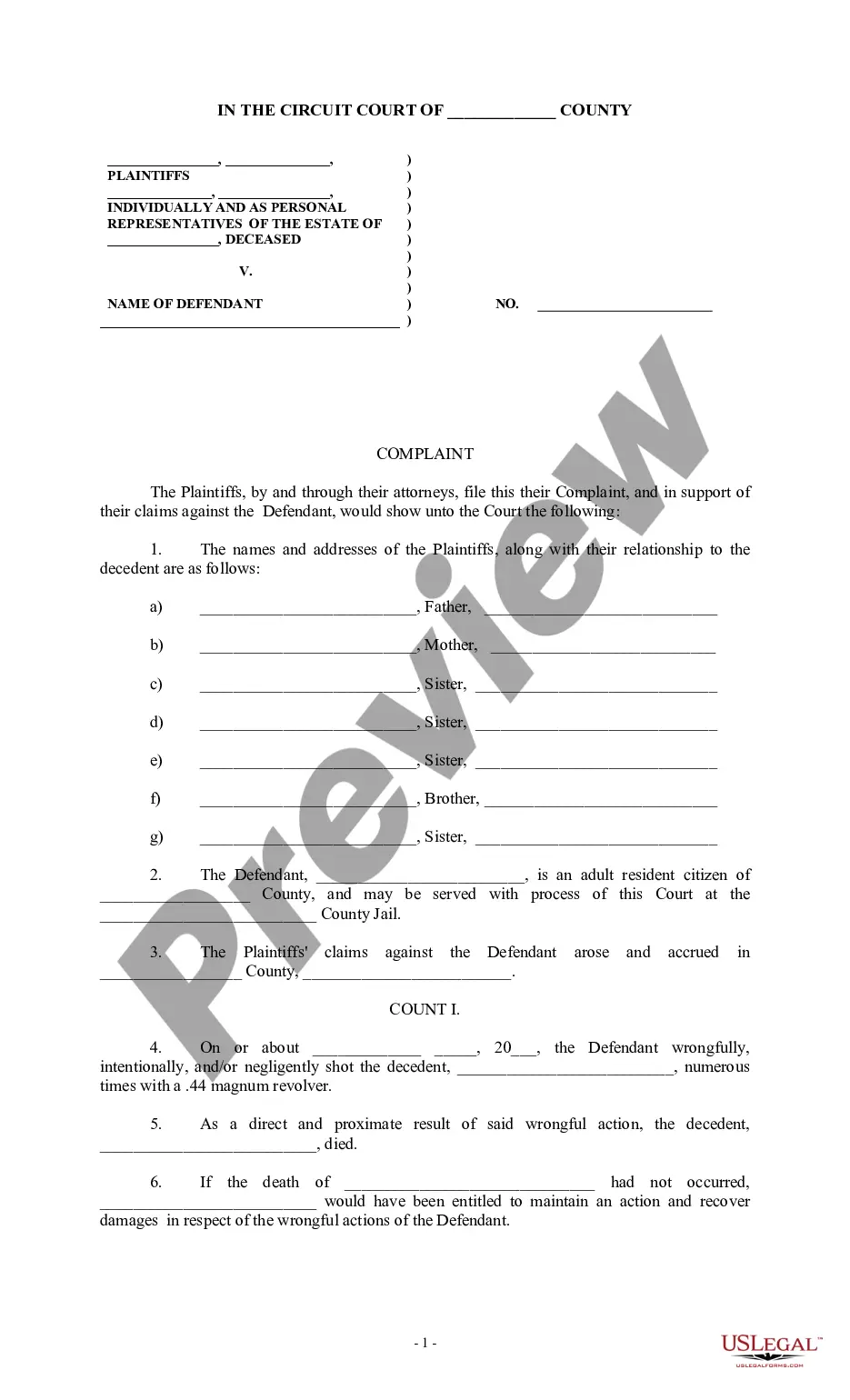
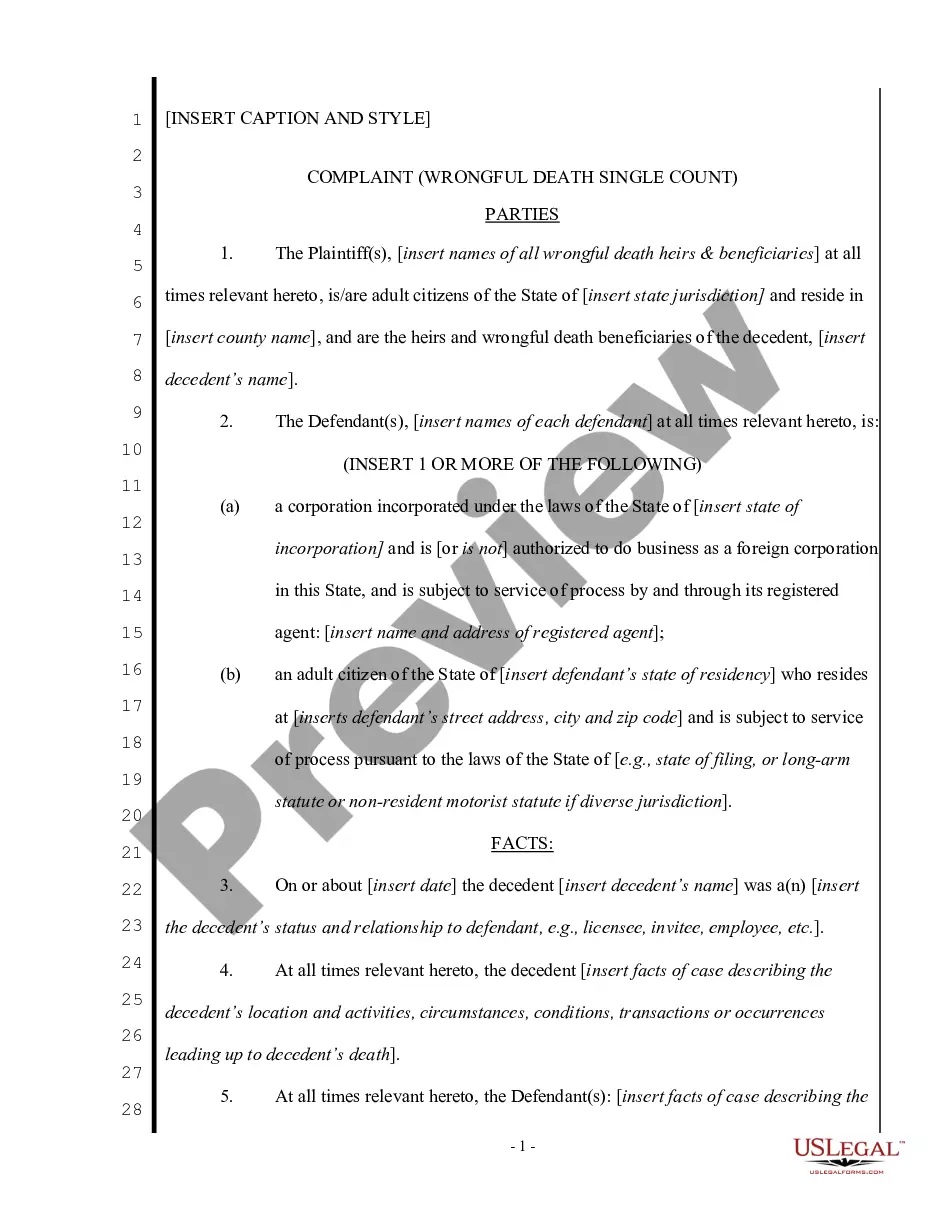
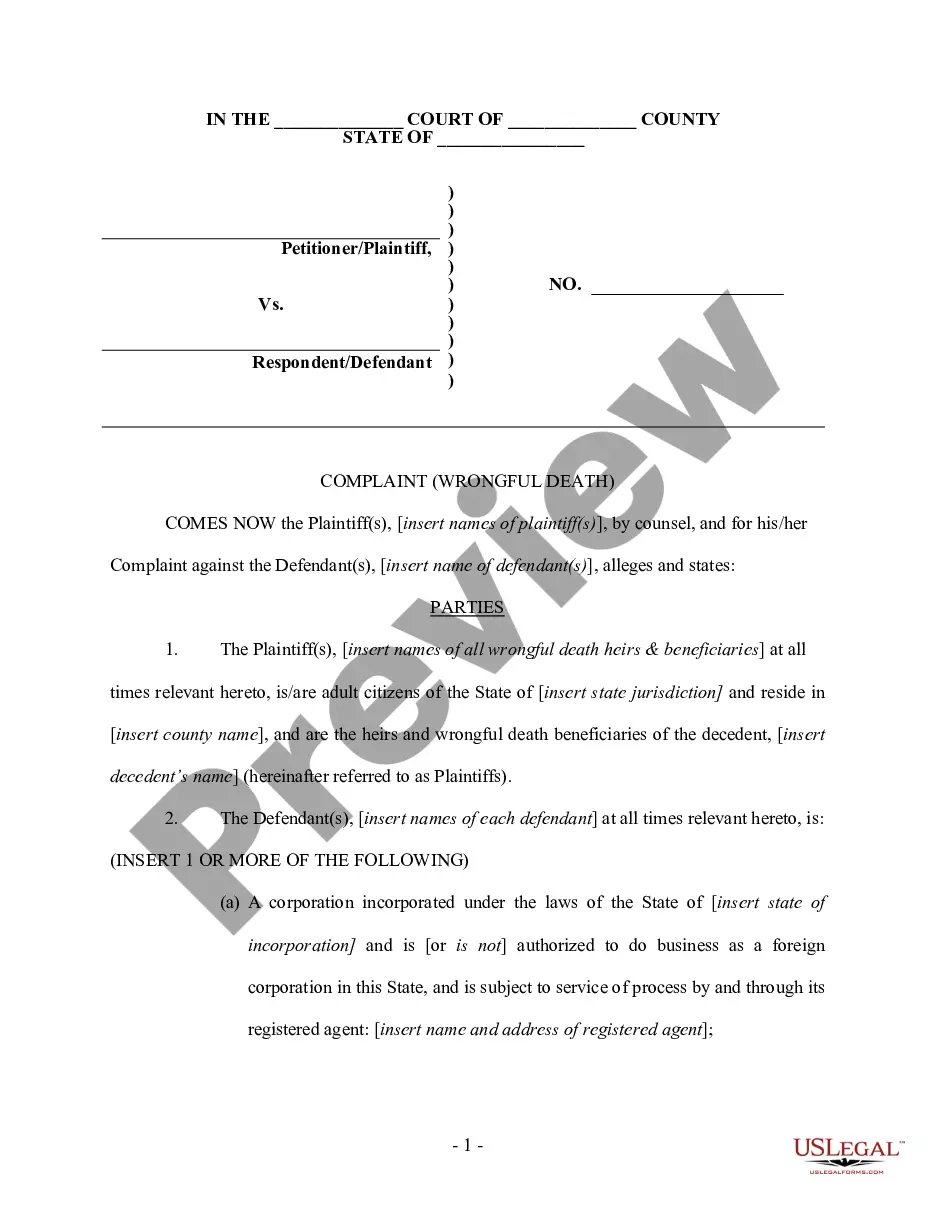
Get your form ready online
Our built-in tools help you complete, sign, share, and store your documents in one place.
Make edits, fill in missing information, and update formatting in US Legal Forms—just like you would in MS Word.
Download a copy, print it, send it by email, or mail it via USPS—whatever works best for your next step.
Sign and collect signatures with our SignNow integration. Send to multiple recipients, set reminders, and more. Go Premium to unlock E-Sign.
If this form requires notarization, complete it online through a secure video call—no need to meet a notary in person or wait for an appointment.
We protect your documents and personal data by following strict security and privacy standards.

Make edits, fill in missing information, and update formatting in US Legal Forms—just like you would in MS Word.

Download a copy, print it, send it by email, or mail it via USPS—whatever works best for your next step.

Sign and collect signatures with our SignNow integration. Send to multiple recipients, set reminders, and more. Go Premium to unlock E-Sign.

If this form requires notarization, complete it online through a secure video call—no need to meet a notary in person or wait for an appointment.

We protect your documents and personal data by following strict security and privacy standards.
Looking for another form?







Form popularity
FAQ
However, the concept of abandonment can be complex. In Pennsylvania, abandonment must be “willful and malicious,” defined as the voluntary and intentional separation of one spouse from the other without the other's consent and with the intent to end the marriage.
Abandonment is the willful desertion of a spouse. In a Pennsylvania divorce, an individual will have a valid claim of abandonment if their spouse left the marital home without a reasonable cause for at least 12 months.
Under Pennsylvania law, one who claims title by adverse possession must prove actual, continuous, exclusive, visible, notorious, distinct and hostile possession of the land for twenty-one (21) years. Baylor v. Soska, 658 A.
C.S. § 2511, the court may terminate parental rights on several grounds, including: Persistent incapacity, neglect, or abuse that places the child at risk. Failure to perform parental duties for at least six months.
Unclaimed property in Pennsylvania is governed by Pennsylvania's Disposition of Abandoned and Unclaimed Property Act, 72 P.S. §§ 1301.1-1301.29, also known as Pennsylvania's “escheat” law. This law governs who will ultimately own and control abandoned funds.
Abandonment is a valid ground for divorce in Pennsylvania. Also known as desertion, abandonment occurs when a spouse willfully leaves the marital home without justifiable cause for at least 12 months.
The rights of a parent in regard to a child may be terminated after a petition filed on any of the following grounds: The parent, for at least 6 months, either has evidenced a settled purpose of relinquishing parental claim to a child or has refused or failed to perform parental duties.
In California, abandonment is considered a crime if a spouse who has sufficient ability to provide for their spouse, or who can earn the means of support, who willfully leaves their spouse destitute, or who neglects to provide their spouse with necessary food, clothing, shelter, or medical care is guilty of a ...
(b) The determination of abandonment shall be based on a preponderance of the evidence of the lessee's absence from the home for at least 30 days and nonpayment of rent for at least 30 days from the date it is due, together with one or more of the following: (1)Termination of electric or water service to the home and ...
(b) The determination of abandonment shall be based on a preponderance of the evidence of the lessee's absence from the home for at least 30 days and nonpayment of rent for at least 30 days from the date it is due, together with one or more of the following: (1)Termination of electric or water service to the home and ...
