Wrongful Accusation Charges In Montgomery
Description

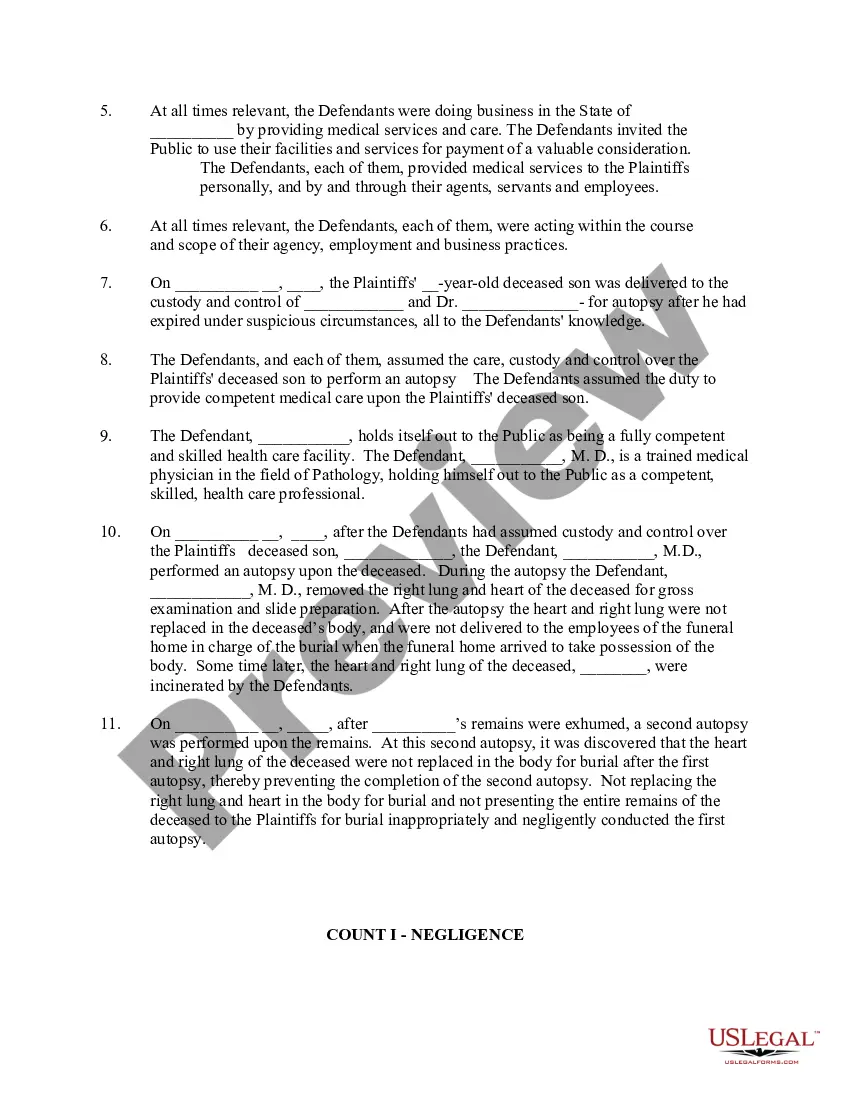
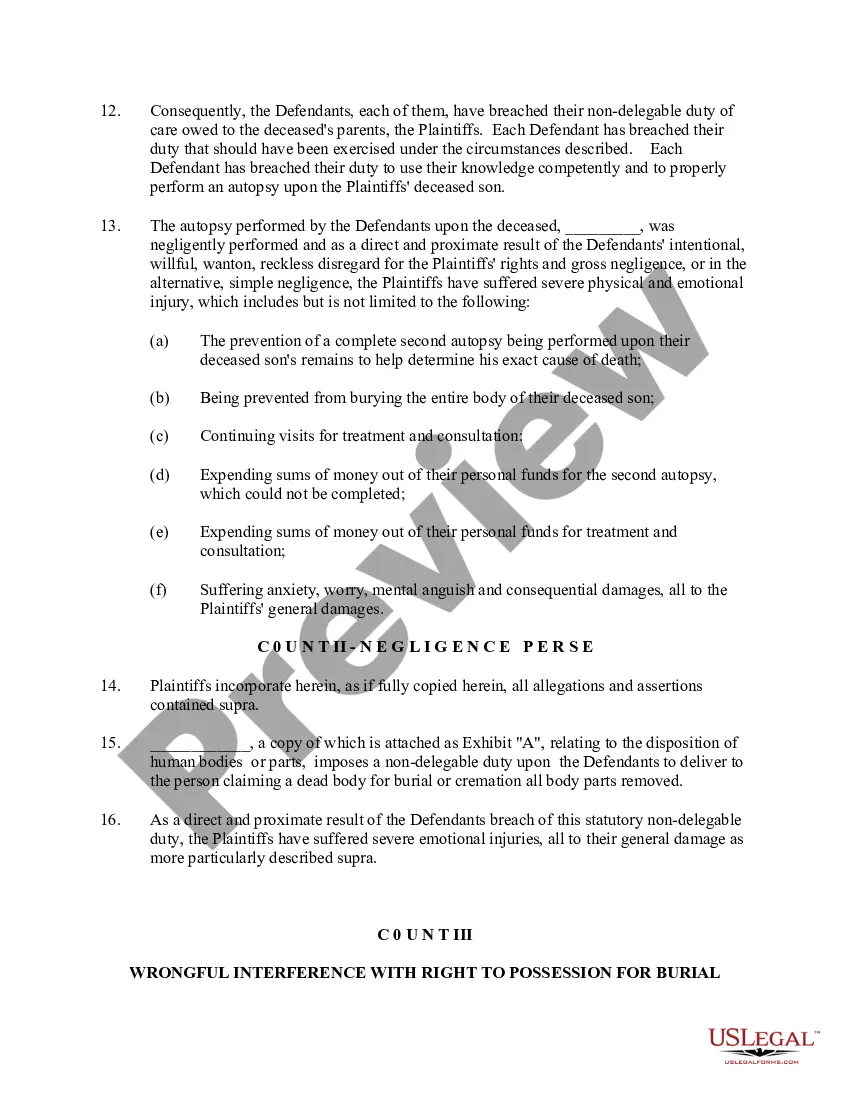
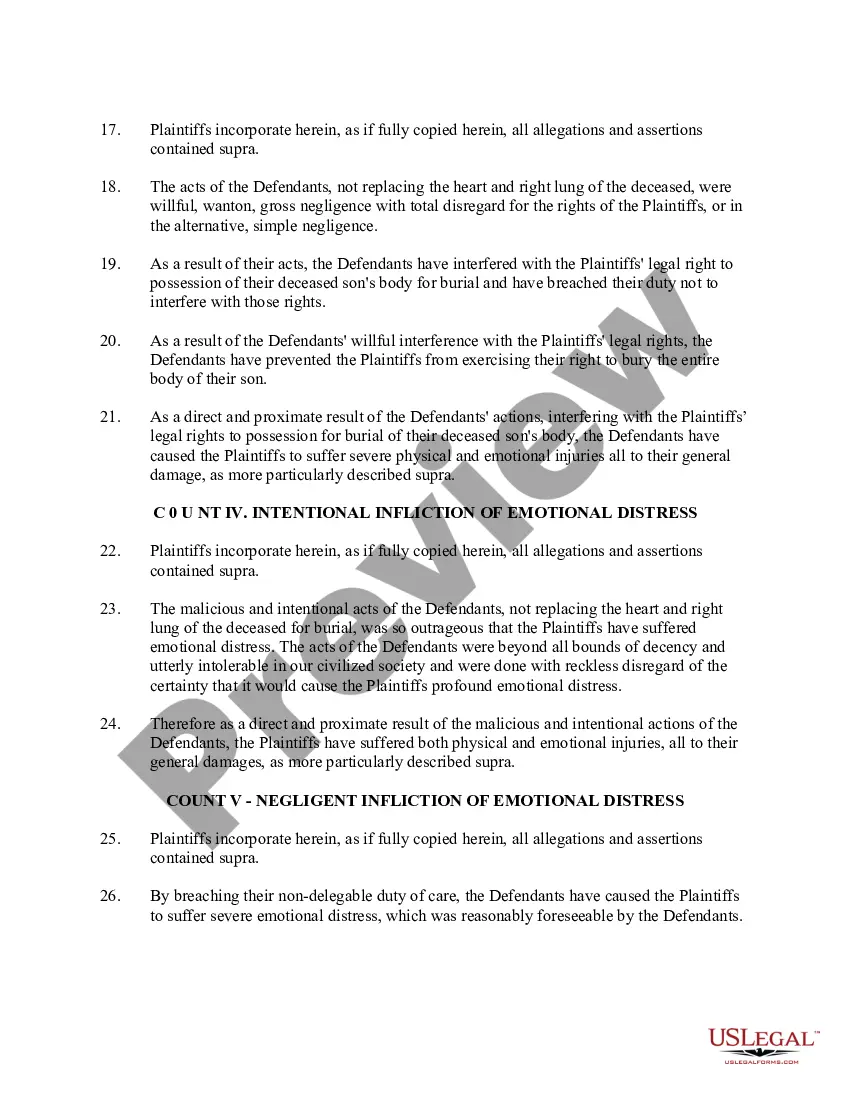
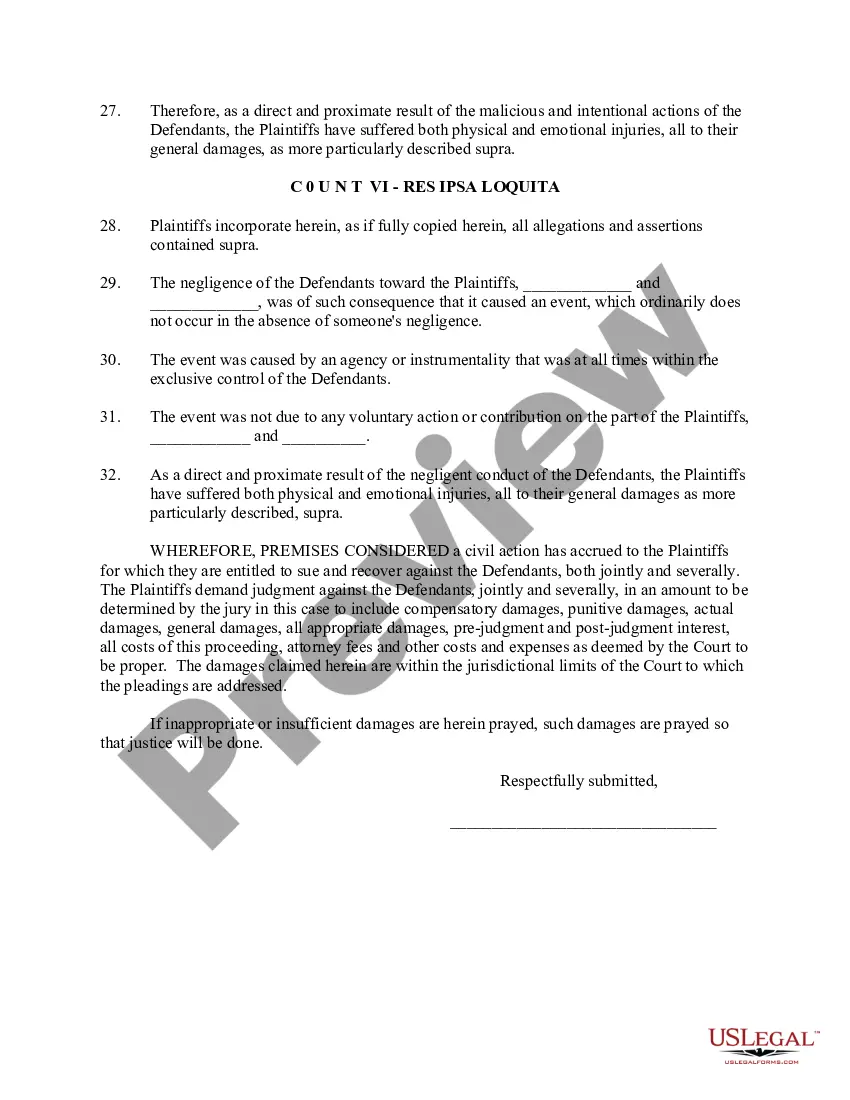

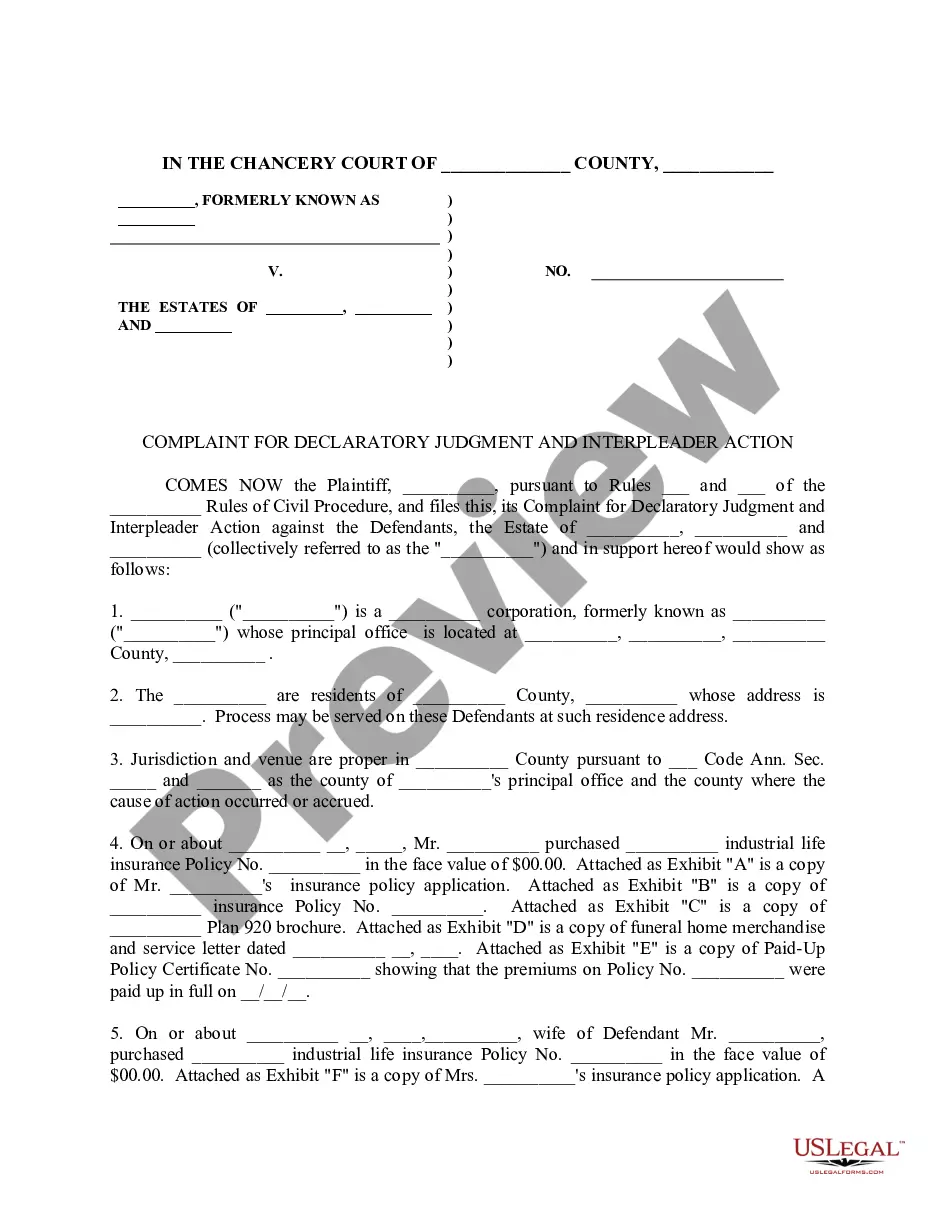
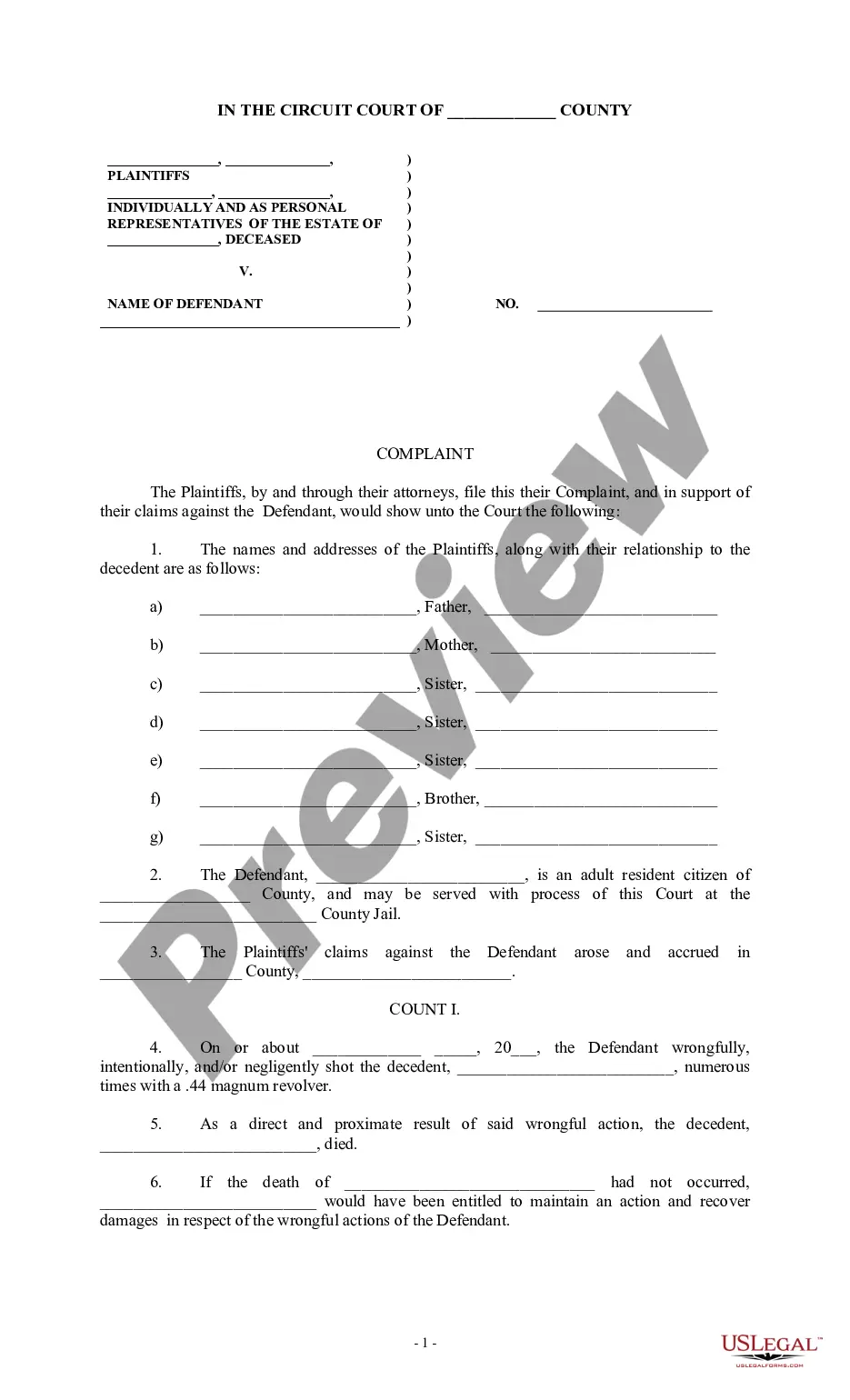
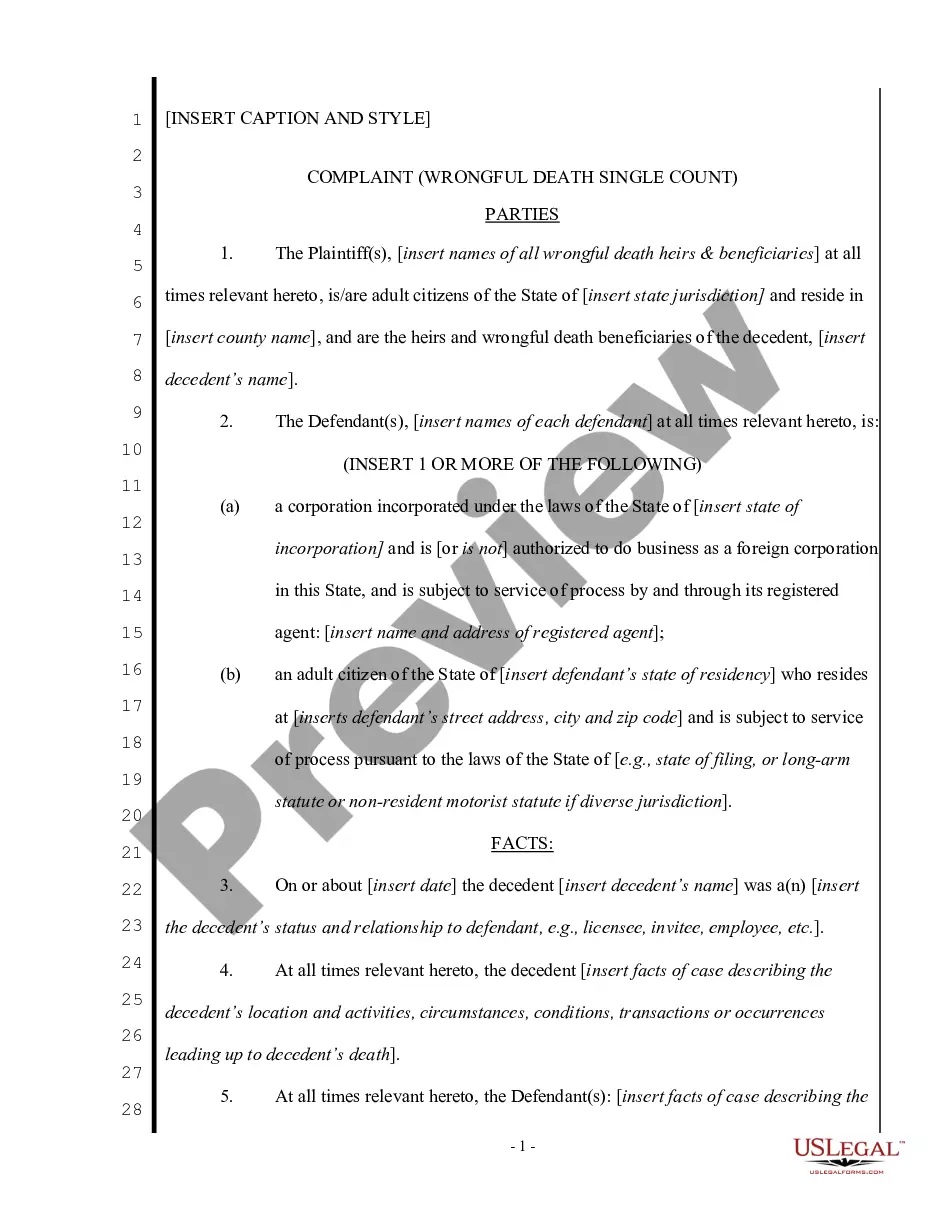
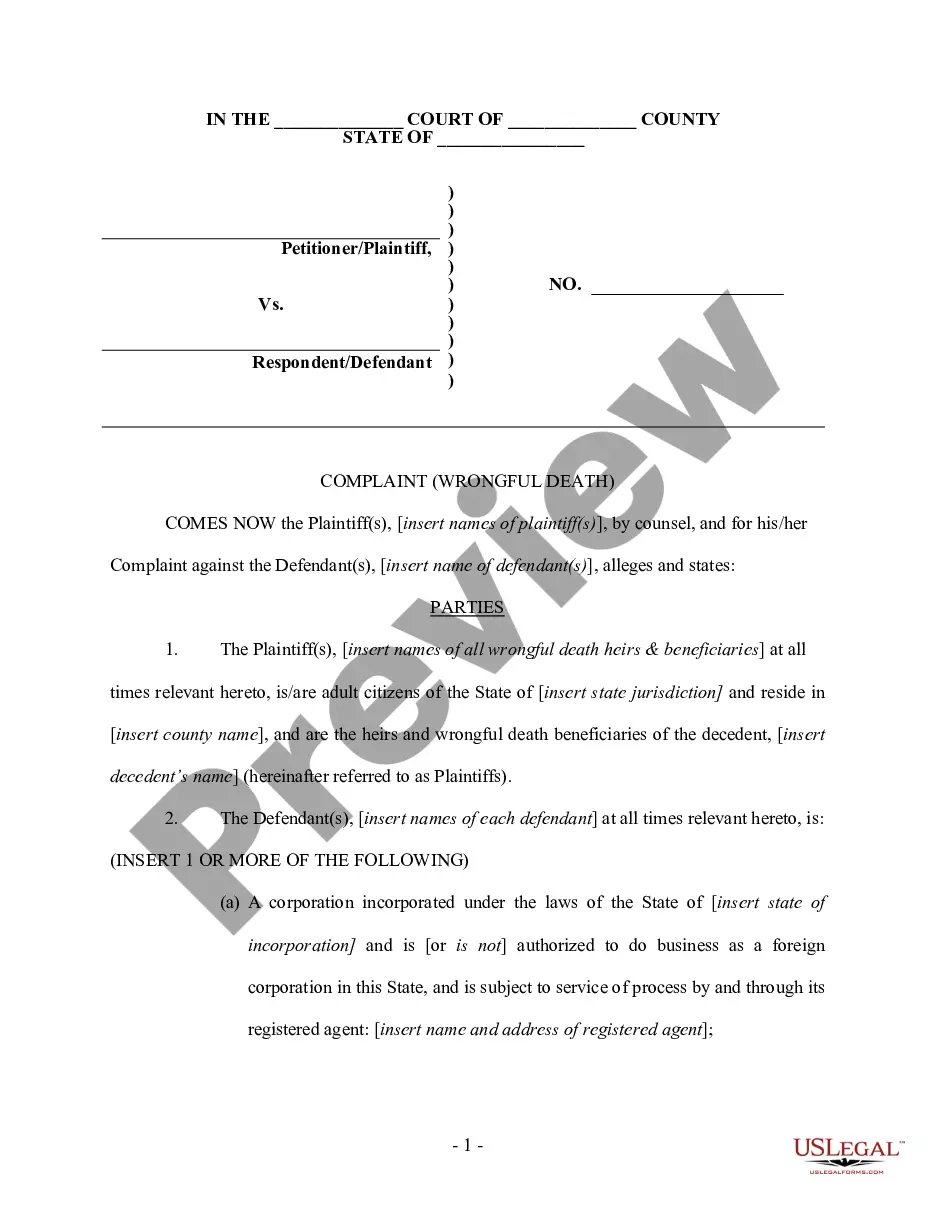
Get your form ready online
Our built-in tools help you complete, sign, share, and store your documents in one place.
Make edits, fill in missing information, and update formatting in US Legal Forms—just like you would in MS Word.
Download a copy, print it, send it by email, or mail it via USPS—whatever works best for your next step.
Sign and collect signatures with our SignNow integration. Send to multiple recipients, set reminders, and more. Go Premium to unlock E-Sign.
If this form requires notarization, complete it online through a secure video call—no need to meet a notary in person or wait for an appointment.
We protect your documents and personal data by following strict security and privacy standards.

Make edits, fill in missing information, and update formatting in US Legal Forms—just like you would in MS Word.

Download a copy, print it, send it by email, or mail it via USPS—whatever works best for your next step.

Sign and collect signatures with our SignNow integration. Send to multiple recipients, set reminders, and more. Go Premium to unlock E-Sign.

If this form requires notarization, complete it online through a secure video call—no need to meet a notary in person or wait for an appointment.

We protect your documents and personal data by following strict security and privacy standards.
Looking for another form?




Form popularity
FAQ
If you are being accused of a crime, please contact our law firm directly for professional representation. Stay Calm. Hire an Attorney to Help You Fight Back. Gather Evidence. Challenge the Accuser's Credibility. Find Your Own Witnesses and Present Evidence of Your Side of the Story.
Yes. If you never made the comment that they are claiming you did, you can sue them for slander and defamation as well as false imprisonment.
Yes. In California, making false accusations is a crime and can lead to serious legal consequences. Under Penal Code Section 148.5 , it is a misdemeanor to falsely report a crime to law enforcement.
Falsely accusing someone of a crime is defamation per se, which means a judge will presume that the accused person's reputation was harmed without that person having to prove actual harm.
There are several ways to counter false allegations, including thorough documentation, which means maintaining records of all communications, events, and interactions pertaining to the case. Save any emails, texts, voicemails, written exchanges, etc., as evidence.
10 Clear Signs of a False Accusation Inconsistent Stories. Lack of Physical Evidence. Implausible Scenarios. Motivations for Personal Gain. History of Dishonesty. Lack of Corroborating Witnesses. Emotional Overreaction. Pressure to Confess.
The following 17 states do not: Alaska, Arizona, Arkansas, Delaware, Georgia, Idaho, Indiana, Kentucky, Nevada, New Mexico, North Dakota, Oregon, Pennsylvania, Rhode Island, South Carolina, South Dakota, and Wyoming.
If you have a preponderance of evidence that you were falsely accused (more evidence than they have that it wasn't a false accusation), and you can prove some actual damages, you may get a monetary award, or convince them to settle out of court. Your best bet would be to talk with an attorney.
Punitive damages: This is compensation awarded by the court or a jury as punishment against the person who defamed you. Punitive damages in California don't have a cap, so there is no limit.
In California, making false accusations is a crime and can lead to serious legal consequences. Under Penal Code Section 148.5 , it is a misdemeanor to falsely report a crime to law enforcement. And if you're wondering whether you can go to jail for making false accusations, the answer is yes.