Wrongful Accusation Charges In Miami-Dade
Description


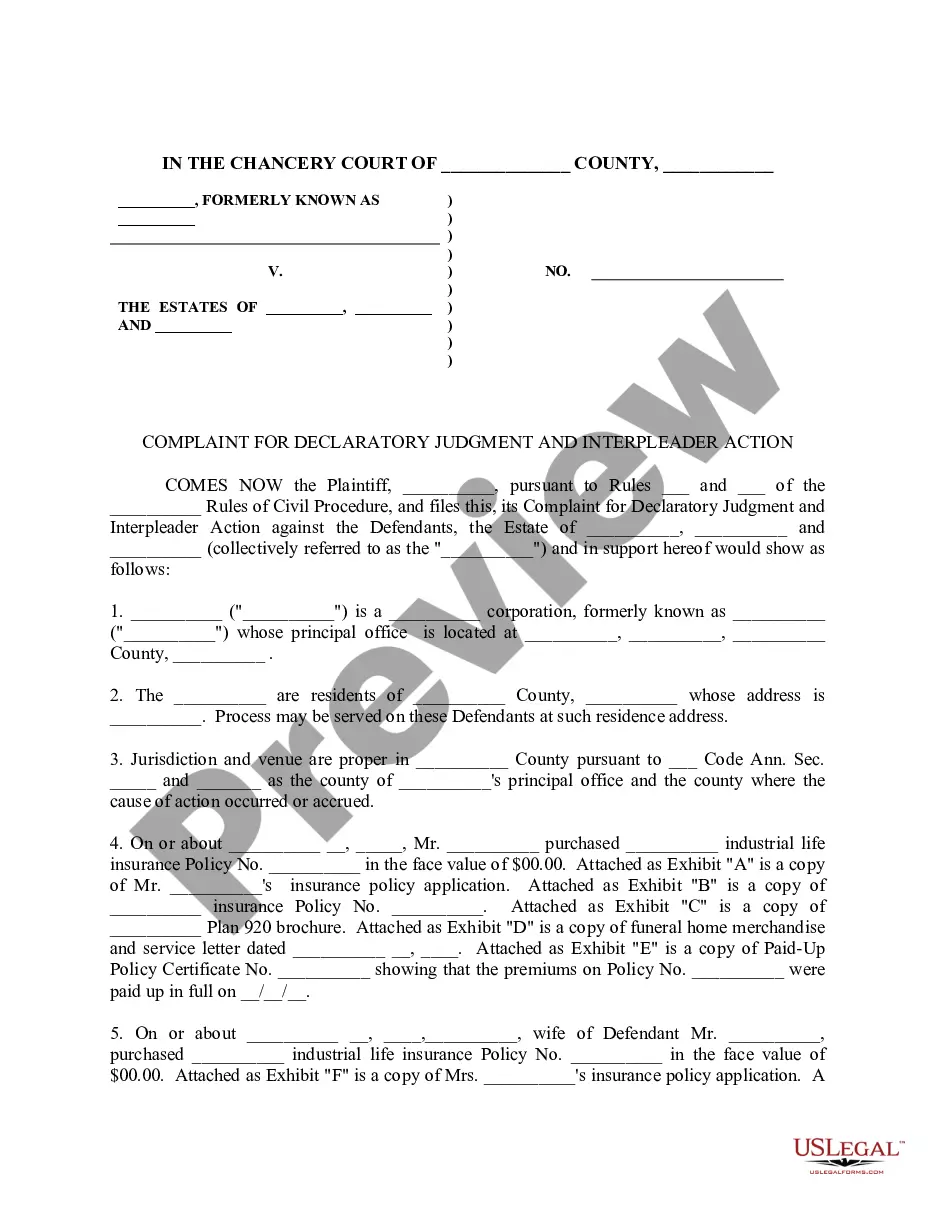
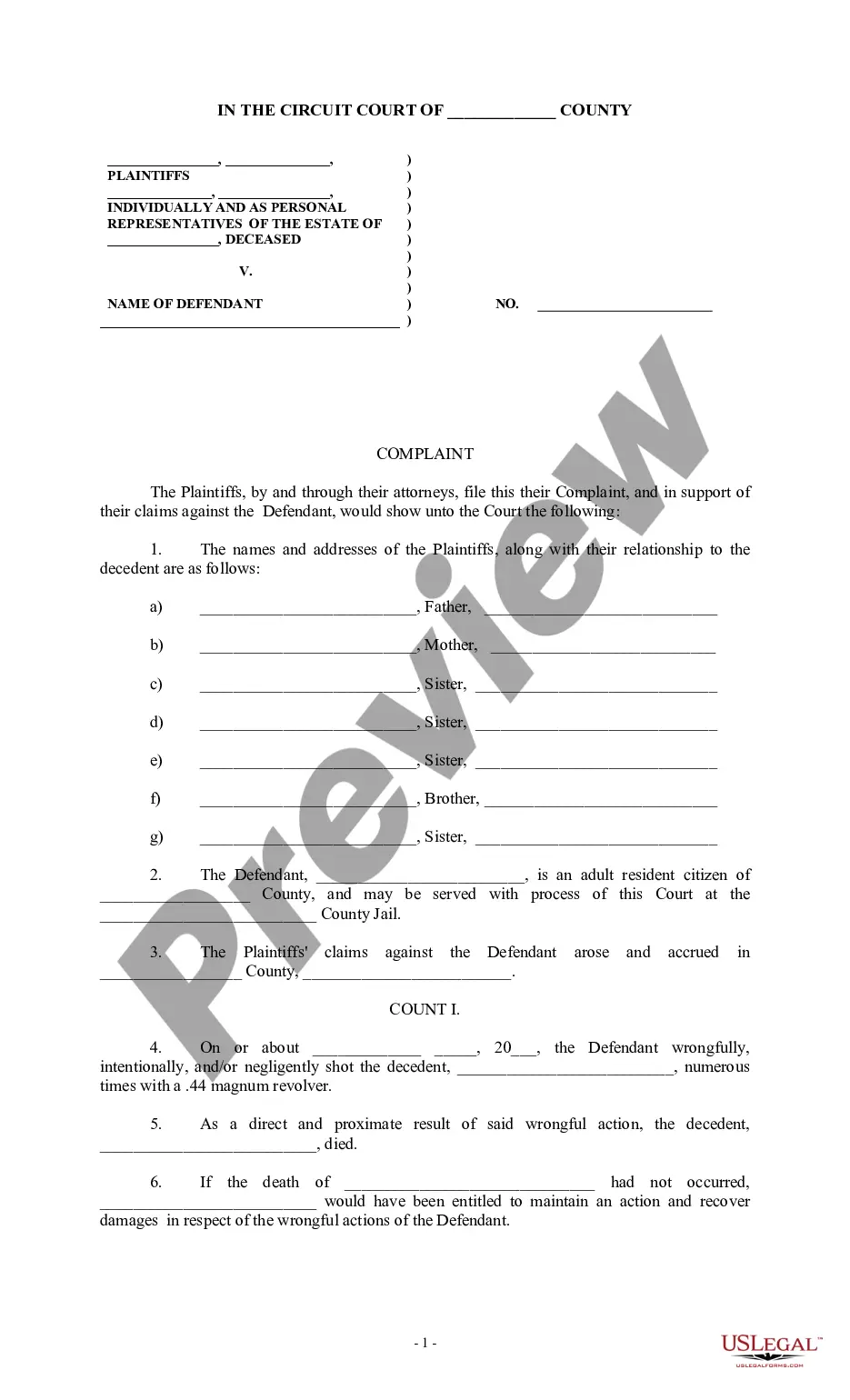
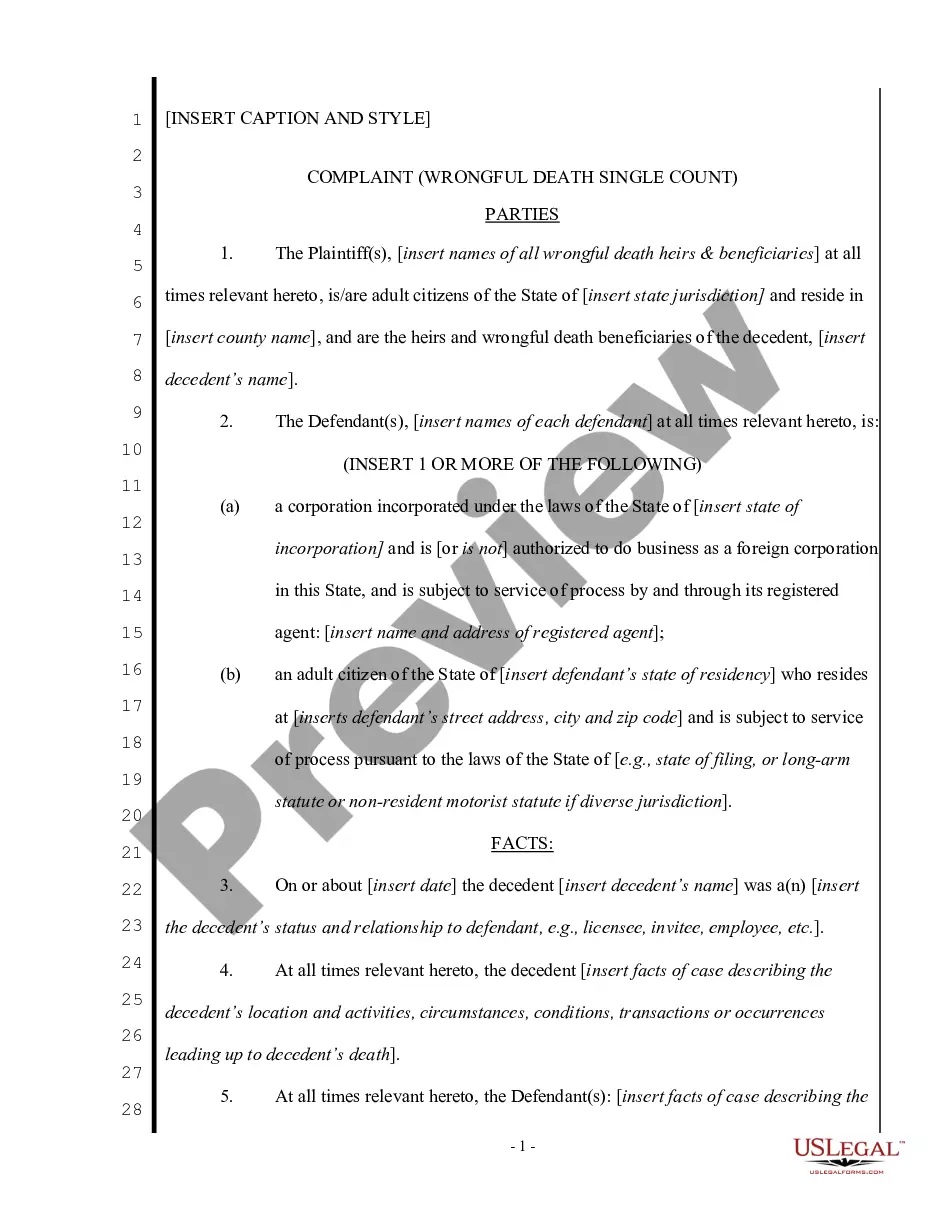
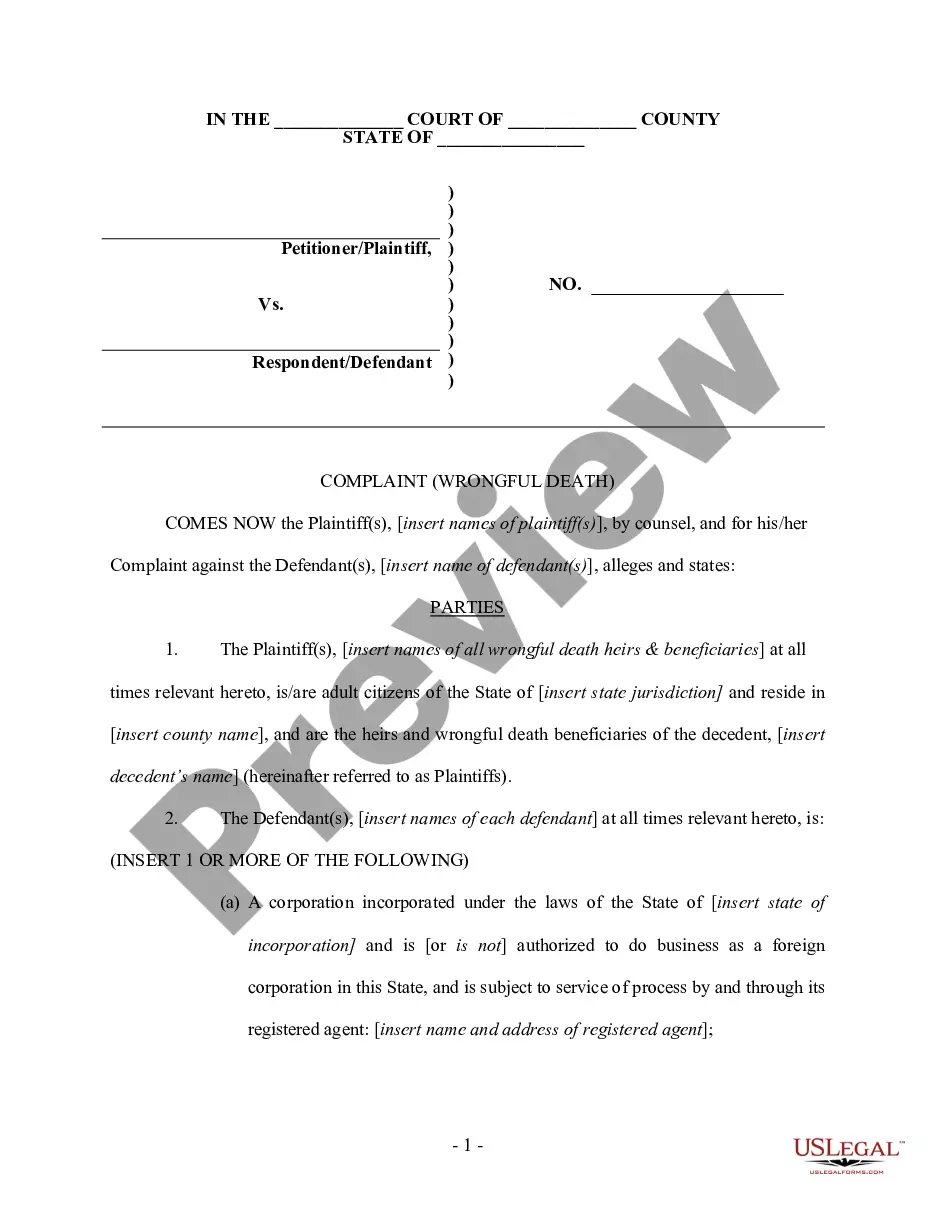
Get your form ready online
Our built-in tools help you complete, sign, share, and store your documents in one place.
Make edits, fill in missing information, and update formatting in US Legal Forms—just like you would in MS Word.
Download a copy, print it, send it by email, or mail it via USPS—whatever works best for your next step.
Sign and collect signatures with our SignNow integration. Send to multiple recipients, set reminders, and more. Go Premium to unlock E-Sign.
If this form requires notarization, complete it online through a secure video call—no need to meet a notary in person or wait for an appointment.
We protect your documents and personal data by following strict security and privacy standards.

Make edits, fill in missing information, and update formatting in US Legal Forms—just like you would in MS Word.

Download a copy, print it, send it by email, or mail it via USPS—whatever works best for your next step.

Sign and collect signatures with our SignNow integration. Send to multiple recipients, set reminders, and more. Go Premium to unlock E-Sign.

If this form requires notarization, complete it online through a secure video call—no need to meet a notary in person or wait for an appointment.

We protect your documents and personal data by following strict security and privacy standards.
Looking for another form?






Form popularity
FAQ
Victims of false allegations have the right to pursue compensation for the harmful and untrue statements that damaged their reputation. There are two primary types of character defamation cases. They are “libel” and “slander.” Both types of claims involve untrue damaging statements.
It's important to remember: not all false accusations automatically qualify for compensation. Defamation law is complex, and your case will depend on the circumstances. If you're unsure where you stand, speak to a legal professional who can guide you through your options and protect your reputation.
While most victims pursue civil claims, making deliberately false accusations can result in criminal charges with penalties up to life imprisonment for perverting the course of justice.
The amount one can sue for defamation varies widely based on several factors including the severity and extent of damage caused by the defamatory statement. However, damages typically range from thousands to millions of dollars depending on circumstances such as loss earnings and emotional distress.
The Legal Consequences of False Accusations Criminal Penalties: If convicted of a crime based on false accusations, individuals may face prison time, fines, and a permanent criminal record. Employment Consequences: Many employers conduct background checks, and even an unproven accusation can impact job prospects.
What Is the Burden of Proof for False Accusations? In both criminal and family court, the burden of proof lies with the accuser. In criminal cases, guilt must be proven beyond a reasonable doubt to a high standard.
Find Witnesses and Present Evidence Additionally, your attorney can present physical evidence like video footage, text messages, or emails that corroborate your account and refute the false claims. These pieces of evidence can paint a clear picture of your innocence and discredit the accuser's allegations.
Yes. In California, making false accusations is a crime and can lead to serious legal consequences.
Hire an Attorney to Help You Fight Back Hiring an attorney is probably the most important step you can take when facing false accusations. You can try to go it alone and attempt to clear her name, but it will be significantly easier when you have an experienced attorney advocating for you.
Anyone reporting in good faith shall be immune from any civil or criminal liability. Any person who knowingly and willfully makes a false report or counsels another to make a false report is guilty of a felony of the third degree punishable by up to five years in prison.
