Wrongful Possession In Hindi Meaning In Georgia
Description

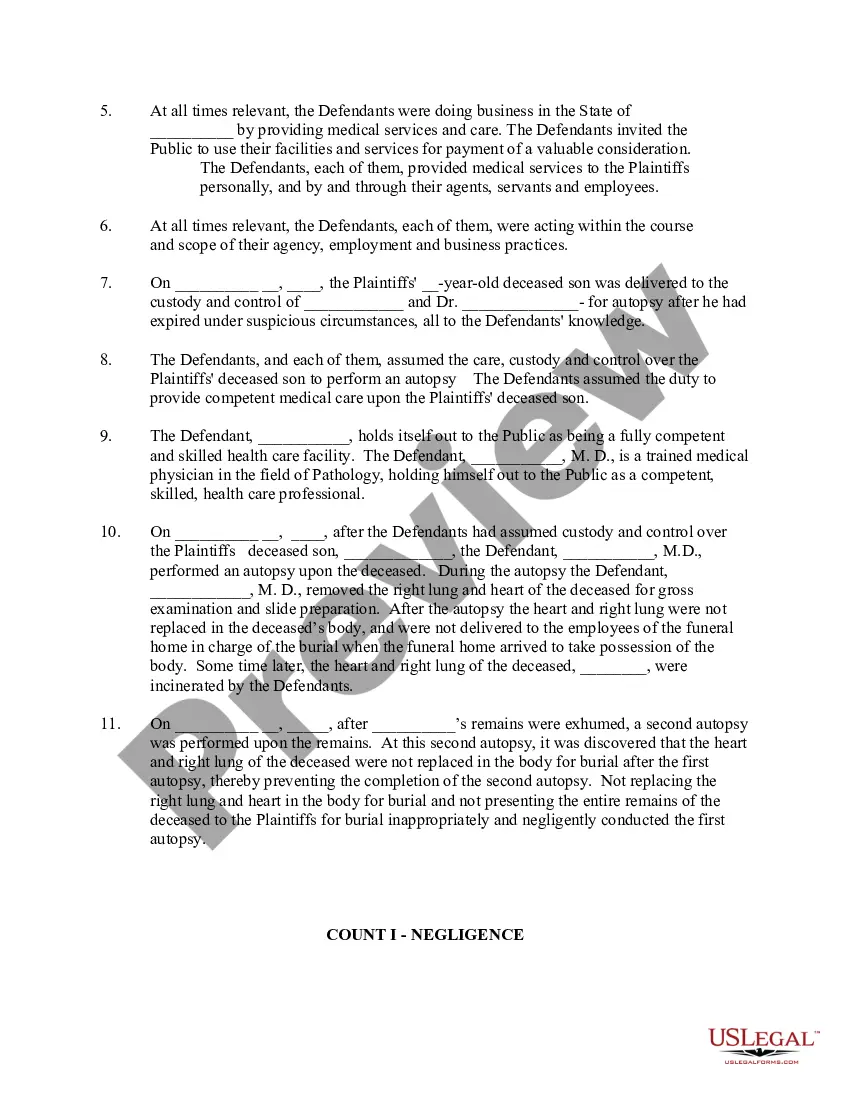
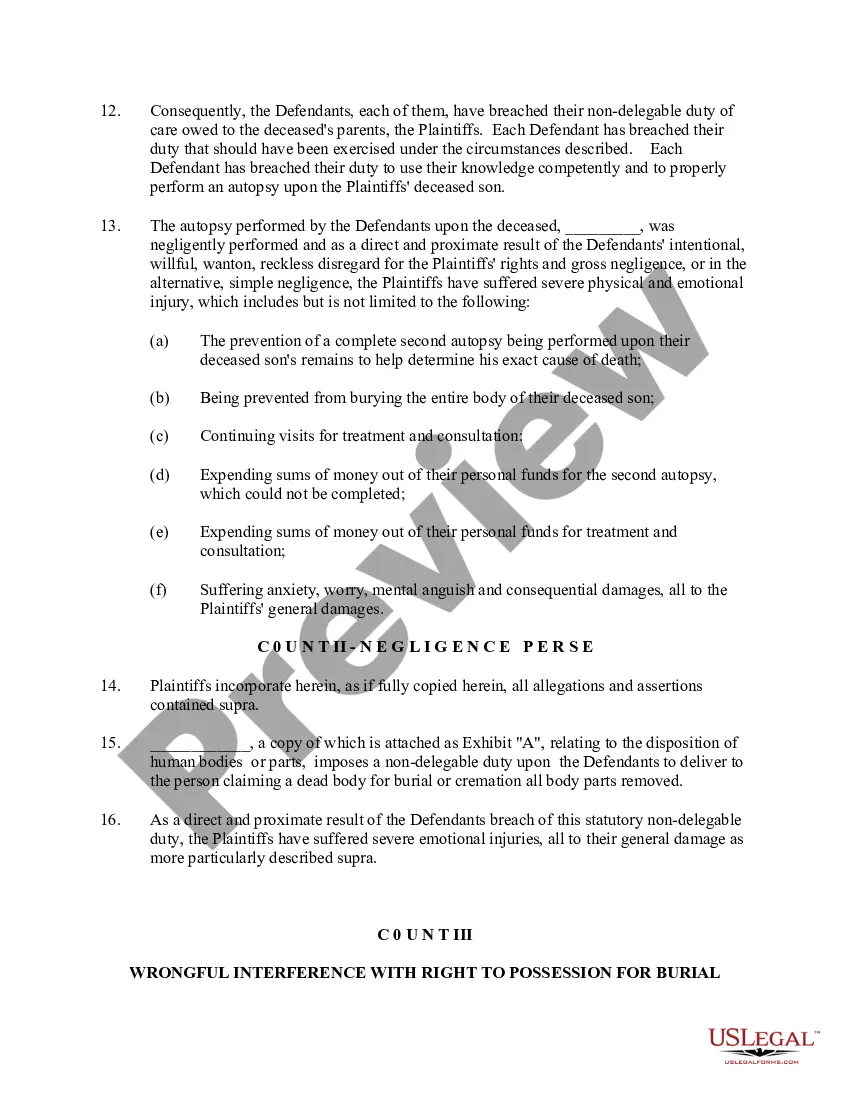
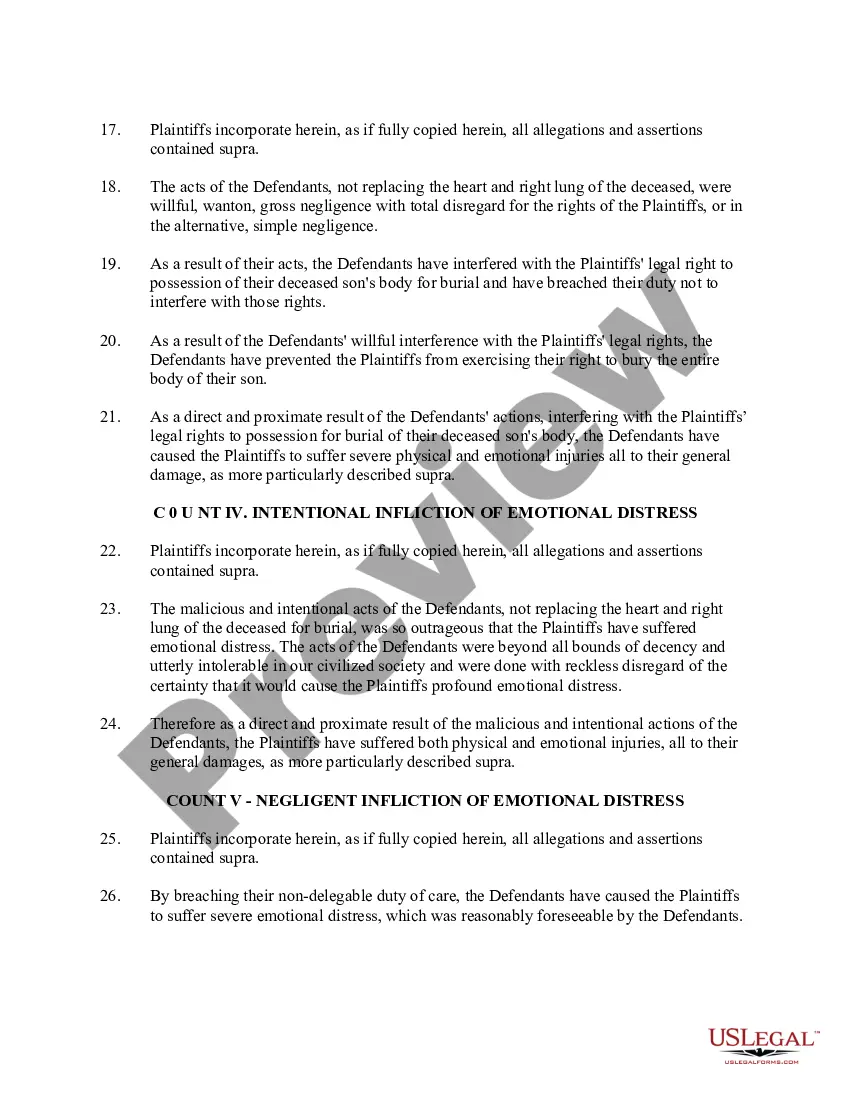
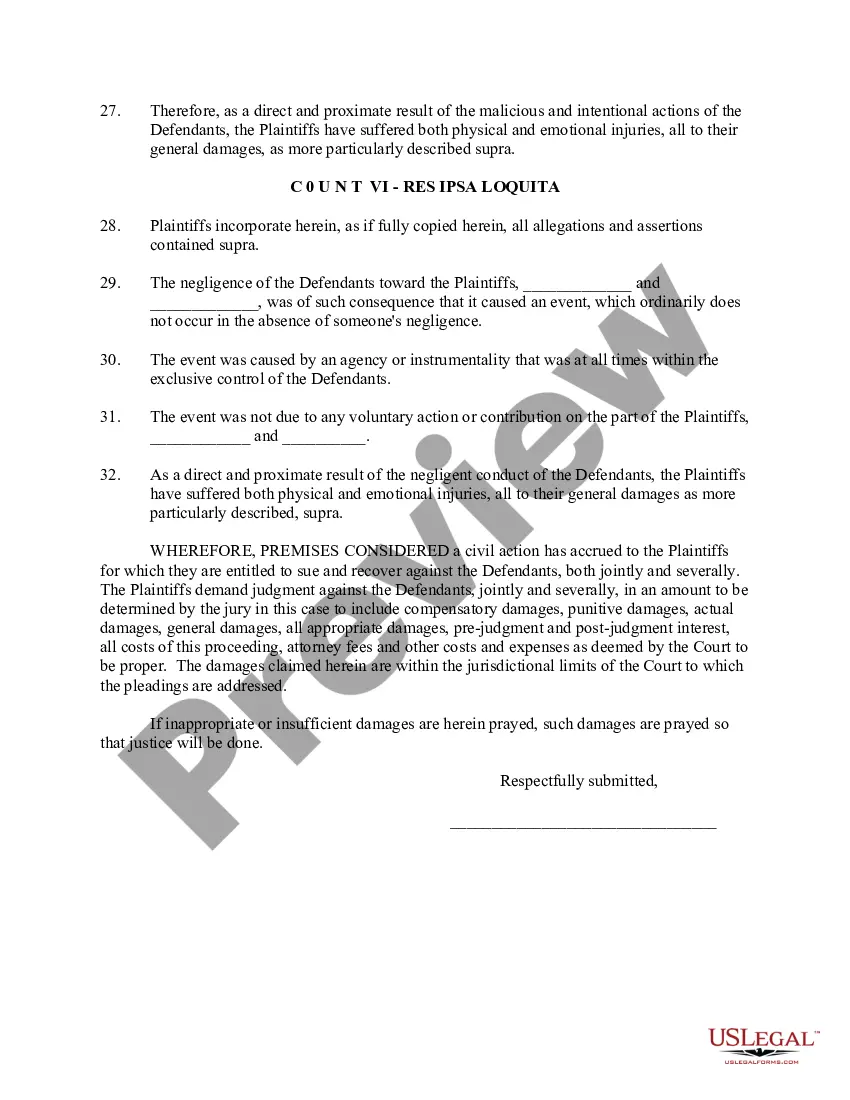

Get your form ready online
Our built-in tools help you complete, sign, share, and store your documents in one place.
Make edits, fill in missing information, and update formatting in US Legal Forms—just like you would in MS Word.
Download a copy, print it, send it by email, or mail it via USPS—whatever works best for your next step.
Sign and collect signatures with our SignNow integration. Send to multiple recipients, set reminders, and more. Go Premium to unlock E-Sign.
If this form requires notarization, complete it online through a secure video call—no need to meet a notary in person or wait for an appointment.
We protect your documents and personal data by following strict security and privacy standards.

Make edits, fill in missing information, and update formatting in US Legal Forms—just like you would in MS Word.

Download a copy, print it, send it by email, or mail it via USPS—whatever works best for your next step.

Sign and collect signatures with our SignNow integration. Send to multiple recipients, set reminders, and more. Go Premium to unlock E-Sign.

If this form requires notarization, complete it online through a secure video call—no need to meet a notary in person or wait for an appointment.

We protect your documents and personal data by following strict security and privacy standards.
Looking for another form?









Form popularity
FAQ
The only thing you can do at this point is file a Motion to Stay Execution of Writ of Possession. This motion will put the execution of the eviction order on hold for up to 10 days.
You may use the Magistrate Court Guide and File system to draft your Dispossessory Warrant or Answer. Access the Magistrate Court Guide and file System online or use the forms provided.
You can get an answer form from the court clerk's office. The answer form lists reasons that may help you stop the eviction. Once your answer is filed, the court will send you notice of the date, time and place of your trial. Some courts give you this notice when you file your answer.
A Demand for Possession is a formal request from a landlord to their tenant to leave the property, which has the force of law behind it. A Notice to Quit is an informal letter from one party to another, usually just before legal proceedings begin.
If the judgment is in the landlord's favor, the court will issue a writ of possession seven days after the judgment is entered (OCGA § 44-7-55(a)). The tenant must move out within the seven days, but they can also file an appeal to the judgment during this period.
The writ of possession is a document signed by a judge that directs the Marshal or his Deputy Marshals to remove the named persons or other occupants from the premises identified in the dispossessory warrant and on the writ.
