Wrongful Possession Of Property In Bronx
Description


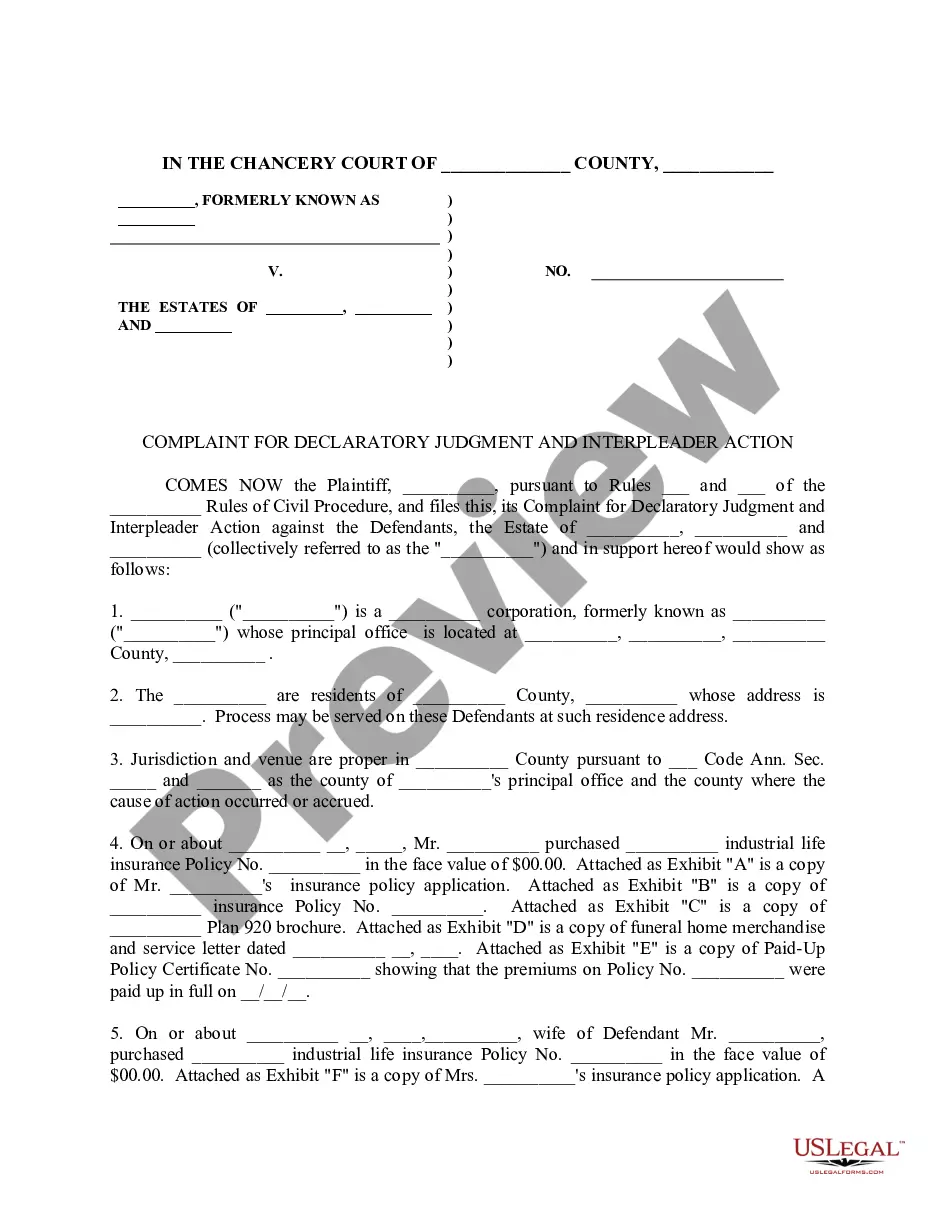
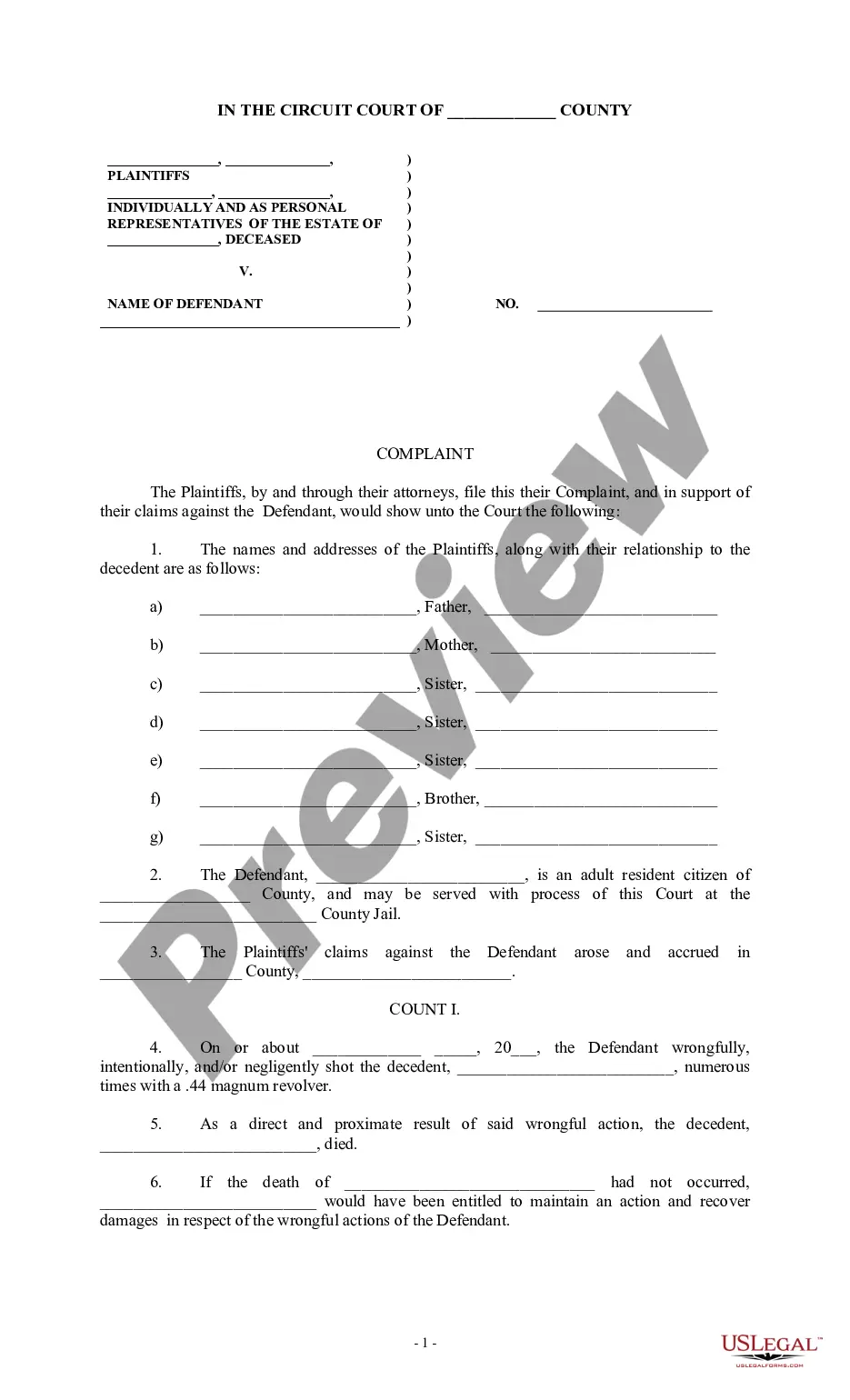
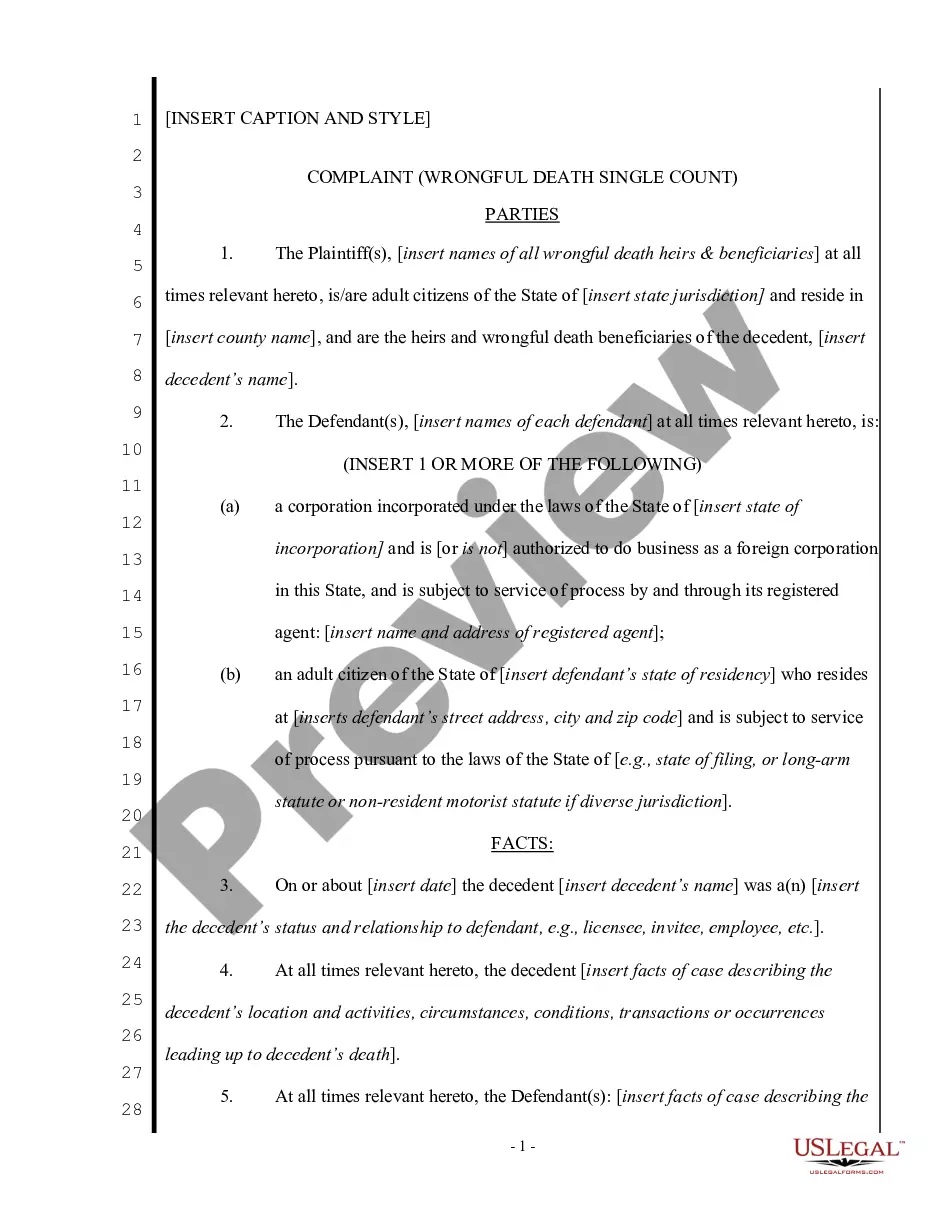
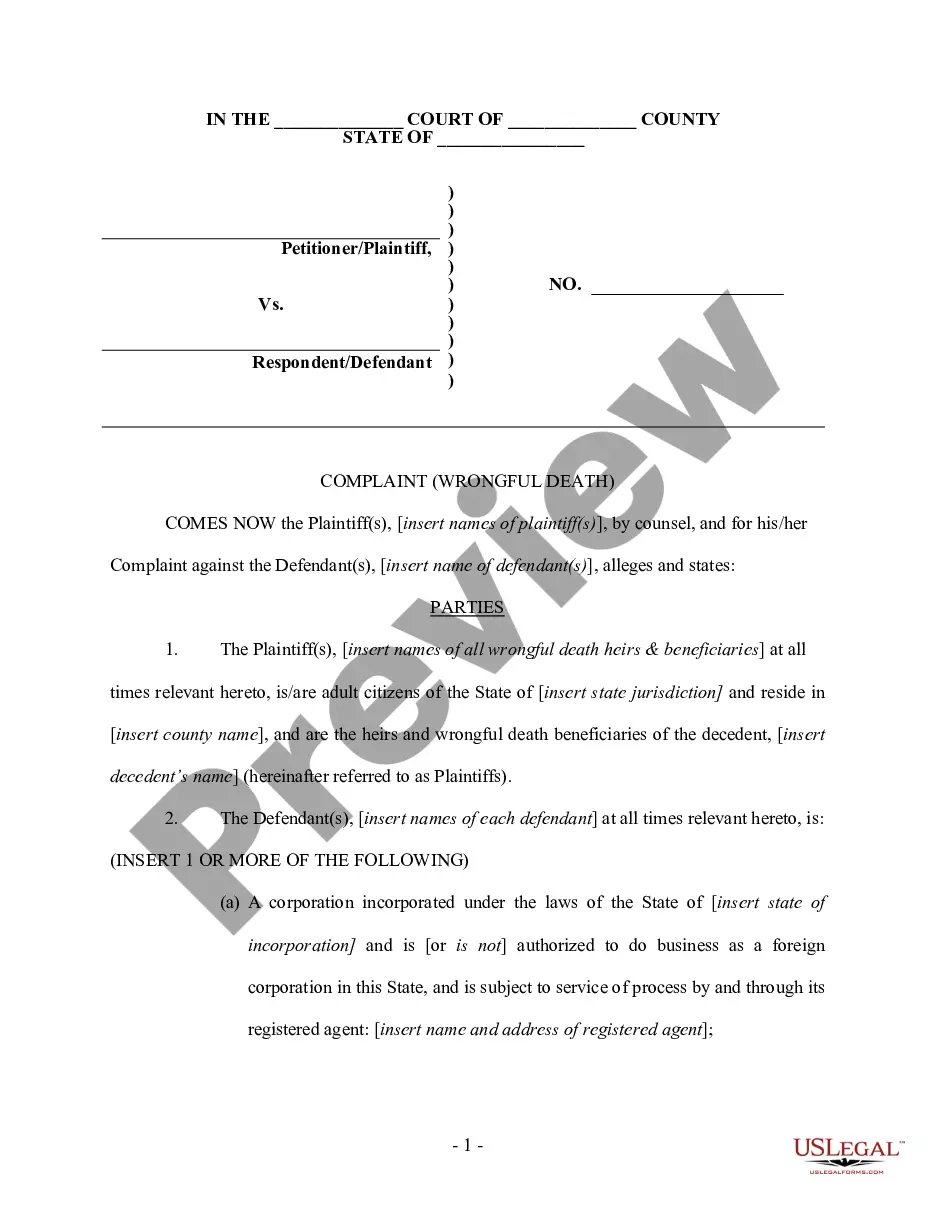
Get your form ready online
Our built-in tools help you complete, sign, share, and store your documents in one place.
Make edits, fill in missing information, and update formatting in US Legal Forms—just like you would in MS Word.
Download a copy, print it, send it by email, or mail it via USPS—whatever works best for your next step.
Sign and collect signatures with our SignNow integration. Send to multiple recipients, set reminders, and more. Go Premium to unlock E-Sign.
If this form requires notarization, complete it online through a secure video call—no need to meet a notary in person or wait for an appointment.
We protect your documents and personal data by following strict security and privacy standards.

Make edits, fill in missing information, and update formatting in US Legal Forms—just like you would in MS Word.

Download a copy, print it, send it by email, or mail it via USPS—whatever works best for your next step.

Sign and collect signatures with our SignNow integration. Send to multiple recipients, set reminders, and more. Go Premium to unlock E-Sign.

If this form requires notarization, complete it online through a secure video call—no need to meet a notary in person or wait for an appointment.

We protect your documents and personal data by following strict security and privacy standards.
Looking for another form?










Form popularity
FAQ
Laws vary from state to state, however, in most, if not all, states, it is possible for a trespasser to assume ownership of property, by exerting some sort of control over the land. Mowing or weeding the property on a regular basis could qualify, if your neighbor is the only one doing so.
Basically, adverse possession allows a person who possesses land over a required period of time in a way that meets certain legal requirements to take and legally hold actual title to that land away from the owner of record.
Under the new Good Cause Eviction law, New Yorkers have the right to continue living in their homes without fear of unreasonable eviction or extreme rent increases. In many situations, tenants of market rate housing will now be covered by more expansive protections. Read below for details.
In California, there are five elements of adverse possession that a claimant must prove: (1) possession under the claim of right or color of title, (2) actual, open, and notorious possession that gives reasonable notice to the true owner, (3) possession that is hostile to the true owner, (4) continuous possession for ...
If the tenant decides not to terminate the lease, the tenant may demand possession of the property from the landlord and may sue whoever has possession of the property. This means that if a previous tenant is still occupying the property, the tenant can evict that previous tenant.
Adverse possession in New York is governed by statute, but also by the courts. Importantly, the burden of proof to establish a claim of adverse possession is on the trespasser. The legal holder of title is the presumed owner until the adverse possessor can meet that burden.
Go to the Landlord-Tenant Clerk's office and fill out a court form called a Petition in Support of an Order to Show Cause. If you can, bring your lease, rent receipts, utility bills and mail addressed to you at your home. If the Judge signs the Order to Show Cause, you will get a court date a day or two away.
The records of the court stay there forever, but it's likely that credit and legal reporting databases like Equifax have to remove them at some fixed period of years. Please don't use this as an excuse to lie about a prior eviction to a landlord. This q is related to what you're asking, assuming you're in California.
