Wrongful Possession Of Property In Arizona
Description


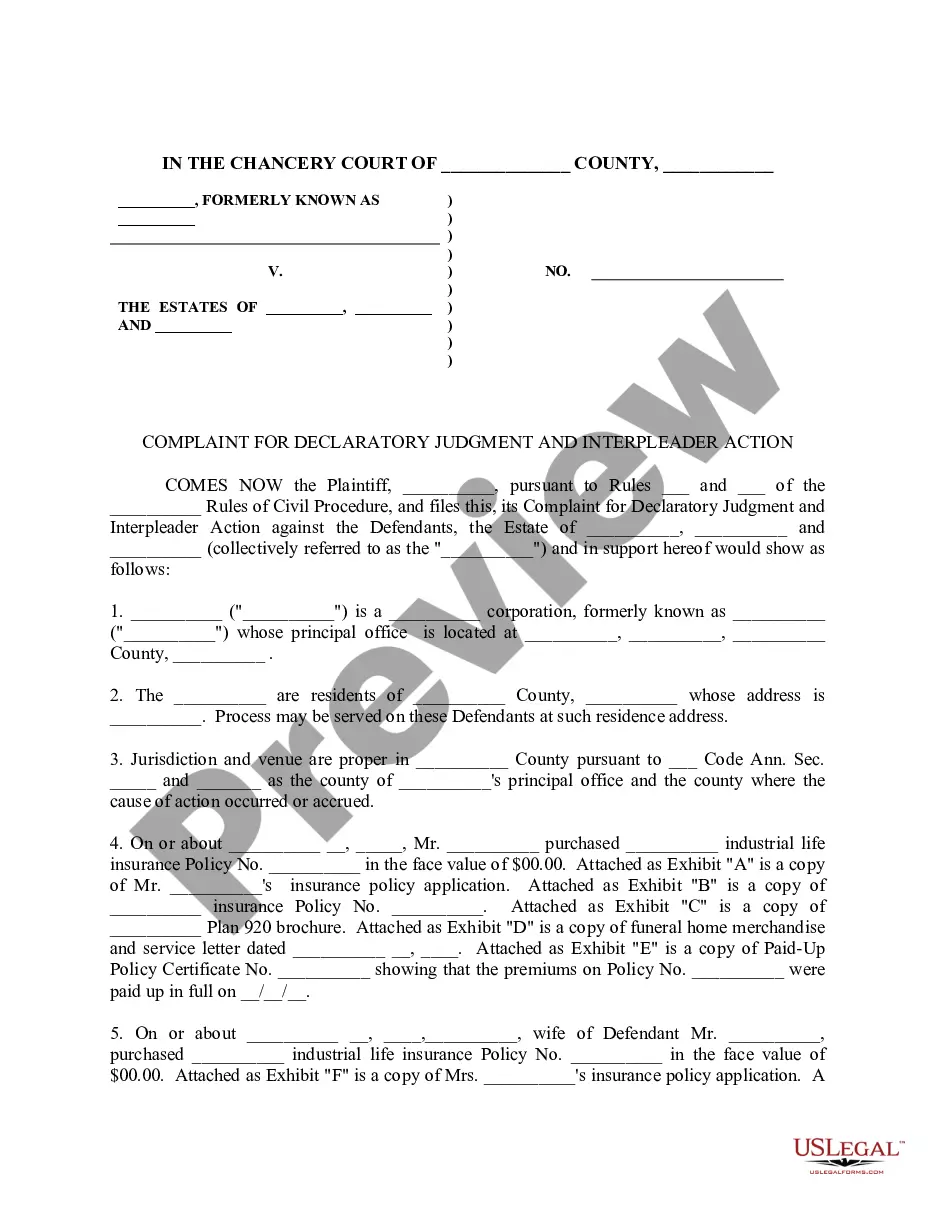
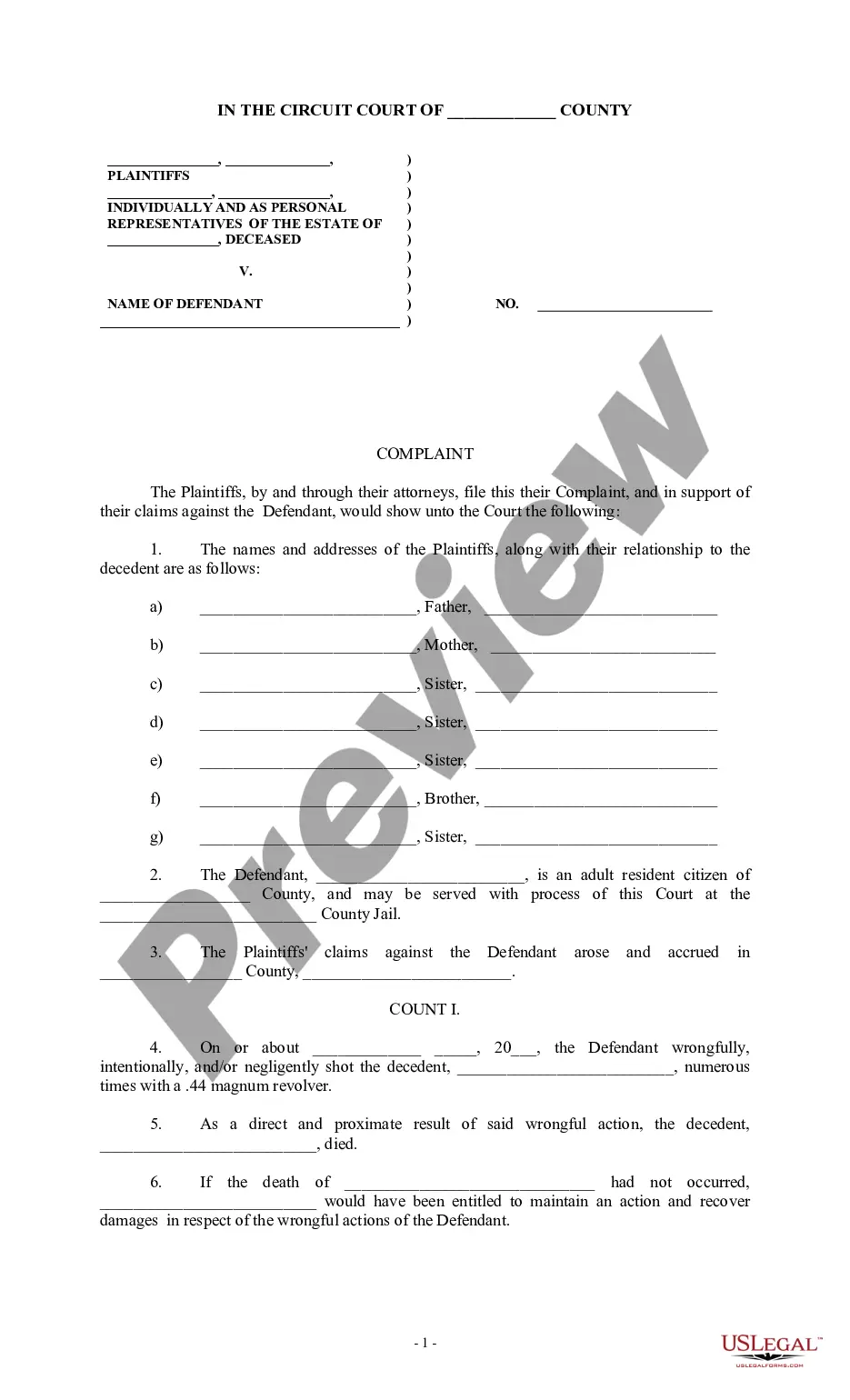
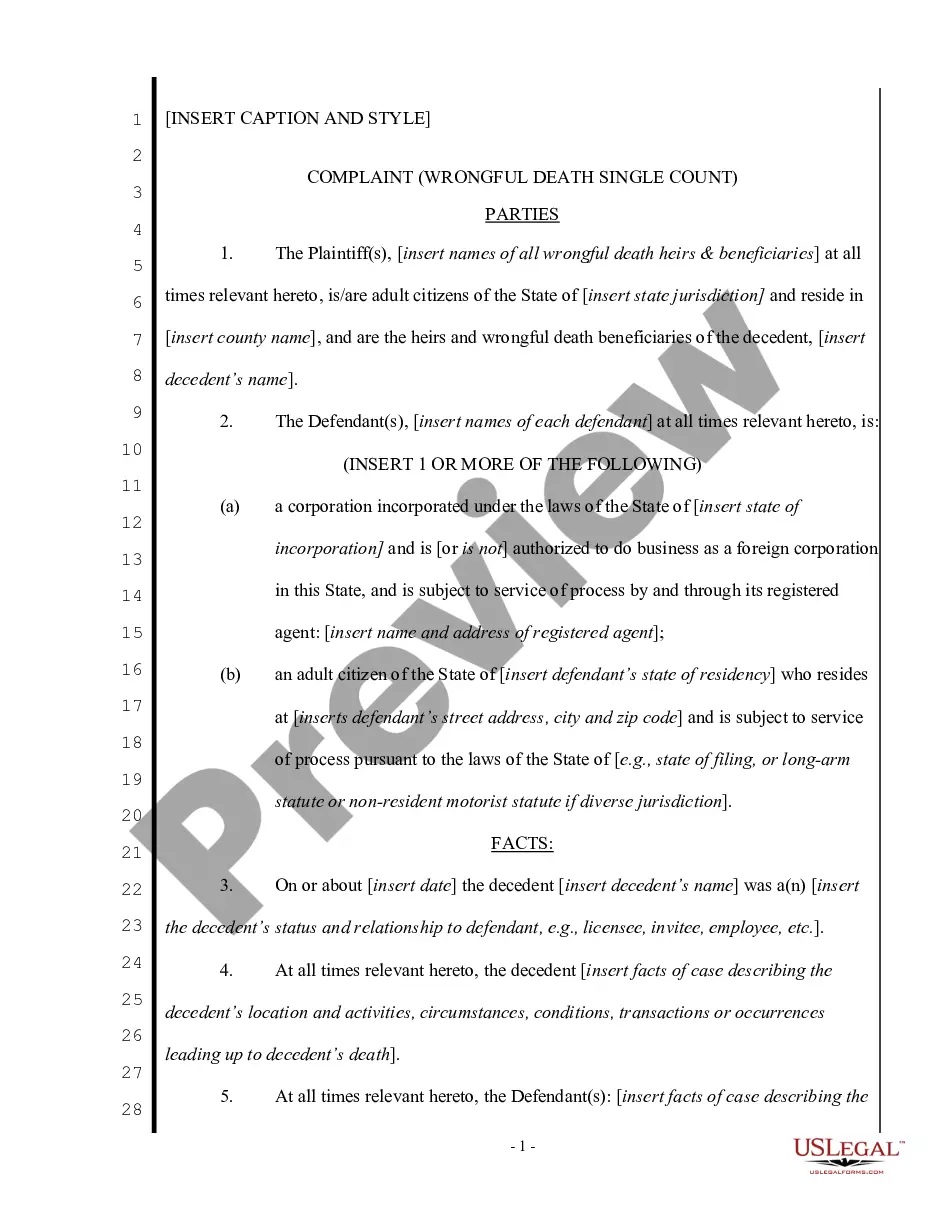
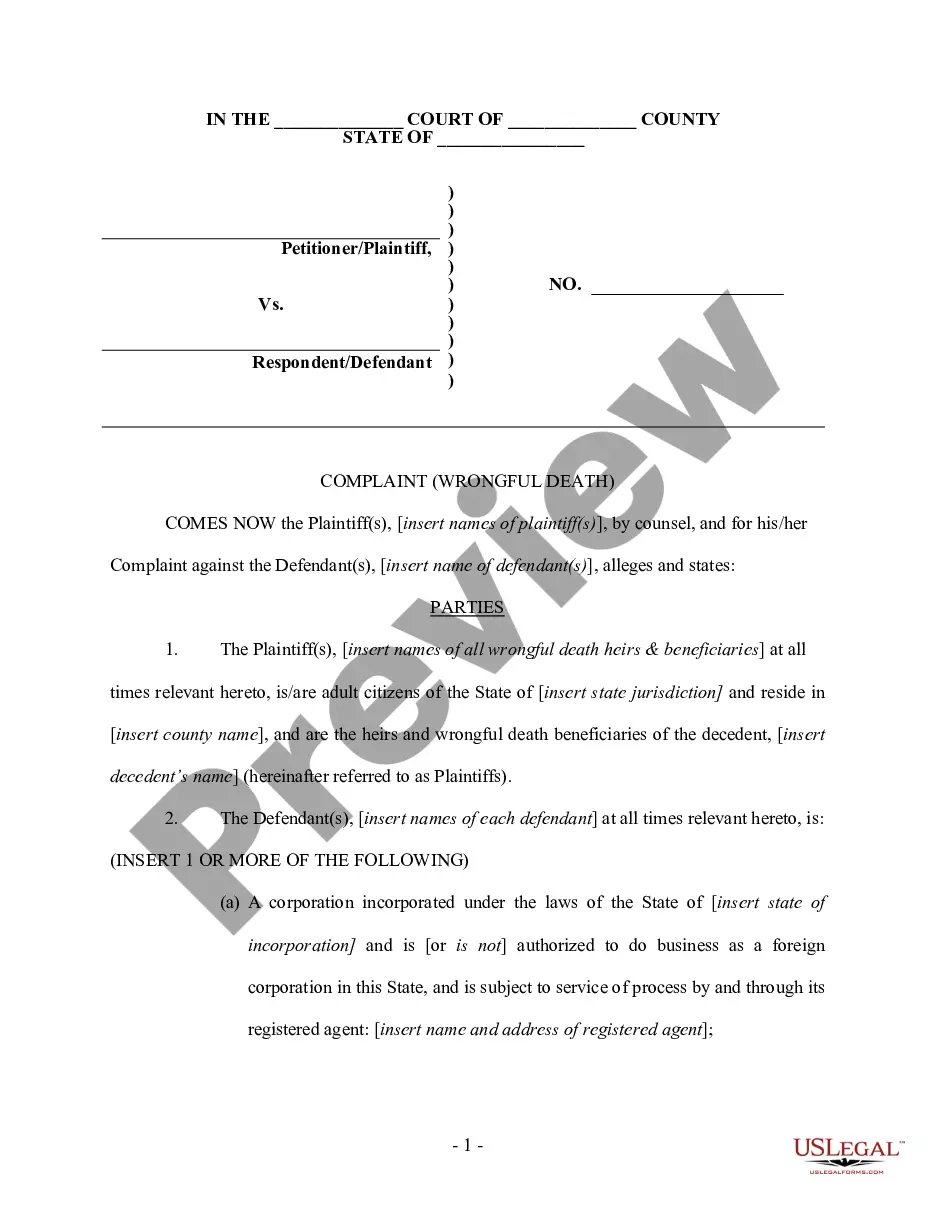
Get your form ready online
Our built-in tools help you complete, sign, share, and store your documents in one place.
Make edits, fill in missing information, and update formatting in US Legal Forms—just like you would in MS Word.
Download a copy, print it, send it by email, or mail it via USPS—whatever works best for your next step.
Sign and collect signatures with our SignNow integration. Send to multiple recipients, set reminders, and more. Go Premium to unlock E-Sign.
If this form requires notarization, complete it online through a secure video call—no need to meet a notary in person or wait for an appointment.
We protect your documents and personal data by following strict security and privacy standards.

Make edits, fill in missing information, and update formatting in US Legal Forms—just like you would in MS Word.

Download a copy, print it, send it by email, or mail it via USPS—whatever works best for your next step.

Sign and collect signatures with our SignNow integration. Send to multiple recipients, set reminders, and more. Go Premium to unlock E-Sign.

If this form requires notarization, complete it online through a secure video call—no need to meet a notary in person or wait for an appointment.

We protect your documents and personal data by following strict security and privacy standards.
Looking for another form?




Form popularity
FAQ
This section applies to one's property, including business and leased property, and acts as Arizona's "castle doctrine" law. In other self-defense situations, people may use proportional force necessary to defend themselves and others up to and including deadly force. The laws do not state a duty to retreat.
Arizona laws do not require individuals to retreat before defending themselves when they are in a threatening situation. Therefore, if you are not engaged in an unlawful situation and you are in a place you have a right to be in, you have the right to defend yourself when someone threatens or assaults you.
Arizona's Self-Defense Laws: Key Points to Remember It allows the use of reasonable physical force to prevent theft or criminal damage to property. The key aspect here is the reasonableness of the force relative to the threat posed to the property.
In Arizona, the Castle Doctrine is codified under ARS §13-408, which provides individuals with the legal right to use force, including deadly force, in self-defense against an intruder who unlawfully enters their home or occupied vehicle.
In Arizona and other states, the adage “possession is nine-tenths of the law” can become a reality when real property is controlled or used by someone other than the true owner.
§ 91.11 PROHIBITED RIGHT-OF-WAY ENCROACHMENTS; LIMITED ENCROACHMENTS. (A) For purposes of this section, the owner of property adjacent to the right-of-way includes the occupant of the property. (B) Except as authorized in writing by the city, no person shall: (1) Place or maintain any encroachment in the right-of-way.
One to acquire title purely by adverse possession, such possession must be actual, open and notorious, hostile, under a claim of right, continuous for the statutory period (here 10 years), and exclusive." Rorebeck v. Criste, 1 Ariz.
In Arizona, you can legally carry a variety of self-defense weapons including stun guns, tasers, and pepper sprays. You're also allowed to have certain types of knives like pocket knives and folding knives.
How to Legally Evict Squatters in Arizona Gather evidence: Take detailed photos and notes and gather witness statements to document the squatter's presence on your property. Issue a five-day Notice to Vacate: Present your squatter with a document demanding they leave the premises within five days or face legal action.
Through the doctrine of adverse possession, a person may acquire the land/title owned by someone else as long as they follow specific requirements. Each state has its own laws regarding squatters' rights and the length of time, between 5-20 years, they must reside on the property to claim it.
