Injunctive Relief For Copyright Infringement In Washington
Description

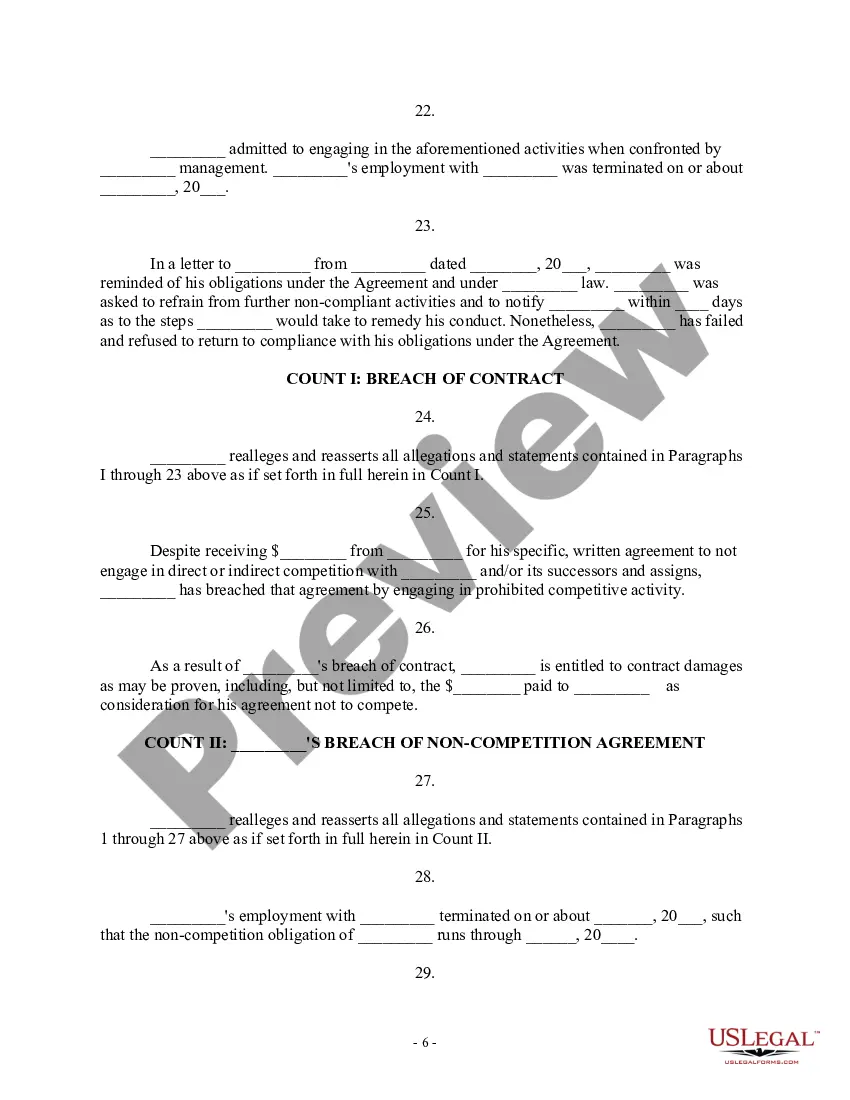
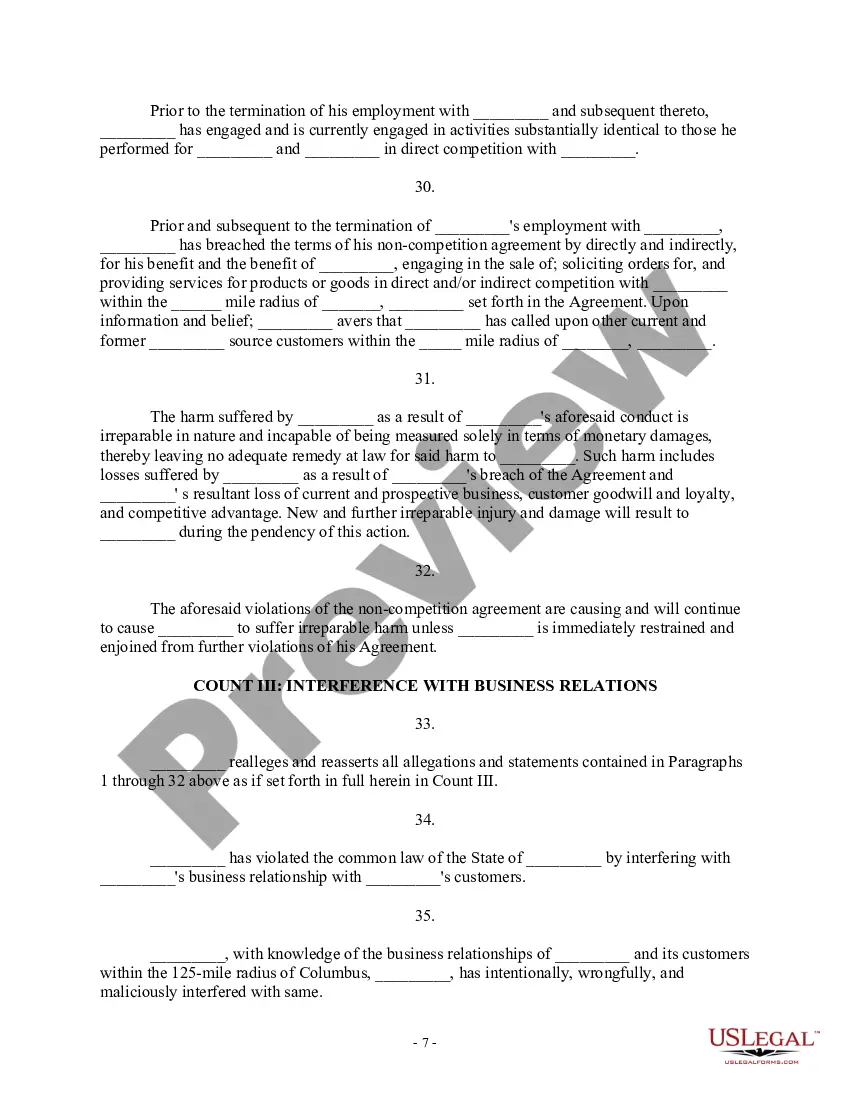
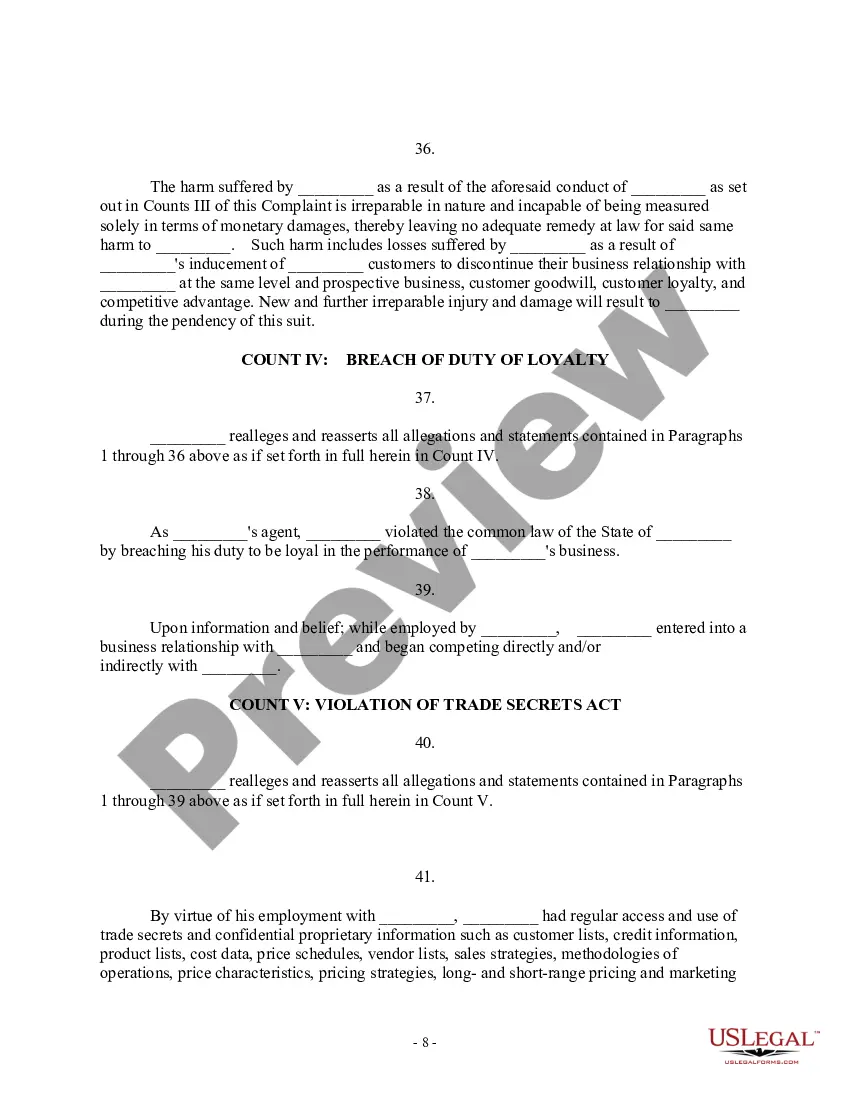
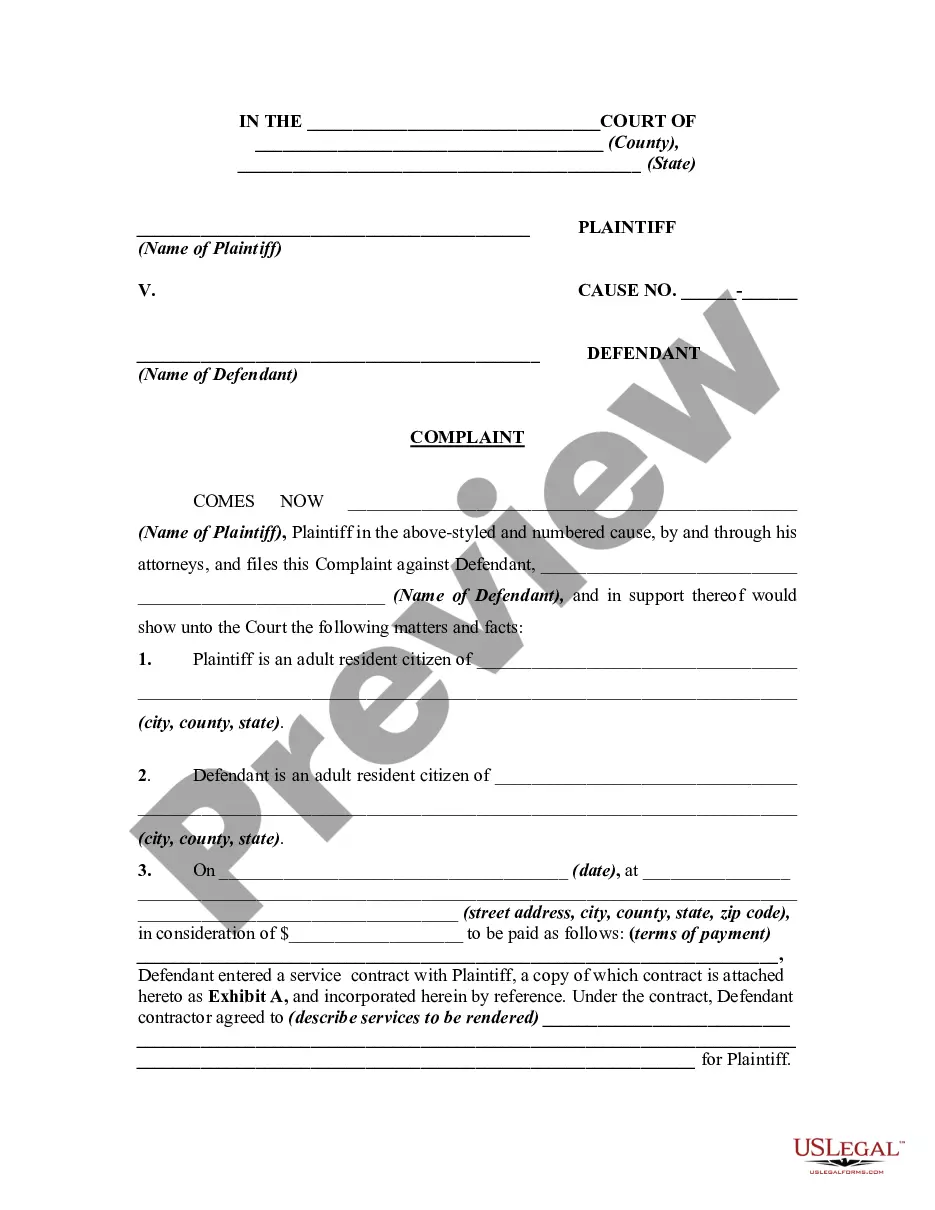
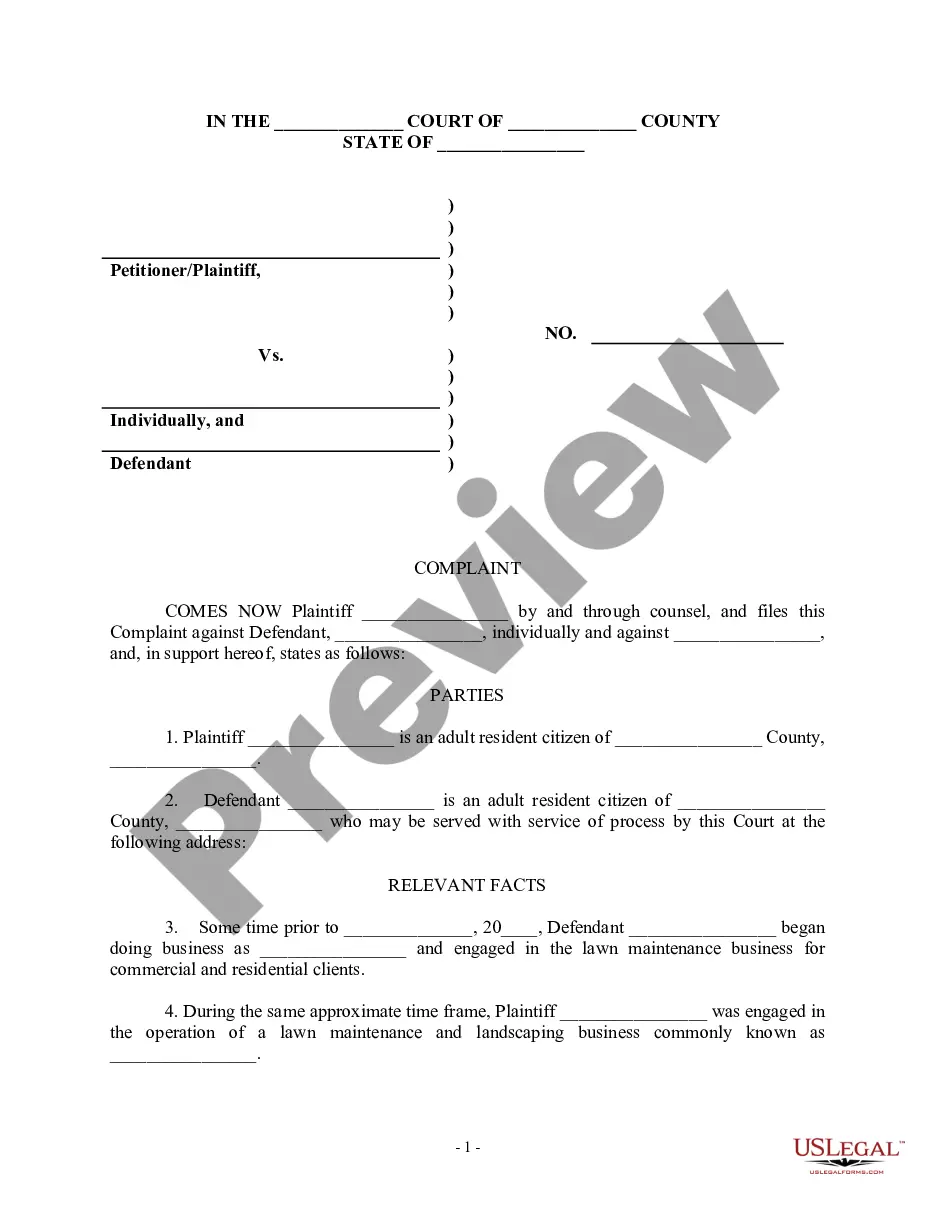
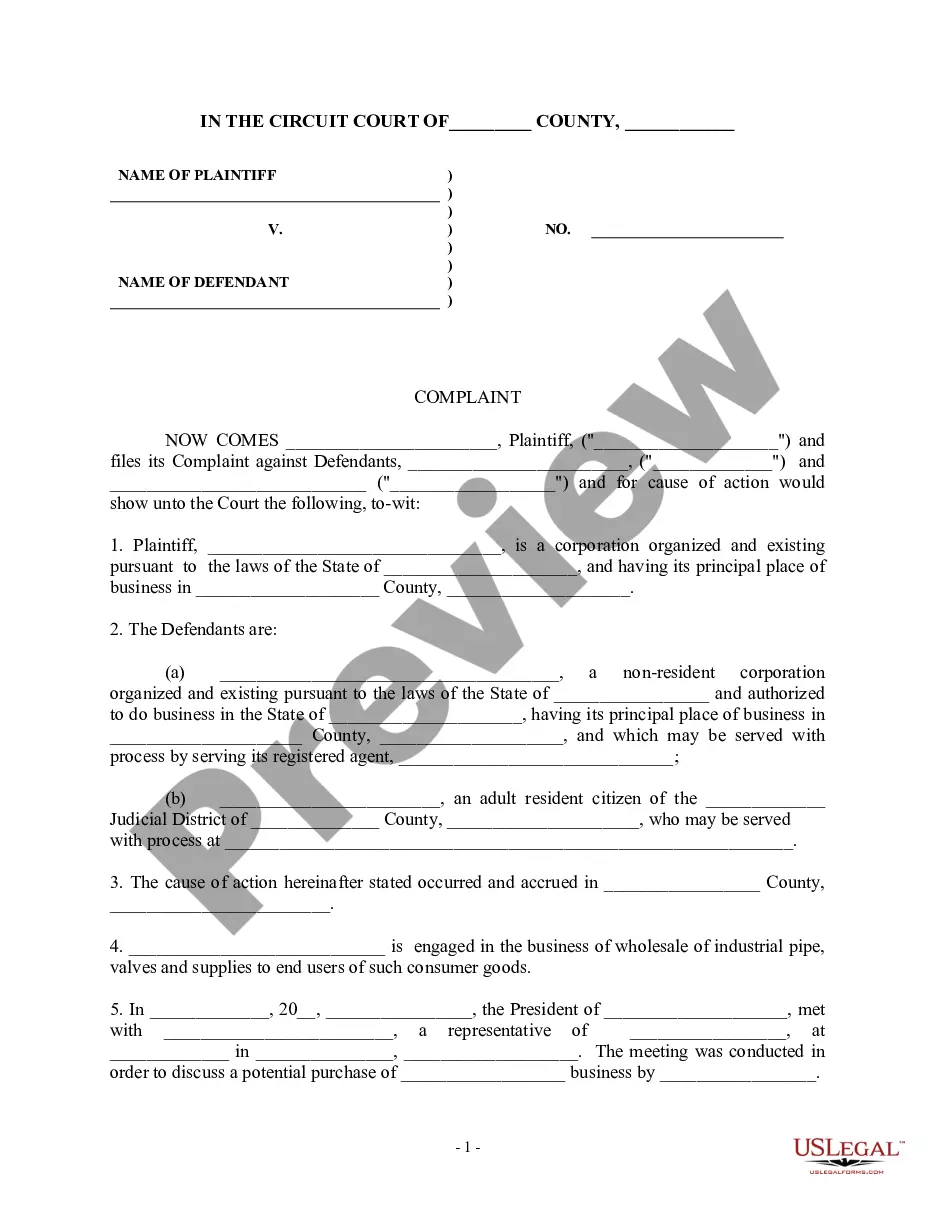

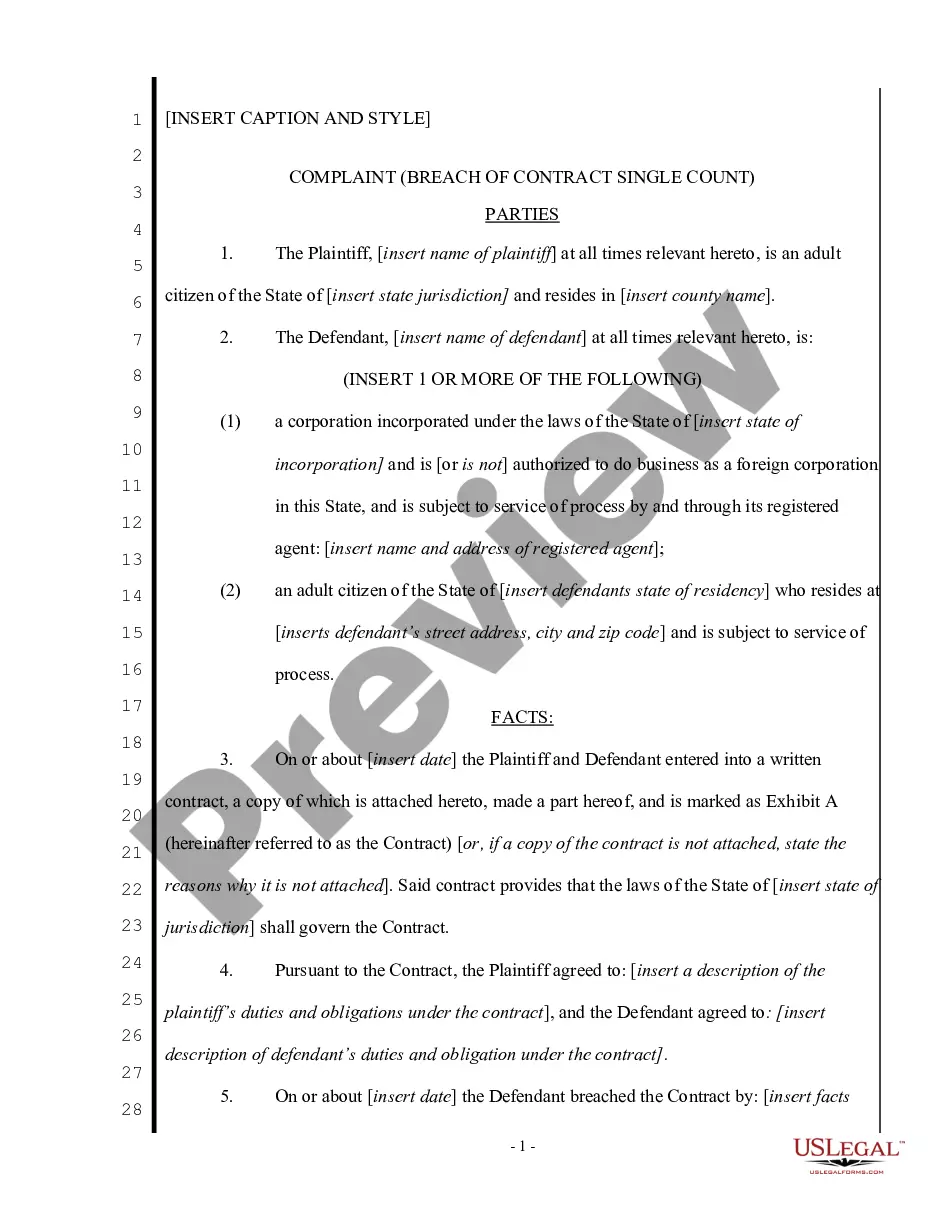
Get your form ready online
Our built-in tools help you complete, sign, share, and store your documents in one place.
Make edits, fill in missing information, and update formatting in US Legal Forms—just like you would in MS Word.
Download a copy, print it, send it by email, or mail it via USPS—whatever works best for your next step.
Sign and collect signatures with our SignNow integration. Send to multiple recipients, set reminders, and more. Go Premium to unlock E-Sign.
If this form requires notarization, complete it online through a secure video call—no need to meet a notary in person or wait for an appointment.
We protect your documents and personal data by following strict security and privacy standards.

Make edits, fill in missing information, and update formatting in US Legal Forms—just like you would in MS Word.

Download a copy, print it, send it by email, or mail it via USPS—whatever works best for your next step.

Sign and collect signatures with our SignNow integration. Send to multiple recipients, set reminders, and more. Go Premium to unlock E-Sign.

If this form requires notarization, complete it online through a secure video call—no need to meet a notary in person or wait for an appointment.

We protect your documents and personal data by following strict security and privacy standards.
Looking for another form?








Form popularity
FAQ
In conclusion, if you receive a copyright infringement notice, it is important to respond promptly and appropriately. Assess the validity of the claim, consult a lawyer, contact the claimant, negotiate a settlement or file a counter-notice.
Protecting Yourself and Avoiding Plagiarism 1. You can mention and ``copy'' any work that is in the public domain. 2. There is such a thing as ``fair use'' which means that if I'm writing an article about Coke, I can use their name. 3. Mentioning brands is okay as long as it doesn't harm the brand. 4.
One remedy is injunctive relief, which restrains the defendant from future copying of the work. A preliminary injunction can be sought early in the case to restrain copying during the lawsuit.
Instead of using the phrase “No Copyright Infringement Intended,” it's more effective to proactively seek proper permissions or use content with explicit licensing terms. Rather than relying on disclaimers, take the initiative to obtain explicit permission from the copyright holder before using their material.
In order to avoid copyright infringement, you should ensure that any ideas or elements that you borrow from another work are sufficiently transformed or modified in your own writing. This might involve changing the characters, setting, or plot, or using the ideas in a new and original way.
No copyright infringement is intended. I do not own nor claim to own the rights to any of the type of content shared.
The copyright disclaimer typically has four parts: the copyright symbol, the year of the page's publication, the name of the website's owner, and a statement reserving the rights of the site's owners to the site's content. The last part is optional, although it's encouraged for clarity and completeness.
To warrant preliminary injunctive relief, the moving party must show (1) a substantial likelihood of success on the merits, (2) that it would suffer irrepa- rable injury if the injunction were not granted, (3) that an injunction would not substantially injure other interested parties, and (4) that the public interest ...
Such remedies include impounding and disposition of infring- ing articles under section 503, actual damages and profits and statutory damages under section 504, costs and attorney's fees under section 505, and the remedies provided in section 510.
Defenses to Copyright Infringement Claims Fair use doctrine. Proof the work was independently created and not copied. Innocence (proving there was no reason to believe the work was copyrighted) The use is with a license agreement in place (this can shift liability to the licensor)
