Injunctive Relief For Trademark In Wake
Description

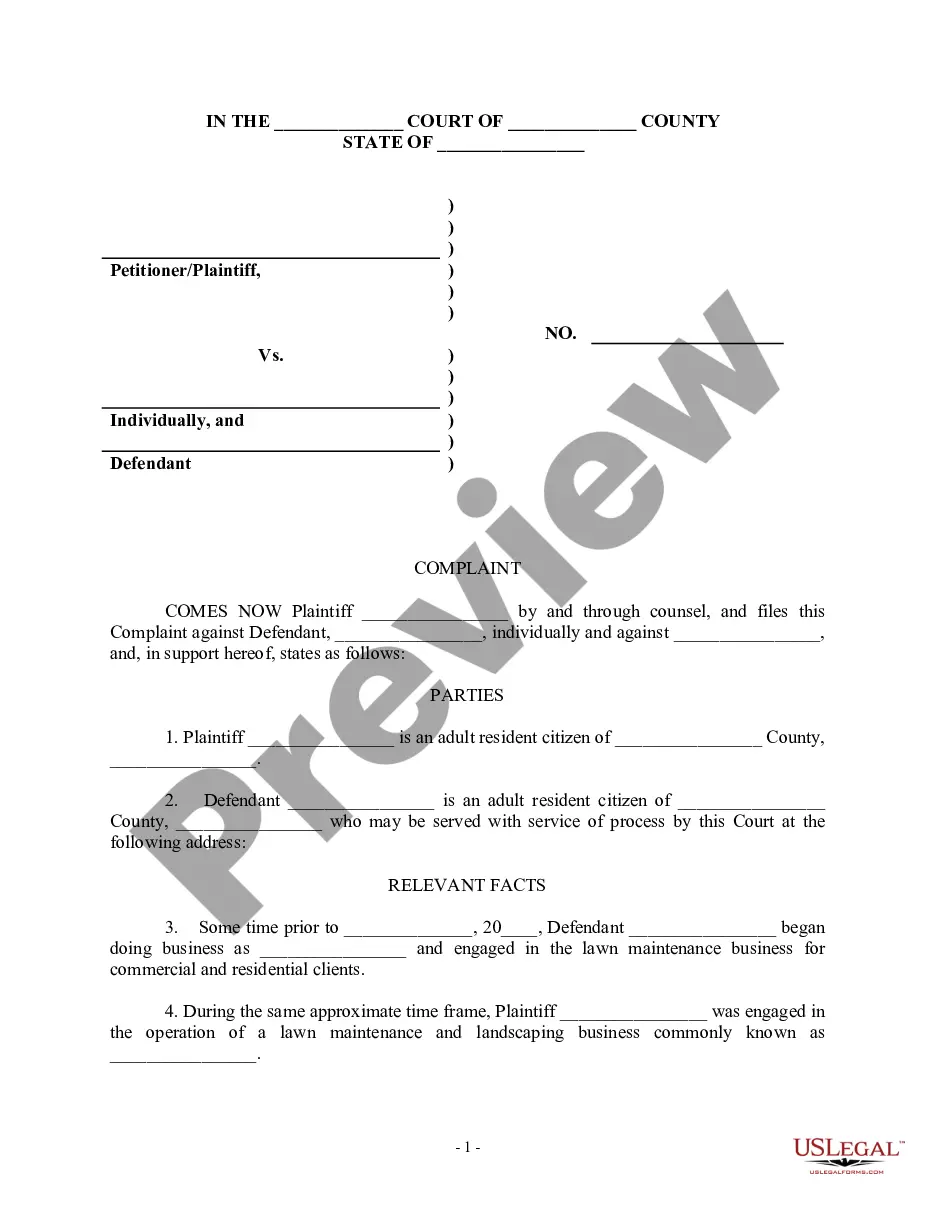
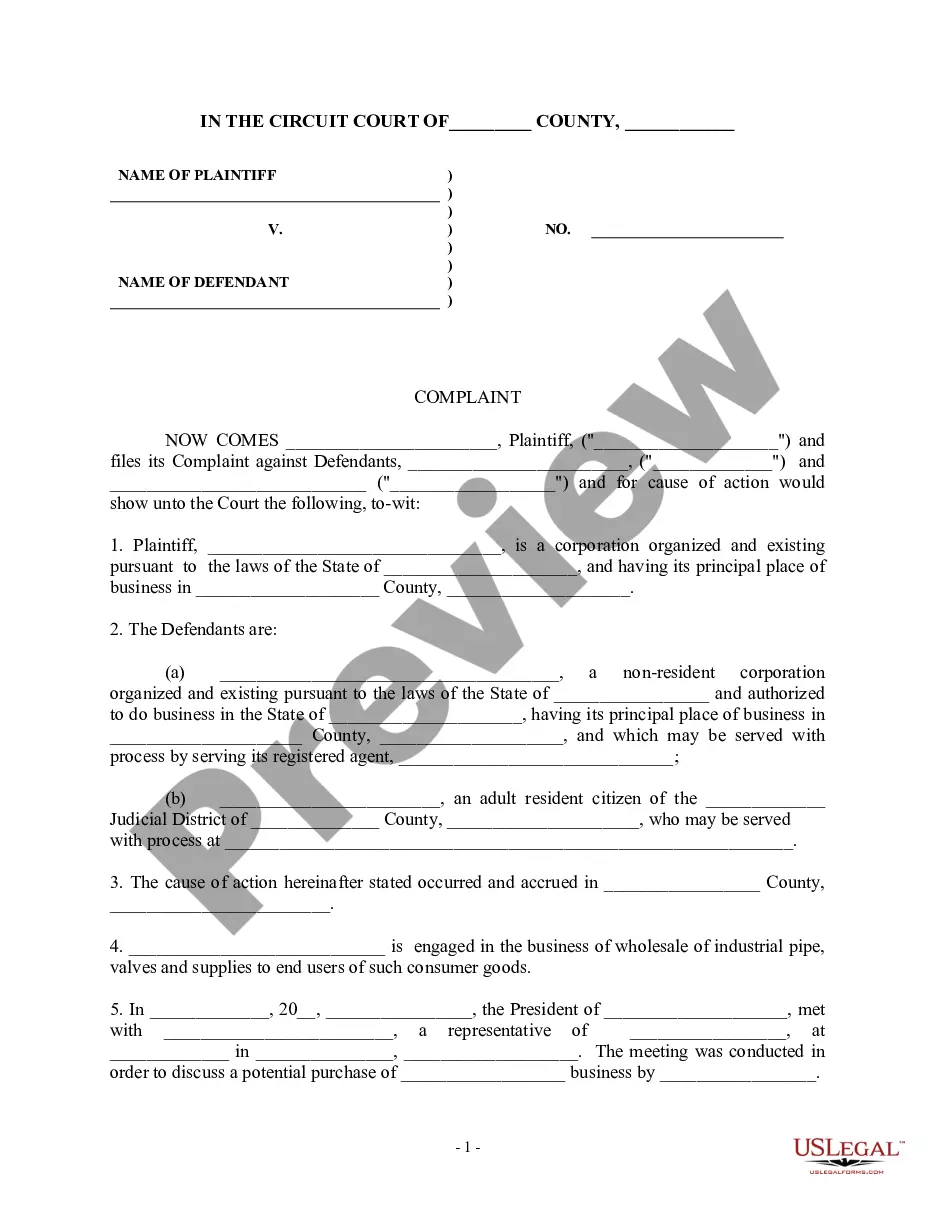

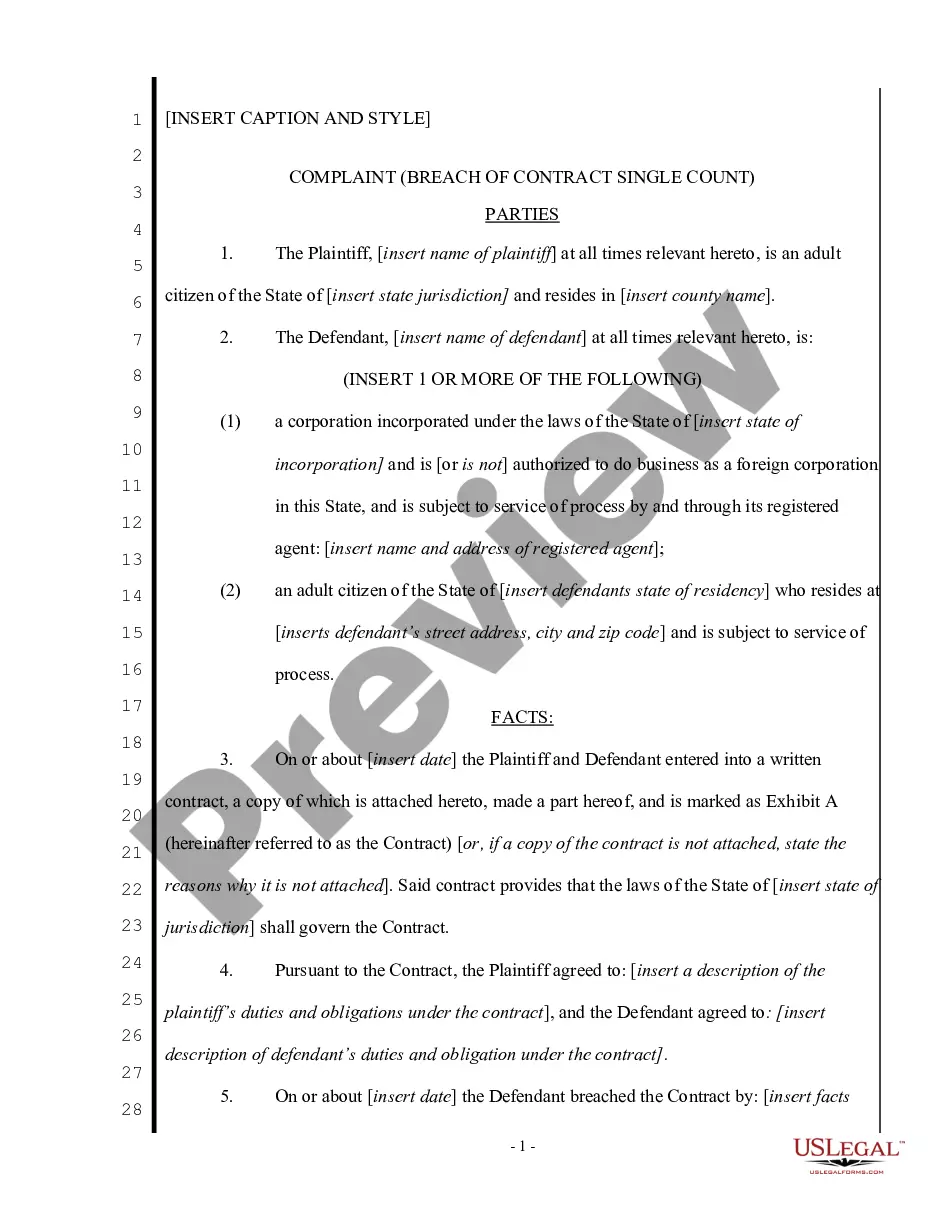
Get your form ready online
Our built-in tools help you complete, sign, share, and store your documents in one place.
Make edits, fill in missing information, and update formatting in US Legal Forms—just like you would in MS Word.
Download a copy, print it, send it by email, or mail it via USPS—whatever works best for your next step.
Sign and collect signatures with our SignNow integration. Send to multiple recipients, set reminders, and more. Go Premium to unlock E-Sign.
If this form requires notarization, complete it online through a secure video call—no need to meet a notary in person or wait for an appointment.
We protect your documents and personal data by following strict security and privacy standards.

Make edits, fill in missing information, and update formatting in US Legal Forms—just like you would in MS Word.

Download a copy, print it, send it by email, or mail it via USPS—whatever works best for your next step.

Sign and collect signatures with our SignNow integration. Send to multiple recipients, set reminders, and more. Go Premium to unlock E-Sign.

If this form requires notarization, complete it online through a secure video call—no need to meet a notary in person or wait for an appointment.

We protect your documents and personal data by following strict security and privacy standards.
Looking for another form?









Form popularity
FAQ
What Is an Example of Injunctive Relief? Theft of Clients: If a former employee poaches a company's clients, the innocent party may try to stop the former client from causing further damage. Breach of Contract: Injunctive relief is an effective way to stop an offending party from continuing to breach a contract.
There are four main trademark infringement defenses that may be available for a defendant against a claim of trademark infringement: Doctrine of laches; Estoppel; Unclean hands; and. Fair use doctrine or collateral use doctrine.
The Lanham Act establishes a national system of trademark registration and grants owners of federally registered trademarks the right to pursue civil remedies for trademark infringement, trademark dilution, cybersquatting, and false advertising.
The most common remedy for trademark infringement is injunctive relief. Injunctions are court orders commanding that the infringer immediately cease its unlawful activities. Injunctions address future conduct rather than past actions.
Key Patent Infringement Defenses Invalidity based on prior art (anticipation or obviousness) Failure to meet statutory limits (laches) Failure to meet the statutory requirements. A defense of inequitable conduct.
To warrant preliminary injunctive relief, the moving party must show (1) a substantial likelihood of success on the merits, (2) that it would suffer irrepa- rable injury if the injunction were not granted, (3) that an injunction would not substantially injure other interested parties, and (4) that the public interest ...
The two main defenses are fair use and parody. The fair use defense applies to descriptive trademarks and argues that the trademark was used in good faith for its primary meaning, not the secondary meaning that is protected.
Breaking Down The Elements To prevail on a claim of trademark infringement, a plaintiff must establish that it has a valid mark entitled to protection; and that the defendant used the same or a similar mark in commerce in connection with the sale or advertising of goods or services without the plaintiff's consent.
To support a trademark infringement claim in court, a plaintiff must prove that it owns a valid mark, that it has priority (its rights in the mark(s) are "senior" to the defendant's), and that the defendant's mark is likely to cause confusion in the minds of consumers about the source or sponsorship of the goods or ...
