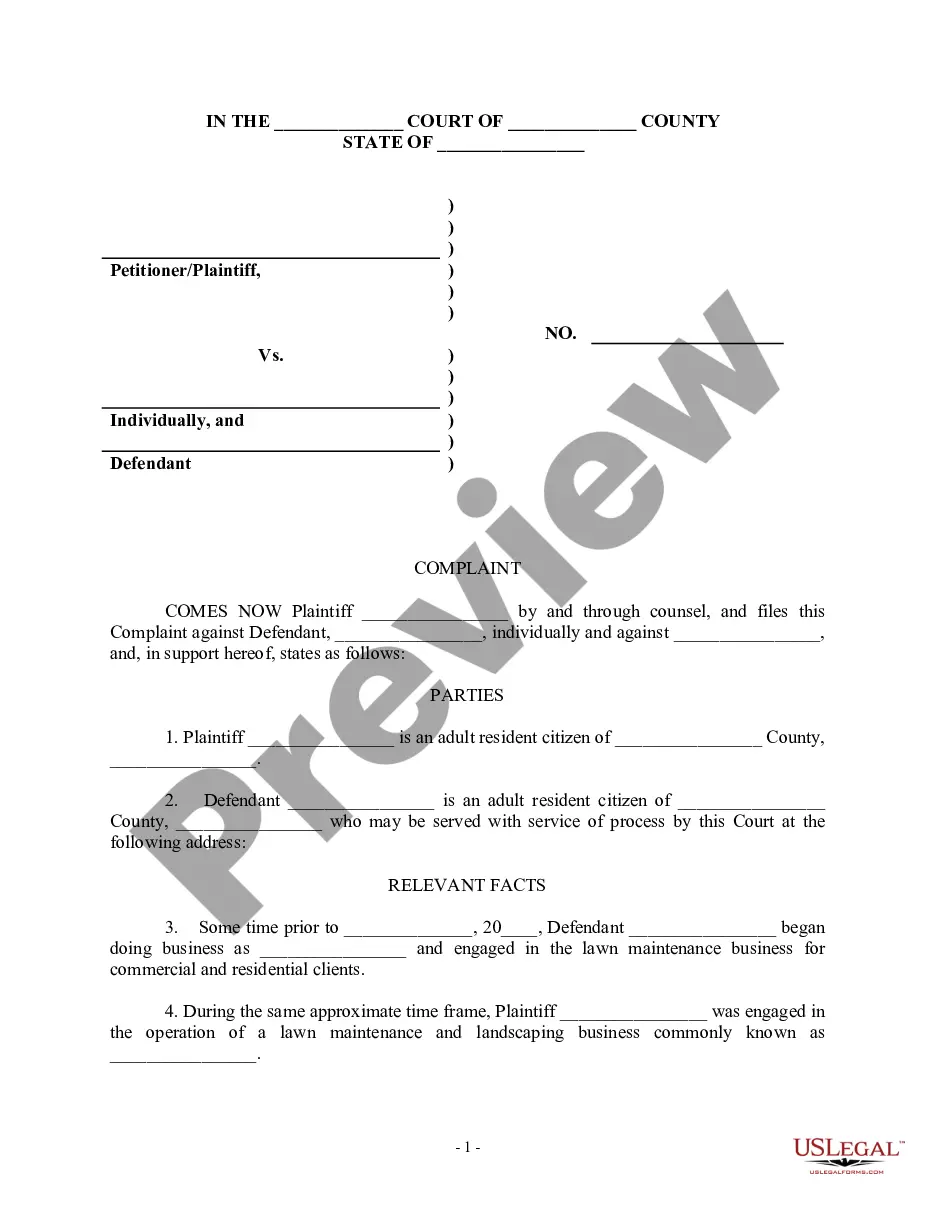
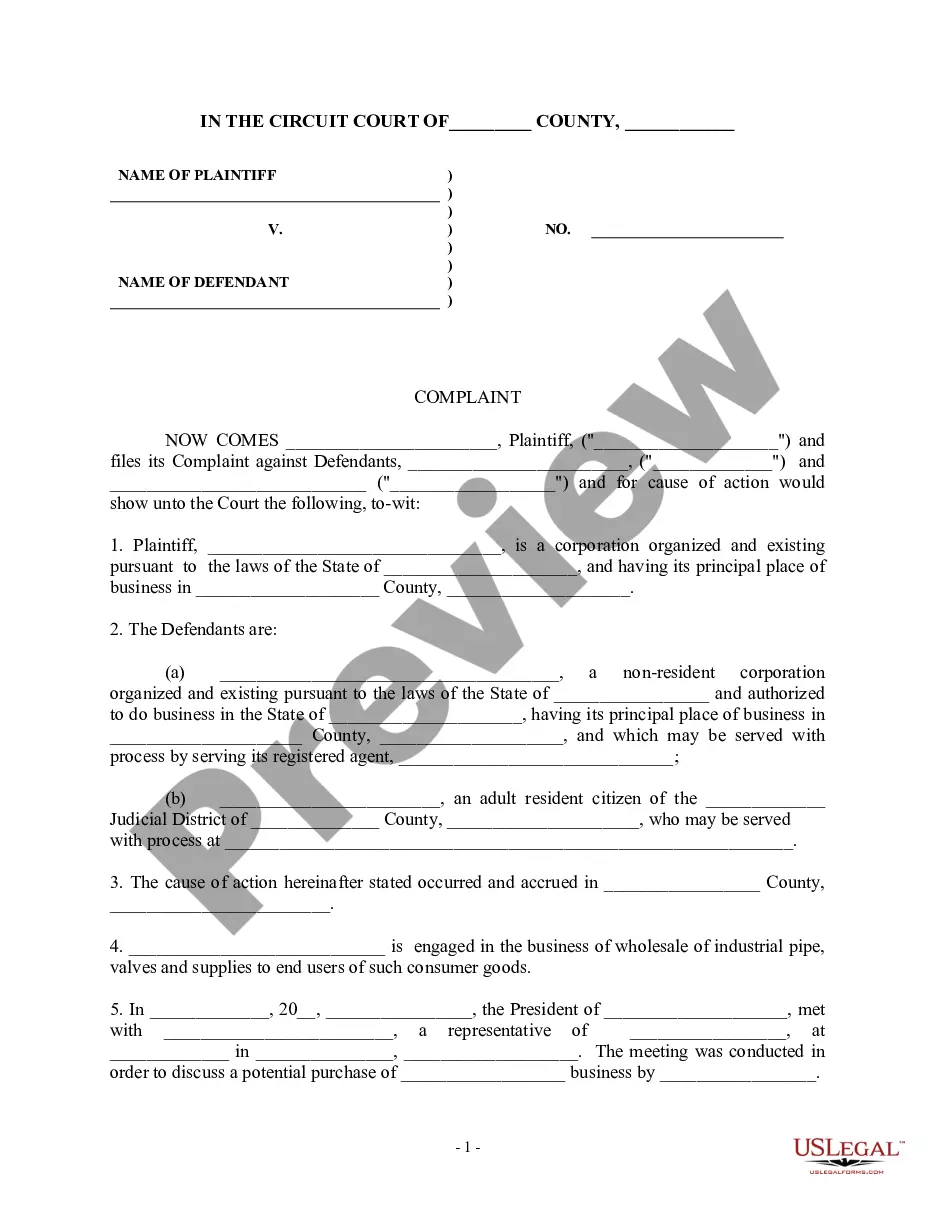
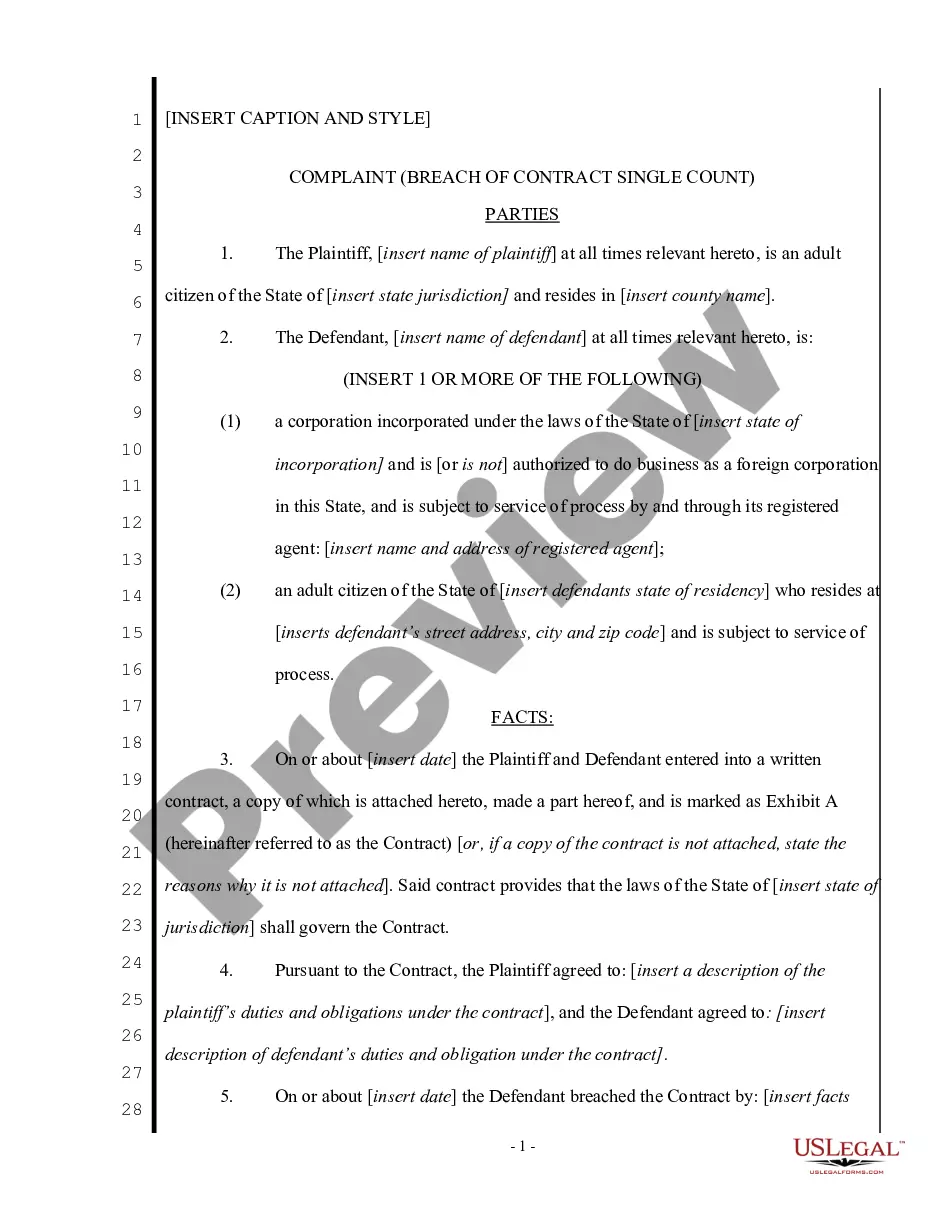
Complaint Prayer For Relief In Wake
Description

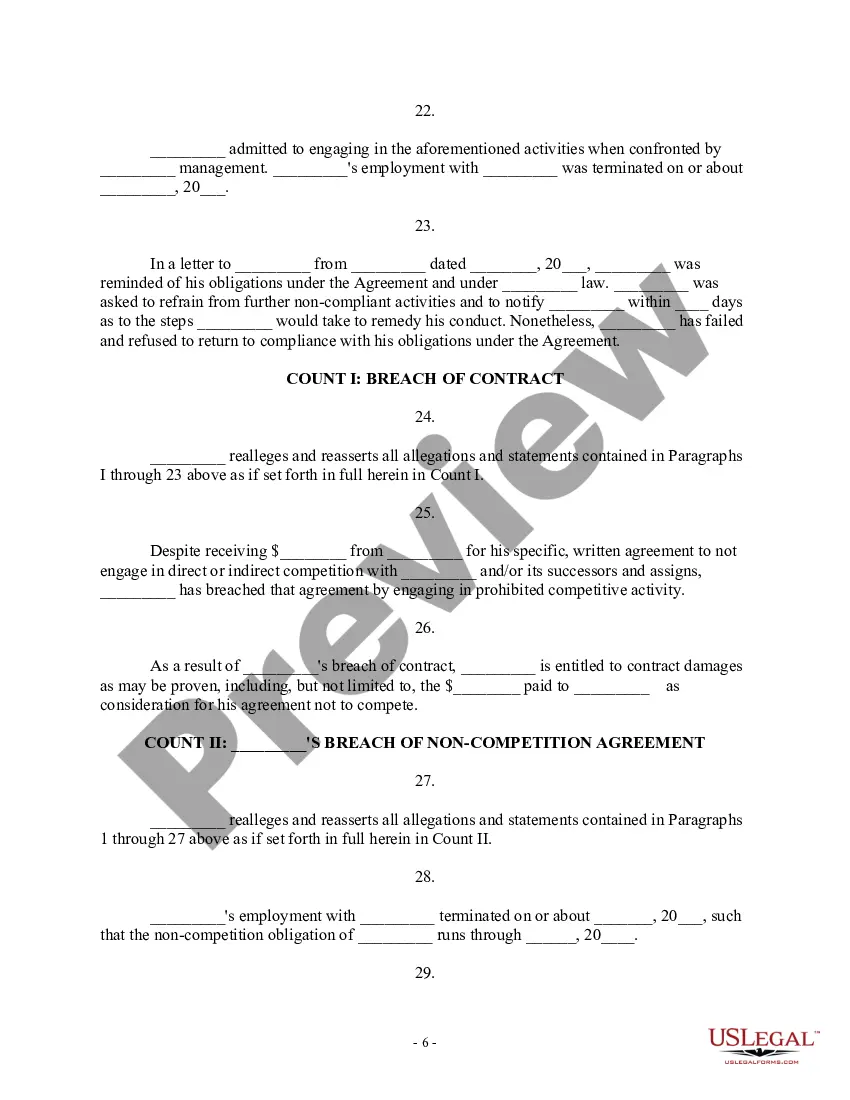
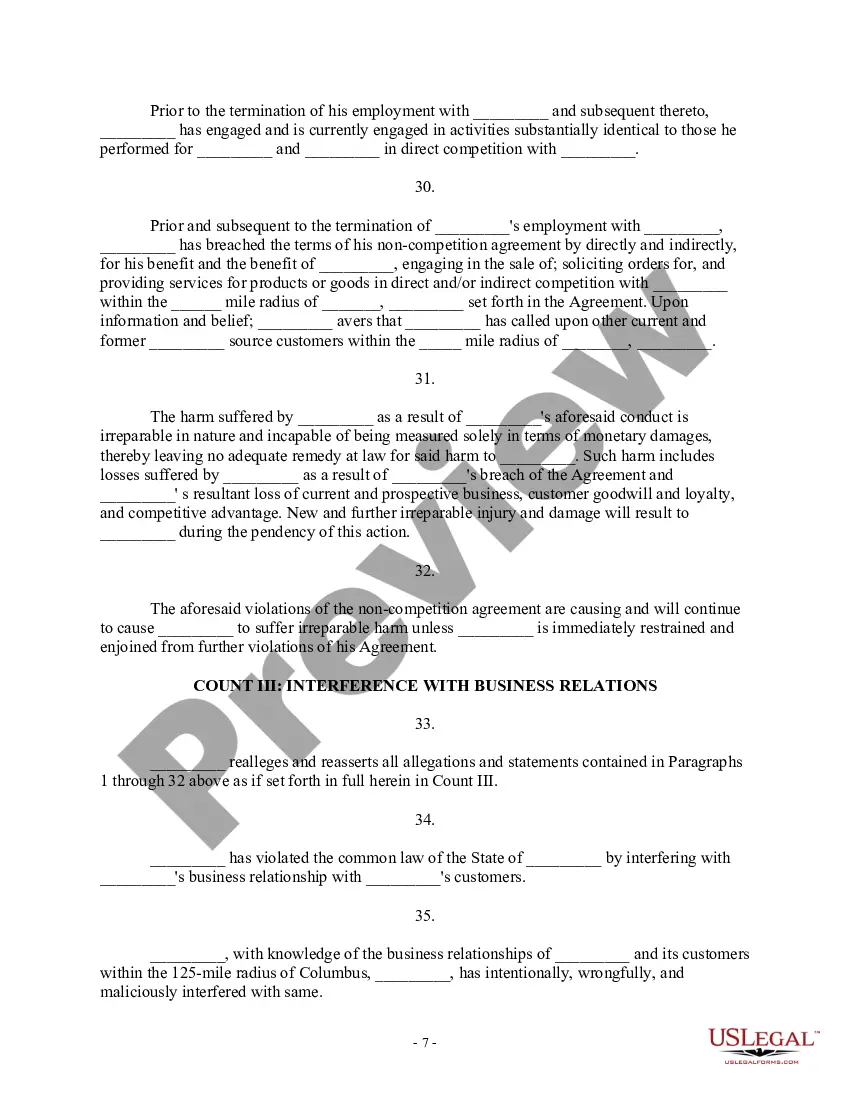
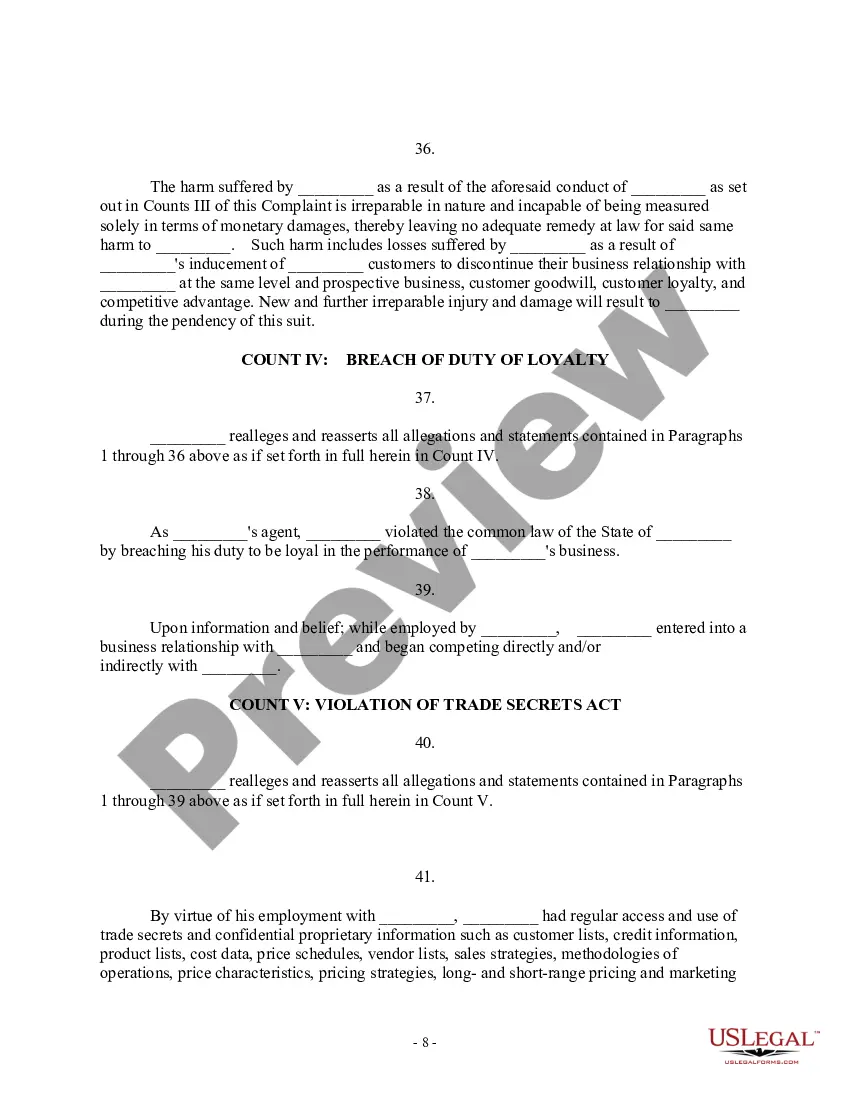
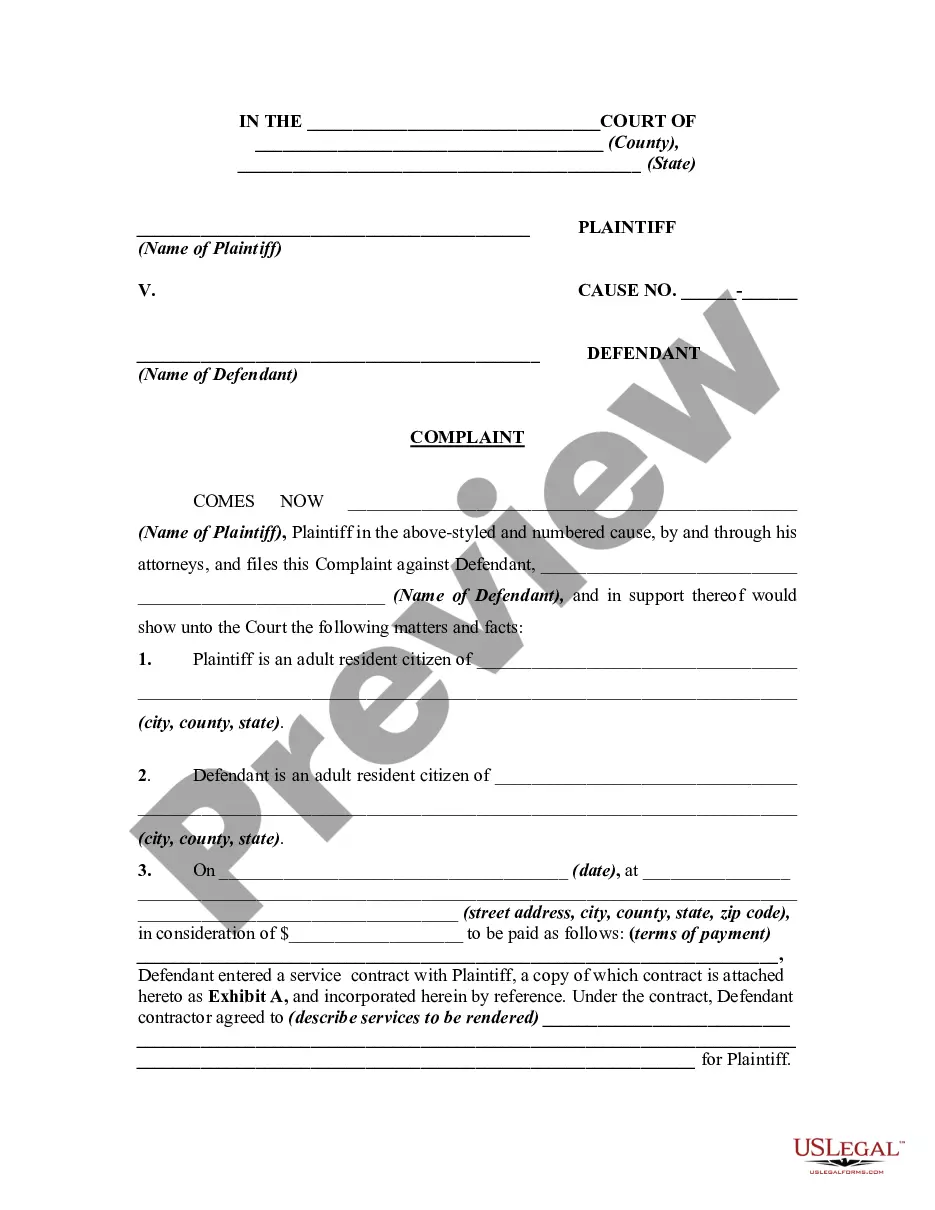

Get your form ready online
Our built-in tools help you complete, sign, share, and store your documents in one place.
Make edits, fill in missing information, and update formatting in US Legal Forms—just like you would in MS Word.
Download a copy, print it, send it by email, or mail it via USPS—whatever works best for your next step.
Sign and collect signatures with our SignNow integration. Send to multiple recipients, set reminders, and more. Go Premium to unlock E-Sign.
If this form requires notarization, complete it online through a secure video call—no need to meet a notary in person or wait for an appointment.
We protect your documents and personal data by following strict security and privacy standards.

Make edits, fill in missing information, and update formatting in US Legal Forms—just like you would in MS Word.

Download a copy, print it, send it by email, or mail it via USPS—whatever works best for your next step.

Sign and collect signatures with our SignNow integration. Send to multiple recipients, set reminders, and more. Go Premium to unlock E-Sign.

If this form requires notarization, complete it online through a secure video call—no need to meet a notary in person or wait for an appointment.

We protect your documents and personal data by following strict security and privacy standards.
Looking for another form?




Form popularity
FAQ
Instead, Predatory Prayer assumes the worst about someone. It delights in spreading discord and creating suspicion. A person who speaks in such a way doesn't love their neighbor, they deign to love their neighbor.
In its broad sense, a prayer is a request or a request. In legal practice, a prayer is the part of the details of the claim (brief or brief) when a lawyer asks the court what he wants for his client, as directly as possible. In addition, the term prayer applies to the segment of the bill that contains this request.
A prayer for relief, in the law of civil procedure, is a portion of a complaint in which the plaintiff describes the remedies that the plaintiff seeks from the court.
If you realize your mistake during the prayer, you can adjust your position to face the qibla properly. If you discover the error after completing the prayer, you do not need to repeat it, and you can seek forgiveness from Allah and be mindful of the qibla direction in your future prayers.
Heavenly Father, giver of life and health: Comfort and relieve your sick servant, and give your power of healing to those who minister to his needs, that he may be strengthened in his weakness and have confidence in your loving care; through Jesus Christ our Lord. Amen.
A prayer for relief, in the law of civil procedure, is a portion of a complaint in which the plaintiff describes the remedies that the plaintiff seeks from the court.
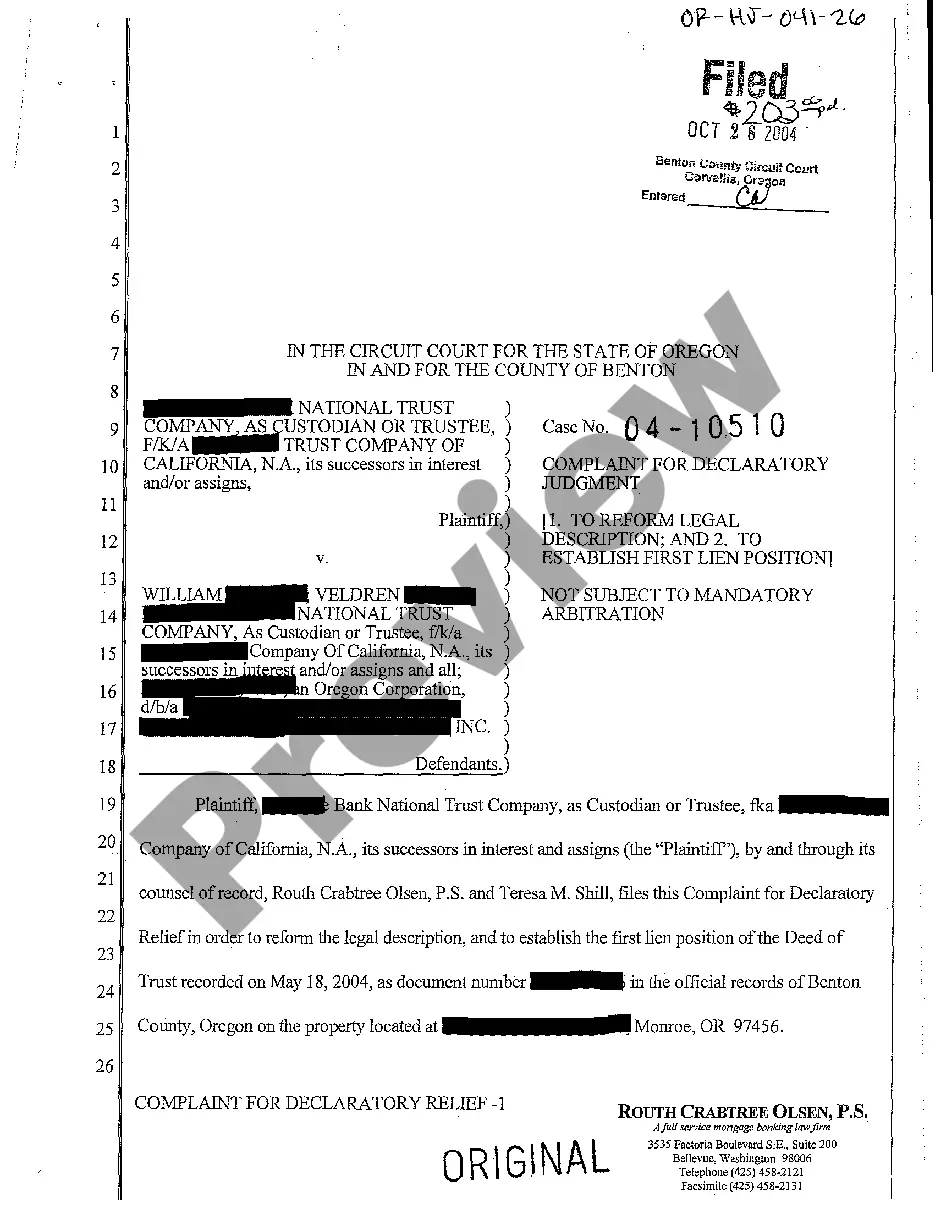
In an action for a declaratory judgment, the demand for relief in the complaint shall specify the rights and other legal relations on which a declaration is requested and state whether further or consequential relief is or could be claimed and the nature and extent of any such relief which is claimed.
In such cases, a party may seek relief to protect or enforce their legal rights even in the absence of a direct injury. For example, relief can be sought through a declaratory judgment, where a court is asked to determine the legal rights or status of parties without ordering any specific action or awarding damages.
Your answer should include the court name, case name, case number, and your affirmative defenses. Print three copies of your answer. File one with the clerk's office and mail (or “serve”) one to the plaintiff or plaintiff's attorney.
The prayer for relief is the part of complaint where a plaintiff states the damages or other remedies it is seeking from the court in a lawsuit. Federal Rules of Civil Procedure 8(a)(3) requires that a plaintiff's pleadings contains a prayer for relief. The prayer is often located at the end of the complaint.
