Complaint Injunctive Form With Decimals In Virginia
Description

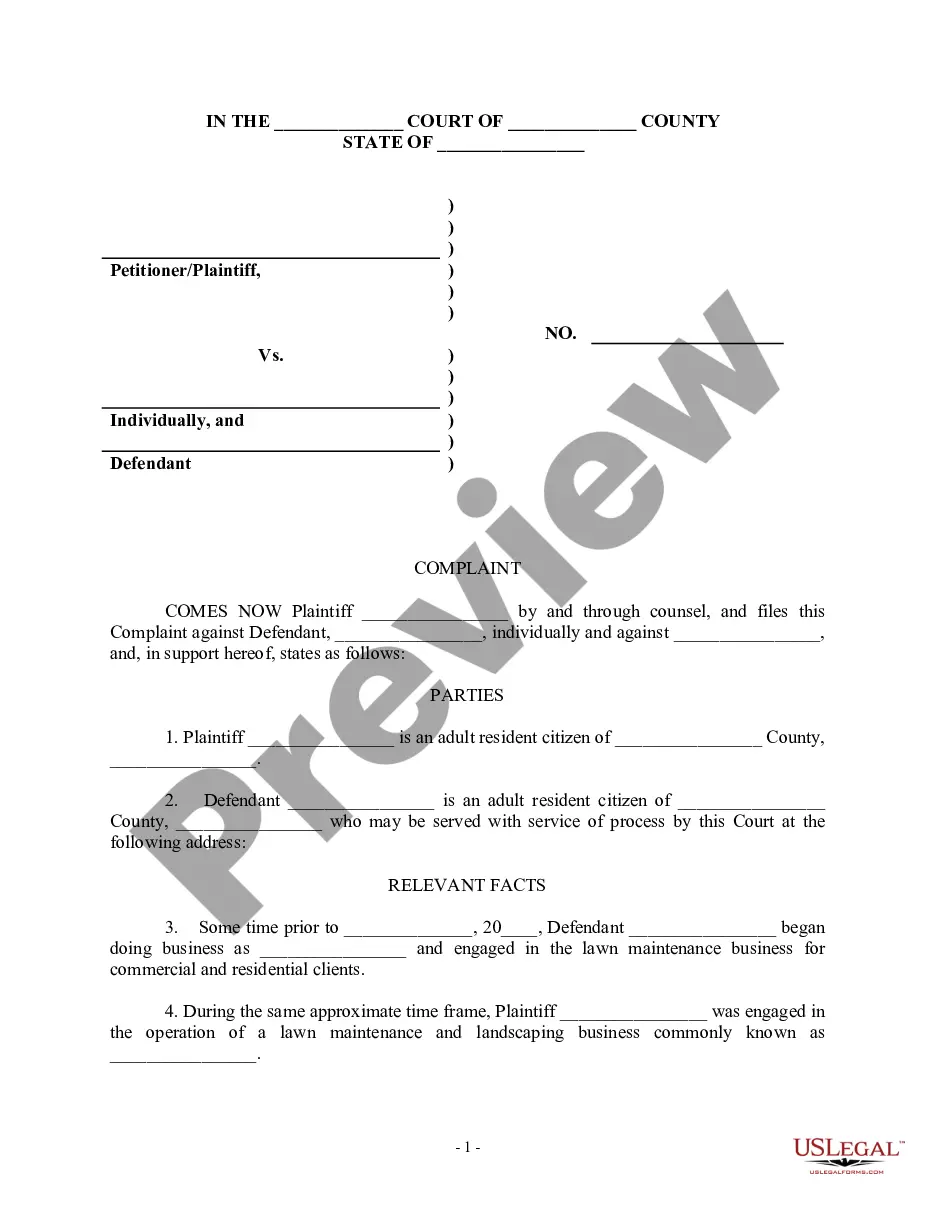
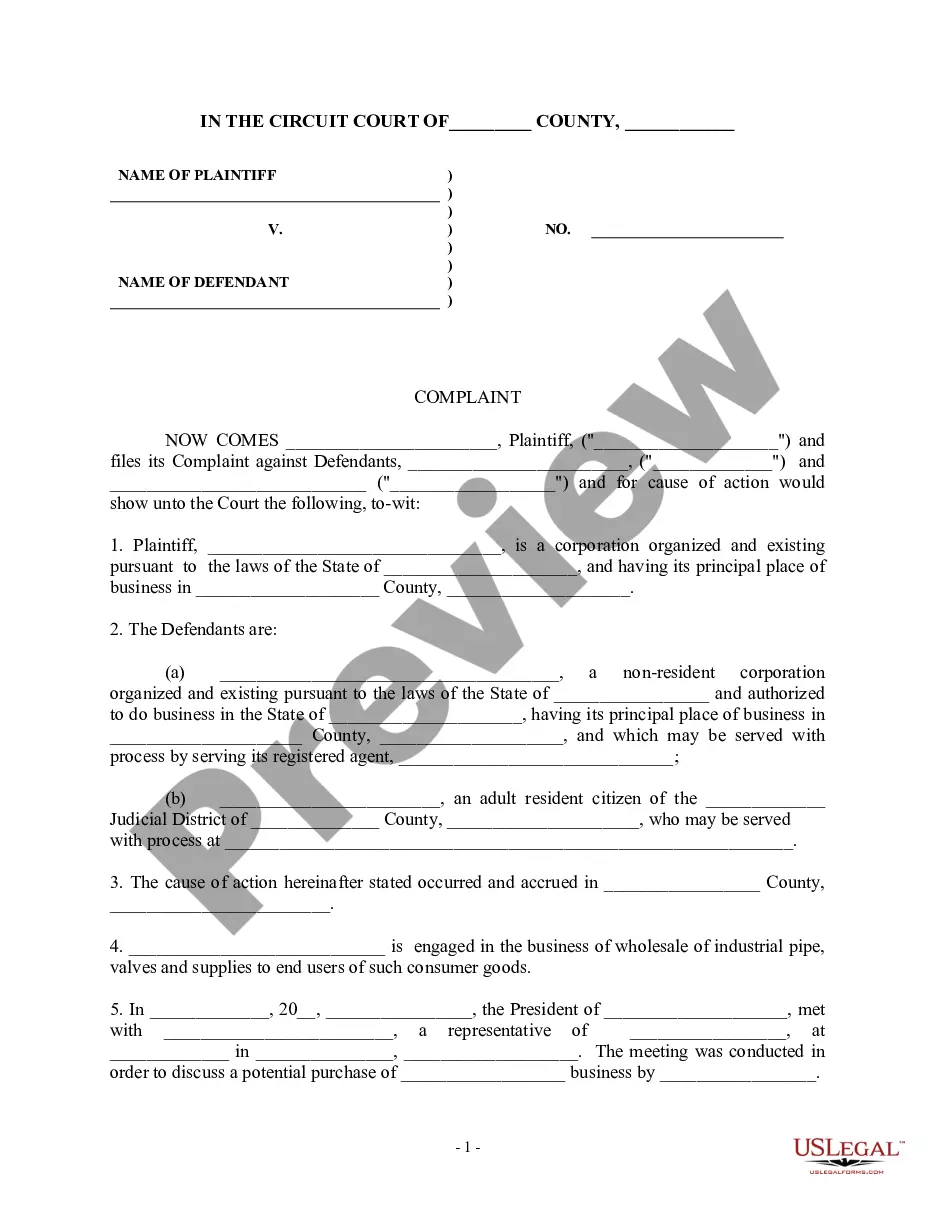

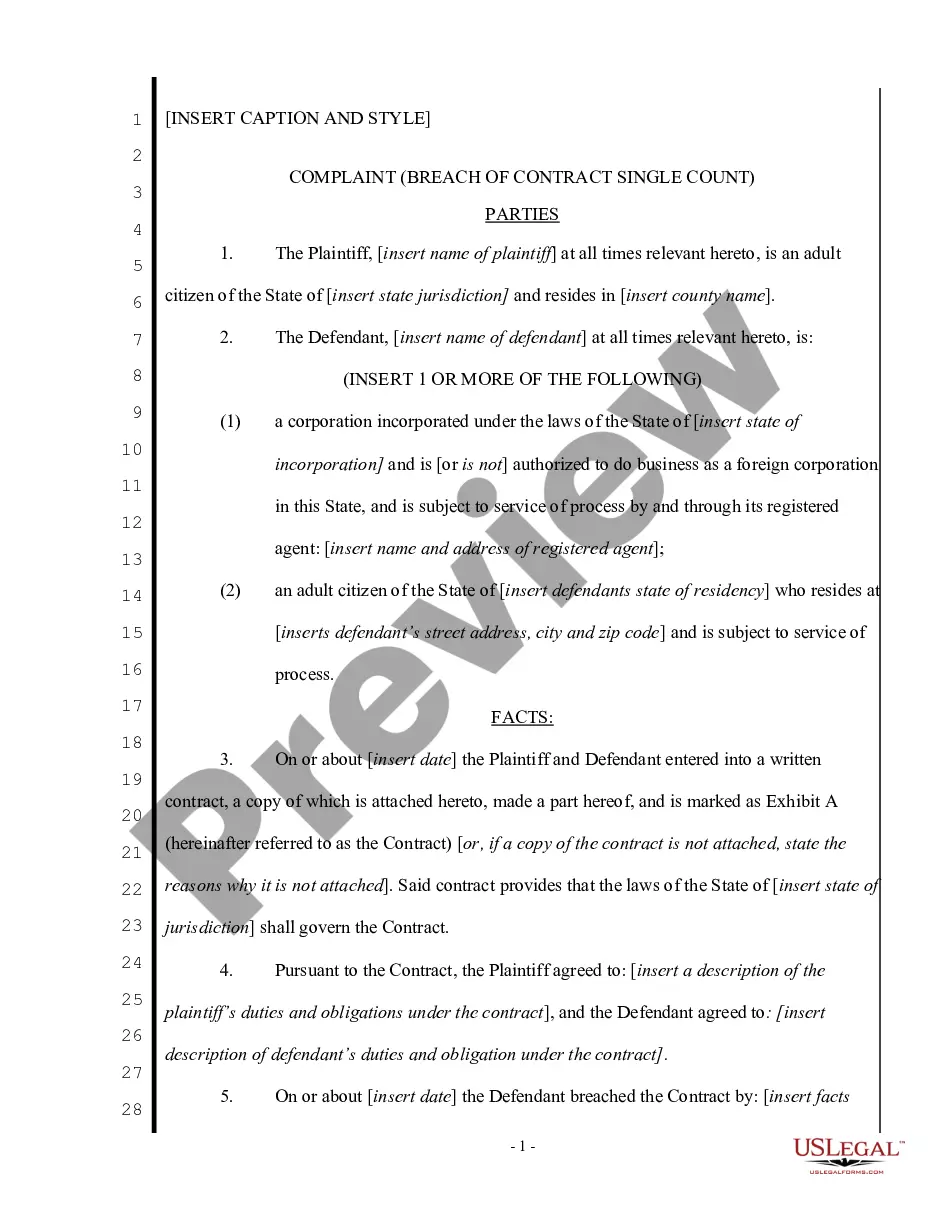
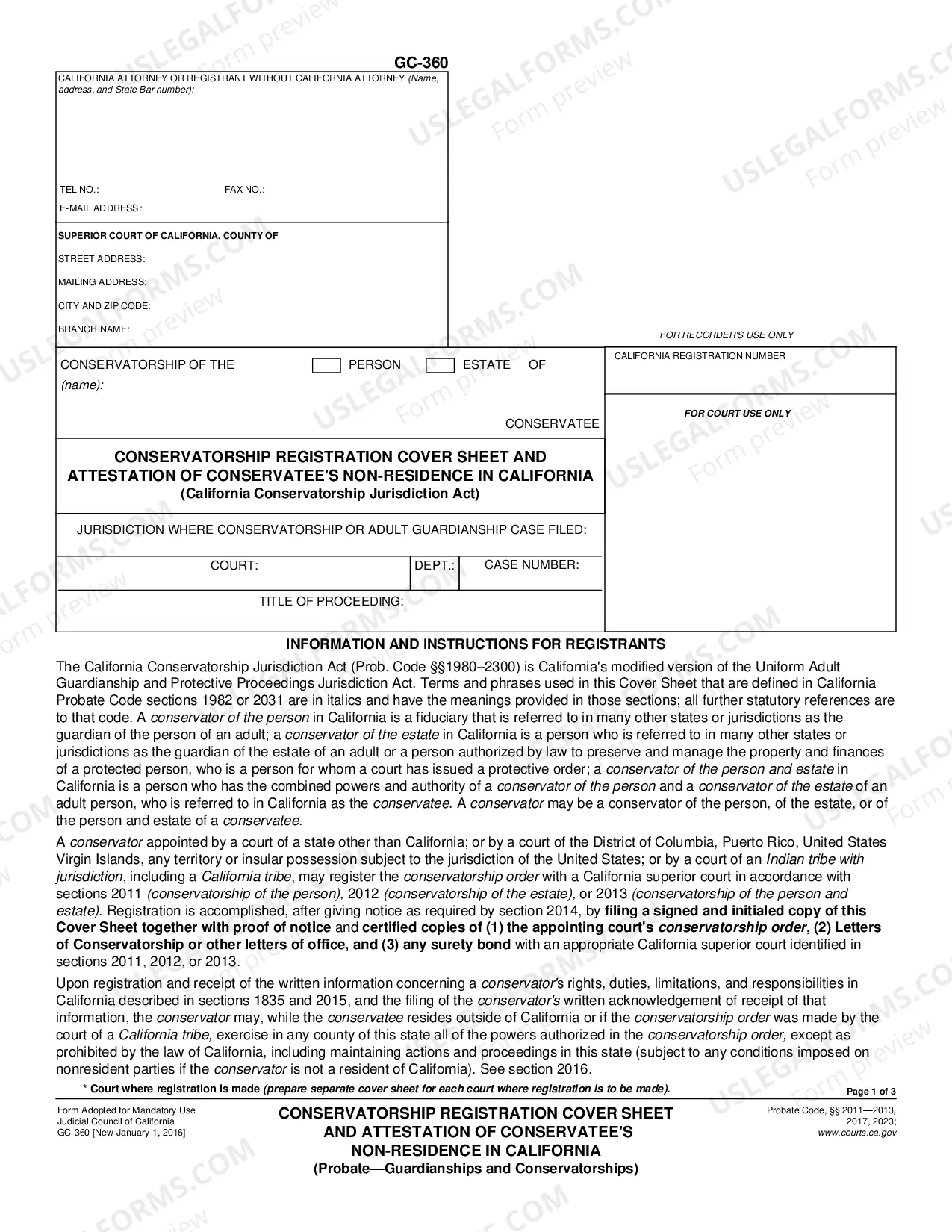
Get your form ready online
Our built-in tools help you complete, sign, share, and store your documents in one place.
Make edits, fill in missing information, and update formatting in US Legal Forms—just like you would in MS Word.
Download a copy, print it, send it by email, or mail it via USPS—whatever works best for your next step.
Sign and collect signatures with our SignNow integration. Send to multiple recipients, set reminders, and more. Go Premium to unlock E-Sign.
If this form requires notarization, complete it online through a secure video call—no need to meet a notary in person or wait for an appointment.
We protect your documents and personal data by following strict security and privacy standards.

Make edits, fill in missing information, and update formatting in US Legal Forms—just like you would in MS Word.

Download a copy, print it, send it by email, or mail it via USPS—whatever works best for your next step.

Sign and collect signatures with our SignNow integration. Send to multiple recipients, set reminders, and more. Go Premium to unlock E-Sign.

If this form requires notarization, complete it online through a secure video call—no need to meet a notary in person or wait for an appointment.

We protect your documents and personal data by following strict security and privacy standards.
Looking for another form?








Form popularity
FAQ
An injunction may be awarded to protect any plaintiff in a suit for specific property, pending either at law or in equity, against injury from the sale, removal, or concealment of such property. Code 1950, § 8-612; 1977, c. 617.
Every circuit court shall have jurisdiction to award injunctions, including cases involving violations of the Uniform Statewide Building Code, whether the judgment or proceeding enjoined be in or out of the circuit, or the party against whose proceedings the injunction be asked resides in or out of the circuit.
Under Virginia state law (Code of Virginia § 8.01-581.15), medical malpractice caps exist for all types of medical malpractice claims – from birth injuries and wrongful birth to cases involving surgical errors and misdiagnoses or failures to diagnose an underlying condition.
§ 8.01-623. Injunction against decree subject to bill of review; limitations to bill of review. A court allowing a bill of review may award an injunction to the decree to be reviewed.
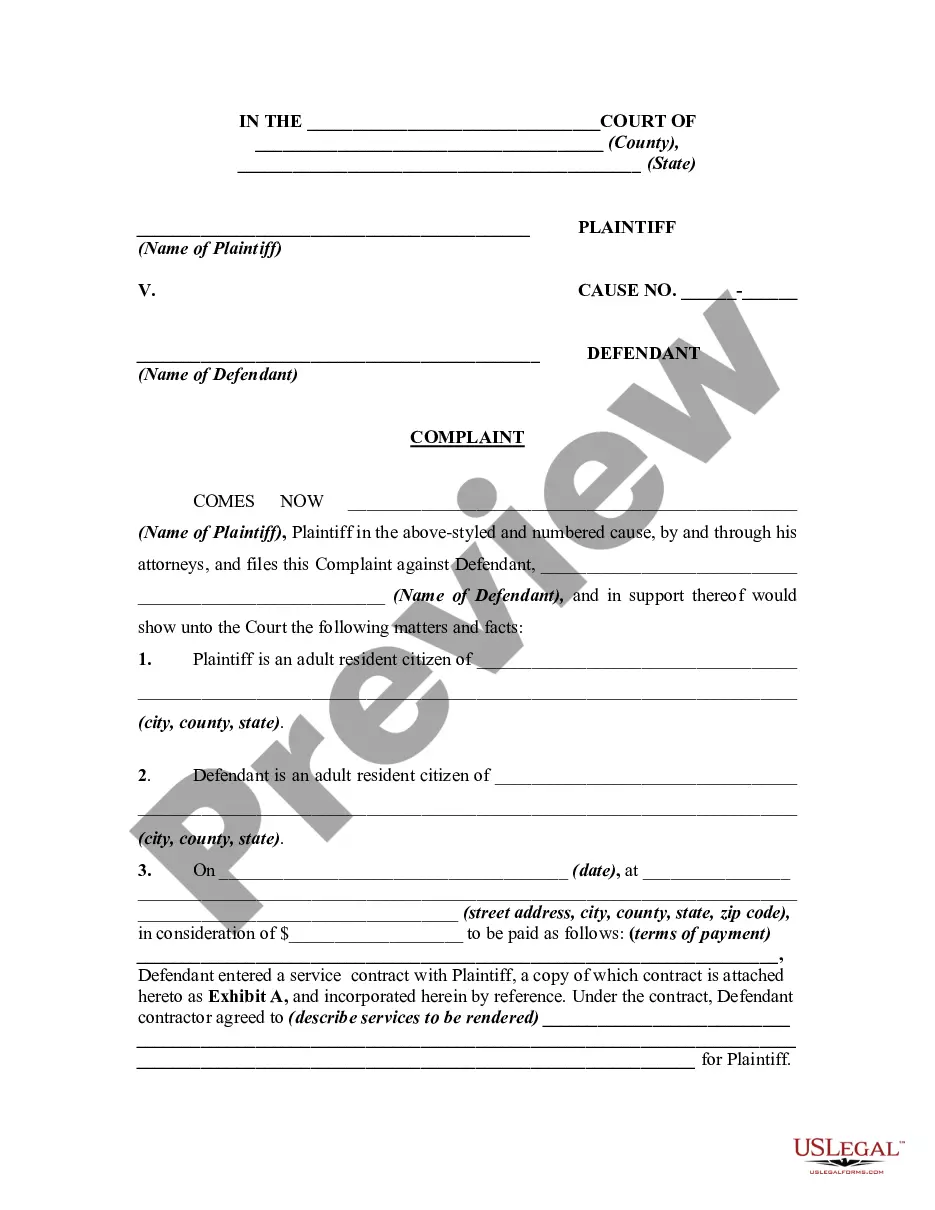
State as briefly as possible the facts showing that each plaintiff is entitled to the injunction or other relief sought. State how each defendant was involved and what each defendant did that caused the plaintiff harm or violated the plaintiff's rights, including the dates and places of that involvement or conduct.
In any unlawful detainer case filed under § 8.01-126, if a judge grants the plaintiff a judgment for possession of the premises, upon request of the plaintiff, the judge shall further order that the writ of eviction issue immediately upon entry of judgment for possession.
An injunction is a court order requiring a person to do or cease doing a specific action. There are three types of injunctions: Permanent injunctions, Temporary restraining orders and preliminary injunctions.
Injunctive relief, also known as an “injunction,” is a legal remedy that may be sought from the courts to require a defendant to stop doing something (or requiring them to do something).
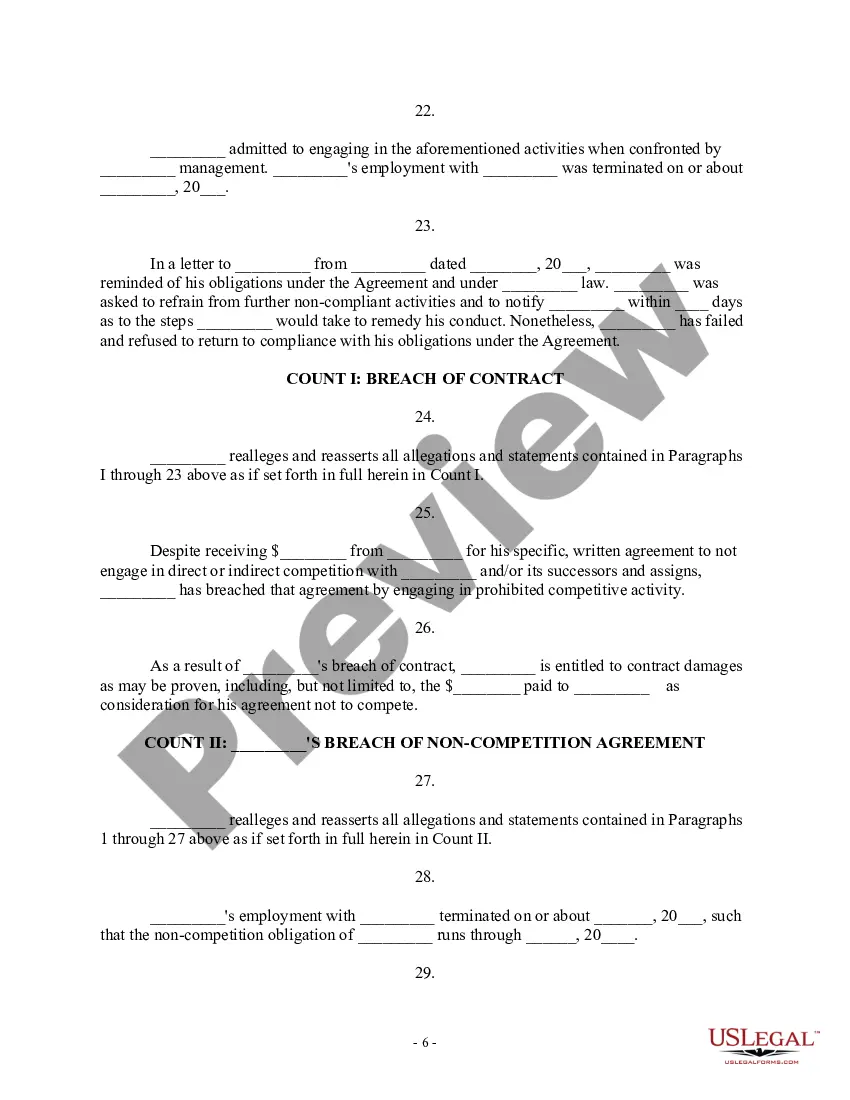
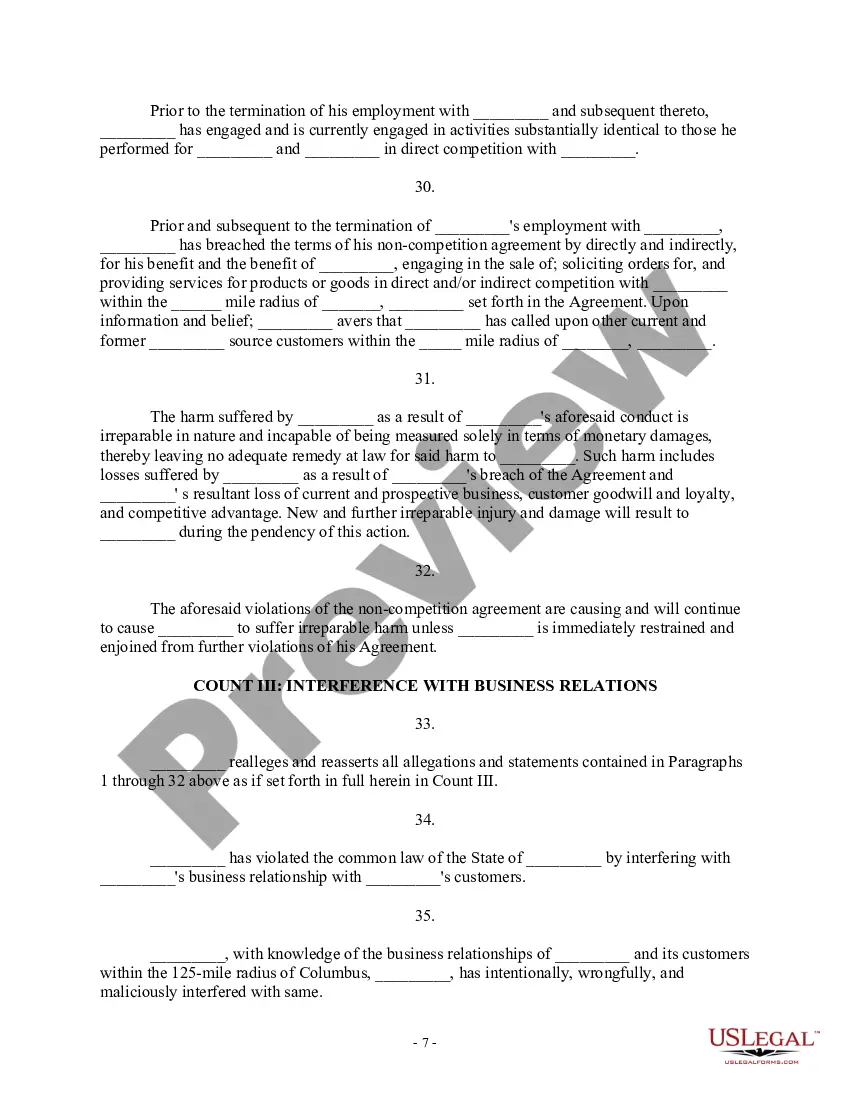
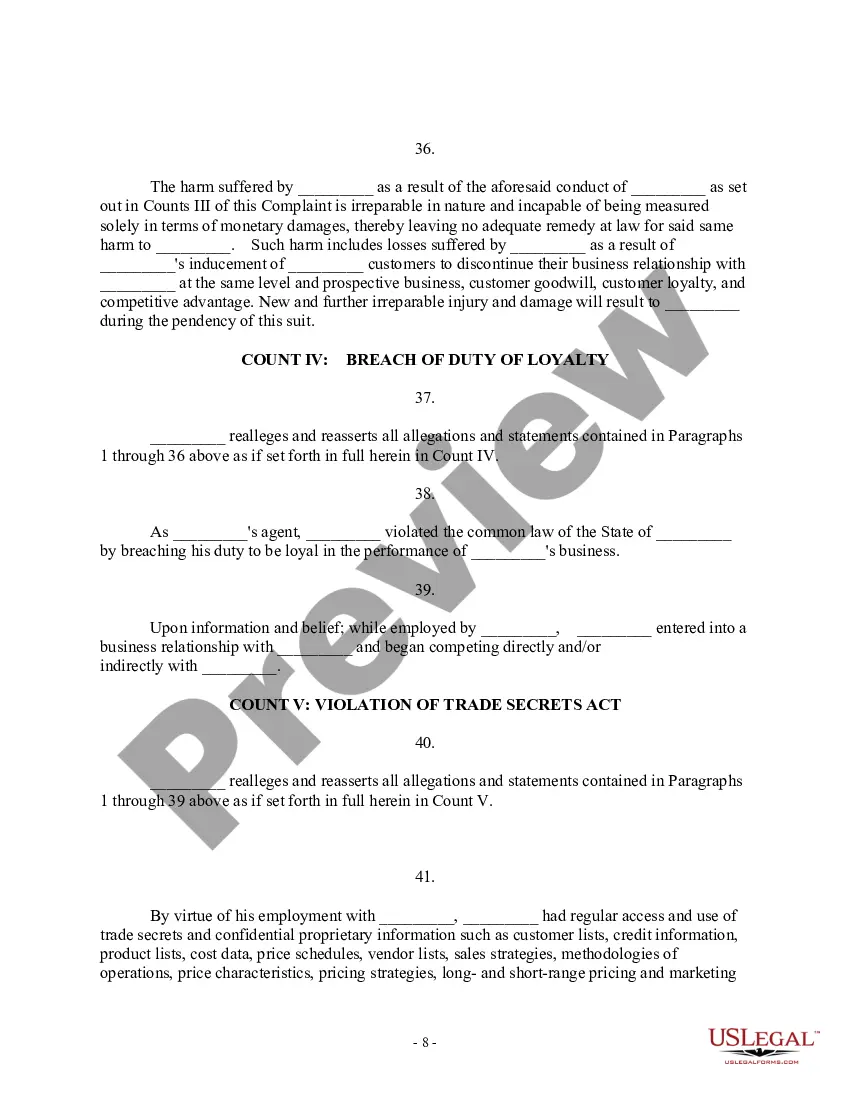
What Is an Example of Injunctive Relief? Theft of Clients: If a former employee poaches a company's clients, the innocent party may try to stop the former client from causing further damage. Breach of Contract: Injunctive relief is an effective way to stop an offending party from continuing to breach a contract.
