Complaint Relief Without Surgery In Utah
Description

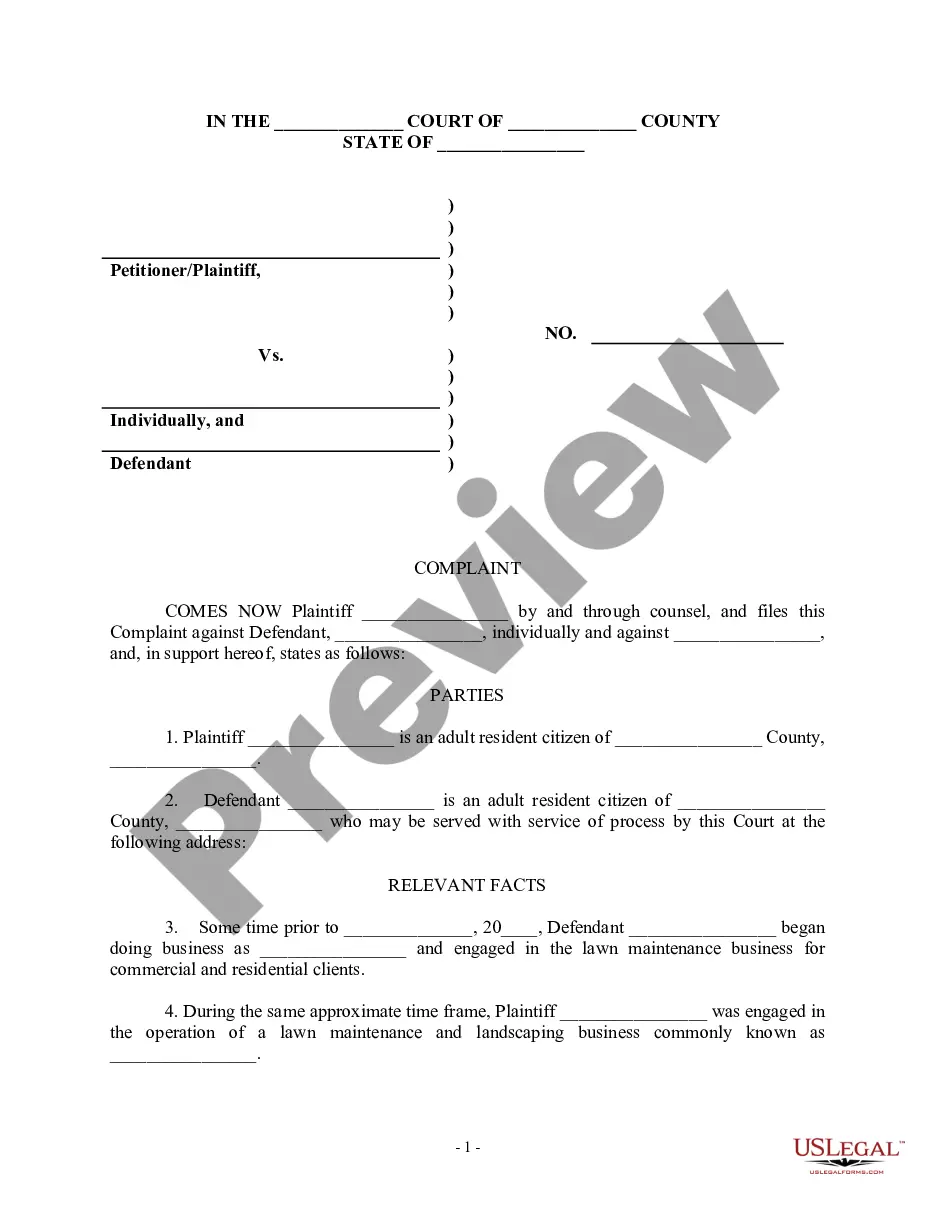
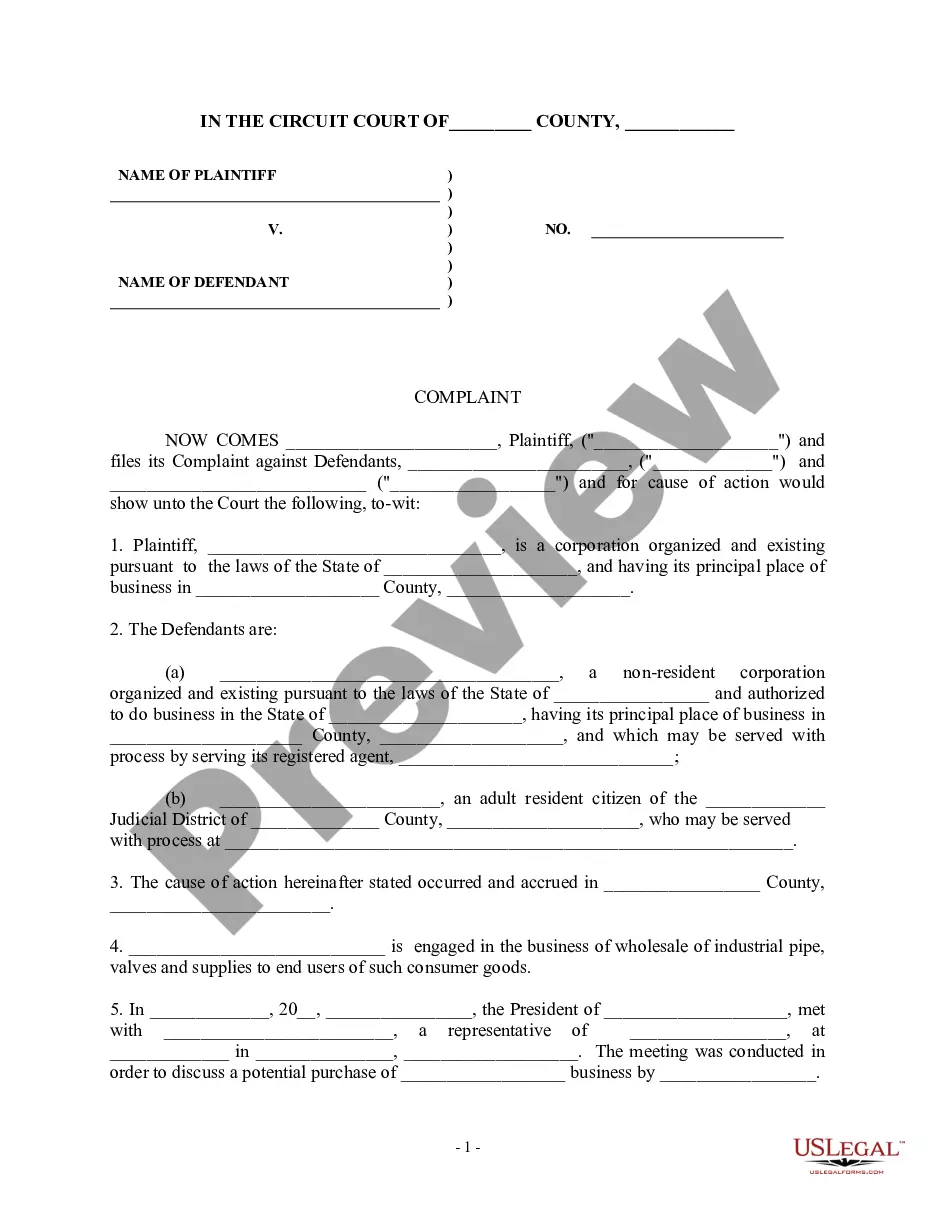

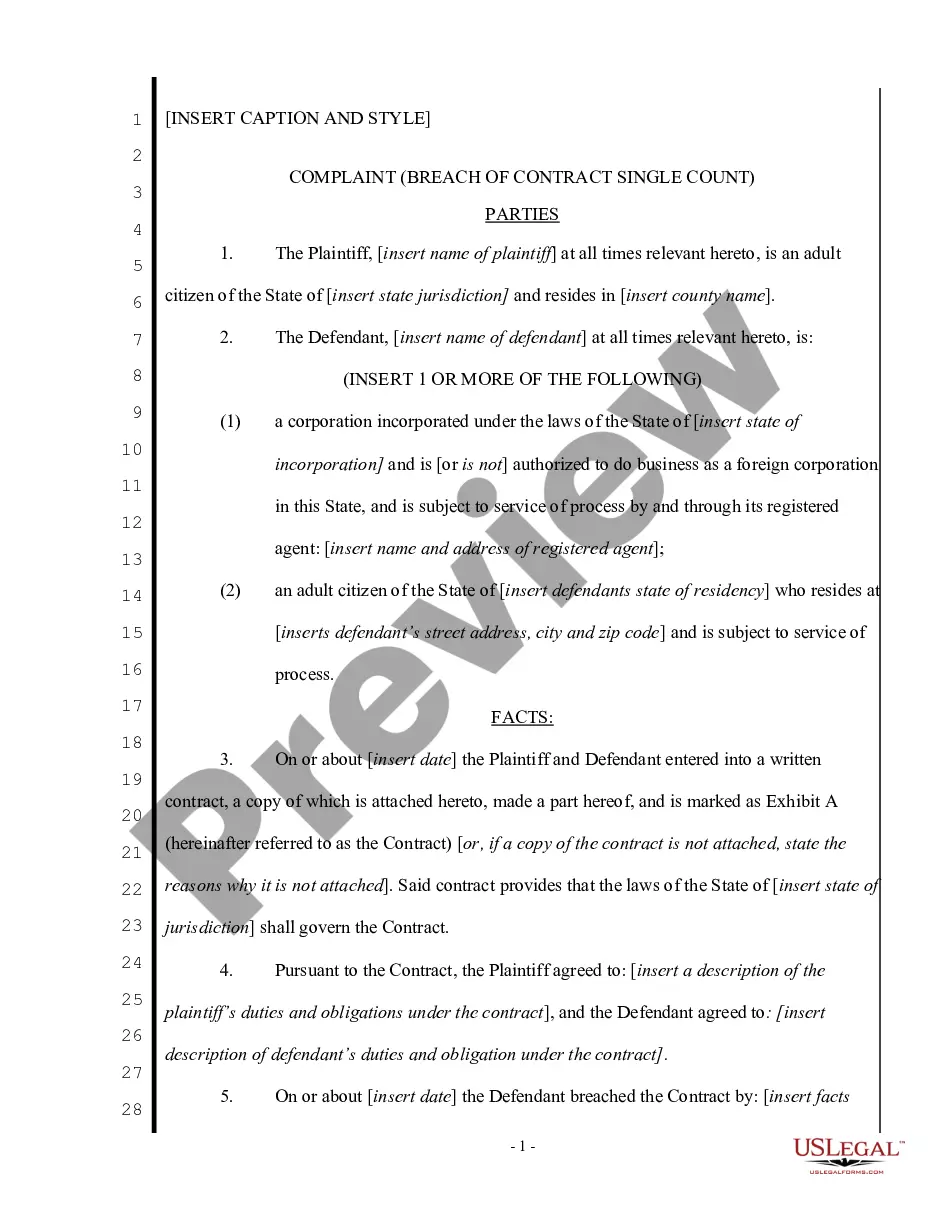
Get your form ready online
Our built-in tools help you complete, sign, share, and store your documents in one place.
Make edits, fill in missing information, and update formatting in US Legal Forms—just like you would in MS Word.
Download a copy, print it, send it by email, or mail it via USPS—whatever works best for your next step.
Sign and collect signatures with our SignNow integration. Send to multiple recipients, set reminders, and more. Go Premium to unlock E-Sign.
If this form requires notarization, complete it online through a secure video call—no need to meet a notary in person or wait for an appointment.
We protect your documents and personal data by following strict security and privacy standards.

Make edits, fill in missing information, and update formatting in US Legal Forms—just like you would in MS Word.

Download a copy, print it, send it by email, or mail it via USPS—whatever works best for your next step.

Sign and collect signatures with our SignNow integration. Send to multiple recipients, set reminders, and more. Go Premium to unlock E-Sign.

If this form requires notarization, complete it online through a secure video call—no need to meet a notary in person or wait for an appointment.

We protect your documents and personal data by following strict security and privacy standards.
Looking for another form?









Form popularity
FAQ
United States v. Norris, 281 U.S. 619 (1930). Under Federal Rule of Criminal Procedure 11, a plea of nolo contendere shall be accepted by the court only with its consent and only after it gives due consideration to the views of the parties and the interest of the public in the effective administration of justice.
These papers can be served by: Mailing them to the last known address provided. Handing them to the person. Emailing them to the most recent email address provided.
Signing Pleadings, Motions, and Other Papers; Representations to the Court; Sanctions. (a) Signature. Every pleading, written motion, and other paper must be signed by at least one attorney of record in the attorney's name – or by a party personally if the party is unrepresented.
Party Verification. Rule 11 requires papers to be signed by an attorney unless there is no attorney. In other systems of rule, including in some states, sometimes the litigants themselves are required to verify the facts and papers filed before the courts.
Rule 11 was designed to highlight the importance of constitutional rights by requiring the judge in district court to discuss these rights with the defendant before accepting his plea. In other words, Rule 11 was created to help the defendant understand the basic consequences of the decision to plead guilty.
(a) Motion. To enforce a court order or to obtain a sanctions order for violation of an order, including in supplemental proceedings under Rule 64, a party must file an ex parte motion to enforce order and for sanctions (if requested), pursuant to this rule and Rule 7.
Rule 11 was designed to highlight the importance of constitutional rights by requiring the judge in district court to discuss these rights with the defendant before accepting his plea. In other words, Rule 11 was created to help the defendant understand the basic consequences of the decision to plead guilty.
The Attorney General represents the United States in legal matters generally and gives advice and opinions to the President and to the heads of the executive departments of the Government when so requested. In matters of exceptional gravity or importance the Attorney General appears in person before the Supreme Court.
Reyes and his wife Saysha have six children. A member of the Church of Jesus Christ of Latter-day Saints (LDS Church), Reyes was a bishop in Salt Lake City for five years in his early career.
The attorney general of Utah is an elected constitutional officer in the executive branch of the state government of Utah. The attorney general is the chief legal officer and legal adviser in the state.
