Complaint Relief Without Drugs In Utah
Description













Get your form ready online
Our built-in tools help you complete, sign, share, and store your documents in one place.
Make edits, fill in missing information, and update formatting in US Legal Forms—just like you would in MS Word.
Download a copy, print it, send it by email, or mail it via USPS—whatever works best for your next step.
Sign and collect signatures with our SignNow integration. Send to multiple recipients, set reminders, and more. Go Premium to unlock E-Sign.
If this form requires notarization, complete it online through a secure video call—no need to meet a notary in person or wait for an appointment.
We protect your documents and personal data by following strict security and privacy standards.

Make edits, fill in missing information, and update formatting in US Legal Forms—just like you would in MS Word.

Download a copy, print it, send it by email, or mail it via USPS—whatever works best for your next step.

Sign and collect signatures with our SignNow integration. Send to multiple recipients, set reminders, and more. Go Premium to unlock E-Sign.

If this form requires notarization, complete it online through a secure video call—no need to meet a notary in person or wait for an appointment.

We protect your documents and personal data by following strict security and privacy standards.
Looking for another form?
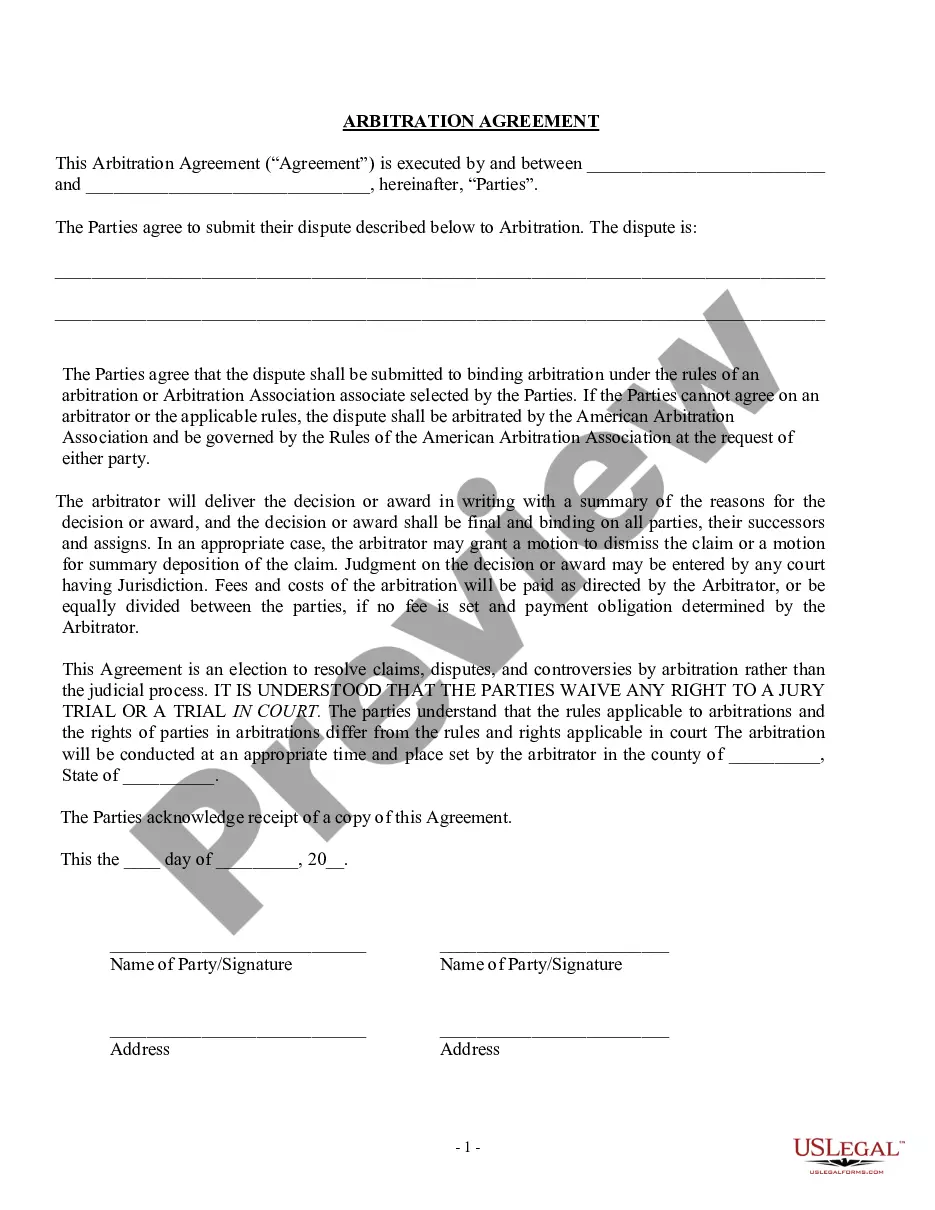



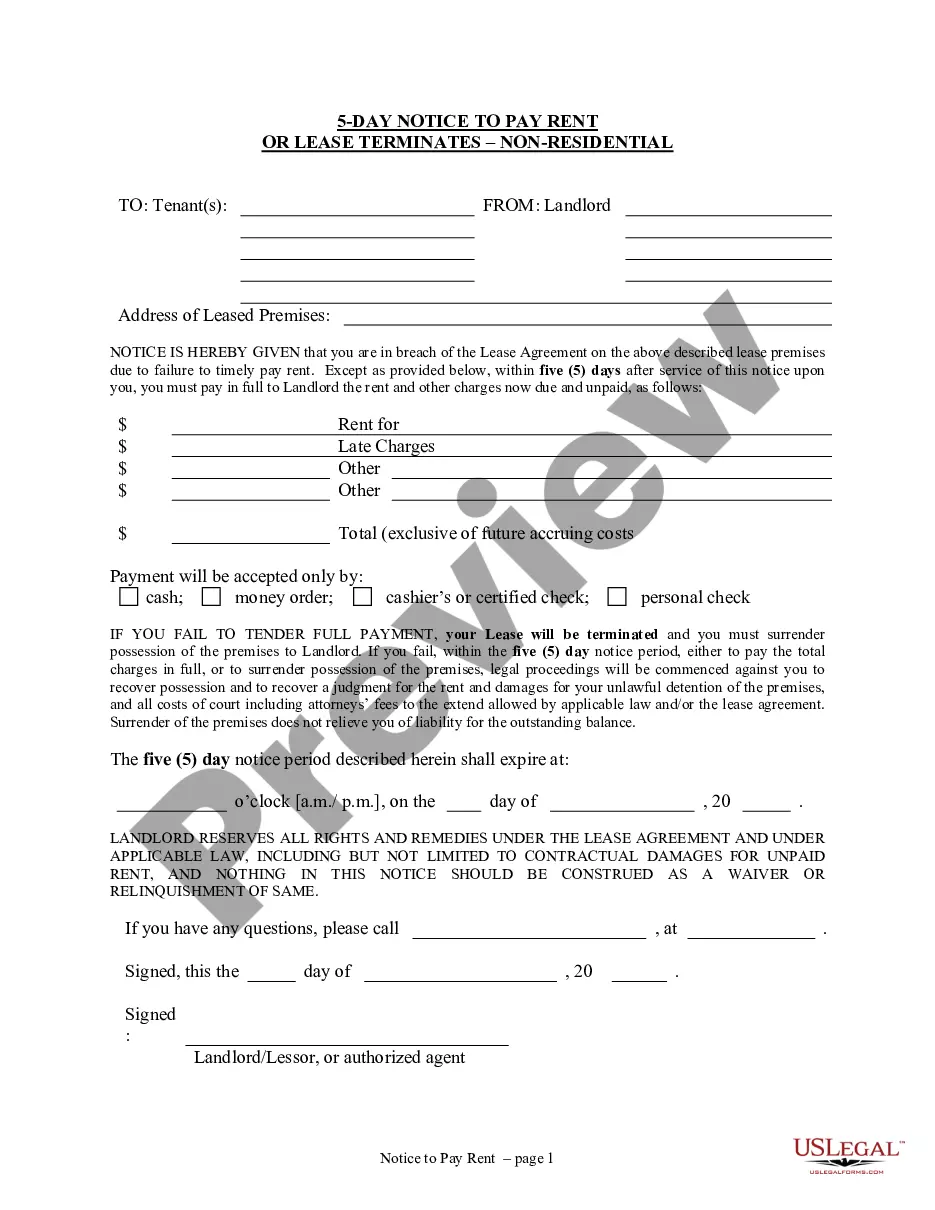
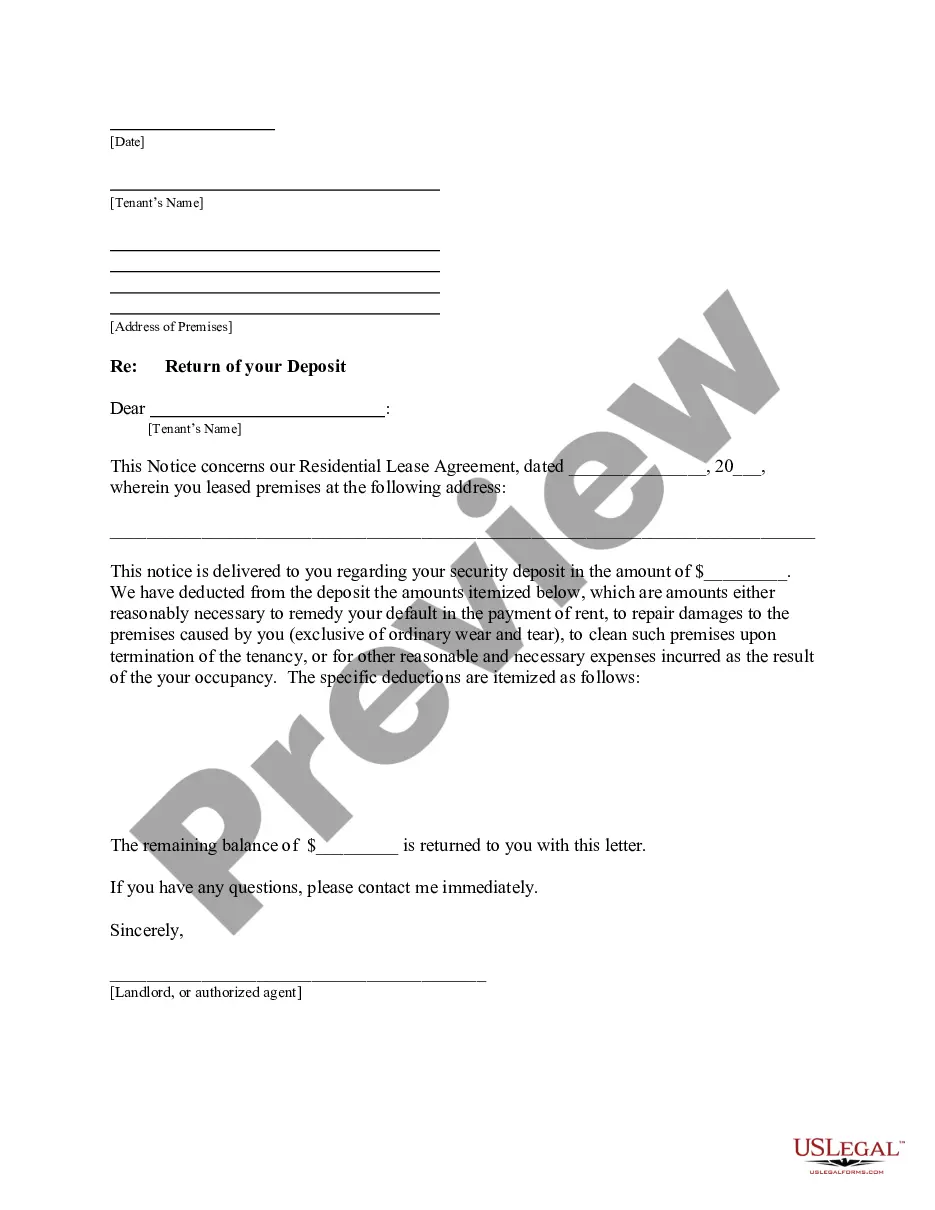




Form popularity
FAQ
The attorney general of Utah is an elected constitutional officer in the executive branch of the state government of Utah. The attorney general is the chief legal officer and legal adviser in the state.
Contact the Division at (801) 530-6601 during normal business hours.
Criminal complaints are normally first started with the application for a complaint, along with an affidavit by the complainant, which is titled an affidavit of probable cause. The judge examines the statements in the application and affidavit.
The affiant must allege facts sufficient to provide the probate court probable cause to believe the person is mentally ill, needs hospitalization and refuses examination or treatment. The person filing the Affidavit must provide the Court with firsthand knowledge of the person's behavior from the last thirty days.
Involuntary: We follow Utah state laws for committing someone who does not check in on their own. To qualify for involuntary commitment, the person must: pose an immediate danger to themself or others or. refuse to undergo a court-ordered interview with a mental health professional.
Under this law, if you meet certain criteria, you can be held for up to 72-hours. This is not a criminal arrest. During that period, mental health professionals will examine you to determine whether you can be safely released, whether voluntary services would be appropriate, or whether you need additional treatment.
(3) A patient committed under this section may be held for a maximum of 72 hours after commitment, excluding Saturdays, Sundays, and legal holidays, unless: (a) as described in Section 26B-5-332, an application for involuntary commitment is commenced, which may be accompanied by an order of detention described in ...
26B-5-332. Involuntary commitment under court order -- Examination -- Hearing -- Power of court -- Findings required -- Costs. a statement whether the proposed patient has previously been under an assisted outpatient treatment order, if known by the applicant.
Commitment White Sheet (Con't) Allows the hospital to detain the patient for mental health evaluation. May be used to hold a patient prior to a court hearing to determine if they need to return for treatment. May order the placement of a court committed patient into a more restrictive setting.
