Injunctive Relief Without Proof Of Damages In Tarrant
Description

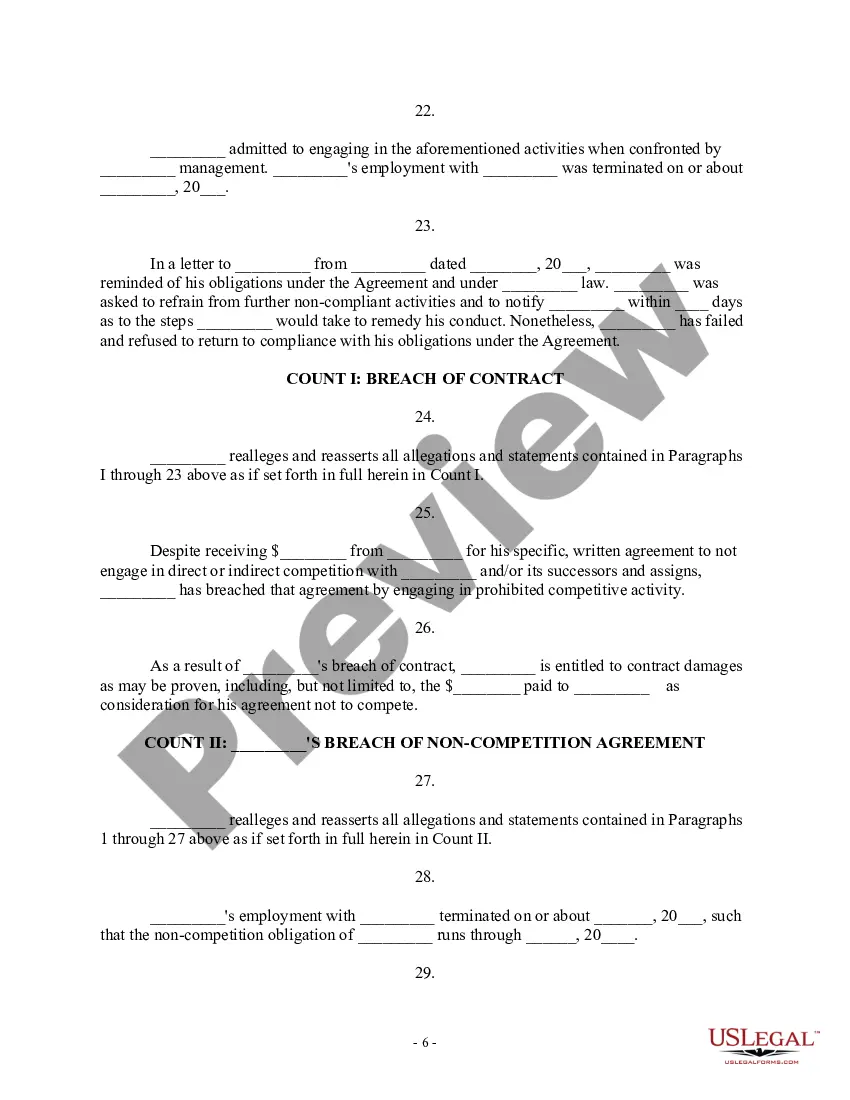
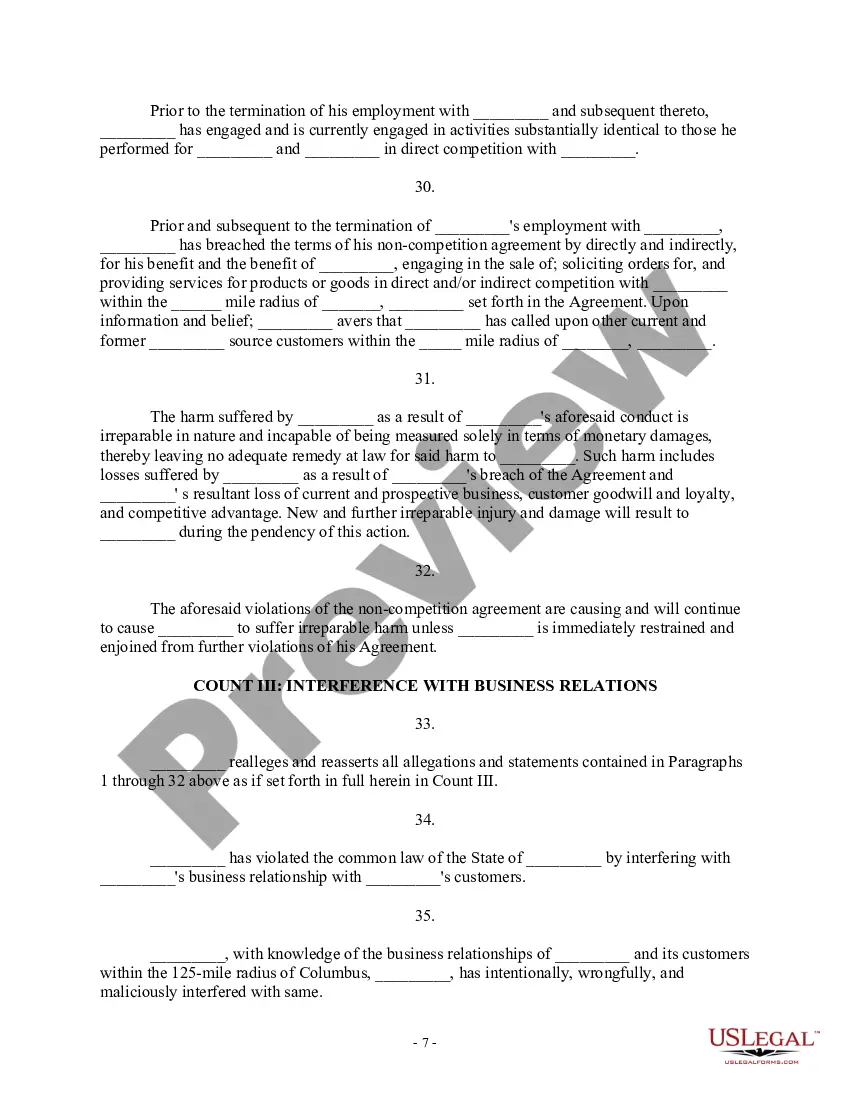
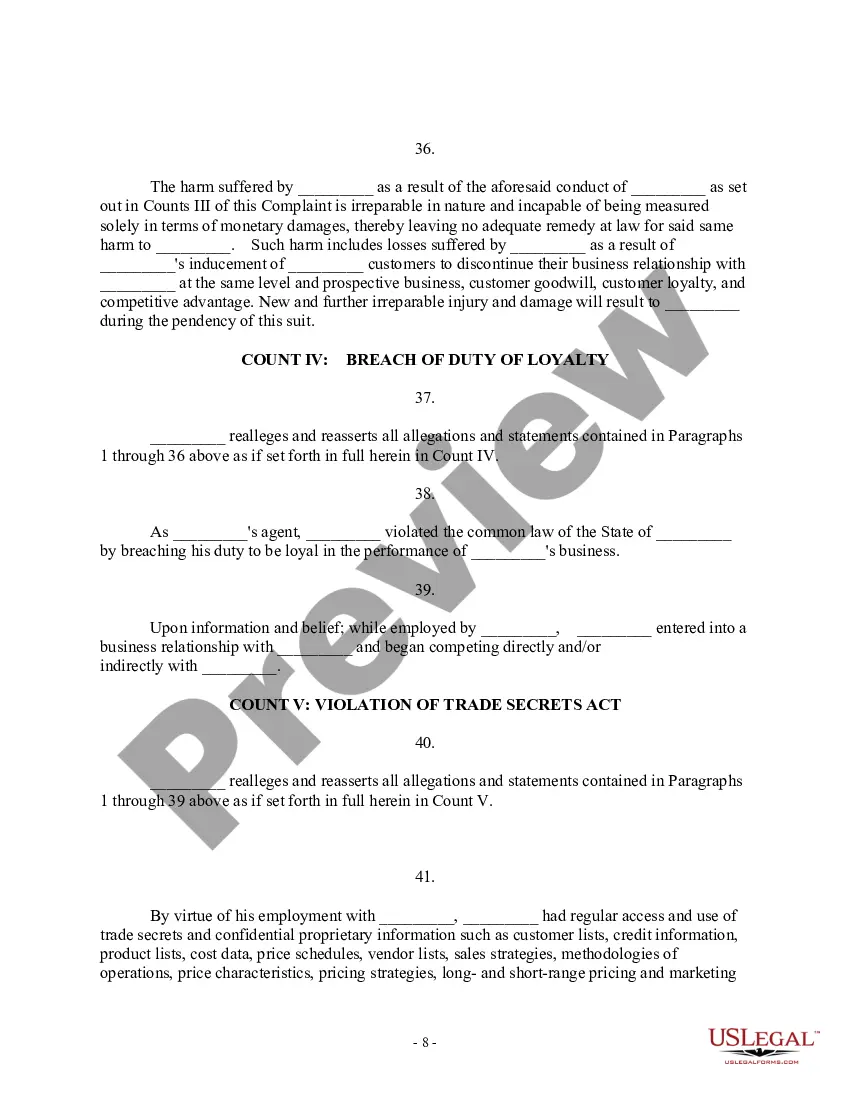
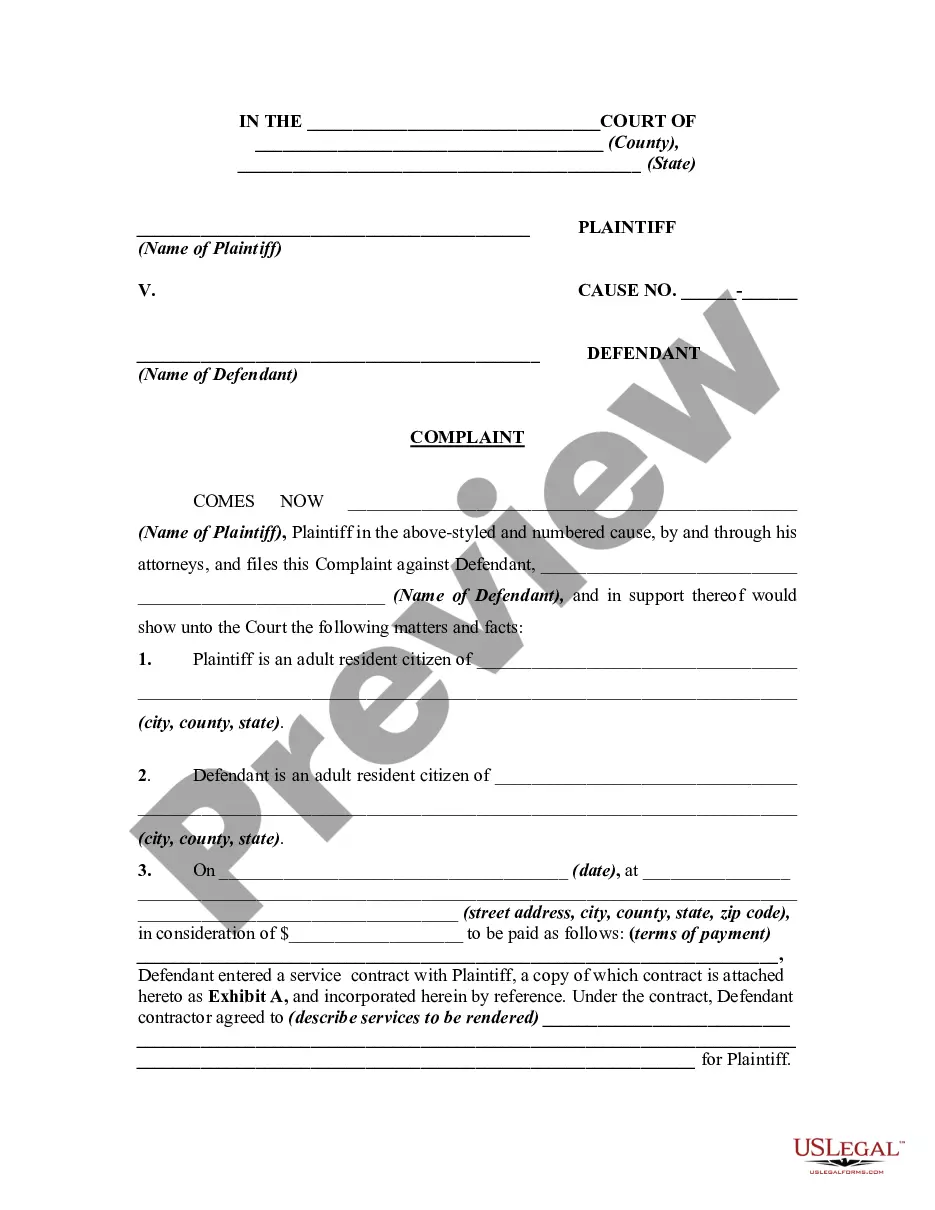
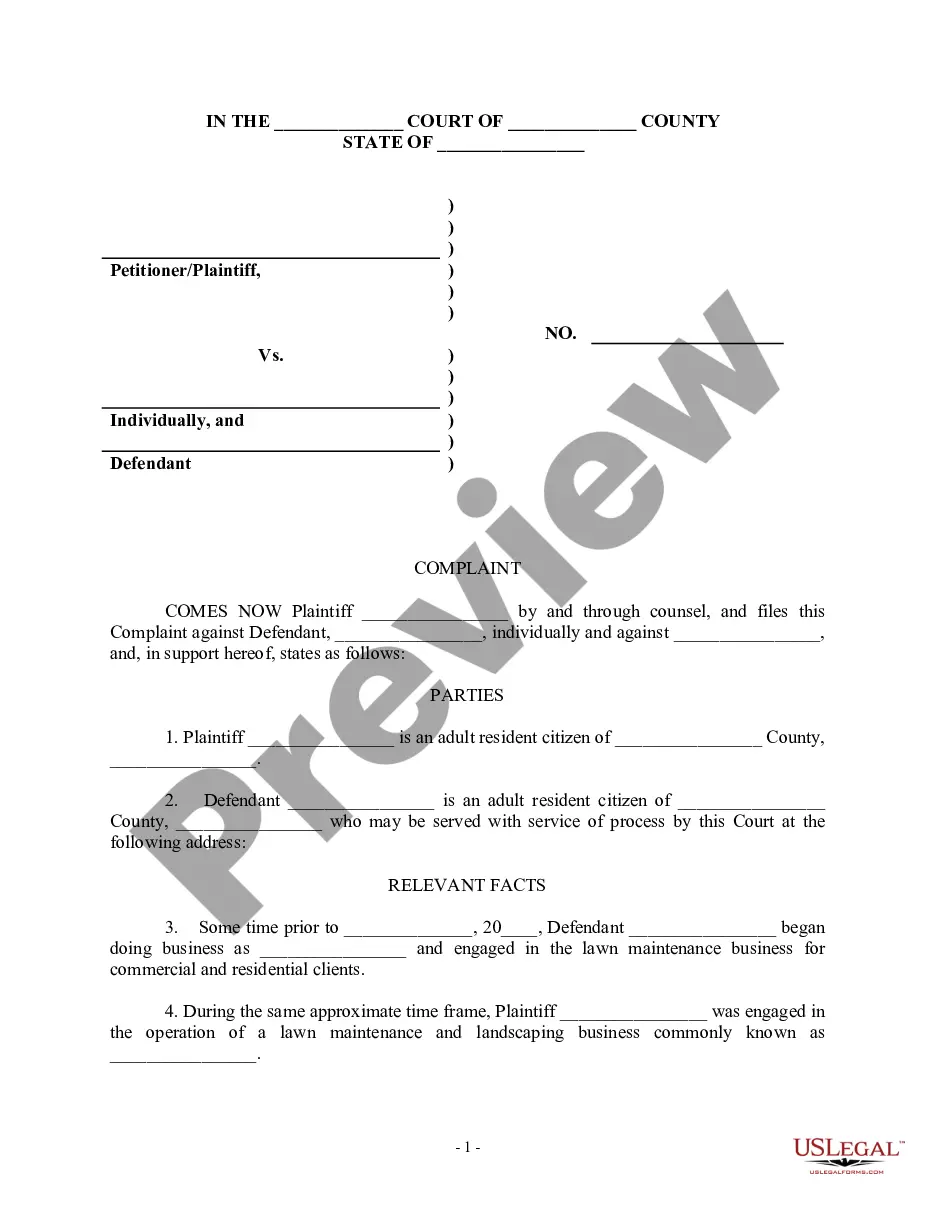
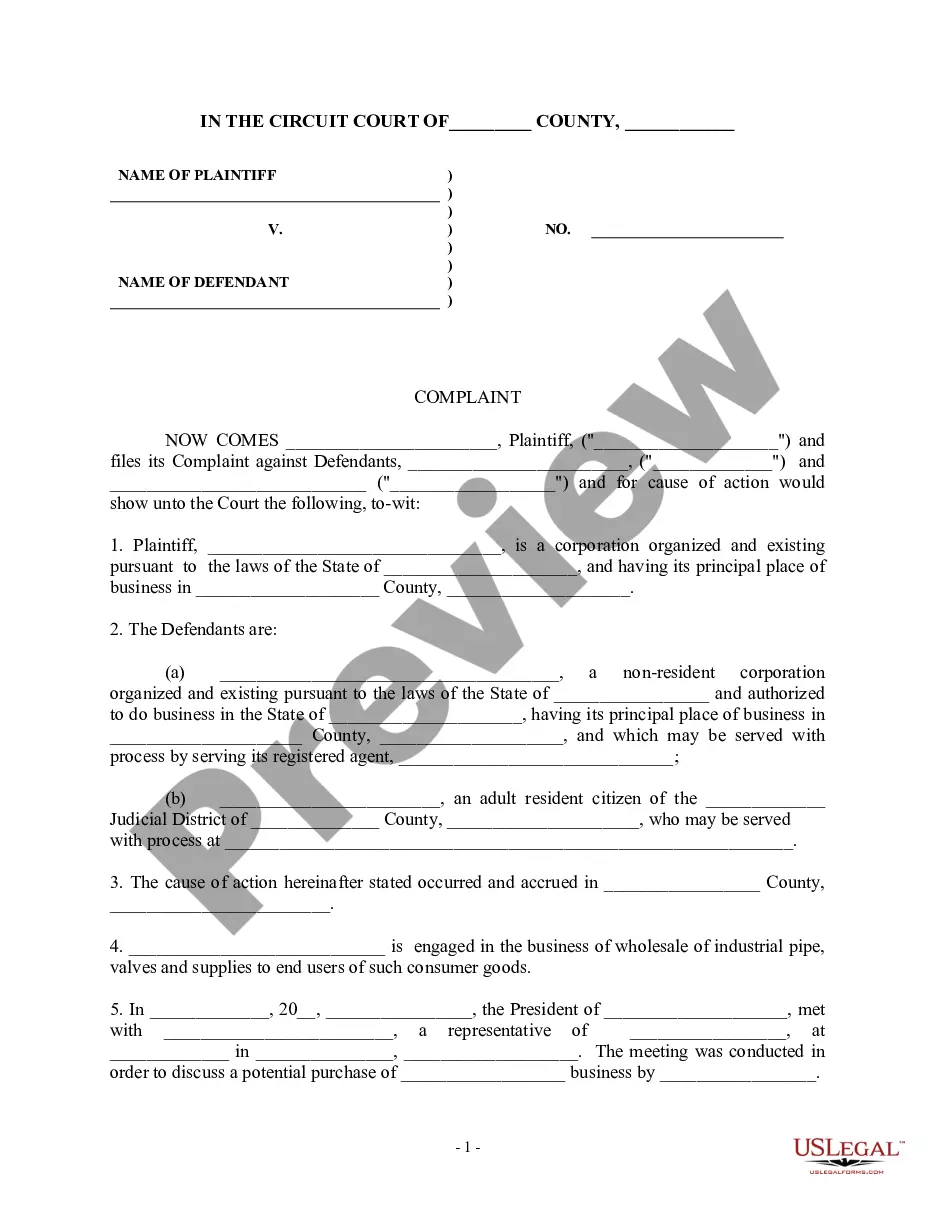

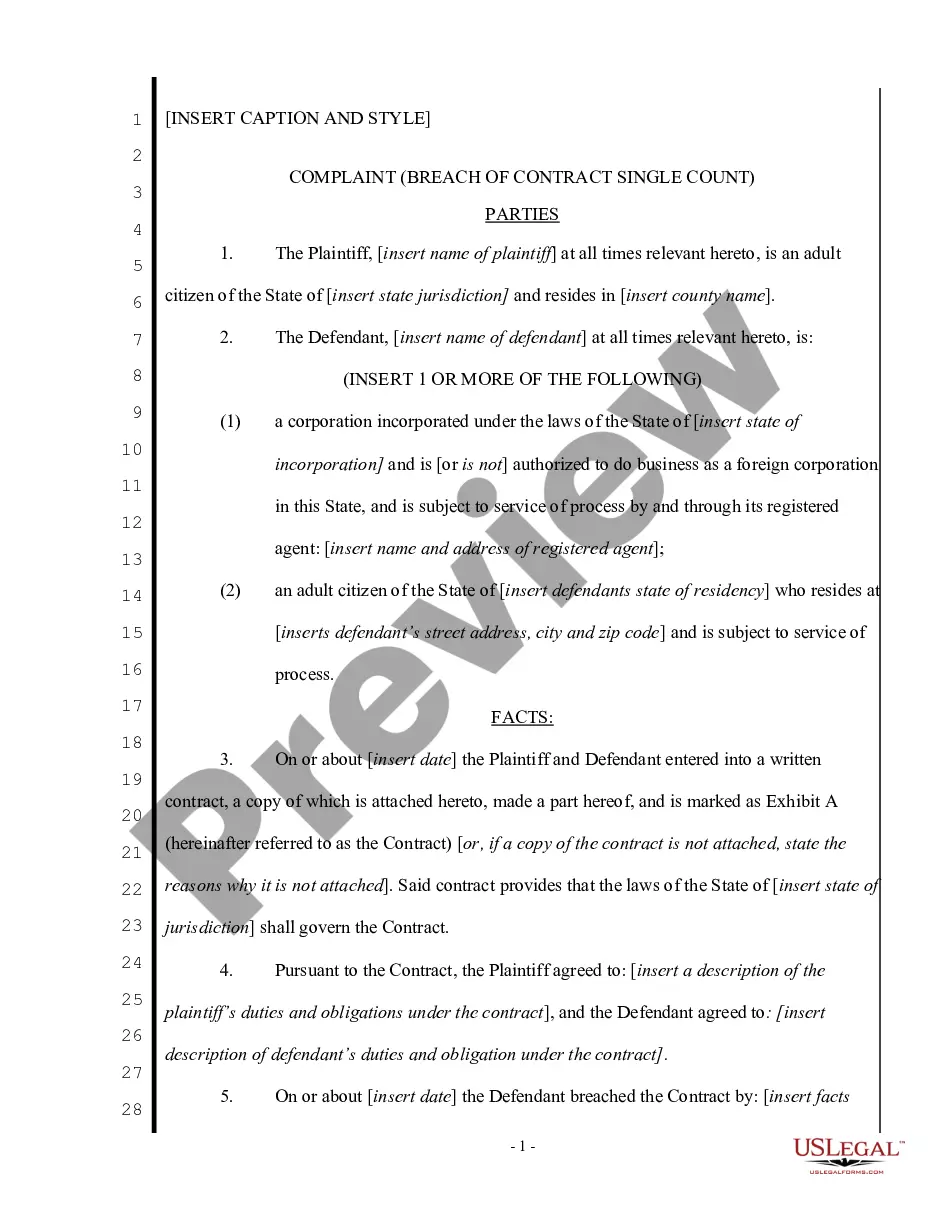
Get your form ready online
Our built-in tools help you complete, sign, share, and store your documents in one place.
Make edits, fill in missing information, and update formatting in US Legal Forms—just like you would in MS Word.
Download a copy, print it, send it by email, or mail it via USPS—whatever works best for your next step.
Sign and collect signatures with our SignNow integration. Send to multiple recipients, set reminders, and more. Go Premium to unlock E-Sign.
If this form requires notarization, complete it online through a secure video call—no need to meet a notary in person or wait for an appointment.
We protect your documents and personal data by following strict security and privacy standards.

Make edits, fill in missing information, and update formatting in US Legal Forms—just like you would in MS Word.

Download a copy, print it, send it by email, or mail it via USPS—whatever works best for your next step.

Sign and collect signatures with our SignNow integration. Send to multiple recipients, set reminders, and more. Go Premium to unlock E-Sign.

If this form requires notarization, complete it online through a secure video call—no need to meet a notary in person or wait for an appointment.

We protect your documents and personal data by following strict security and privacy standards.
Looking for another form?

Form popularity
FAQ
Adequacy of Damages This question is first considered from the Claimant's point of view. It is commonly found in business protection cases that damages will not be an adequate remedy. Firstly it is often impossible or extremely difficult to quantify loss in such cases.
To show irreparable harm, one must show that the infringement caused the lost sales (or other market-based injury) and thus (typically) must show that the patented feature drives the demand for the product.
To show irreparable harm, one must show that the infringement caused the lost sales (or other market-based injury) and thus (typically) must show that the patented feature drives the demand for the product.
To be entitled to a temporary injunction, the applicant must plead a cause of action and show a probable right to recover on that cause of action and a probable, imminent, and irreparable injury in the interim. “Imminent” means that the injury is relatively certain to occur rather than being remote and speculative.
Irreparable injury is a type of injury in which no financial compensation can solve nor any actions can reverse the harm or make whole again.
Permanent Injunctions In order to obtain a Permanent Injunction, a hearing is required with both Parties present. The Court must find that the injunction is in the Best Interest of the Child or that significant harm could exist in the absence of the injunction.
Irreparable harm is a legal term that refers to harm or injury that cannot be adequately compensated or remedied by any monetary award or damages that may be awarded later. Irreparable harm is a necessary requirement for a court to grant a preliminary injunction or temporary restraining order .
Although the test for obtaining a TRO or PI may vary slightly across jurisdictions, generally a plaintiff seeking preliminary injunctive relief must satisfy a four-factor test: (1) that he or she is likely to succeed on the merits of his claims; (2) that he or she is likely to suffer irreparable harm without ...
To warrant preliminary injunctive relief, the moving party must show (1) a substantial likelihood of success on the merits, (2) that it would suffer irrepa- rable injury if the injunction were not granted, (3) that an injunction would not substantially injure other interested parties, and (4) that the public interest ...
