Injunctive Relief For Trademark In Suffolk
Description




Get your form ready online
Our built-in tools help you complete, sign, share, and store your documents in one place.
Make edits, fill in missing information, and update formatting in US Legal Forms—just like you would in MS Word.
Download a copy, print it, send it by email, or mail it via USPS—whatever works best for your next step.
Sign and collect signatures with our SignNow integration. Send to multiple recipients, set reminders, and more. Go Premium to unlock E-Sign.
If this form requires notarization, complete it online through a secure video call—no need to meet a notary in person or wait for an appointment.
We protect your documents and personal data by following strict security and privacy standards.

Make edits, fill in missing information, and update formatting in US Legal Forms—just like you would in MS Word.

Download a copy, print it, send it by email, or mail it via USPS—whatever works best for your next step.

Sign and collect signatures with our SignNow integration. Send to multiple recipients, set reminders, and more. Go Premium to unlock E-Sign.

If this form requires notarization, complete it online through a secure video call—no need to meet a notary in person or wait for an appointment.

We protect your documents and personal data by following strict security and privacy standards.
Looking for another form?






Form popularity
FAQ
You may file a declaratory judgment lawsuit, asking a court to declare that your mark does not infringe the trademark owner's mark, and/or that the trademark owner's mark is invalid.
There are four main trademark infringement defenses that may be available for a defendant against a claim of trademark infringement: Doctrine of laches; Estoppel; Unclean hands; and. Fair use doctrine or collateral use doctrine.
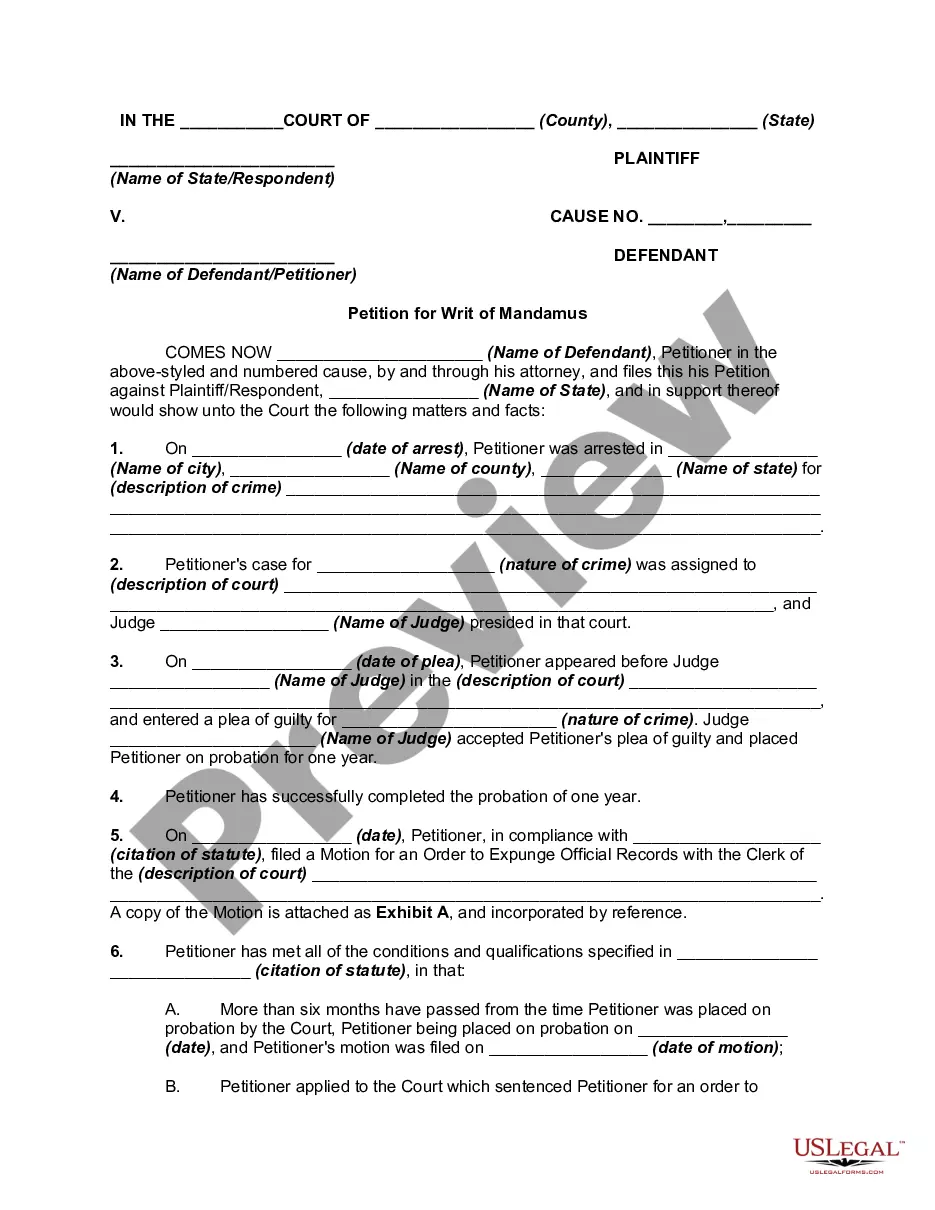
Initiating A Legal Action by Filing a Complaint Assertion of your ownership rights to the trademark in question, Identification of the accused trademark infringer/defendant, An explanation of the relevant facts, Identification of the grounds upon which the action is based (e.g., trademark infringement, dilution, etc.),
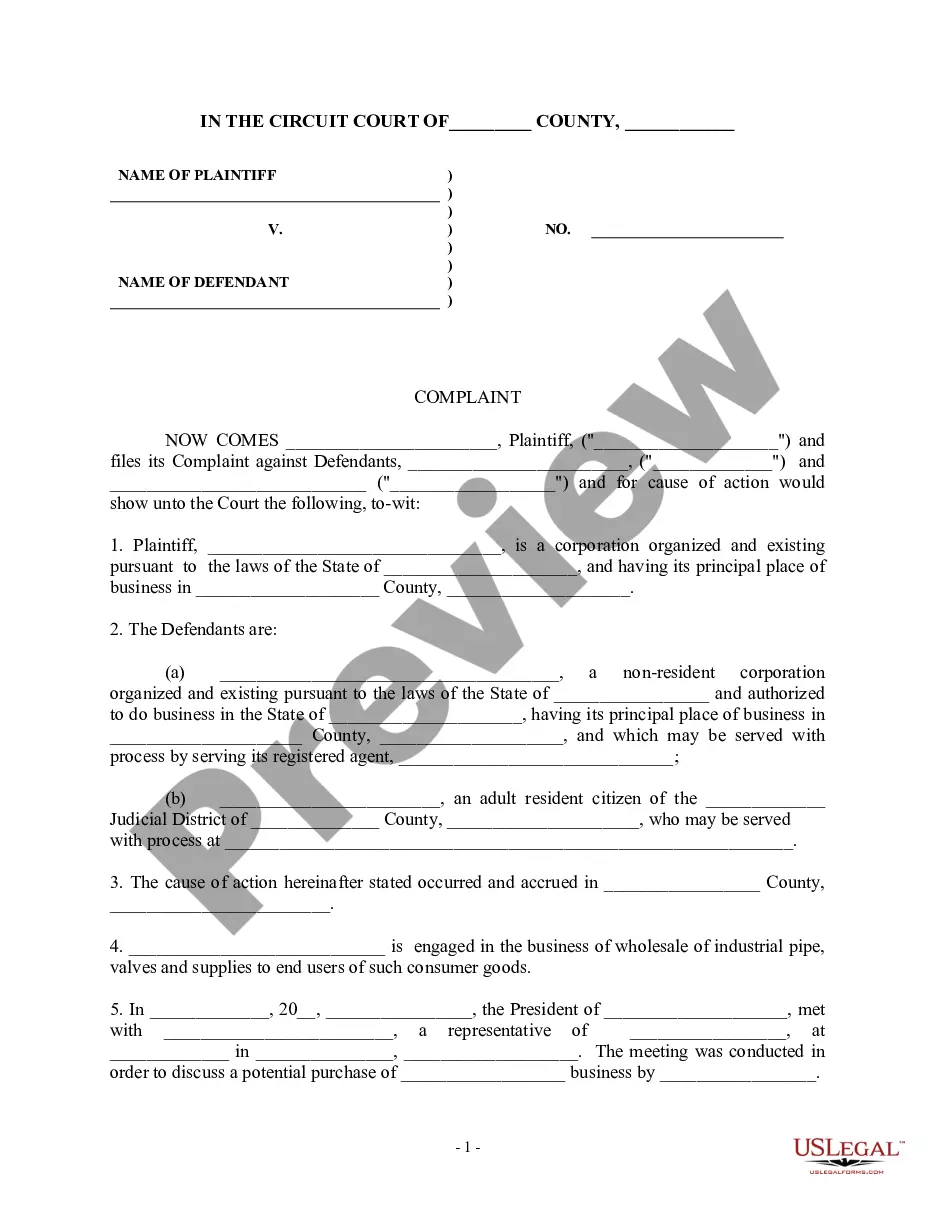
The most common remedy for trademark infringement is injunctive relief. Injunctions are court orders commanding that the infringer immediately cease its unlawful activities. Injunctions address future conduct rather than past actions.
One remedy is injunctive relief, which restrains the defendant from future copying of the work. A preliminary injunction can be sought early in the case to restrain copying during the lawsuit.
Initiating A Legal Action by Filing a Complaint Assertion of your ownership rights to the trademark in question, Identification of the accused trademark infringer/defendant, An explanation of the relevant facts, Identification of the grounds upon which the action is based (e.g., trademark infringement, dilution, etc.),
The two main defenses are fair use and parody. The fair use defense applies to descriptive trademarks and argues that the trademark was used in good faith for its primary meaning, not the secondary meaning that is protected.
