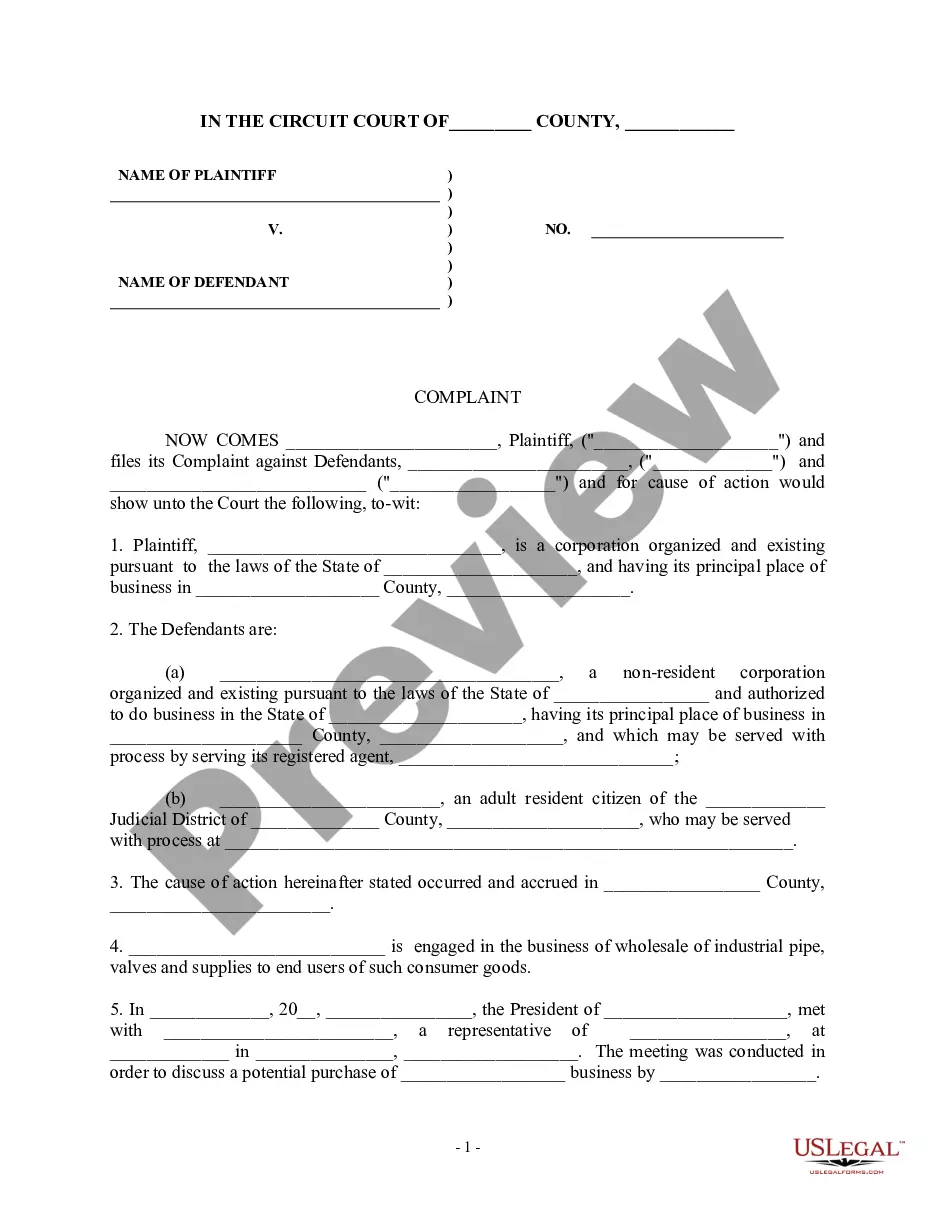
Formal Complaint Letter For Poor Customer Service In San Diego
Description




Get your form ready online
Our built-in tools help you complete, sign, share, and store your documents in one place.
Make edits, fill in missing information, and update formatting in US Legal Forms—just like you would in MS Word.
Download a copy, print it, send it by email, or mail it via USPS—whatever works best for your next step.
Sign and collect signatures with our SignNow integration. Send to multiple recipients, set reminders, and more. Go Premium to unlock E-Sign.
If this form requires notarization, complete it online through a secure video call—no need to meet a notary in person or wait for an appointment.
We protect your documents and personal data by following strict security and privacy standards.
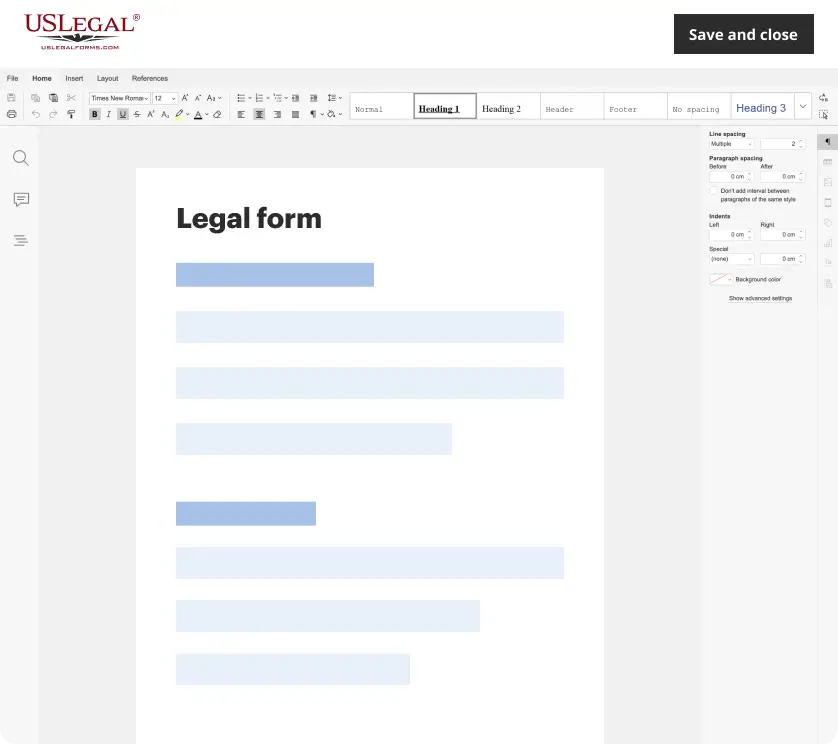
Make edits, fill in missing information, and update formatting in US Legal Forms—just like you would in MS Word.
Download a copy, print it, send it by email, or mail it via USPS—whatever works best for your next step.
Sign and collect signatures with our SignNow integration. Send to multiple recipients, set reminders, and more. Go Premium to unlock E-Sign.
If this form requires notarization, complete it online through a secure video call—no need to meet a notary in person or wait for an appointment.
We protect your documents and personal data by following strict security and privacy standards.
Looking for another form?



Form popularity
FAQ
Clearly state that you're writing to file a complaint. Describe the Issue: Provide detailed information about the problem you encountered. Include relevant dates, times, and any reference numbers if applicable. Be objective and avoid using emotional language. Attach Evidence:
Include the following information in your documentation: Personal details of the person mistreated. Include their full name, number, and address. Name and contact information for the employer the complaint is against. Description of the unfair events and the dates they happened.
A complaint letter format will typically begin with the sender's details, followed by stating who it's addressed to, the date, and then the letter itself. The opening paragraph should state your reason for writing, and the meat of the text will go into detail about the matter.
To write a complaint letter, you can start with the sender's address followed by the date, the receiver's address, the subject, salutation, body of the letter, complimentary closing, signature and name in block letters.
Tips for writing a successful complaint letter Structure. Address the letter to a real person. Be honest and straightforward. Maintain a firm but respectful tone, and avoid aggressive, accusing language. Include your contact information. Tell them what you want. Do not threaten action. Keep copies and records.
Information To Include in Your Letter Give the basics. Tell your story. Explain how you want to resolve the problem. Describe your next steps. Send your complaint letter. Your Mailing Address Your City, State, Zip Code Your email address
Content includes: Detailed description of the problematic behavior or performance issue. Reference to previous discussions or warnings about the issue. Clear statement that the behavior or performance is unacceptable. Outline of the consequences of continued issues. A plan for improvement and a timeline for reevaluation.
You can also call the Consumer Complaint Form Request Line at 619-531-3507 and provide your name and address. A packet will be sent to you in the mail including the Complaint Form and Guidelines. Attach copies (not originals) of any supporting documents you believe are important to support your complaint.
Filing your complaint starts your case, but the summons is the document that is issued under the court's authority that notifies your defendant they are being sued and that they need to take action.
Fill out the form completely. Attach copies of relevant documents. Print your name on the form. FAX (619) 338-8127, mail to San Diego County Grand Jury, 550 W C St, Suite 860, San Diego, California, 92101-3830 or hand deliver to 550 W C St, Suite 860, San Diego, California.
