Damages For Wrongful Injunction In San Diego
Description


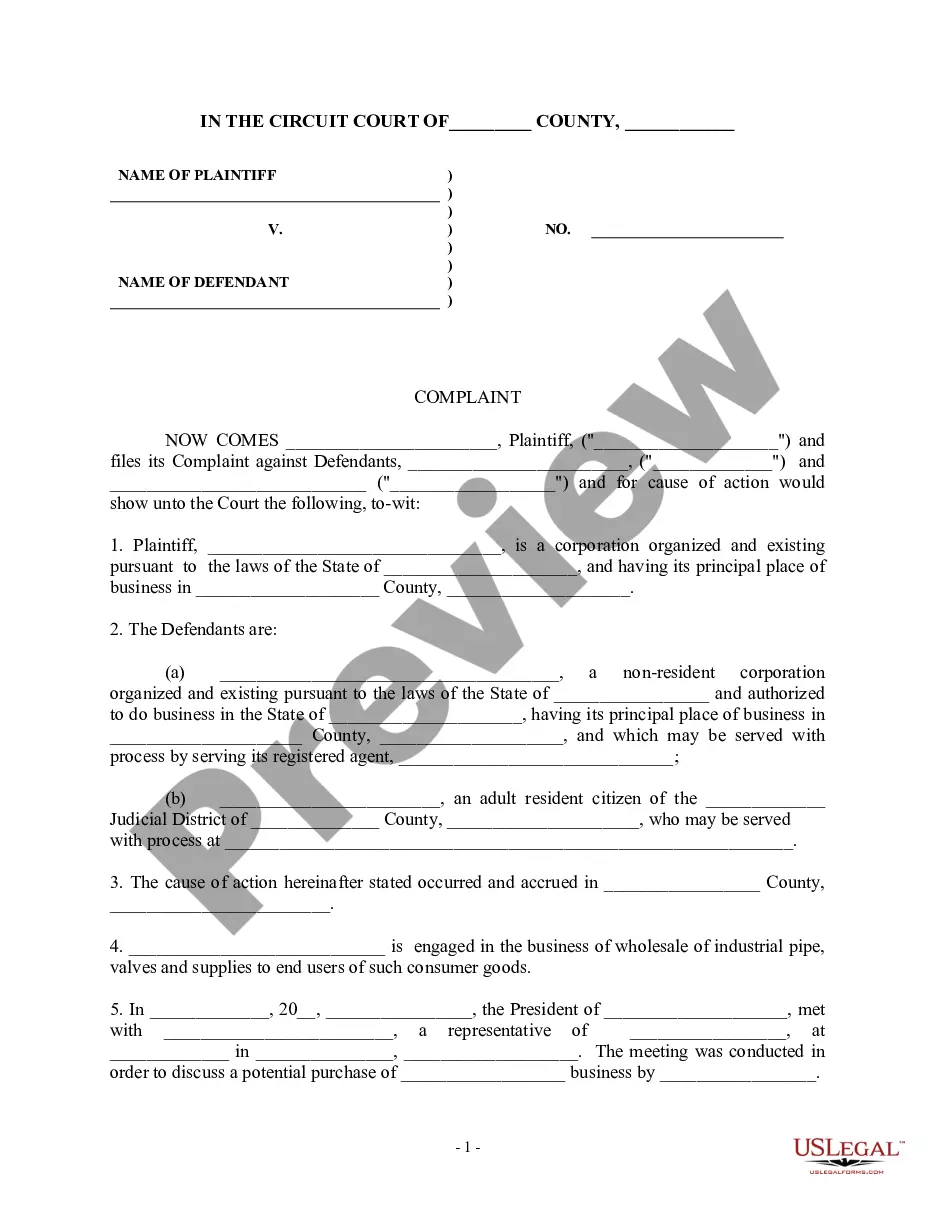

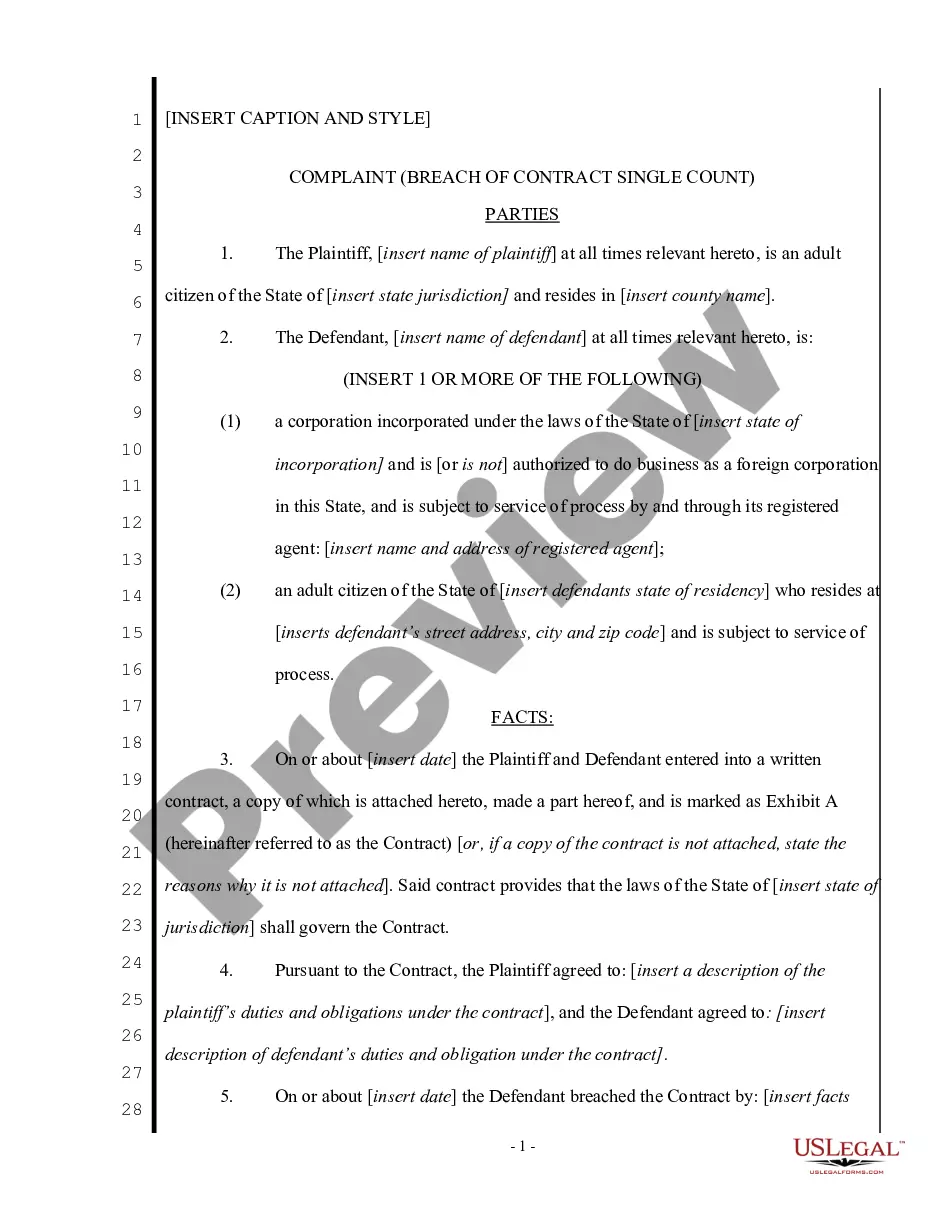
Get your form ready online
Our built-in tools help you complete, sign, share, and store your documents in one place.
Make edits, fill in missing information, and update formatting in US Legal Forms—just like you would in MS Word.
Download a copy, print it, send it by email, or mail it via USPS—whatever works best for your next step.
Sign and collect signatures with our SignNow integration. Send to multiple recipients, set reminders, and more. Go Premium to unlock E-Sign.
If this form requires notarization, complete it online through a secure video call—no need to meet a notary in person or wait for an appointment.
We protect your documents and personal data by following strict security and privacy standards.

Make edits, fill in missing information, and update formatting in US Legal Forms—just like you would in MS Word.

Download a copy, print it, send it by email, or mail it via USPS—whatever works best for your next step.

Sign and collect signatures with our SignNow integration. Send to multiple recipients, set reminders, and more. Go Premium to unlock E-Sign.

If this form requires notarization, complete it online through a secure video call—no need to meet a notary in person or wait for an appointment.

We protect your documents and personal data by following strict security and privacy standards.
Looking for another form?
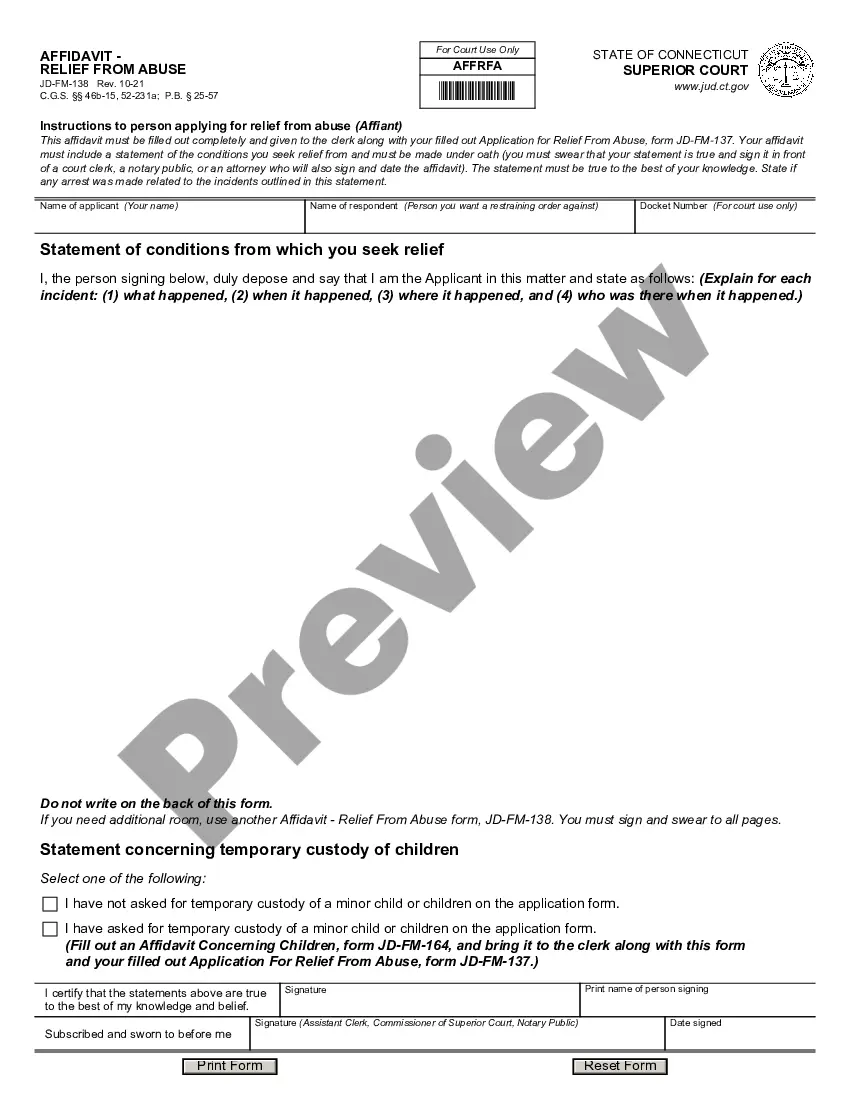



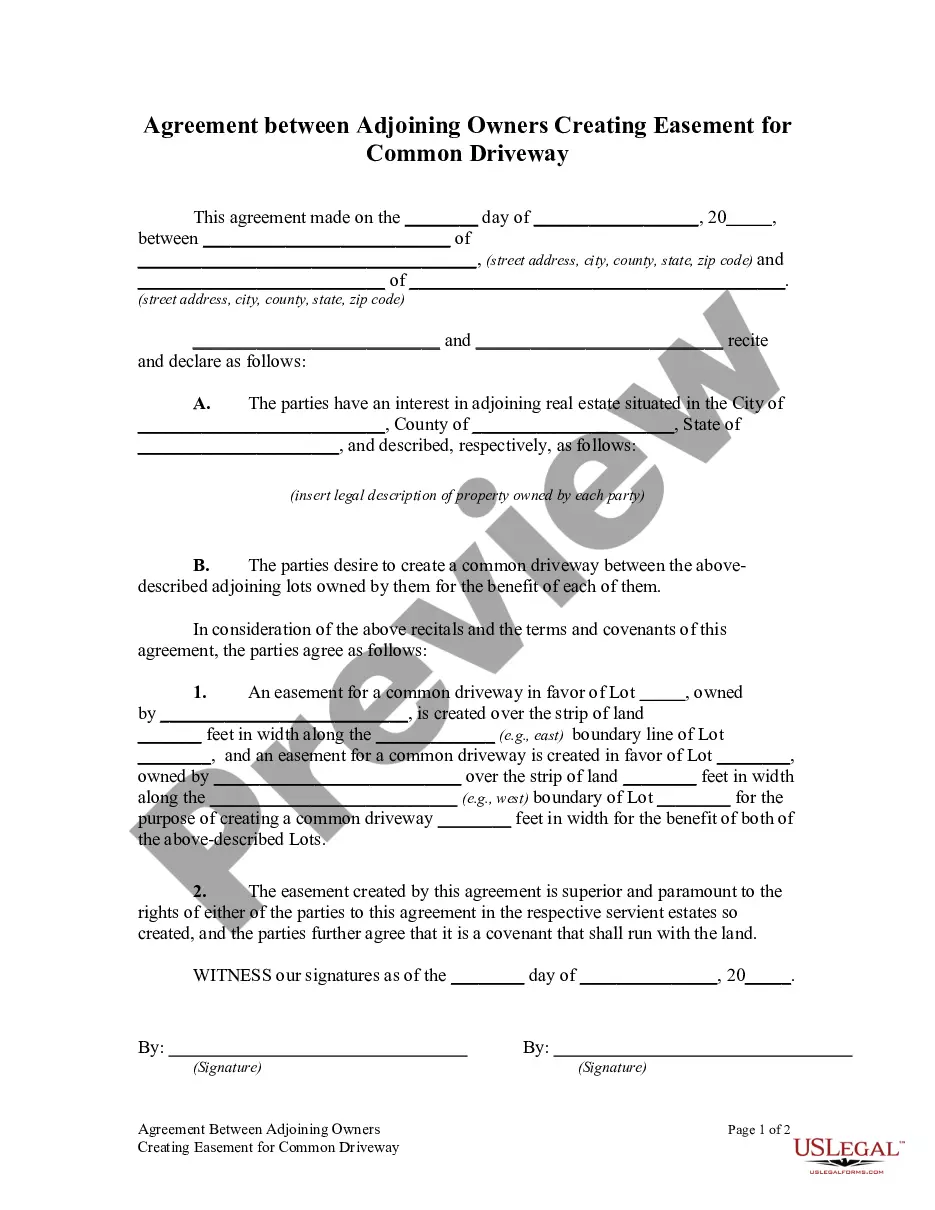

Form popularity
FAQ
Proving damages Proving compensatory damages typically requires presenting documentation such as receipts, testimony from the plaintiff or other witnesses about the impact of the tort on the plaintiff's life, and, in some cases, expert testimony.
You must fill out an Answer, serve the plaintiff, and file your Answer form with the court. Generally, this is due within 30 days after you were served. If you don't, the plaintiff can ask for a default. If there's a default, the court won't let you file an Answer and can decide the case without you.
San Diego County Superior Court Rule 2.1. 15 states, "A trial readiness conference generally will be scheduled for four weeks before the trial date." The trial readiness conference is an opportunity for the parties to attempt to resolve the case, or at least limit the issues for trial.
Before a default can be taken, a plaintiff must serve a statement of damages on the defendant under CCP §425.11. If the plaintiff seeks punitive damages, §425.11 contains a form for reservation of rights to seek punitive damages on default judgment and directs the manner and form of service.
Civil Division | Superior Court of California - County of San Diego.
The San Diego Superior Court now accepts e-Filing for Civil, Probate, Family Law and Family Support Division case types as well as Requests for Domestic Violence Restraining Orders and Gun Violence Restraining Orders.
G. In ance with San Diego Local Rule 2.5. 8, the court may permit parties to appear by telephone or video in civil cases. Refer to your Notice of Hearing and the court's website at for the most current instructions on how to appear and how to submit evidence.
The Summons and Complaint were not served properly This is called a motion to quash service of summons. If the judge decides in the defendant's favor, the plaintiff will have to have the defendant served properly (if possible) before the case can go forward.
