Complaint For Treatment In Pennsylvania
Description

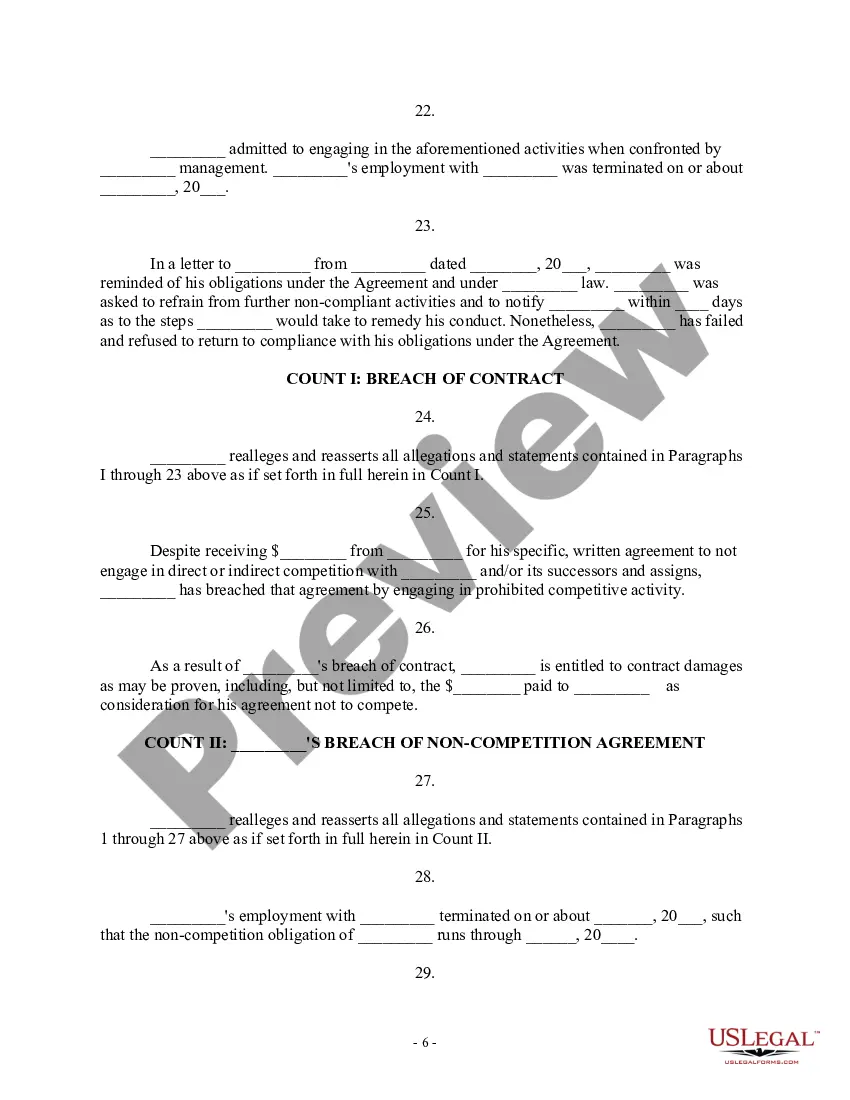
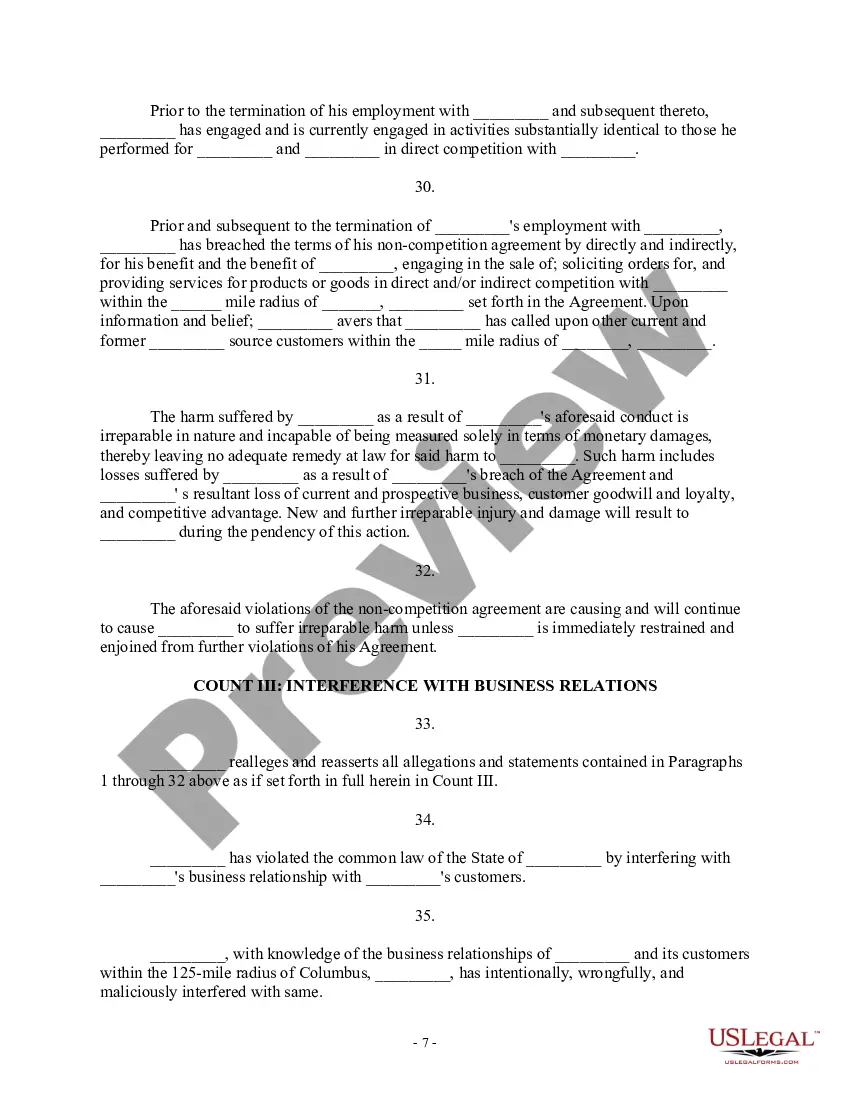
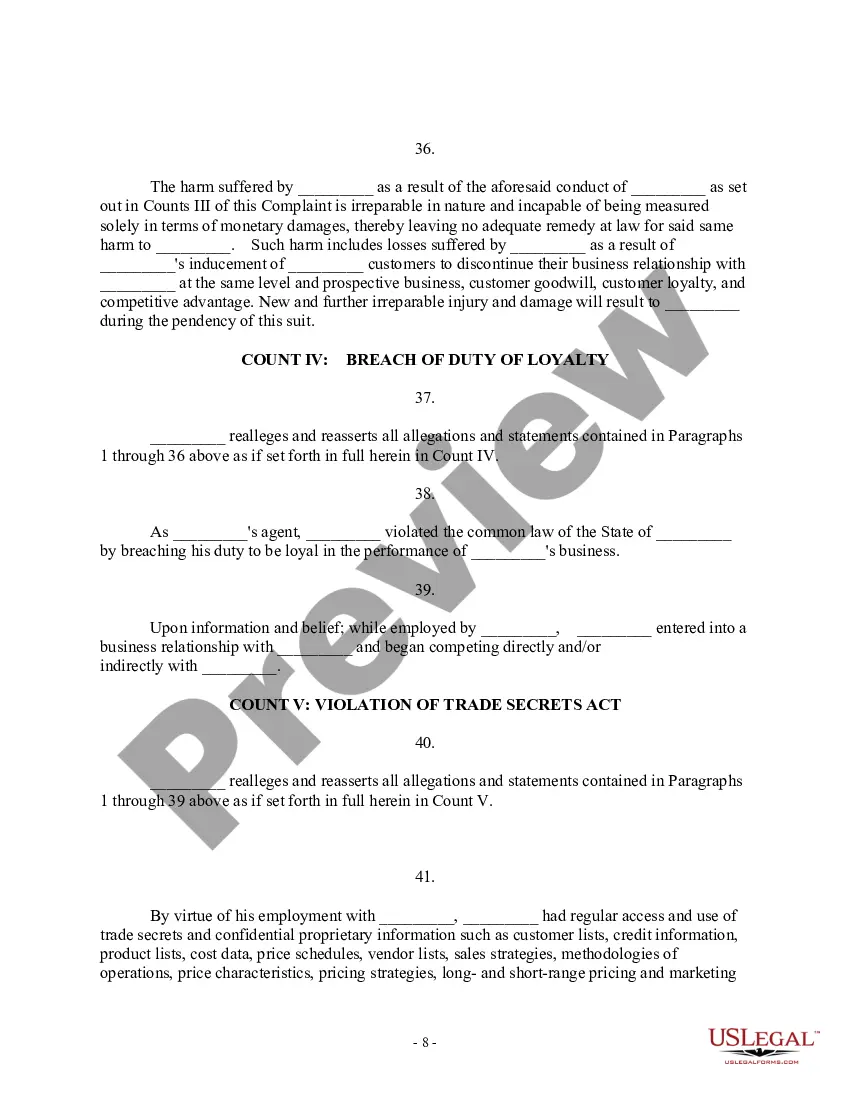
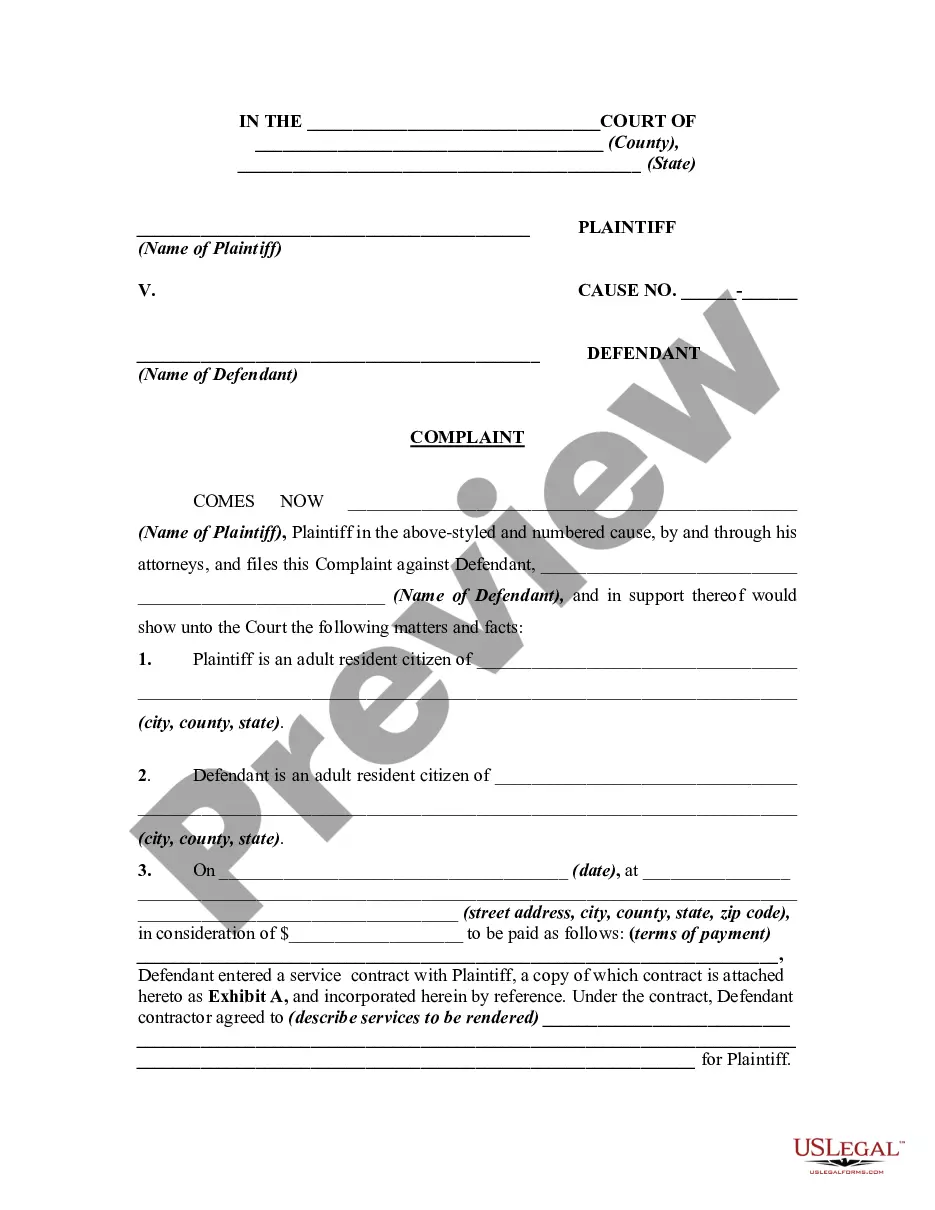
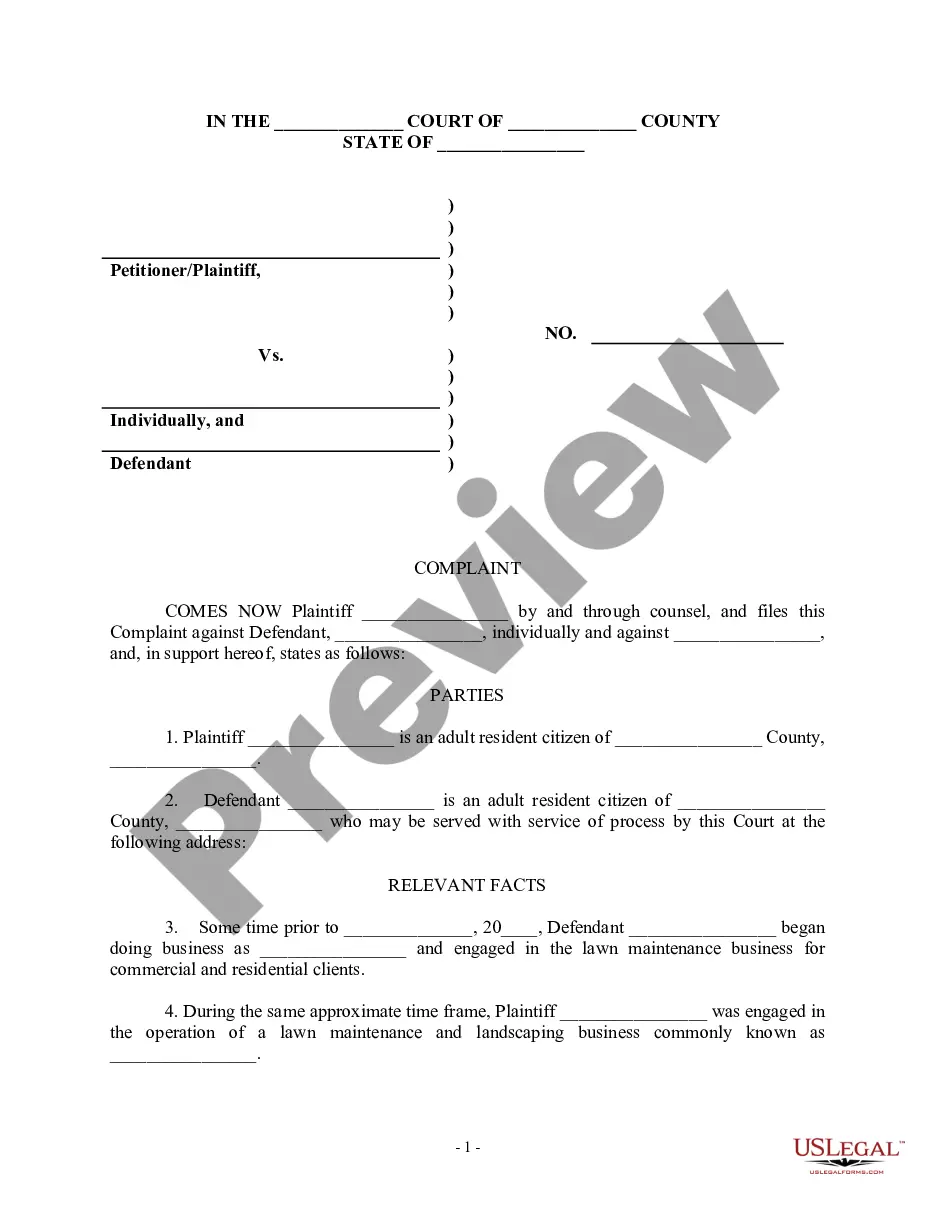
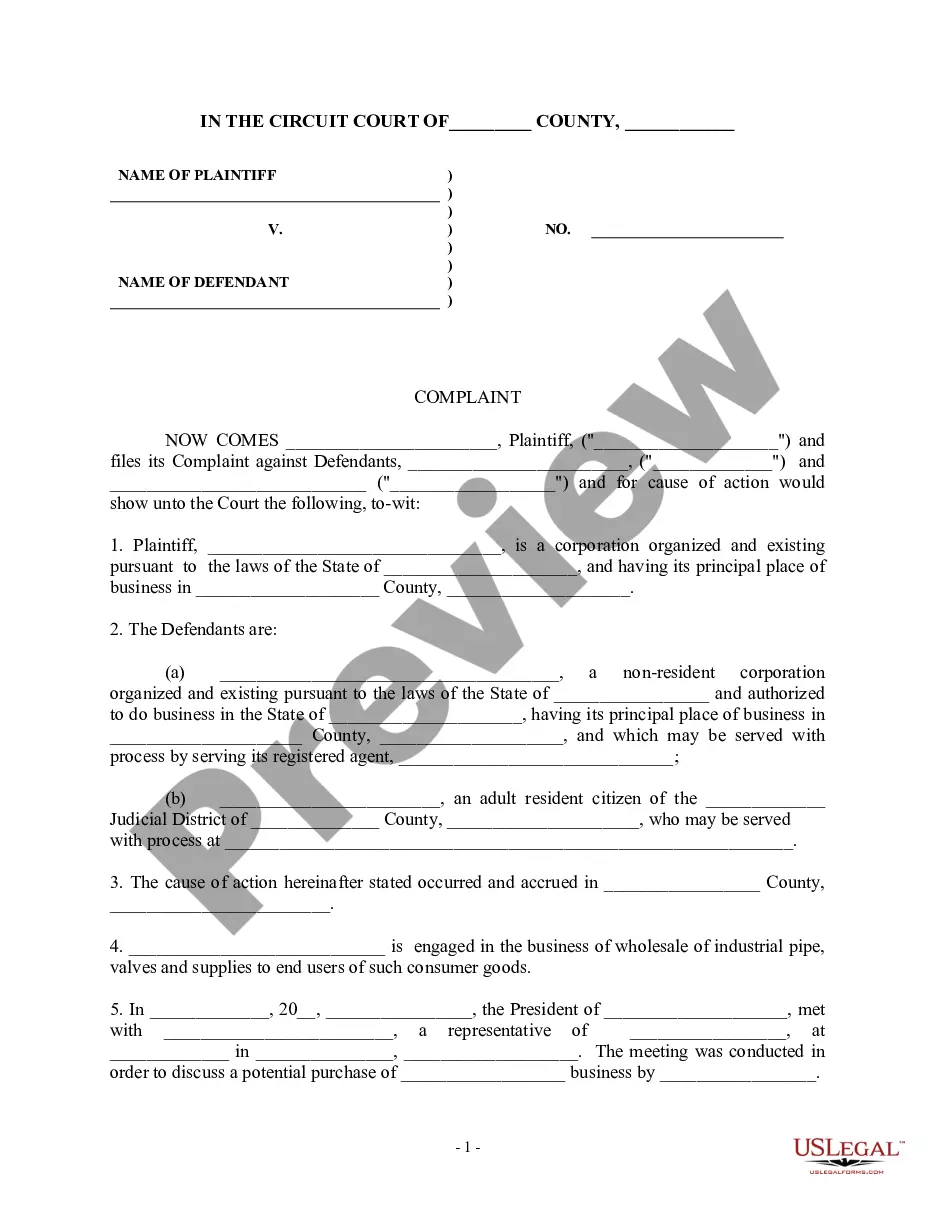

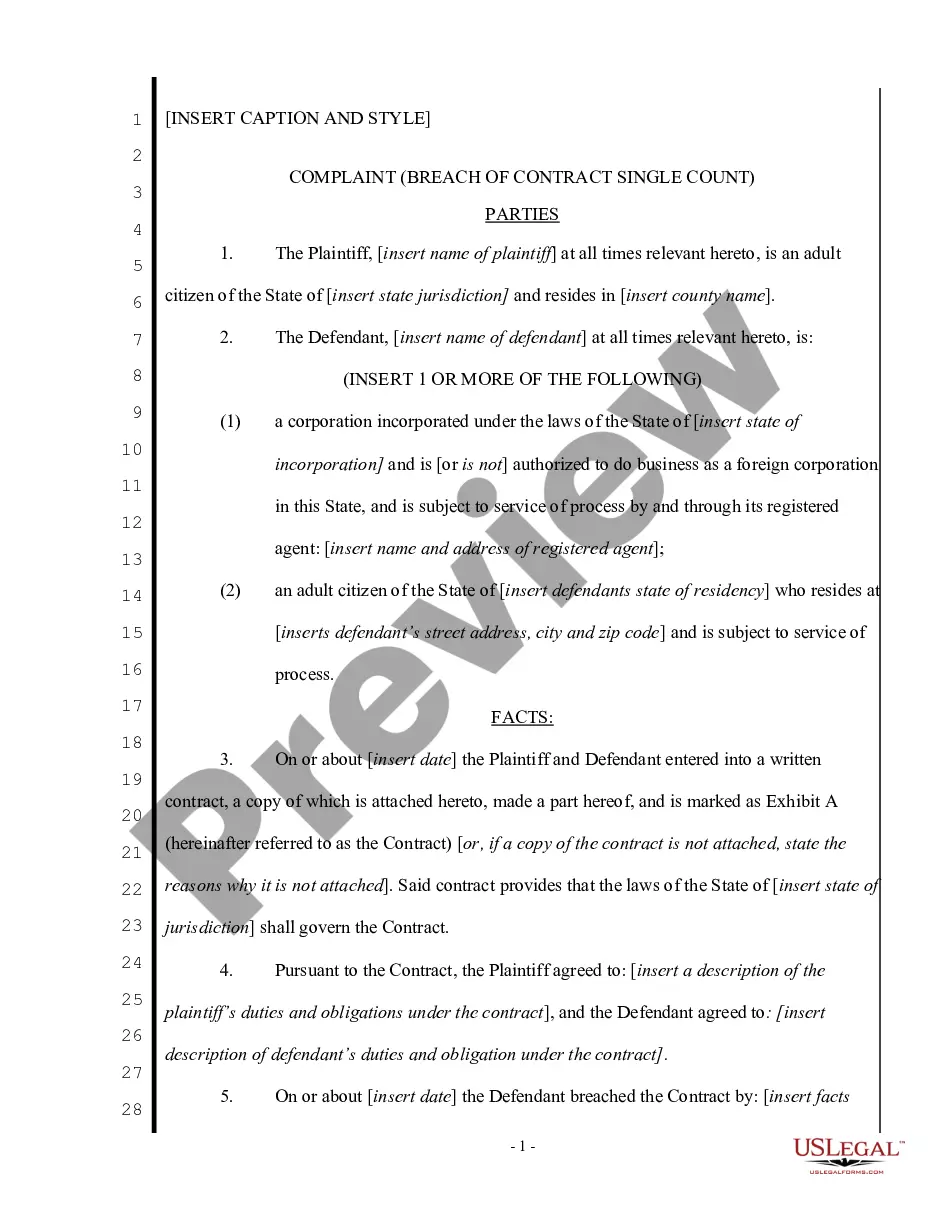
Get your form ready online
Our built-in tools help you complete, sign, share, and store your documents in one place.
Make edits, fill in missing information, and update formatting in US Legal Forms—just like you would in MS Word.
Download a copy, print it, send it by email, or mail it via USPS—whatever works best for your next step.
Sign and collect signatures with our SignNow integration. Send to multiple recipients, set reminders, and more. Go Premium to unlock E-Sign.
If this form requires notarization, complete it online through a secure video call—no need to meet a notary in person or wait for an appointment.
We protect your documents and personal data by following strict security and privacy standards.

Make edits, fill in missing information, and update formatting in US Legal Forms—just like you would in MS Word.

Download a copy, print it, send it by email, or mail it via USPS—whatever works best for your next step.

Sign and collect signatures with our SignNow integration. Send to multiple recipients, set reminders, and more. Go Premium to unlock E-Sign.

If this form requires notarization, complete it online through a secure video call—no need to meet a notary in person or wait for an appointment.

We protect your documents and personal data by following strict security and privacy standards.
Looking for another form?







Form popularity
FAQ
Ing to CMS guidelines, hospitals are required to respond to a patient grievance within seven days. However, this timeframe is just for the initial response and does not guarantee a complete resolution is reached within that period. The hospital's response can be provided in writing or delivered via email.
When a doctor's or medical provider's conduct impacts your health or is dangerous or fraudulent, it's time to file a formal complaint. In addition to understanding how to file an administrative complaint against a physician, patients should know when to bring that complaint to the court of law.
File a complaint if: You have a problem with the quality of the care you got or are getting. You have a problem with how you're being treated by your plans.
File a complaint with government or consumer programs File a complaint with your local consumer protection office. Notify the Better Business Bureau (BBB) in your area about your problem. The BBB tries to resolve complaints against companies. Report scams and suspicious communications to the Federal Trade Commission.
If you are filing the Complaint originally in Common Pleas Court, under Pennsylvania law, service of the Complaint on a resident of Pennsylvania must be made by the Sheriff. You must take two file-stamped copies (the Defendant's copy and the Sheriff's service copy) of the Complaint to the Sheriff for service.
You can also file a complaint if you suspect someone is practicing without a license. If you require special accommodation in downloading or obtaining the form, please email RA-ST-Complaints@pa or call the complaint hotline at 717-783-4849 to have a form mailed to you.
Good practice requires a timely acknowledgement of a complaint. The experience of customers in other sectors shows that a response within two working days increases their confidence in a complaint handling process.
Here are some steps you can take to write an effective complaint email: Identify and label the addressee. Before you write the email, identify who exactly needs to receive your email. Describe the issue. Attach supporting documentation. Explain the impact. Name your resolution desires. Make final formatting edits.
File a complaint with government or consumer programs File a complaint with your local consumer protection office. Notify the Better Business Bureau (BBB) in your area about your problem. The BBB tries to resolve complaints against companies. Report scams and suspicious communications to the Federal Trade Commission.
