Injunctive Relief For Trademark In Orange
Description

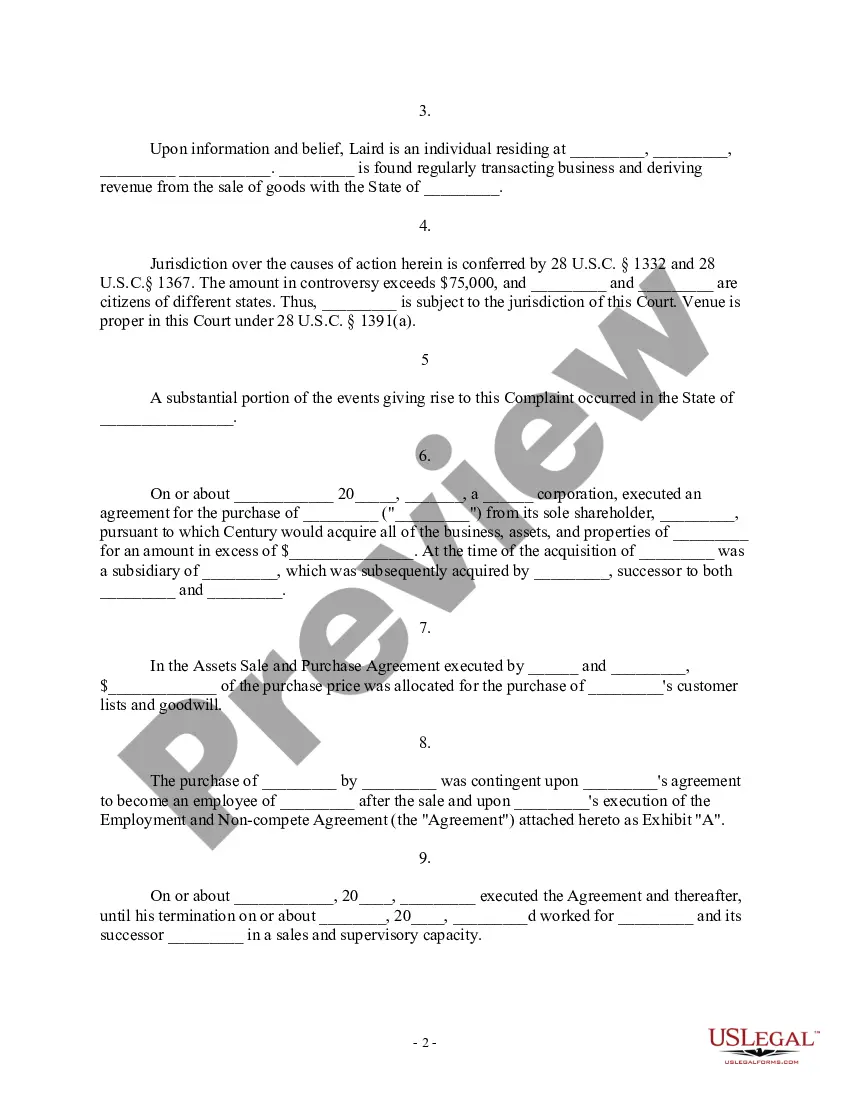
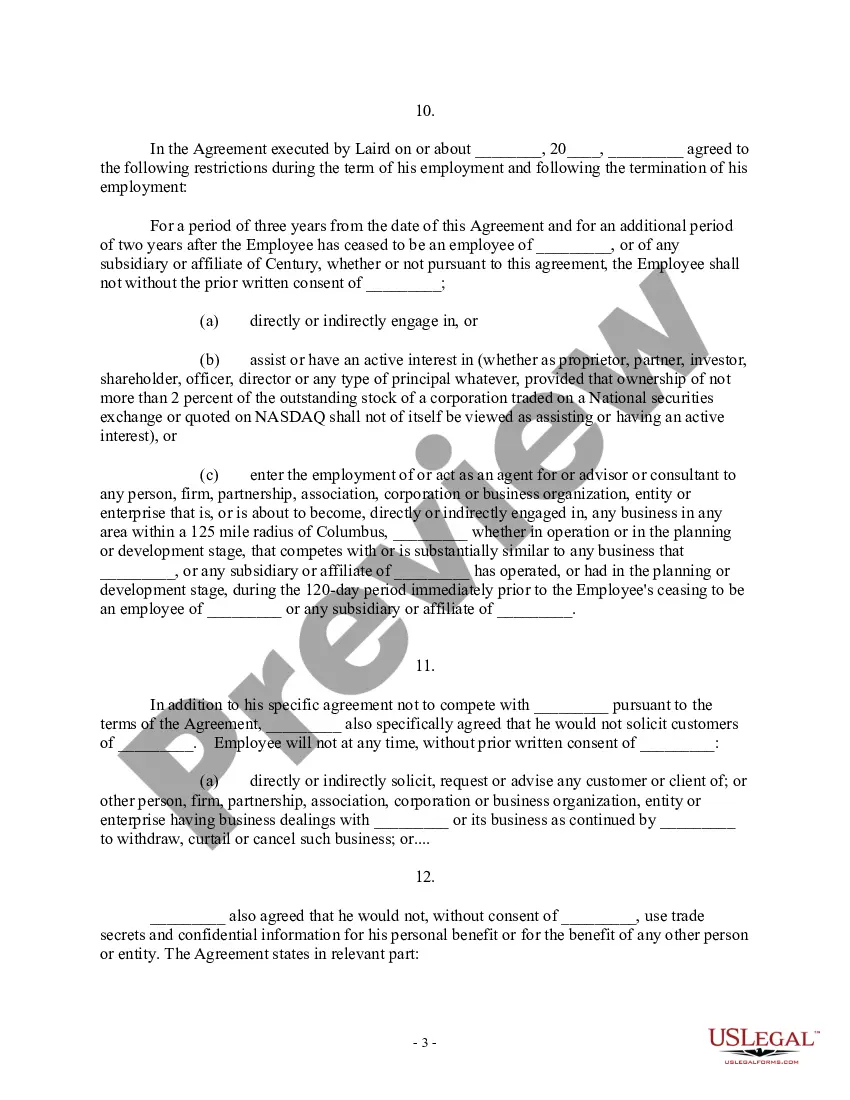
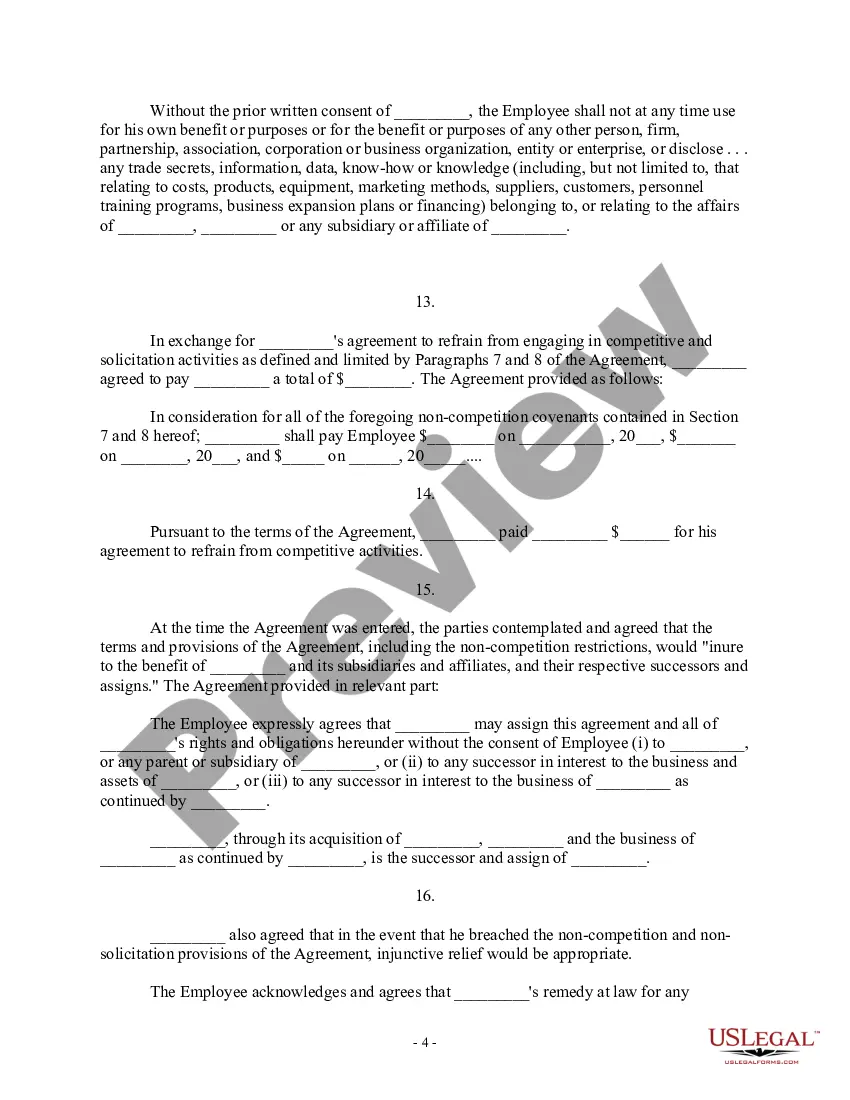
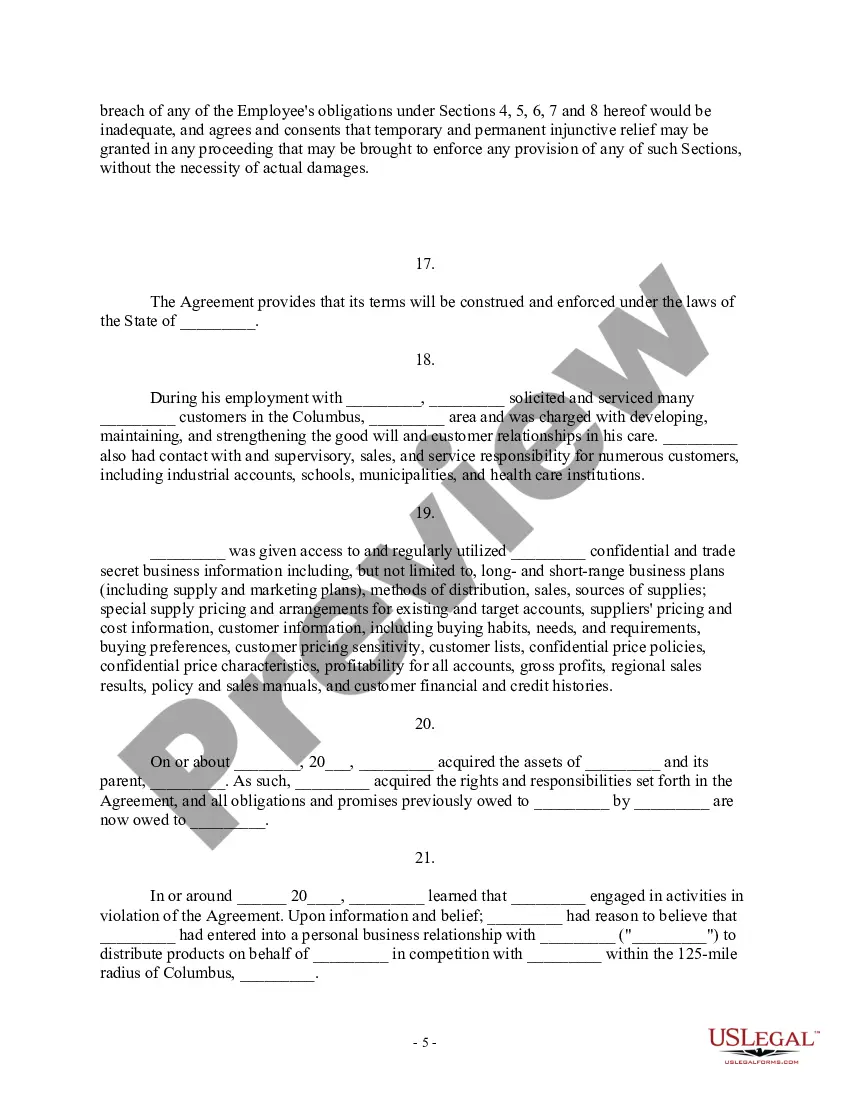



Get your form ready online
Our built-in tools help you complete, sign, share, and store your documents in one place.
Make edits, fill in missing information, and update formatting in US Legal Forms—just like you would in MS Word.
Download a copy, print it, send it by email, or mail it via USPS—whatever works best for your next step.
Sign and collect signatures with our SignNow integration. Send to multiple recipients, set reminders, and more. Go Premium to unlock E-Sign.
If this form requires notarization, complete it online through a secure video call—no need to meet a notary in person or wait for an appointment.
We protect your documents and personal data by following strict security and privacy standards.

Make edits, fill in missing information, and update formatting in US Legal Forms—just like you would in MS Word.

Download a copy, print it, send it by email, or mail it via USPS—whatever works best for your next step.

Sign and collect signatures with our SignNow integration. Send to multiple recipients, set reminders, and more. Go Premium to unlock E-Sign.

If this form requires notarization, complete it online through a secure video call—no need to meet a notary in person or wait for an appointment.

We protect your documents and personal data by following strict security and privacy standards.
Looking for another form?




Form popularity
FAQ
Sample Cease and Desist Letter I have reserved all rights in the Work, first published in date, and have registered copyright therein. Your work entitled name of infringing work is essentially identical to the Work and clearly used the Work as its basis. Give a few examples that illustrate direct copying.
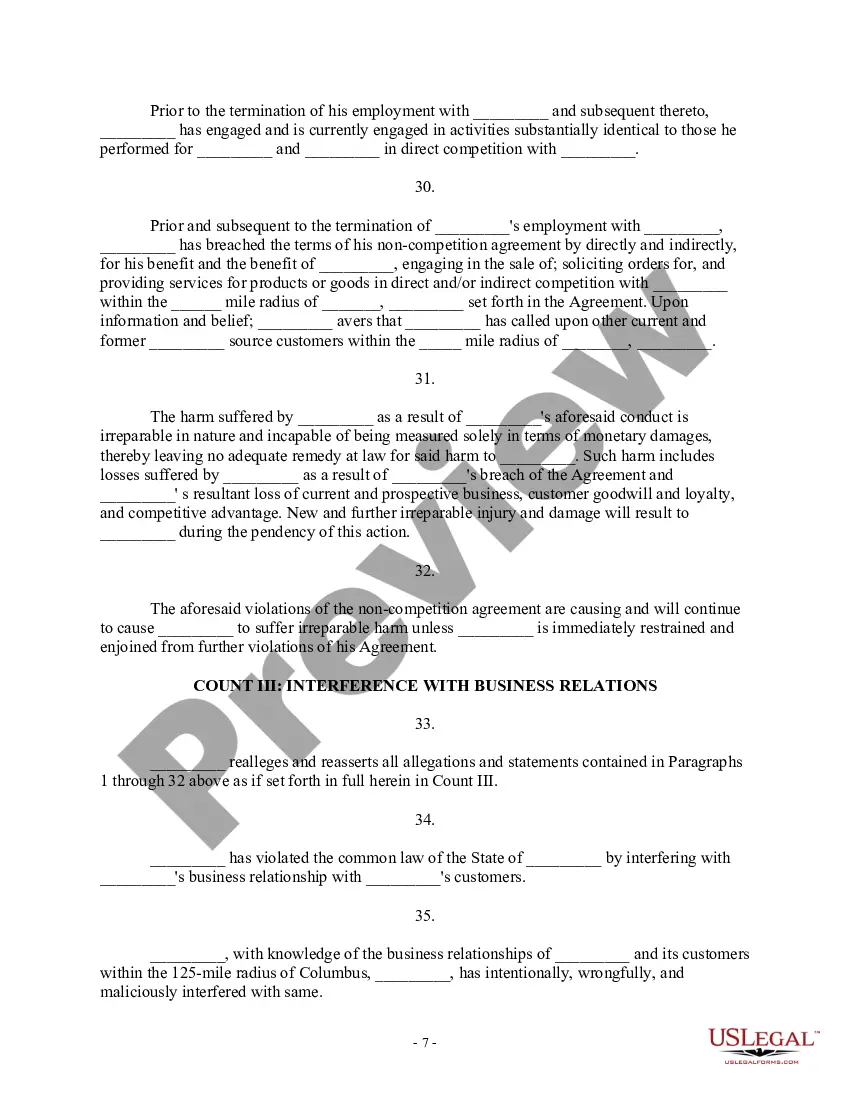
The most common remedy for trademark infringement is injunctive relief. Injunctions are court orders commanding that the infringer immediately cease its unlawful activities. Injunctions address future conduct rather than past actions.
Cease and desist letters can take many forms (here is one example), but there are six essential components. Proper address of infringing party. Proof of your trademark rights. Details of the infringement. Reasonable time frame for infringing party to respond. Demand for written assurance of compliance.
Dear Infringer's Name: We have recently discovered that your business is using the mark mark/domain for your service or product. We believe your use infringes on our ownership of the registered trademark/domain mark. We learned of your use of the same or similar mark/domain mark on date.
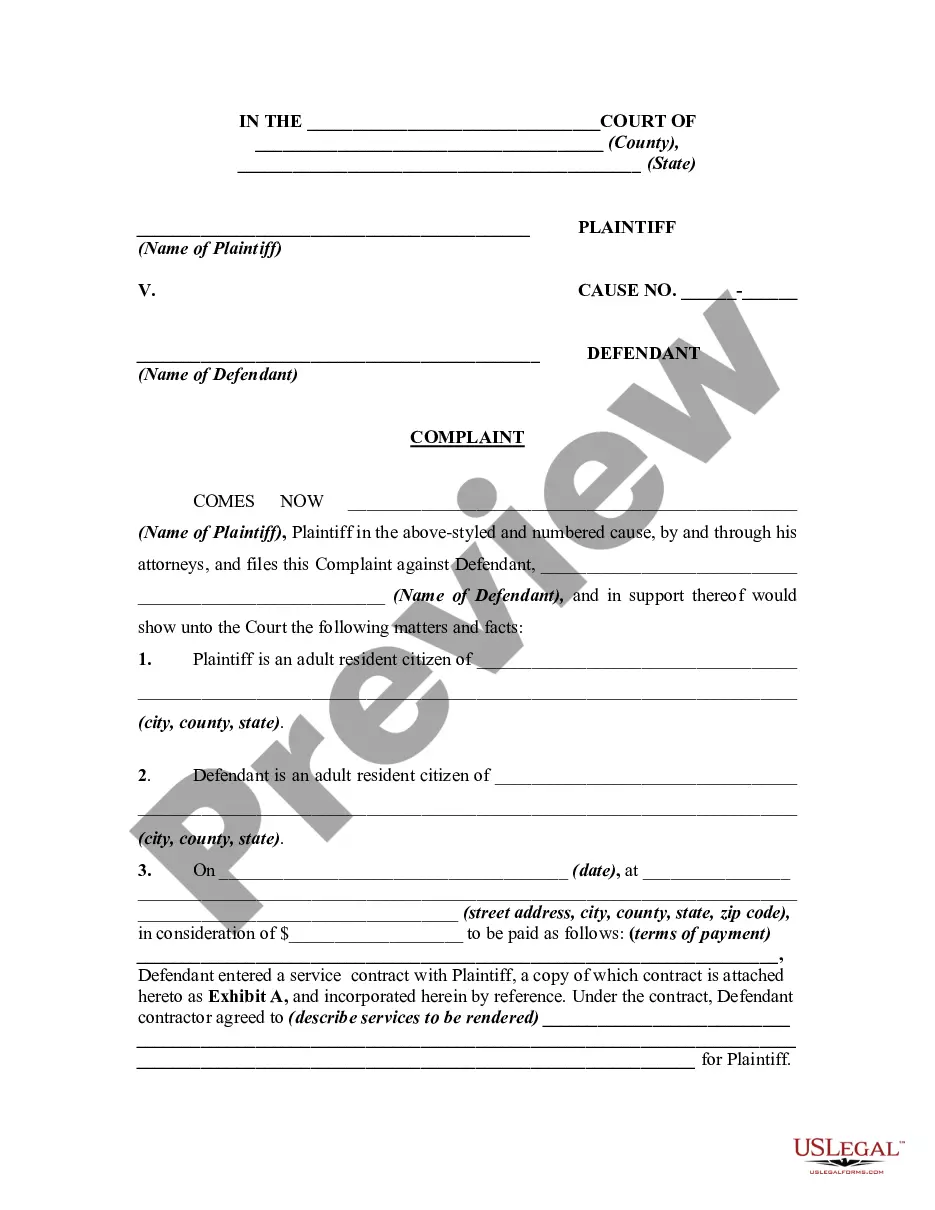
The party seeking a preliminary injunctive relief must demonstrate: (1) irreparable injury in the absence of such an order; (2) that the threatened injury to the moving party outweighs the harm to the opposing party resulting from the order; (3) that the injunction is not adverse to public interest; and (4) that the ...
Key provisions of a trademark cease and desist letter Details of the infringing party. Insert the name of the person at the infringing company to whom you think this letter should be addressed. Attaching relevant trademark copies. Response time other parties can take. Contact information for response.
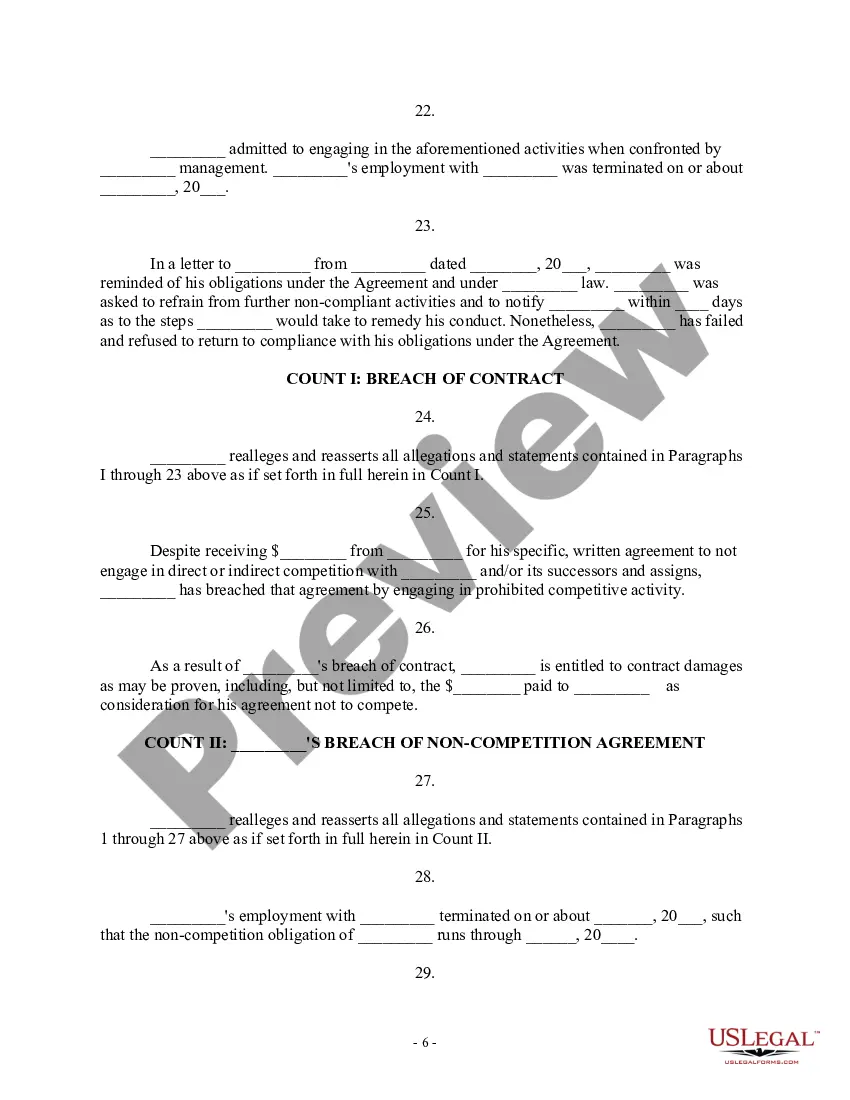
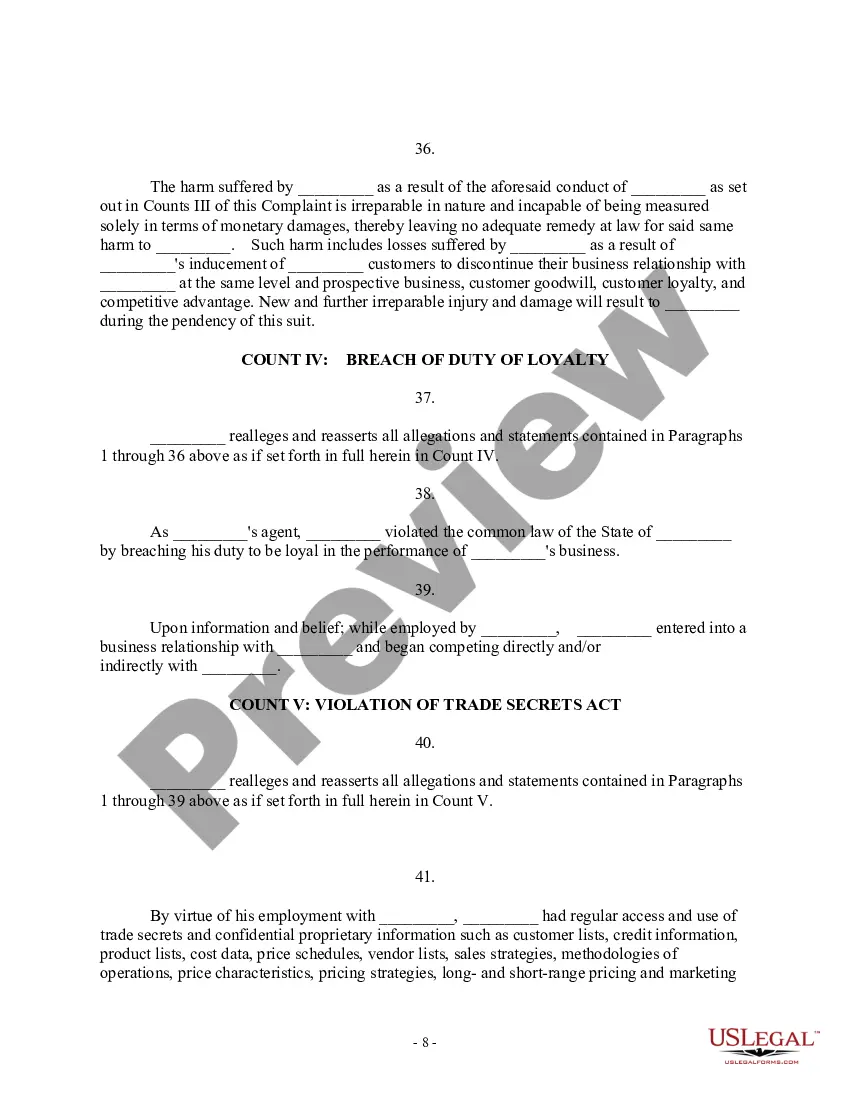
What Is an Example of Injunctive Relief? Theft of Clients: If a former employee poaches a company's clients, the innocent party may try to stop the former client from causing further damage. Breach of Contract: Injunctive relief is an effective way to stop an offending party from continuing to breach a contract.
Key Takeaways. A cease and desist letter is a forceful and formal requests to discontinue an activity with the potential for legal action. It must include key components such as identification of the issue, evidence to support claims, consequences & a legal basis for demands.
To warrant preliminary injunctive relief, the moving party must show (1) a substantial likelihood of success on the merits, (2) that it would suffer irrepa- rable injury if the injunction were not granted, (3) that an injunction would not substantially injure other interested parties, and (4) that the public interest ...
To obtain a preliminary injunction, the seeking party must generally show that they are likely to succeed on the merits of their case, that they will suffer irreparable harm without the injunction, that the balance of hardships favors them, and that the public interest supports the injunction.
