Injunctive Relief For Breach In Ohio
Description

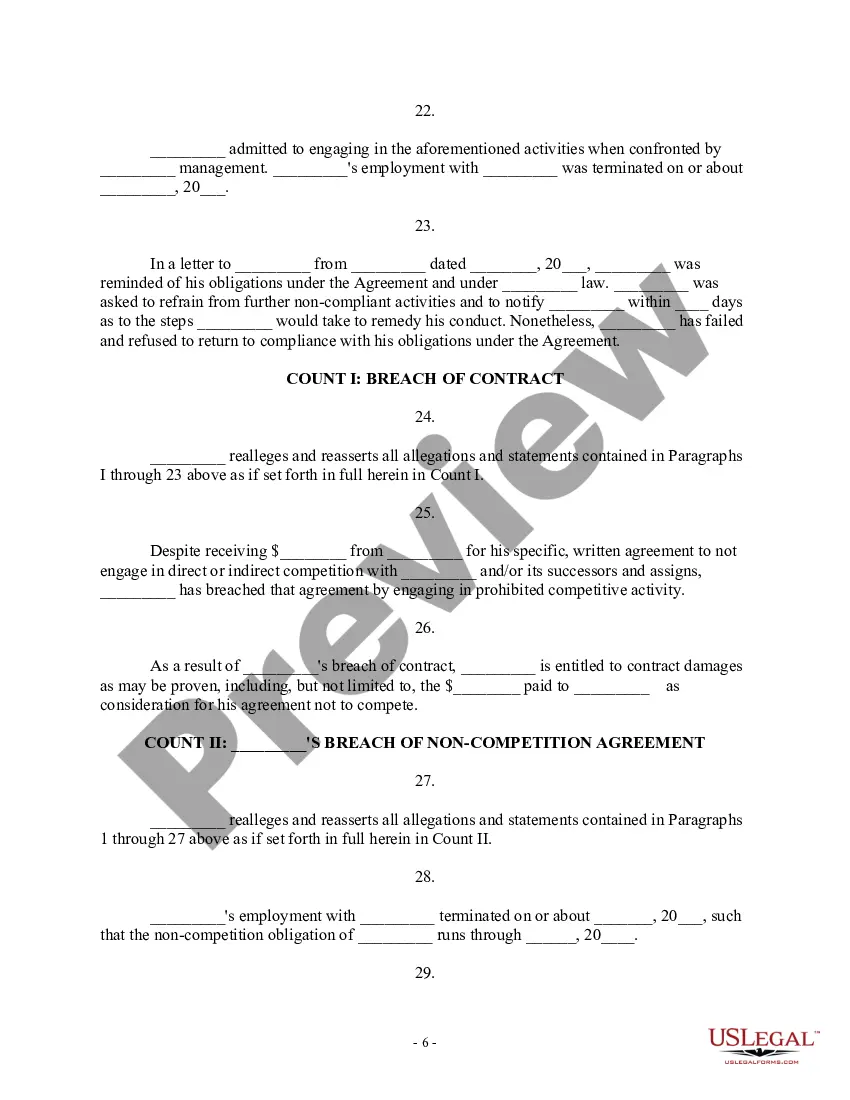
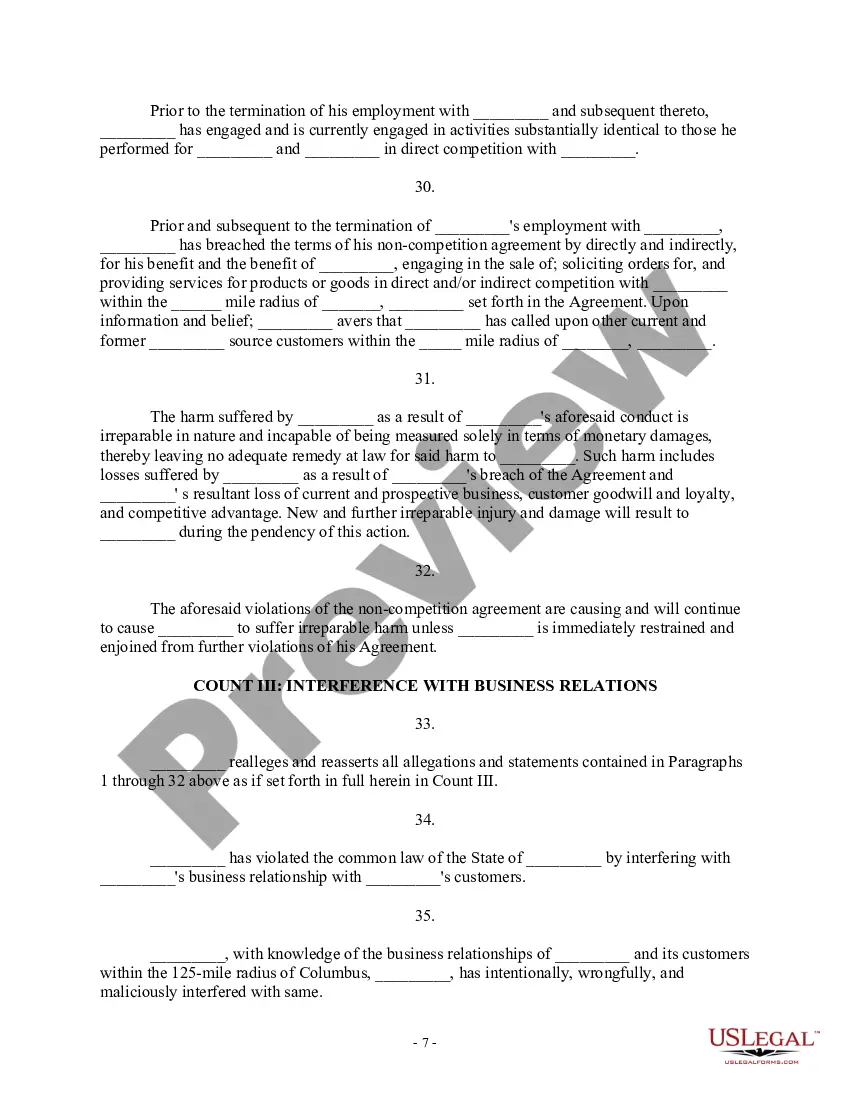
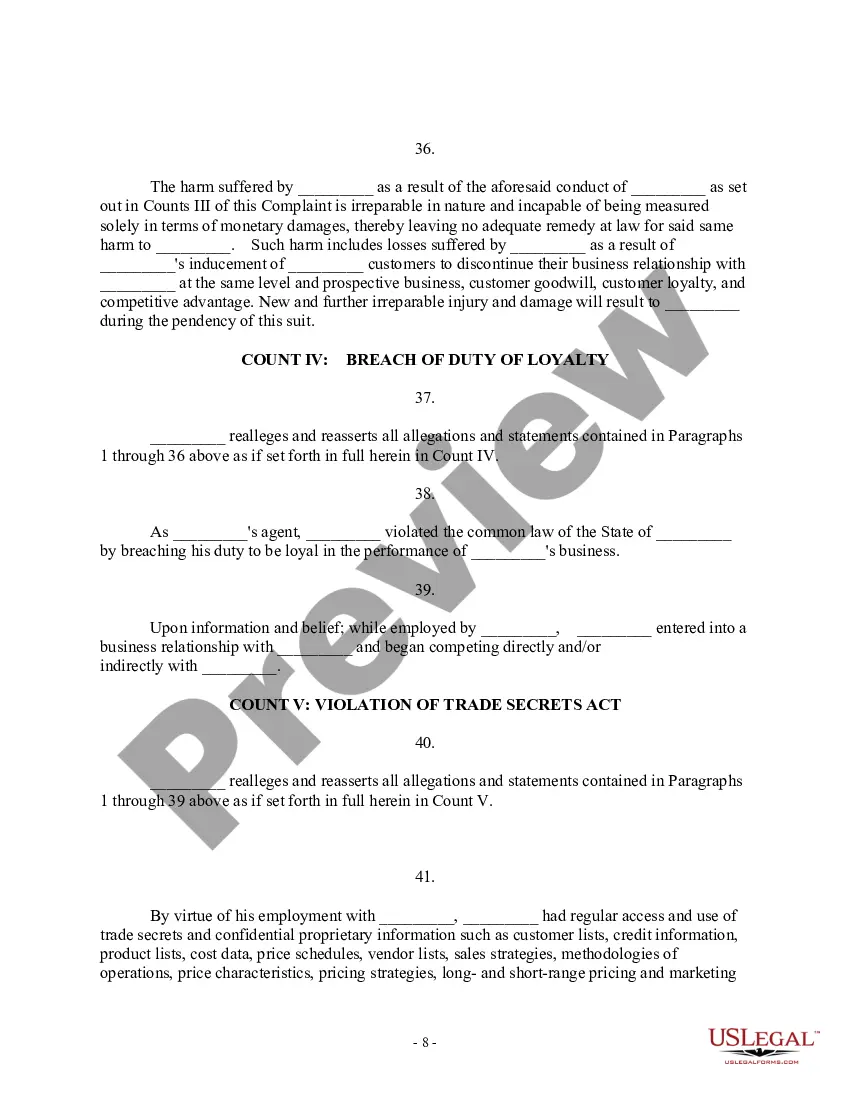
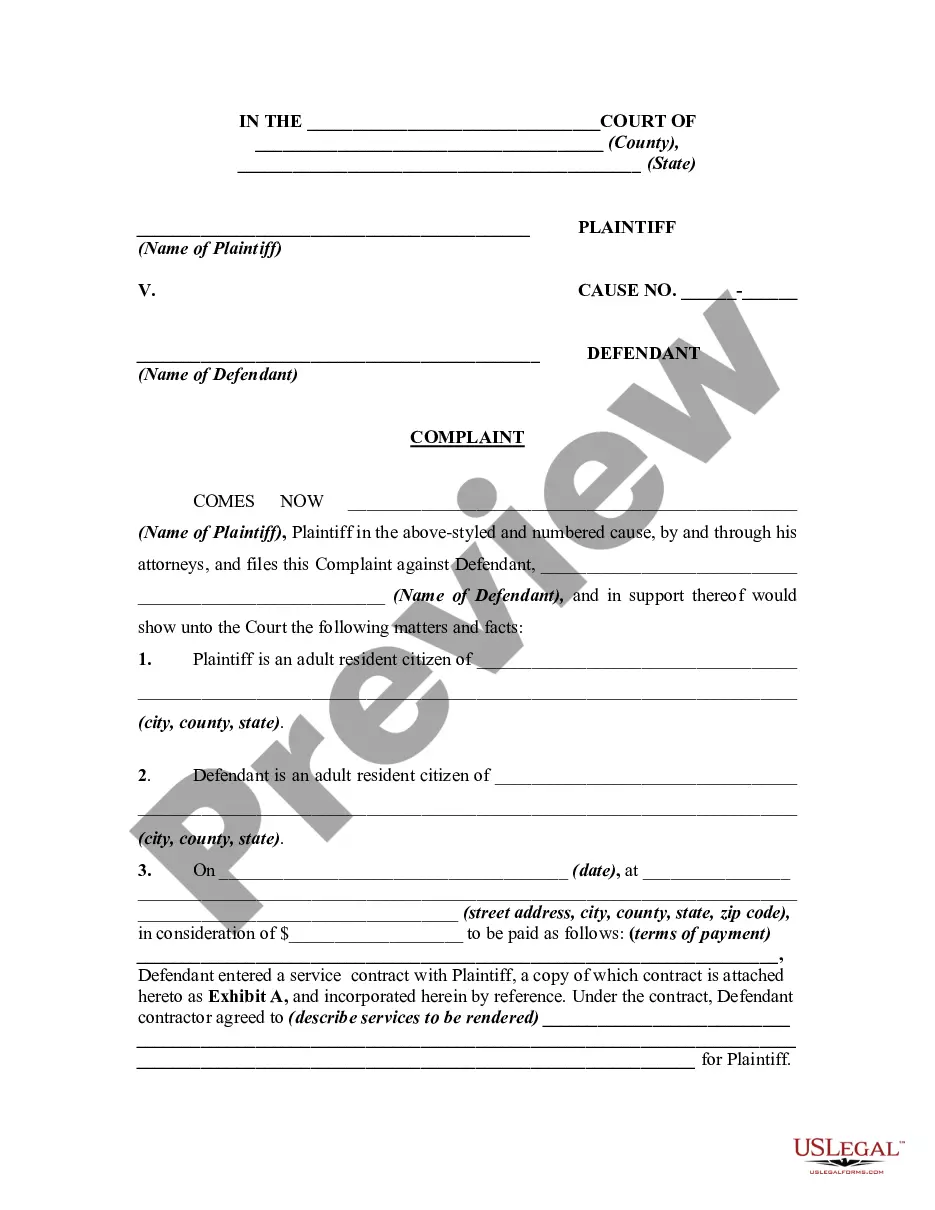

Get your form ready online
Our built-in tools help you complete, sign, share, and store your documents in one place.
Make edits, fill in missing information, and update formatting in US Legal Forms—just like you would in MS Word.
Download a copy, print it, send it by email, or mail it via USPS—whatever works best for your next step.
Sign and collect signatures with our SignNow integration. Send to multiple recipients, set reminders, and more. Go Premium to unlock E-Sign.
If this form requires notarization, complete it online through a secure video call—no need to meet a notary in person or wait for an appointment.
We protect your documents and personal data by following strict security and privacy standards.

Make edits, fill in missing information, and update formatting in US Legal Forms—just like you would in MS Word.

Download a copy, print it, send it by email, or mail it via USPS—whatever works best for your next step.

Sign and collect signatures with our SignNow integration. Send to multiple recipients, set reminders, and more. Go Premium to unlock E-Sign.

If this form requires notarization, complete it online through a secure video call—no need to meet a notary in person or wait for an appointment.

We protect your documents and personal data by following strict security and privacy standards.
Looking for another form?









Form popularity
FAQ
Civil Rule 45 (C) Protection of persons subject to subpoenas. (1) A party or an attorney responsible for the issuance and service of a subpoena shall take reasonable steps to avoid imposing undue burden or expense on a person subject to that subpoena.
Injunctive relief is a legal remedy that can be awarded by a court to prevent a party from taking certain actions or to require them to take certain actions. It is a form of equitable remedy that is used when monetary damages are not sufficient to remedy a breach of contract.
A valid contract; Performance of the duties indicated by the contract; Failure to perform the duties stipulated by the contract; and. Damages caused by a party's failure to perform those duties.
These may include the following. Specific performance. The non-breaching party may seek specific performance as a remedy for anticipatory breach of contract. Claim damages. Anticipatory breach of contract can result in financial losses for the non-breaching party. Rescission. Injunction:
A contract, whether written or verbal, is valid and enforceable in Ohio only if it includes these elements: An offer: One party offers to do something. An acceptance: The other party accepts that offer. A consideration: Each party makes something of value available.
7 Remedies for Breach of Contract Financial Compensation for Breached Contracts. Specific Performance in Contract Law. Legal Injunctions in Contract Disputes. Rescission and Restitution. Liquidated Damages. Punitive Damages. Nominal Damages for Contract Violators.
Section 2737.20 | Injunctive relief. In addition to, or in lieu of, any other relief available under sections 2737.01 to 2737.19 of the Revised Code, the court may grant a temporary restraining order, preliminary injunction, or permanent injunction in ance with the Rules of Civil Procedure.
There are three types of injunctions: Permanent injunctions, Temporary restraining orders and preliminary injunctions. Temporary restraining orders (TRO) and preliminary injunctions are equitable in nature.
Injunctive relief, also known as an injunction, is a remedy which restrains a party from doing certain acts or requires a party to act in a certain way.
These courts consider: (1) the likelihood of success on the merits; (2) irreparable harm if the injunction is not granted; (3) whether a balancing of the relevant equities favors the injunction; and (4) whether the issuance of the injunction is in the public interest.
