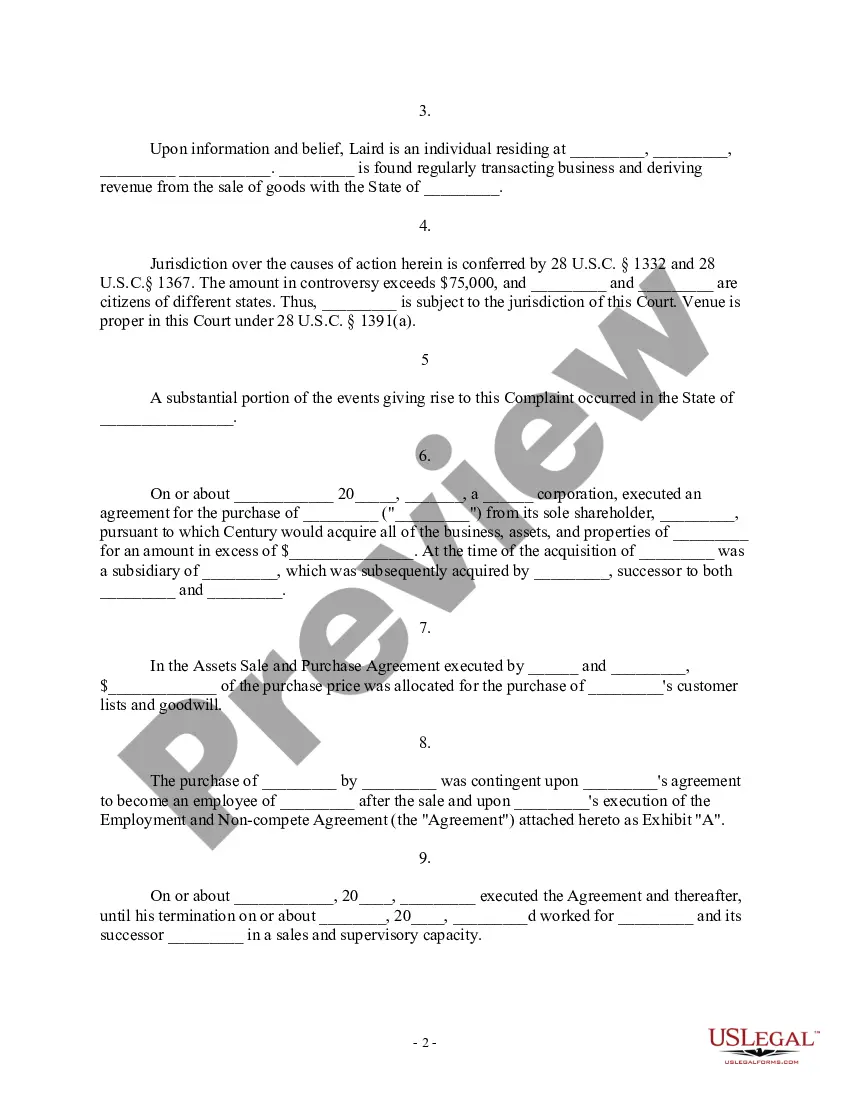
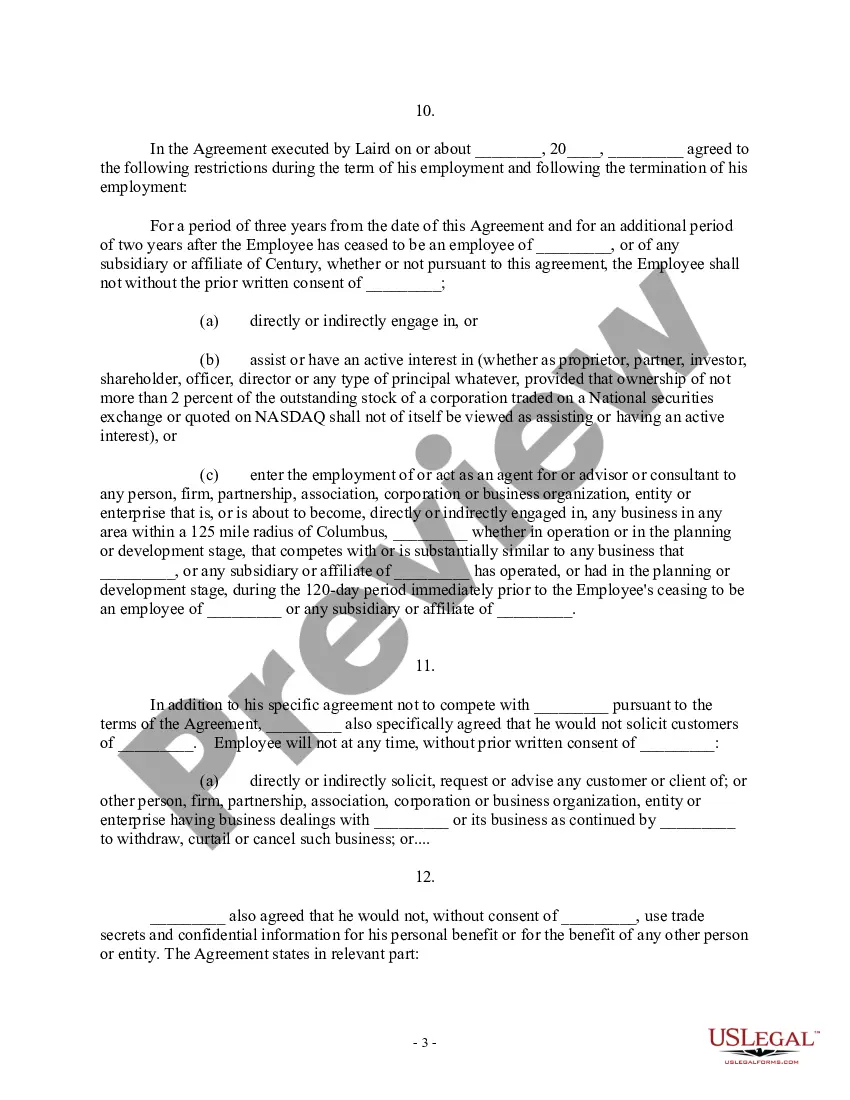
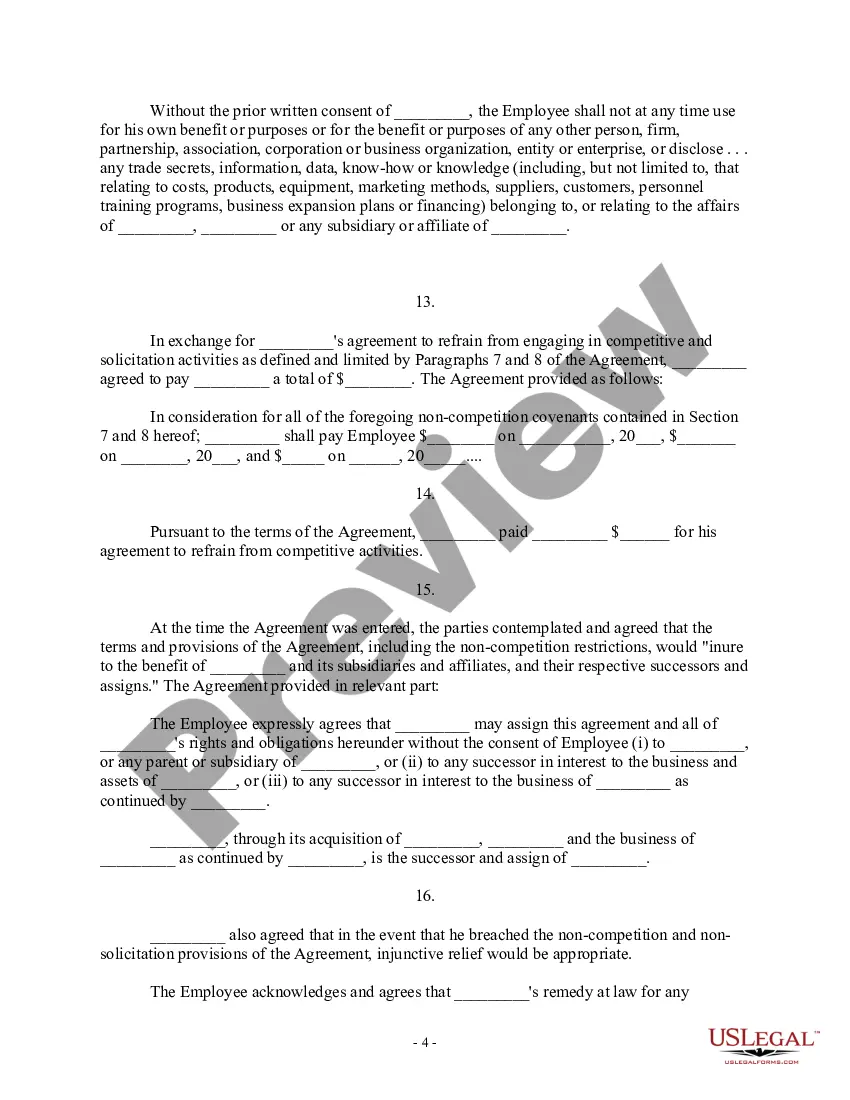
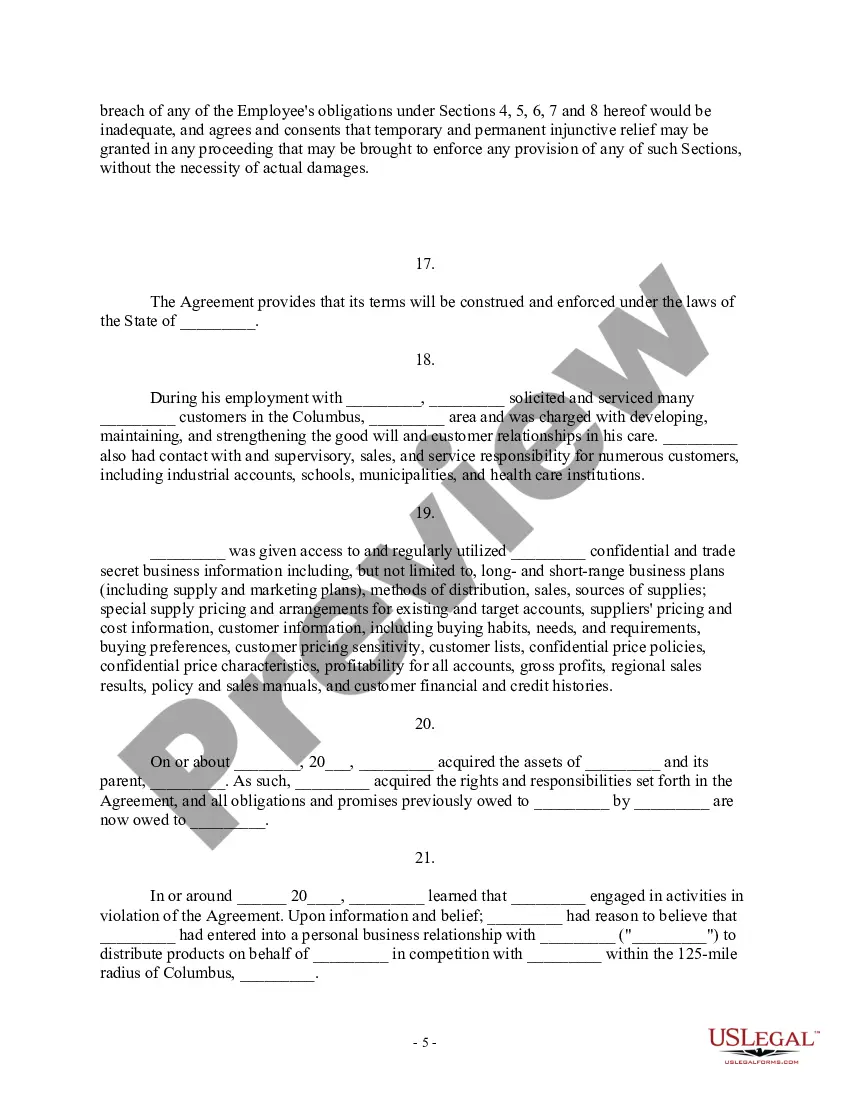
Complaint Injunctive Form With Two Points In Ohio
Description

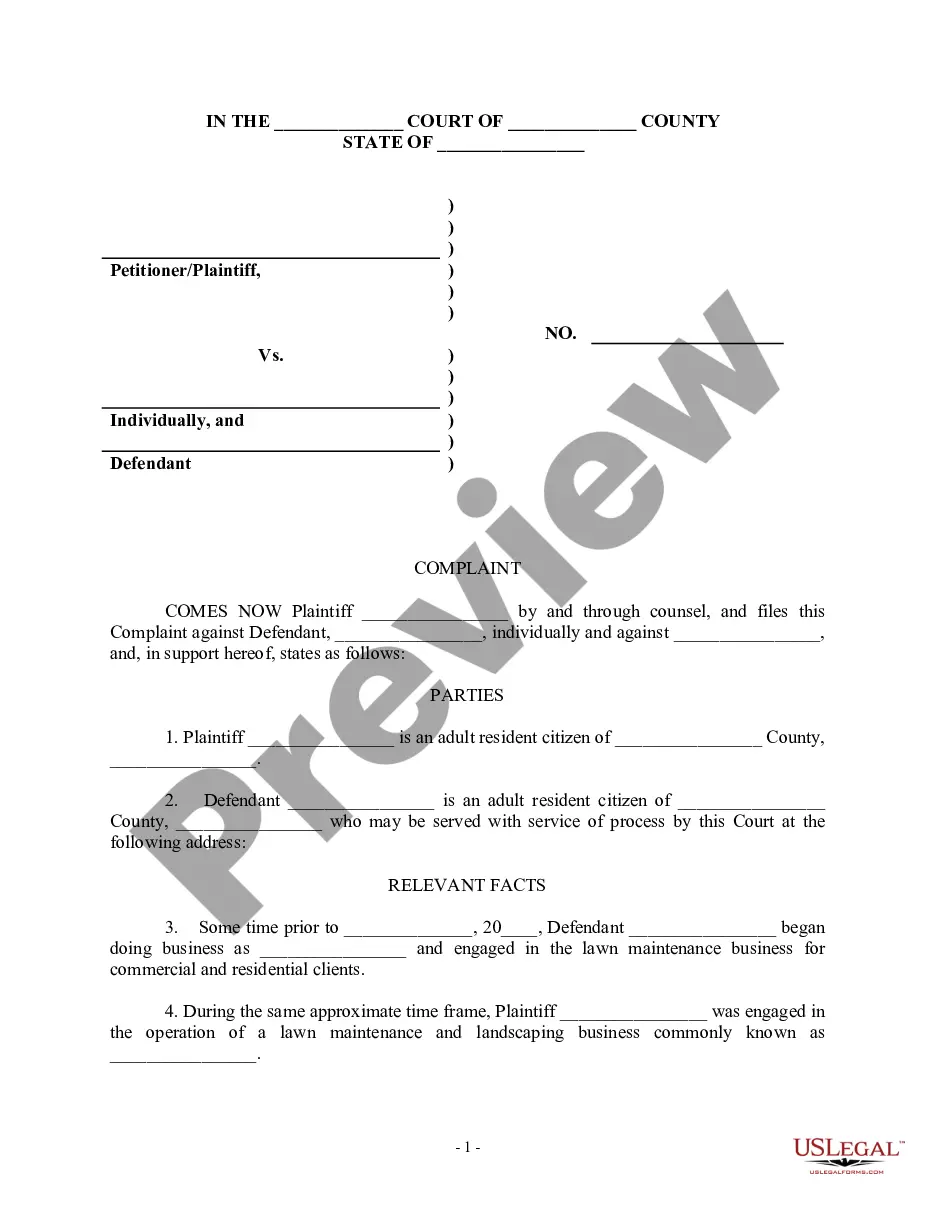

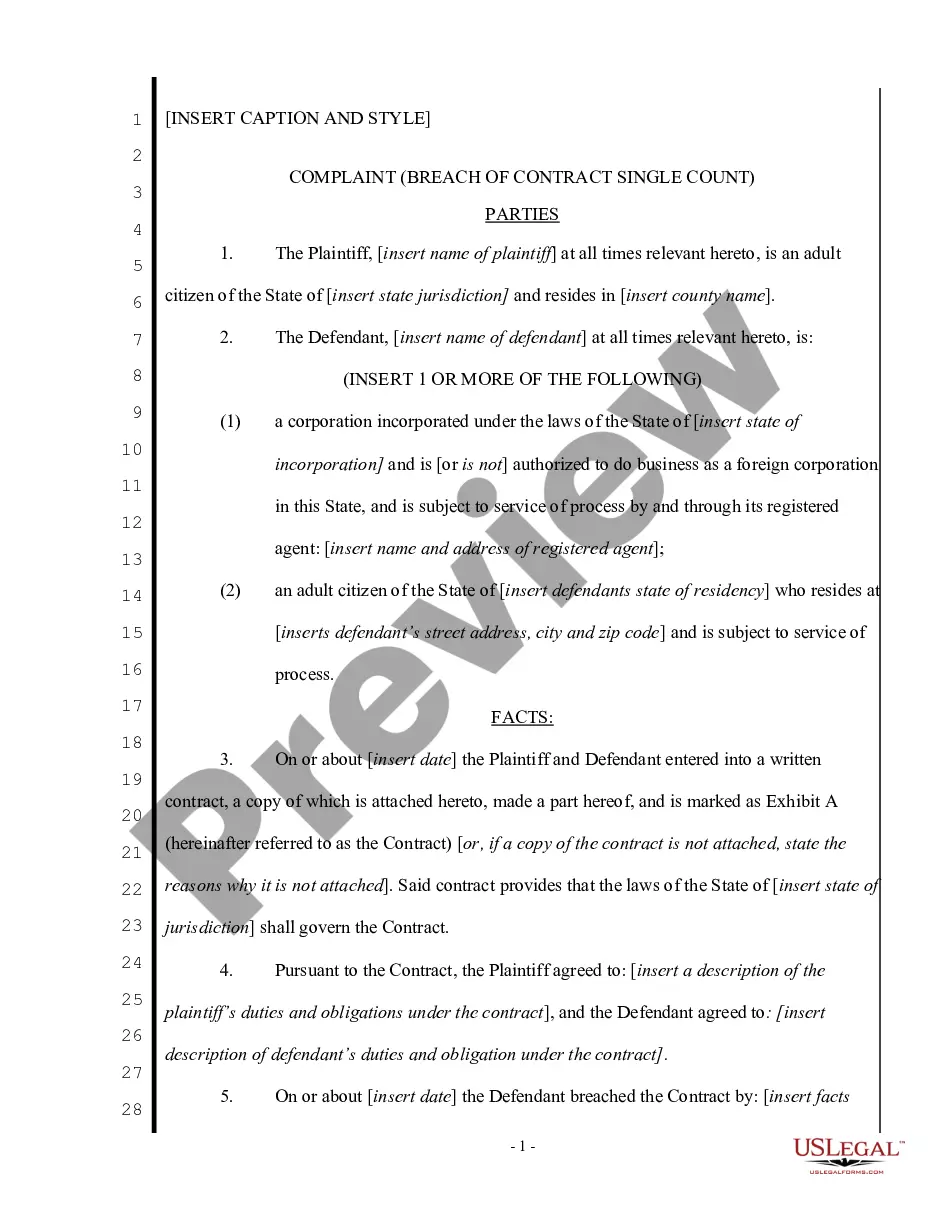
Get your form ready online
Our built-in tools help you complete, sign, share, and store your documents in one place.
Make edits, fill in missing information, and update formatting in US Legal Forms—just like you would in MS Word.
Download a copy, print it, send it by email, or mail it via USPS—whatever works best for your next step.
Sign and collect signatures with our SignNow integration. Send to multiple recipients, set reminders, and more. Go Premium to unlock E-Sign.
If this form requires notarization, complete it online through a secure video call—no need to meet a notary in person or wait for an appointment.
We protect your documents and personal data by following strict security and privacy standards.

Make edits, fill in missing information, and update formatting in US Legal Forms—just like you would in MS Word.

Download a copy, print it, send it by email, or mail it via USPS—whatever works best for your next step.

Sign and collect signatures with our SignNow integration. Send to multiple recipients, set reminders, and more. Go Premium to unlock E-Sign.

If this form requires notarization, complete it online through a secure video call—no need to meet a notary in person or wait for an appointment.

We protect your documents and personal data by following strict security and privacy standards.
Looking for another form?

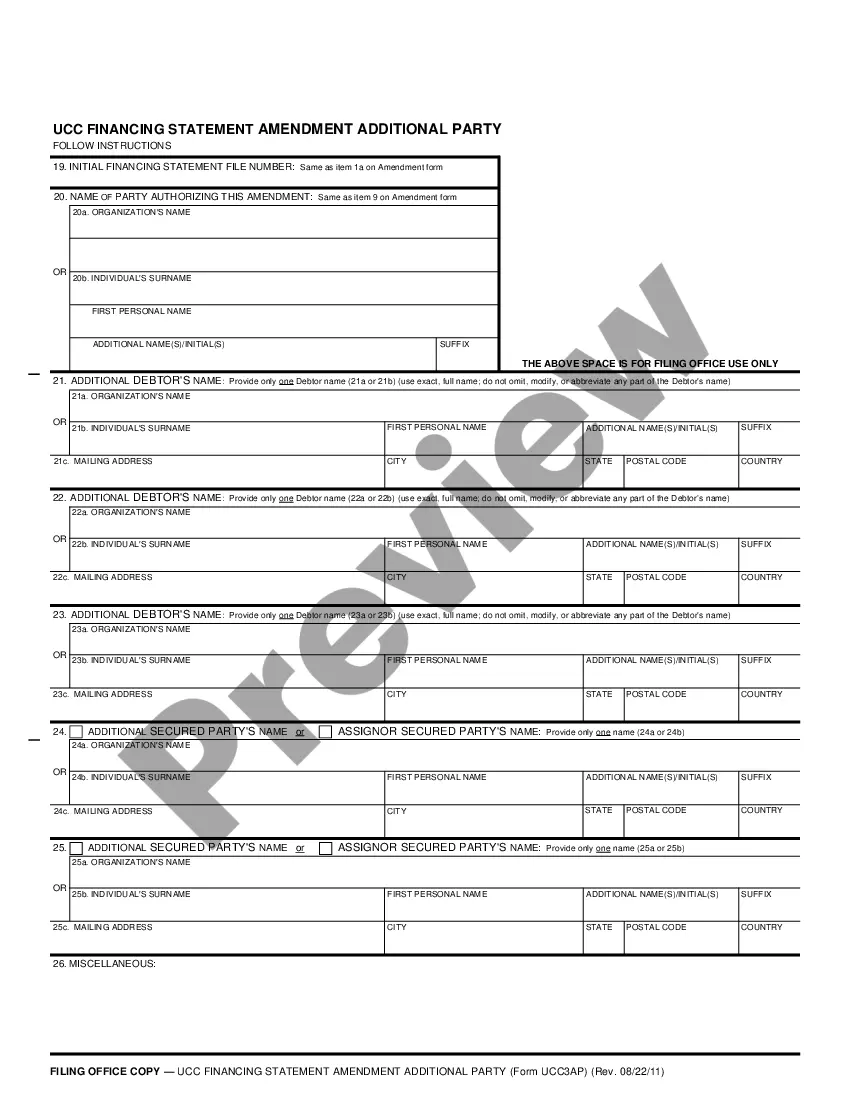

Form popularity
FAQ
Rule 4.1(A) is subdivided and amended to permit the clerk to make service of process using a commercial carrier service to make delivery by any method requiring a signed receipt. A "signed receipt" includes the return and filing of an electronic image of the signature.
(A) Subject to sections 1746.14, 1747.09, and 2131.09 of the Revised Code, no interest in real or personal property shall be good unless it must vest, if at all, not later than twenty-one years after a life or lives in being at the creation of the interest.
A party may serve upon any other party a written request for the admission, for purposes of the pending action only, of the truth of any matters within the scope of Civ.
Civil Rule 45 (C) Protection of persons subject to subpoenas. (1) A party or an attorney responsible for the issuance and service of a subpoena shall take reasonable steps to avoid imposing undue burden or expense on a person subject to that subpoena.
Ohio Rule of Civil Procedure 35 explicitly states that when a party's physical or mental condition “is in controversy,” the court “may order” that party to submit to a physical or mental examination. The rule further specifies that this order may be made “only on motion for good cause shown.”
RULE 408. Evidence of conduct or statements made in compromise negotiations is likewise not admissible. This rule does not require the exclusion of any evidence otherwise discoverable merely because it is presented in the course of compromise negotiations.
57. The procedure for obtaining a declaratory judgment pursuant to Chapter 2721 of the Revised Code shall be in ance with these rules. The existence of another adequate remedy does not preclude a judgment for declaratory relief in cases where it is appropriate.
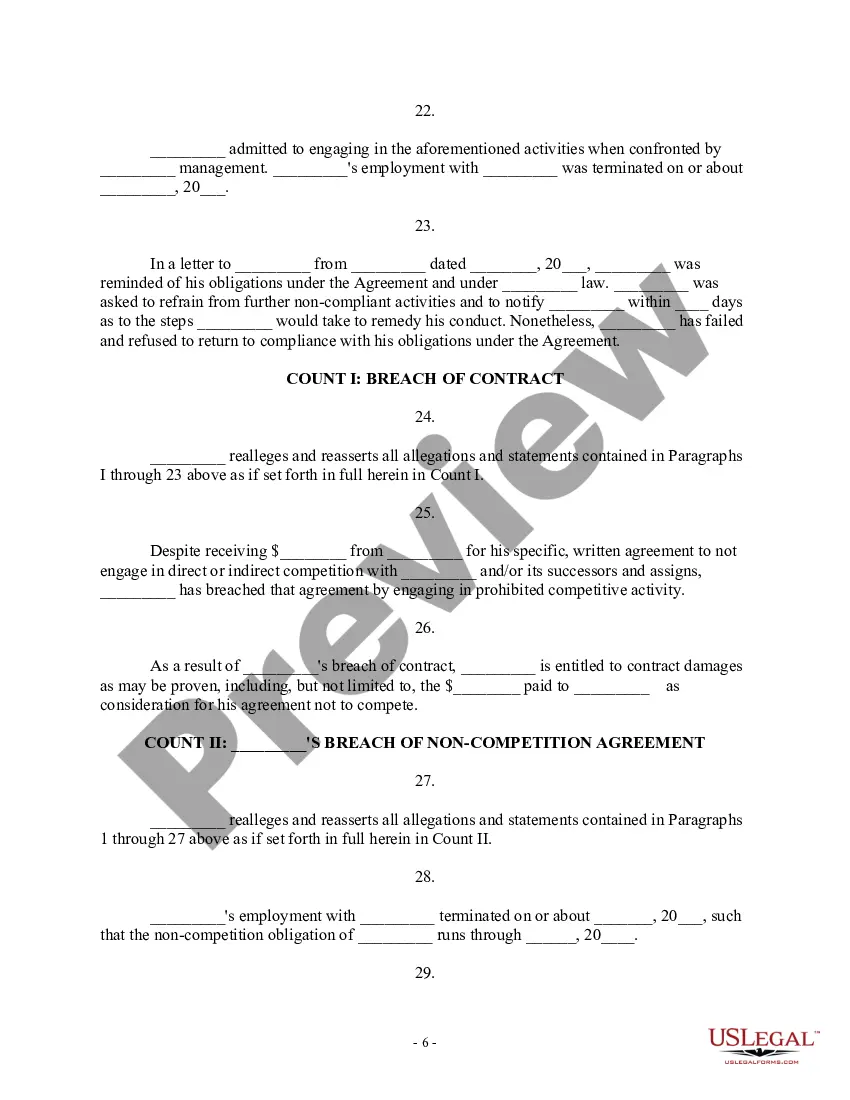
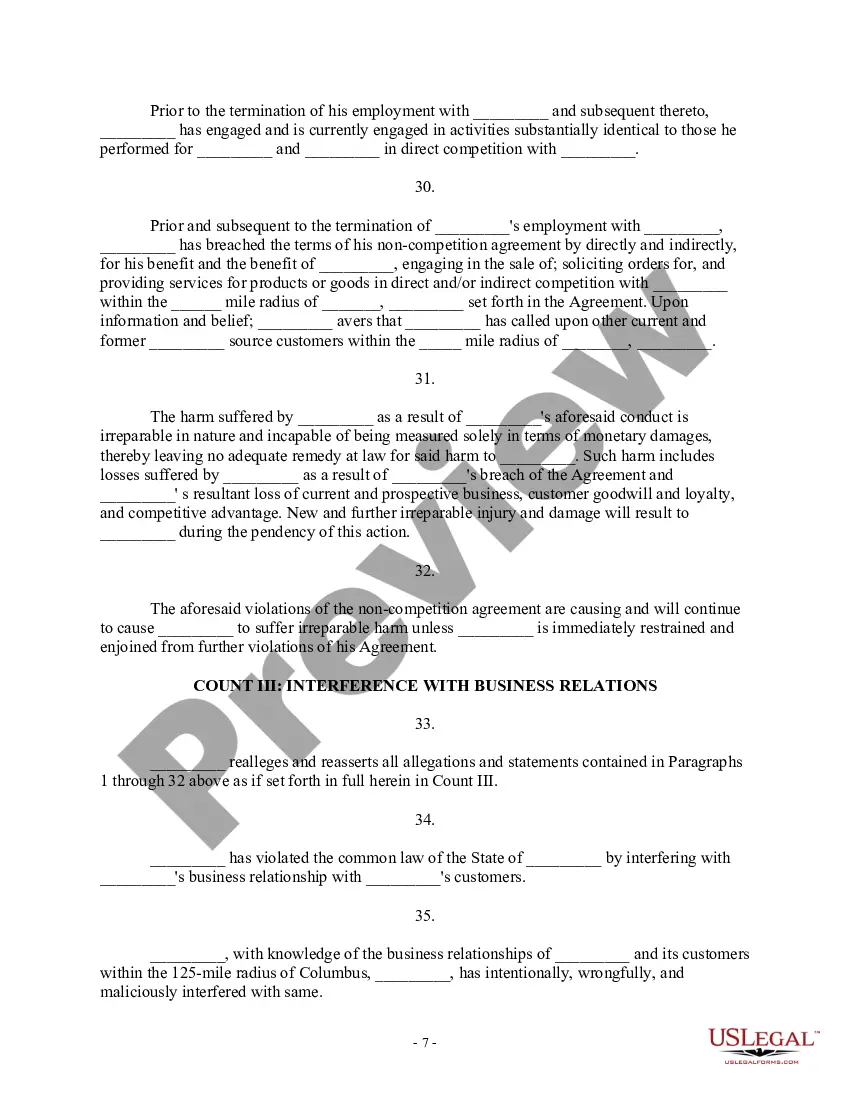
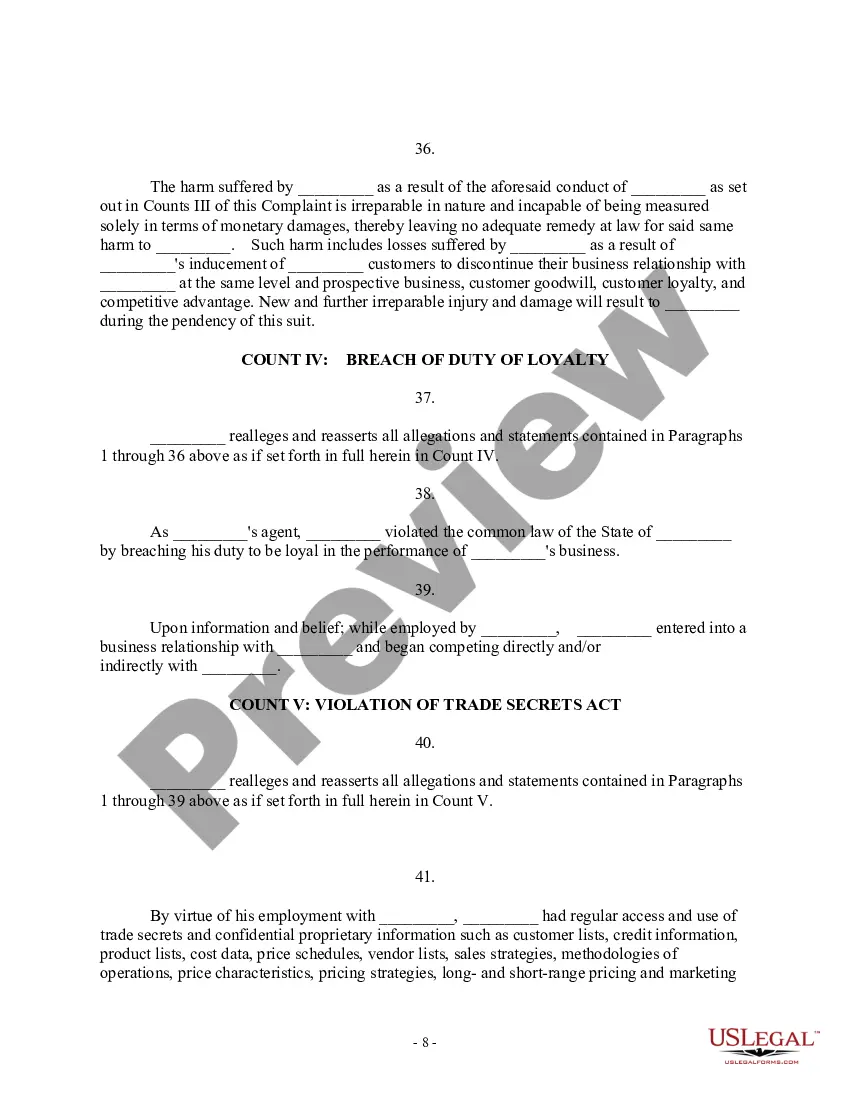
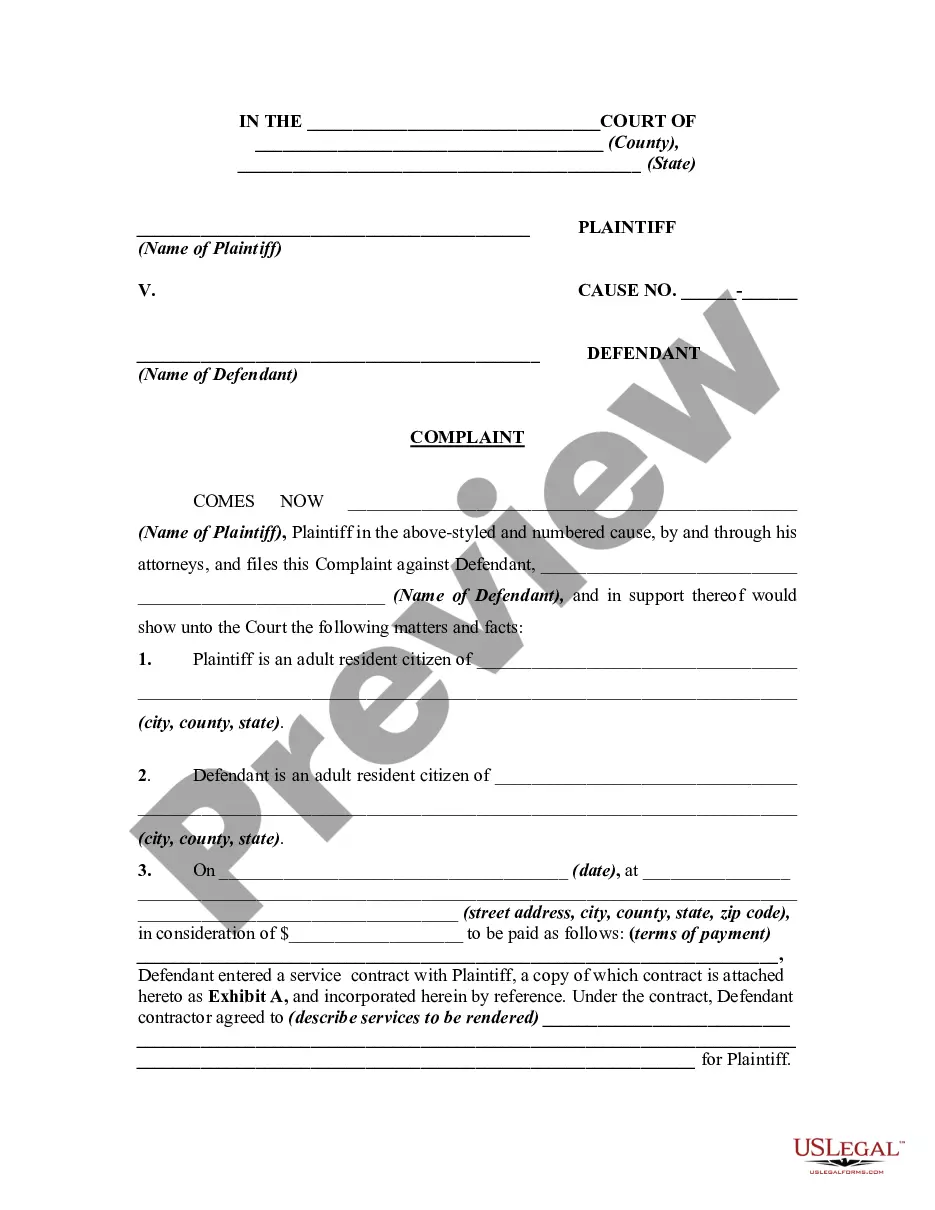
A party seeking an injunction must show: Substantial likelihood of success on the merits. Parties seeking the injunction need to show that they are likely to win their case. Irreparable harm. Balancing the equities. Public interest.
To warrant preliminary injunctive relief, the moving party must show (1) a substantial likelihood of success on the merits, (2) that it would suffer irrepa- rable injury if the injunction were not granted, (3) that an injunction would not substantially injure other interested parties, and (4) that the public interest ...
To seek a permanent injunction, the plaintiff must pass the four-step test: (1) that the plaintiff has suffered an irreparable injury; (2) that remedies available at law, such as monetary damages, are inadequate to compensate for the injury; (3) that the remedy in equity is warranted upon consideration of the balance ...