Injunctive Relief For Copyright Infringement In Oakland
Description










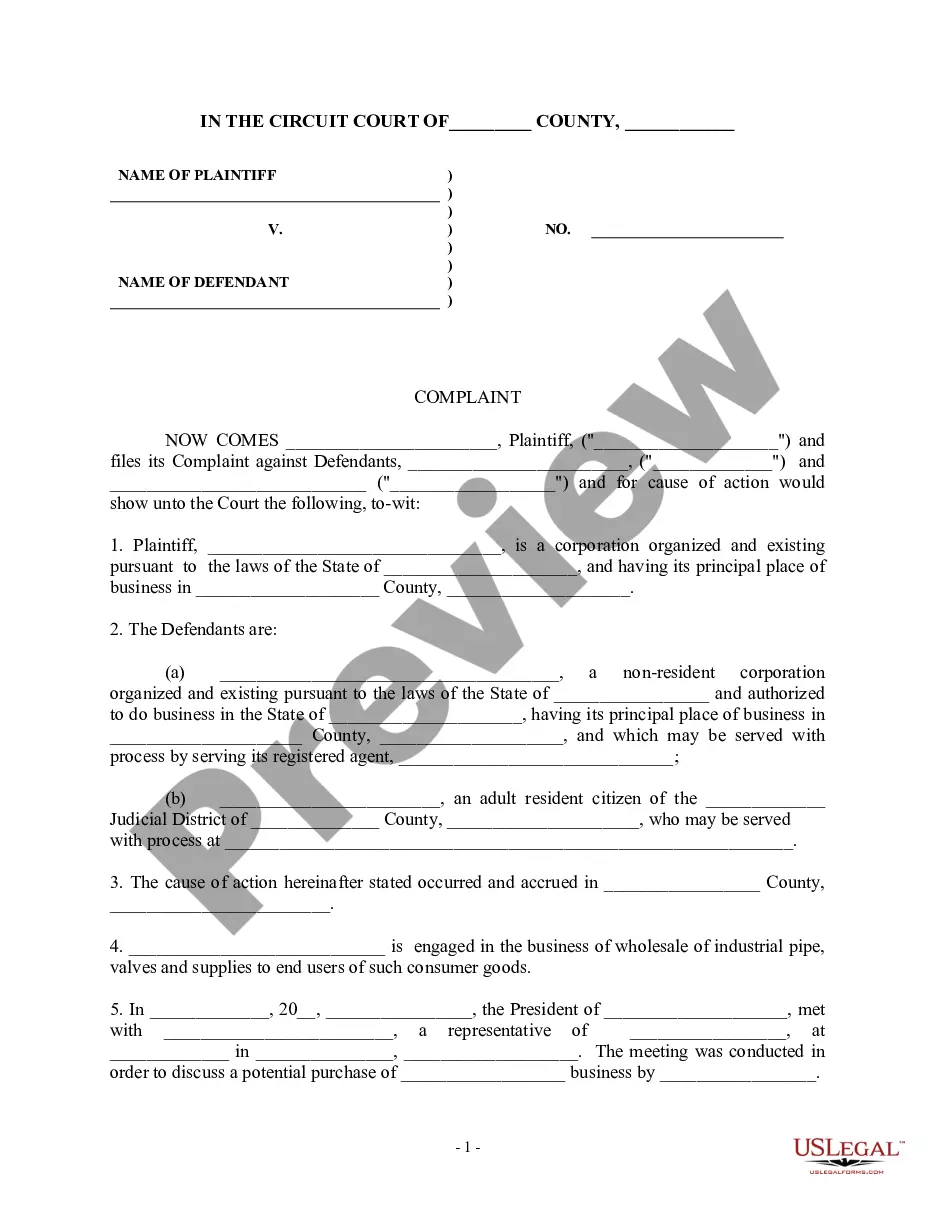


Get your form ready online
Our built-in tools help you complete, sign, share, and store your documents in one place.
Make edits, fill in missing information, and update formatting in US Legal Forms—just like you would in MS Word.
Download a copy, print it, send it by email, or mail it via USPS—whatever works best for your next step.
Sign and collect signatures with our SignNow integration. Send to multiple recipients, set reminders, and more. Go Premium to unlock E-Sign.
If this form requires notarization, complete it online through a secure video call—no need to meet a notary in person or wait for an appointment.
We protect your documents and personal data by following strict security and privacy standards.

Make edits, fill in missing information, and update formatting in US Legal Forms—just like you would in MS Word.

Download a copy, print it, send it by email, or mail it via USPS—whatever works best for your next step.

Sign and collect signatures with our SignNow integration. Send to multiple recipients, set reminders, and more. Go Premium to unlock E-Sign.

If this form requires notarization, complete it online through a secure video call—no need to meet a notary in person or wait for an appointment.

We protect your documents and personal data by following strict security and privacy standards.
Looking for another form?







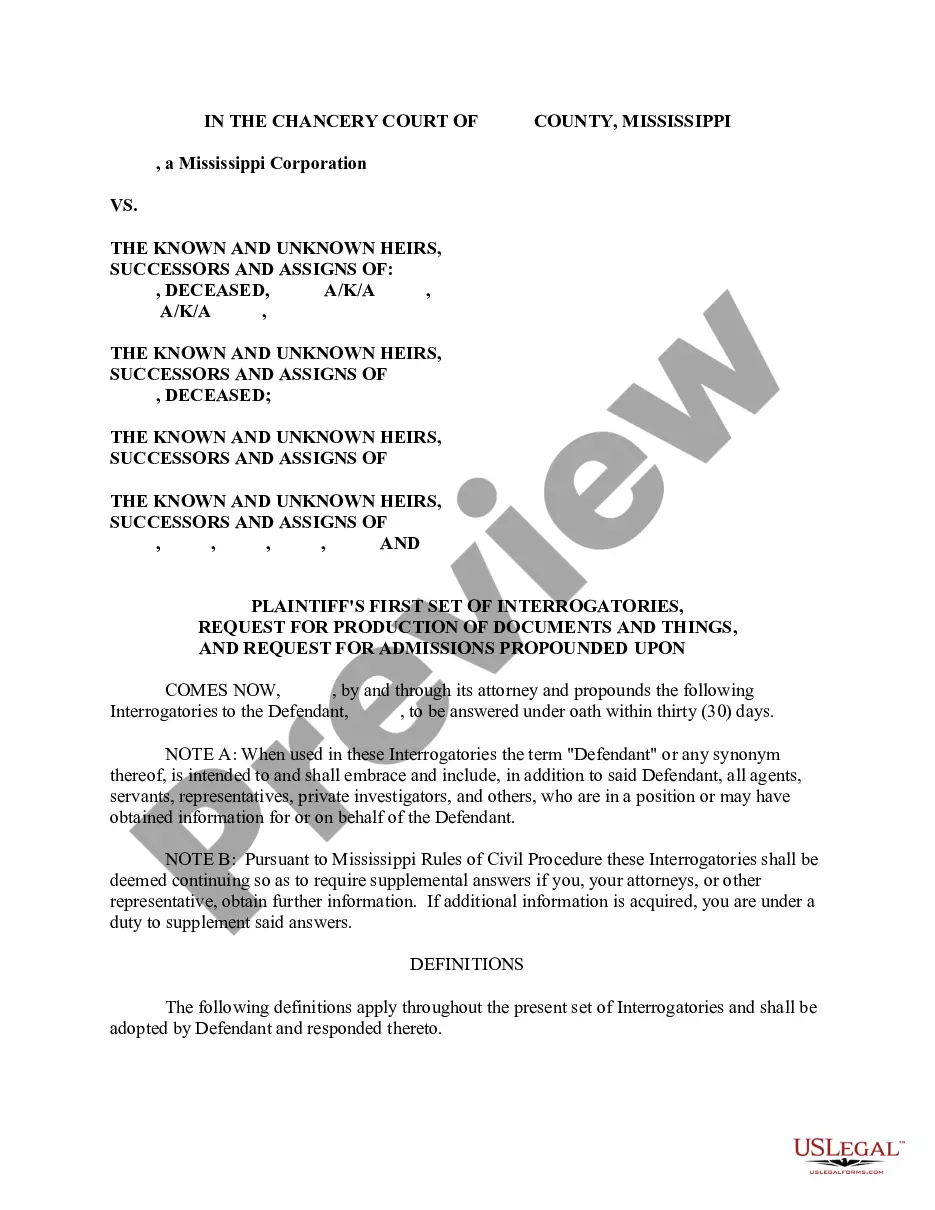
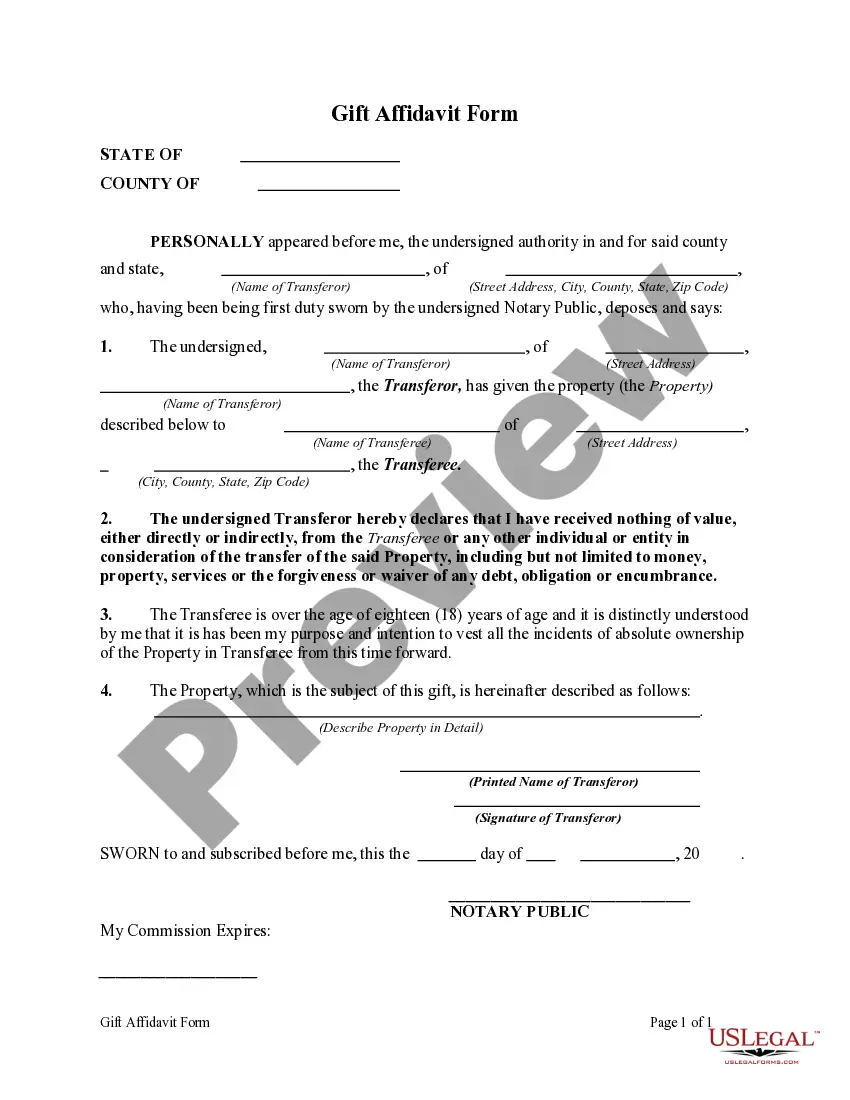
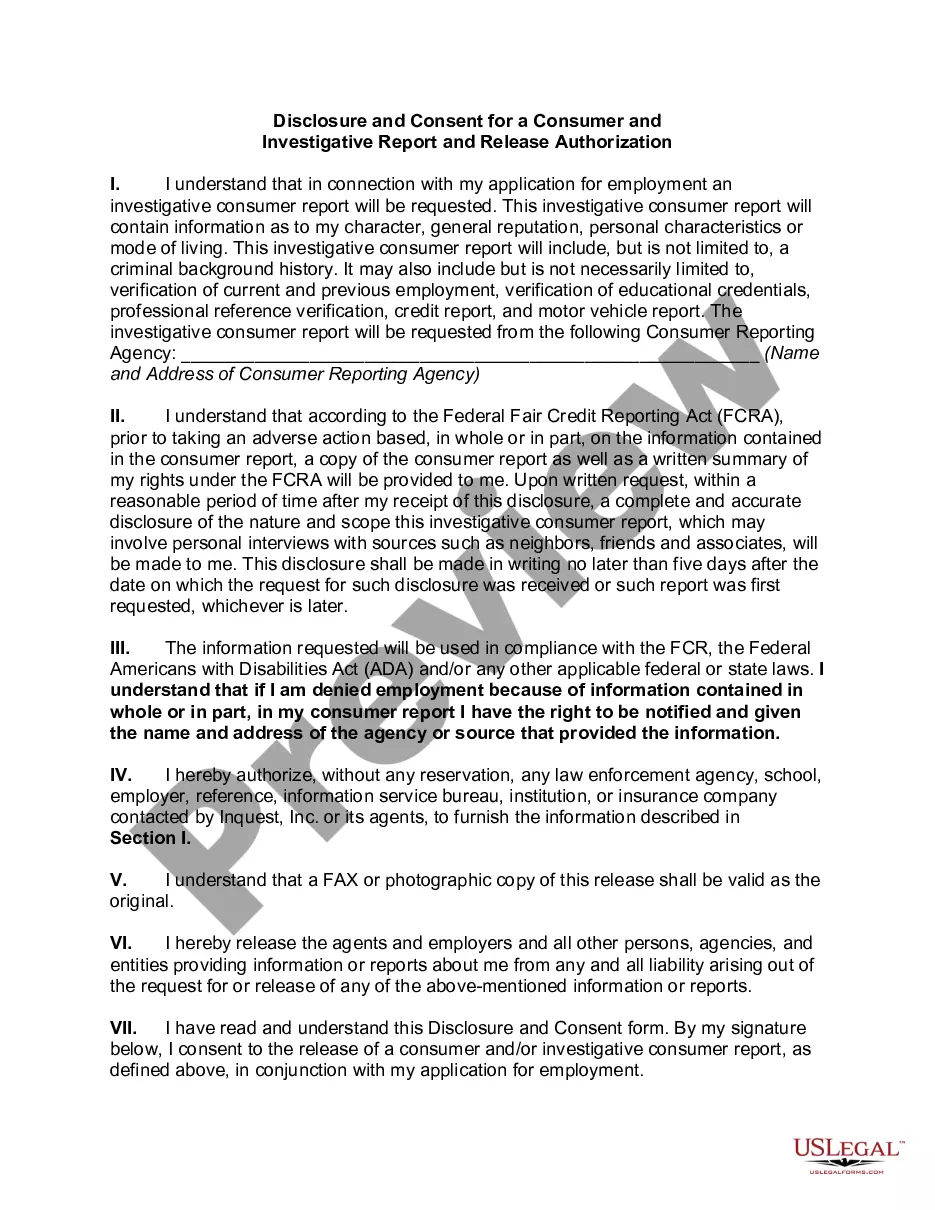
Form popularity
FAQ
An injunction is a court order requiring a person to do or cease doing a specific action. There are three types of injunctions: Permanent injunctions , Temporary restraining orders and preliminary injunctions . Temporary restraining orders (TRO) and preliminary injunctions are equitable in nature.
Copyright infringement occurs whenever someone reproduces, distributes, publicly displays, or makes a derivative work from a copyright protected work of art. For example, plagiarism, or directly copying someone else's work, is copyright infringement by illegally reproduced protected work.
The party seeking a preliminary injunctive relief must demonstrate: Irreparable injury in the absence of such an order; That the threatened injury to the moving party outweighs the harm to the opposing party resulting from the order ; That the injunction is not adverse to public interest; and.
Unlike monetary damages, which compensate for past harm, injunctive relief is focused on preventing future harm, particularly when monetary remedies would be insufficient. Injunctions are an equitable remedy, meaning they seek fairness rather than strictly following legal entitlements.
Injunctive relief, also known as an injunction , is a court-ordered remedy which restricts a party from committing specific actions or requires a party to complete specific actions.
The principal criminal statute protecting copyrighted works is 17 U.S.C. § 506(a), which provides that "any person who infringes a copyright willfully and for purposes of commercial advantage or private financial gain" shall be punished as provided in 18 U.S.C. § 2319.
Actual damages can be very high, but they must be proved and can also be very low. 4) If you haven't registered your work before the infringement, and the value of the infringement is low, it may be best to seek a settlement before starting a lawsuit.
One remedy is injunctive relief, which restrains the defendant from future copying of the work. A preliminary injunction can be sought early in the case to restrain copying during the lawsuit.
The Court can issue an injunction to stop the infringing acts. The Court can impound the illegal works. The infringer can go to jail.
The party seeking a preliminary injunctive relief must demonstrate: (1) irreparable injury in the absence of such an order; (2) that the threatened injury to the moving party outweighs the harm to the opposing party resulting from the order; (3) that the injunction is not adverse to public interest; and (4) that the ...
