Injunctive Relief For In Miami-Dade
Description

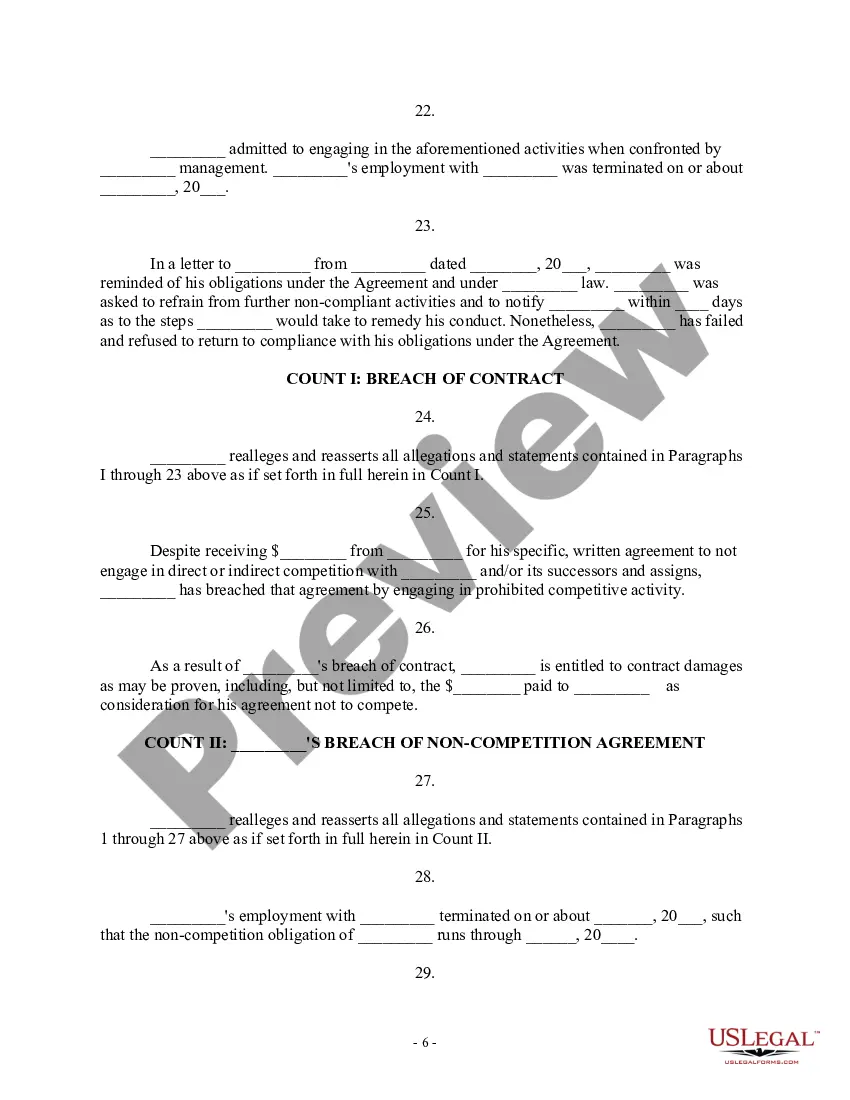
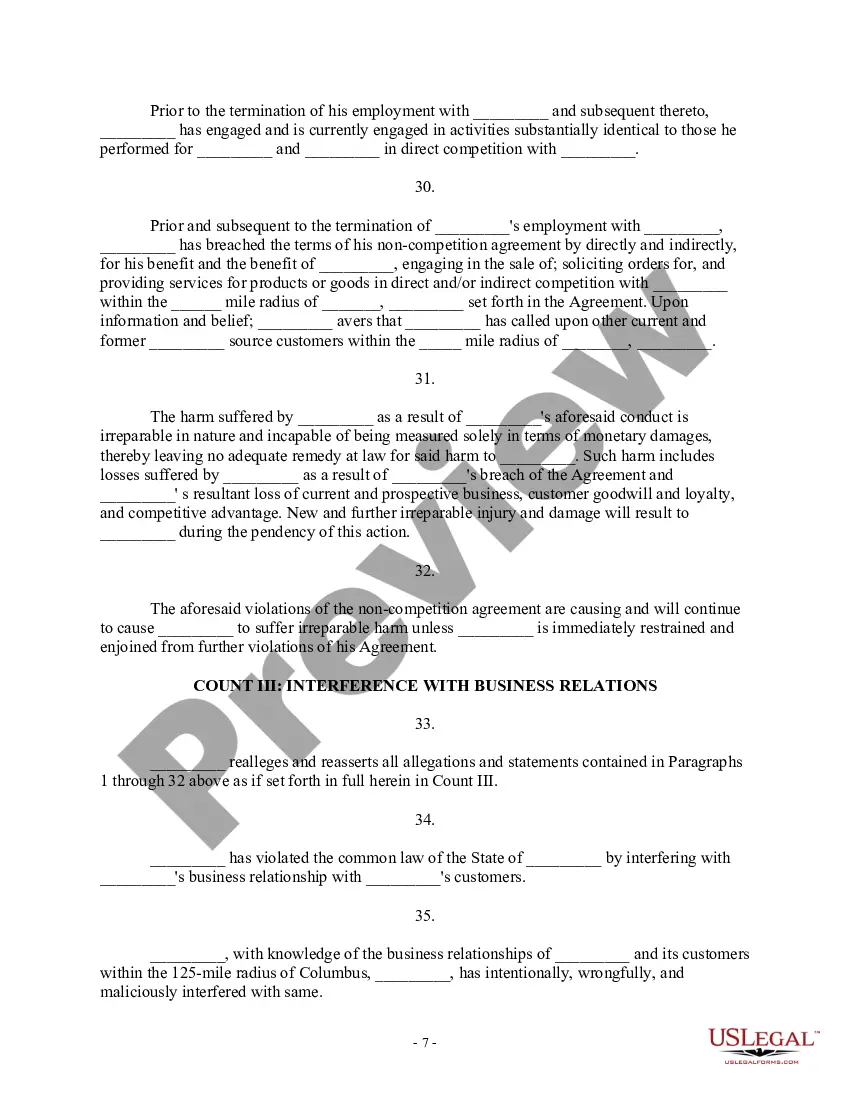
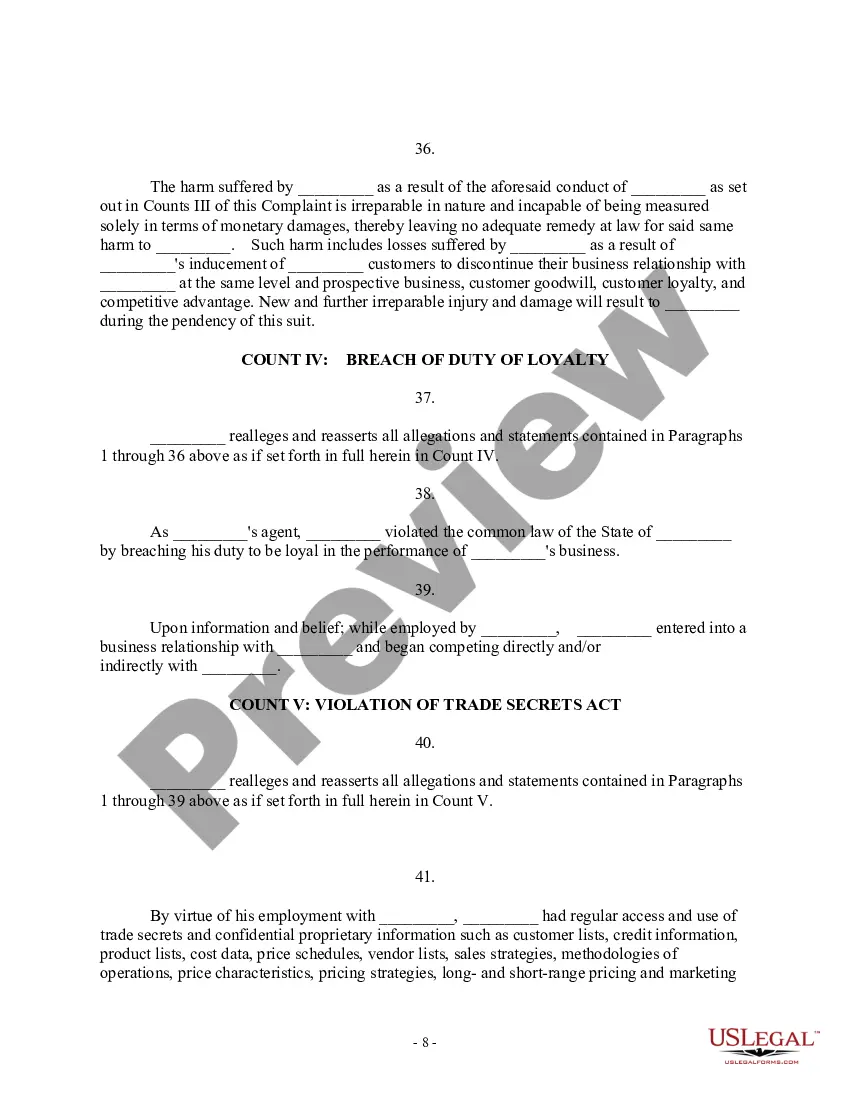

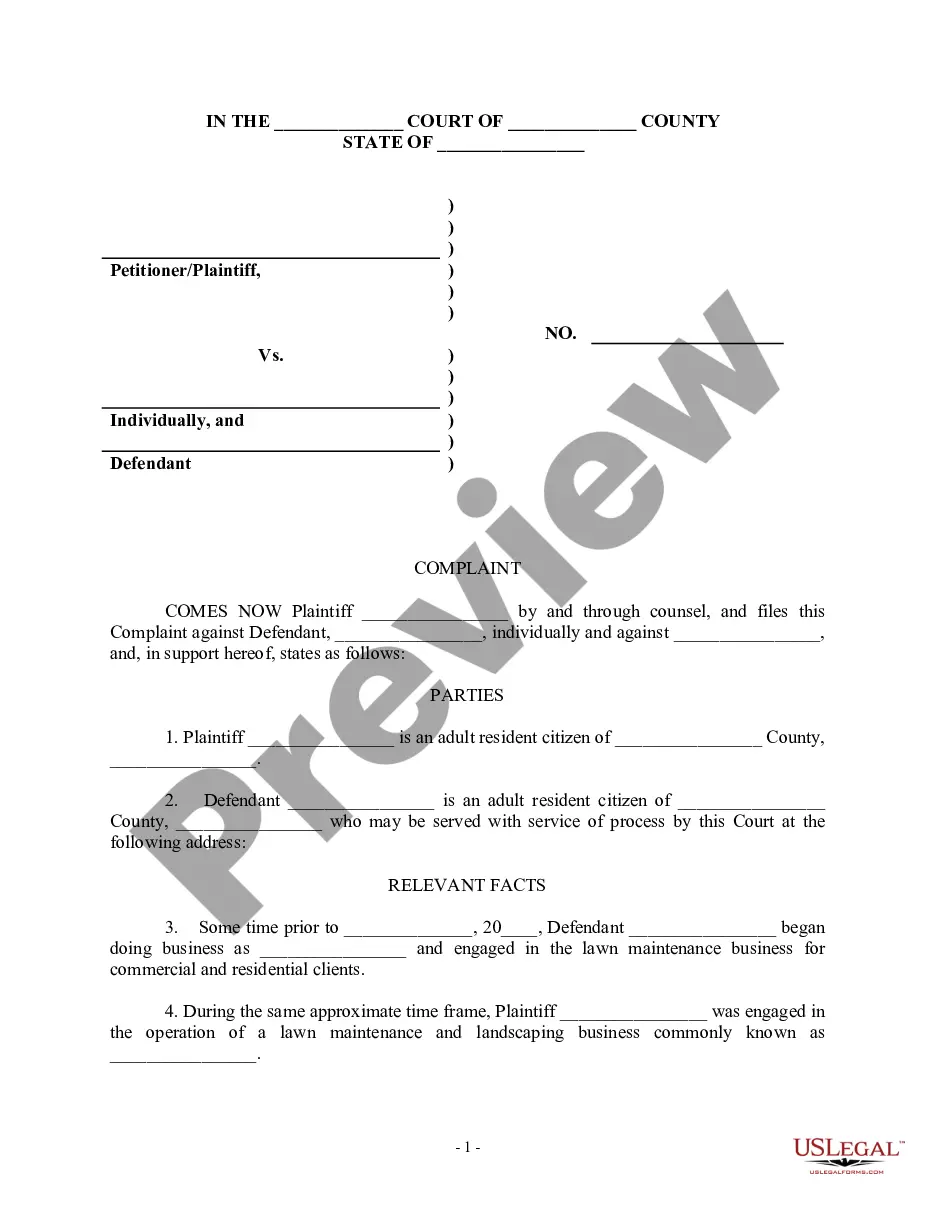



Get your form ready online
Our built-in tools help you complete, sign, share, and store your documents in one place.
Make edits, fill in missing information, and update formatting in US Legal Forms—just like you would in MS Word.
Download a copy, print it, send it by email, or mail it via USPS—whatever works best for your next step.
Sign and collect signatures with our SignNow integration. Send to multiple recipients, set reminders, and more. Go Premium to unlock E-Sign.
If this form requires notarization, complete it online through a secure video call—no need to meet a notary in person or wait for an appointment.
We protect your documents and personal data by following strict security and privacy standards.

Make edits, fill in missing information, and update formatting in US Legal Forms—just like you would in MS Word.

Download a copy, print it, send it by email, or mail it via USPS—whatever works best for your next step.

Sign and collect signatures with our SignNow integration. Send to multiple recipients, set reminders, and more. Go Premium to unlock E-Sign.

If this form requires notarization, complete it online through a secure video call—no need to meet a notary in person or wait for an appointment.

We protect your documents and personal data by following strict security and privacy standards.
Looking for another form?






Form popularity
FAQ
To warrant preliminary injunctive relief, the moving party must show (1) a substantial likelihood of success on the merits, (2) that it would suffer irrepa- rable injury if the injunction were not granted, (3) that an injunction would not substantially injure other interested parties, and (4) that the public interest ...
Although the test for obtaining a TRO or PI may vary slightly across jurisdictions, generally a plaintiff seeking preliminary injunctive relief must satisfy a four-factor test: (1) that he or she is likely to succeed on the merits of his claims; (2) that he or she is likely to suffer irreparable harm without ...
A party seeking an injunction under general Florida case law must demonstrate: 1) irreparable harm; 2) a clear legal right; 3) an inadequate remedy at law; 4) consideration of the public interest.
Injunctive relief, also known as an injunction, is a remedy which restrains a party from doing certain acts or requires a party to act in a certain way. It is generally only available when there is no other remedy at law and irreparable harm will result if the relief is not granted.
Step 1: Go to the district court to begin the filing process. Step 2: Fill out the petition. Step 3: A judge reviews your petition and may grant you a temporary restraining order. Step 4: Service of process. Step 5: The TRO/injunction hearing.
To obtain a preliminary injunction, the seeking party must generally show that they are likely to succeed on the merits of their case, that they will suffer irreparable harm without the injunction, that the balance of hardships favors them, and that the public interest supports the injunction.
A party seeking an injunction under general Florida case law must demonstrate: 1) irreparable harm; 2) a clear legal right; 3) an inadequate remedy at law; 4) consideration of the public interest.
Standard of Proof In Florida, a petitioner for an injunction must establish by “preponderance of the evidence” (i.e. greater weight of the evidence) that he or she is either a victim of domestic violence or is in imminent danger of being a victim of domestic violence.
Motion to Dissolve or Dismiss: You can file a motion with the court requesting that the injunction be dissolved or dismissed. This motion must demonstrate a change in circumstances or provide evidence that the injunction is no longer necessary.
