Injunctive Relief Agreement With Mexico In Miami-Dade
Description

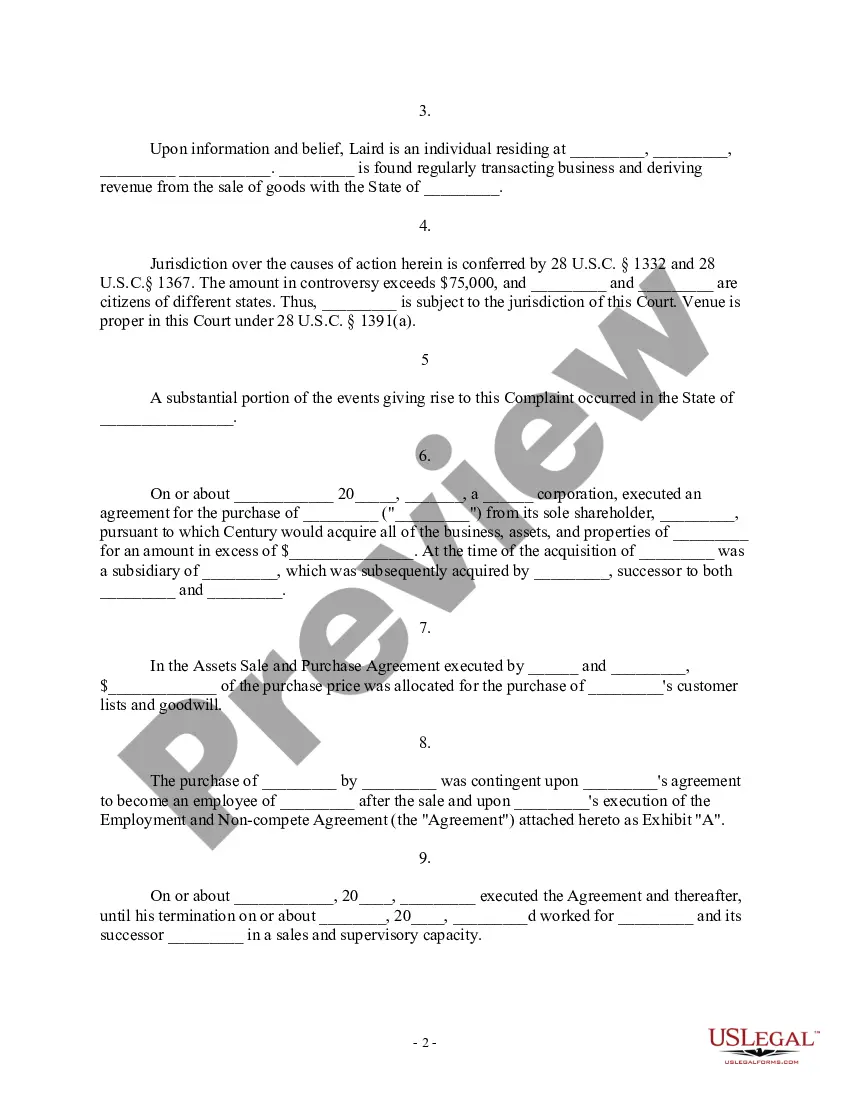
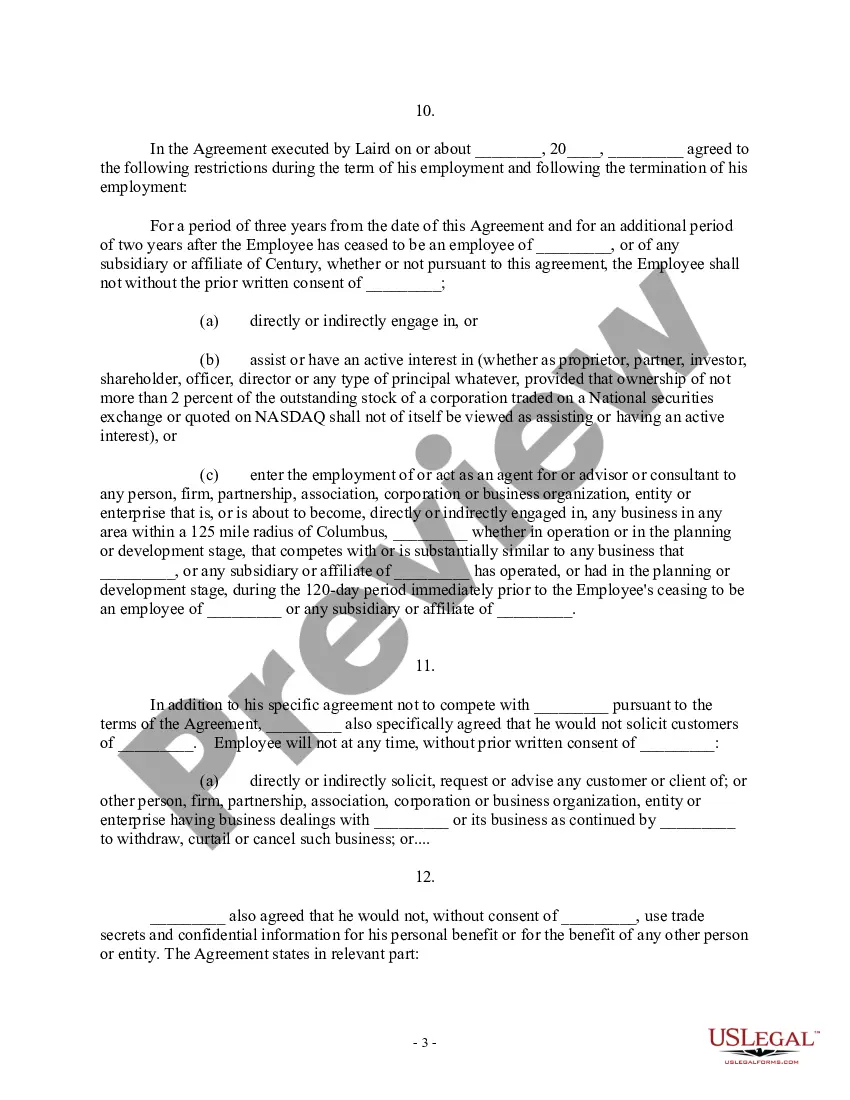
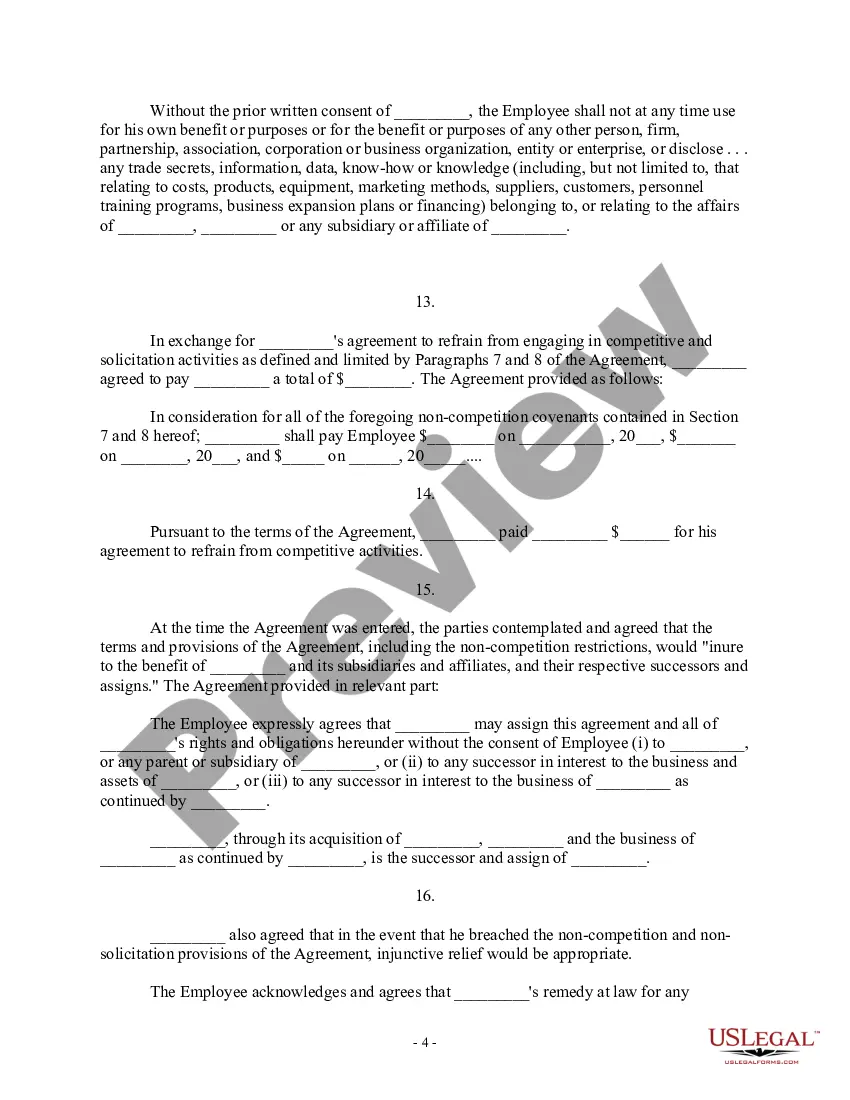
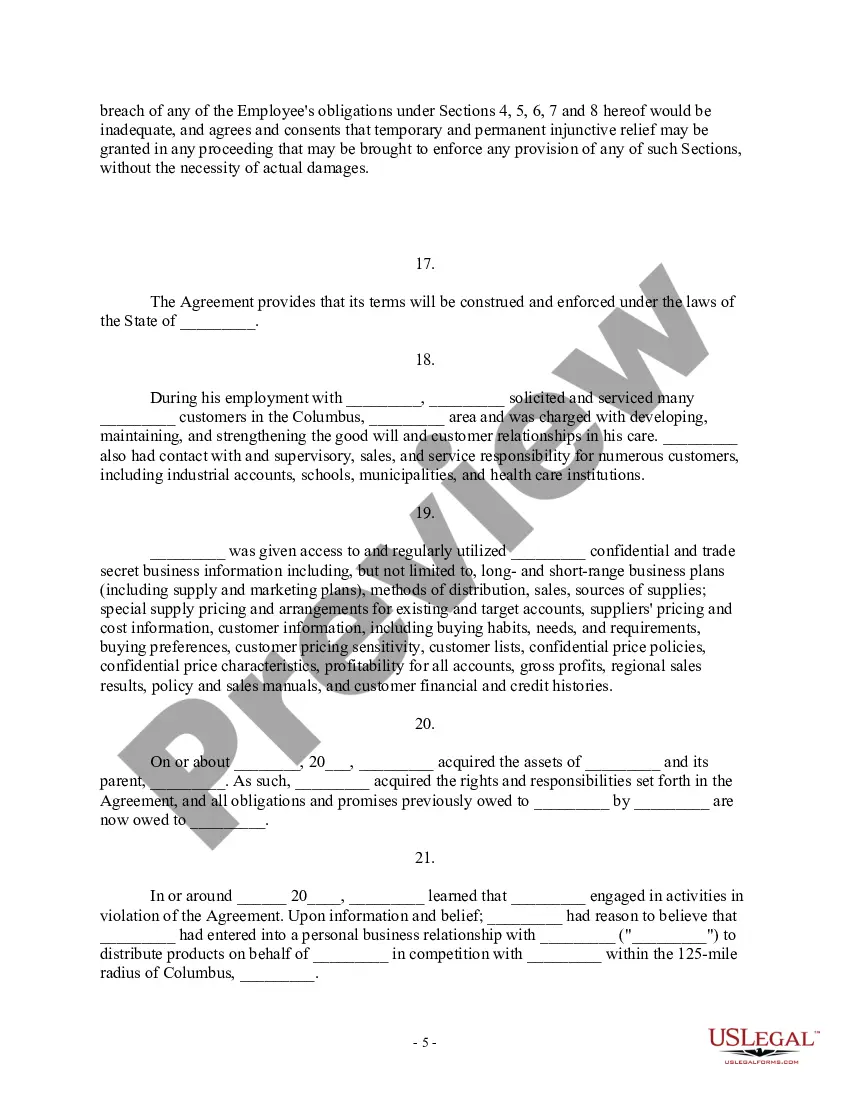
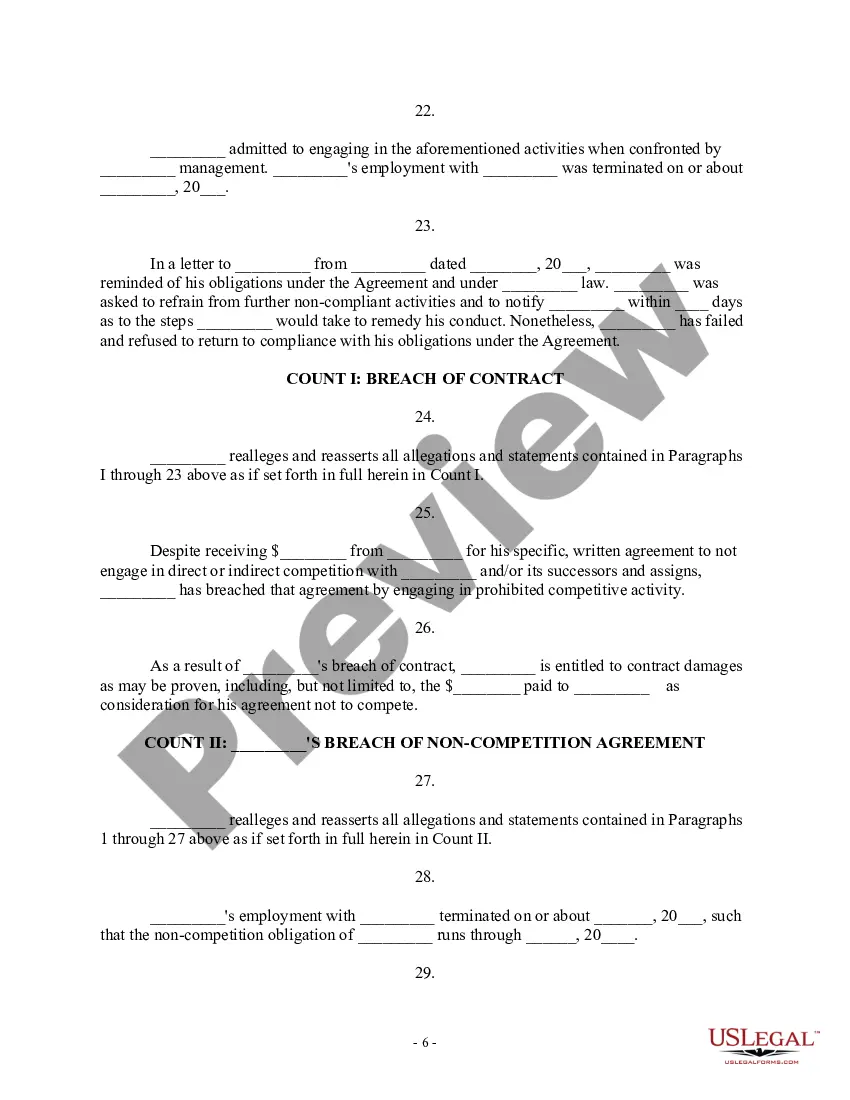
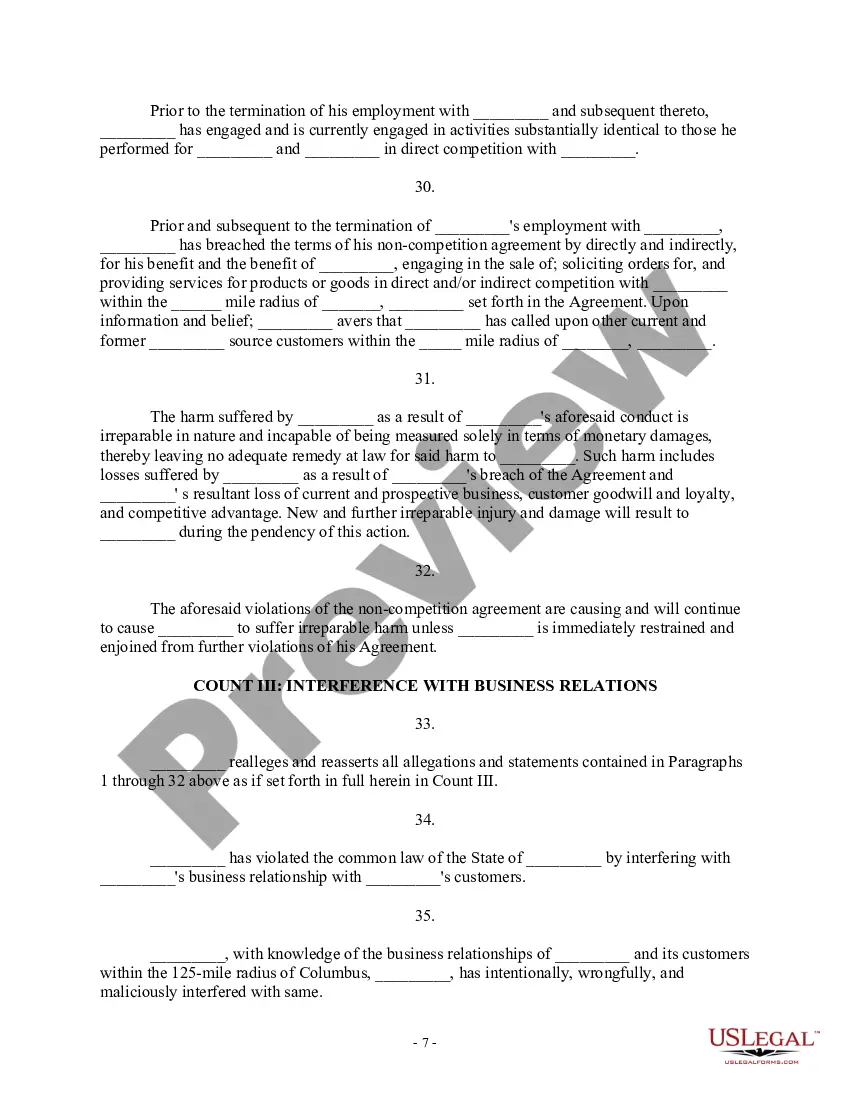
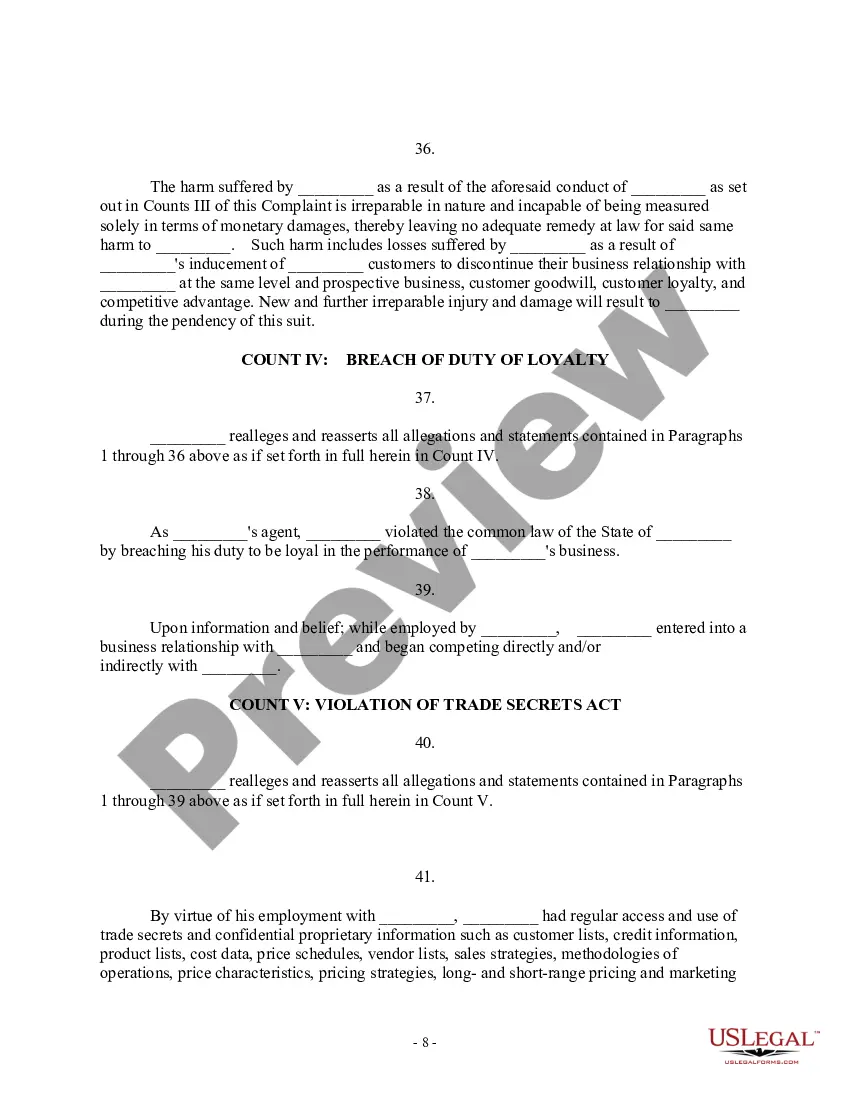

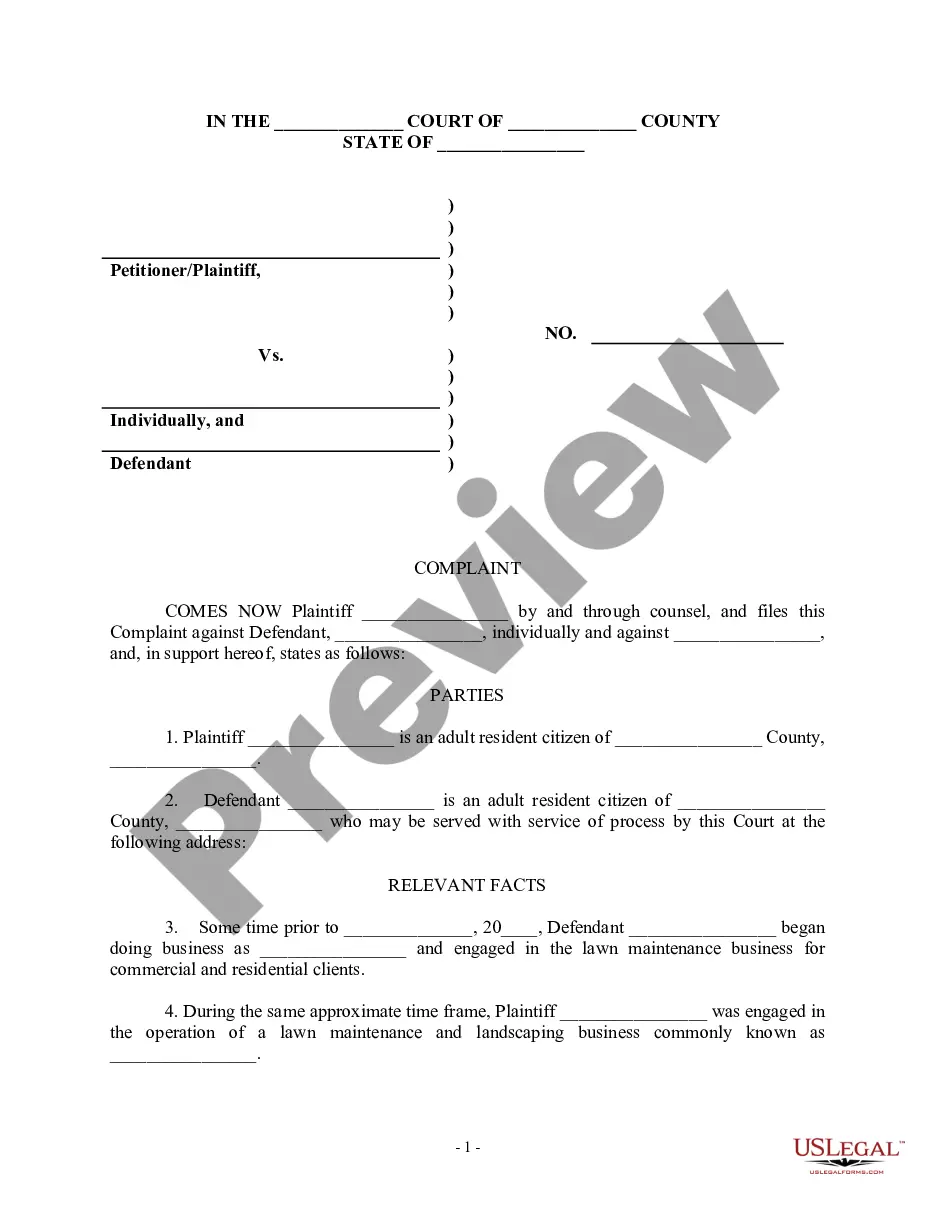
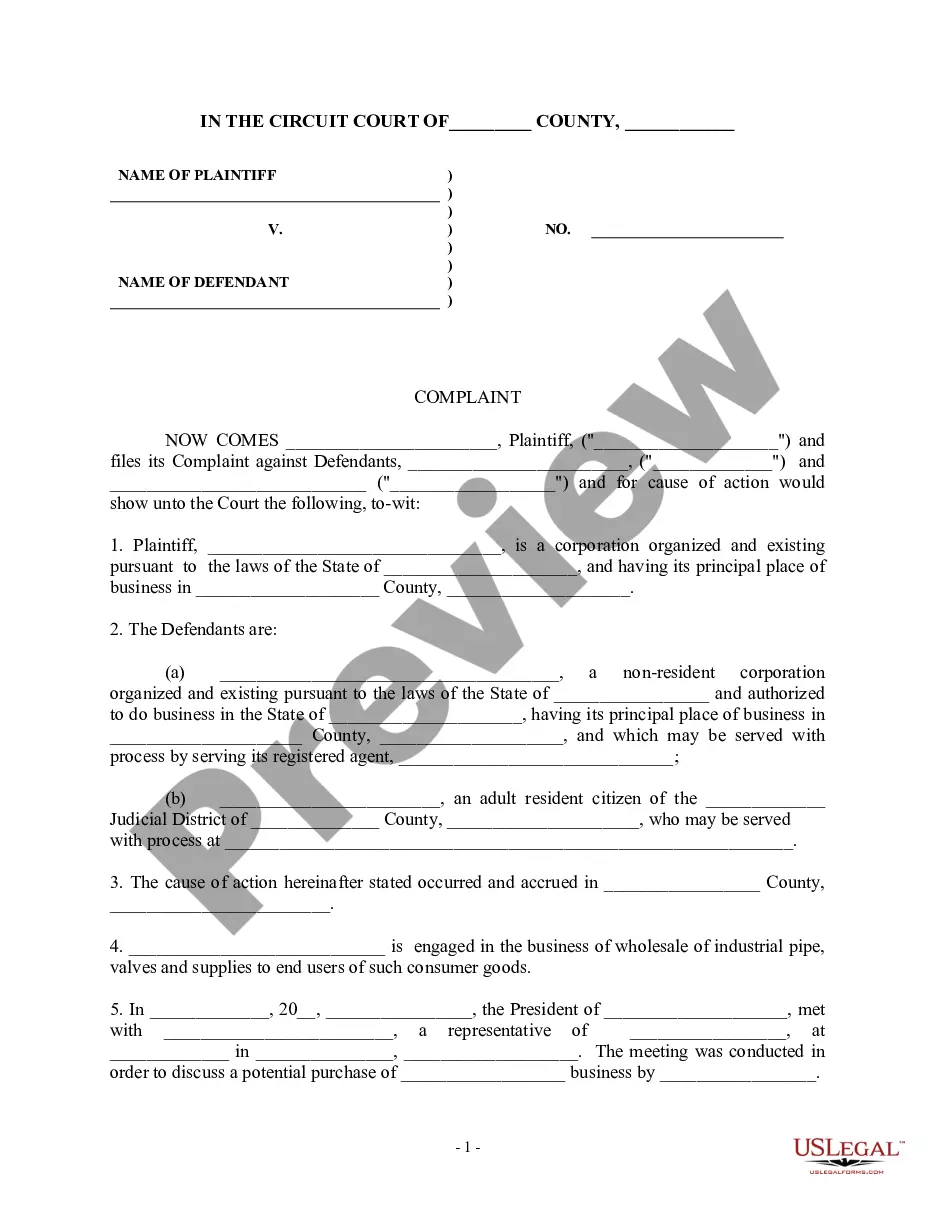

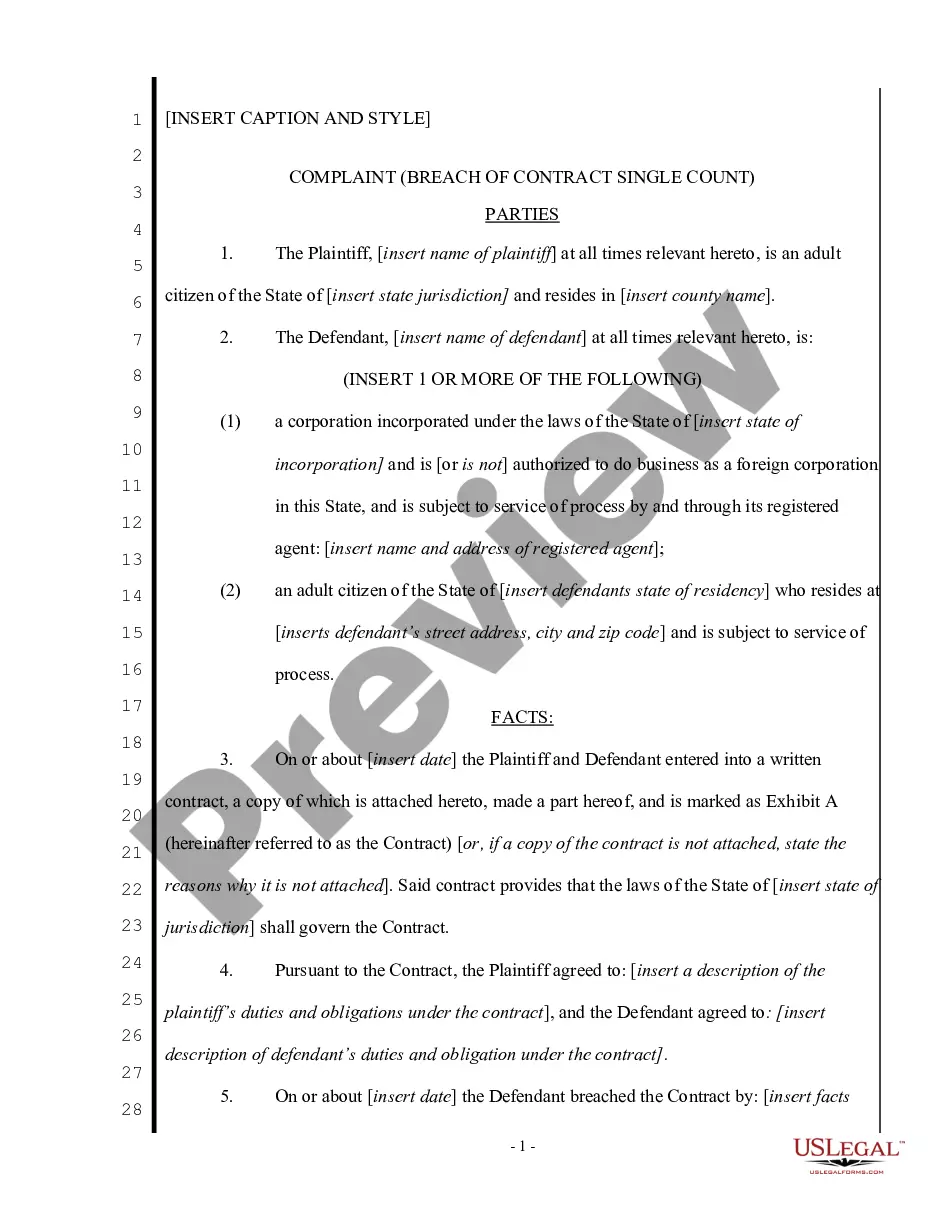
Get your form ready online
Our built-in tools help you complete, sign, share, and store your documents in one place.
Make edits, fill in missing information, and update formatting in US Legal Forms—just like you would in MS Word.
Download a copy, print it, send it by email, or mail it via USPS—whatever works best for your next step.
Sign and collect signatures with our SignNow integration. Send to multiple recipients, set reminders, and more. Go Premium to unlock E-Sign.
If this form requires notarization, complete it online through a secure video call—no need to meet a notary in person or wait for an appointment.
We protect your documents and personal data by following strict security and privacy standards.

Make edits, fill in missing information, and update formatting in US Legal Forms—just like you would in MS Word.

Download a copy, print it, send it by email, or mail it via USPS—whatever works best for your next step.

Sign and collect signatures with our SignNow integration. Send to multiple recipients, set reminders, and more. Go Premium to unlock E-Sign.

If this form requires notarization, complete it online through a secure video call—no need to meet a notary in person or wait for an appointment.

We protect your documents and personal data by following strict security and privacy standards.
Looking for another form?


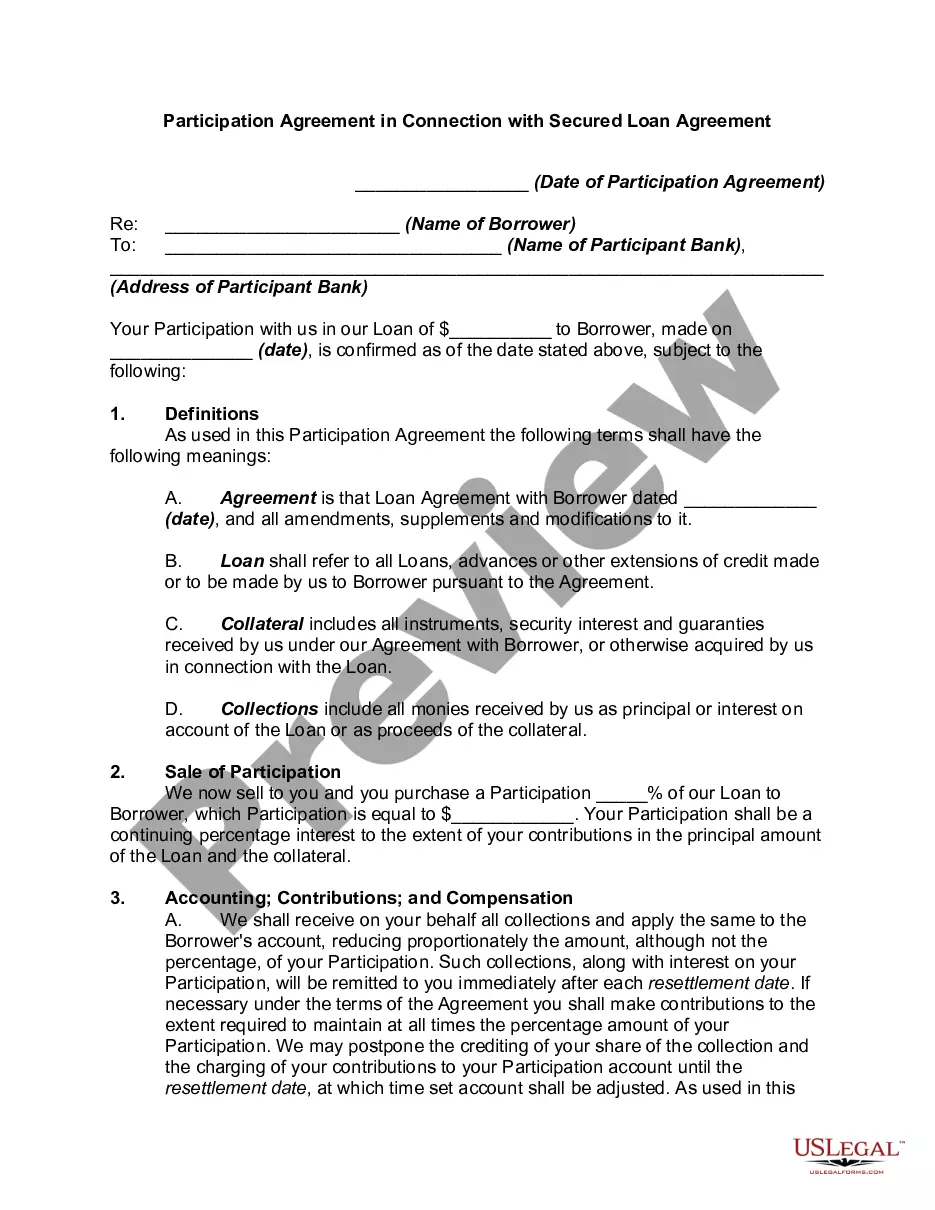


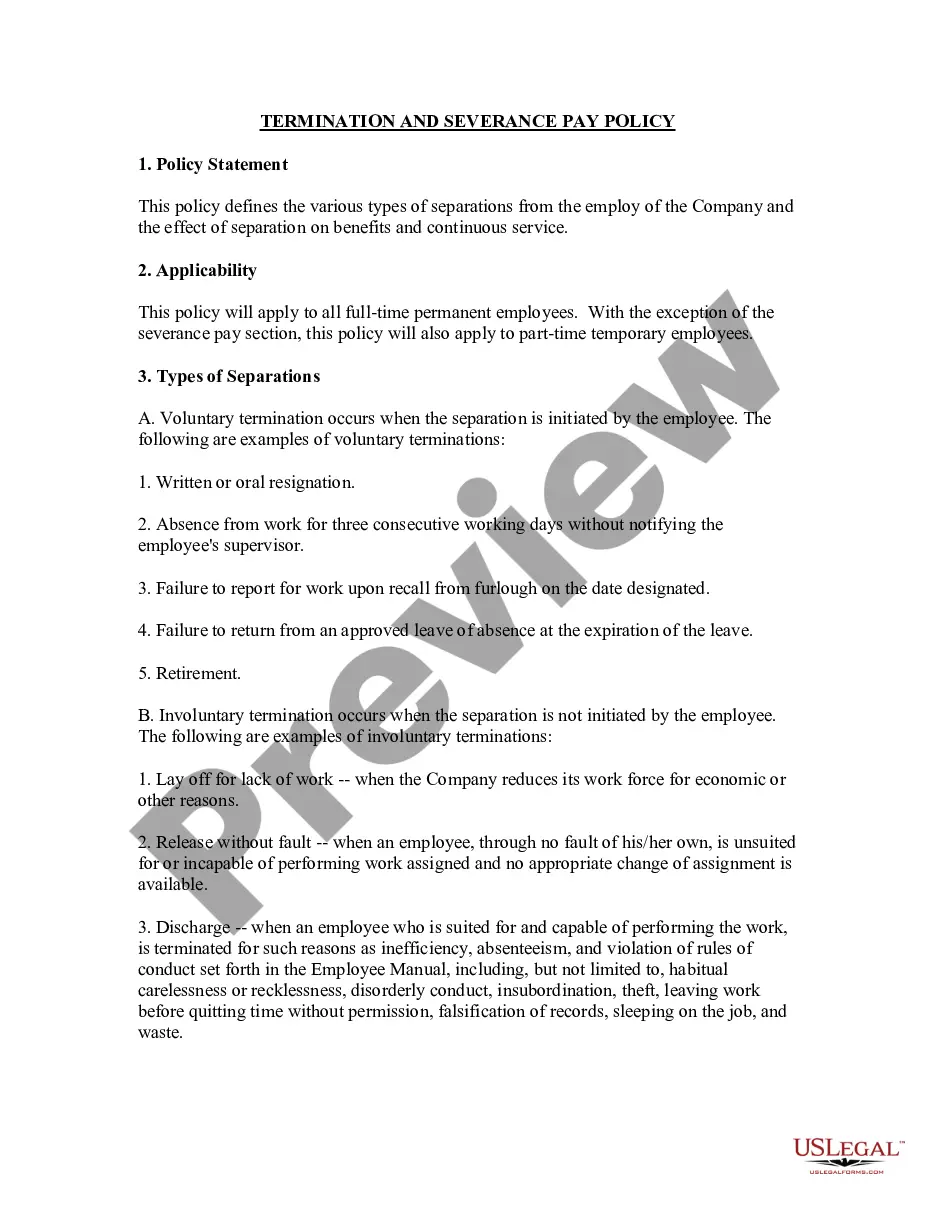


Form popularity
FAQ
Record a Document You have three options for recording your documents in the Official Records: You can bring your original documents in person, along with the appropriate fees, and a self-addressed stamped envelope to the Miami-Dade County Courthouse. You can eRecord your document through one of our approved vendors.
Steps to file a mechanics lien in Miami-Dade County Step 1: Get The Right Form & Meet Margin Requirements. Step 2: Calculating Your Miami-Dade County Filing Fees. Step 3: Serve the Mechanics Lien. Step 4: File your lien with the Miami-Dade County Clerk.
The claim can be filled and submitted online at the Miami-Dade County Clerk's Office. You may print out the application and file the claim in person at a local courthouse if you choose. More resources are available on the Miami-Dade County Law Library site.
They can be issued by the judge early in a lawsuit to stop the defendant from continuing their allegedly harmful actions. Choosing whether to grant temporary injunctive relief is up to the discretion of the court. Permanent injunctions are issued as a final judgment in a case, where monetary damages will not suffice.
Temporary Injunction Plaintiff will suffer irreparable harm; Plaintiff has no adequate remedy at law; Plaintiff has a substantial likelihood of success on the merits; and. A temporary injunction will serve the public interest.
An injunction is a court order against another person who has been physically violent with you and/or has placed you in fear of physical violence. The purpose is to require him or her to stay away from your home, your car, your place of employment, and other places the court finds necessary.
A hearing will be set within 15 days, and the Sheriff's Office will attempt to personally serve the person who the injunction is filed against (the respondent) with the injunction paperwork.
To obtain a preliminary injunction, the seeking party must generally show that they are likely to succeed on the merits of their case, that they will suffer irreparable harm without the injunction, that the balance of hardships favors them, and that the public interest supports the injunction.
Standard of Proof In Florida, a petitioner for an injunction must establish by “preponderance of the evidence” (i.e. greater weight of the evidence) that he or she is either a victim of domestic violence or is in imminent danger of being a victim of domestic violence.
An injunction or temporary restraining order is an order from the court prohibiting a party from performing or ordering a specified act, either temporarily or permanently.
