Injunctive Relief For Trespassing In Massachusetts
Description

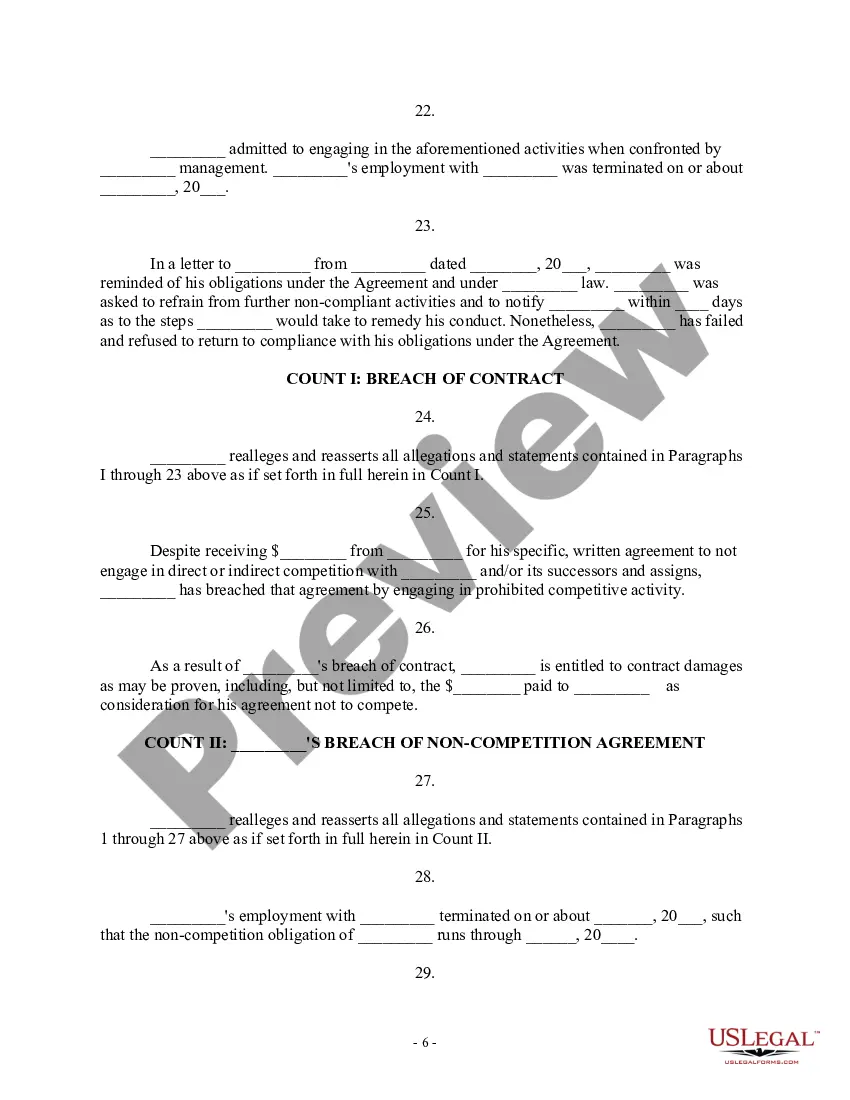
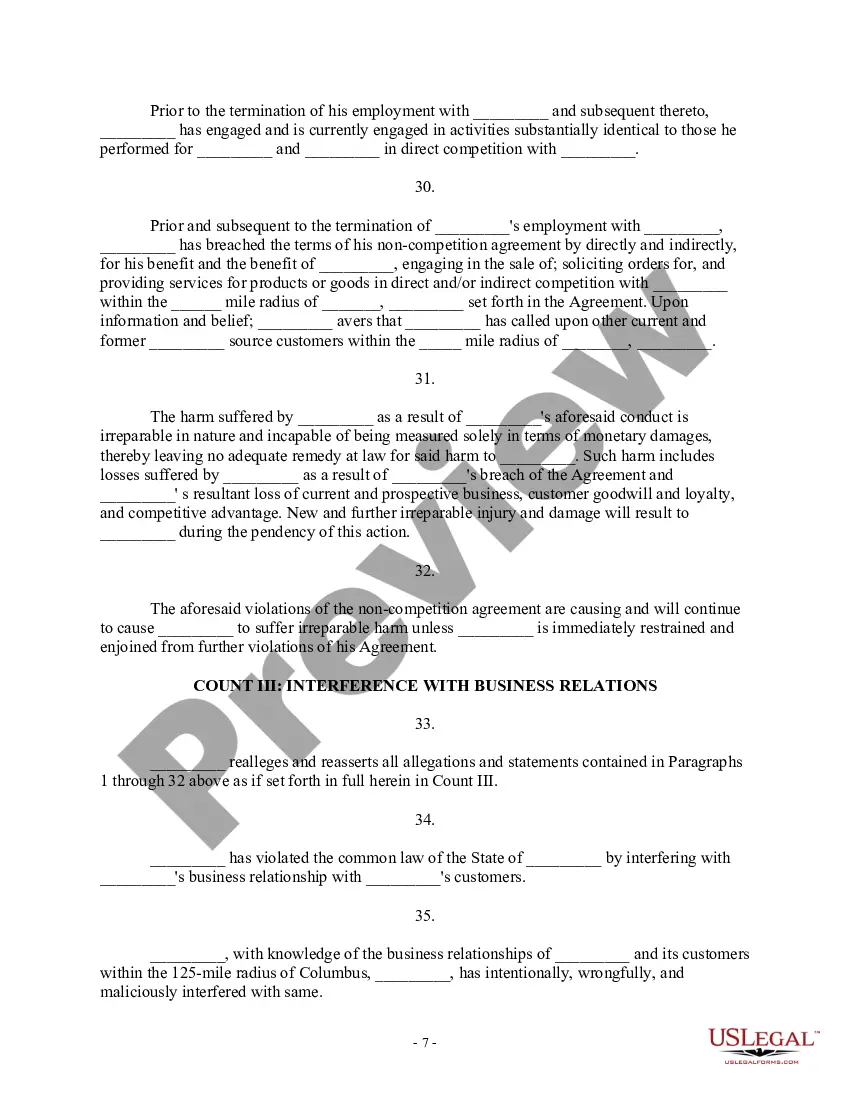
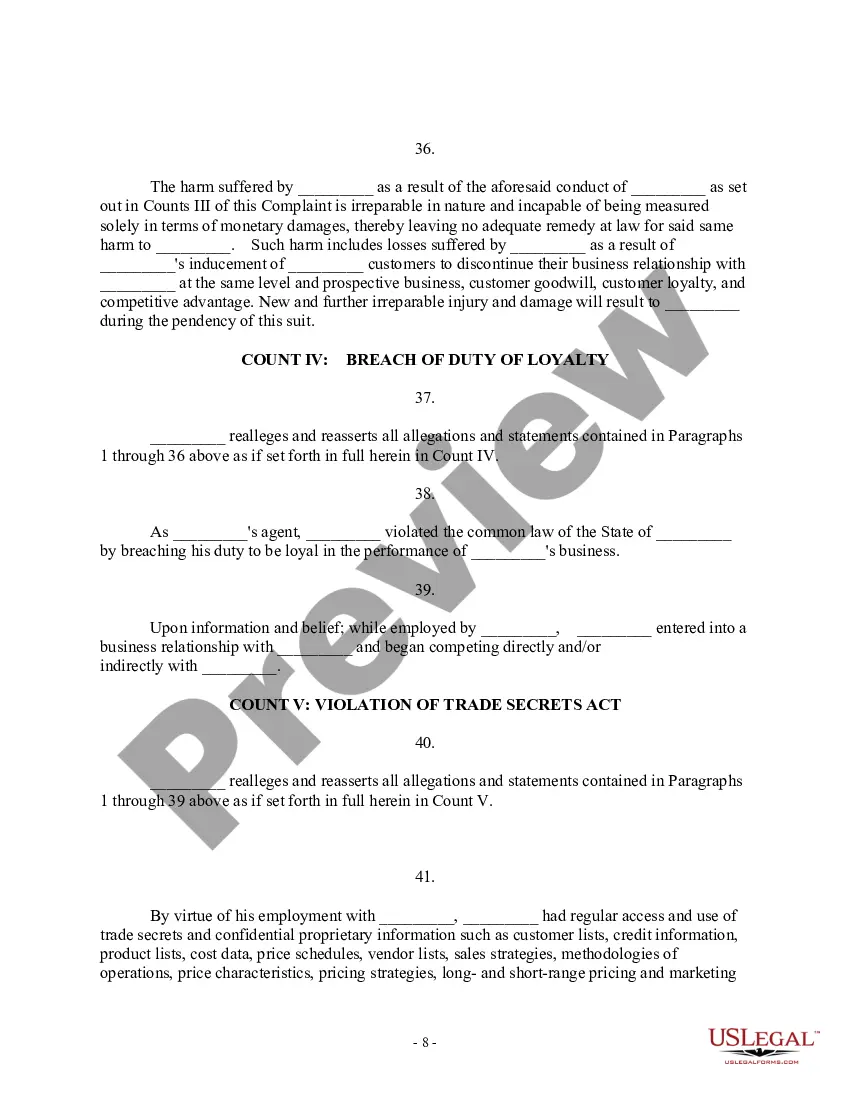
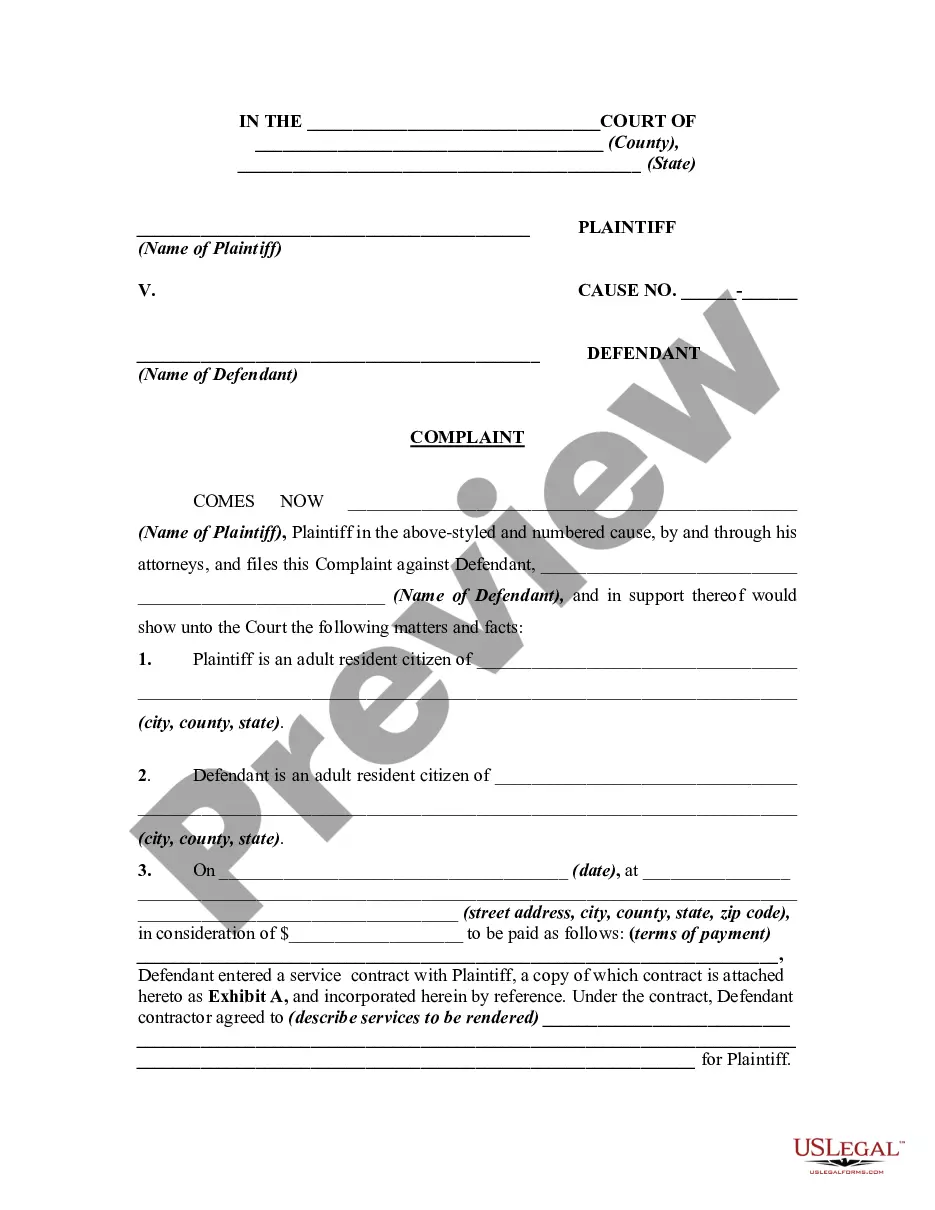

Get your form ready online
Our built-in tools help you complete, sign, share, and store your documents in one place.
Make edits, fill in missing information, and update formatting in US Legal Forms—just like you would in MS Word.
Download a copy, print it, send it by email, or mail it via USPS—whatever works best for your next step.
Sign and collect signatures with our SignNow integration. Send to multiple recipients, set reminders, and more. Go Premium to unlock E-Sign.
If this form requires notarization, complete it online through a secure video call—no need to meet a notary in person or wait for an appointment.
We protect your documents and personal data by following strict security and privacy standards.

Make edits, fill in missing information, and update formatting in US Legal Forms—just like you would in MS Word.

Download a copy, print it, send it by email, or mail it via USPS—whatever works best for your next step.

Sign and collect signatures with our SignNow integration. Send to multiple recipients, set reminders, and more. Go Premium to unlock E-Sign.

If this form requires notarization, complete it online through a secure video call—no need to meet a notary in person or wait for an appointment.

We protect your documents and personal data by following strict security and privacy standards.
Looking for another form?







Form popularity
FAQ
The party seeking a preliminary injunctive relief must demonstrate: (1) irreparable injury in the absence of such an order; (2) that the threatened injury to the moving party outweighs the harm to the opposing party resulting from the order; (3) that the injunction is not adverse to public interest; and (4) that the ...
The crime of trespassing is defined pursuant to the statute as: “Whoever, without right enters or remains in or upon the dwelling house, buildings, boats or improved or enclosed land, wharf, or pier of another, or enters or remains in a school bus, … after having been forbidden so to do by the person who has lawful ...
Trespass is an area of tort law broadly divided into three groups: trespass to the person (see below), trespass to chattels, and trespass to land. Trespass to the person historically involved six separate trespasses: threats, assault, battery, wounding, mayhem (or maiming), and false imprisonment.
An injunction is a court order requiring a person to do or cease doing a specific action. There are three types of injunctions: Permanent injunctions, Temporary restraining orders and preliminary injunctions.
Although the test for obtaining a TRO or PI may vary slightly across jurisdictions, generally a plaintiff seeking preliminary injunctive relief must satisfy a four-factor test: (1) that he or she is likely to succeed on the merits of his claims; (2) that he or she is likely to suffer irreparable harm without ...
In order to be convicted of trespass, the Commonwealth must prove that: The Defendant, without right, entered or remained in the dwelling house, building, boat, enclosed or improved land of another; and.
Massachusetts law allows people with valid legal claims to seek orders prohibiting trespassers from entering or remaining on their property. The affected party may also sue for compensation, or get an order that compels the trespasser to remove an object from the property.
The elements of trespass are: (1) the plaintiff's ownership or control of the property; (2) the defendant's intentional, reckless, or negligent entry onto the property; (3) lack of permission for the entry or acts in excess of permission; (4) harm; and (5) the defendant's conduct was a substantial factor in causing the ...
Emergency injunctions are legal pleas for the court to take action to preserve the status quo while the legal process is underway. The idea is that unless the court intervenes, irreparable harm will be done.
