Injunctive Relief For Copyright Infringement In Los Angeles
Description

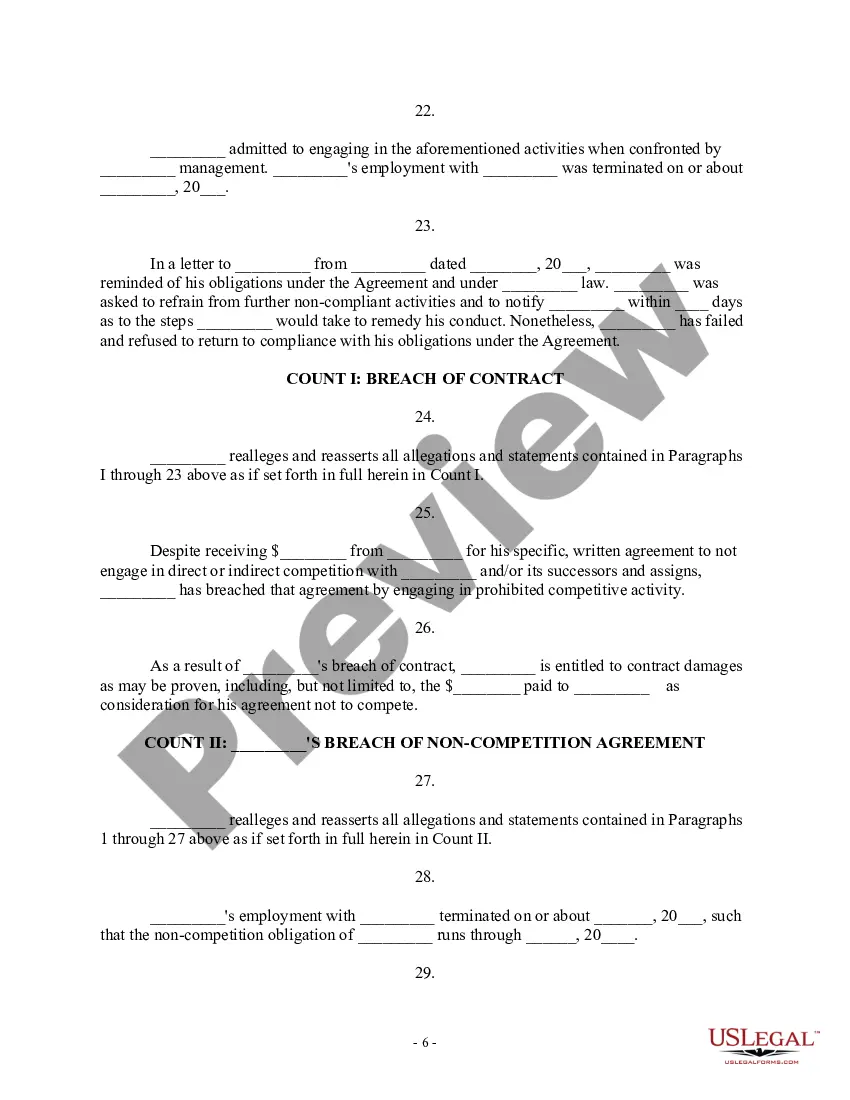
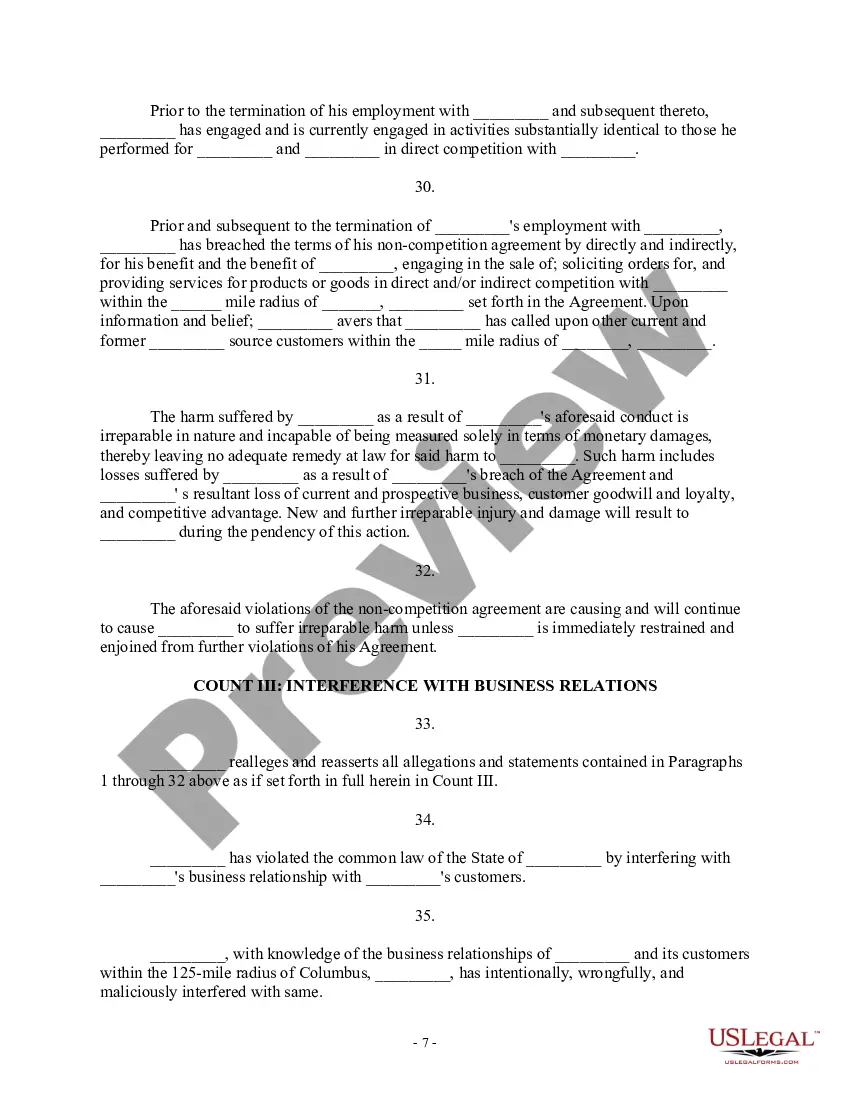
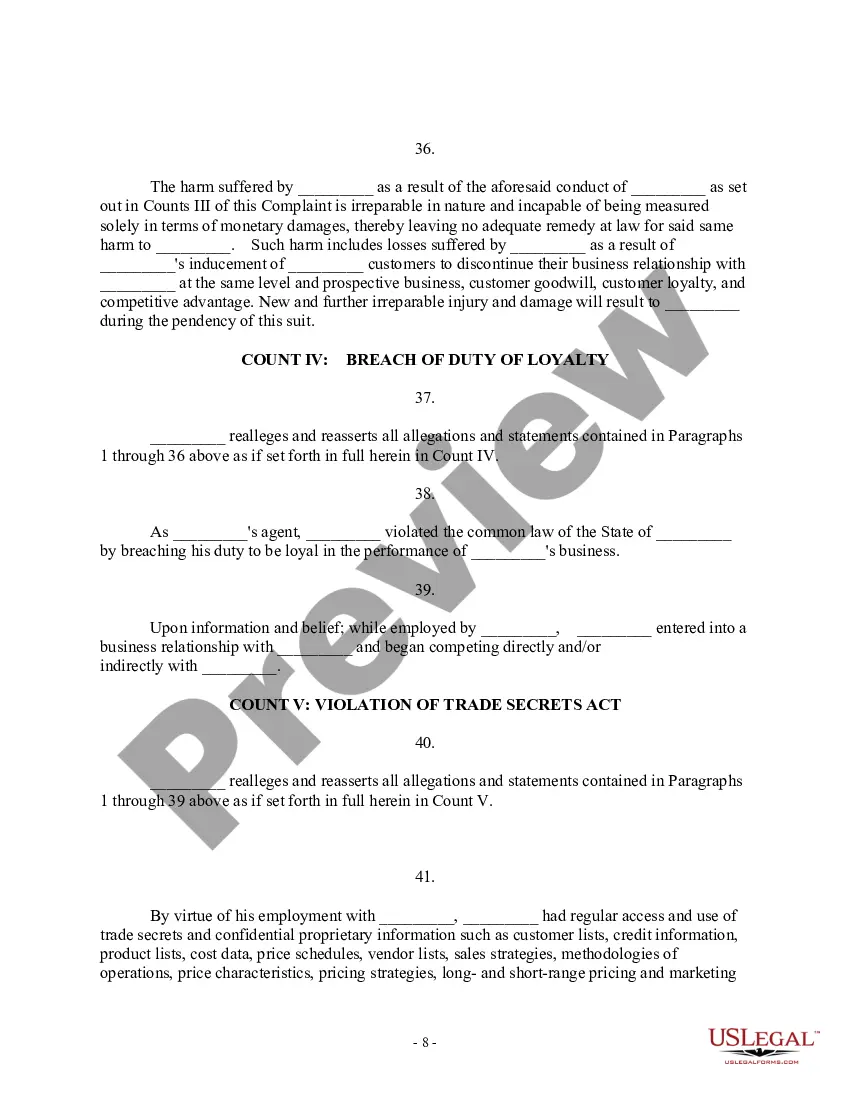
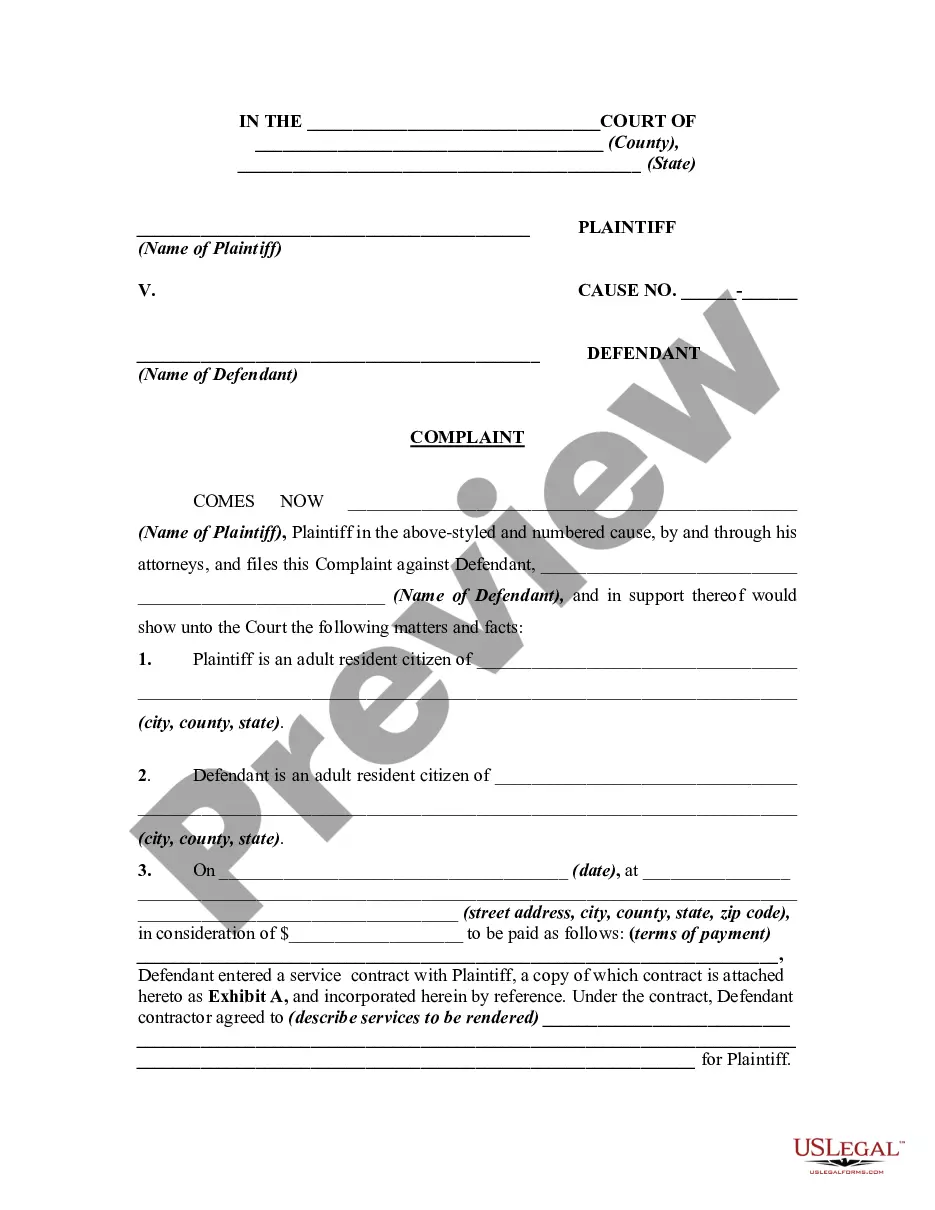
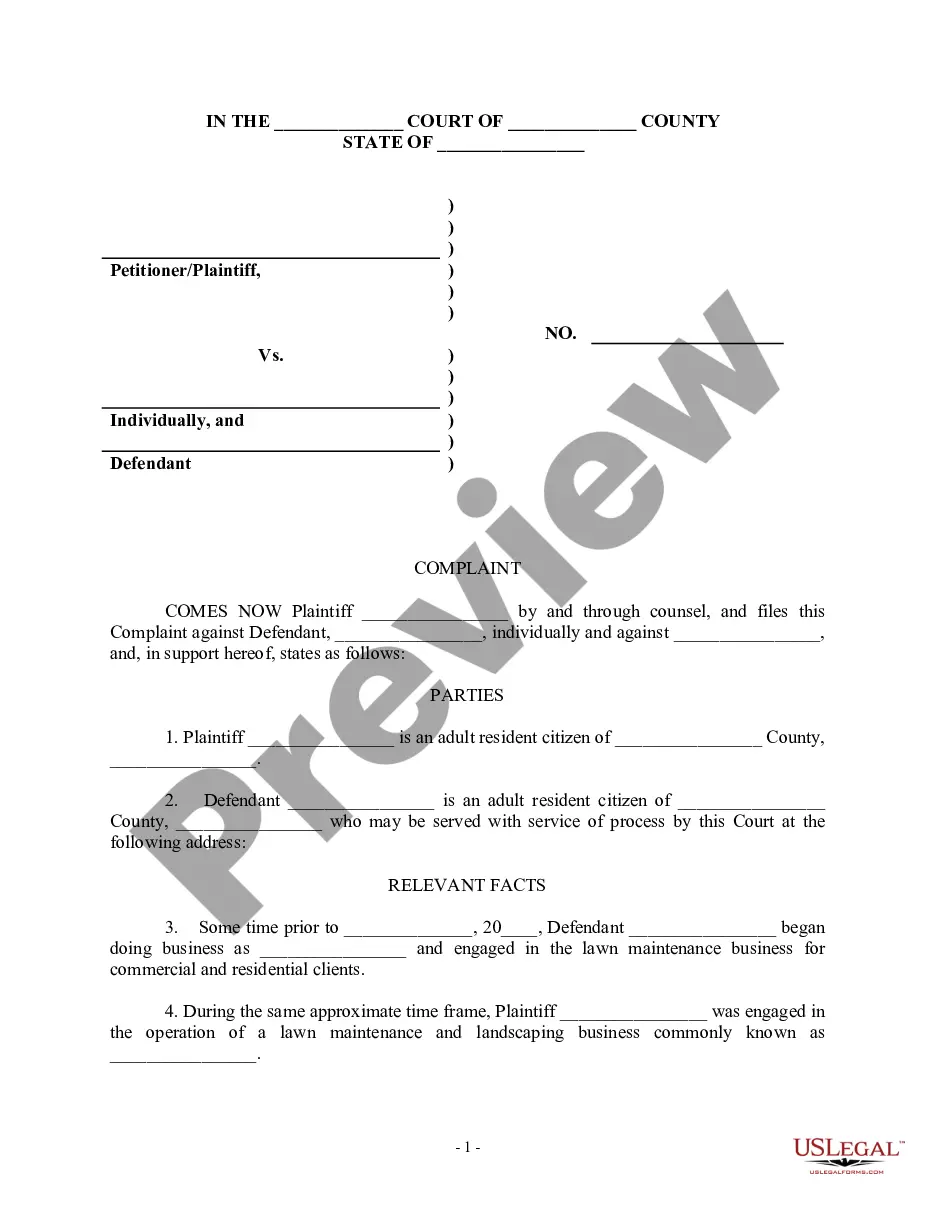
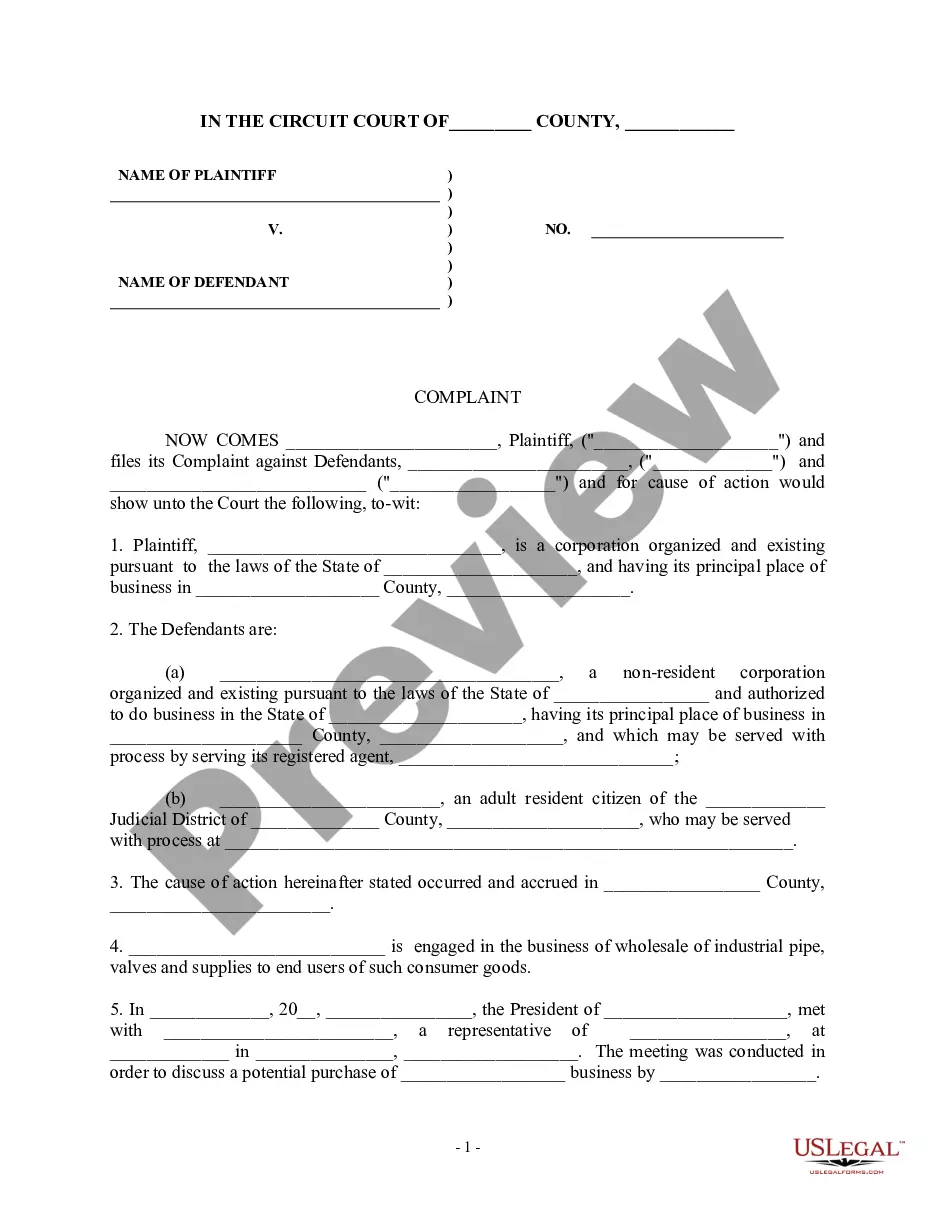

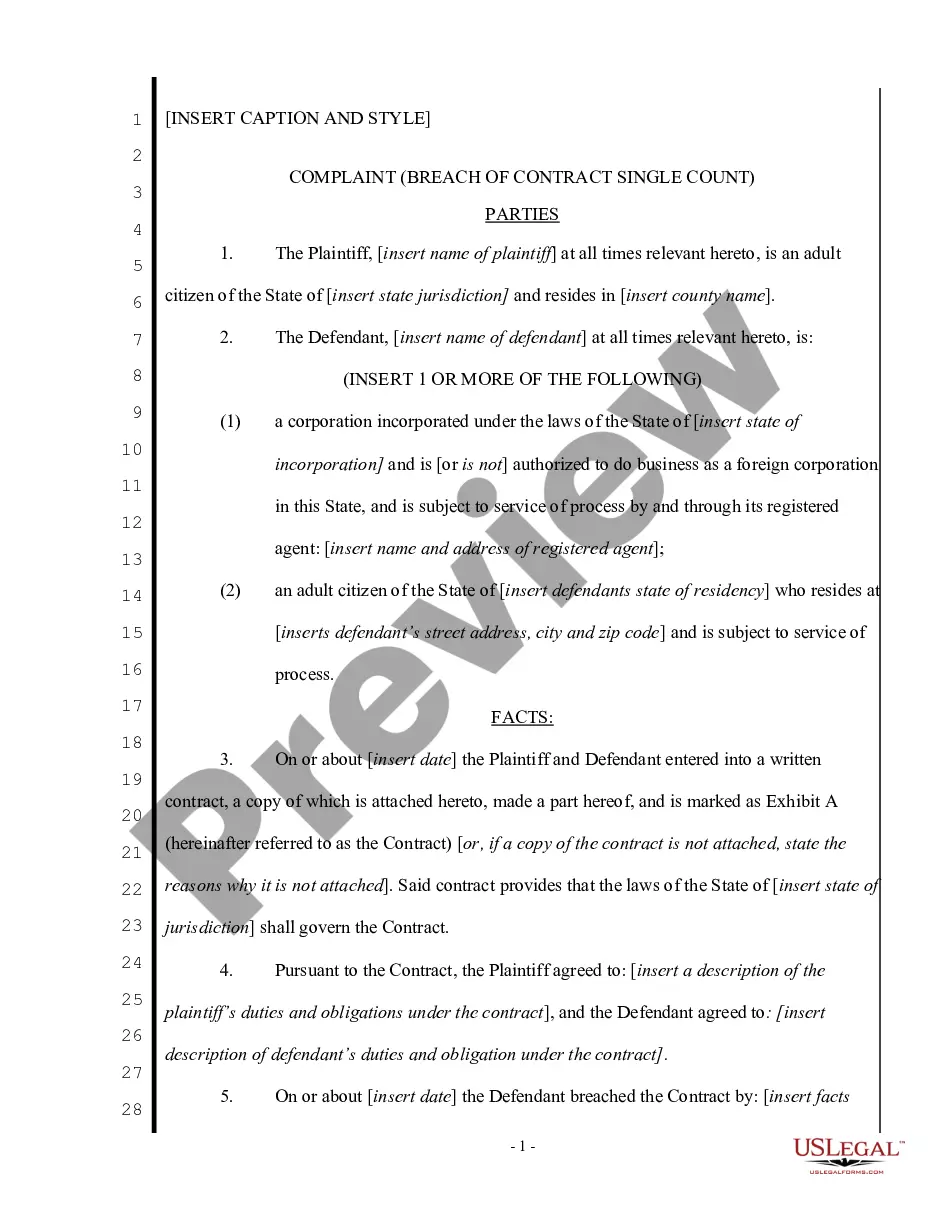
Get your form ready online
Our built-in tools help you complete, sign, share, and store your documents in one place.
Make edits, fill in missing information, and update formatting in US Legal Forms—just like you would in MS Word.
Download a copy, print it, send it by email, or mail it via USPS—whatever works best for your next step.
Sign and collect signatures with our SignNow integration. Send to multiple recipients, set reminders, and more. Go Premium to unlock E-Sign.
If this form requires notarization, complete it online through a secure video call—no need to meet a notary in person or wait for an appointment.
We protect your documents and personal data by following strict security and privacy standards.

Make edits, fill in missing information, and update formatting in US Legal Forms—just like you would in MS Word.

Download a copy, print it, send it by email, or mail it via USPS—whatever works best for your next step.

Sign and collect signatures with our SignNow integration. Send to multiple recipients, set reminders, and more. Go Premium to unlock E-Sign.

If this form requires notarization, complete it online through a secure video call—no need to meet a notary in person or wait for an appointment.

We protect your documents and personal data by following strict security and privacy standards.
Looking for another form?








Form popularity
FAQ
These courts consider: (1) the likelihood of success on the merits; (2) irreparable harm if the injunction is not granted; (3) whether a balancing of the relevant equities favors the injunction; and (4) whether the issuance of the injunction is in the public interest.
One remedy is injunctive relief, which restrains the defendant from future copying of the work. A preliminary injunction can be sought early in the case to restrain copying during the lawsuit.
Proof of copyright infringement is often highly circumstantial, particularly in cases involving music. A copyright plaintiff must prove (1) ownership of the copyright; and (2) infringement— that the defendant copied protected elements of the plaintiff's worN.
In instances of willful infringement, the owner can be awarded damages up to $150,000 per work. Willful infringement may be shown with evidence that the infringer removed a copyright notice when publishing the copyrighted work or failed to remove or retract the content after being notified that it was infringing.
Receiving a notice does not necessarily mean that you have in fact infringed copyright or that you will be sued for copyright infringement. If you receive a notice, it must contain information that will help you understand the details of the allegation, including the date and time of the alleged conduct.
(a) An injunction may be granted in the following cases: (1) When it appears by the complaint that the plaintiff is entitled to the relief demanded, and the relief, or any part thereof, consists in restraining the commission or continuance of the act complained of, either for a limited period or perpetually.
Willful copyright infringement can result in criminal penalties including imprisonment of up to five years and fines of up to $250,000 per offense.
No copyright infringement is intended. I do not own nor claim to own the rights to any of the type of content shared.
In order to avoid copyright infringement, you should ensure that any ideas or elements that you borrow from another work are sufficiently transformed or modified in your own writing. This might involve changing the characters, setting, or plot, or using the ideas in a new and original way.
