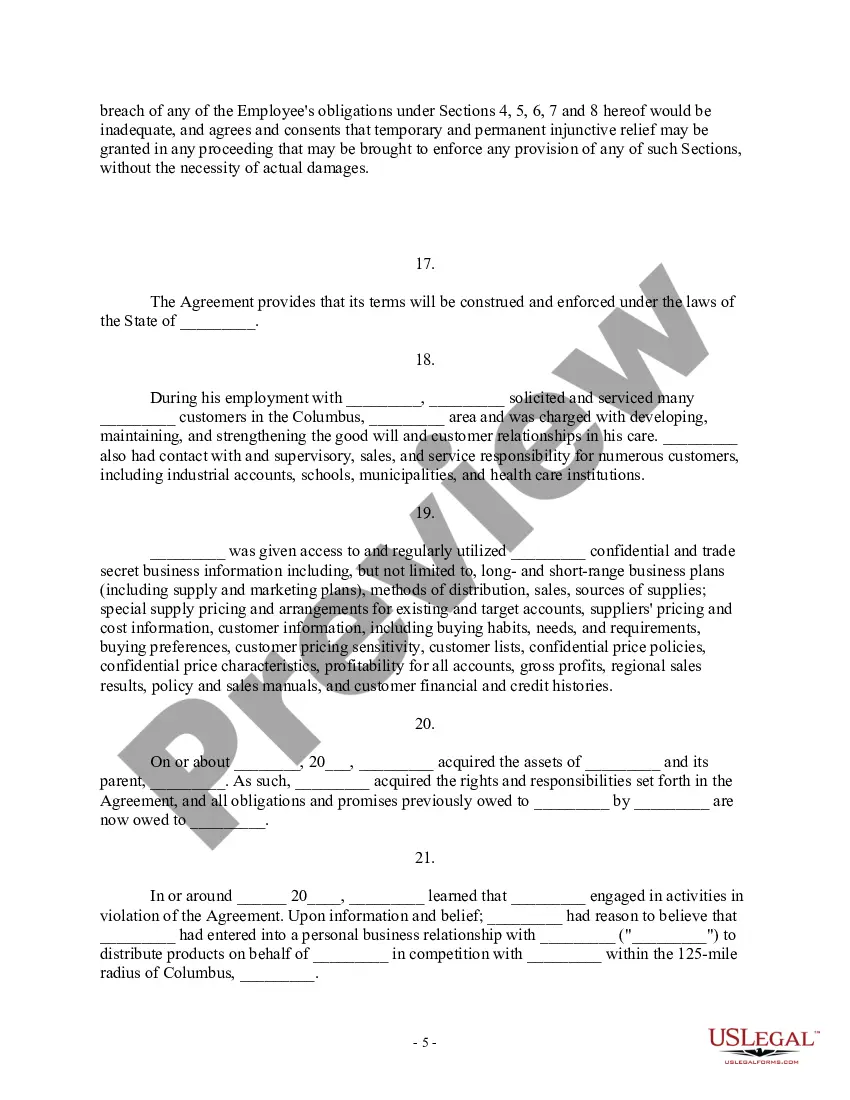
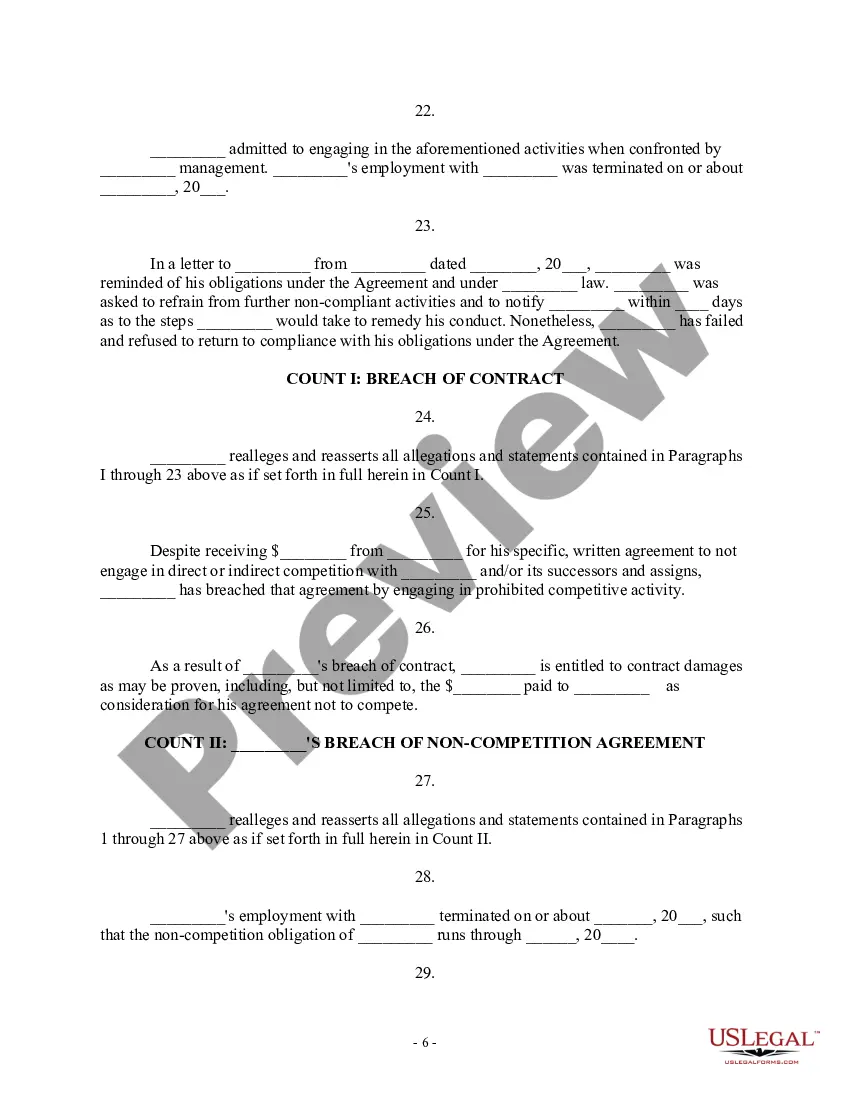
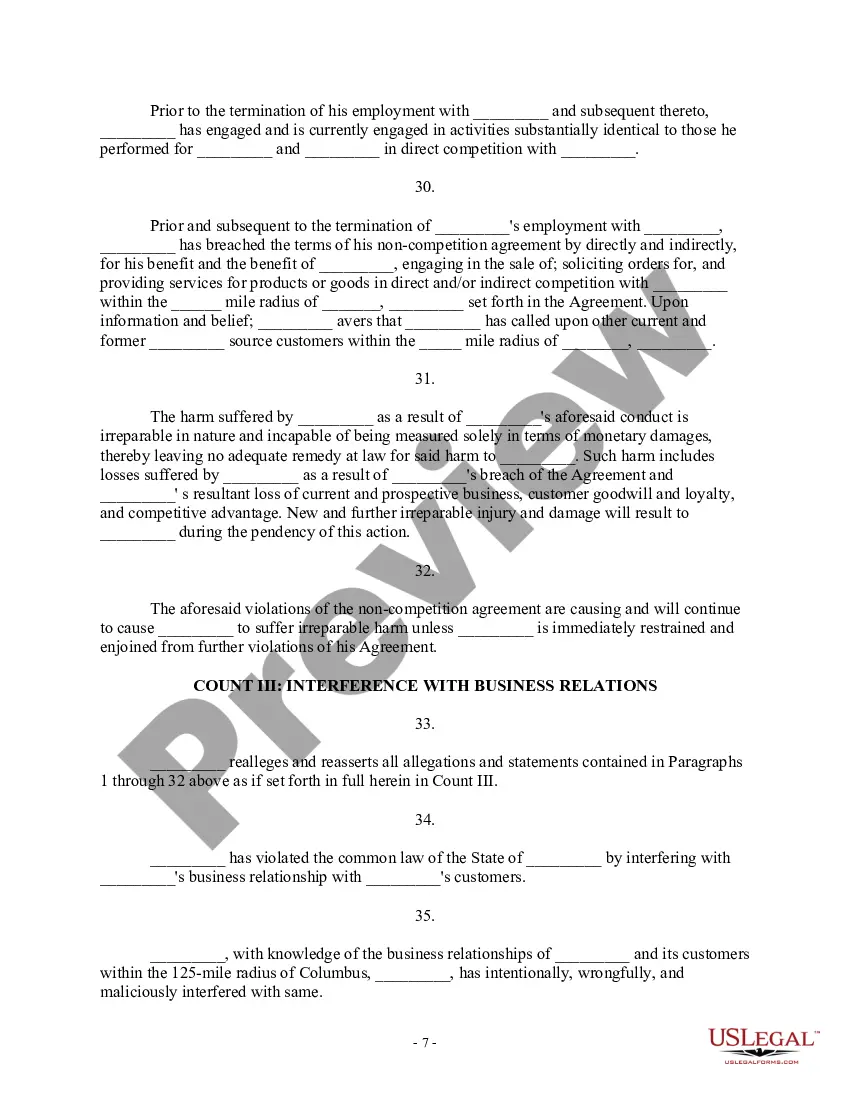
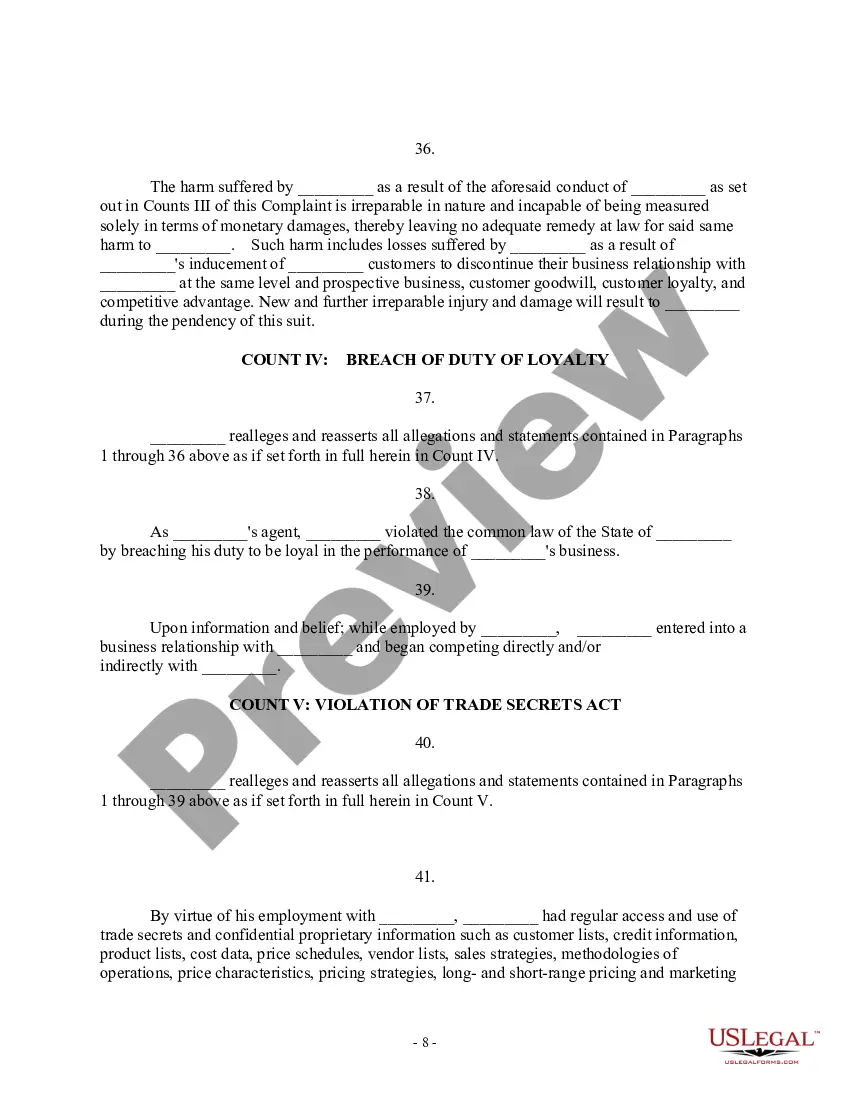
Injunctive Relief Without Proving Damages
Description
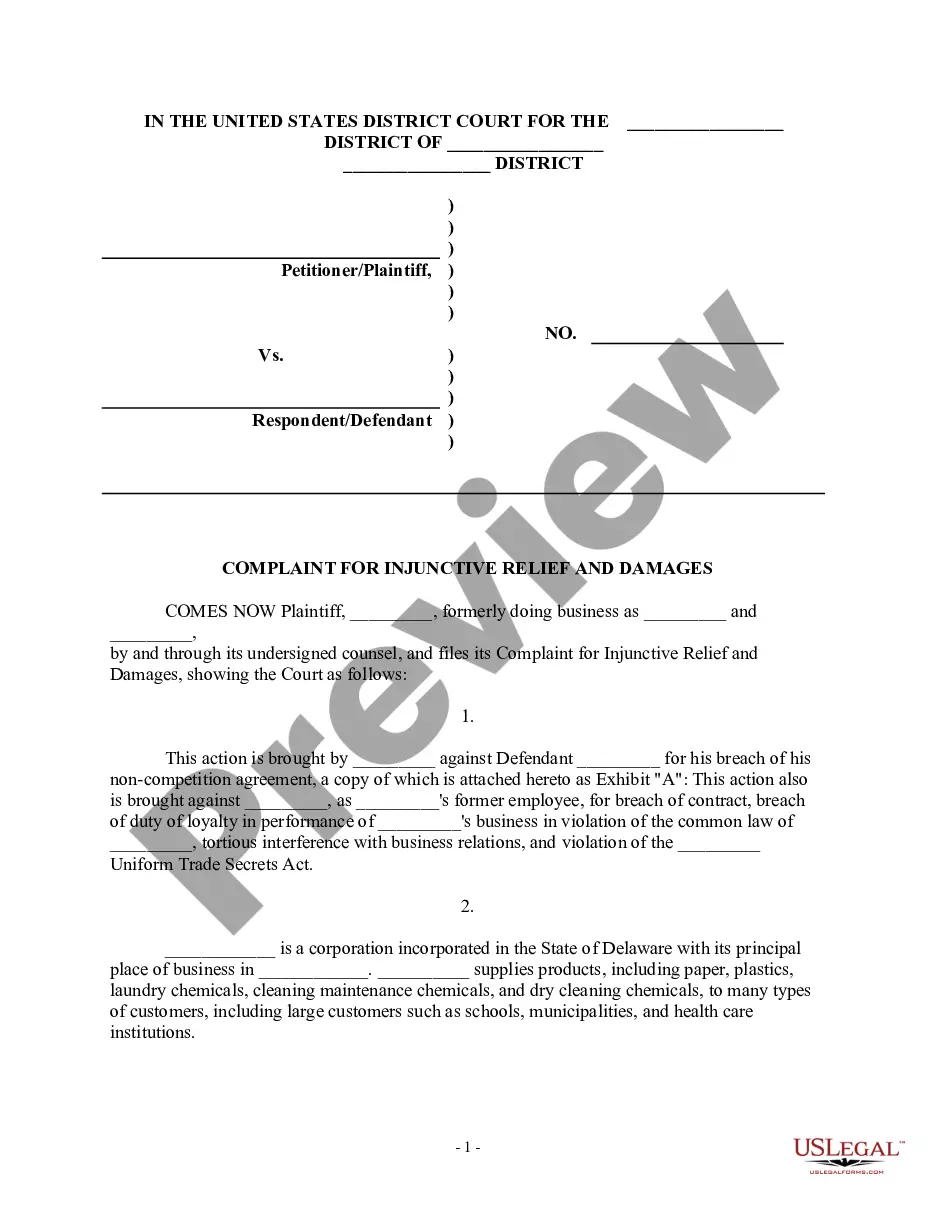
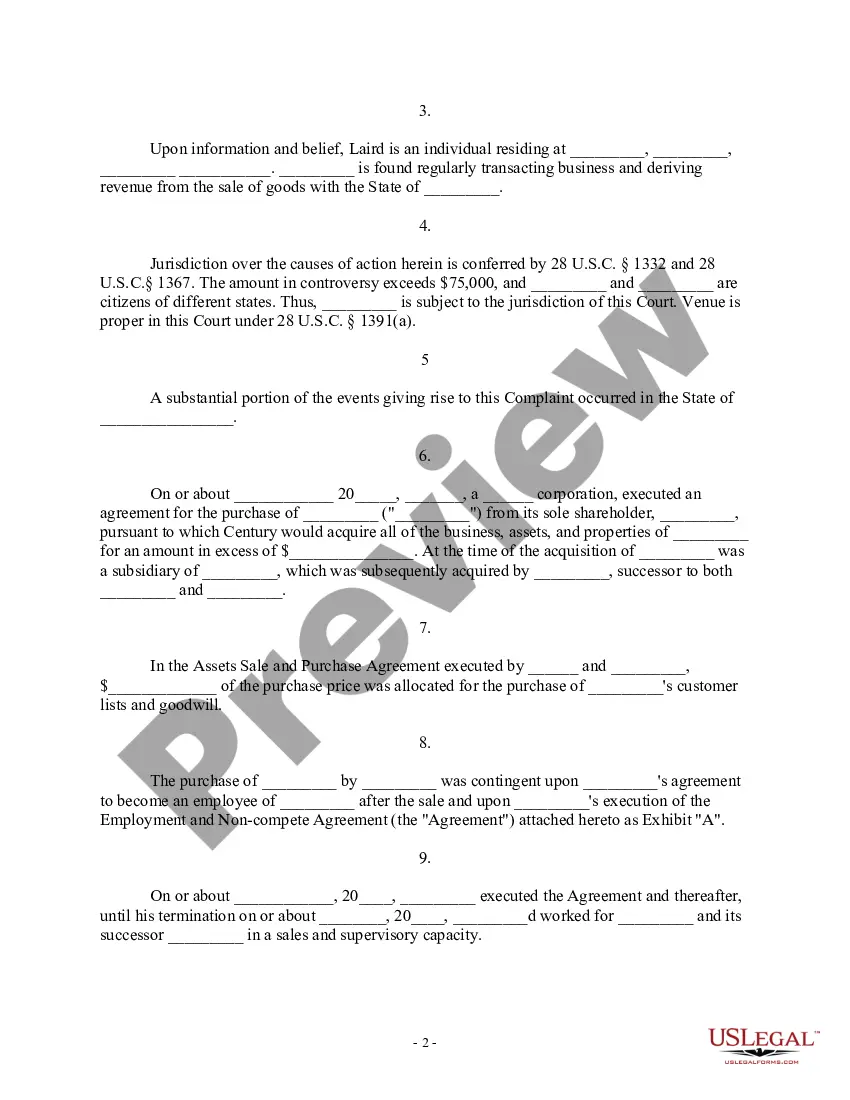
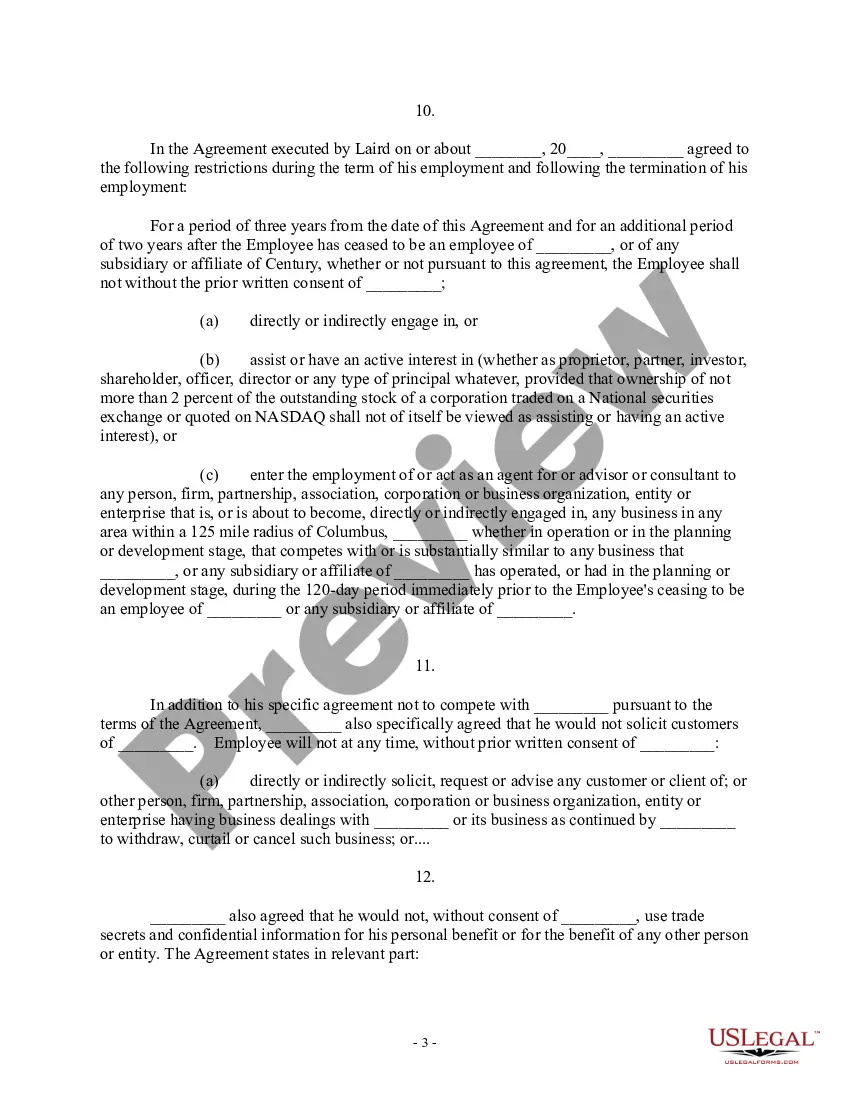
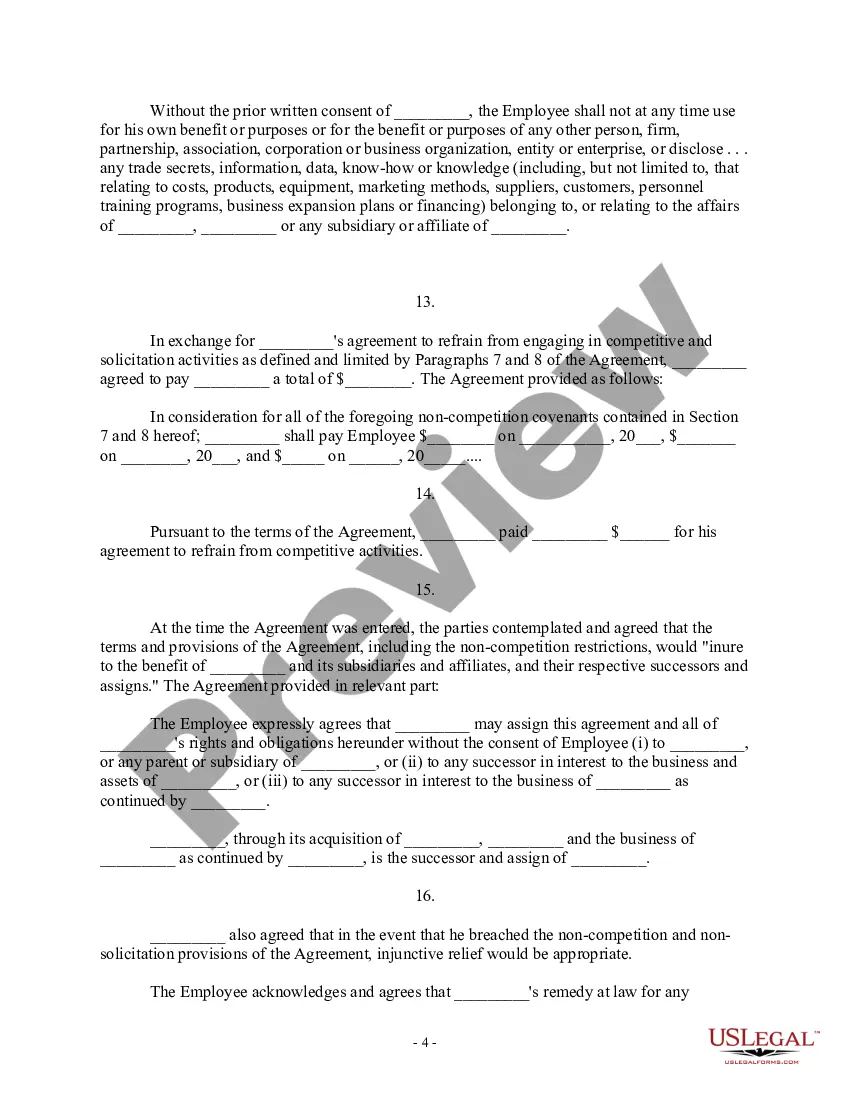
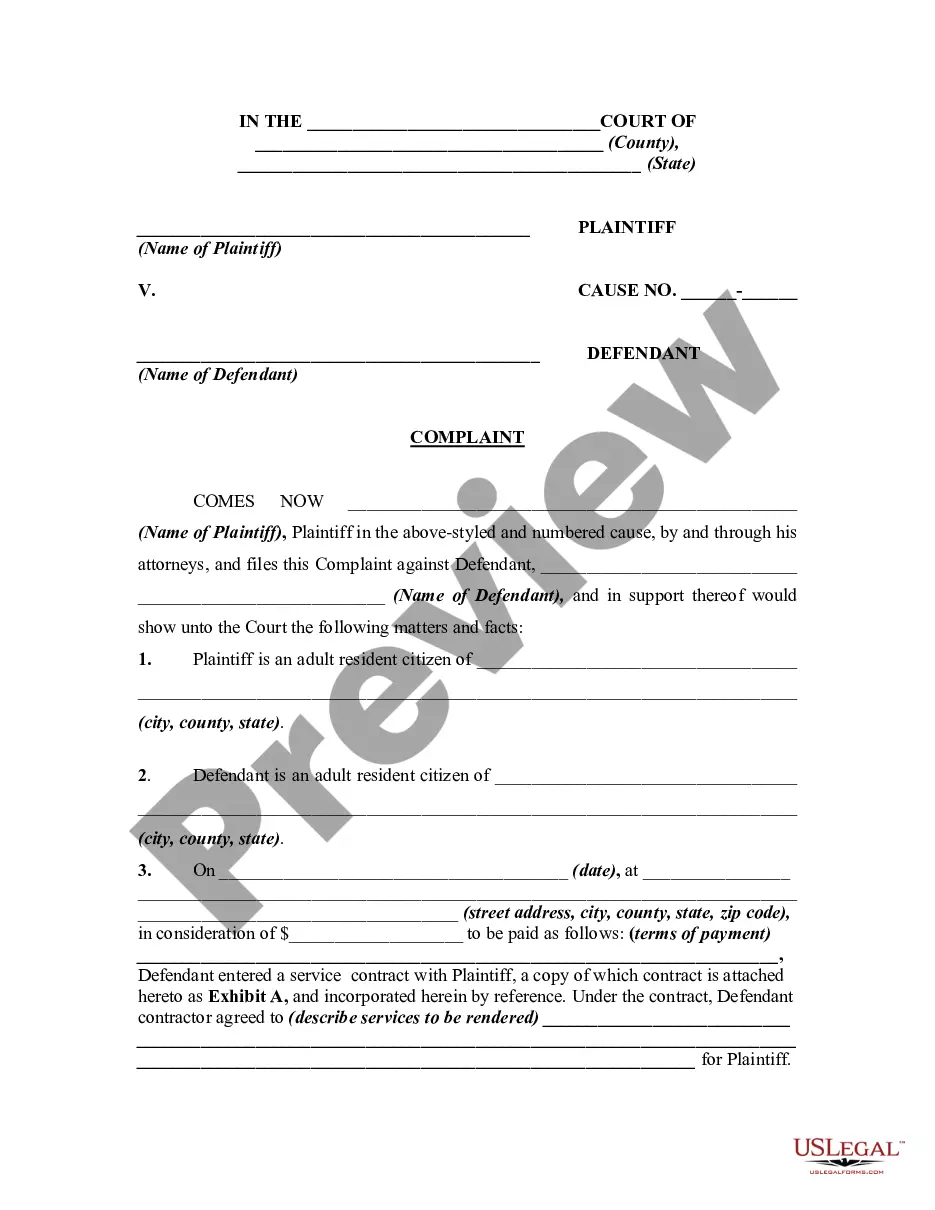
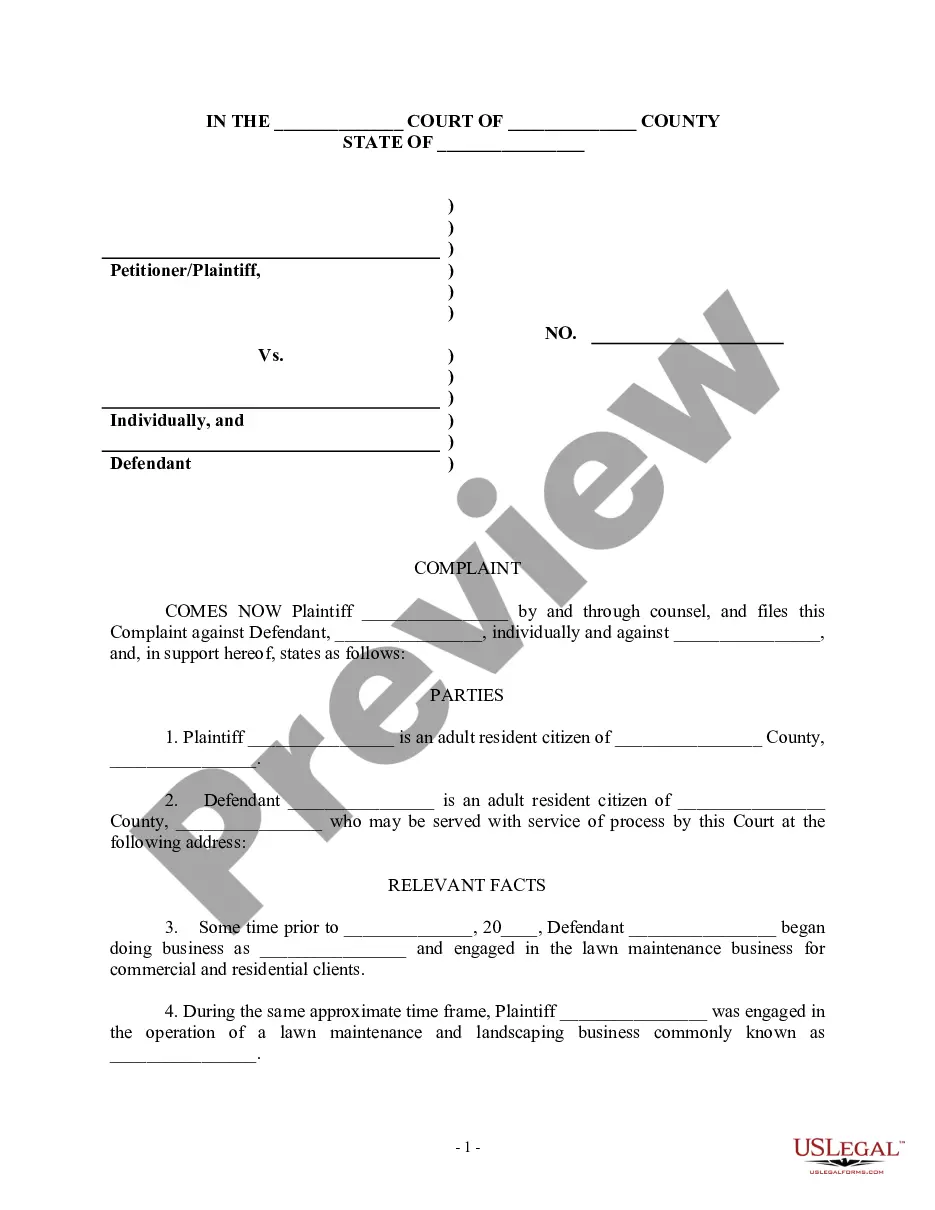
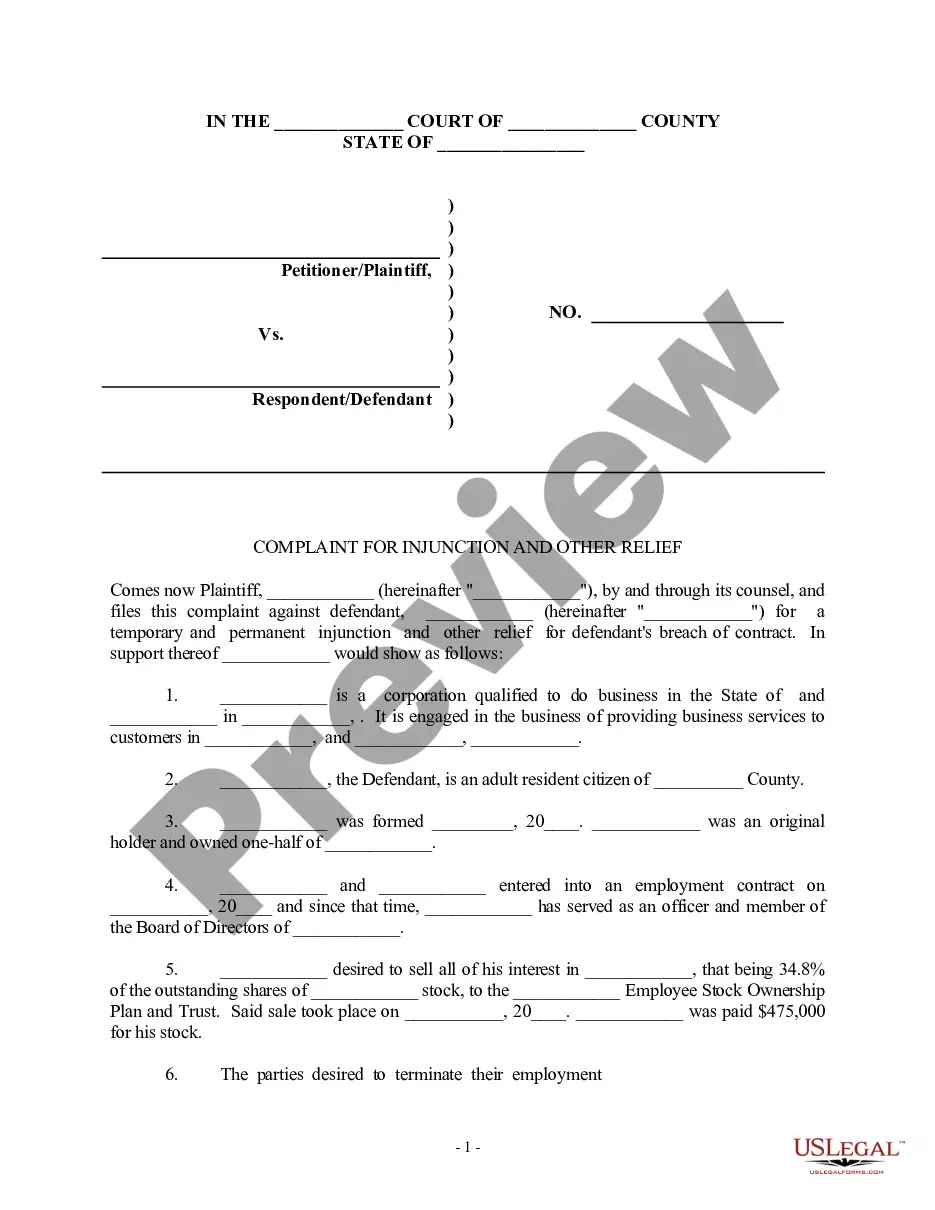
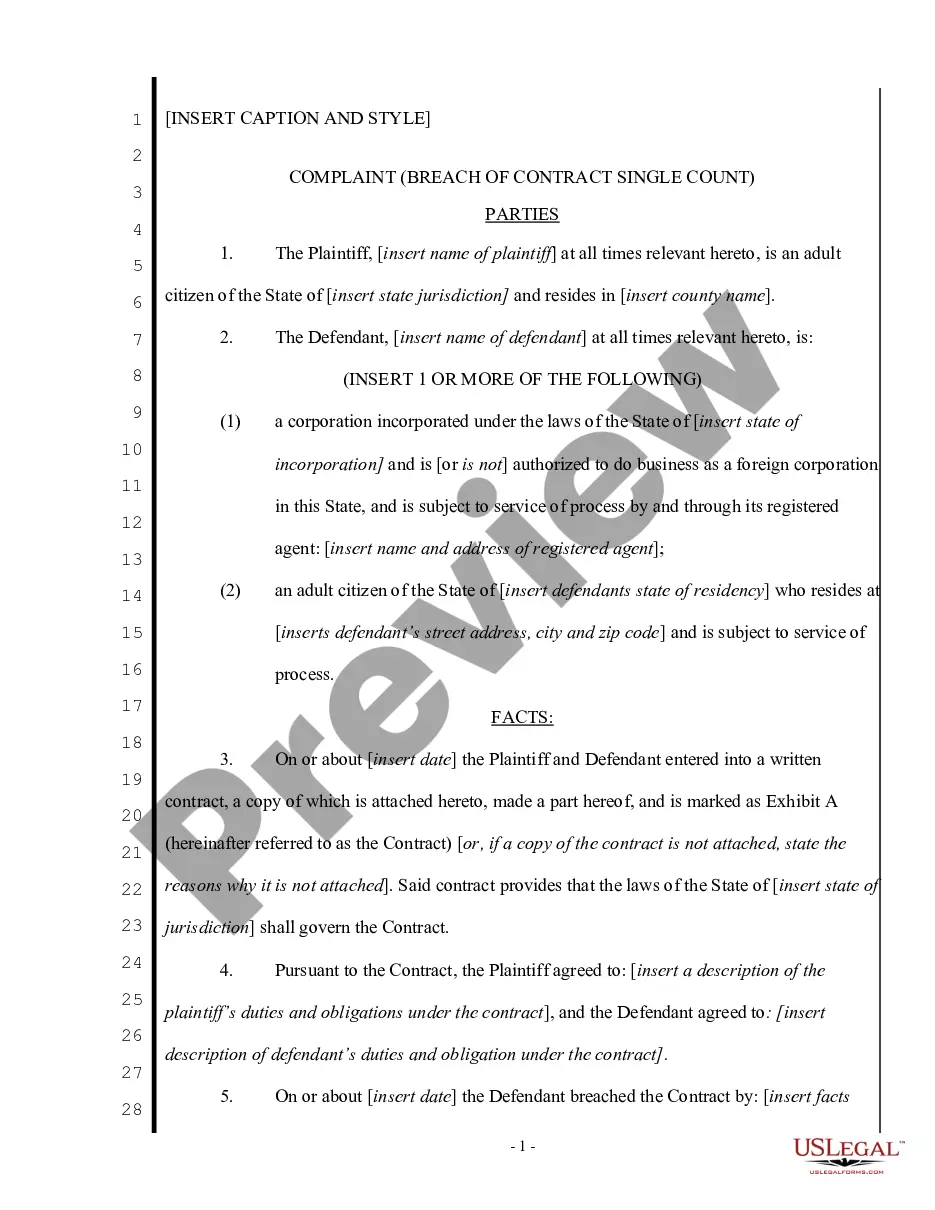
Get your form ready online
Our built-in tools help you complete, sign, share, and store your documents in one place.
Make edits, fill in missing information, and update formatting in US Legal Forms—just like you would in MS Word.
Download a copy, print it, send it by email, or mail it via USPS—whatever works best for your next step.
Sign and collect signatures with our SignNow integration. Send to multiple recipients, set reminders, and more. Go Premium to unlock E-Sign.
If this form requires notarization, complete it online through a secure video call—no need to meet a notary in person or wait for an appointment.
We protect your documents and personal data by following strict security and privacy standards.

Make edits, fill in missing information, and update formatting in US Legal Forms—just like you would in MS Word.

Download a copy, print it, send it by email, or mail it via USPS—whatever works best for your next step.

Sign and collect signatures with our SignNow integration. Send to multiple recipients, set reminders, and more. Go Premium to unlock E-Sign.

If this form requires notarization, complete it online through a secure video call—no need to meet a notary in person or wait for an appointment.

We protect your documents and personal data by following strict security and privacy standards.
Looking for another form?
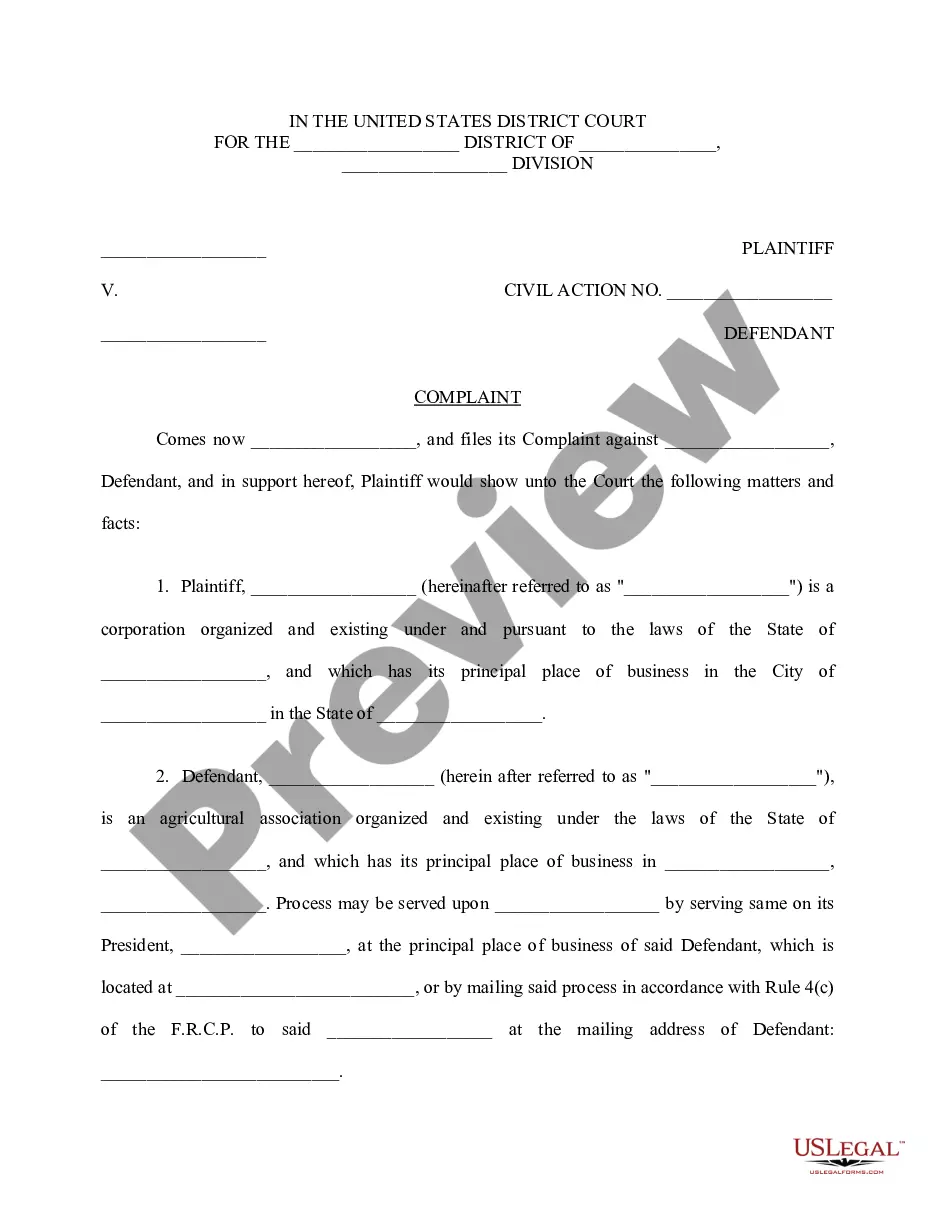
How to fill out Complaint For Injunctive Relief And Damages For Breach Of Noncompetition Agreement - Breach Of Contract - Violation Of Trade Secrets Act?
Legal paperwork management can be daunting, even for seasoned professionals.
When seeking Injunctive Relief Without Proving Damages and lacking the time to search for the appropriate and current version, the process can be stressful.
US Legal Forms meets any requirements you may have, from personal to business documentation, all in one location.
Utilize cutting-edge tools to prepare and manage your Injunctive Relief Without Proving Damages.
Here are the steps to follow after downloading the necessary form: Validate that it is the correct document by previewing and reviewing its details. Confirm the sample is valid in your state or county. Click Buy Now when you are ready. Select a monthly subscription plan. Choose your desired file format, and Download, complete, eSign, print, and send your documents. Take advantage of the US Legal Forms online library, supported by 25 years of experience and trustworthiness. Simplify your daily document management into a straightforward and user-friendly process today.
- Access a database of articles, guides, and resources pertinent to your situation and requirements.
- Save time and effort searching for the documents you need and use US Legal Forms' advanced search and Review feature to find Injunctive Relief Without Proving Damages and obtain it.
- If you have a monthly subscription, Log In to your US Legal Forms account, search for the form, and download it.
- Check your My documents tab to review the documents you have previously downloaded and to organize your folders as desired.
- If you are new to US Legal Forms, create an account for unrestricted access to all the benefits of the library.
- A comprehensive online form repository could revolutionize the way individuals handle these matters.
- US Legal Forms is a leading provider of online legal documents, offering over 85,000 state-specific legal forms at your disposal.
- With US Legal Forms, you can access forms tailored to your state or county.
Form popularity
FAQ
To obtain injunctive relief without proving damages, you need to present evidence that demonstrates the likelihood of success on the merits of your case and the potential for irreparable harm. This evidence can include witness testimonies, documents, or expert opinions supporting your claims. Additionally, you should show that issuing the injunction serves the public interest. Utilizing a platform like US Legal Forms can help you gather the necessary documentation and streamline the process.
Injunctive relief is not classified as damage; rather, it is a specific form of legal remedy designed to prevent harm or compel action. Unlike damages, which provide compensation for losses, an injunction aims to address issues before they escalate. Understanding this distinction is crucial when seeking injunctive relief without proving damages, as it emphasizes the proactive nature of this legal approach.
The burden of proof for injunctive relief typically rests on the party seeking the injunction. You must present sufficient evidence to support your claims and demonstrate the need for immediate action. In cases involving injunctive relief without proving damages, the focus shifts to presenting a compelling argument for why the injunction is necessary to prevent harm, rather than proving financial loss.
To obtain injunctive relief without proving damages, you must demonstrate a likelihood of success on the merits of your case, show that you will suffer irreparable harm without the injunction, and establish that the benefits of granting the injunction outweigh any potential harm to the opposing party. This process ensures the court carefully considers the necessity and impact of the injunction. Utilizing resources from US Legal Forms can help you navigate these requirements effectively.
An injunction serves as a court order that compels or restrains a party from taking specific actions, while damages represent monetary compensation for losses suffered. Unlike damages, which require proof of harm, injunctive relief without proving damages focuses on preventing future harm. Essentially, an injunction addresses the need for immediate action rather than financial restitution.
It is well established that, to determine whether an injunction is ?just and proper,? courts apply the ?familiar set of four equitable factors: the movant's likelihood of success on the merits; the possibility of irreparable injury to the moving party; the extent to which the balance of hardships favors each party; and ...
To seek a permanent injunction, the plaintiff must pass the four-step test: (1) that the plaintiff has suffered an irreparable injury; (2) that remedies available at law, such as monetary damages, are inadequate to compensate for the injury; (3) that the remedy in equity is warranted upon consideration of the balance ...
What Are the 4 Types of Injunctive Relief? Preliminary injunction. Permanent injunction. Mandatory injunction. Prohibitory injunction.
A temporary restraining order (TRO) is a common preliminary injunctive relief example. For instance, a court order placing the sale of a company on hold while a breach of fiduciary duty or a shareholder derivative lawsuit is ongoing.
Difference Between Damages and Injunctive Relief In brief, damages are usually awarded in the form of money, whereas injunctive relief is in the form of a court order to stope someone from doing something.