Injunctive Relief For
Description
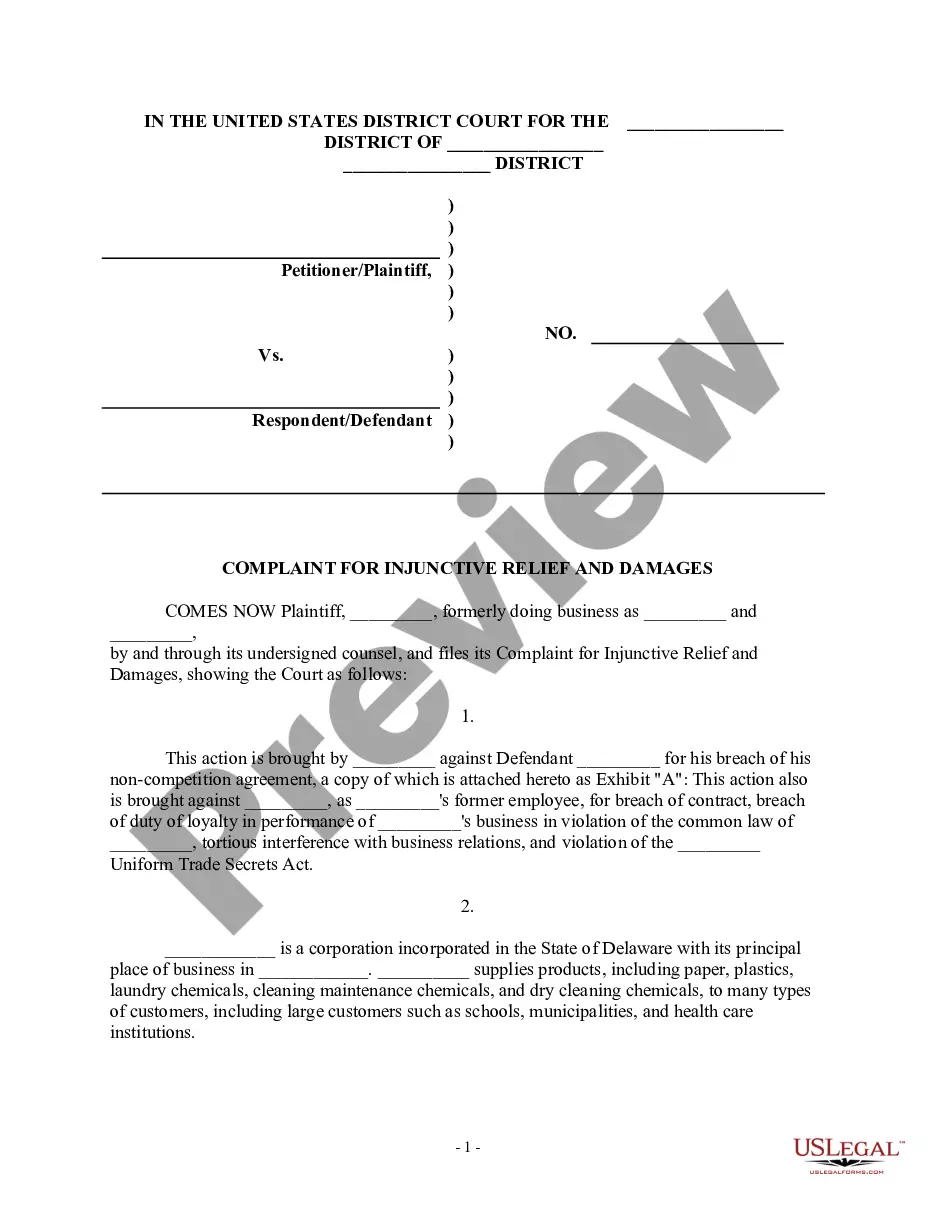
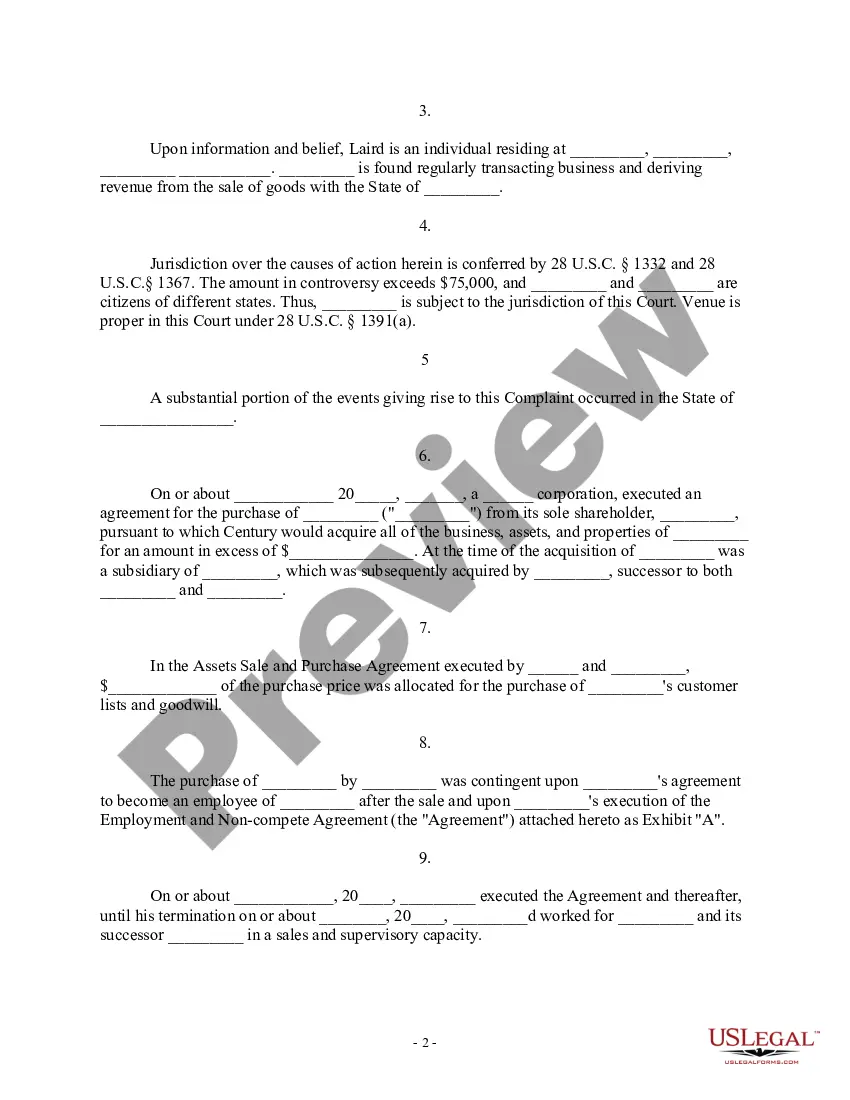
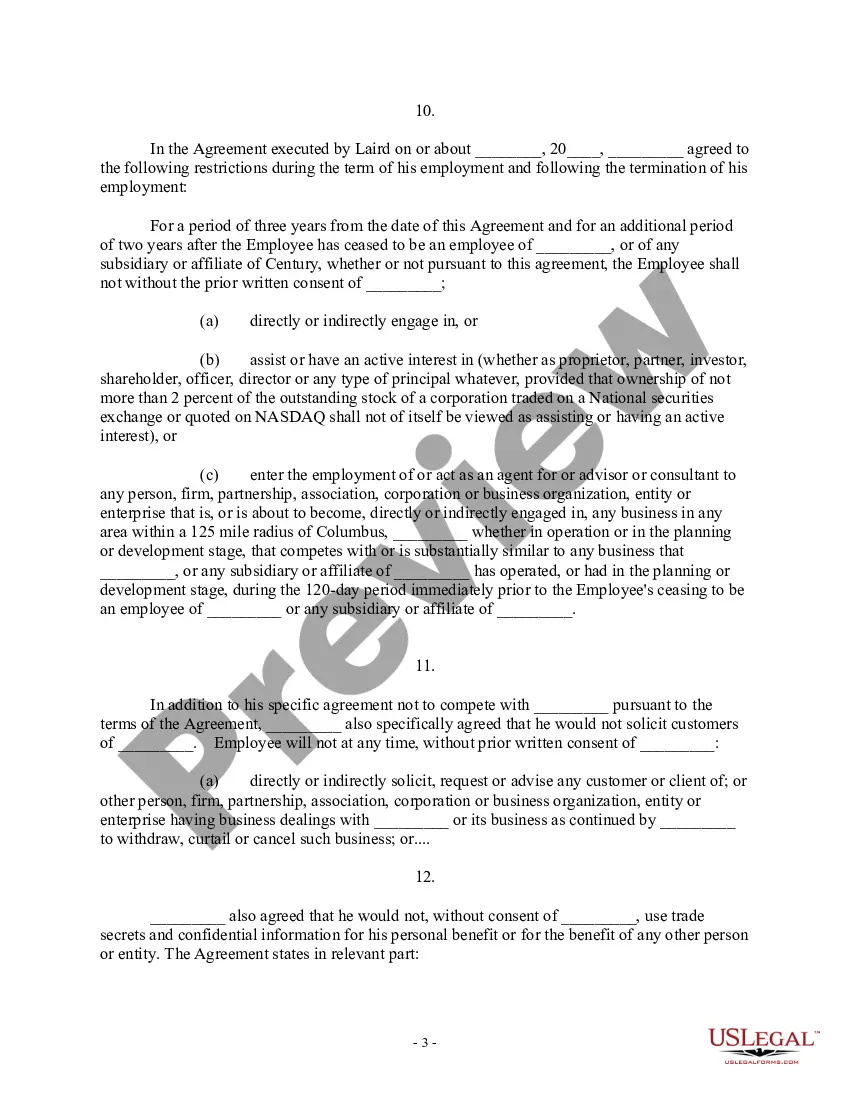
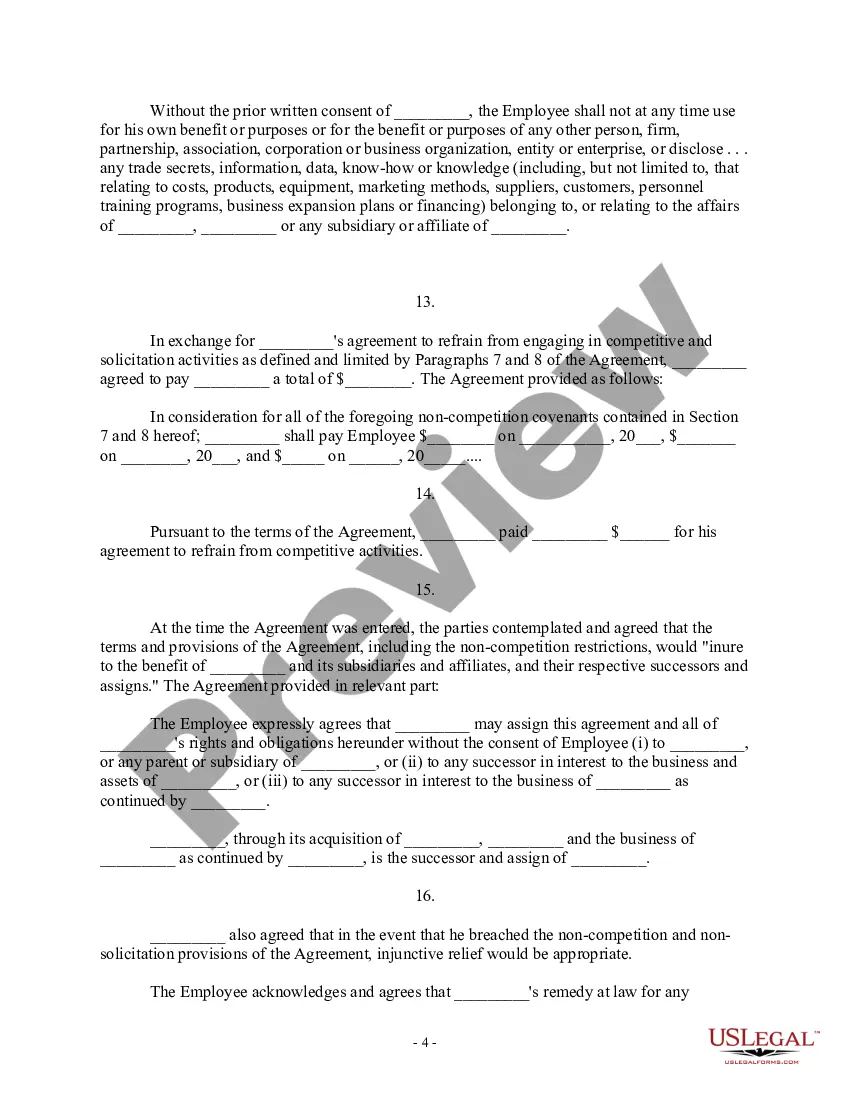
Get your form ready online
Our built-in tools help you complete, sign, share, and store your documents in one place.
Make edits, fill in missing information, and update formatting in US Legal Forms—just like you would in MS Word.
Download a copy, print it, send it by email, or mail it via USPS—whatever works best for your next step.
Sign and collect signatures with our SignNow integration. Send to multiple recipients, set reminders, and more. Go Premium to unlock E-Sign.
If this form requires notarization, complete it online through a secure video call—no need to meet a notary in person or wait for an appointment.
We protect your documents and personal data by following strict security and privacy standards.

Make edits, fill in missing information, and update formatting in US Legal Forms—just like you would in MS Word.

Download a copy, print it, send it by email, or mail it via USPS—whatever works best for your next step.

Sign and collect signatures with our SignNow integration. Send to multiple recipients, set reminders, and more. Go Premium to unlock E-Sign.

If this form requires notarization, complete it online through a secure video call—no need to meet a notary in person or wait for an appointment.

We protect your documents and personal data by following strict security and privacy standards.
Looking for another form?
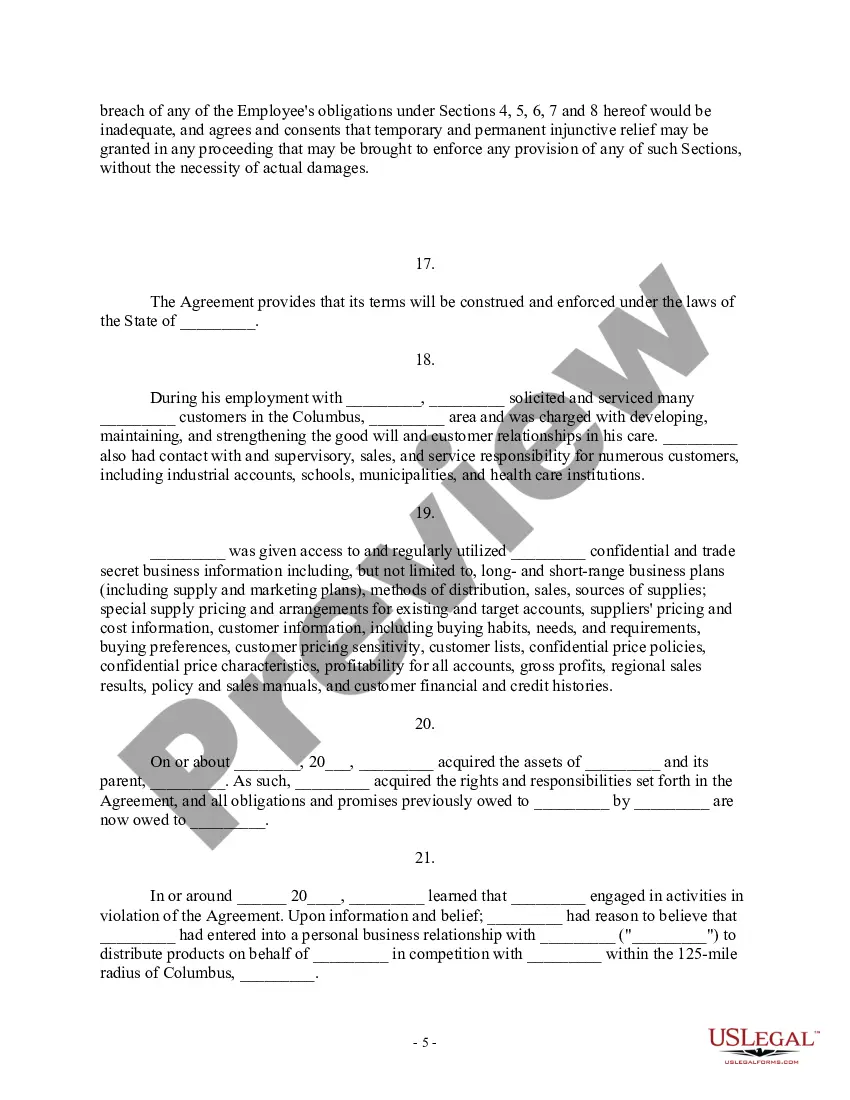
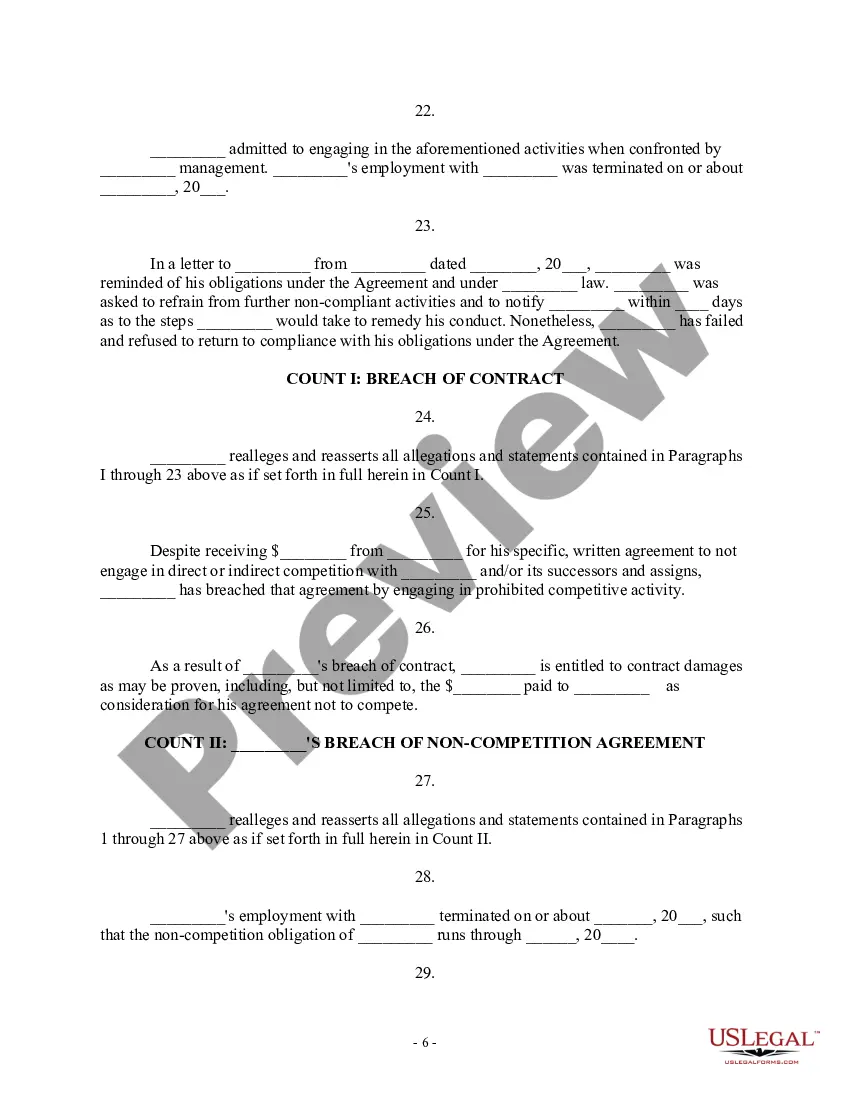
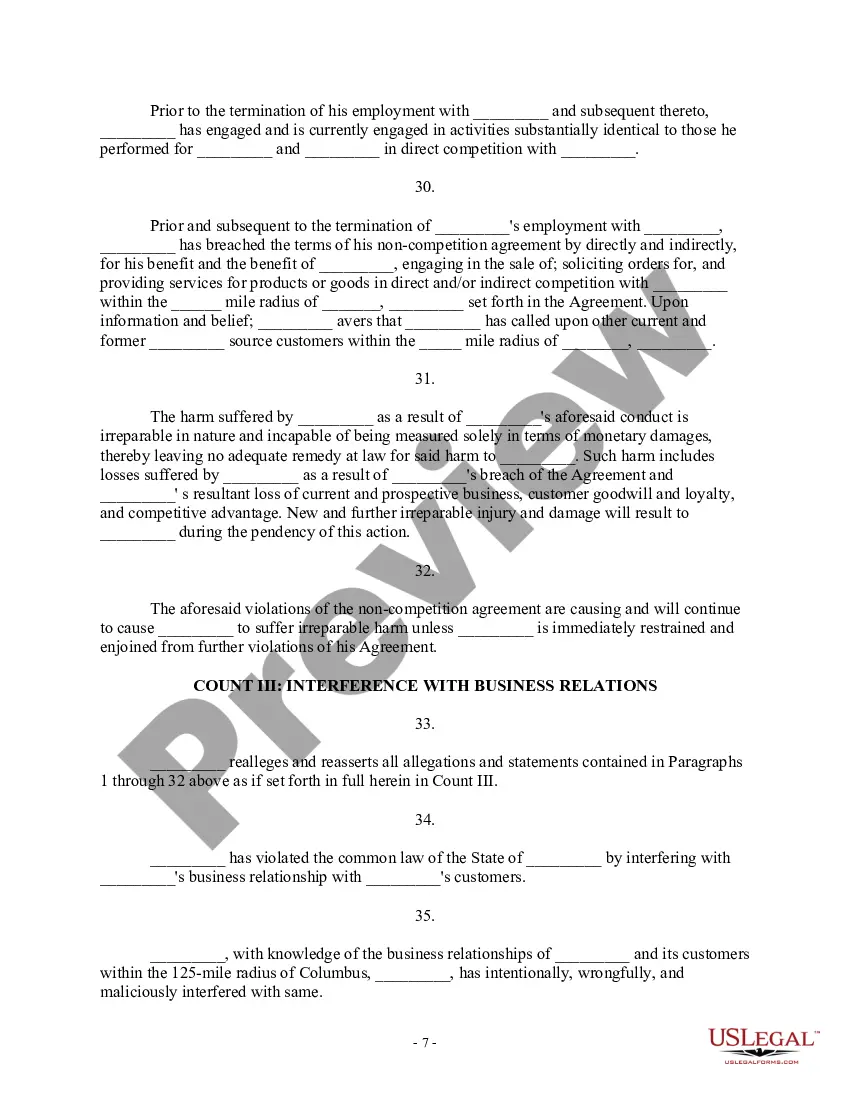
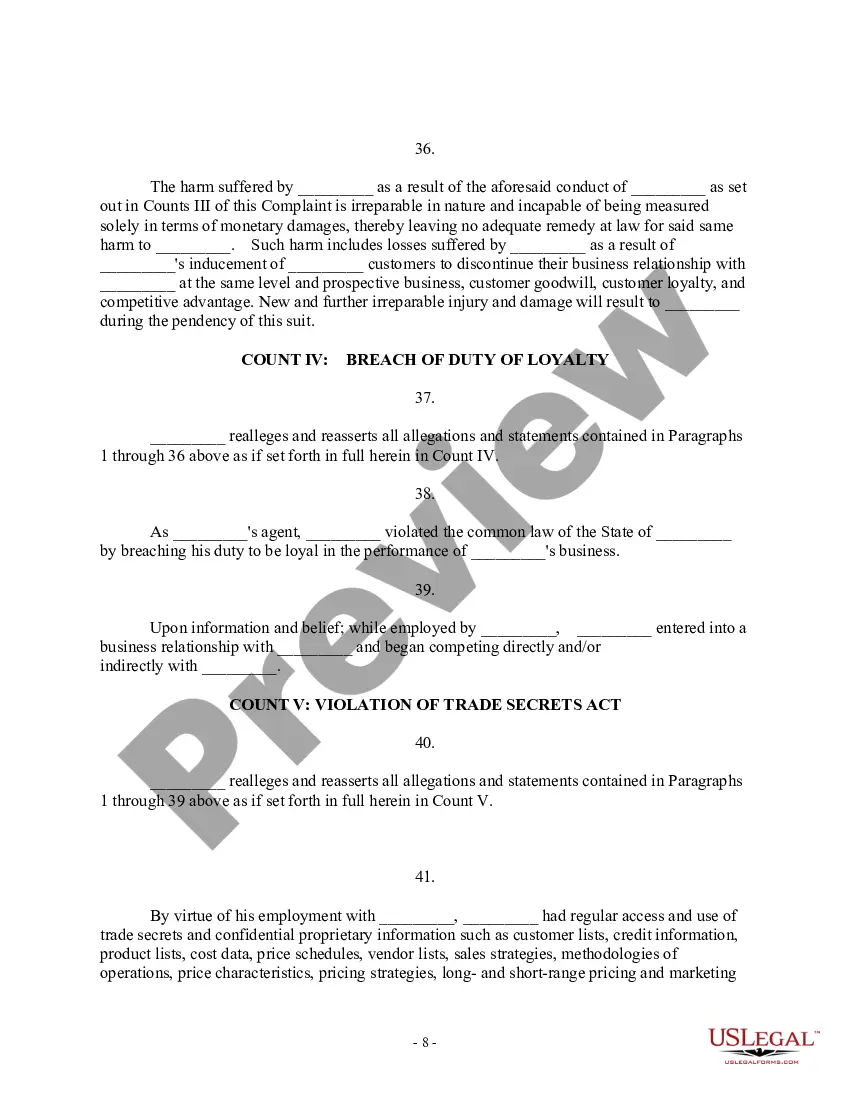
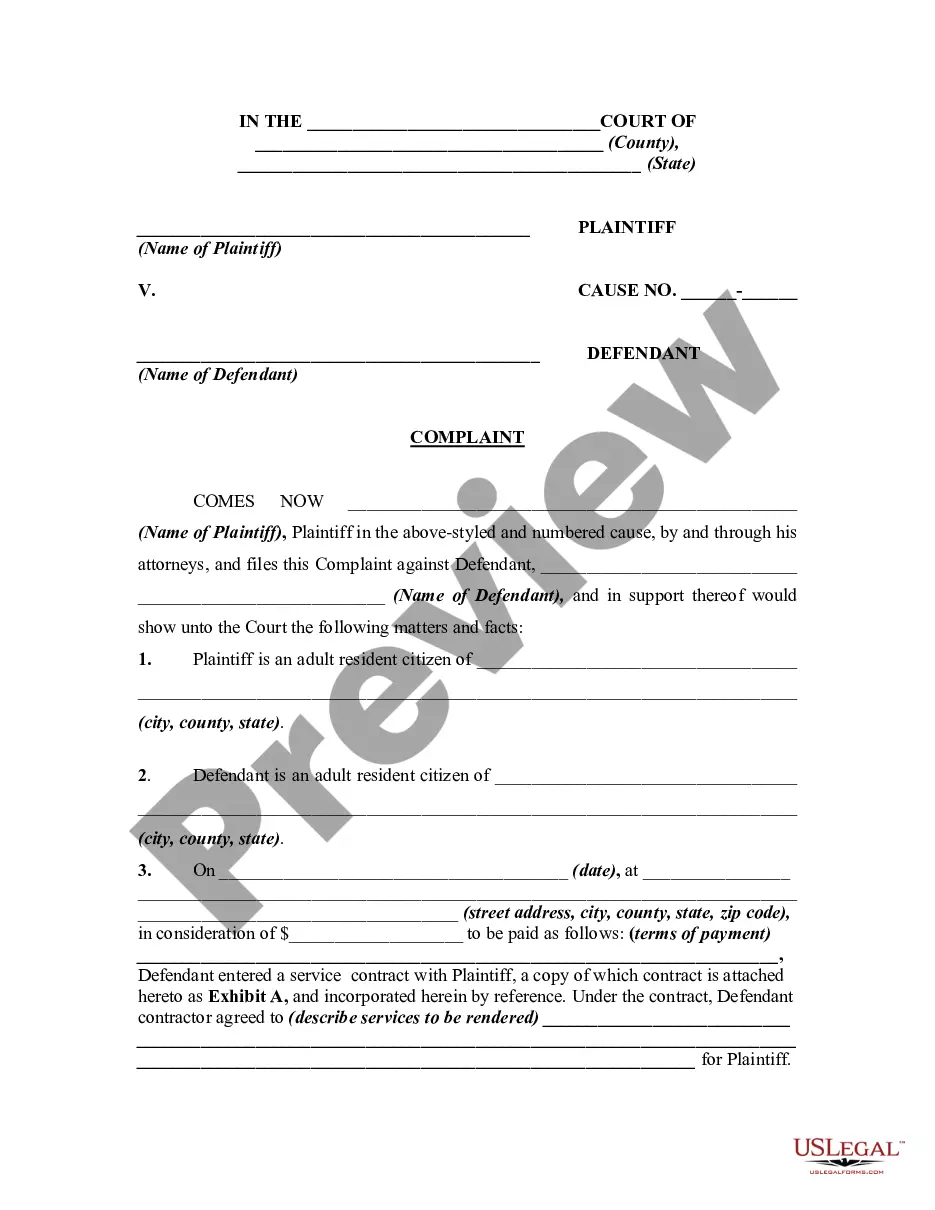
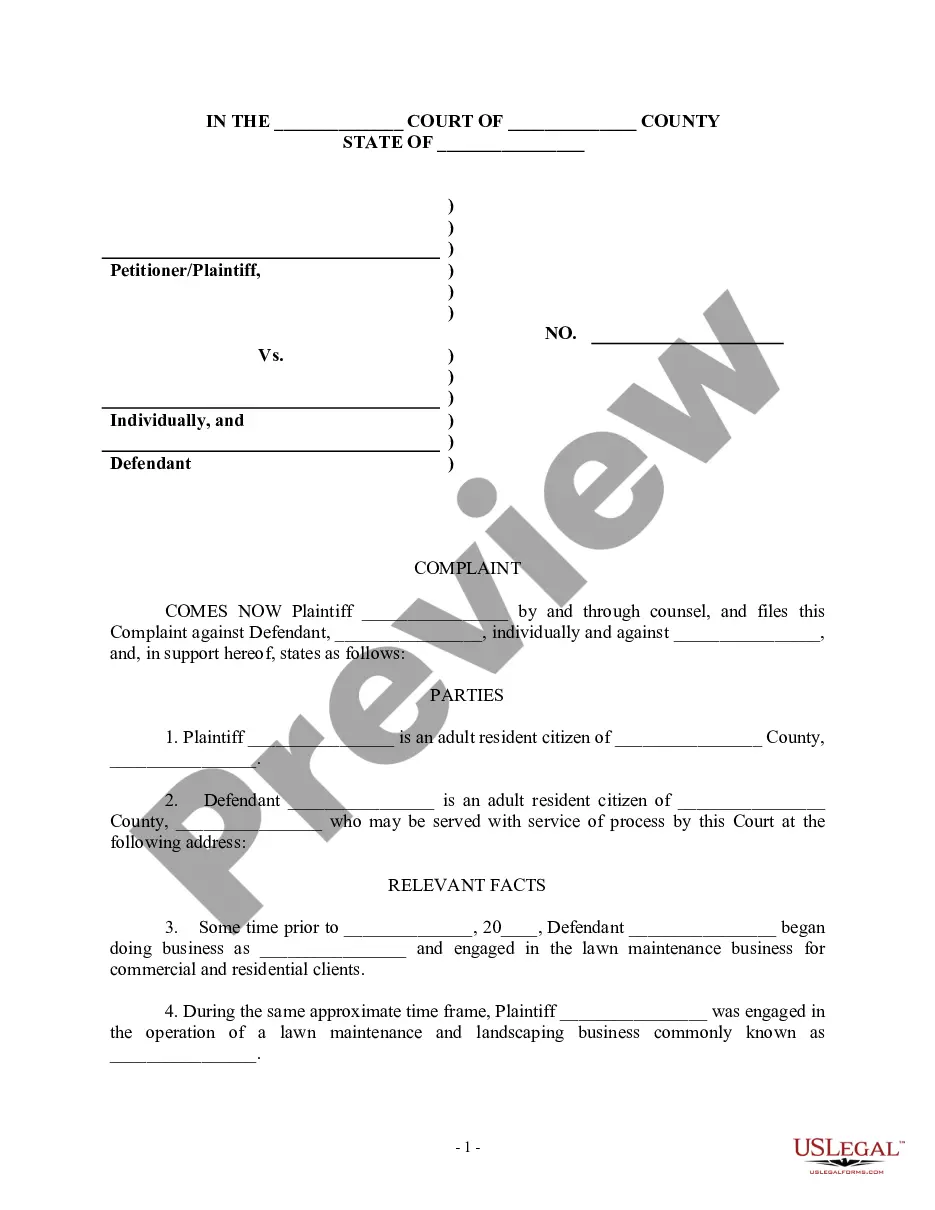
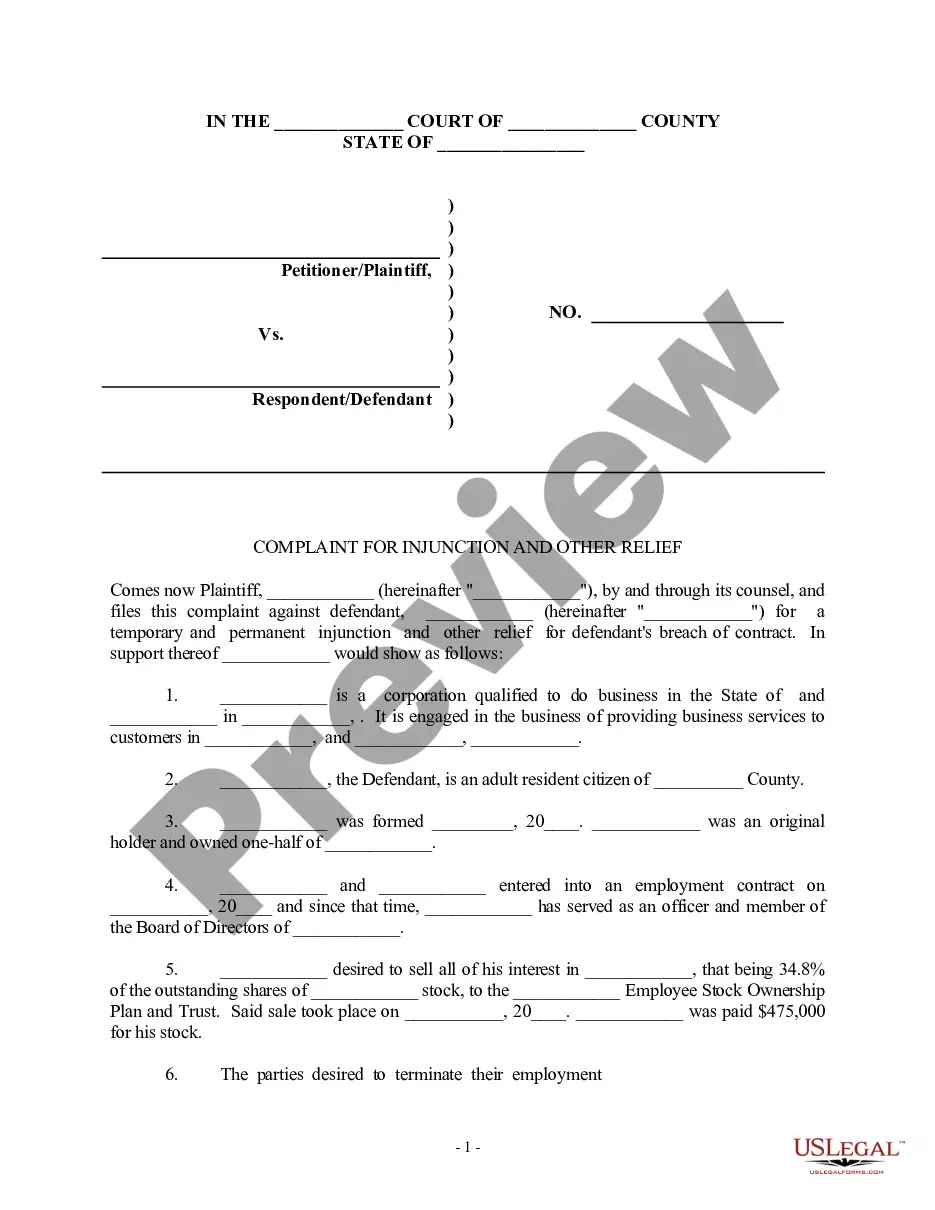
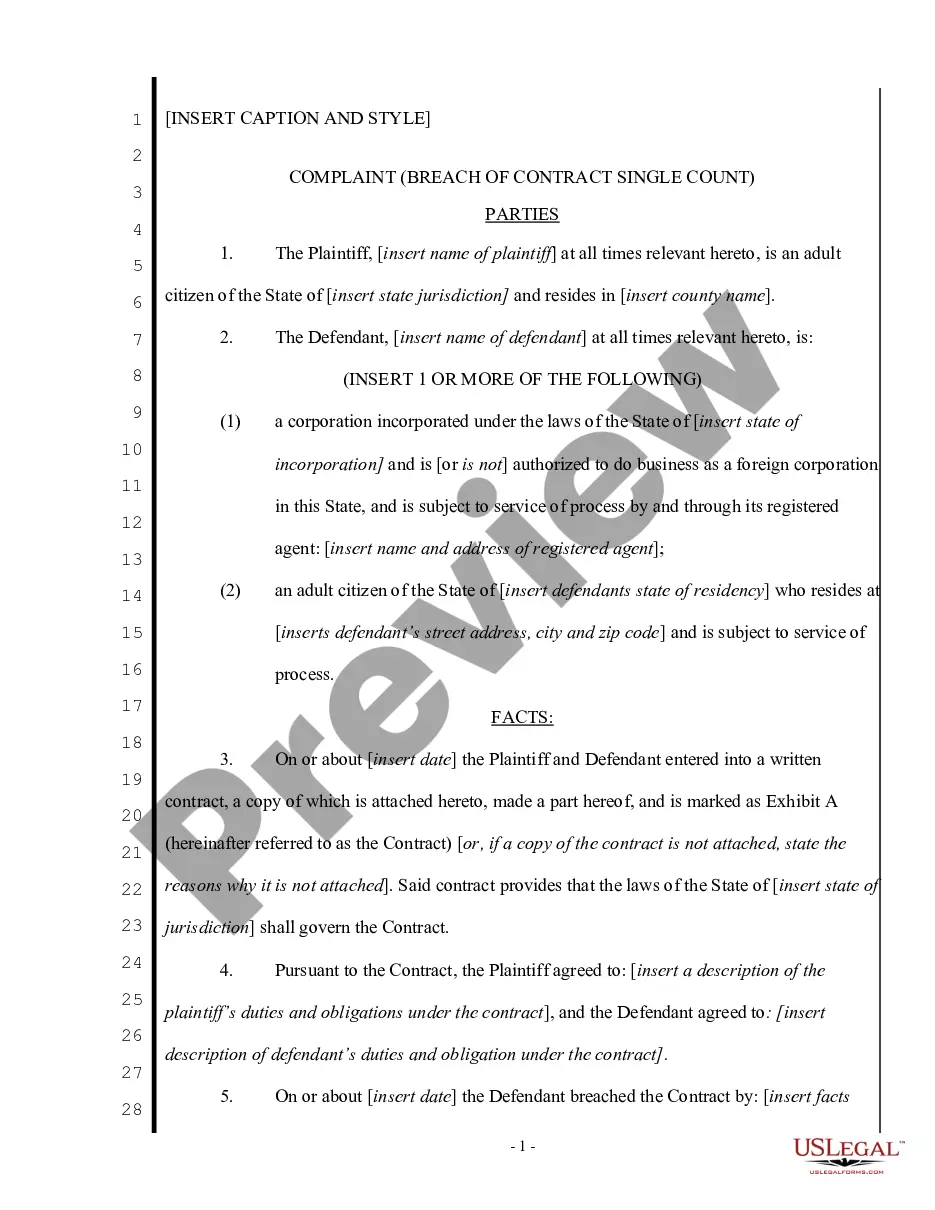
How to fill out Complaint For Injunctive Relief And Damages For Breach Of Noncompetition Agreement - Breach Of Contract - Violation Of Trade Secrets Act?
The Injunctive Relief For you observe on this page is a versatile formal template created by professional attorneys in accordance with federal and state laws and regulations. For over 25 years, US Legal Forms has supplied individuals, businesses, and legal practitioners with more than 85,000 validated, state-specific forms for any business and personal circumstances. It’s the quickest, easiest, and most reliable way to acquire the documentation you need, as the service ensures the utmost level of data security and anti-malware protection.
Acquiring this Injunctive Relief For will require just a few straightforward steps.
Register for US Legal Forms to have validated legal templates for all of life’s scenarios at your fingertips.
- Search for the document you require and examine it. Browse through the sample you looked for and preview it or review the form description to confirm it meets your needs. If it doesn’t, utilize the search bar to locate the correct one. Click Buy Now once you have found the template you need.
- Register and Log In. Choose the pricing plan that fits you and create an account. Use PayPal or a credit card to process a swift payment. If you already possess an account, Log In and verify your subscription to continue.
- Acquire the fillable template. Select the format you desire for your Injunctive Relief For (PDF, Word, RTF) and save the sample on your device.
- Fill out and sign the document. Print the template to complete it manually. Alternatively, utilize an online multifunctional PDF editor to swiftly and accurately fill out and sign your form with a valid signature.
- Download your documentation again. Use the same document again whenever necessary. Open the My documents tab in your profile to redownload any previously saved forms.
Form popularity
FAQ
An example of injunctive relief for a business could be a court order preventing a former employee from disclosing confidential information to competitors. This type of injunction helps protect sensitive data and maintain a competitive edge. Another instance is when a homeowner seeks an injunction to stop a neighbor from encroaching on their property, ensuring that their property rights are respected.
To obtain injunctive relief for a legal matter, you must demonstrate a valid legal claim, show that you will suffer irreparable harm without the injunction, and prove that the balance of harms favors you. Additionally, you need to establish that granting the injunction serves the public interest. These elements are critical in convincing a court to issue an injunction to protect your rights.
To write a request for injunctive relief effectively, start by clearly outlining the specific relief you seek. Include the reasons for your request, emphasizing the irreparable harm you will face without it. Ensure that your request is well-structured, concise, and supported by relevant evidence. If you need guidance, US Legal Forms provides templates and legal forms that can simplify this writing process.
When seeking injunctive relief for your case, you need compelling evidence. This might include documents, witness statements, or expert testimonies that support your claims. The evidence should clearly illustrate the harm you face without the injunction and your likelihood of success in the case. Utilizing resources from US Legal Forms can help you gather and organize this evidence effectively.
To obtain injunctive relief for your situation, you must file a motion with the court. This motion should include your legal arguments and supporting evidence. It is advisable to consult an attorney who can help you navigate the complexities of the process. Additionally, platforms like US Legal Forms offer resources and templates to assist you in preparing your motion effectively.
To seek injunctive relief for your case, you must demonstrate four key factors. First, you need to show that you will suffer irreparable harm without the injunction. Second, you must prove that you have a likelihood of success on the merits of your case. Third, the balance of hardships should favor you, meaning the harm to you outweighs the harm to the other party. Lastly, the injunction must serve the public interest.
The plaintiff above named submits this application, praying to state as follows : That the plaintiff has filed the present suit for partition. That it is the case of this plaintiff that the suit property being ancestral, it is held by the defendant No. ... That the plaintiff submits that he demanded partition on____, but.
Procedure for issuance of injunctions: An application for temporary injunction should be filed with plaint supported by an affidavit. (b) to file, on the day on which such injunction is granted or on the day immediately following, that day, an affidavit stating that the copies aforesaid have been so delivered or sent.
The Relief of Injunction is an equitable relief and he who seeks equity must do equity. Hence, a party whop asks for an injunction must be able to satisfy the court that his dealing of the matter had been fair, honest and free of any fraud or illegality.