Injunctive Relief For Threatened Breach In Illinois
Description

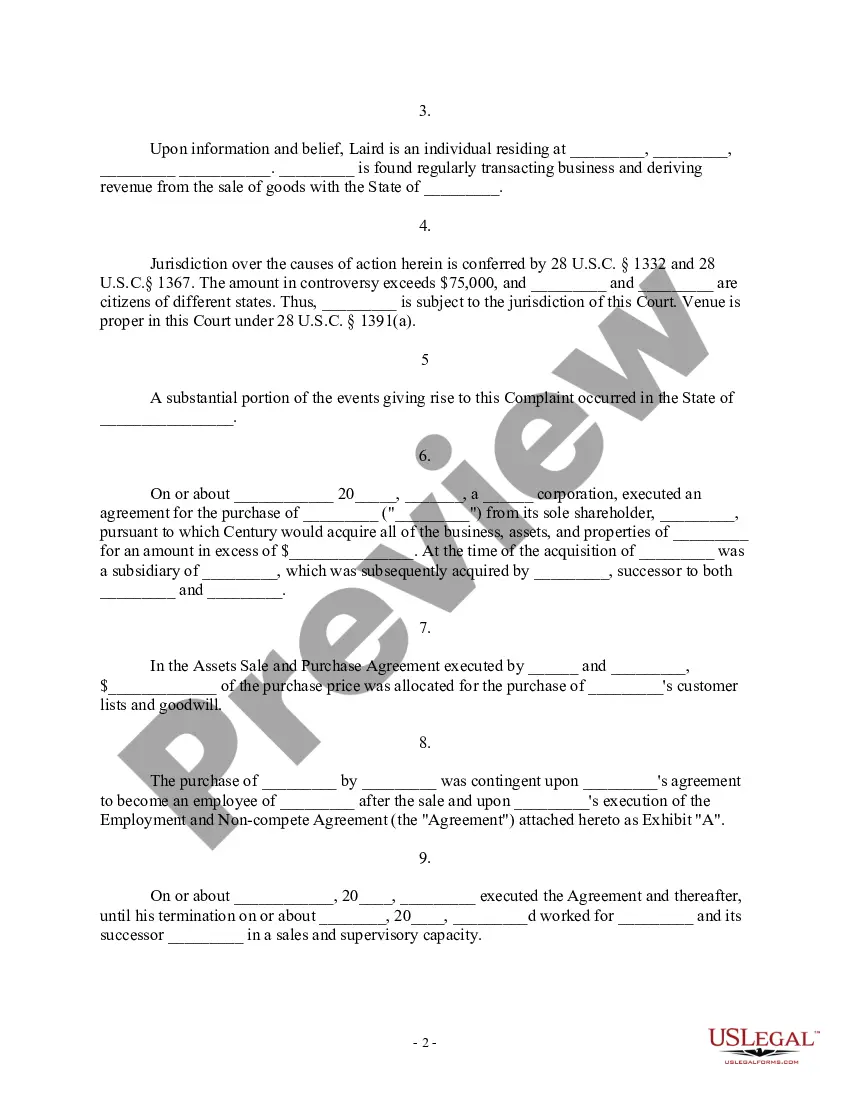
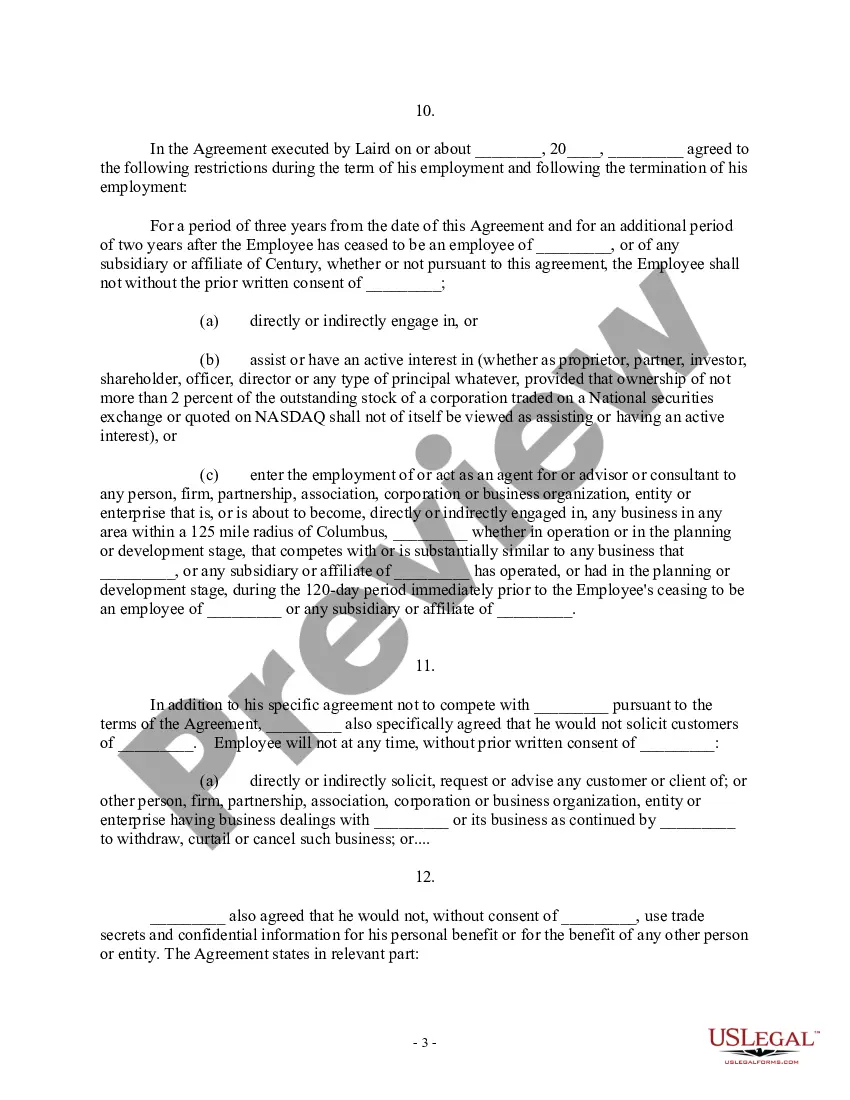
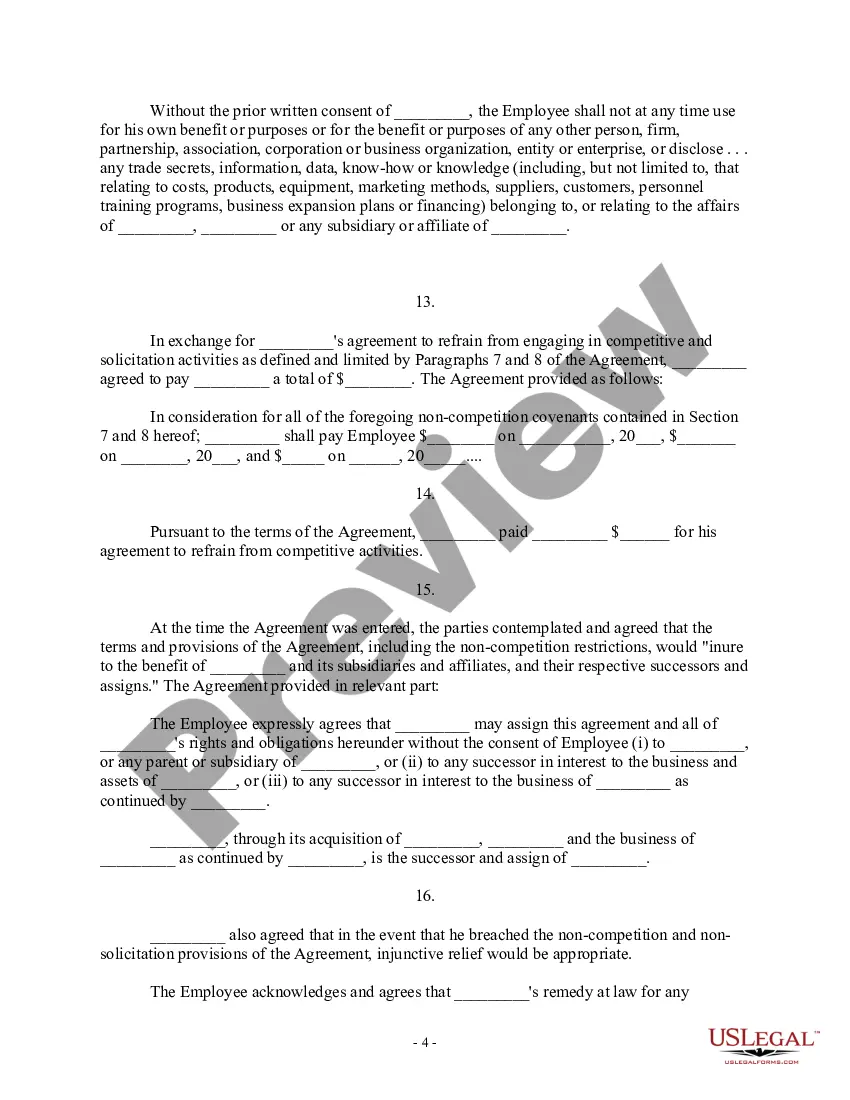
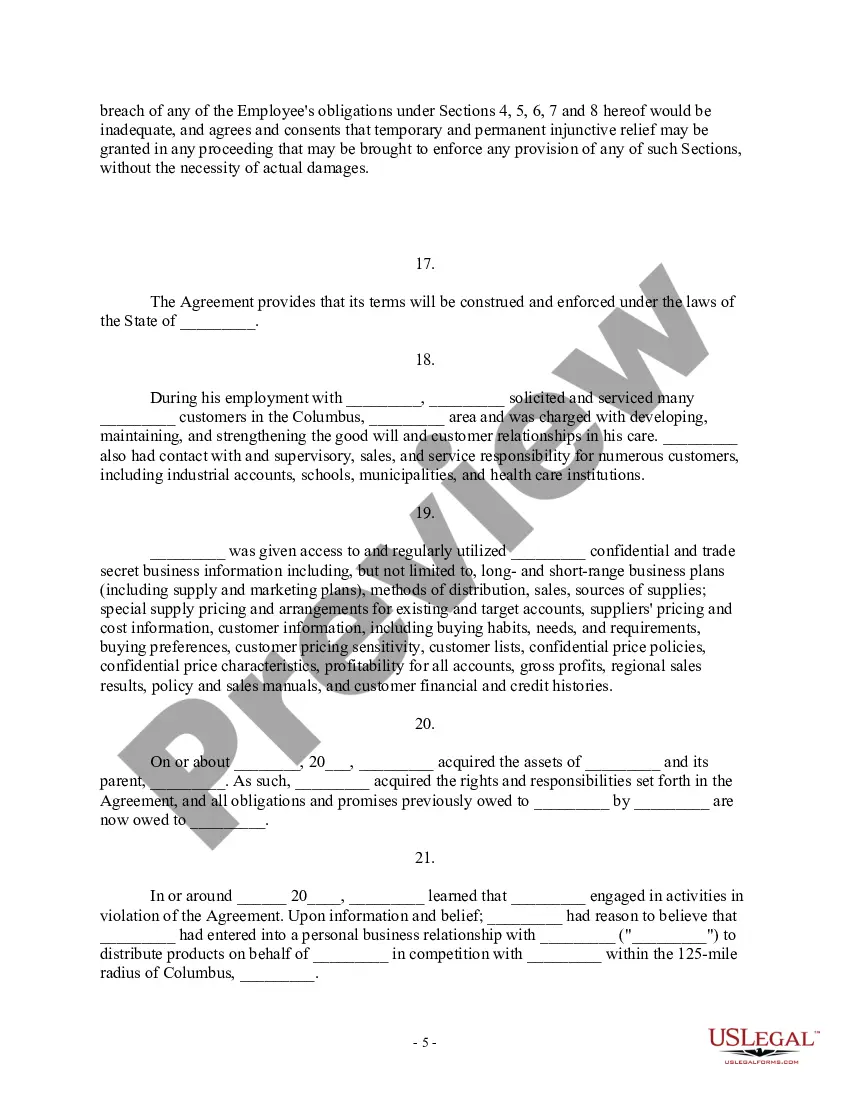
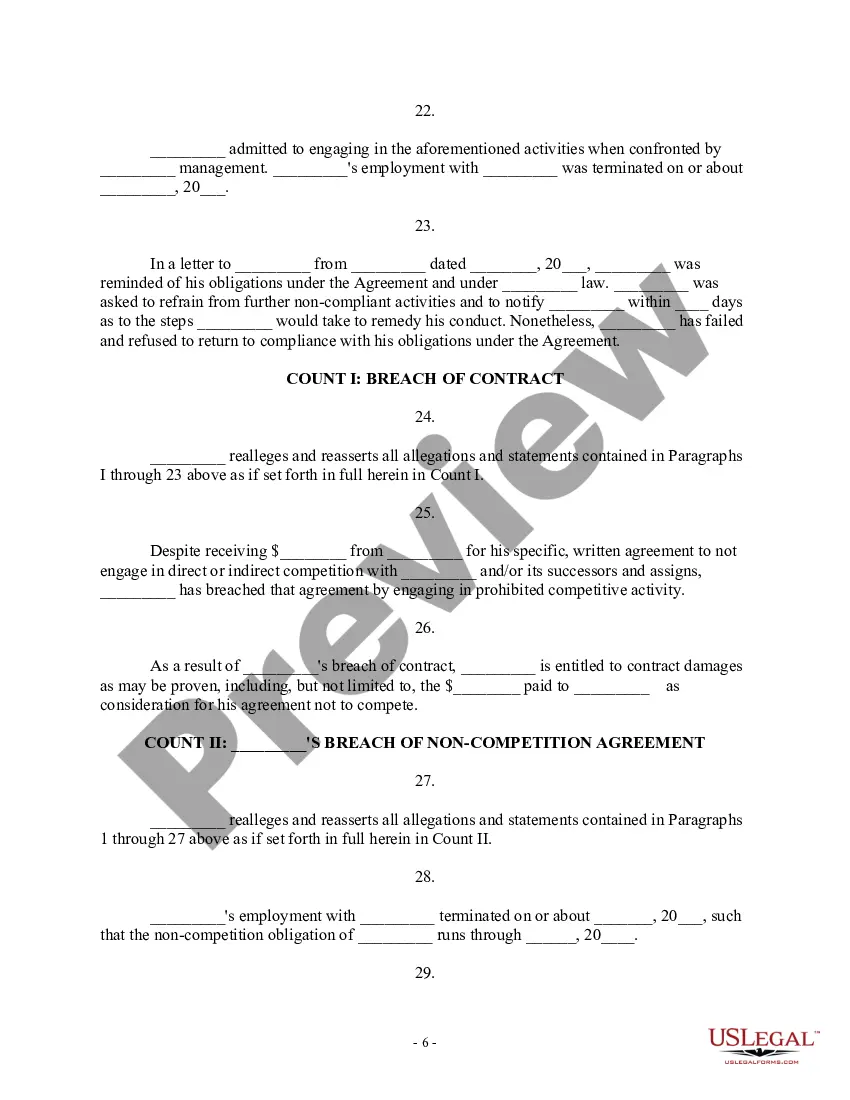
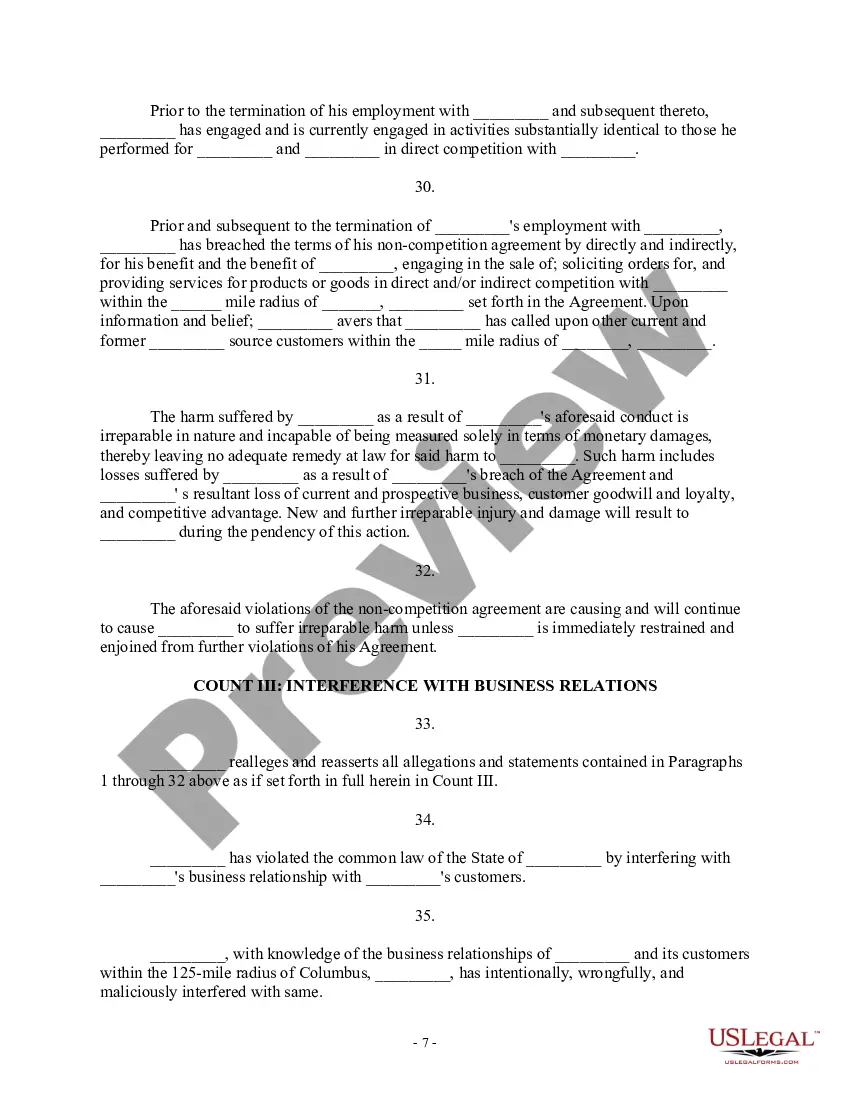
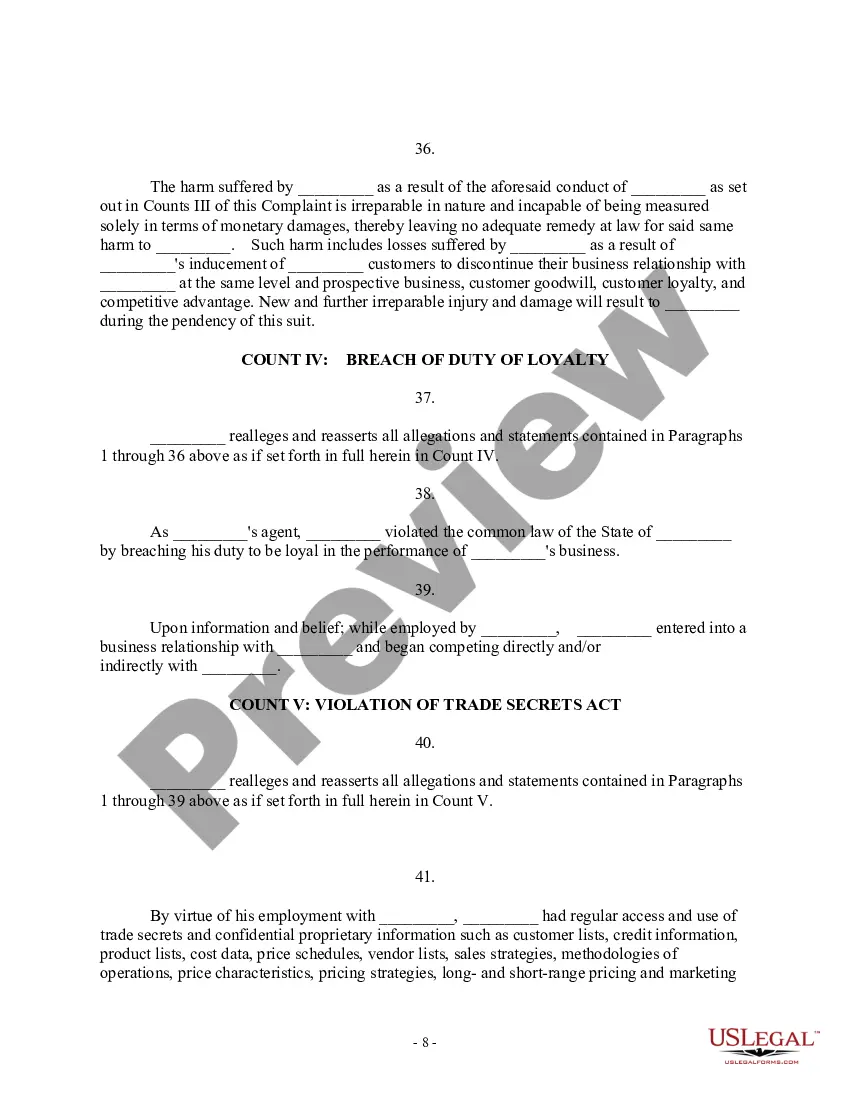
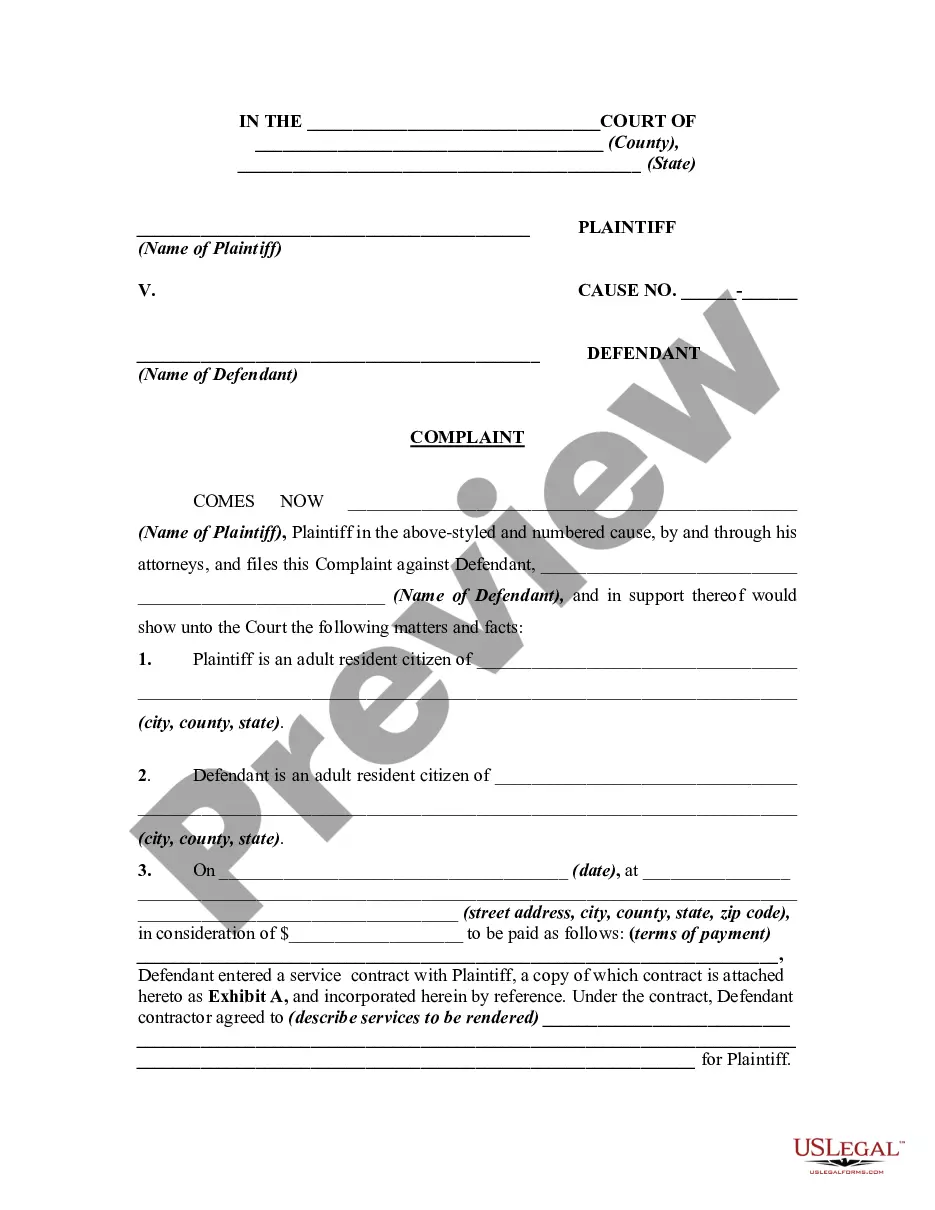

Get your form ready online
Our built-in tools help you complete, sign, share, and store your documents in one place.
Make edits, fill in missing information, and update formatting in US Legal Forms—just like you would in MS Word.
Download a copy, print it, send it by email, or mail it via USPS—whatever works best for your next step.
Sign and collect signatures with our SignNow integration. Send to multiple recipients, set reminders, and more. Go Premium to unlock E-Sign.
If this form requires notarization, complete it online through a secure video call—no need to meet a notary in person or wait for an appointment.
We protect your documents and personal data by following strict security and privacy standards.

Make edits, fill in missing information, and update formatting in US Legal Forms—just like you would in MS Word.

Download a copy, print it, send it by email, or mail it via USPS—whatever works best for your next step.

Sign and collect signatures with our SignNow integration. Send to multiple recipients, set reminders, and more. Go Premium to unlock E-Sign.

If this form requires notarization, complete it online through a secure video call—no need to meet a notary in person or wait for an appointment.

We protect your documents and personal data by following strict security and privacy standards.
Looking for another form?









Form popularity
FAQ
Common Legal Remedies for Breach of Contract Damages. The most common remedies people seek after a breach of contract are damages. Specific Performance. Specific performance may be a legal remedy in some situations. Injunction. Rescission and Restitution. Contact Silicon Valley Business Attorneys at SAC Attorneys.
In order to get an injunction, you have to file a Petition with the court. You must also attach an affidavit to your Petition. Be sure that you properly plead your Petition. The Petition must be based on facts and not conclusions.
A defendant may assert anticipatory breach where: The parties had a valid contract. Both parties had future performance obligations under the contract. The plaintiff unequivocally repudiated the contract, by words or deeds, before performance was due.
In summary, an injunctive relief clause provides for urgent judicial enforcement of vital obligations that cannot await standard remedies or compensation without potentially irreparable harm.
Definition and Types Injunctive relief is a legal remedy that can be awarded by a court to prevent a party from taking certain actions or to require them to take certain actions. It is a form of equitable remedy that is used when monetary damages are not sufficient to remedy a breach of contract.
The majority of American jurisdictions do not allow punitive dam- ages for breach of contract unless the breach constitutes an independ- ent tort.
An injunction is a court order prohibiting a person from taking a particular action (a prohibitory injunction) or requiring them to take a particular action (a mandatory injunction). A party who breaches an injunction can be held in contempt of court, which can result in a fine or imprisonment.
Injunctive relief is a legal remedy that can be awarded by a court to prevent a party from taking certain actions or to require them to take certain actions. It is a form of equitable remedy that is used when monetary damages are not sufficient to remedy a breach of contract.
To warrant preliminary injunctive relief, the moving party must show (1) a substantial likelihood of success on the merits, (2) that it would suffer irrepa- rable injury if the injunction were not granted, (3) that an injunction would not substantially injure other interested parties, and (4) that the public interest ...
Injunctive relief usually takes one of three forms: temporary restraining order (TRO), preliminary injunction, and permanent injunction. As their modifying terms imply, each has a different level of the time commitment involved.
