Injunctive Relief Without Posting Bond In Georgia
Description

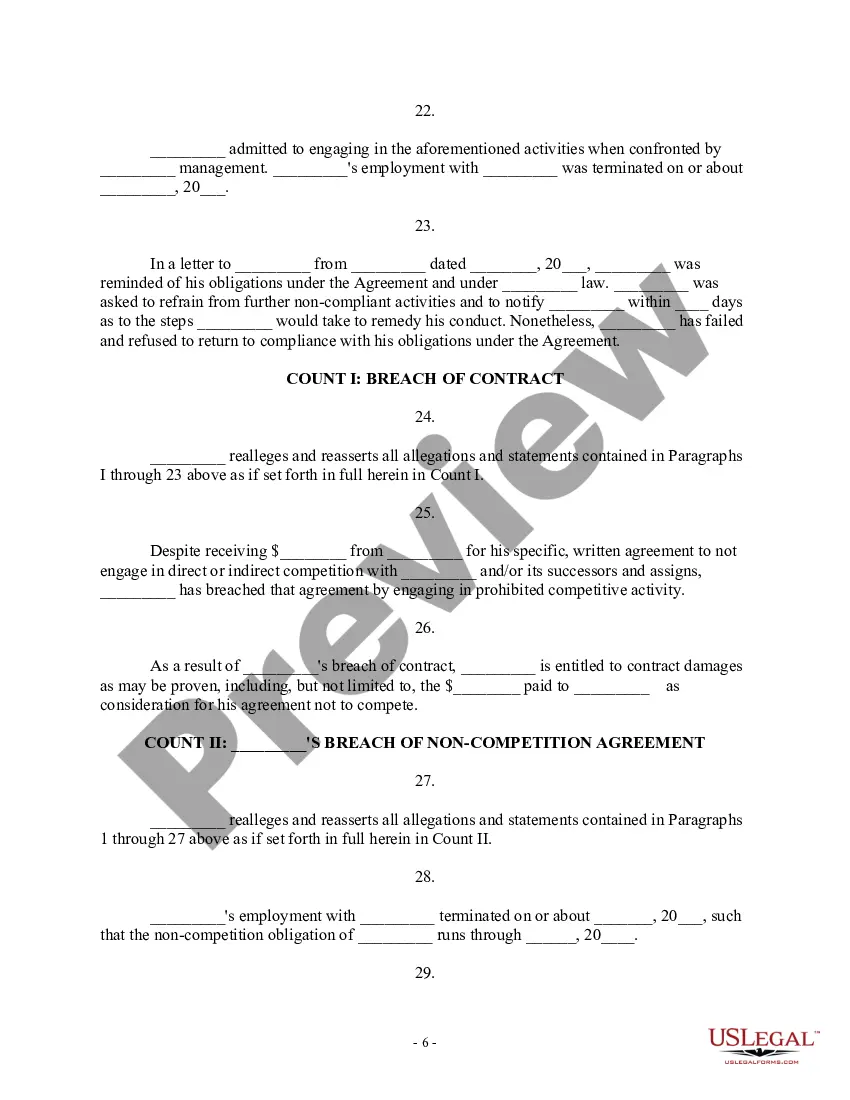
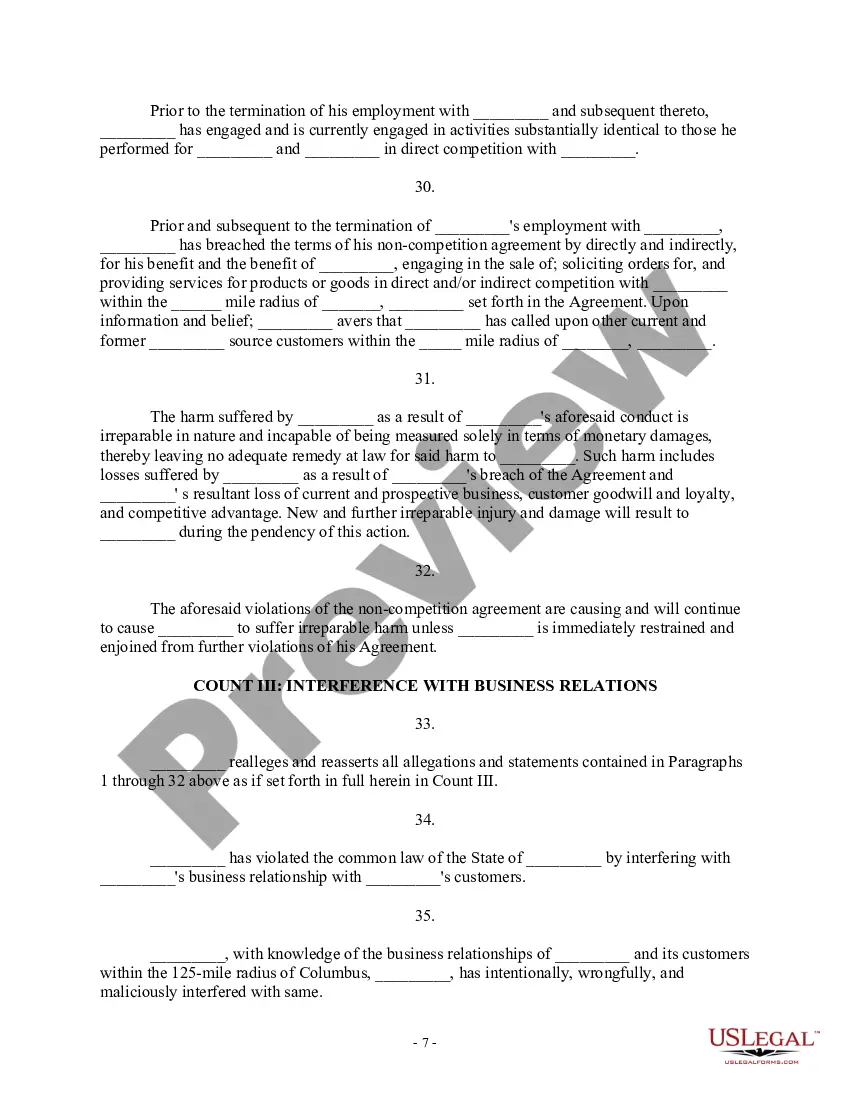
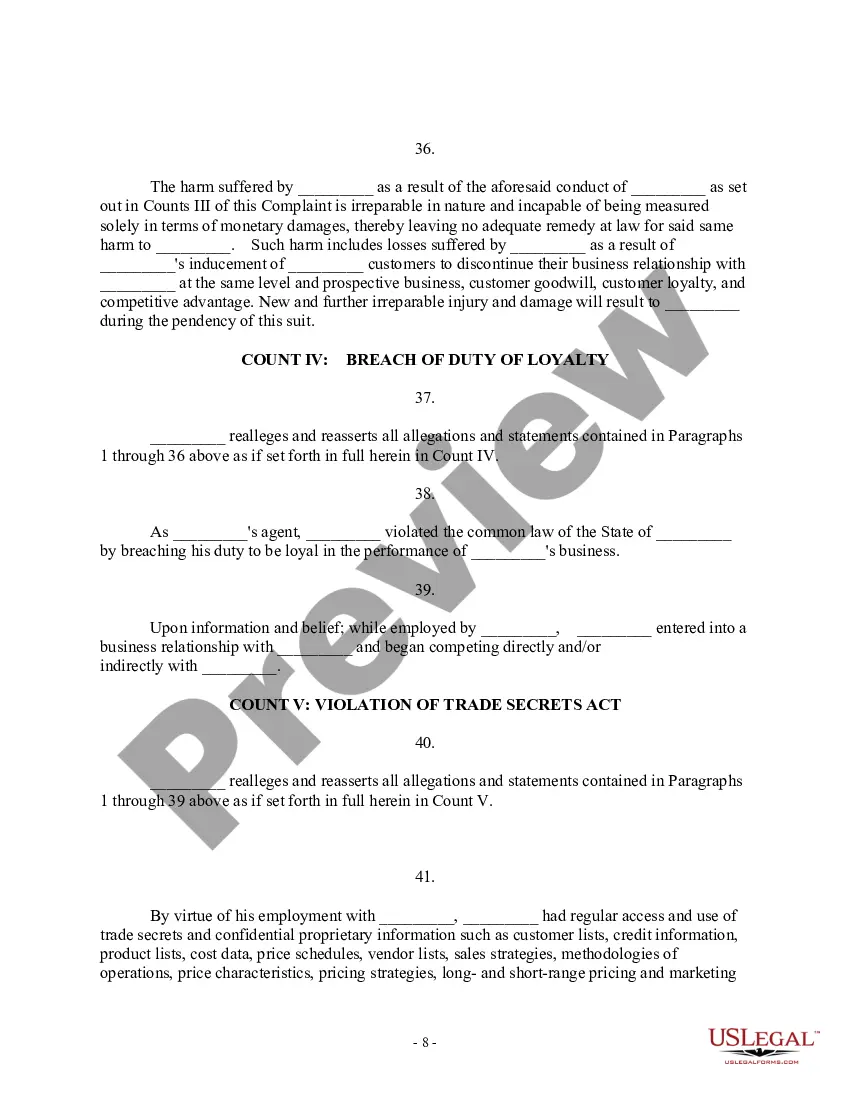
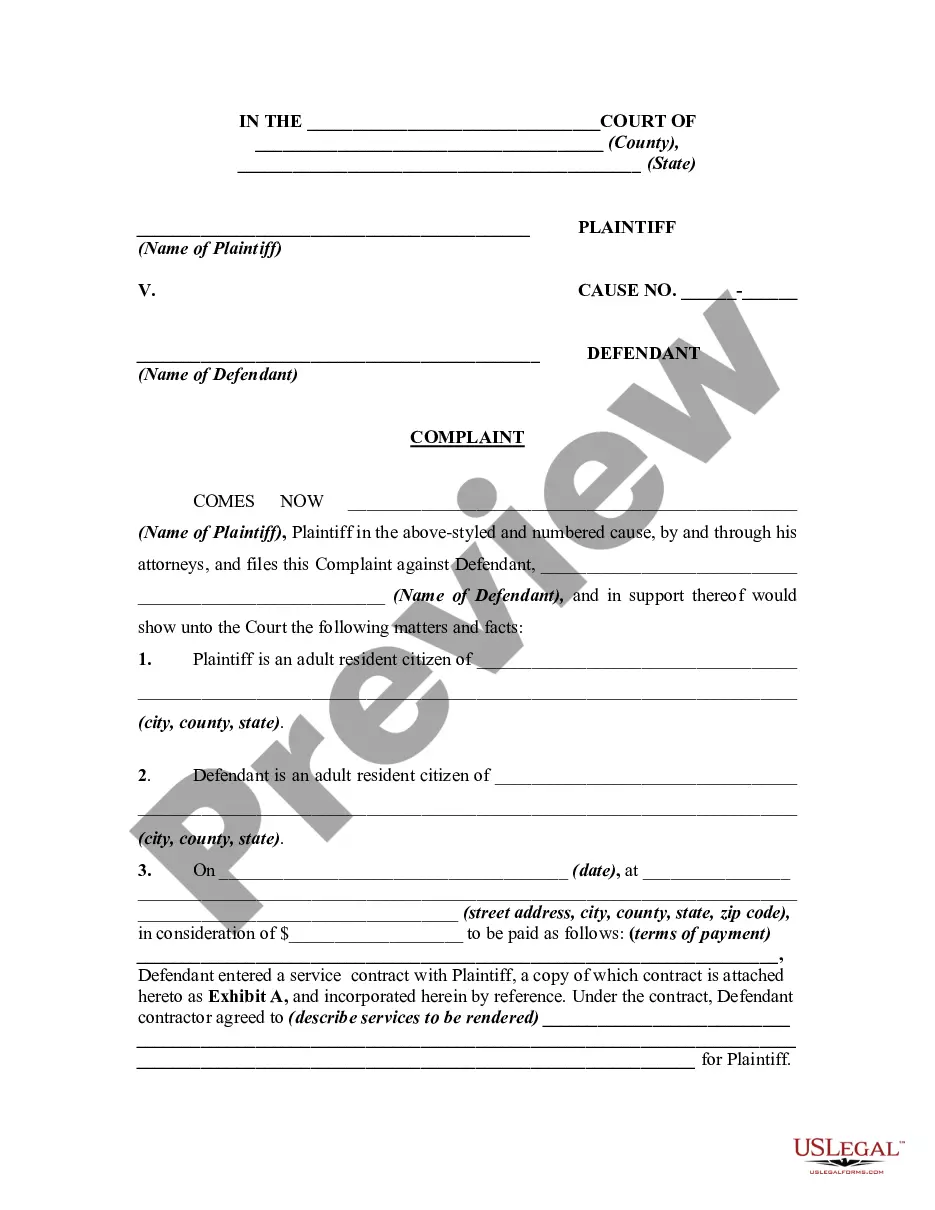

Get your form ready online
Our built-in tools help you complete, sign, share, and store your documents in one place.
Make edits, fill in missing information, and update formatting in US Legal Forms—just like you would in MS Word.
Download a copy, print it, send it by email, or mail it via USPS—whatever works best for your next step.
Sign and collect signatures with our SignNow integration. Send to multiple recipients, set reminders, and more. Go Premium to unlock E-Sign.
If this form requires notarization, complete it online through a secure video call—no need to meet a notary in person or wait for an appointment.
We protect your documents and personal data by following strict security and privacy standards.

Make edits, fill in missing information, and update formatting in US Legal Forms—just like you would in MS Word.

Download a copy, print it, send it by email, or mail it via USPS—whatever works best for your next step.

Sign and collect signatures with our SignNow integration. Send to multiple recipients, set reminders, and more. Go Premium to unlock E-Sign.

If this form requires notarization, complete it online through a secure video call—no need to meet a notary in person or wait for an appointment.

We protect your documents and personal data by following strict security and privacy standards.
Looking for another form?
Form popularity
FAQ
There are essentially two conditions requested for mandatory injunctions: (a) the defendant must be obliged to perform an act and any such breach of the obliged act must be claimed by the plaintiff; (b) the reliefs, as asked for, must be enforceable by the court.
If you violate any of your bond conditions, you may face: Bond revocation – You can be sent back to jail and held without bond. New criminal charges – Particularly in cases involving no-contact order violations. Increased restrictions – A judge may impose even stricter conditions on your release.
What are the Disadvantages of Ex Parte? Lack of Representation: Since ex parte orders are issued without the other party being present, the accused parent doesn't have a chance to defend themselves initially. Temporary Nature: Ex parte orders are usually temporary and meant to provide immediate protection.
A temporary ex parte order is designed to protect you from the abuser until the court holds a hearing. A hearing is mandatory before you can receive a long-term family violence protective order.
A judge may grant an ex parte temporary order if s/he believes that family violence has occurred in the past and may occur in the future. Temporary orders last up to 30 days, or until your court hearing if it is being heard in another county in the same circuit.
The 90-day rule Georgia also has a provision under Section 17-7-50 that requires a grand jury hearing for arrested defendants without bail who spend more than 90 days in jail awaiting further proceedings.
In the event Licensee is in breach of any provision of this Agreement, you specifically acknowledge and agree that the damage, if any, caused thereby will not be irreparable or otherwise sufficient to entitle you to injunctive or other equitable relief.
To warrant preliminary injunctive relief, the moving party must show (1) a substantial likelihood of success on the merits, (2) that it would suffer irrepa- rable injury if the injunction were not granted, (3) that an injunction would not substantially injure other interested parties, and (4) that the public interest ...
In California, The Statutory Right To Seek Public Injunctive Relief Is Unwaivable. S224086 at 4-5. Further, the Court explained that pursuant to California Civil Code section 3513, “any one may waive the advantage of a law intended solely for his benefit.
Injunctive relief, also known as an “injunction,” is a legal remedy that may be sought from the courts to require a defendant to stop doing something (or requiring them to do something).
