Injunctive Relief Agreement Without Bond In Cuyahoga
Description

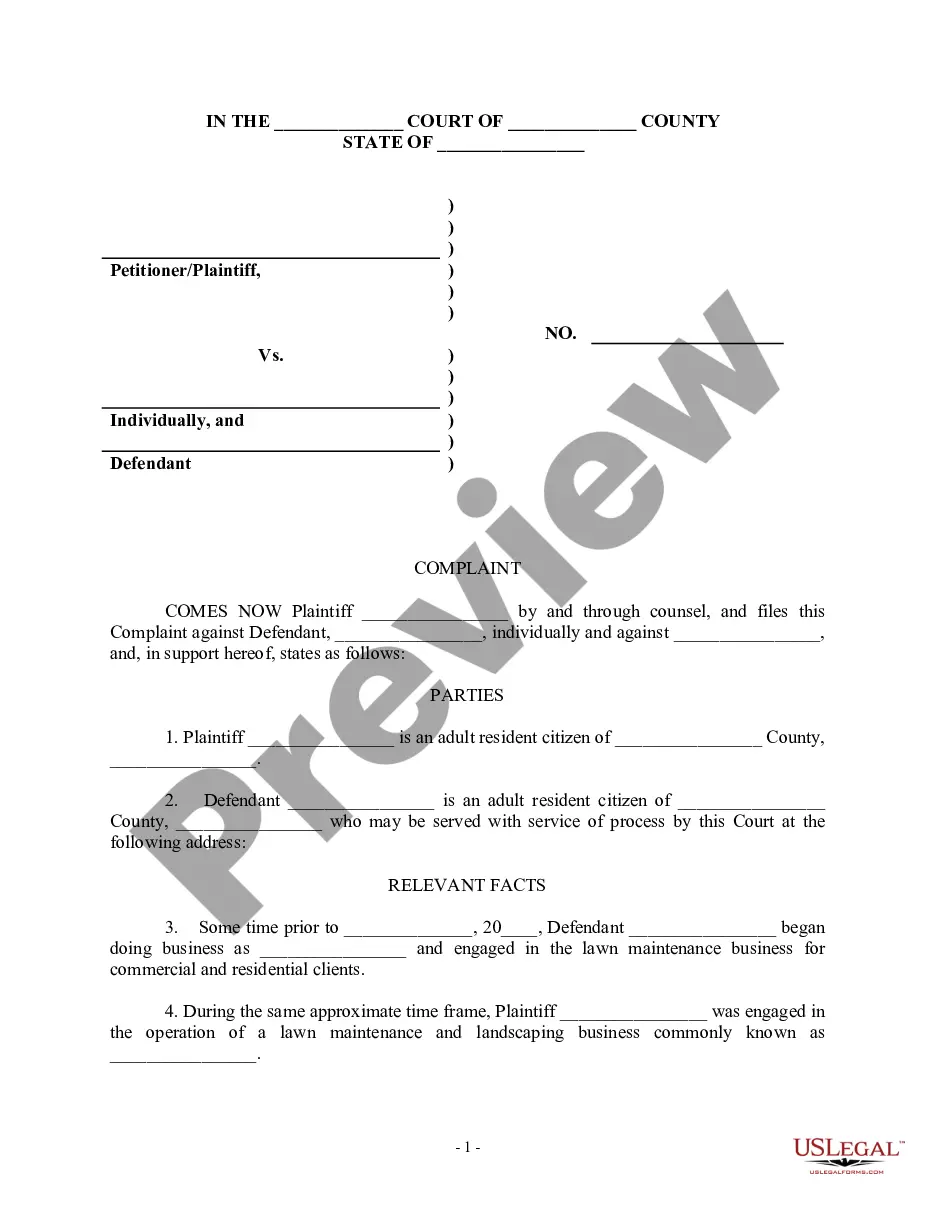
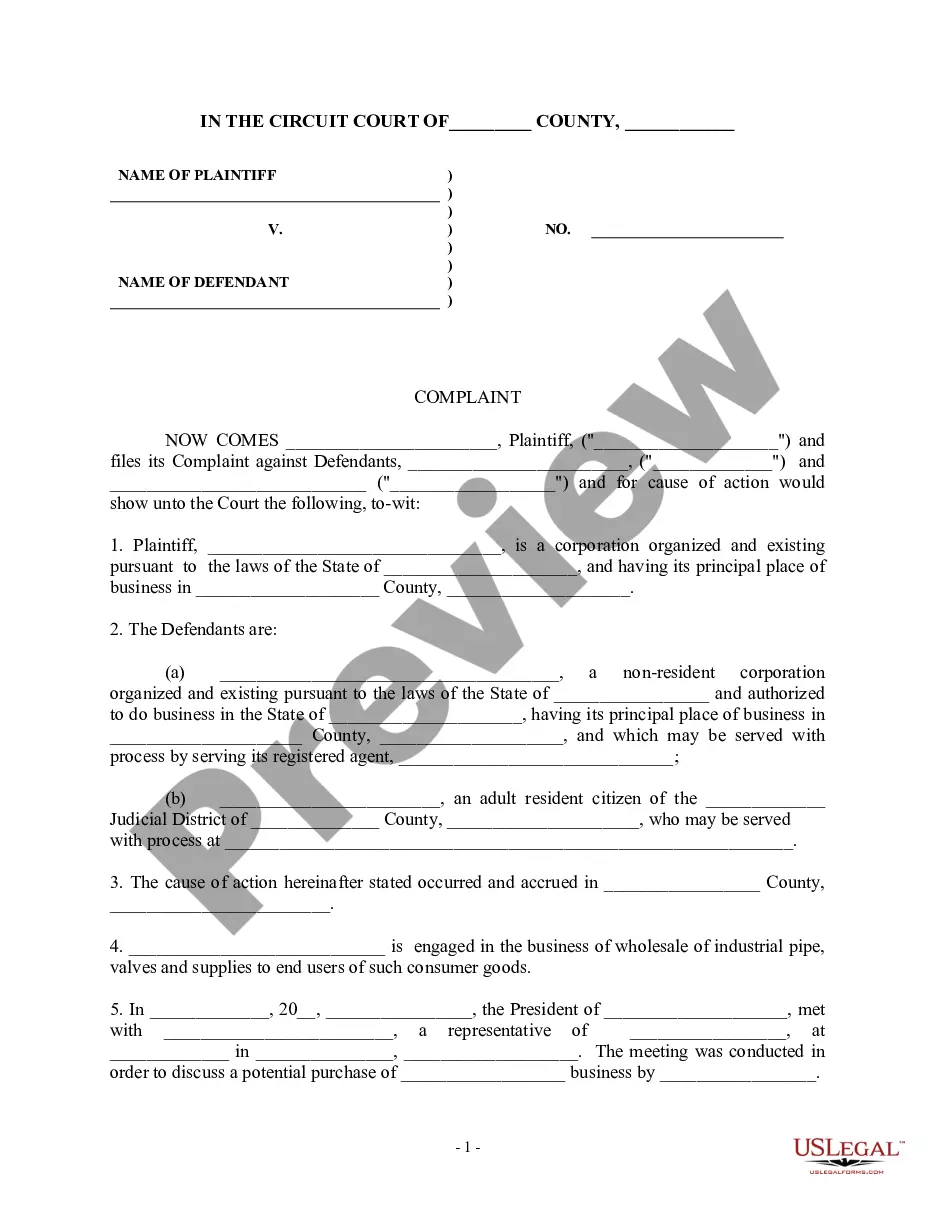

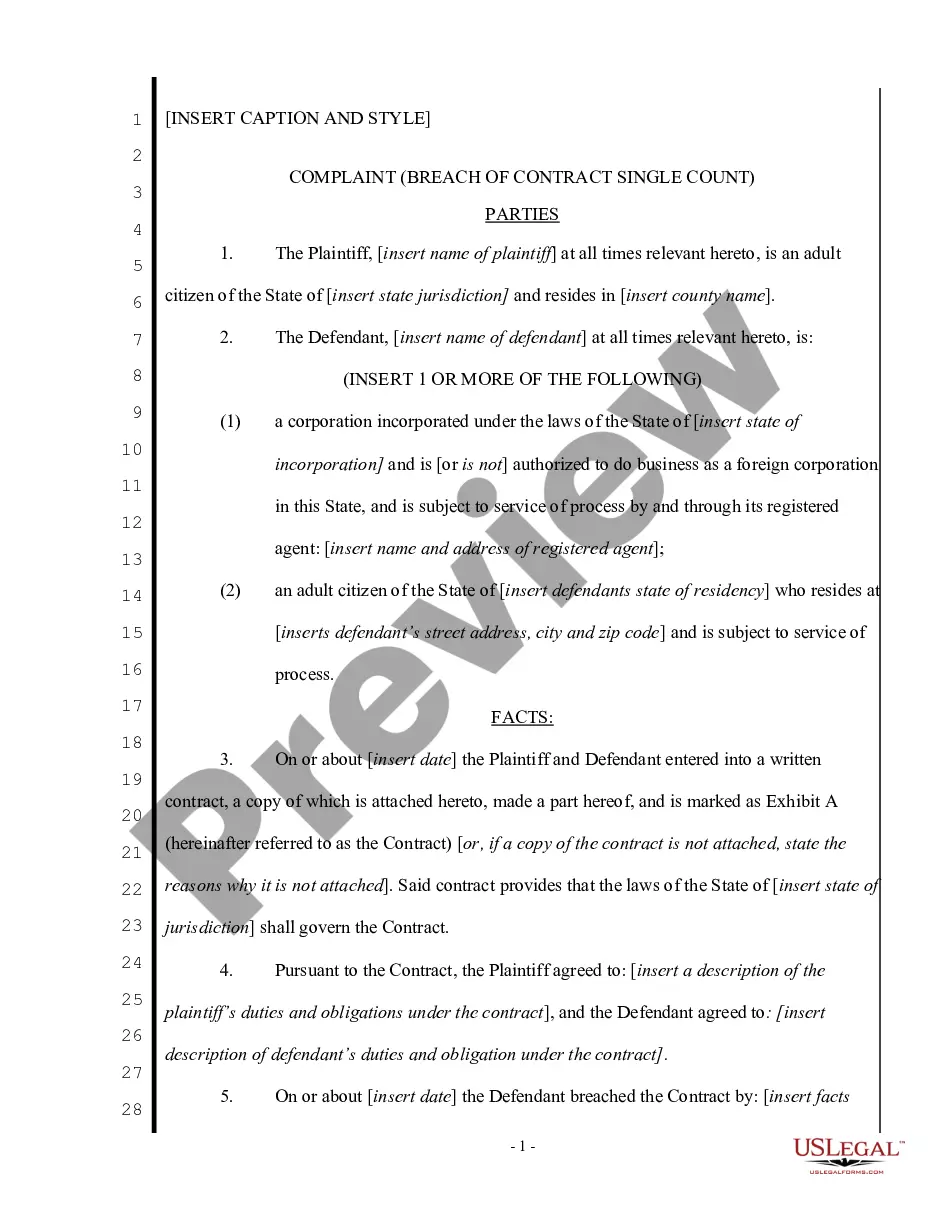
Get your form ready online
Our built-in tools help you complete, sign, share, and store your documents in one place.
Make edits, fill in missing information, and update formatting in US Legal Forms—just like you would in MS Word.
Download a copy, print it, send it by email, or mail it via USPS—whatever works best for your next step.
Sign and collect signatures with our SignNow integration. Send to multiple recipients, set reminders, and more. Go Premium to unlock E-Sign.
If this form requires notarization, complete it online through a secure video call—no need to meet a notary in person or wait for an appointment.
We protect your documents and personal data by following strict security and privacy standards.

Make edits, fill in missing information, and update formatting in US Legal Forms—just like you would in MS Word.

Download a copy, print it, send it by email, or mail it via USPS—whatever works best for your next step.

Sign and collect signatures with our SignNow integration. Send to multiple recipients, set reminders, and more. Go Premium to unlock E-Sign.

If this form requires notarization, complete it online through a secure video call—no need to meet a notary in person or wait for an appointment.

We protect your documents and personal data by following strict security and privacy standards.
Looking for another form?








Form popularity
FAQ
If the court denies the motion to dismiss, the defendant(s) must serve their answer within 14 days after notice of the court's action (Ohio Civ. R. 12(A)).
While an arraignment is an opportunity for a defendant to hear the charges against them and enter a plea, an indictment is a legal document formally charging a defendant with a crime and is usually only used in felony cases.
So what happens at an arraignment? During the arraignment, also referred to as the first appearance, the defendant is informed of the charges they are facing and their constitutional rights. The defendant typically enters a plea of guilty, not guilty, or no contest during this proceeding.
11.0 HEARING AND SUBMISSION OF MOTIONS If the motion requires consideration of facts not appearing of record, the movant shall serve and file copies of all affidavits, depositions, photographs or documentary evidence which the movant desires to submit in support of the motion.
The arraignment judge checks that the defendant knows the charges they face. The court assigns the defendant an attorney if they don't have one. Defendants enter a plea to the charges.
Yes, you can absolutely go to jail at an arraignment in California. An arraignment is the first court appearance after an arrest.
Not Guilty Plea This is the most common initial plea, and your criminal defense attorney will likely enter a not-guilty plea at your arraignment to begin the process.
Injunctive relief, also known as an injunction, is a remedy which restrains a party from doing certain acts or requires a party to act in a certain way.
Injunctive relief usually takes one of three forms: temporary restraining order (TRO), preliminary injunction, and permanent injunction. As their modifying terms imply, each has a different level of the time commitment involved.
To warrant preliminary injunctive relief, the moving party must show (1) a substantial likelihood of success on the merits, (2) that it would suffer irrepa- rable injury if the injunction were not granted, (3) that an injunction would not substantially injure other interested parties, and (4) that the public interest ...
