Injunctive Relief For Copyright Infringement In Clark
Description

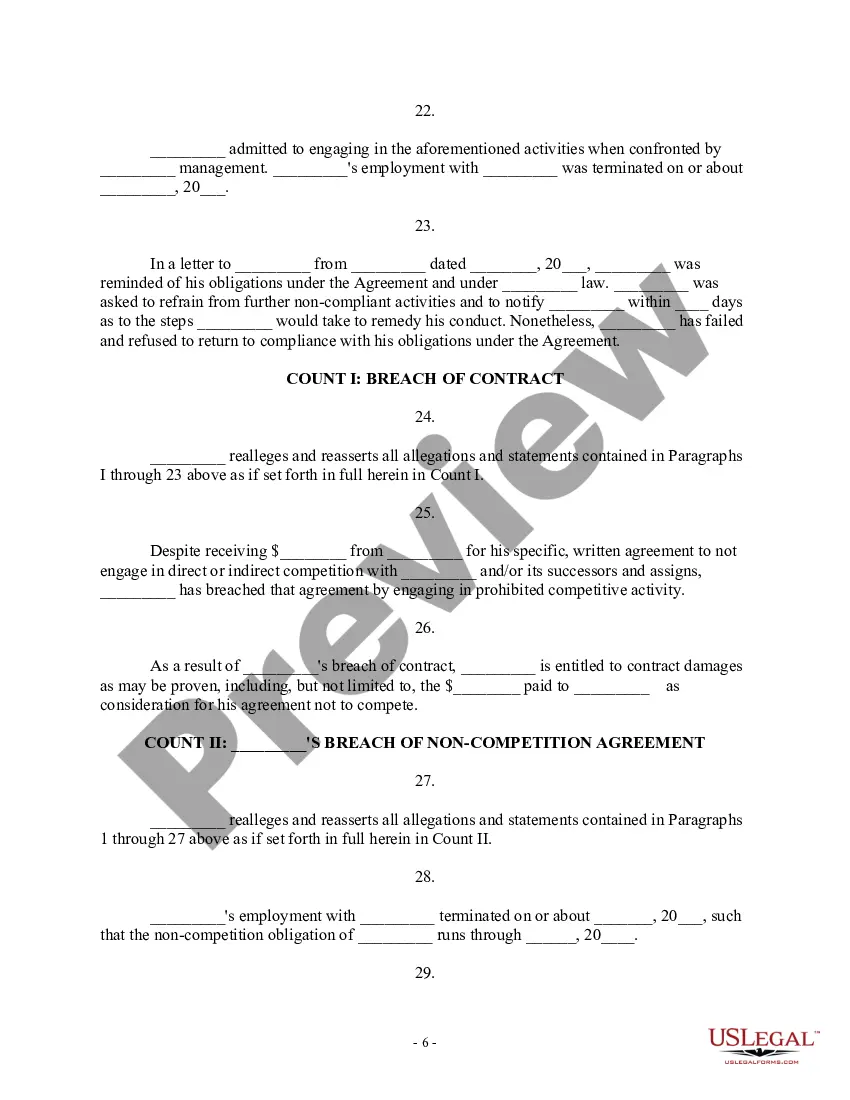
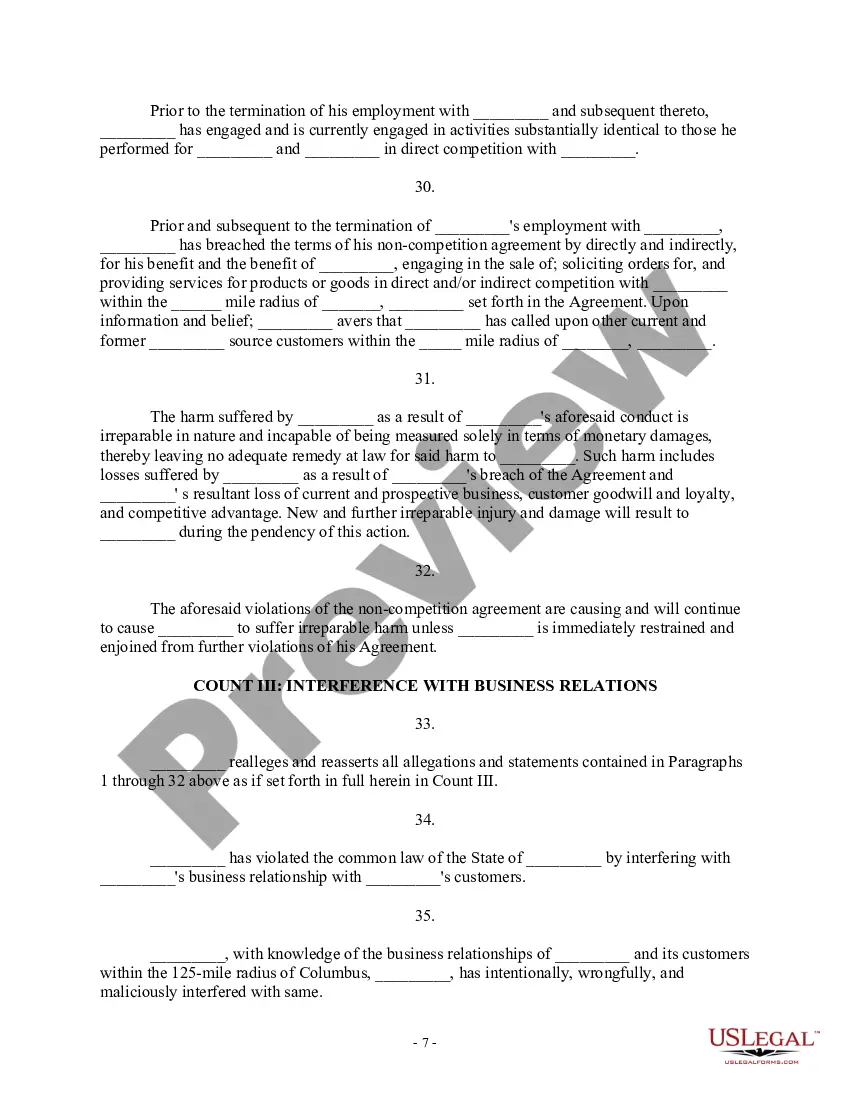
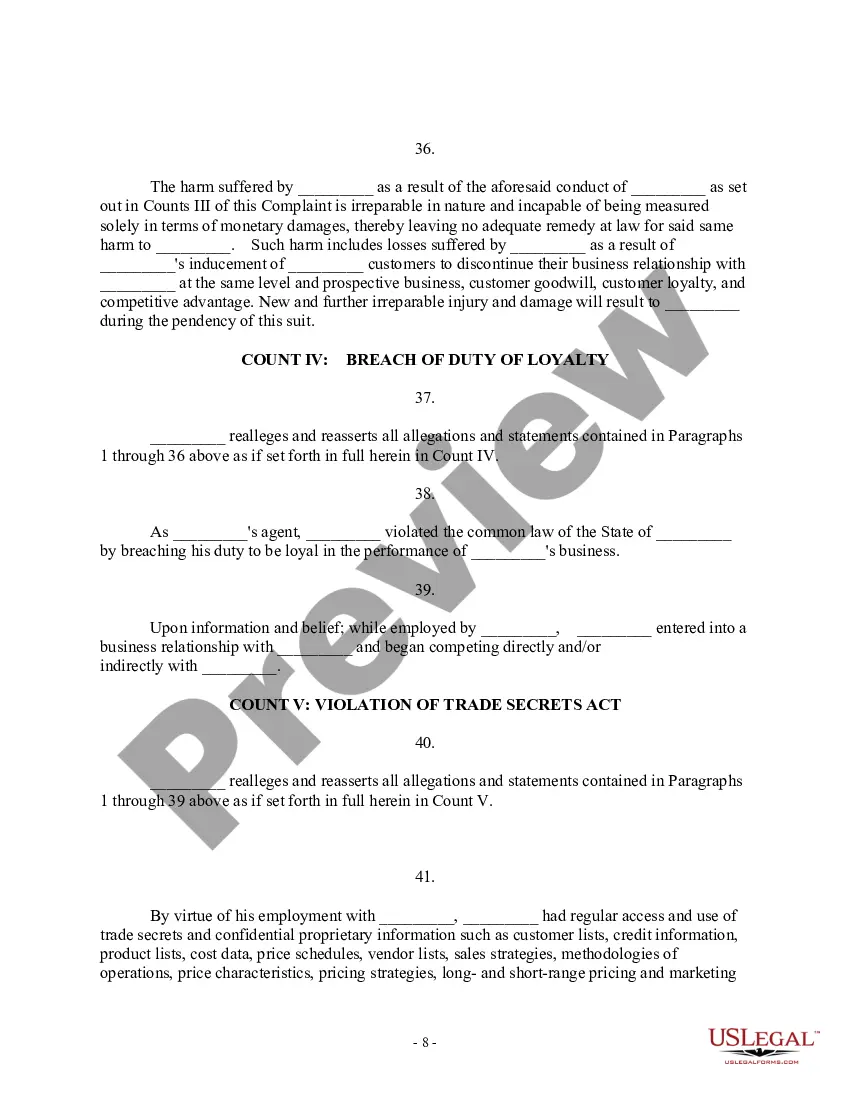
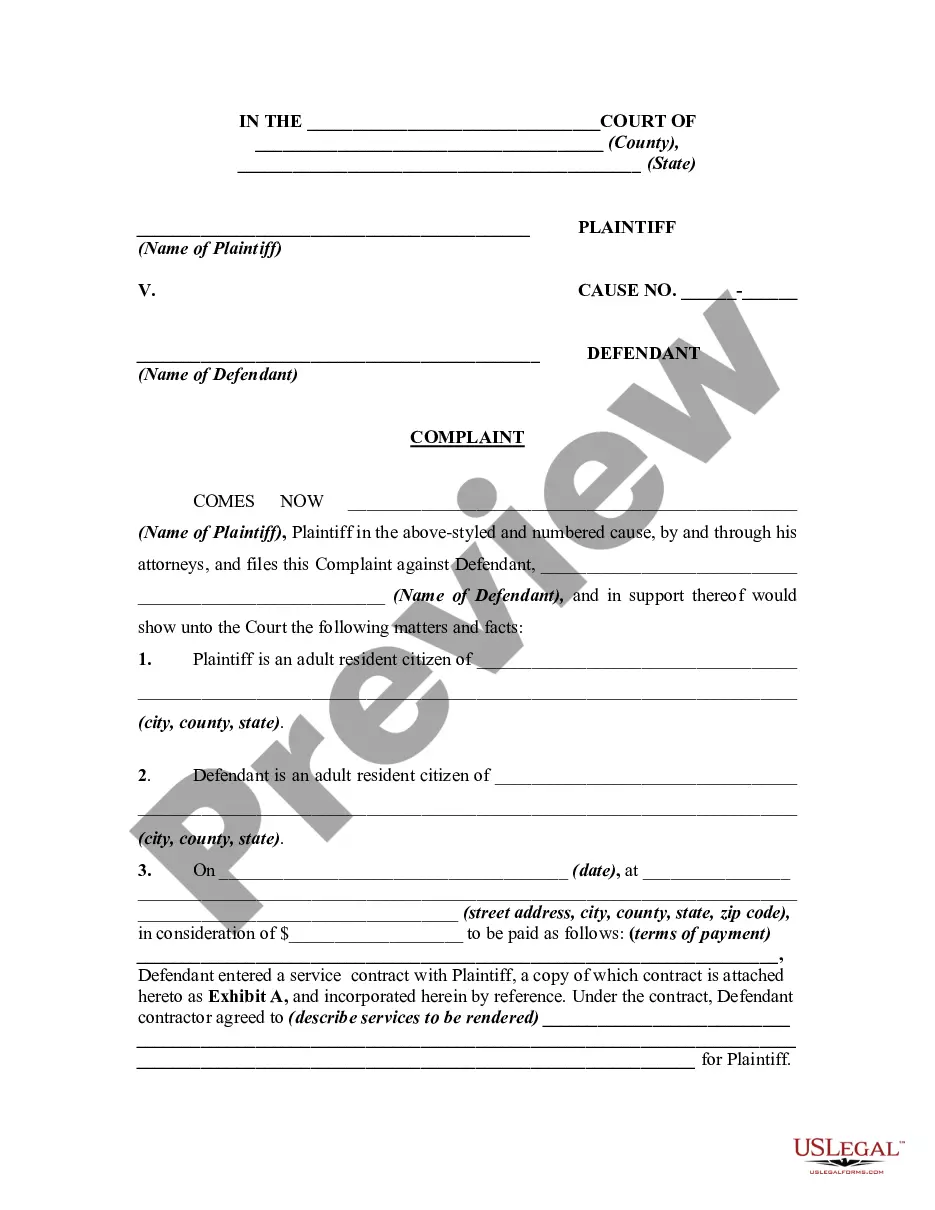

Get your form ready online
Our built-in tools help you complete, sign, share, and store your documents in one place.
Make edits, fill in missing information, and update formatting in US Legal Forms—just like you would in MS Word.
Download a copy, print it, send it by email, or mail it via USPS—whatever works best for your next step.
Sign and collect signatures with our SignNow integration. Send to multiple recipients, set reminders, and more. Go Premium to unlock E-Sign.
If this form requires notarization, complete it online through a secure video call—no need to meet a notary in person or wait for an appointment.
We protect your documents and personal data by following strict security and privacy standards.

Make edits, fill in missing information, and update formatting in US Legal Forms—just like you would in MS Word.

Download a copy, print it, send it by email, or mail it via USPS—whatever works best for your next step.

Sign and collect signatures with our SignNow integration. Send to multiple recipients, set reminders, and more. Go Premium to unlock E-Sign.

If this form requires notarization, complete it online through a secure video call—no need to meet a notary in person or wait for an appointment.

We protect your documents and personal data by following strict security and privacy standards.
Looking for another form?








Form popularity
FAQ
Fees Registration of a claim in an original work of authorship Standard Application $65 Paper Filing (Forms PA, SR, TX, VA, SE) $125 Registration of a claim in a group of unpublished works $85 Registration of a claim in a group of published photographs or a claim in a group of unpublished photographs $5523 more rows
In order to avoid copyright infringement, you should ensure that any ideas or elements that you borrow from another work are sufficiently transformed or modified in your own writing. This might involve changing the characters, setting, or plot, or using the ideas in a new and original way.
You file your CCB claim by submitting an online claim form. This section provides guidance on filling out the claim form through eCCB. eCCB can be found on the CCB's website. eCCB will guide you through the steps to file your claim, with instructions and helpful information along the way.
You should provide details of the alleged infringement; where is it found, what parts are being copied, etc. and the reason why you believe this is an infringement (e.g. unauthorised copying or distribution). State that you believe this is a breach of your legal rights and must stop.
One remedy is injunctive relief, which restrains the defendant from future copying of the work. A preliminary injunction can be sought early in the case to restrain copying during the lawsuit.
To prove copyright infringement, the plaintiff must prove (1) ownership of a valid copyright (usually through the showing of a certificate of registration); (2) the defendant has copied the worN; and (3) such copying constitutes unlawful appropriation.
The law provides a range from $200 to $150,000 for each work infringed. Infringer pays for all attorneys fees and court costs. The Court can issue an injunction to stop the infringing acts. The Court can impound the illegal works.
Infringer pays the actual dollar amount of damages and profits. The law provides a range from $200 to $150,000 for each work infringed. Infringer pays for all attorneys fees and court costs. The Court can issue an injunction to stop the infringing acts.
When a plaintiff brings a copyright infringement lawsuit for primary infringement, he or she must prove copyright ownership and that the defendant copied or otherwise violated his or her rights in original aspects of the copyrighted work.
Actual damages can be very high, but they must be proved and can also be very low. 4) If you haven't registered your work before the infringement, and the value of the infringement is low, it may be best to seek a settlement before starting a lawsuit.
