Injunctive Relief Agreement With Japan In Clark
Description

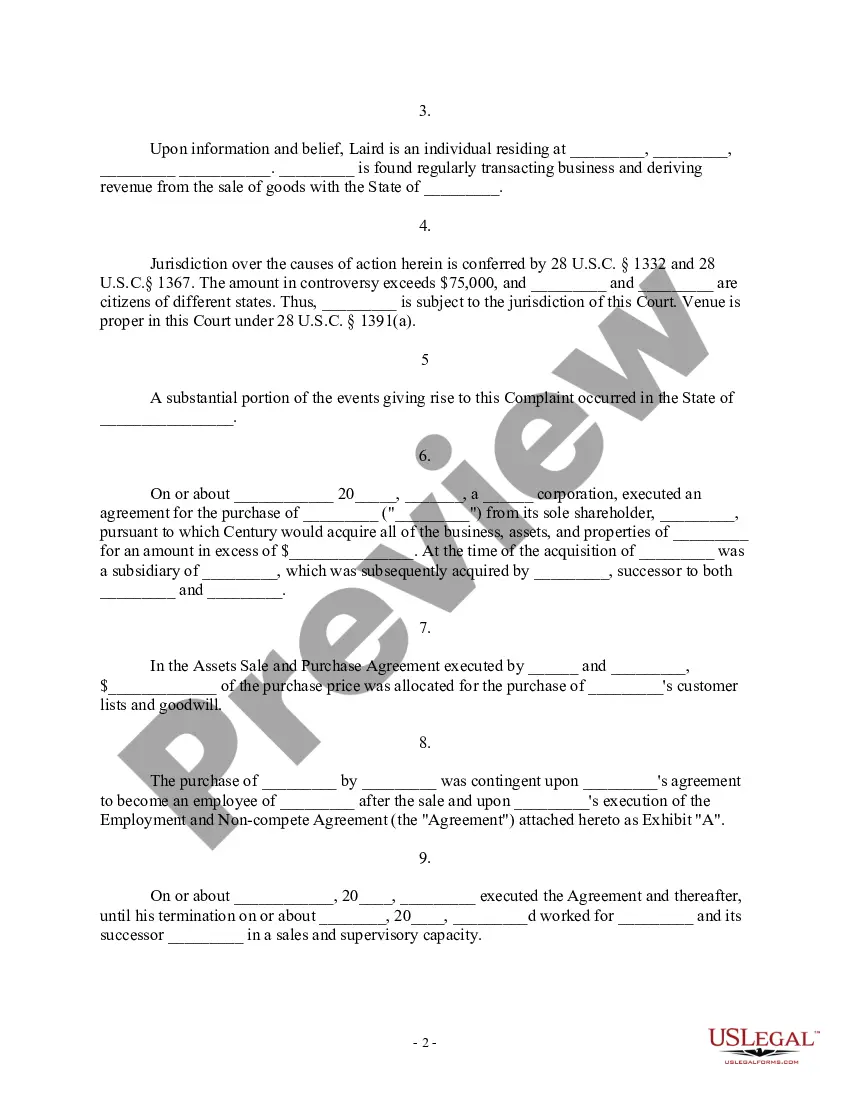
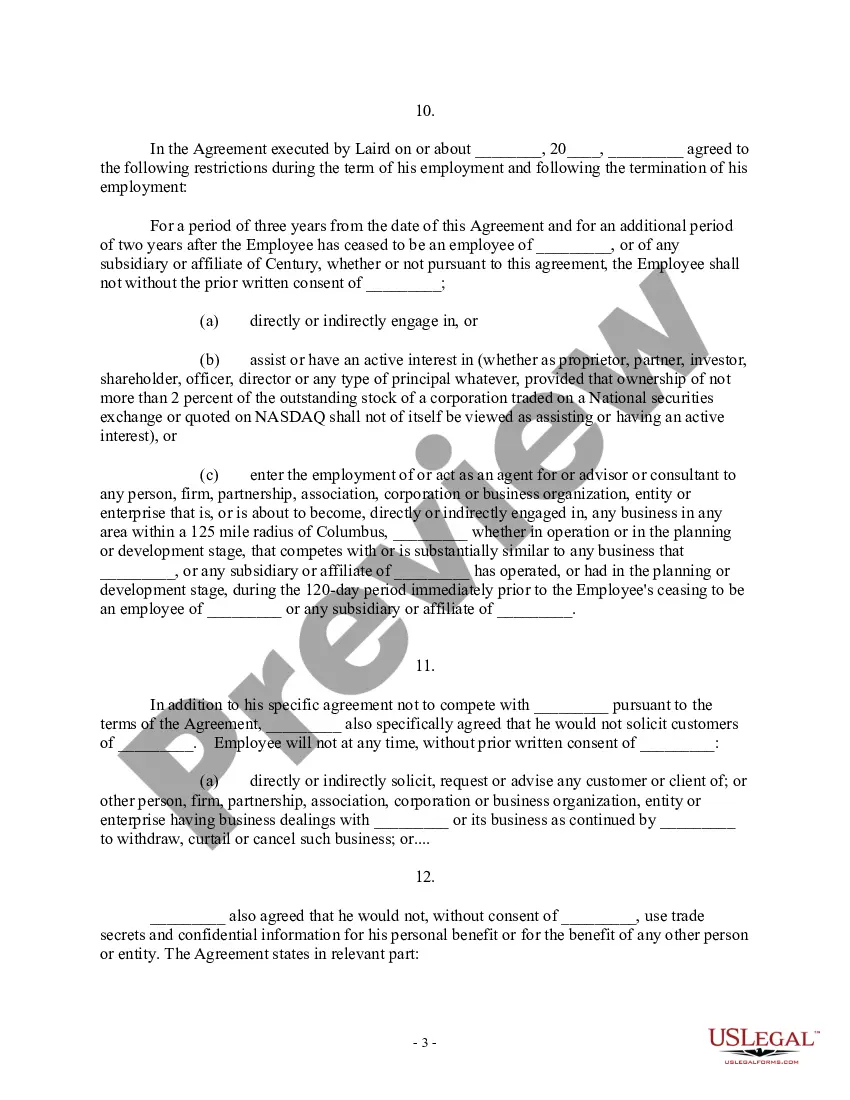
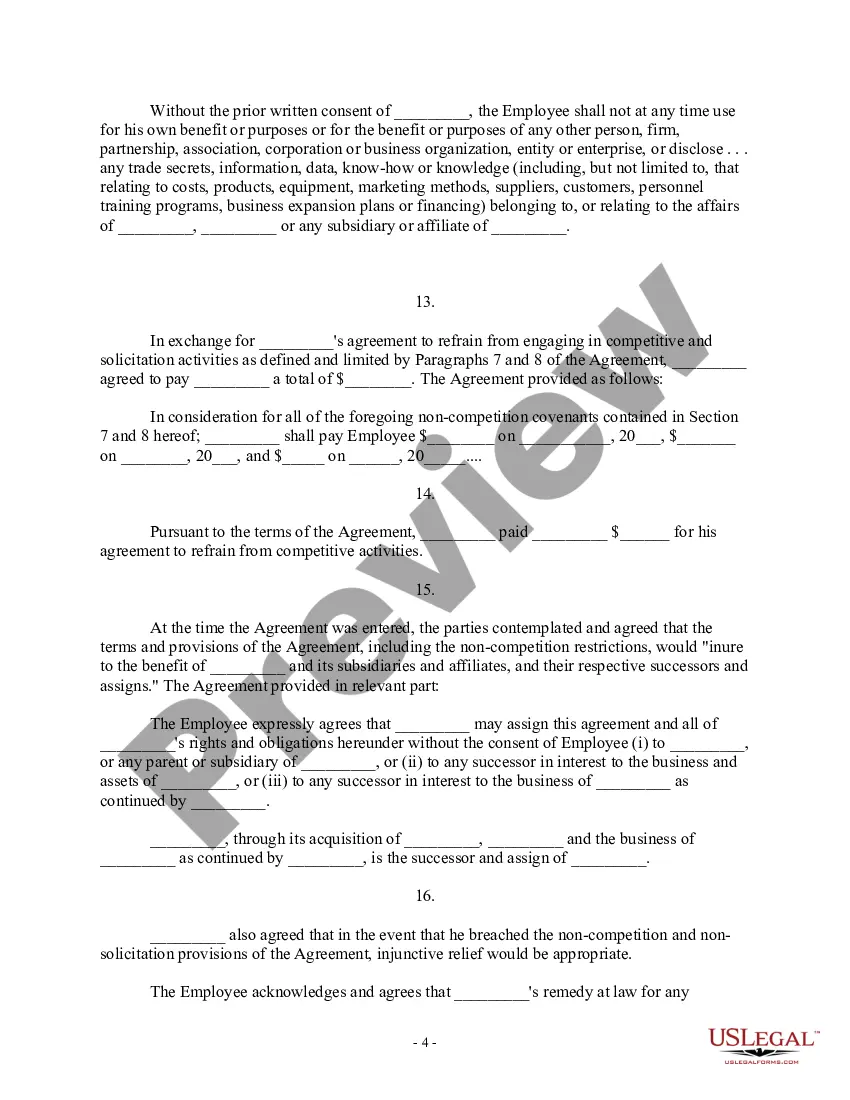
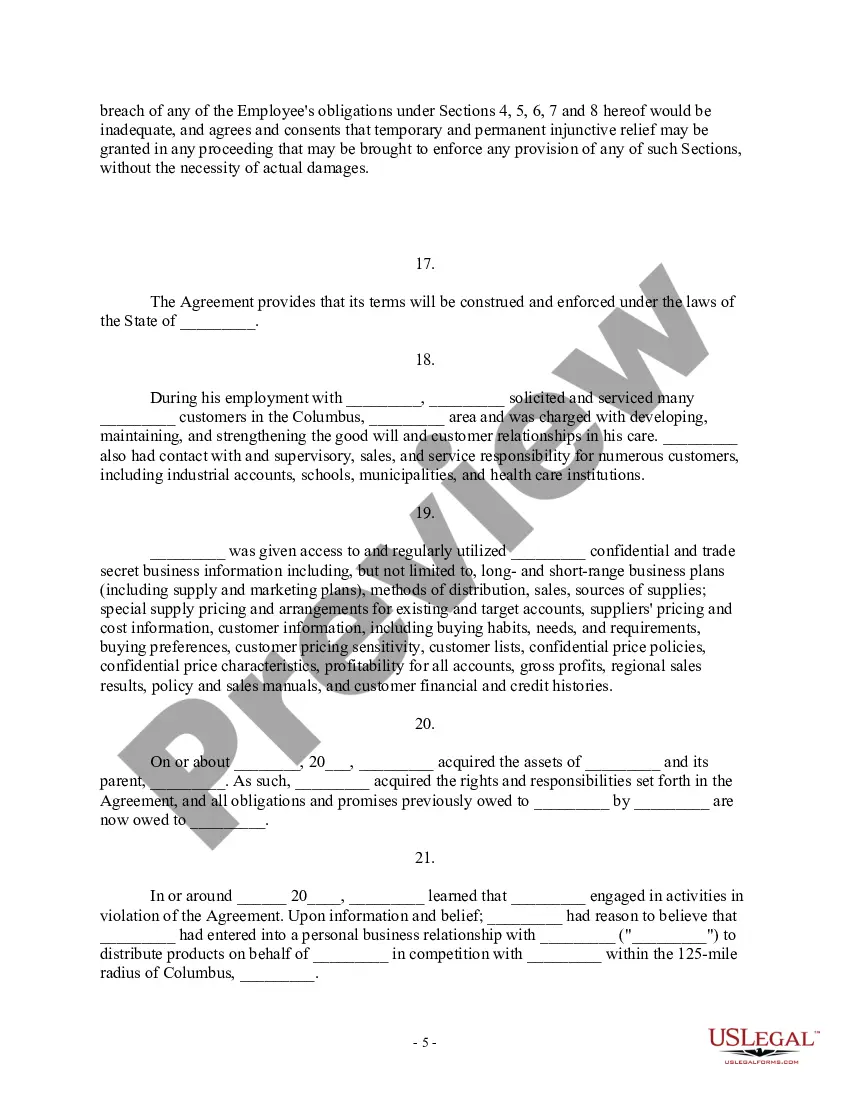


Get your form ready online
Our built-in tools help you complete, sign, share, and store your documents in one place.
Make edits, fill in missing information, and update formatting in US Legal Forms—just like you would in MS Word.
Download a copy, print it, send it by email, or mail it via USPS—whatever works best for your next step.
Sign and collect signatures with our SignNow integration. Send to multiple recipients, set reminders, and more. Go Premium to unlock E-Sign.
If this form requires notarization, complete it online through a secure video call—no need to meet a notary in person or wait for an appointment.
We protect your documents and personal data by following strict security and privacy standards.

Make edits, fill in missing information, and update formatting in US Legal Forms—just like you would in MS Word.

Download a copy, print it, send it by email, or mail it via USPS—whatever works best for your next step.

Sign and collect signatures with our SignNow integration. Send to multiple recipients, set reminders, and more. Go Premium to unlock E-Sign.

If this form requires notarization, complete it online through a secure video call—no need to meet a notary in person or wait for an appointment.

We protect your documents and personal data by following strict security and privacy standards.
Looking for another form?




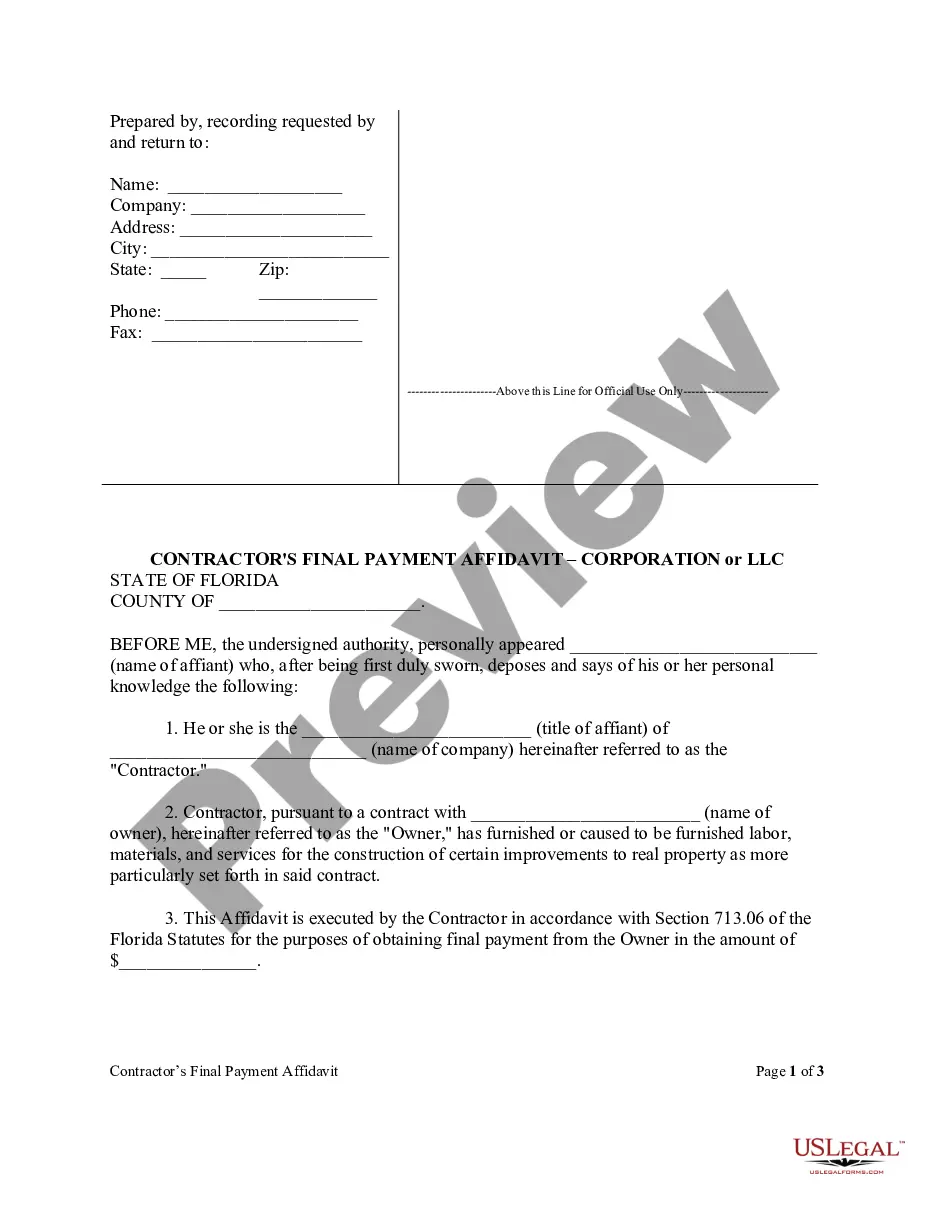


Form popularity
FAQ
The Act on Promotion of Use of Alternative Dispute Resolution (the ADR Act)2 came into force in 2007 to promote ADR procedures such as arbitration, mediation and conciliation. The ADR Act has recently been amended to further promote ADR procedures in Japan, as detailed in Section II.
Generally, the best place to sue 'a company in Japan' is a Japanese court. Among Japanese courts, the court closest to the company's main office will have the authority to handle the lawsuit.
Consular Services If a lawsuit is filed with a foreign court against a person staying in Japan, the court has to serve the complaint, the decision and other documents to the defendant in Japan. In addition, the court has to take evidence, such as the interrogation of witnesses in Japan.
Japan's legal system is structured as a “Civil Law” system, based upon codified statutes. This is similar to the legal systems adopted by many countries around the world, most notably in Europe.
What Is an Injunction and Why Is it Used? Injunction relief—also known as injunctive relief or simply as an injunction—is a court order that prohibits an organization or an individual from taking a specific action. Conversely, an injunction may also require an entity to take a certain action.
A temporary restraining order (TRO) is a common preliminary injunctive relief example. For instance, a court order placing the sale of a company on hold while a breach of fiduciary duty or a shareholder derivative lawsuit is ongoing.
In California, The Statutory Right To Seek Public Injunctive Relief Is Unwaivable. S224086 at 4-5. Further, the Court explained that pursuant to California Civil Code section 3513, “any one may waive the advantage of a law intended solely for his benefit.
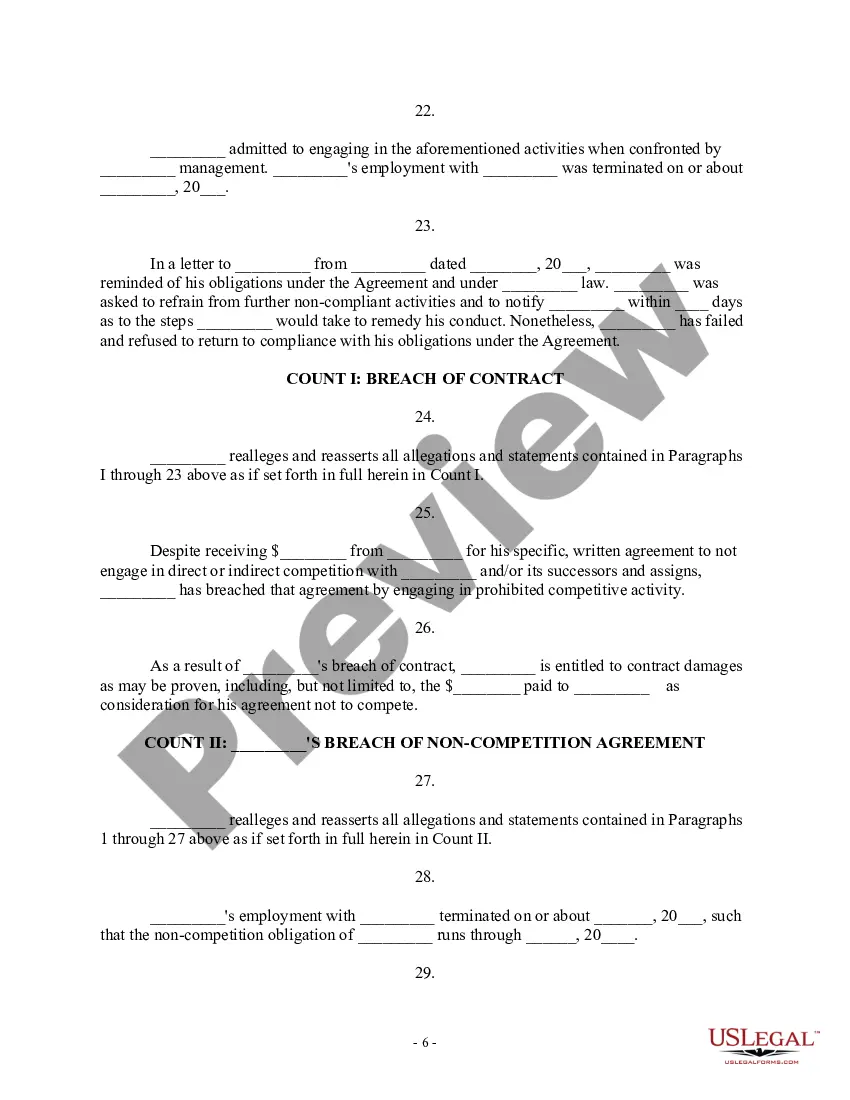
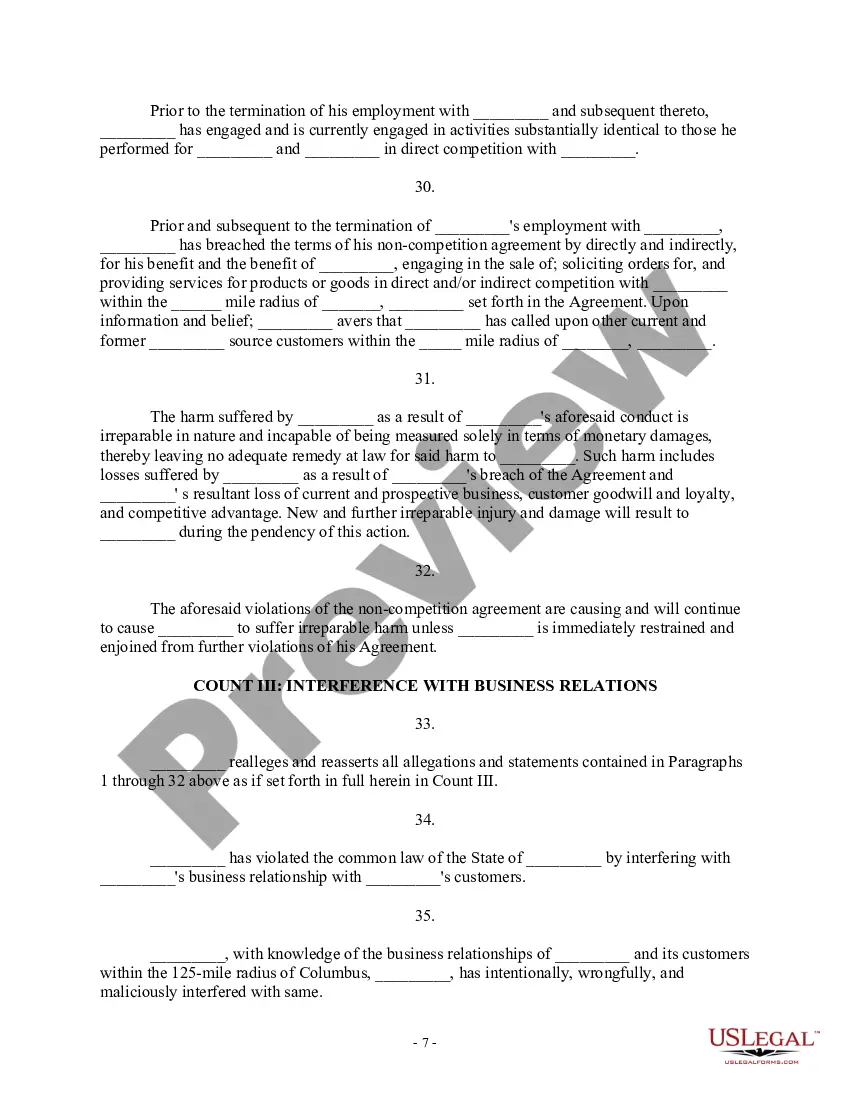
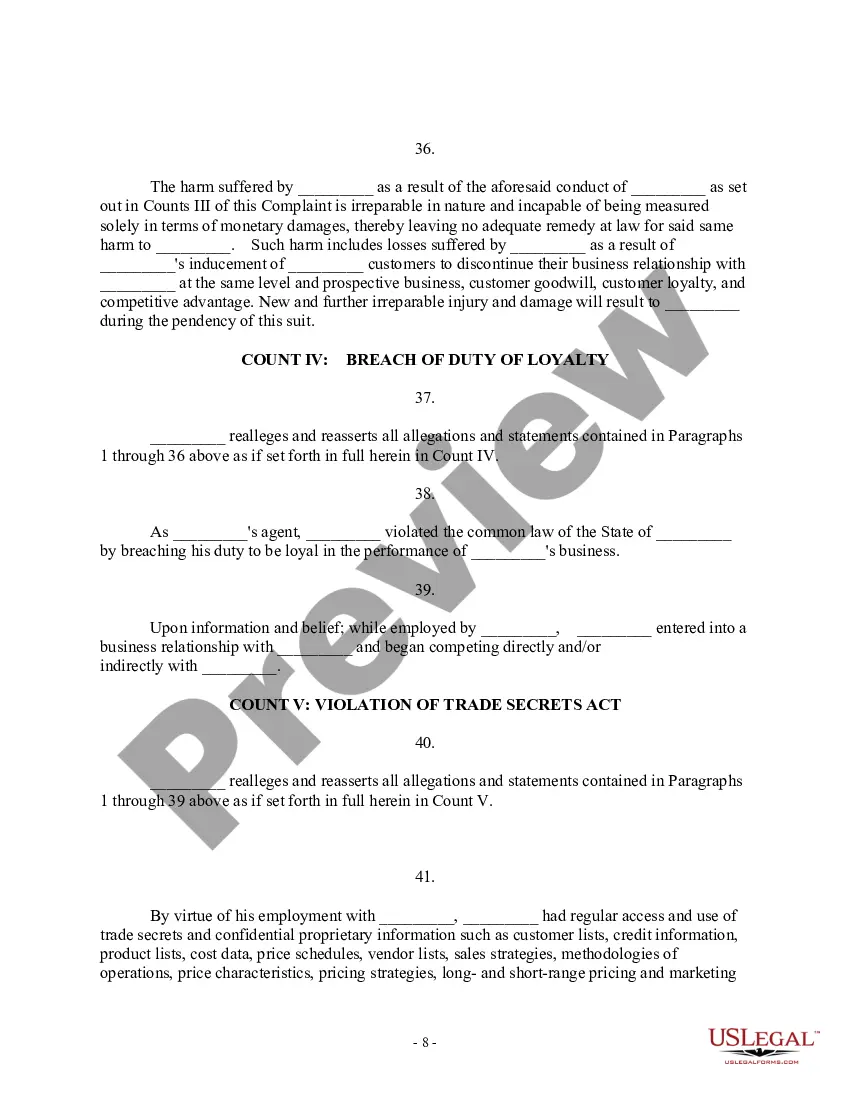
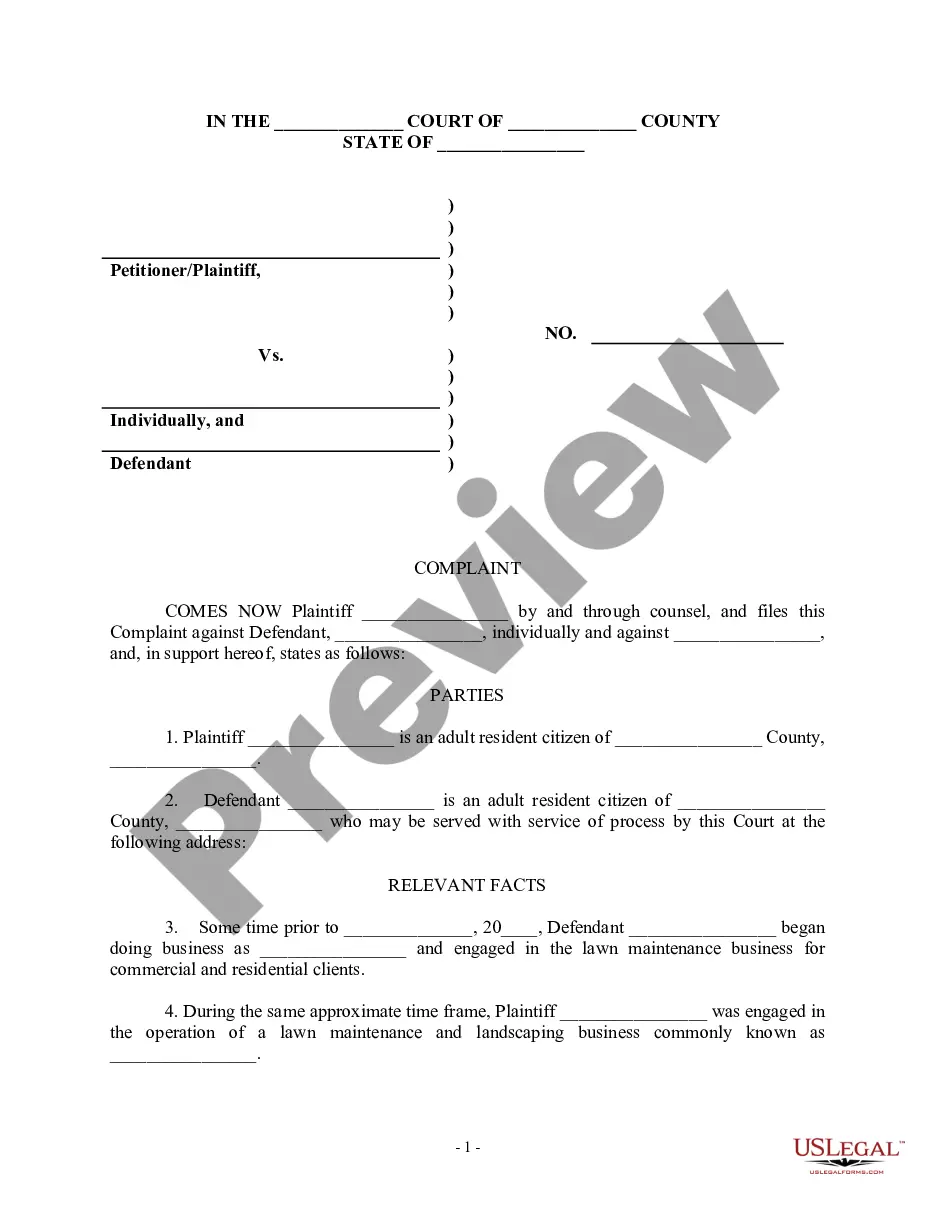
Injunctive relief clauses are often used in employment agreements to prevent employees from violating non-compete agreements, non-disclosure agreements, or confidentiality agreements.
In the event Licensee is in breach of any provision of this Agreement, you specifically acknowledge and agree that the damage, if any, caused thereby will not be irreparable or otherwise sufficient to entitle you to injunctive or other equitable relief.