Complaint Relief With Contacts In Clark
Description













Get your form ready online
Our built-in tools help you complete, sign, share, and store your documents in one place.
Make edits, fill in missing information, and update formatting in US Legal Forms—just like you would in MS Word.
Download a copy, print it, send it by email, or mail it via USPS—whatever works best for your next step.
Sign and collect signatures with our SignNow integration. Send to multiple recipients, set reminders, and more. Go Premium to unlock E-Sign.
If this form requires notarization, complete it online through a secure video call—no need to meet a notary in person or wait for an appointment.
We protect your documents and personal data by following strict security and privacy standards.

Make edits, fill in missing information, and update formatting in US Legal Forms—just like you would in MS Word.

Download a copy, print it, send it by email, or mail it via USPS—whatever works best for your next step.

Sign and collect signatures with our SignNow integration. Send to multiple recipients, set reminders, and more. Go Premium to unlock E-Sign.

If this form requires notarization, complete it online through a secure video call—no need to meet a notary in person or wait for an appointment.

We protect your documents and personal data by following strict security and privacy standards.
Looking for another form?






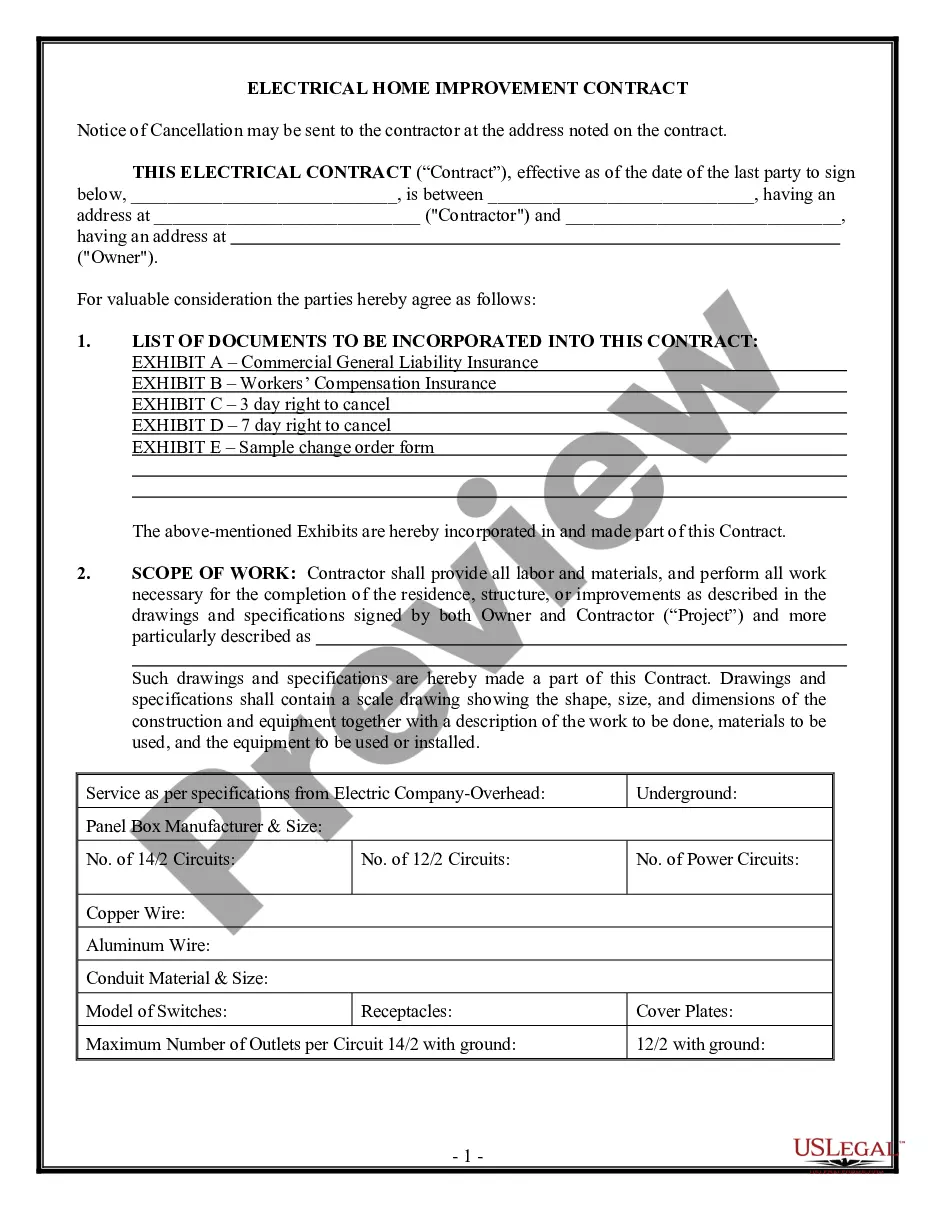

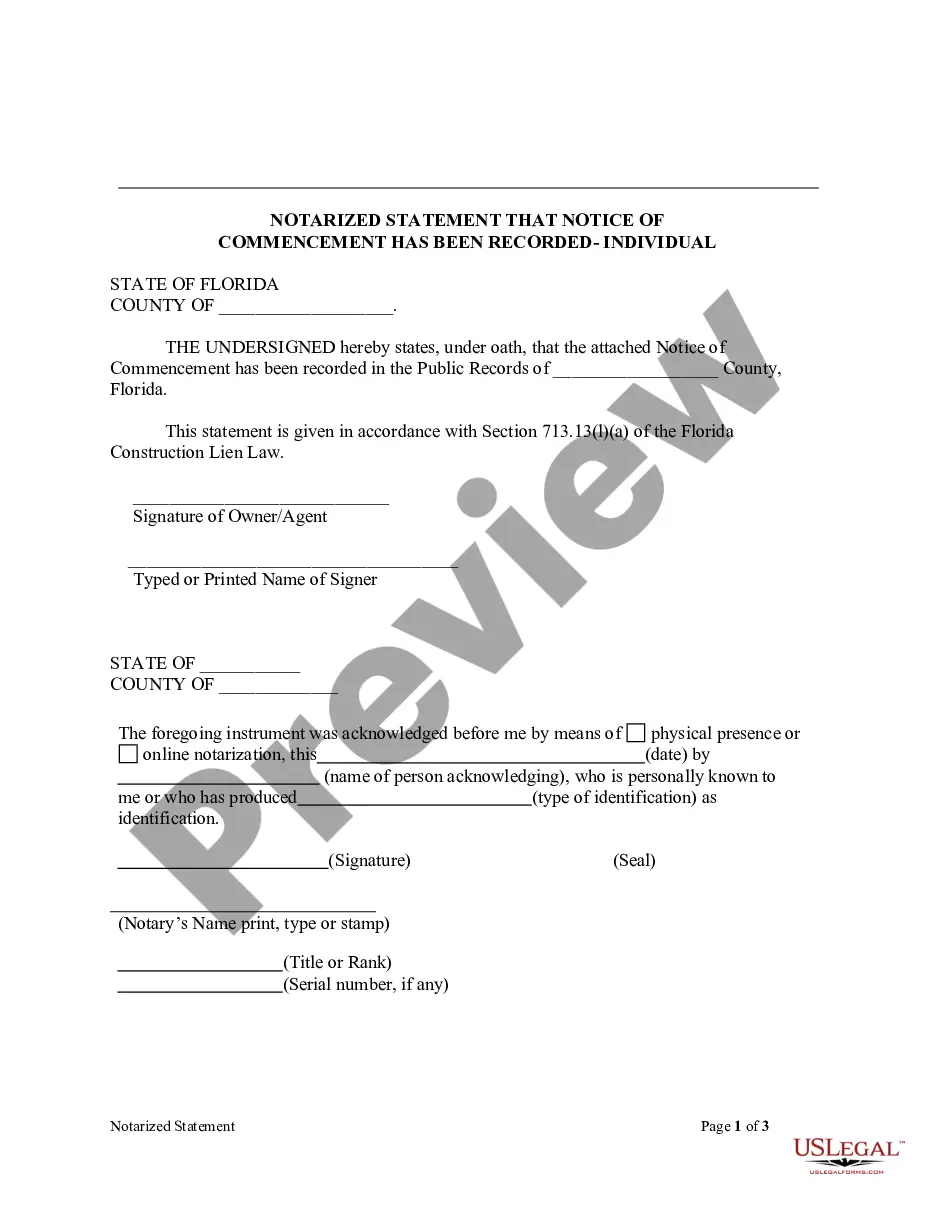

Form popularity
FAQ
File a complaint with government or consumer programs File a complaint with your local consumer protection office. Notify the Better Business Bureau (BBB) in your area about your problem. The BBB tries to resolve complaints against companies. Report scams and suspicious communications to the Federal Trade Commission.
Please note that this form shouldn't be used to file Service Requests or ask questions that aren't related to accounts. You can get immediate assistance by phone. Call 311 or 212-NEW-YORK (212-639-9675) if you need more help.
File a complaint with government or consumer programs File a complaint with your local consumer protection office. Notify the Better Business Bureau (BBB) in your area about your problem. The BBB tries to resolve complaints against companies. Report scams and suspicious communications to the Federal Trade Commission.
File a complaint with your local consumer protection office or the state agency that regulates the company. Notify the Better Business Bureau (BBB) in your area about your problem. The BBB tries to resolve your complaints against companies.
If you have a consumer complaint or question for the Board, you can call 1-800-697-1220, visit , or write: New York State Consumer Protection Board, 5 Empire State Plaza, Suite 2101, Albany, New York 12223.
Notification of Title IV Student Complaint Process The Higher Education Act (HEA) prohibits an institution of higher education from engaging in a “substantial misrepresentation of the nature of its educational program, its financial charges, or the employability of its graduates.” 20 U.S.C.
Overview of Title IV refers to the financial aid programs for postsecondary students authorized under Title IV of the Higher Education Act of 1965, as amended (Title IV, HEA), administered by the U.S. Department of Education, and listed in 34 CFR 668.1(c).
These canons state that clerics are subject to a Title IV-level process for violations or attempted violations of the Constitution or Canons of a diocese or the Church, bringing false accusation, making false testimony, and failing to cooperate or to advance information in a Title IV proceeding.
Title IV compliance also focuses on program integrity. Institutions must accurately and honestly represent themselves and their programs to prospective students. This includes providing transparent and accurate information about costs, financial aid options, program requirements, and student outcomes.
The Higher Education Act (HEA) prohibits an institution of higher education from engaging in a “substantial misrepresentation of the nature of its educational program, its financial charges, or the employability of its graduates.” 20 U.S.C.
