Injunctive Relief Agreement For Damages In California
Description

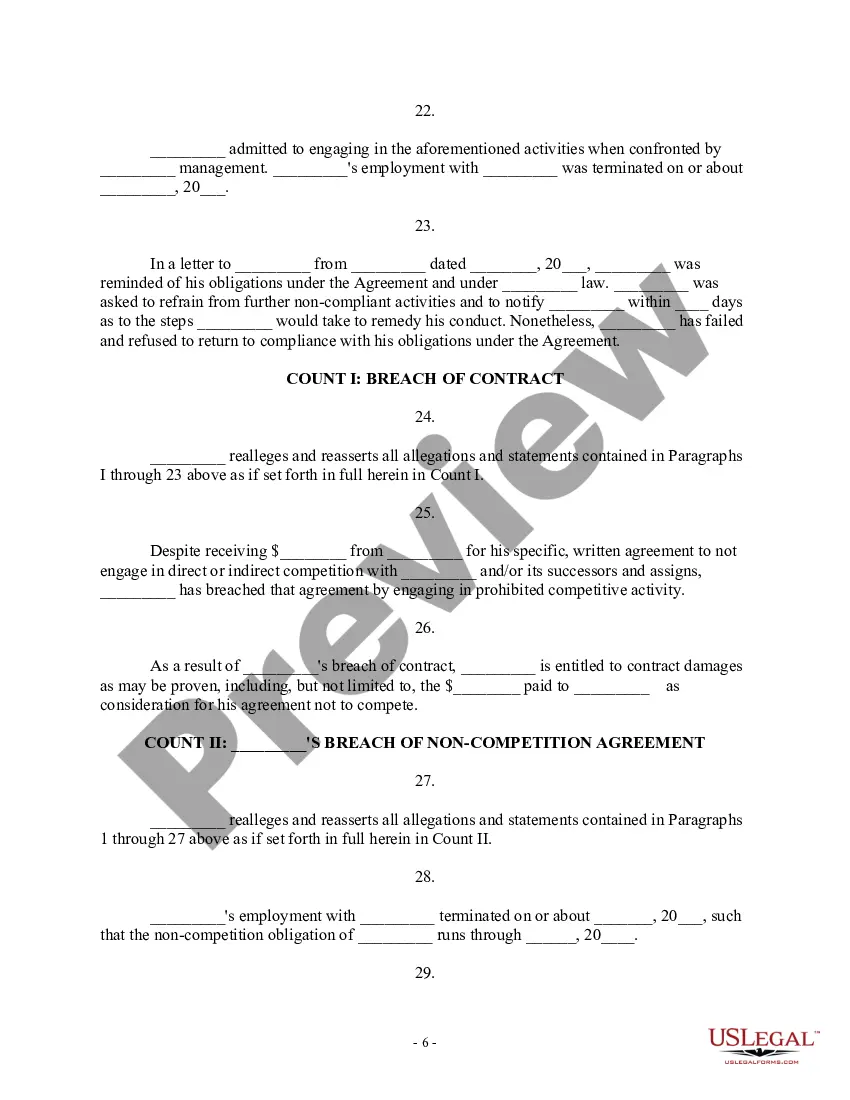
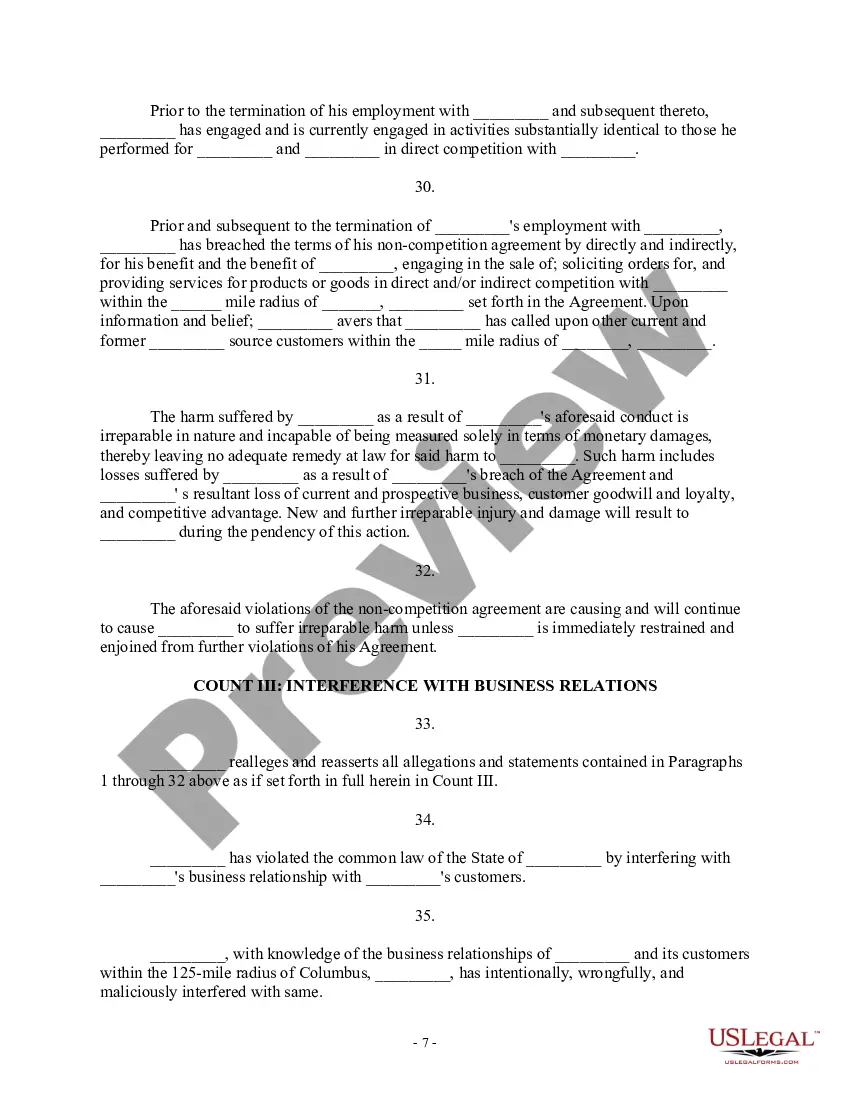
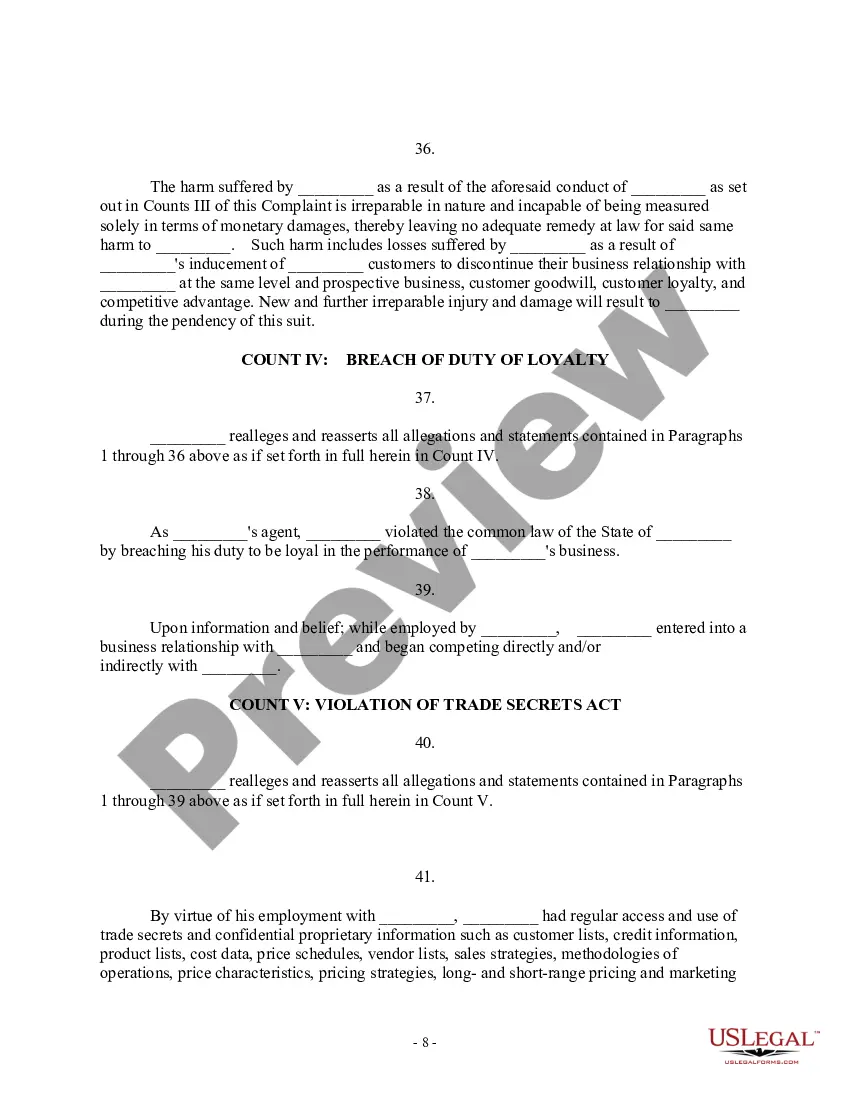
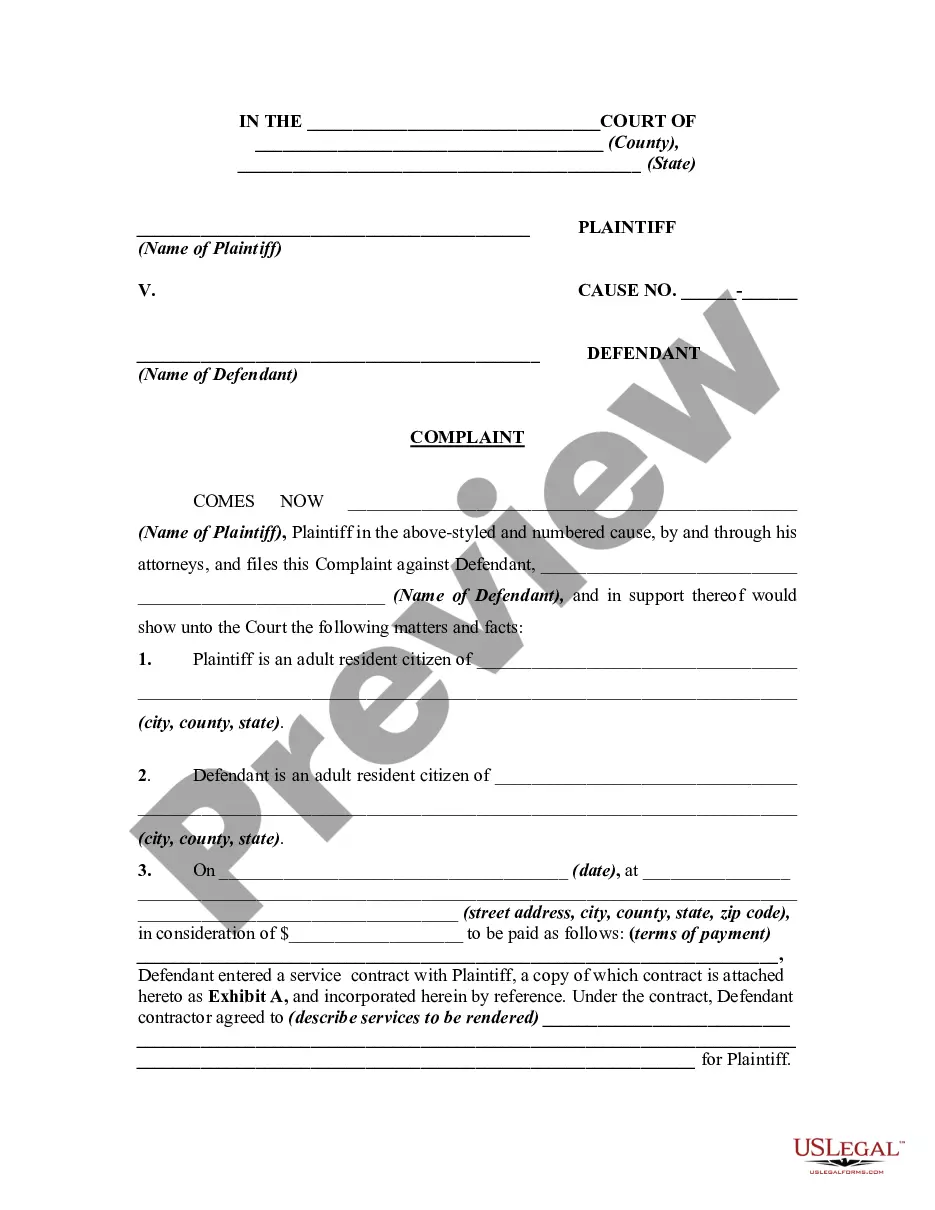
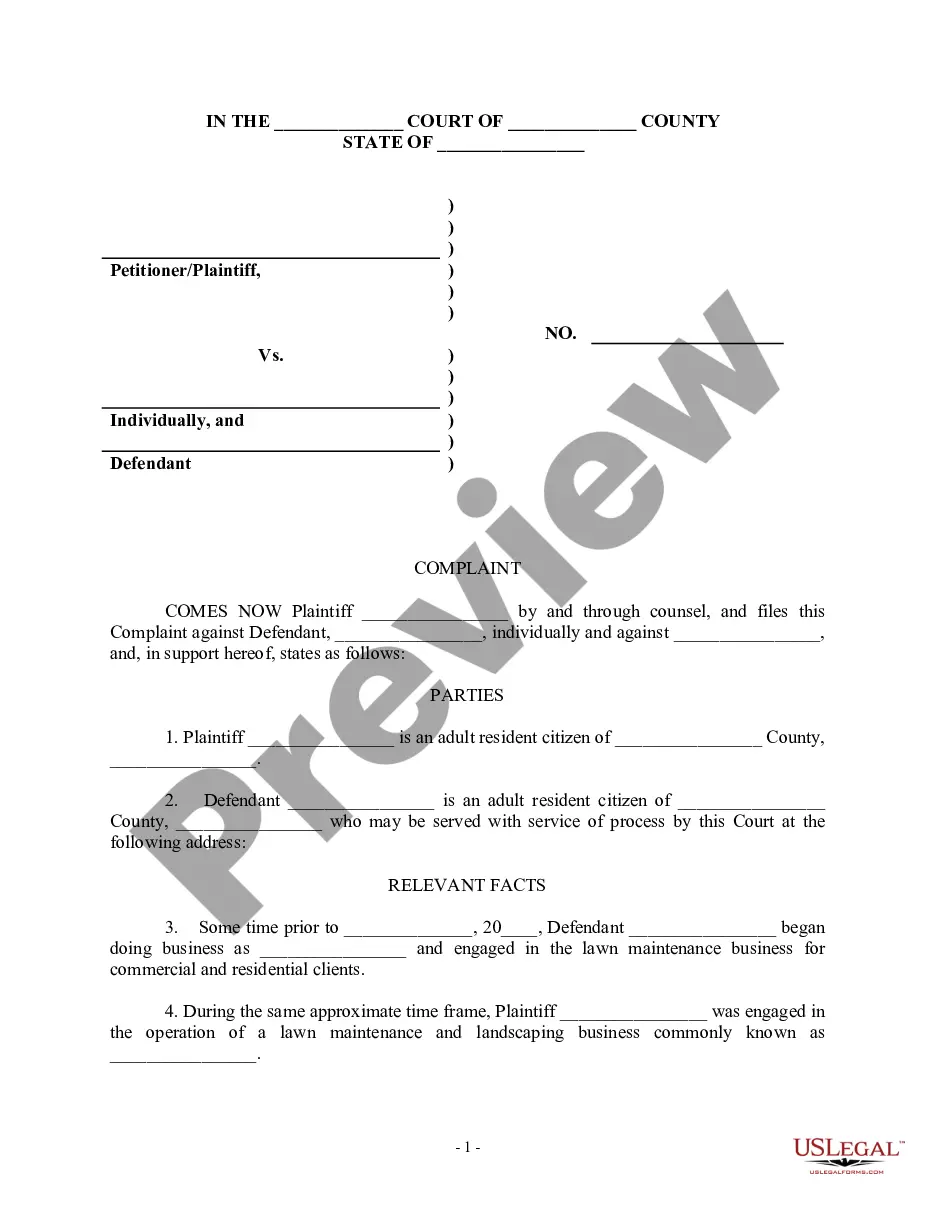
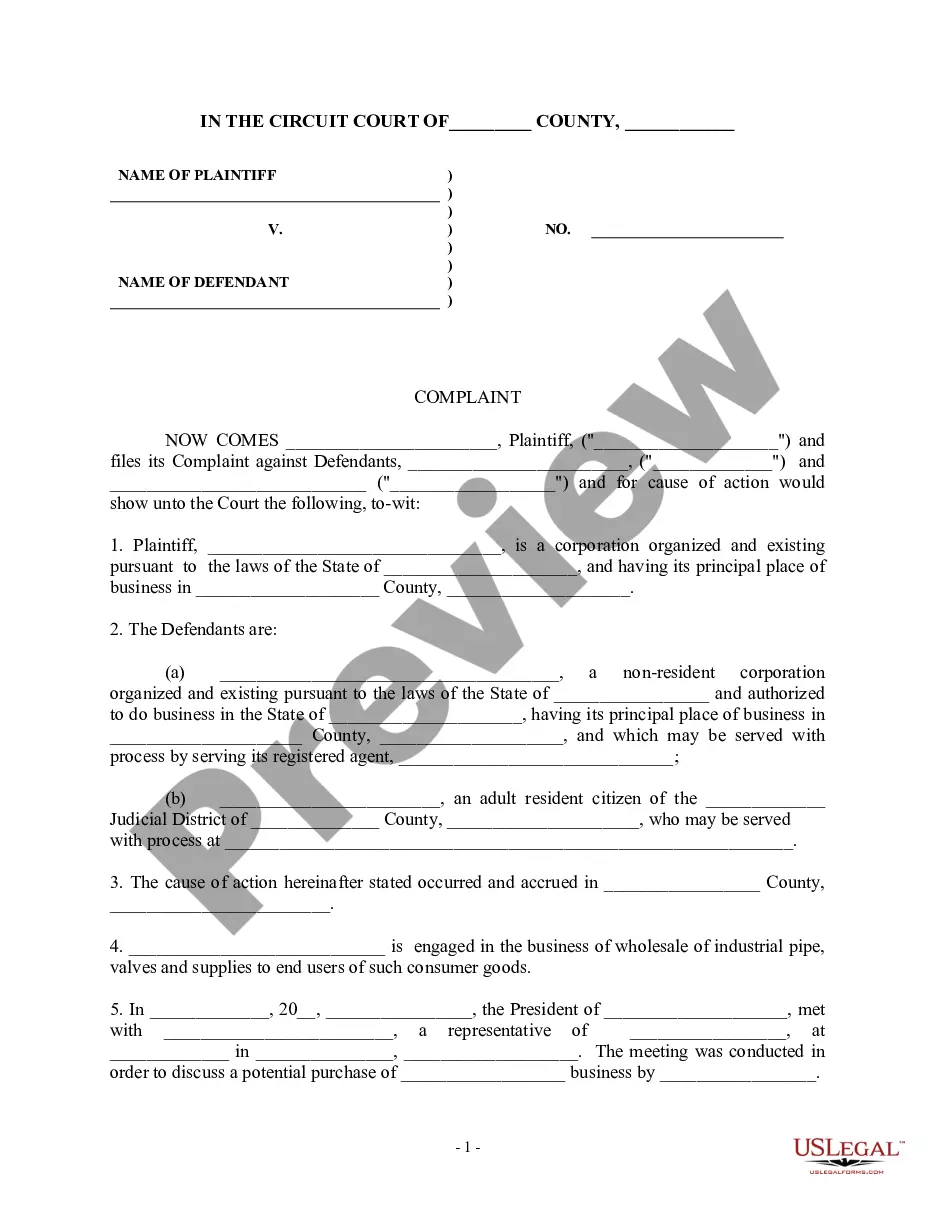

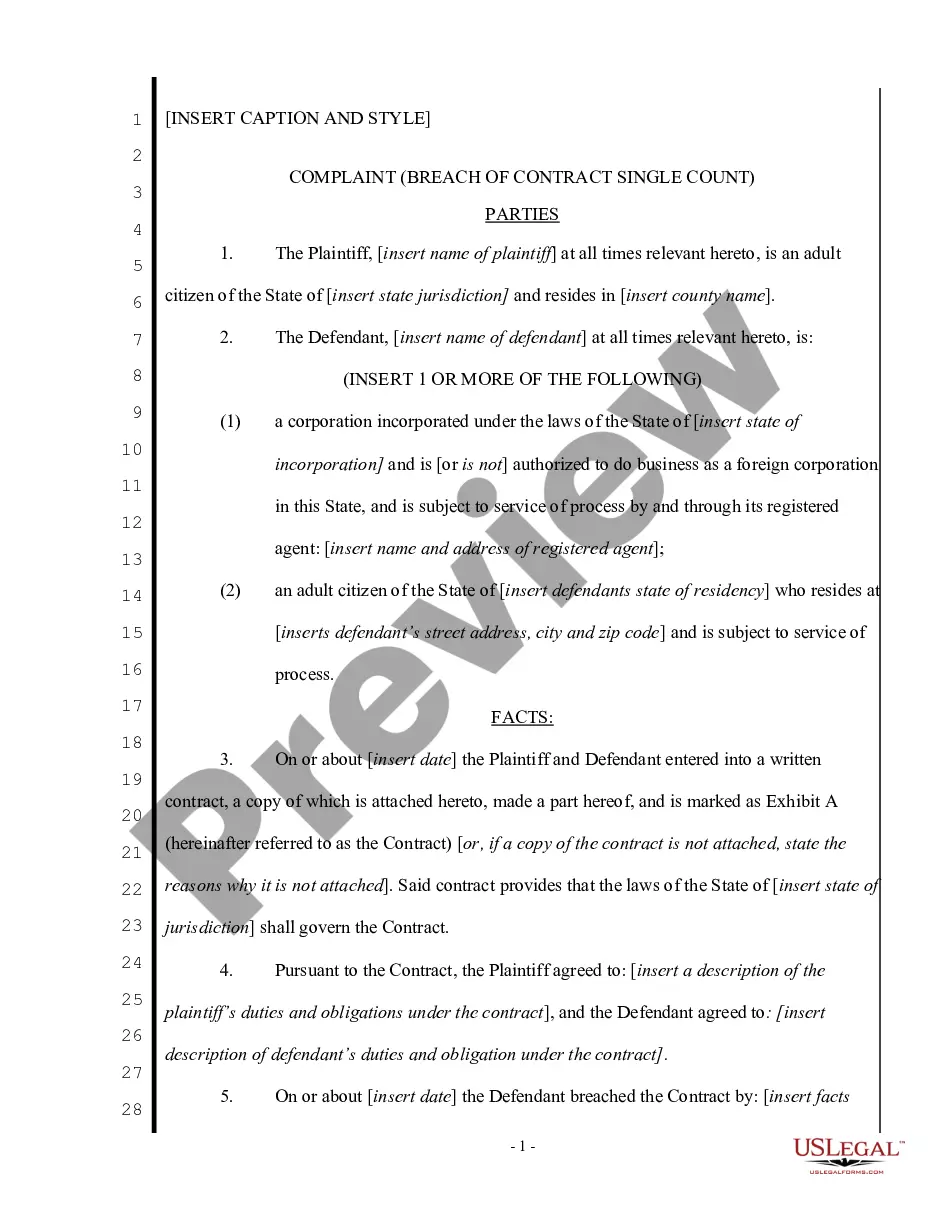
Get your form ready online
Our built-in tools help you complete, sign, share, and store your documents in one place.
Make edits, fill in missing information, and update formatting in US Legal Forms—just like you would in MS Word.
Download a copy, print it, send it by email, or mail it via USPS—whatever works best for your next step.
Sign and collect signatures with our SignNow integration. Send to multiple recipients, set reminders, and more. Go Premium to unlock E-Sign.
If this form requires notarization, complete it online through a secure video call—no need to meet a notary in person or wait for an appointment.
We protect your documents and personal data by following strict security and privacy standards.

Make edits, fill in missing information, and update formatting in US Legal Forms—just like you would in MS Word.

Download a copy, print it, send it by email, or mail it via USPS—whatever works best for your next step.

Sign and collect signatures with our SignNow integration. Send to multiple recipients, set reminders, and more. Go Premium to unlock E-Sign.

If this form requires notarization, complete it online through a secure video call—no need to meet a notary in person or wait for an appointment.

We protect your documents and personal data by following strict security and privacy standards.
Looking for another form?


Form popularity
FAQ
The injunctive relief clause is a contractual provision that allows a party to seek a court-ordered injunction to prevent the other party from engaging in specific actions that could cause irreparable harm.
Anti-suit injunction cases fall into one of two categories: contractual cases, where an exclusive jurisdiction or arbitration clause is relied upon, and non-contractual cases.
An injunction is a writ or order requiring a person to refrain from a particular act.
The California Anti-Injunction Statutes One of the statutes at issue in the Ralphs decision, the Moscone Act (California Code of Civil Procedure section 527.3), provides that picketing and related union activities during a labor dispute cannot be enjoined except in the case of certain unlawful conduct.
It states: "A court of the United States may not grant an injunction to stay proceedings in a state court except as expressly authorized by Act of Congress, or where necessary in aid of its jurisdiction, or to protect or effectuate its judgments." The Act was originally enacted as part of the Judiciary Act of 1793.
While there are California causes of action that specifically permit punitive damages, they are the exception and are based not on the actual breach, but upon some other underlying conduct of the defendant, such as fraud.
Generally speaking, there are two kinds of relief available through an injunction: prohibitory and mandatory. A prohibitory injunction is the most common form of injunction, and directs a party to refrain from acting in a certain manner.
Injunctive relief in a breach of contract claim is a court-ordered legal remedy whereby the court orders a party to either do something or refrain from doing something. Injunctive relief is sought when a breach of contract threatens to cause irreparable harm that can't be adequately compensated by monetary damages.
(a) An injunction may be granted in the following cases: (1) When it appears by the complaint that the plaintiff is entitled to the relief demanded, and the relief, or any part thereof, consists in restraining the commission or continuance of the act complained of, either for a limited period or perpetually.
Injunctive relief is a legal remedy that can be awarded by a court to prevent a party from taking certain actions or to require them to take certain actions. It is a form of equitable remedy that is used when monetary damages are not sufficient to remedy a breach of contract.
