Injunctive Relief For Copyright Infringement In Bronx
Description

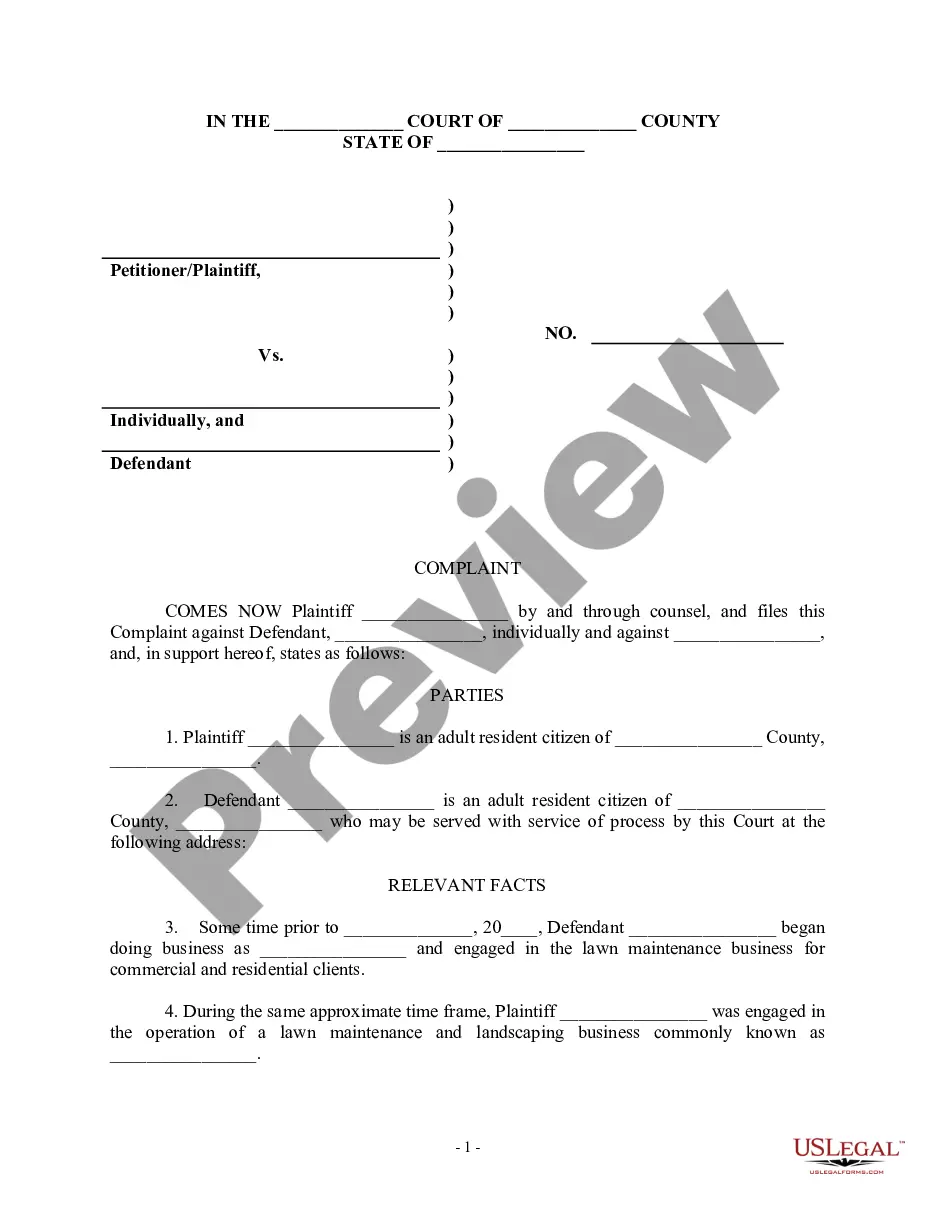
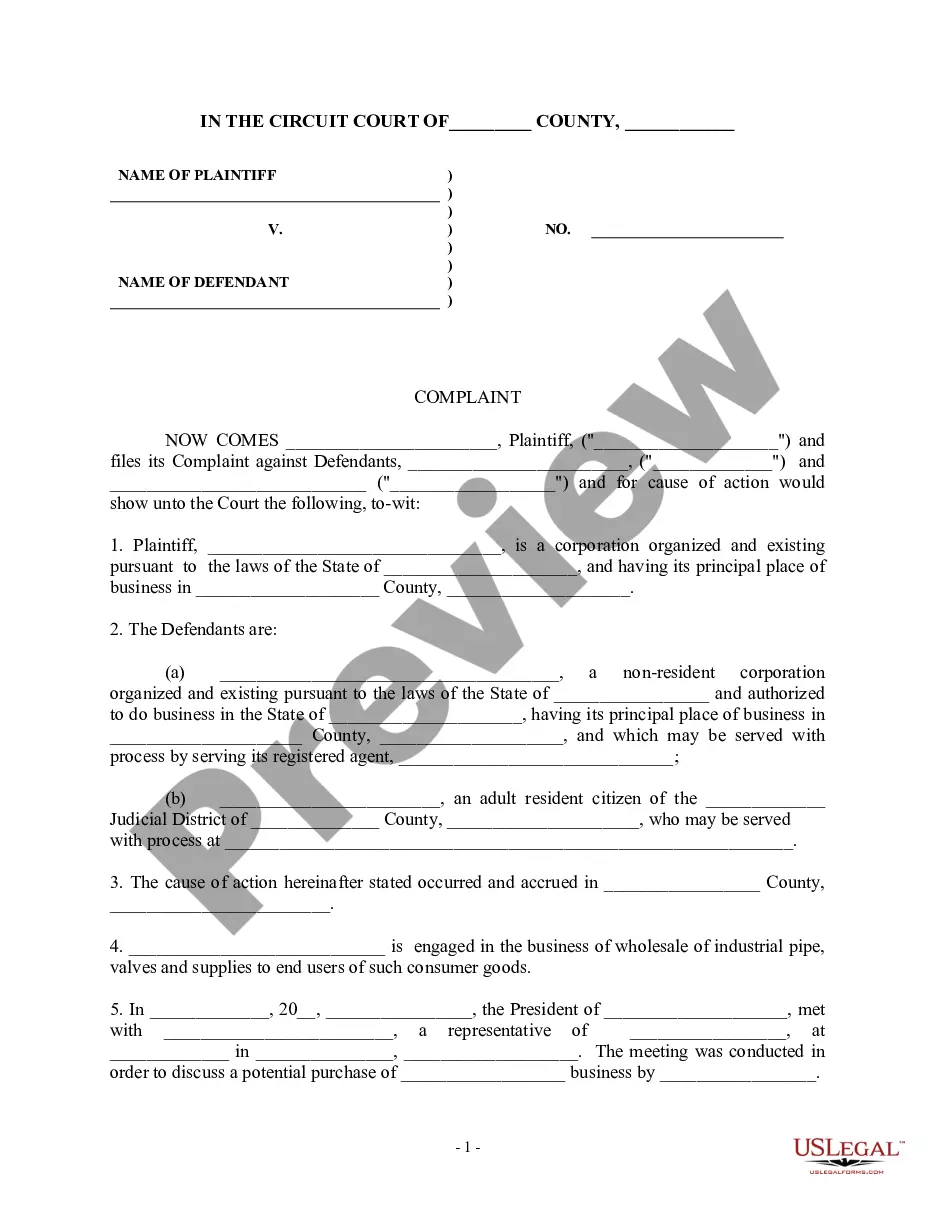

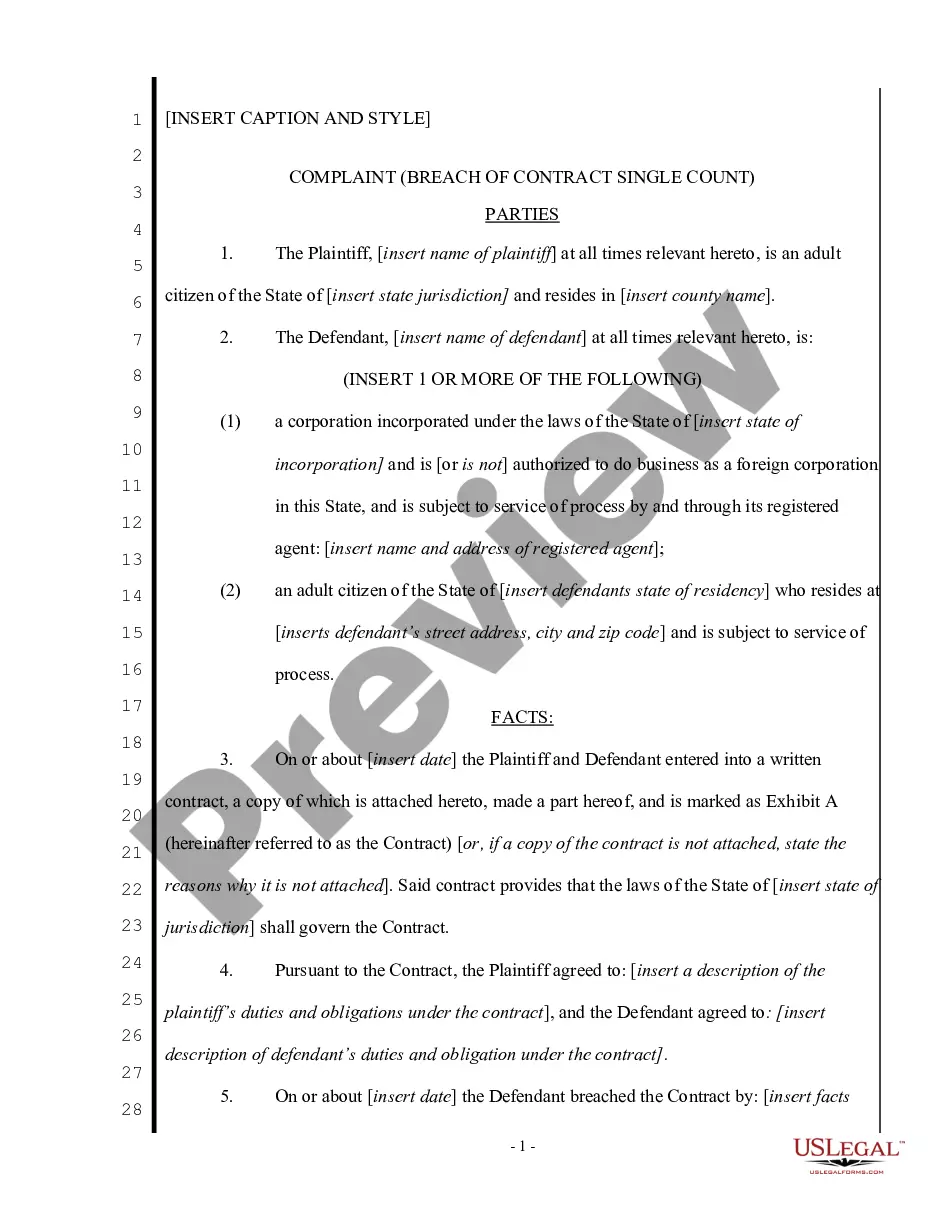
Get your form ready online
Our built-in tools help you complete, sign, share, and store your documents in one place.
Make edits, fill in missing information, and update formatting in US Legal Forms—just like you would in MS Word.
Download a copy, print it, send it by email, or mail it via USPS—whatever works best for your next step.
Sign and collect signatures with our SignNow integration. Send to multiple recipients, set reminders, and more. Go Premium to unlock E-Sign.
If this form requires notarization, complete it online through a secure video call—no need to meet a notary in person or wait for an appointment.
We protect your documents and personal data by following strict security and privacy standards.

Make edits, fill in missing information, and update formatting in US Legal Forms—just like you would in MS Word.

Download a copy, print it, send it by email, or mail it via USPS—whatever works best for your next step.

Sign and collect signatures with our SignNow integration. Send to multiple recipients, set reminders, and more. Go Premium to unlock E-Sign.

If this form requires notarization, complete it online through a secure video call—no need to meet a notary in person or wait for an appointment.

We protect your documents and personal data by following strict security and privacy standards.
Looking for another form?










Form popularity
FAQ
If a court finds that copyright was infringed, the copyright owner can be compensated in several ways, such as the following: statutory damages (based on an amount set by law) actual damages (calculated based on the harm) an injunction (a special court order to stop someone from doing something)
Defenses to Copyright Infringement Claims Fair use doctrine. Proof the work was independently created and not copied. Innocence (proving there was no reason to believe the work was copyrighted) The use is with a license agreement in place (this can shift liability to the licensor)
Submit a dispute Sign in to the YouTube Studio app. Tap Content . Select a video with a copyright restriction and tap on the restriction. In the bottom panel, tap REVIEW ISSUES. Tap the relevant claim. Tap Dispute.
7 Steps on How to Handle Copyright Infringement Step 1: Recognize Unauthorized Use. Step 2: Gather Pieces of Evidence. Step 3: Understand Your Rights. Step 4: Take Prompt Action. Step 5: Seek Legal Action. Step 6: Communicate with the Infringer. Step 7: Prevent Future Infringement.
The response of the notice must be simple informing them that you have removed the infringing content or some proof attesting to the license to use the content. If it is more, please contact a lawyer of your choice.
DURATION OF COPYRIGHT Works Originally Created on or After January 1, 1978. After January 1, 1978, a work is automatically protected from the moment it is fixed in tangible form for a term of the author's life, plus an additional 70 years after the author's death.
Such remedies include impounding and disposition of infring- ing articles under section 503, actual damages and profits and statutory damages under section 504, costs and attorney's fees under section 505, and the remedies provided in section 510.
Actual damages can be very high, but they must be proved and can also be very low. 4) If you haven't registered your work before the infringement, and the value of the infringement is low, it may be best to seek a settlement before starting a lawsuit.
The first tip for protecting your rights is to register the work with the U.S. Copyright Office. If you do not register your work, you cannot bring a copyright lawsuit under federal law. However, you can pursue a claim in state court to stop the infringer from using your copyrighted work and to seek actual damages.
You file your CCB claim by submitting an online claim form. This section provides guidance on filling out the claim form through eCCB. eCCB can be found on the CCB's website. eCCB will guide you through the steps to file your claim, with instructions and helpful information along the way.
