Injunctive Relief Agreement For Damages In Bronx
Description

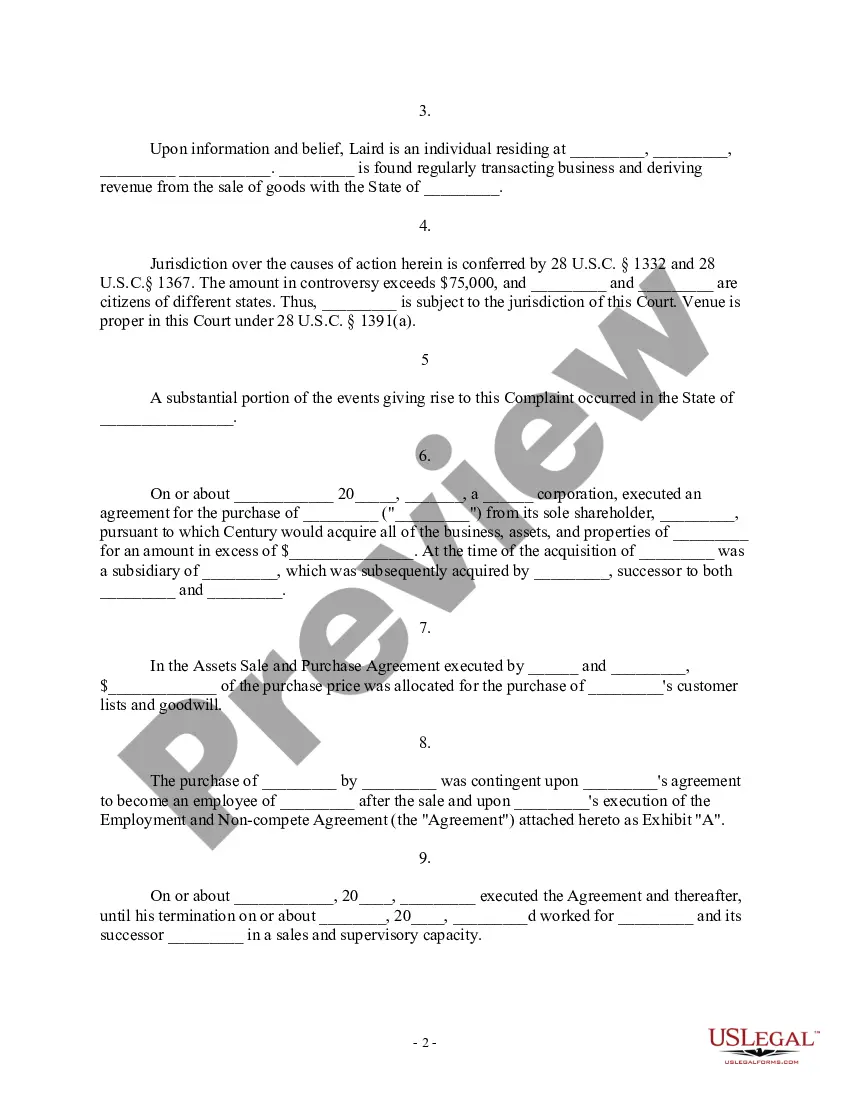
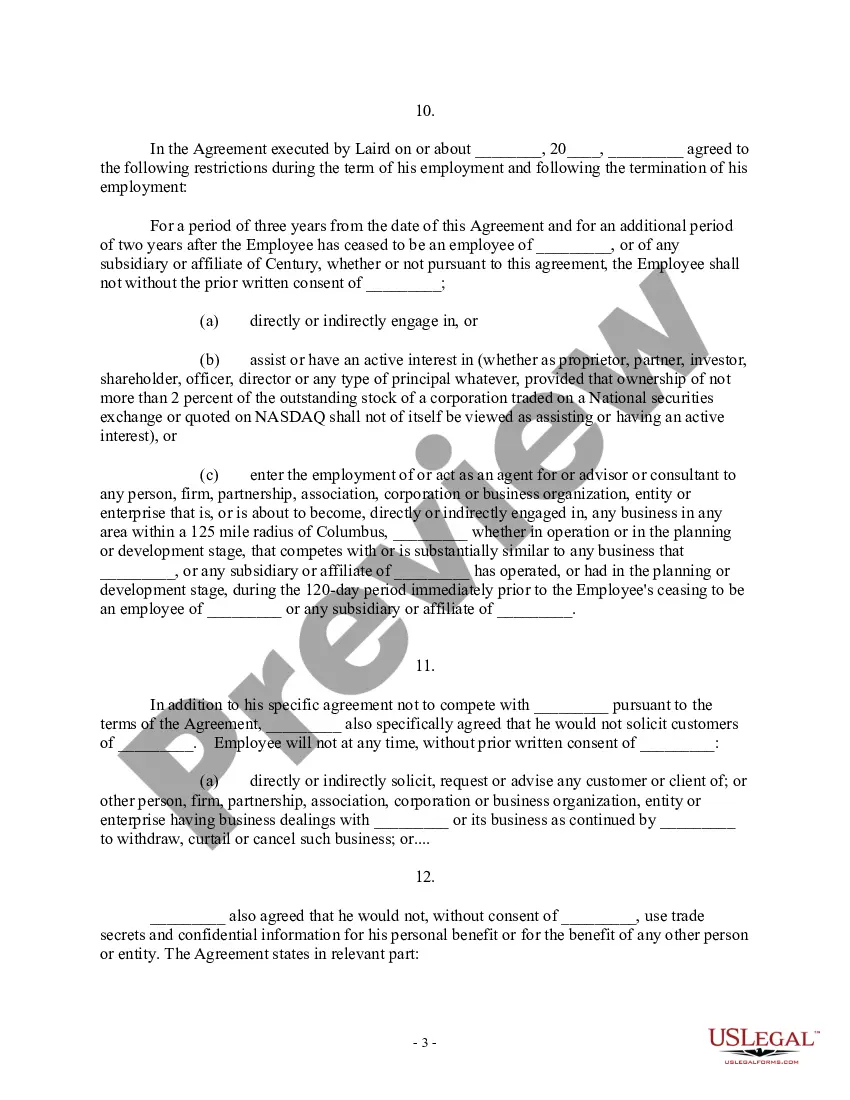
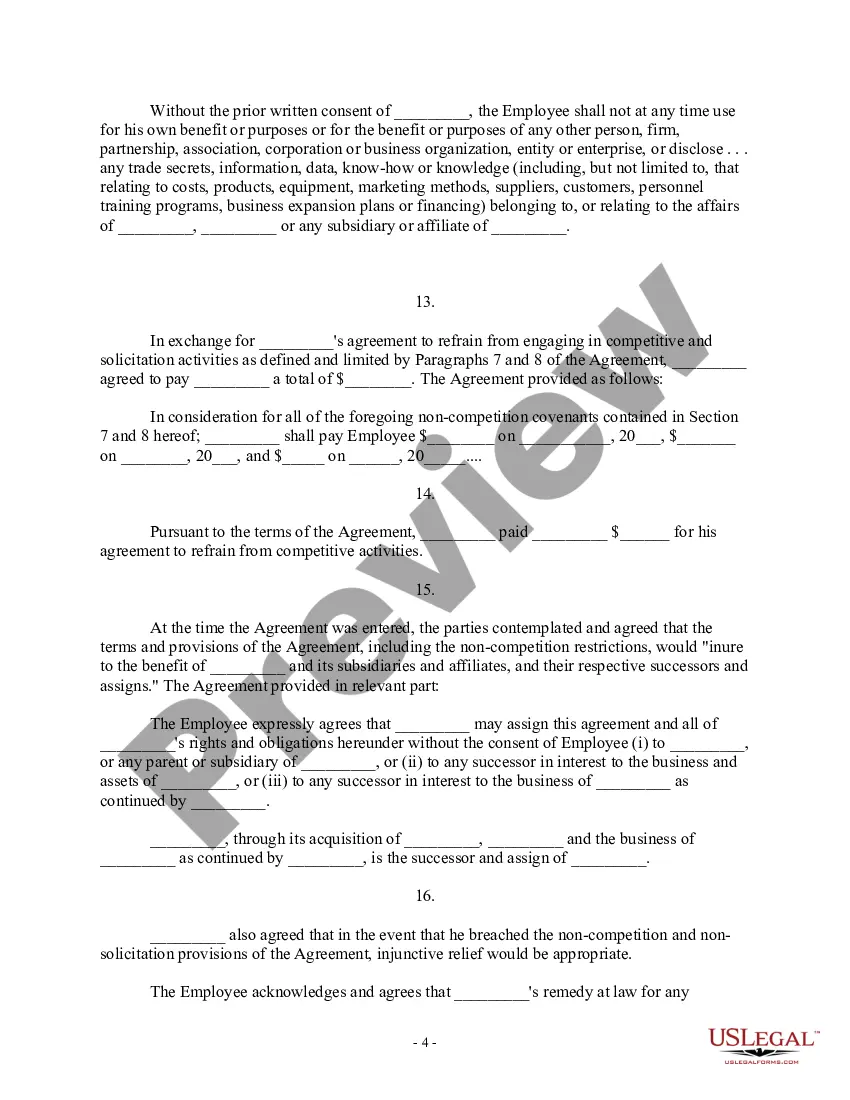
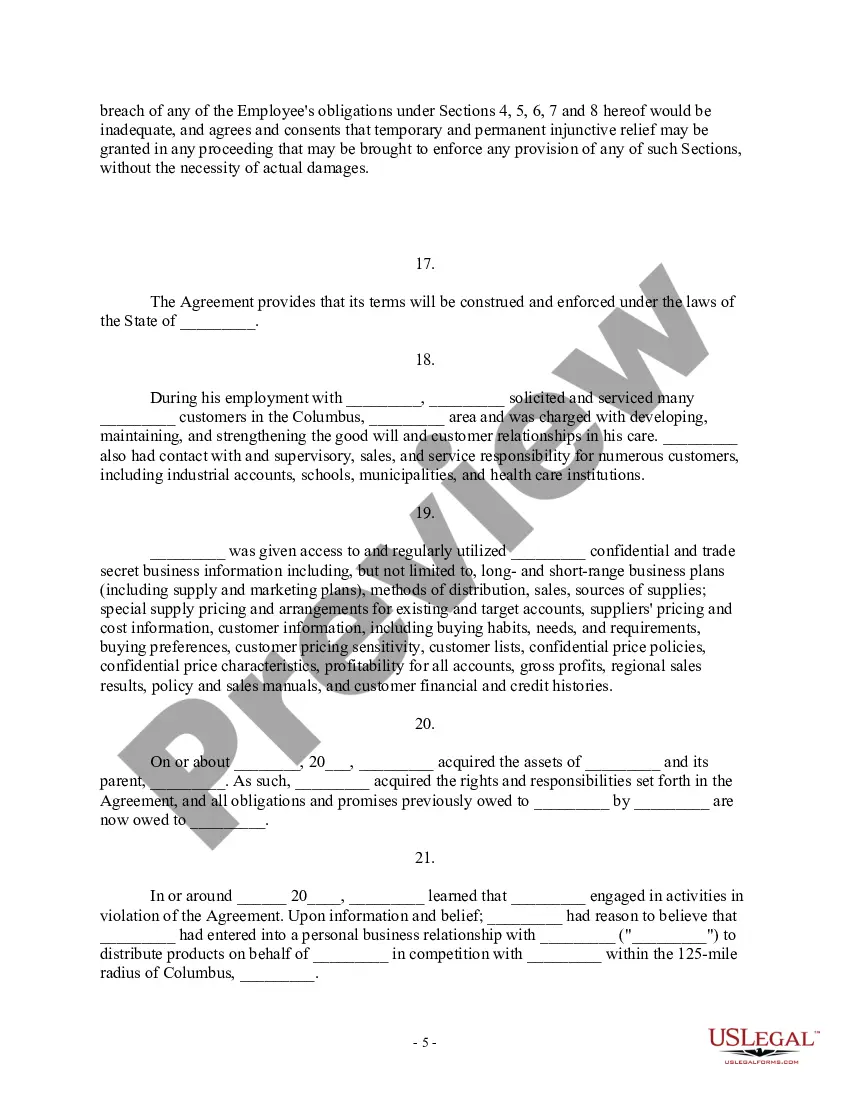
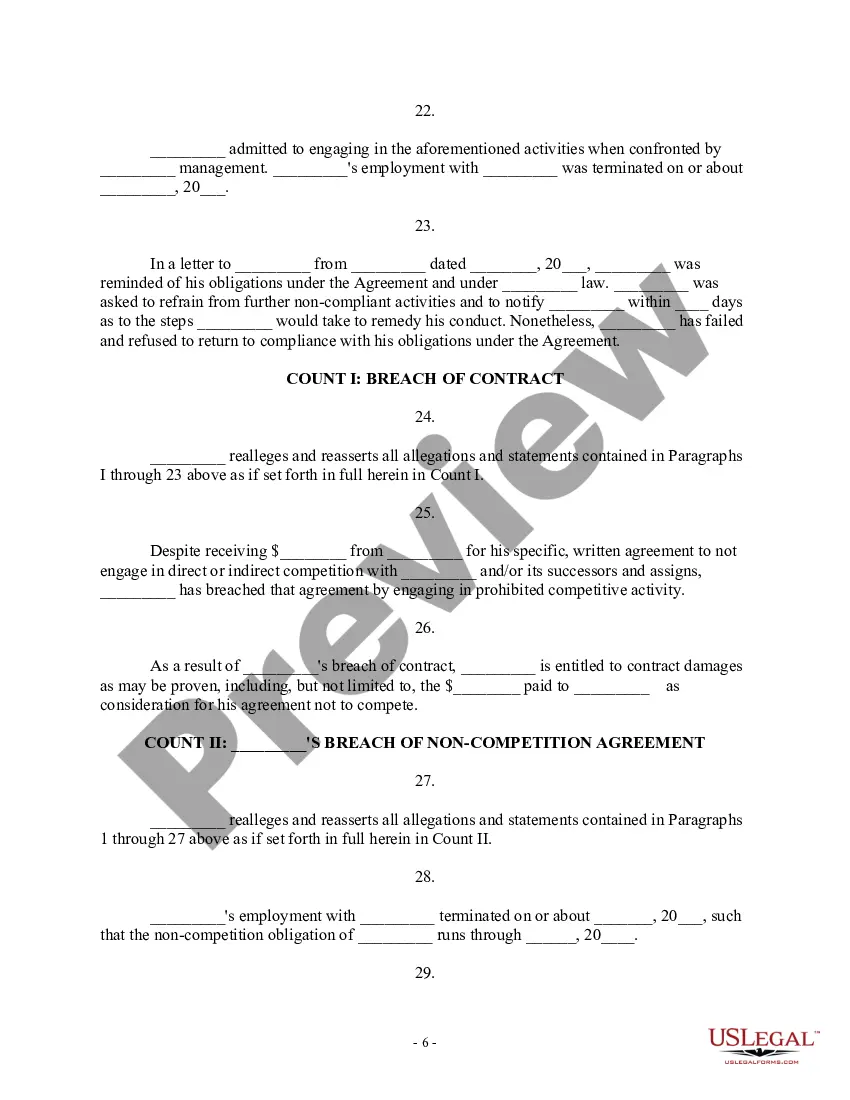
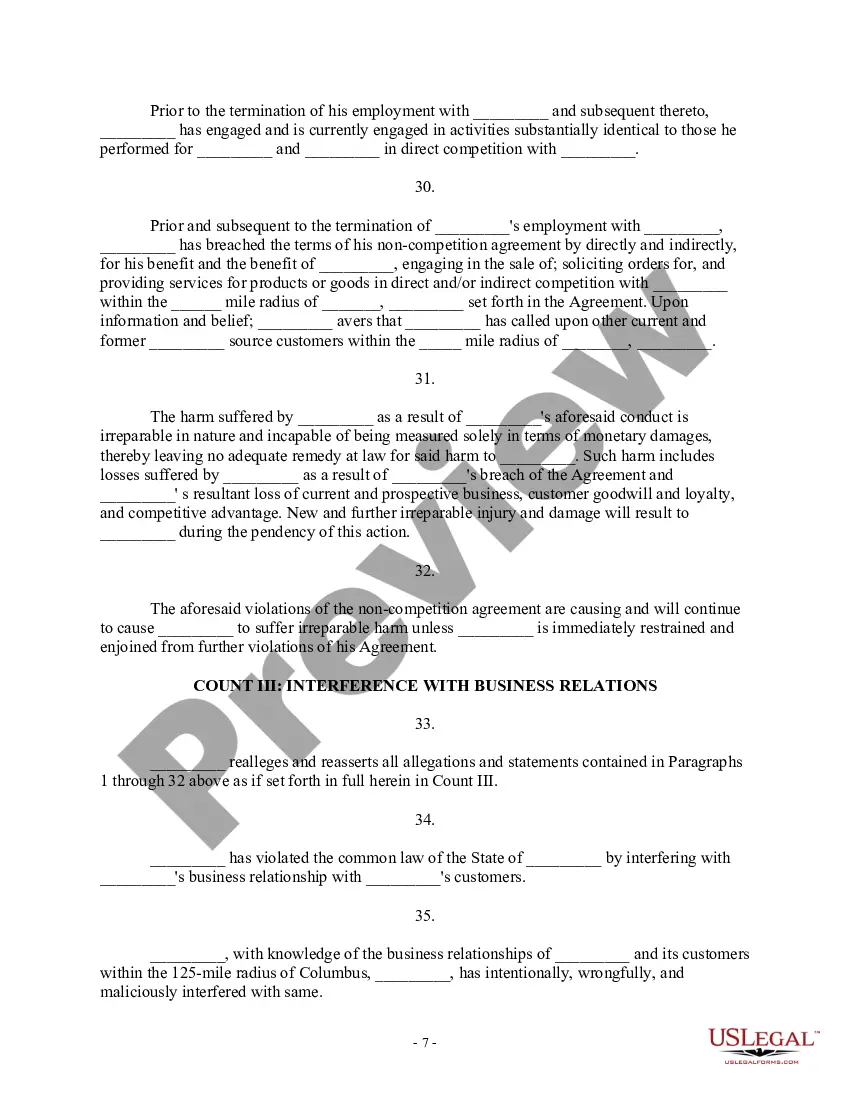
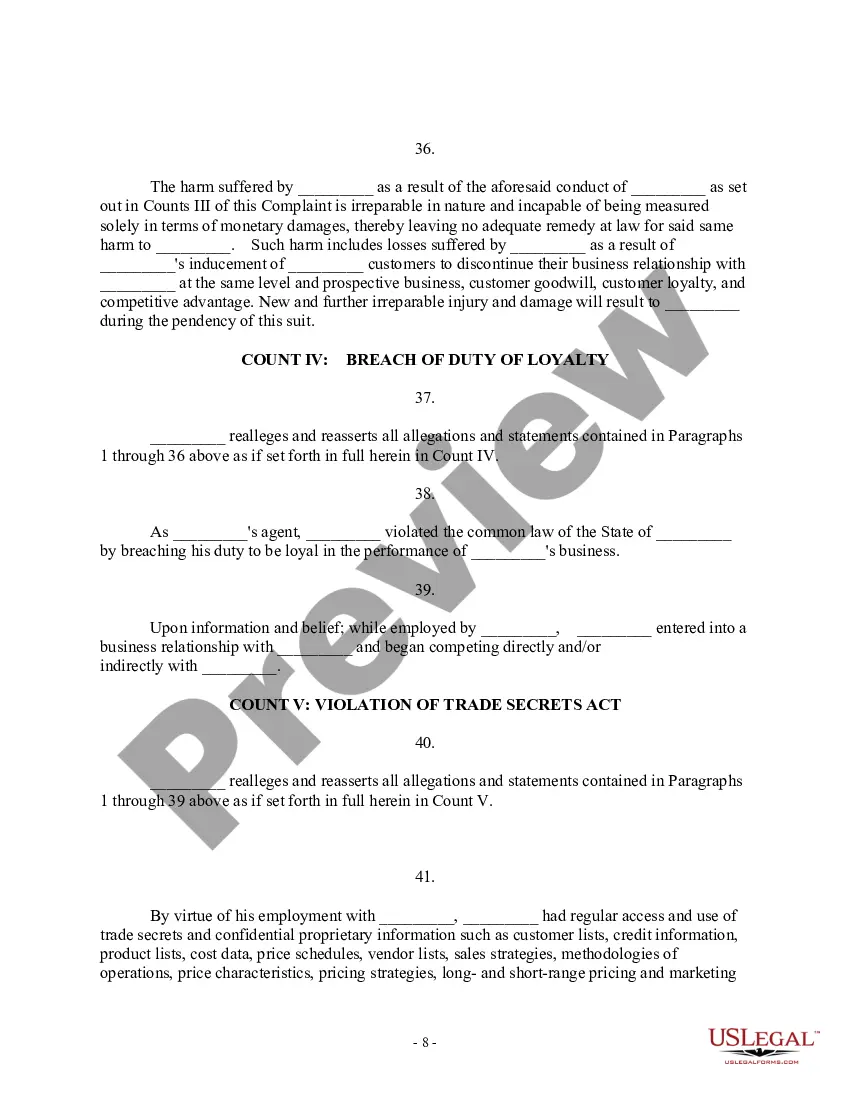
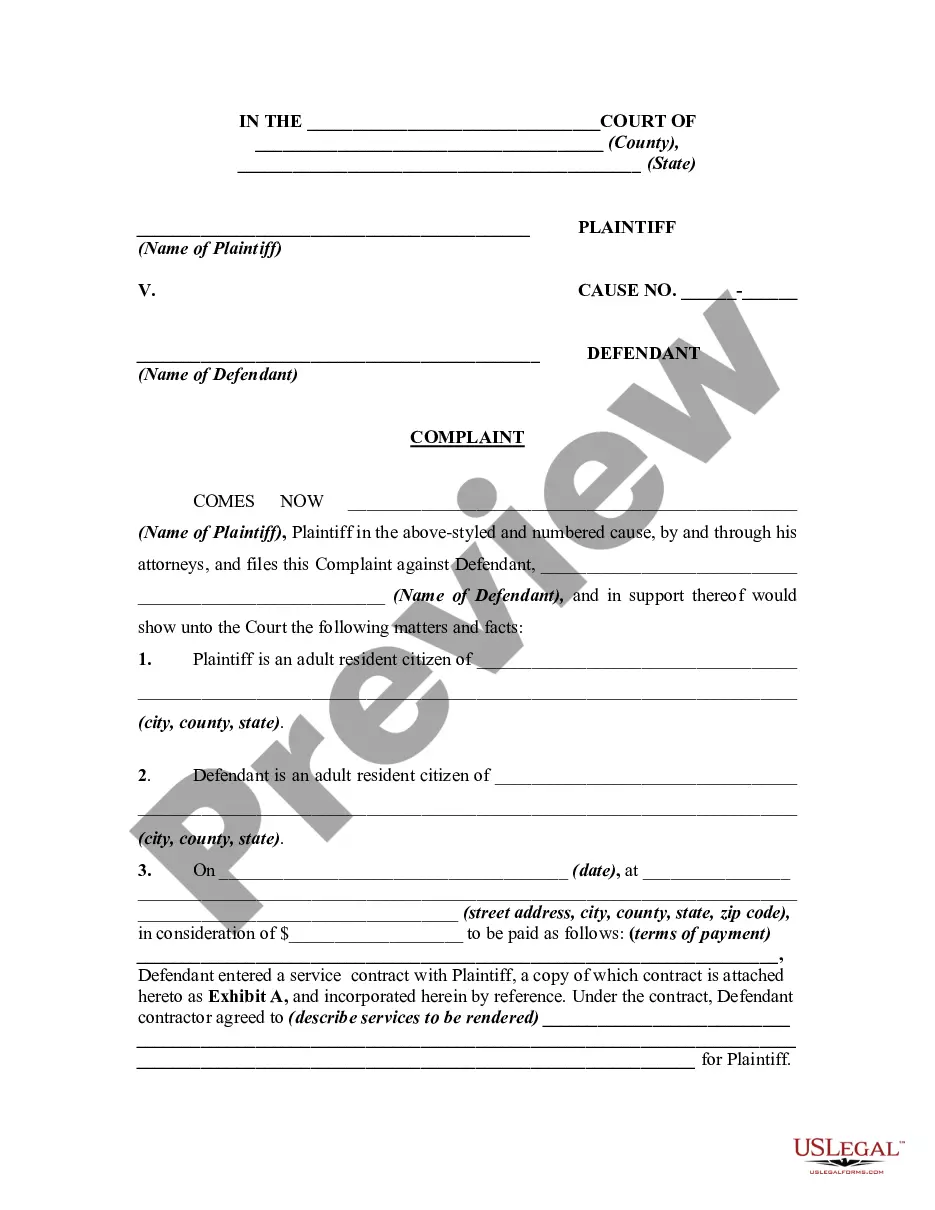
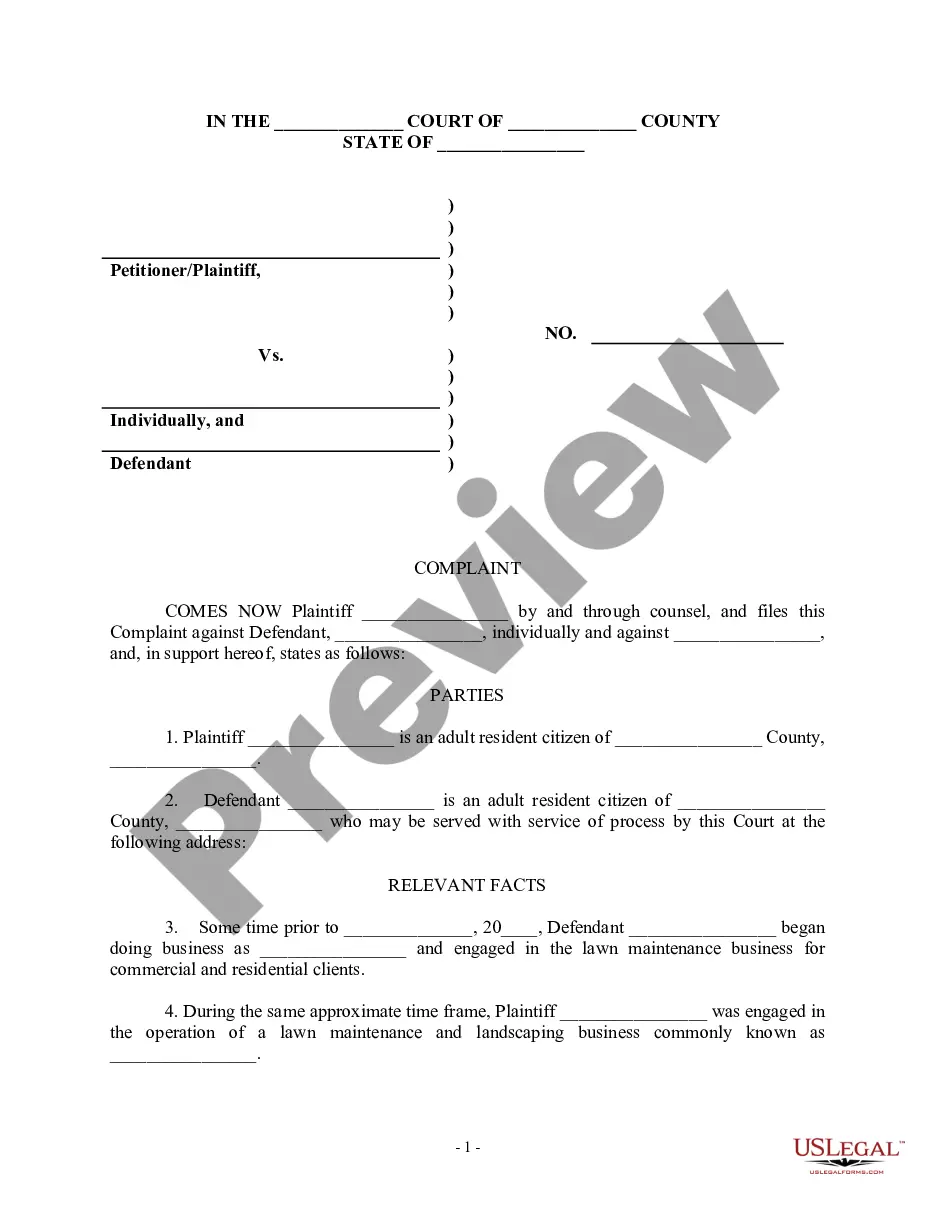
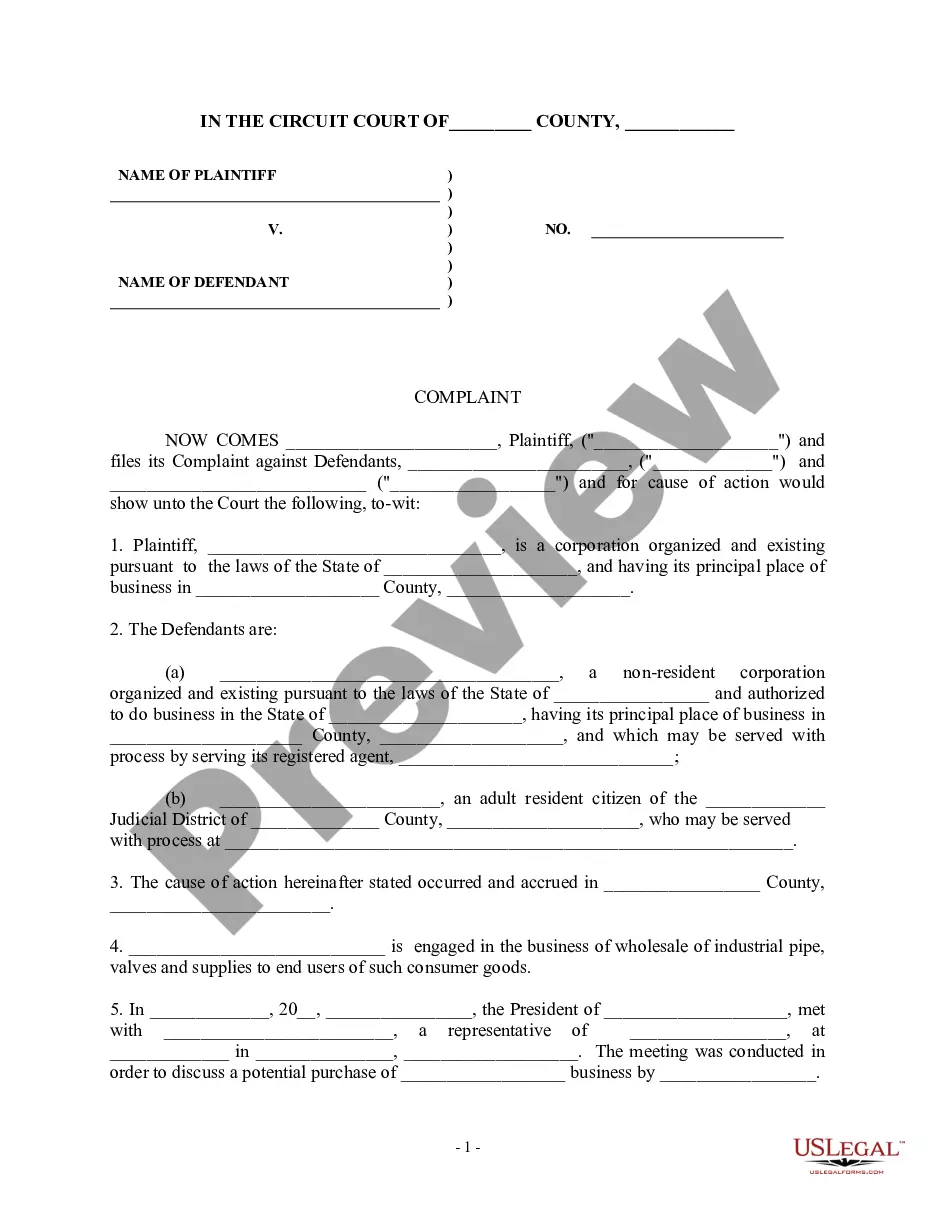


Get your form ready online
Our built-in tools help you complete, sign, share, and store your documents in one place.
Make edits, fill in missing information, and update formatting in US Legal Forms—just like you would in MS Word.
Download a copy, print it, send it by email, or mail it via USPS—whatever works best for your next step.
Sign and collect signatures with our SignNow integration. Send to multiple recipients, set reminders, and more. Go Premium to unlock E-Sign.
If this form requires notarization, complete it online through a secure video call—no need to meet a notary in person or wait for an appointment.
We protect your documents and personal data by following strict security and privacy standards.

Make edits, fill in missing information, and update formatting in US Legal Forms—just like you would in MS Word.

Download a copy, print it, send it by email, or mail it via USPS—whatever works best for your next step.

Sign and collect signatures with our SignNow integration. Send to multiple recipients, set reminders, and more. Go Premium to unlock E-Sign.

If this form requires notarization, complete it online through a secure video call—no need to meet a notary in person or wait for an appointment.

We protect your documents and personal data by following strict security and privacy standards.
Looking for another form?








Form popularity
FAQ
Complete, sign, and make two copies of the original State complaint form posted below. Send the original State complaint form to the New York State Education Department (NYSED), Office of Special Education, 89 Washington Avenue, Room 309 EB, Albany, NY 12234, Attention: State Complaints.
To commence an e-filed action or special proceeding, a summons and complaint or summons with notice in an action, or a petition in a special proceeding shall be filed with the County Clerk through NYSCEF by uploading the documents to the NYSCEF site in PDF-A format.
The New York Rules of Civil Procedure limit what information can be obtained through discovery in cases. Only relevant information that is not privileged can be discovered in New York civil cases. Relevant information includes anything that can help prove a fact or inference in a case.
The Civil Court has monetary jurisdiction up to $50,000.00, including replevin when the value of the chattel does not exceed that amount.
The New York Rules of Civil Procedure limit what information can be obtained through discovery in cases. Only relevant information that is not privileged can be discovered in New York civil cases. Relevant information includes anything that can help prove a fact or inference in a case.
The discovery process is governed by Federal Rules of Civil Procedure 26–37, 45, and the court's Local Civil Rules. Discovery generally begins after the defendant files an answer, the parties hold a discovery planning conference, and the judge issues a scheduling order.
Steps Of The Discovery Process. There are four key actions in the discovery process which include interrogatories, request for documents, request for admissions, and depositions.
Timeframe for discovery The deadline for finishing discovery (the discovery cutoff) is 30 days before the original date set for a trial unless the parties have agreed or the court has ordered to extend the time. You need all the responses by this date.
The writ of replevin must be directed to the sheriff, or other officer authorized by law, of the county where the chattels are located. The write of replevin must describe the chattels with specificity.
A Notice of Intention to File a Claim is an optional document that a potential claimant may serve upon the defendant to extend the time period to serve and file a claim.
